$49.90
Free delivery · 7–14 days
LED Scalp Applicator Hair Growth Liquid Comb with Light




LED red light therapy masks are hands-free facial devices designed for at-home light sessions as part of a skincare routine. This guide compares mask design, light settings, comfort, safety features, and practical use so you can choose a device that fits your goals without confusing facial masks with scalp, nail, nasal, or body-focused products.
Start with the area you want to treat: a facial mask should sit over the face, while a scalp applicator, nail device, nasal irrigator, waist belt, or flashlight is designed for a different use. Check whether the mask is rigid or flexible, wired or rechargeable, and whether it includes eye protection or a timer. Look for clear instructions covering session length, cleaning, charging, and recommended frequency. If you want a simple routine, a dedicated LED Light Therapy Mask with a preset session may be easier than a multi-purpose 7-Color LED Photon Rejuvenation Device. Compare return terms and replacement-part availability as well. The most suitable mask is the one you can position comfortably and use consistently as directed.
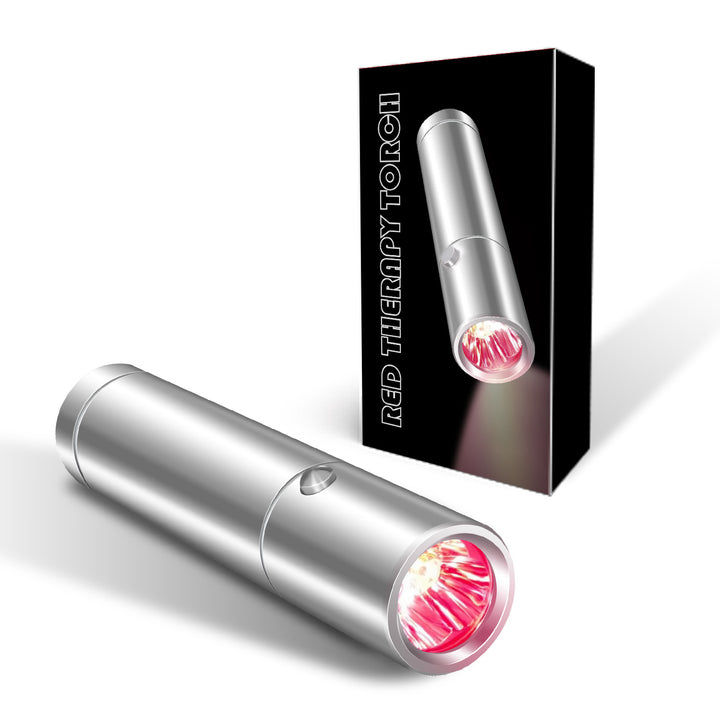
Facial LED masks are shaped to place light across the face and are generally chosen for skincare routines. A 7-color photon device may offer multiple color modes, but more settings do not automatically make it the best choice for your needs. A Red Light Therapy Flashlight is more portable and directional, yet it may require manual positioning and may not cover the face evenly. The LED Scalp Applicator is intended for the scalp, while the LED Nail Light Therapy Device is intended for nails. Red Light and Heat Gua Sha Cupping devices add massage or warming functions, and a nasal irrigator with infrared light is not a facial mask substitute. Compare the target area, coverage, controls, and comfort before comparing feature counts.
When shoppers ask which LED red light mask is the most effective, begin with usable specifications rather than advertising language. Look for the light colors or modes provided, clearly stated operating instructions, a session timer, and a design that keeps the LEDs at a consistent distance from the skin. A flexible silicone-style mask may conform more closely, while a rigid mask can hold its shape and sit away from the face. Check the fit around the nose, cheeks, and eyes, along with strap adjustment and device weight. Rechargeable operation can make regular use easier, but confirm charging time and battery instructions. Treat phrases such as “clinical-grade” as product descriptions, not a guarantee of results, and choose a seller that explains safe use and limitations.
Read the device manual before the first session and inspect the mask, cable, charger, and eye area for damage. Cleanse and dry your face unless the instructions say otherwise, then position the mask so it sits securely without pressing uncomfortably on the skin. Use the specified mode and timer; do not extend sessions or increase use simply because you want faster results. Keep the device clean according to its care instructions, and avoid sharing it without proper cleaning. Follow the manual on eye protection and product compatibility, especially if using skincare products at the same time. Stop if you experience pain, unusual irritation, or a worsening reaction. Store the mask dry and charged as recommended so it is ready for the next planned session.
A common mistake is buying a device for the wrong body area because the listing uses broad terms such as light therapy. Confirm that the product is specifically intended for facial use before checkout. Another mistake is judging a mask by the number of colors, LEDs, or bold result promises without checking fit, instructions, warranty, and cleaning requirements. Do not wear a mask longer or more often than directed, look directly into uncovered LEDs, or use a damaged charger. Avoid applying products that the manual does not recommend, and do not assume light therapy replaces professional advice for a skin concern. Finally, taking inconsistent photos or changing several skincare products at once can make it difficult to tell how your routine is affecting your skin.
An LED red light therapy mask may suit adults who want a convenient, non-invasive addition to a facial skincare routine and are willing to follow the instructions consistently. It can be useful for shoppers who prefer hands-free sessions at home, while a flashlight may suit someone who wants a smaller, more targeted device. A mask may be less suitable if you dislike face-worn products, need a treatment for the scalp or nails, or want massage, heat, or nasal-care functions instead. Before use, review the manual for warnings and ask a healthcare professional if you have a light-sensitive condition, take medication that increases light sensitivity, have an eye concern, or are unsure whether the device is appropriate. Choose comfort and clear guidance over a “number one” claim.
Results can vary by device, use pattern, skin, and personal expectations. A mask may support a consistent skincare routine, but marketing claims should not be treated as guaranteed outcomes. Follow the instructions and consider professional advice for persistent or concerning skin changes.
It uses LEDs to deliver red or other specified light modes to the face during a timed session. Shoppers commonly use these devices as part of a home skincare routine. The exact purpose, settings, and limitations depend on the individual product manual.
There is no single best mask for every shopper. Compare facial coverage, fit, light modes, timer controls, eye-safety guidance, cleaning, charging, warranty, and instructions. A comfortable mask that you can use correctly is often a more practical choice than one with extra features you will not use.
A universal number-one mask cannot be identified without knowing your budget, comfort preferences, routine, and intended use. For facial skincare, prioritize a device designed for the face with clear operating guidance and suitable coverage. Do not select a product solely because its listing uses a top-ranking or clinical-sounding phrase.
Possible downsides include the purchase cost, the time required for repeated sessions, an uncomfortable fit, and temporary irritation for some users. Eye protection and light-sensitivity warnings also matter. Follow the manual, stop if you have an unusual reaction, and seek professional guidance when you are unsure whether light exposure is suitable.
Do not treat an LED mask as a guaranteed way to tighten sagging skin. Individual results may differ, and a home device cannot be presented as a substitute for professional assessment or procedures. Check the product instructions and speak with a qualified healthcare professional if laxity is your main concern.