$49.90
Free delivery · 7–14 days
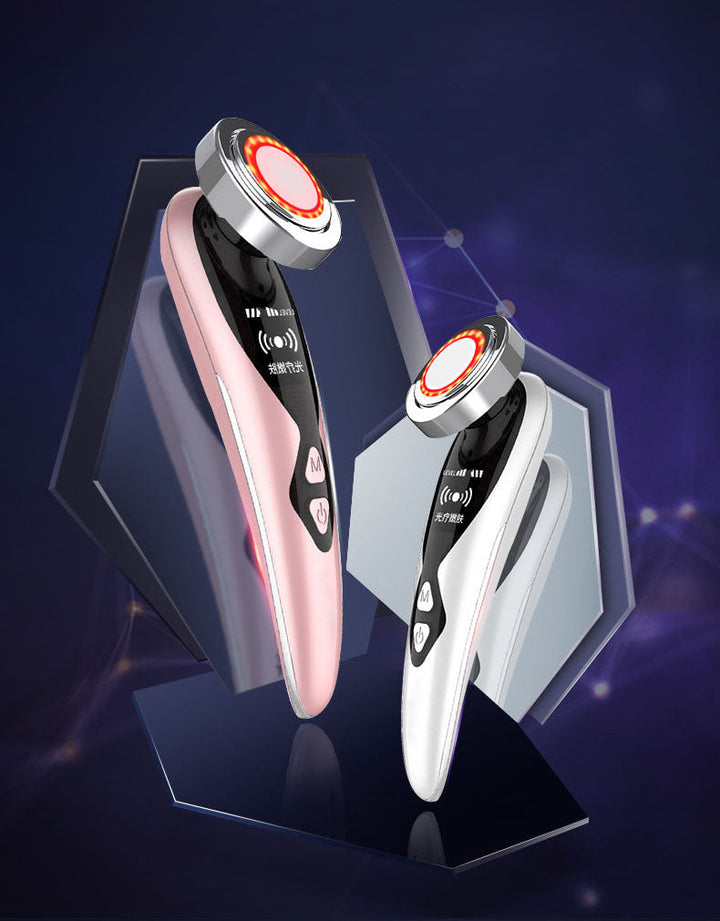
Facial Massager with Red Light Therapy — Lift & Firm Skin


LED light masks can add a simple, at-home step to a skincare routine focused on a more even-looking, brighter complexion. This category includes LED facial tools and related lighted beauty devices, so compare the intended use, coverage, comfort, and controls before choosing.
Start with your main goal and the area you want to treat. A face-and-neck LED light therapy mask is designed for broader coverage than a small facial brush or a lighted mirror, while a sonic LED facial brush combines cleansing with light features. Check whether the mask covers the cheeks, forehead, jawline, and neck, and look for a secure fit that leaves your hands free. Simple controls are useful if you want a straightforward routine; Bluetooth connectivity is more relevant to speakers than skincare devices. Read the product instructions for recommended session length and frequency, and check whether the design fits comfortably over your face. If you are comparing the best LED light masks, prioritize fit, coverage, ease of cleaning, and consistent use over appearance alone.
The main option here is an LED light therapy mask for the face and neck, suited to shoppers who want one dedicated device with wider coverage. A sonic LED facial brush adds cleansing and uses tri-light features, making it a different type of tool rather than a direct replacement for a flexible mask. A silicone facial cleansing brush combines cleansing, heat, and LED light in a compact format. Lighted mirrors help with makeup application but are not face-worn therapy masks. Other listed products, such as the microblading pen and nose-and-ear trimmer, use LED illumination for precision grooming rather than skincare. When comparing a red light therapy mask with a multi-light mask, review the listed light modes and intended routine instead of assuming every device works the same way.
Look for clear product information about light modes, face and neck coverage, controls, charging or power requirements, and cleaning instructions. A comfortable mask should sit securely without creating distracting pressure, and adjustable straps can make fit easier across different face shapes. Flexible silicone may be convenient for storage and cleaning, while a more structured design can help the mask hold its shape. Consider whether you can use the device consistently at home and whether the controls are easy to operate without removing it. If you are researching the best LED face mask dermatologist recommendations, remember that suitability depends on the individual and product instructions; online rankings are not a substitute for professional advice. Also check warnings, eye-area guidance, and compatibility with your skincare routine.
Begin by reading the device instructions, charging it if required, and cleansing your face so the mask rests on clean, dry skin unless the manufacturer says otherwise. Secure the mask comfortably, follow the stated session settings, and avoid extending use beyond the directions. Keep the eye area protected as instructed and stop if the device causes discomfort, irritation, or an unexpected reaction. Afterward, clean the mask using the recommended method and store it dry. A consistent routine is generally more practical than occasional, lengthy sessions, but the correct schedule depends on the product. Avoid applying unfamiliar products immediately before use if the instructions warn against them. Take care with light-sensitive medicines or conditions and ask a qualified healthcare professional when unsure.
A common mistake is choosing a device for its trend value without checking fit, coverage, or instructions. Another is treating a lighted grooming tool, vanity mirror, or Bluetooth speaker as an LED skincare mask; these products have different purposes. Do not assume more time or more modes will produce better results, and do not ignore eye protection guidance. Using a dirty mask can transfer residue back to the skin, so follow the cleaning directions after sessions. Shoppers also overlook comfort: a device that slips, pinches, or feels difficult to operate may be hard to use regularly. Finally, do not rely on broad claims such as “best red light mask” or “number one” without checking the exact features, intended use, return policy, and safety information for the product you are considering.
LED light masks may suit adults who want a convenient, at-home beauty device and are prepared to follow the instructions consistently. A face-and-neck model is worth considering if you want coverage beyond the center of the face, while a facial brush may suit shoppers who prefer a cleansing-focused format. These devices are not a replacement for diagnosis or treatment from a healthcare professional. Review the warnings before use, particularly if you have a condition affected by light, take medication that increases light sensitivity, have concerns about eye exposure, or are pregnant and unsure whether the product is appropriate. If you have active skin concerns or a history of reactions to skincare devices, seek professional guidance first. Choose the format you can use comfortably and safely, not simply the one with the most features.
Results can vary by device, light mode, skin, and consistency of use. An LED mask is best viewed as an at-home beauty tool, not a guaranteed solution; follow the product directions and allow time to assess whether it suits your routine.
There is no single mask that is right for everyone. A dermatologist can help you choose based on your skin, medications, light sensitivity, and goals, while product shoppers should compare coverage, instructions, eye guidance, comfort, and cleaning requirements.
Potential drawbacks include the purchase cost, the need for regular use, an uncomfortable fit, limited coverage, and possible irritation or light sensitivity for some users. Masks also require cleaning and careful attention to eye and safety instructions.
There is no universally proven number-one choice for every shopper. The strongest match depends on your preferred coverage, comfort, controls, light modes, budget, and whether the product instructions fit your routine.
Possible downsides include time commitment, upfront cost, discomfort, and unwanted skin or eye effects if the device is used incorrectly. Check the warnings and ask a healthcare professional before use if you have light sensitivity, take photosensitizing medication, or have a relevant medical concern.
Top picks depend on the features you value rather than a universal ranking. When narrowing your options, compare a dedicated face-and-neck mask with cleansing devices such as an LED facial brush or silicone facial cleansing brush, keeping in mind that these formats serve different purposes.