$96.90
Free delivery · 7–14 days
Red Light Therapy Wand – Professional Skin & Hair Treatment
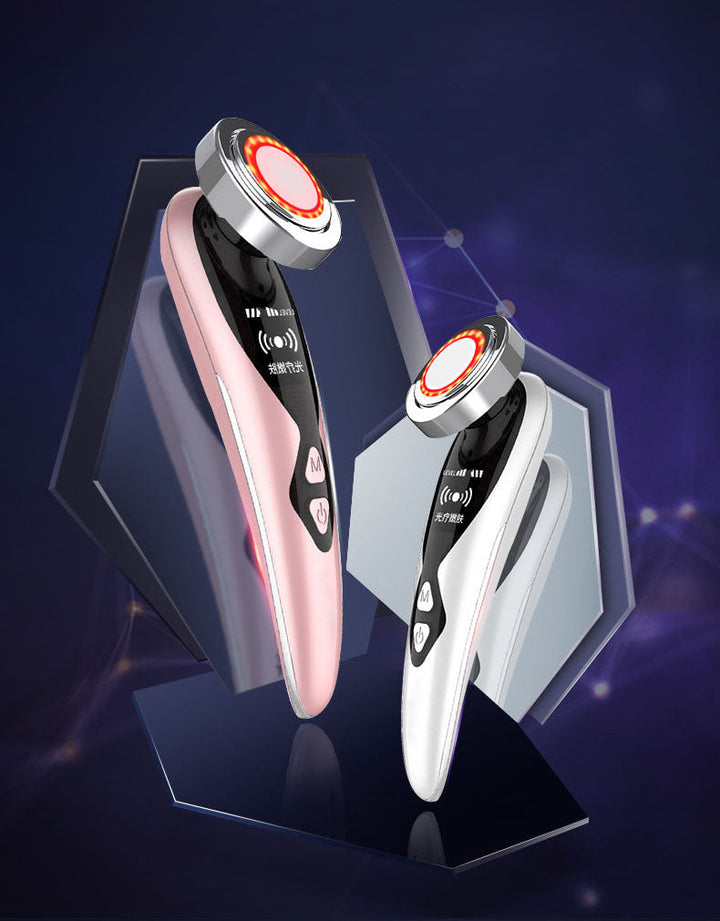
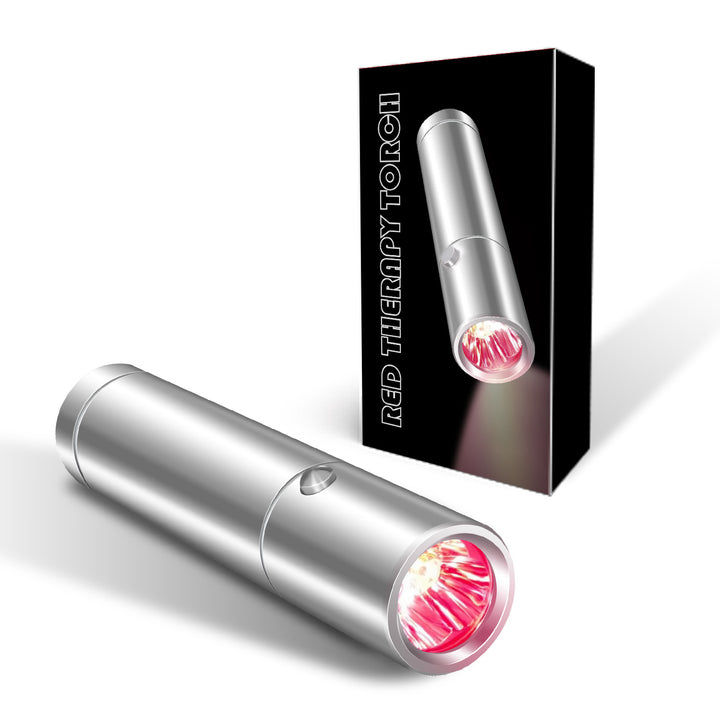


LED light therapy devices make it easier to add light-based skincare to your home routine, whether you prefer a face mask, a facial brush, or a compact treatment tool. Compare light options, coverage, comfort, controls, and intended use before choosing an LED light therapy device for your face.
Start with the format that fits your routine. An LED face and neck mask provides hands-free coverage, while a sonic LED facial brush combines cleansing with tri-light functionality. A silicone facial cleansing brush adds a soft, washable surface, heat, and LED light therapy. Choose a device with controls you can understand, a comfortable fit, and a treatment area that matches your needs. If you want to work around smaller areas, a compact tool may be more convenient than a full mask, although a microblading pen with LED light is intended for precise strokes rather than general facial light therapy. Check whether the device is rechargeable, corded, or battery powered, and consider storage, cleaning, and included accessories before buying.
LED light therapy masks are designed to sit over the face and may extend to the neck, making them a straightforward choice for at-home skincare routines. A 7-color LED light therapy mask lets you select among different light colors, so it suits shoppers researching a 7 color LED light therapy chart or LED light therapy color benefits. LED facial brushes add cleansing or massage-style use, while silicone brushes focus on a washable, flexible surface. LED panels can offer a larger, open treatment area but require positioning and a suitable setup. Not every product with an LED is a skincare device: Bluetooth speakers use LED lighting for atmosphere, and grooming tools use LEDs to improve visibility. Match the product’s primary purpose to your goal.
Look beyond the number of colors. Useful details include face and neck coverage, adjustable settings, built-in controls, timer functions, charging method, strap design, and whether the treatment surface is easy to wipe clean. For a wearable mask, check how securely it sits and whether the weight feels manageable during use. For a facial brush, review the brush material, vibration controls, heat feature, and water-resistance instructions before using it near water. Clear product guidance matters more than marketing language: look for instructions covering session length, cleaning, storage, and eye protection if recommended. If you are comparing LED light therapy professional equipment with LED light therapy at home, consider convenience and intended use rather than assuming a home device provides the same experience as professional equipment.
Begin by reading the device instructions and preparing clean, dry skin unless the product specifically supports use with a cleanser. Remove makeup, position a mask evenly over the face and neck, and select the recommended setting. With an LED facial brush, use gentle contact and avoid pressing hard; follow the directions for whether light and cleansing modes can run together. Keep the device away from water unless it is labeled for that use, and clean the contact surfaces after each session according to the care instructions. Use the recommended schedule rather than adding extra sessions. If the light feels uncomfortable, stop and reassess the fit or setting. After use, continue with your usual gentle skincare routine and follow any product-specific guidance.
A common mistake is choosing a product because it has colorful LEDs without checking whether it is designed for skincare. Speakers, clocks, and grooming trimmers may include LED lighting but are not substitutes for an LED light therapy mask or facial brush. Other mistakes include skipping the instructions, using a mask over makeup, holding a device at the wrong distance, pressing a brush too firmly, or cleaning a device with products that can damage its surface. Do not assume that more frequent use produces better results, and do not ignore discomfort, unusual warmth, or light sensitivity. Avoid using a product on irritated or broken skin unless its instructions specifically allow it. If you have concerns about light-based skincare, ask a qualified healthcare professional before use.
At-home LED light therapy can suit shoppers who want a consistent, convenient addition to a personal skincare routine and prefer hands-free use, cleansing, or targeted controls. Choose a face-and-neck mask if broad coverage and simple operation matter most. Select a 7-color model if you want more light-setting options and are willing to follow the device guide rather than relying on generic LED light therapy color charts. A sonic or silicone facial brush may appeal to people who want cleansing included in the same routine. These devices are not a replacement for diagnosis or individualized skincare advice. People with light sensitivity, photosensitizing concerns, eye-related concerns, or skin conditions should review the instructions and seek professional guidance before using light-based devices.
An LED light therapy device exposes the skin to selected colors of light through a mask, panel, or facial tool. Shoppers commonly use these products as part of an at-home skincare routine, but the intended use and available settings vary by device. Follow the product instructions instead of assuming every color or device works the same way.
Results can vary by device, skin, routine, and consistency, so no single outcome should be assumed. Choose a product with clear instructions, use it as directed, and evaluate how it fits your routine over time. LED devices should not be treated as a substitute for professional advice about a specific skin concern.
Possible drawbacks include the time required for regular use, bright light, an awkward fit, warmth, and the need to clean and store the device. Some people may be sensitive to light or particular product materials. Stop if use causes discomfort and review the instructions or ask a qualified healthcare professional if you have safety concerns.
Use the schedule stated in the device’s instructions because recommended use varies by product and setting. More frequent sessions are not automatically better. Keep a consistent routine, and stop or seek guidance if the device causes discomfort or an unexpected reaction.
Do not immediately add harsh products or extra treatments unless they are compatible with your routine and the device instructions. Avoid leaving the device uncleaned, and do not store it damp if the care guide says otherwise. A gentle, familiar skincare routine is the simplest approach after use.
Neither is universally better for every shopper or every goal. Light colors, settings, and intended uses differ between devices, so compare the manufacturer’s guidance rather than relying on a generic LED light therapy color chart. If you are unsure which setting suits you, start with the instructions and seek professional advice for specific concerns.