
$44.90
Free delivery · 7–14 days
Rust Remover & Converter Coating for Metal Care DIY


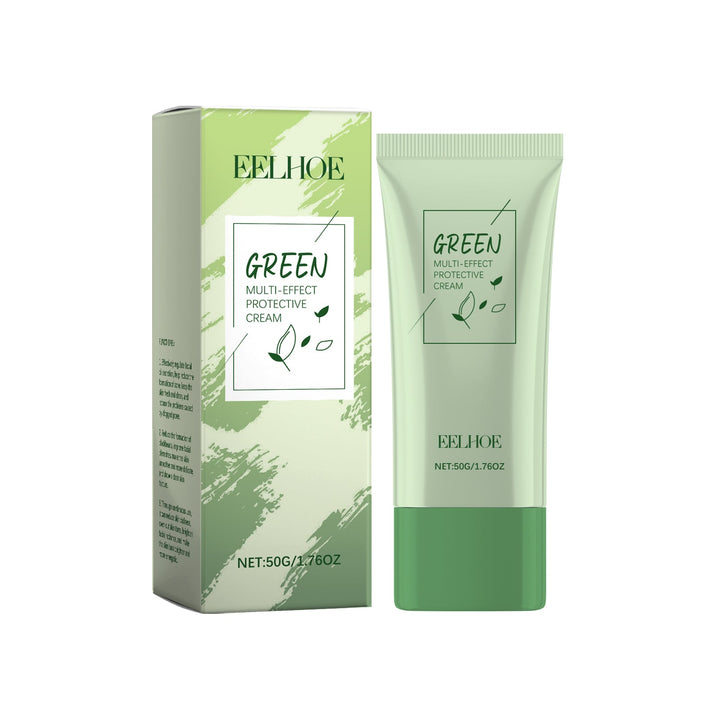
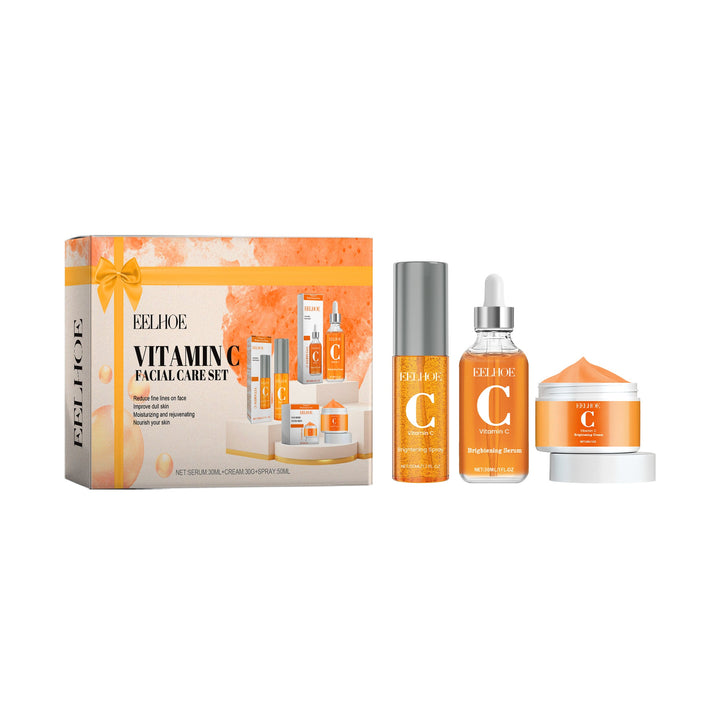
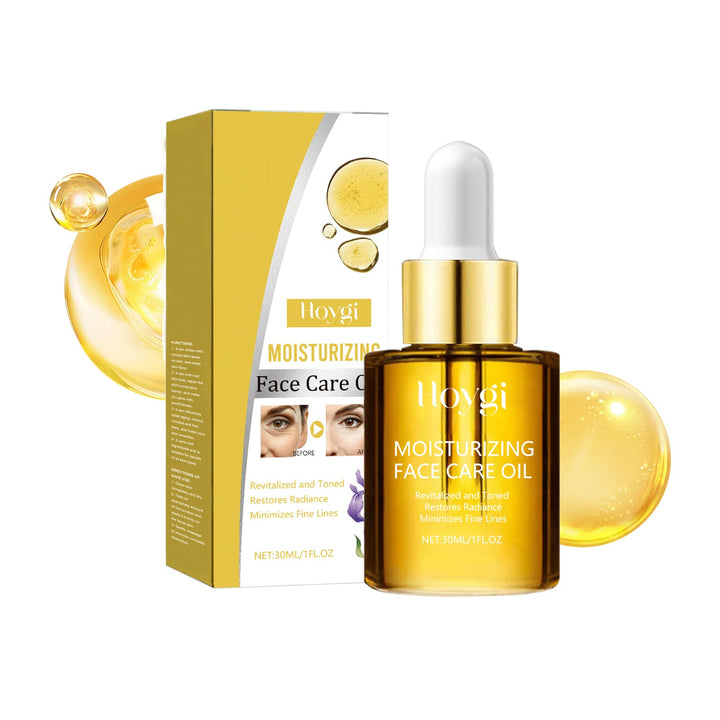
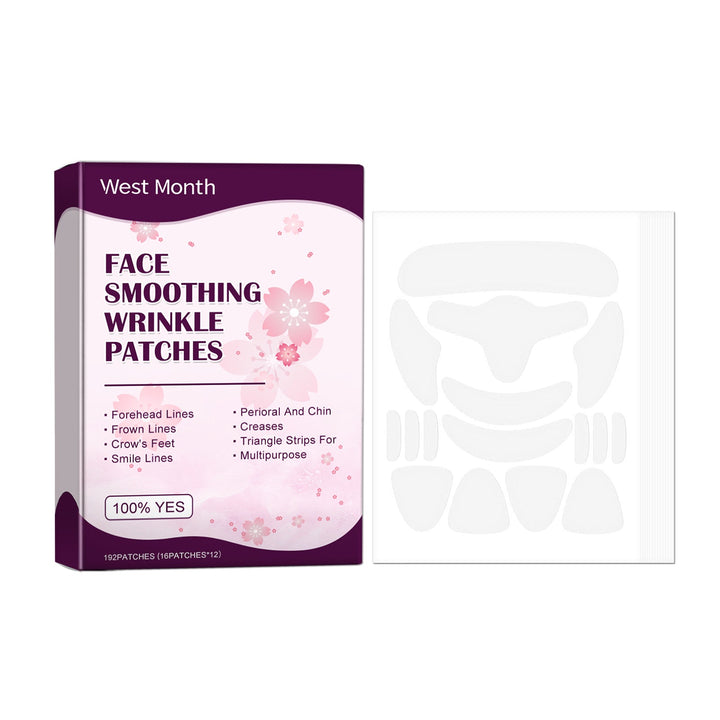

Build a facial care routine around your skin goals, preferred textures, and the time you have each day. This category includes cleansing, exfoliating, moisturizing, protective creams, facial oils, targeted tools, patches, and appearance-focused treatments, so compare each product’s intended use before adding it to your routine.
Start with the basics: a cleanser to remove everyday buildup, a moisturizer or cream to support comfortable-feeling skin, and daytime sun protection from a separate product. Add an exfoliating scrub, facial oil, vitamin C set, wrinkle patches, or retinol gel only when it matches a specific goal and fits your tolerance. A facial care routine should be easy to repeat, not overloaded with products. For daily skin care at home, check the directions, texture, and intended frequency of every item. If you are shopping for facial care products, also consider whether you prefer a complete set, a single targeted product, or a simple routine with fewer steps.
Cleansers are designed for the first step, while scrubs provide physical exfoliation and should not automatically be used every day. Creams and facial oils focus on a moisturized, smooth-feeling finish; a green tea protective cream suits shoppers seeking a daily face cream, while facial care oil can be layered sparingly according to its instructions. A vitamin C facial care set combines coordinated products for a brighter, more even-looking appearance. Retinol gel and reusable wrinkle patches are targeted additions, and an electric meridian massage pen is a tool rather than a cleanser or moisturizer. The beard growth serum is intended for beard care, and the rust remover is for metal care, so neither belongs in a facial routine.
Read the product label for its purpose, application area, directions, and suggested frequency. For a scrub, look for clear instructions on how often to use it and avoid treating it like a daily cleanser. For facial oils and creams, compare the finish you prefer, such as lightweight, rich, or glossy. A vitamin C set may appeal if you want coordinated products, while a 0.1% retinol gel is a more targeted option that requires careful adherence to its directions. Reusable wrinkle patches should be checked for placement and cleaning instructions. If your skin is sensitive or reactive, introduce one new product at a time and patch-test when the label recommends it.
A practical daily skin care routine at home can be kept to three main steps: cleanse, moisturize, and apply daytime sun protection. In the evening, cleanse again and use a suitable cream or facial oil if your skin prefers added moisture. Place optional products carefully: exfoliating scrubs generally follow cleansing, while targeted products such as retinol gel should be used exactly as directed rather than combined casually with every active product. Vitamin C products may fit a morning routine if their instructions allow it. Use facial tools only on clean skin and follow their operating guidance. Keeping the order consistent makes your facial care routine easier to follow.
Avoid adding several new products immediately before a facial, especially exfoliating scrubs, retinol gel, or strongly fragranced products. Do not scrub aggressively, pick at the skin, or use a facial massage tool on irritated areas. Arrive with a clean face when requested, but follow the professional’s instructions if you are booking facial care near me. Before using a home product, remove makeup and check whether the label calls for dry or damp skin. Avoid applying products near the eyes unless they are specifically intended for that area. If a product causes persistent discomfort, stop using it and seek advice from a qualified professional.
A simple routine suits beginners, busy shoppers, and anyone who wants clear facial care meaning without unnecessary steps. Start with a cleanser, a comfortable moisturizer or protective cream, and daytime sun protection. Shoppers seeking a brighter, even-looking appearance may explore the vitamin C facial care set; those focused on a hydrated, radiant-looking finish may prefer facial care oil. Wrinkle patches and an electric massage pen are optional targeted additions, not essentials. Exfoliating scrubs and retinol gel require more careful use, so they may suit shoppers willing to follow specific directions. Anyone with ongoing skin concerns, allergies, or a prescribed routine should check compatibility with a qualified professional before changing products.
A good routine is one you can follow consistently: cleanse, moisturize, and use daytime sun protection. Add one targeted product at a time, such as a vitamin C set, facial oil, scrub, wrinkle patches, or retinol gel, and follow its directions.
A detailed facial may include cleansing, a second cleanse, exfoliation, steaming or softening, massage, a mask, and moisturizing. The exact steps vary by professional and product instructions; seven steps are not required for effective basic facial care.
The five commonly used basics are cleansing, moisturizing, daytime sun protection, optional exfoliation, and a targeted product selected for a specific goal. The first three form the simplest daily routine, while the last two should be introduced carefully.
Basic facial care means regularly cleansing the face, keeping it comfortable with a suitable moisturizer or cream, and protecting it from daytime sun exposure. Optional products such as facial oil, vitamin C, scrubs, or retinol gel can be added according to personal preferences and label directions.
Do not aggressively scrub, pick at the skin, or introduce several new products just before a facial. Avoid using tools or targeted products on irritated areas, and follow the instructions of the professional providing the facial.
A basic facial can involve cleansing, exfoliating, applying a mask, moisturizing, and finishing with appropriate daytime protection. Some routines replace or add steps, so use the product instructions rather than treating one five-step order as universal.