$64.90
Free delivery · 7–14 days
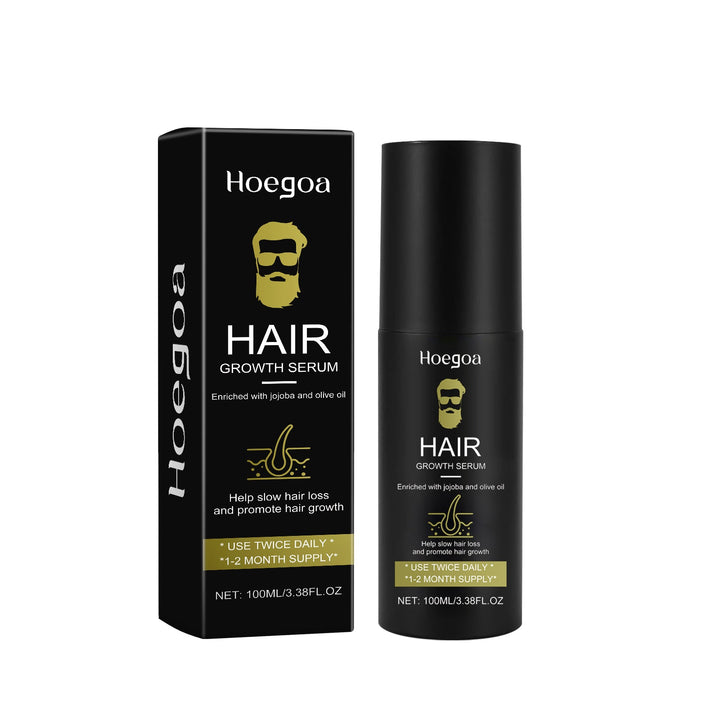
Men's Hair Growth Serum for Thicker, Fuller-Looking Hair
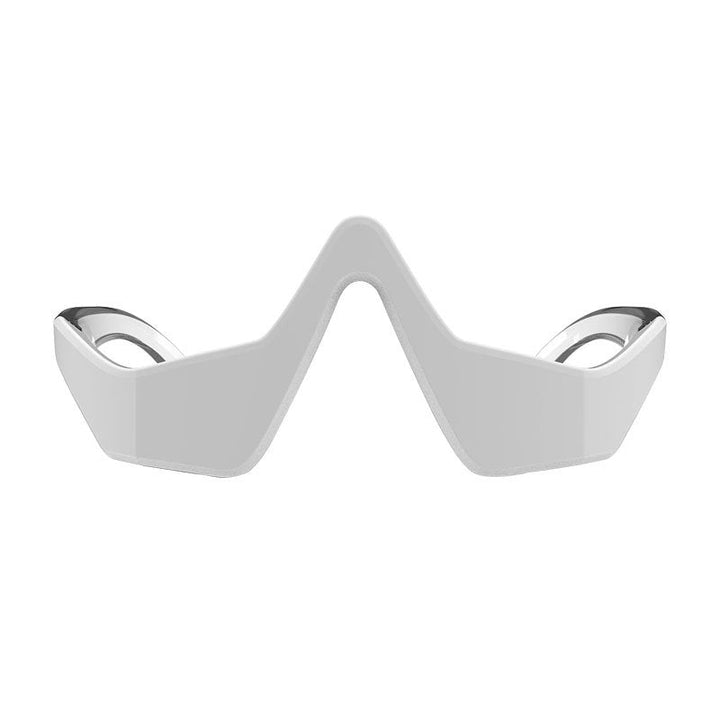


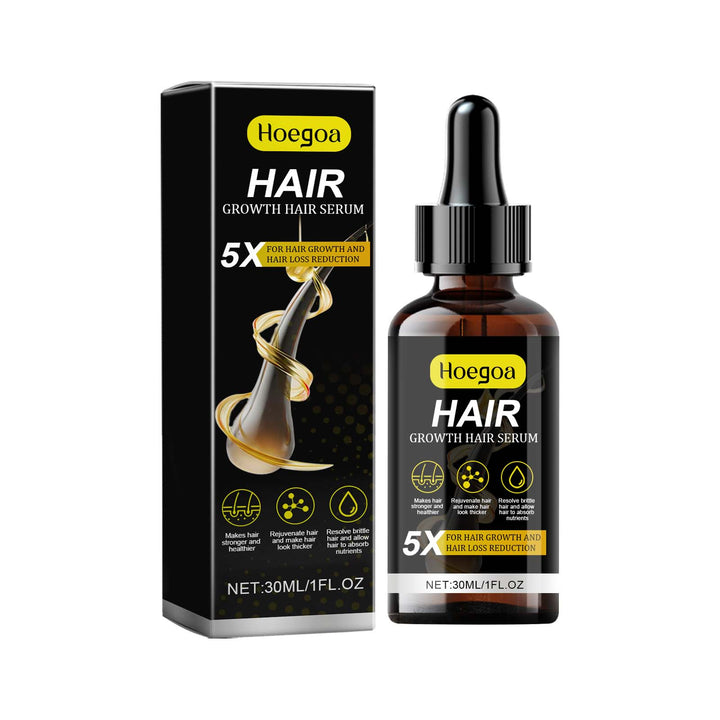
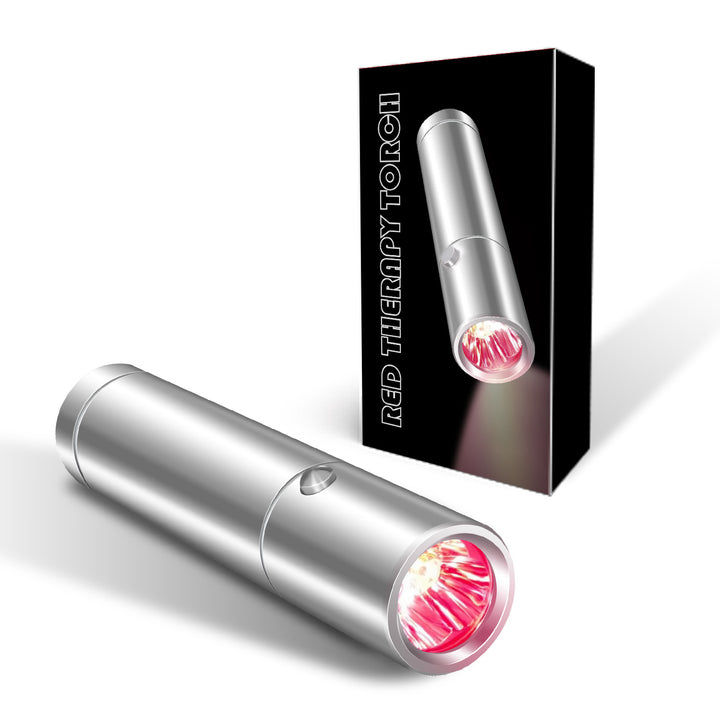
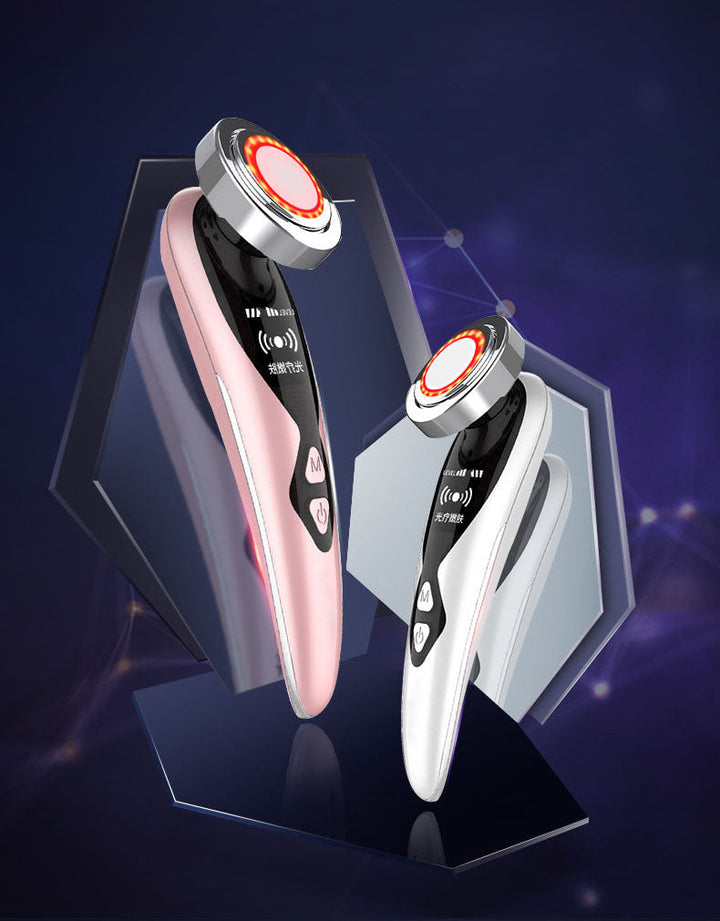
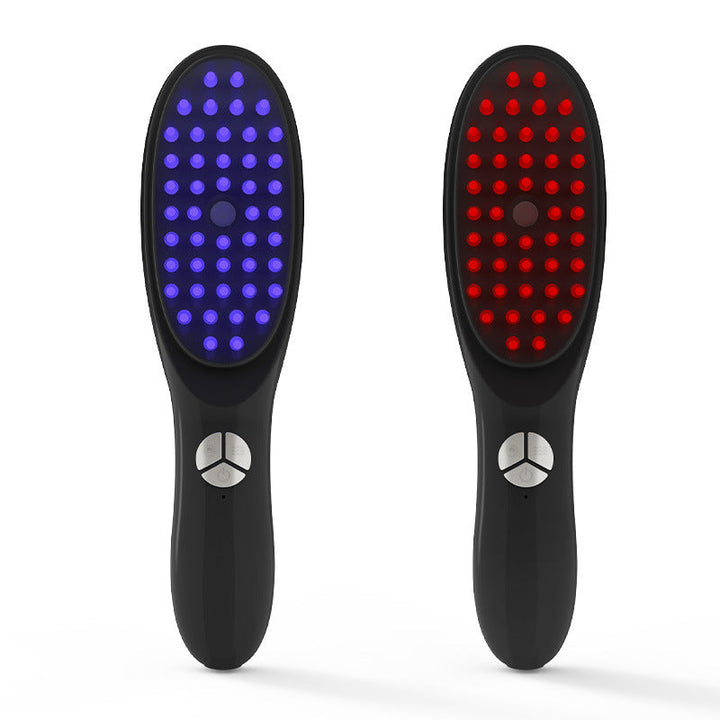
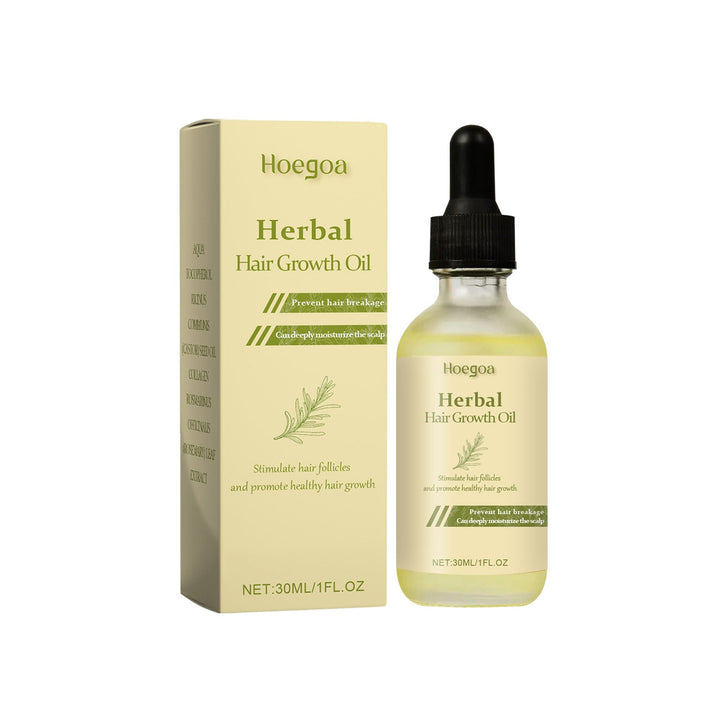
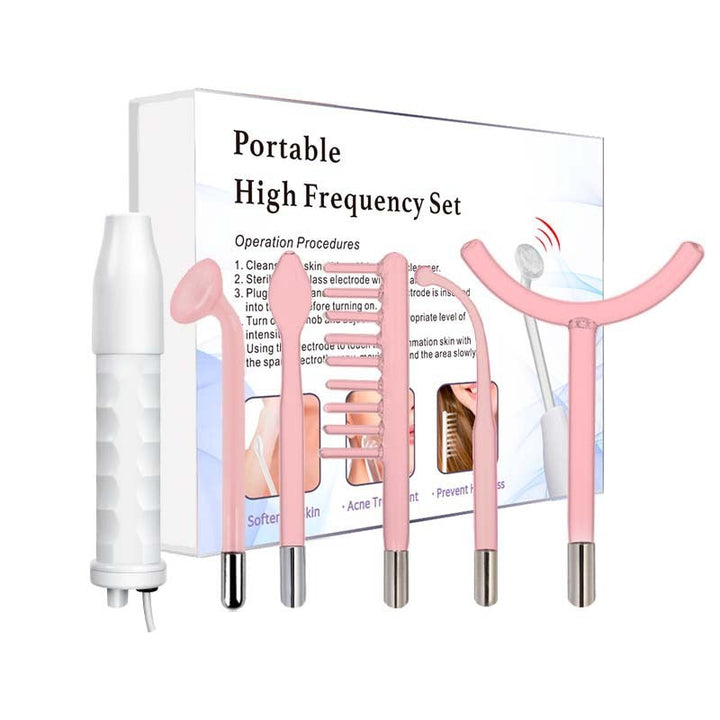
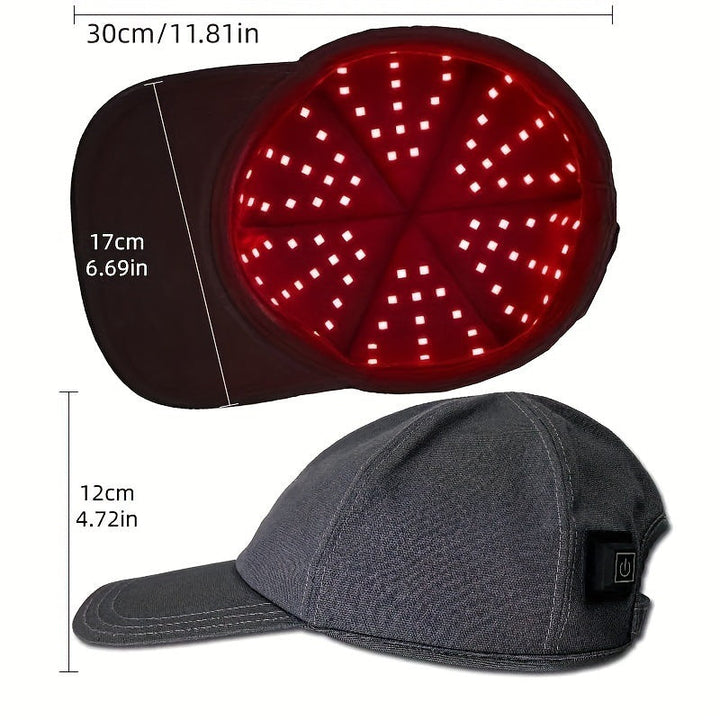

Explore laser combs and red light therapy combs designed for convenient, at-home scalp care. This guide explains how to compare combs, caps, massage tools, and topical products so you can choose a routine that matches your needs and preferences.
Start by deciding whether you want targeted application or broader scalp coverage. A laser hair growth comb is designed to move across the scalp section by section, while a laser hair growth cap may be easier if you prefer hands-free use. Check the product instructions for treatment frequency, session length, charging requirements, and cleaning guidance before buying. Consider the comb’s shape and handle if you have longer or thicker hair, since the device needs comfortable contact with the scalp. If you also use lotion, serum, or spray, confirm that the product instructions allow it alongside light-based scalp care. Shoppers comparing a best laser comb for hair growth should prioritize clear directions, comfortable handling, and a routine they can follow consistently.
Laser combs and red light therapy combs are designed for guided, section-by-section scalp care. Their teeth or contact points can help separate hair as you move the device, making them useful when you want to focus on particular areas. A laser hair growth cap offers broader coverage with less manual movement, which may suit shoppers who prefer a simpler routine. A massage comb does not provide light-based care; it is intended for gentle scalp massage or wet-hair detangling. You can also find hair growth rollers, lotions, sprays, and essences for complementary grooming routines, but each product has separate directions. Compare the application method, storage, cleaning, and daily convenience rather than choosing by product name alone.
Look for a design that makes contact with the scalp without pulling or snagging hair. Useful details include a balanced handle, clearly marked controls, a rechargeable battery or straightforward power setup, and an indicator that shows when the device is operating. Product instructions should explain how to position the comb, which areas to cover, and how often to use it. A removable or easy-to-clean contact surface can make regular upkeep simpler. If you are comparing laser comb hair growth reviews, pay attention to comments about comfort, maneuverability, battery life, and routine clarity rather than relying only on dramatic before-and-after descriptions. Avoid products with vague directions or promises that sound guaranteed. Choose a device from a seller that provides accessible support and safety information.
Begin with clean, dry hair unless the product instructions say otherwise. Detangle gently, divide the hair into manageable sections, and place or move the comb according to the supplied guide. Work methodically across the areas you want to treat without pressing hard, dragging quickly, or repeatedly focusing on one spot. Keep the device away from water and store it dry after use. Clean the contact areas as directed, especially if the comb touches styling products or scalp treatments. Do not apply extra products during a session unless the instructions specifically allow it. Anyone searching how to use a laser comb should follow the exact schedule supplied with the chosen device, since controls, timing, and application methods differ between models.
A common mistake is using the comb irregularly and then changing several parts of the routine at once, making it difficult to know what suits you. Other problems include pressing too firmly, moving too fast, skipping cleaning, sharing the device without cleaning it, or using it on irritated skin. Possible experiences can include warmth, temporary redness, or discomfort, but the exact guidance depends on the product and the person. Stop using the device if you experience persistent irritation, pain, or an unexpected reaction, and consult a qualified healthcare professional for personal advice. Keep light-based devices away from the eyes unless the instructions specifically address eye protection. Read all warnings before use, particularly if you have a light-sensitive condition or use products that increase light sensitivity.
A laser comb may suit adults who want an at-home scalp-care device and are comfortable following a repeated, section-by-section routine. It can be a practical choice when you want to focus on selected scalp areas rather than wear a cap. Choose a massage comb instead if your main goal is gentle detangling or scalp massage, or consider a cap if hands-free coverage matters more. Topical lotions, sprays, and essences may appeal to shoppers who prefer a leave-in hair-care step, while a roller requires a different application method and cleaning routine. A laser comb is not a substitute for diagnosing hair loss. If shedding is sudden, patchy, painful, or concerning, seek advice from a qualified healthcare professional before starting a new device or topical routine.
Laser combs are designed to deliver low-level light to the scalp as part of an at-home hair-care routine. Results are not guaranteed and can vary by person, device, and consistency, so follow the product instructions and avoid relying on dramatic claims. If you are concerned about hair loss, ask a qualified healthcare professional about suitable options.
There is no reliable basis for identifying a private person’s personal hair-care or medical routine from public speculation. Celebrity routines are not a useful way to choose a laser comb. Compare the device’s instructions, comfort, safety information, and intended use instead.
Light-based scalp devices are marketed for hair-care routines, but individual results are not guaranteed. Their suitability depends on the product, how it is used, and personal circumstances. Read the manufacturer’s instructions and seek professional advice if hair loss is sudden, patchy, or persistent.
Public discussion about a celebrity’s hair routine does not establish what caused a change in appearance or whether a particular product was used. It is better to choose a device based on its directions, coverage, comfort, and safety guidance. For personal concerns, consult a qualified healthcare professional.
A celebrity’s appearance does not confirm which products or treatments they use, and online claims may be incomplete or unverified. Instead, compare laser combs, caps, massage tools, and topical products by their intended use and instructions. Do not treat promotional or celebrity references as a guarantee of results.
There is no single Japanese approach to hair loss, and routines vary between individuals. Some people may use everyday grooming products or seek professional advice, but cultural generalizations cannot identify the right option for you. Choose a scalp-care routine based on your needs and speak with a qualified healthcare professional about persistent hair loss.