
$54.90
Free delivery · 7–14 days
Poseable Skeleton Anatomy Toy for Hands-On Science Learning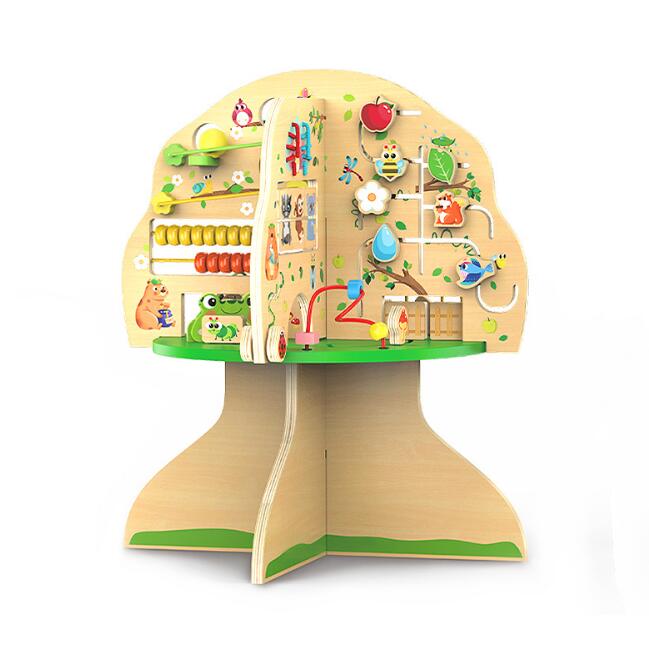
Give curious little hands a colorful place to count, sort, match, and explore without another screen.
Read the full descriptionGive curious little hands a colorful place to count, sort, match, and explore without another screen.
A multi-activity wooden learning center that combines early math practice with fine-motor play
Replace passive screen time with a colorful wooden activity center where toddlers count, sort, match, and build fine-motor confidence through hands-on play.

The abacus, matching pieces, sorting elements, and illustrated panels give children concrete ways to explore early mathematical ideas through repetition. Adults can name colors and shapes or add a simple counting prompt when the moment feels right.

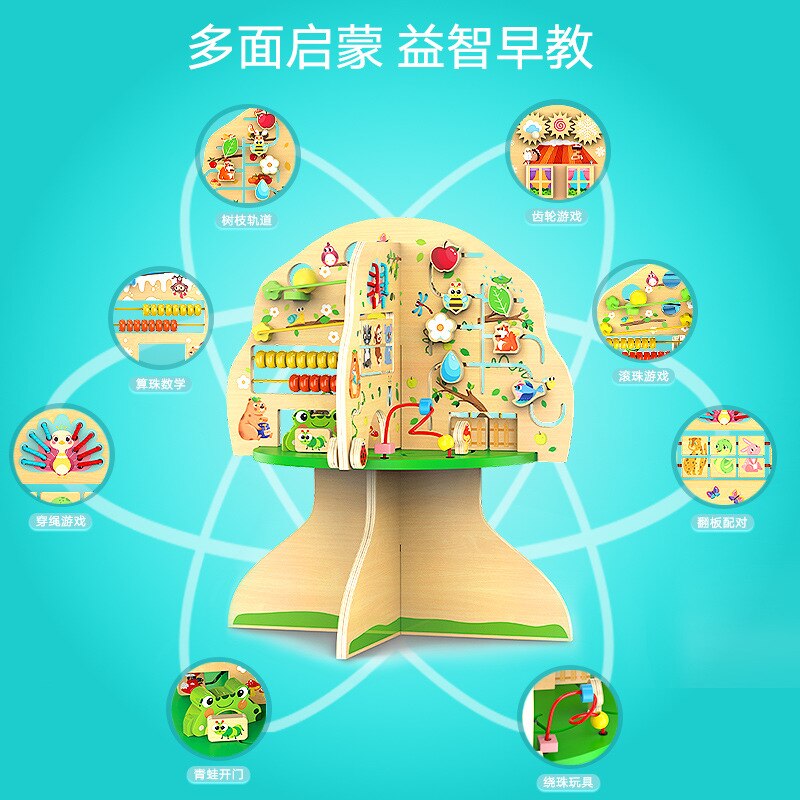
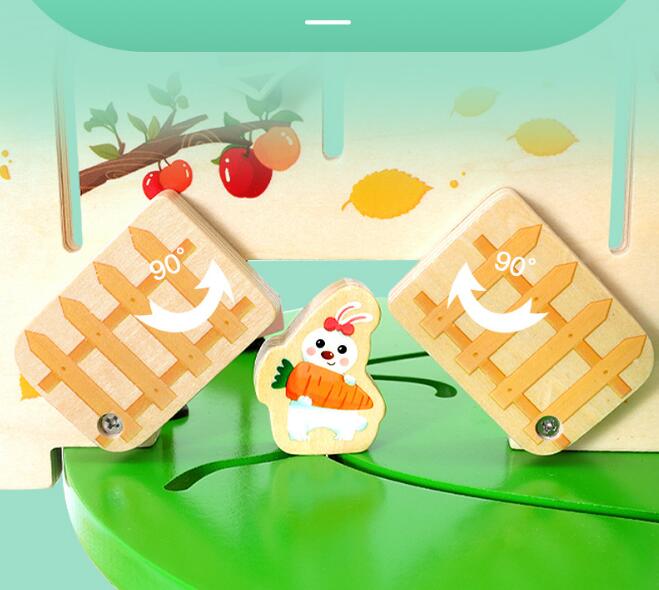
Gears, beads, rotating parts, sliding elements, and wire mazes invite grasping, tracing, pushing, and coordinated movement. The changing actions keep fine-motor practice active rather than worksheet-bound.
Unlike a flat busy board or single-purpose puzzle, this tree creates a varied play station in one structure. Children can circle around it, discover a new panel, and keep the activity fresh without adding more pieces to the floor.

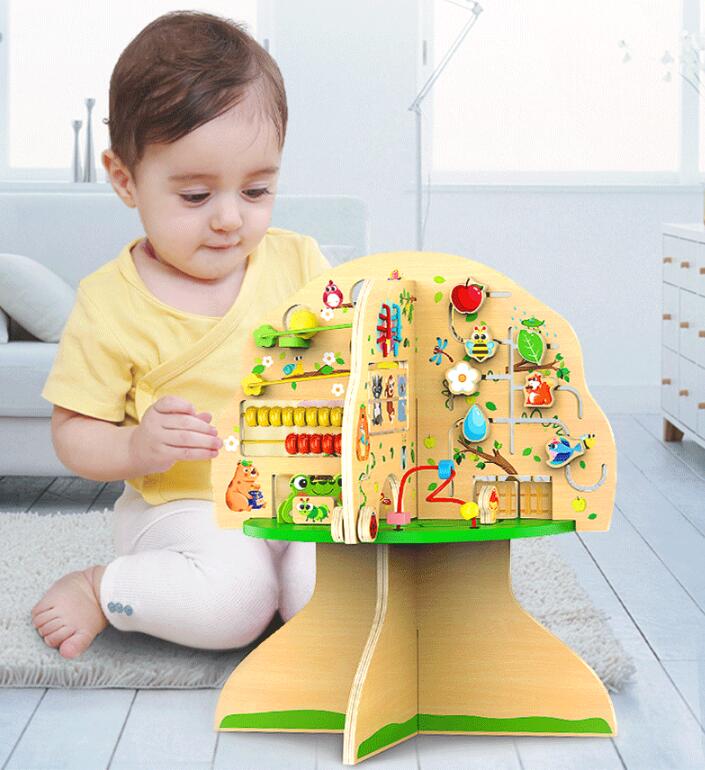
Natural wood construction, a wide stabilizing base, and a generous freestanding form create a dedicated activity corner for supervised home or classroom use. Its 53 cm height gives children a clear, child-sized surface to explore.
Give your child time to touch, turn, slide, and trace the activities without correcting every move.
Use simple language such as red, blue, more, less, round, or next to connect play with early concepts.
Invite your child to count beads, find a matching piece, or sort colors. Keep the prompt brief and let them try.
Move around the tree together and introduce gears, mazes, or sliding elements when interest starts to fade.
Step back and let your child repeat a favorite movement. Repetition is where familiar play becomes confident practice.
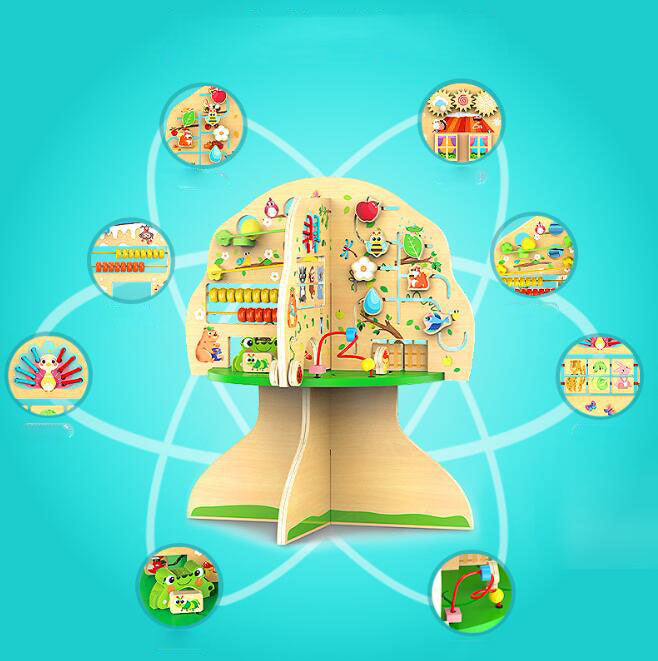
Freestanding tree-shaped learning center
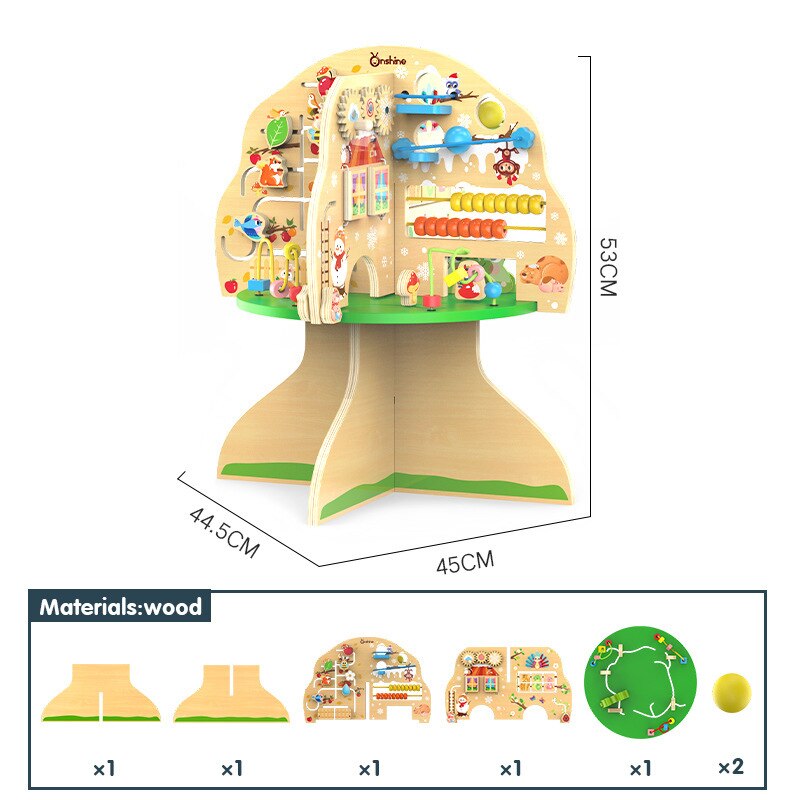
Wide split base for the activity structure
Panels with colorful hands-on learning activities
Additional colorful activity surface
Bright wooden pieces for active exploration
Indoor play can quickly turn into screen requests, short attention spans, and a search for something that feels worthwhile. Scattered puzzles and flashcards often teach one skill at a time, while passive entertainment gives little room for real manipulation.
The learning tree changes the rhythm. Its freestanding, multi-sided structure brings counting, gears, bead mazes, matching, sorting, and sliding play into one inviting station. Children can move from one activity to another without waiting for a new toy.
A child can count the abacus, trace a maze, turn a gear, and sort colorful pieces while an adult watches real practice unfold. Over time, the tree becomes a familiar part of morning play, rainy-day resets, and calmer transitions.
| Learning Tree | Screen Time | Single Puzzle | |
|---|---|---|---|
| Hands-on manipulation | Yes | No | Yes |
| Counting and sorting practice | Yes | Partial | Partial |
| Multiple activity types | Yes | Partial | No |
| Freestanding shared station | Yes | No | No |
| One-time play setup | Yes | No | Yes |
It suits toddlers and preschool children. Younger toddlers can begin with open exploration of beads, gears, and sliding elements, while preschoolers can add counting, matching, and sorting prompts. Adult supervision is recommended.
The two wooden base panels create a wide stabilizing base for a level indoor floor. Place it on a clear, even surface and stay nearby during play, especially with a young toddler.
The tree measures 53 cm high, 45 cm wide, and 44.5 cm deep. It needs a dedicated floor spot with enough clear space for a child to move around the multi-sided structure.
Children can use the abacus, interlocking gears, wire bead mazes, matching and sorting pieces, rotating and sliding elements, illustrated panels, the circular activity board, and two yellow activity balls.
Yes. An adult should stay close, use a level surface, and guide unfamiliar activities when needed. Gentle prompts work better than turning every session into a quiz.
A flat busy board or single puzzle focuses on fewer actions. This tree brings several early-math and fine-motor activities into one freestanding center, so the value comes from variety and repeated use rather than buying one toy for each skill.


 Wooden Learning Tree for Early Math & Fine-Motor Play