
$47.90
Free delivery · 7–14 days
Felt Busy Book for Hands-On Preschool Learning Activities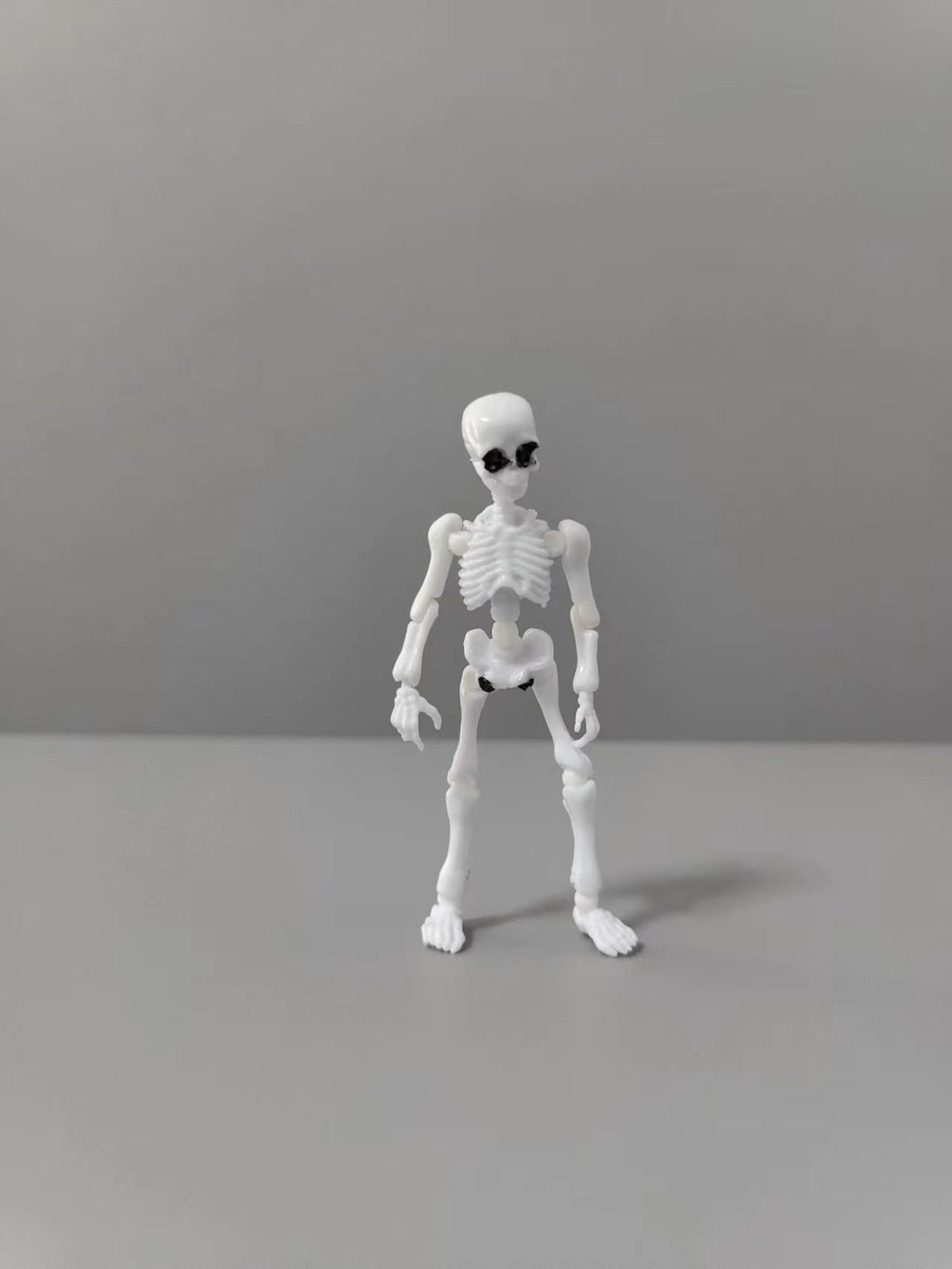
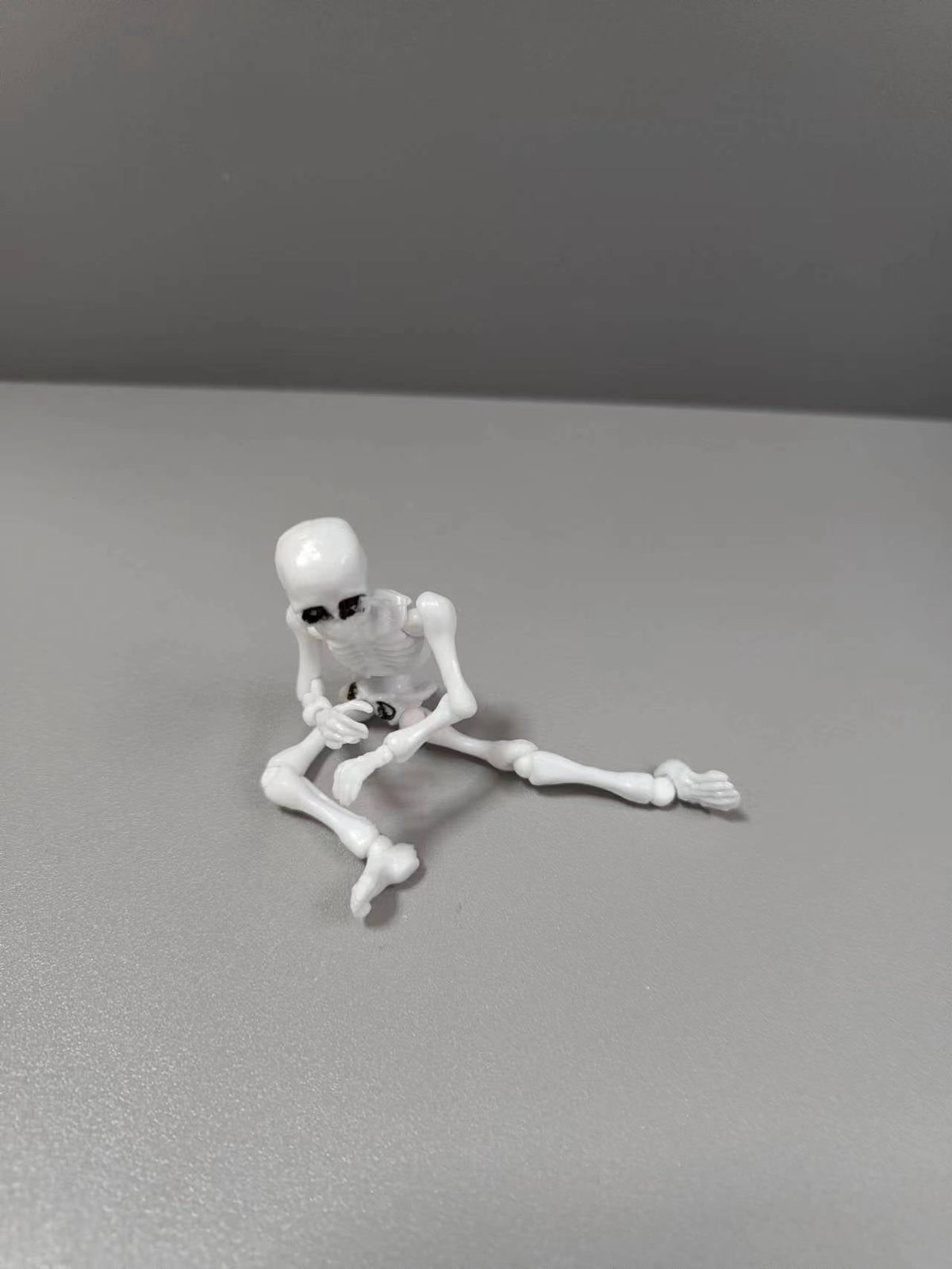
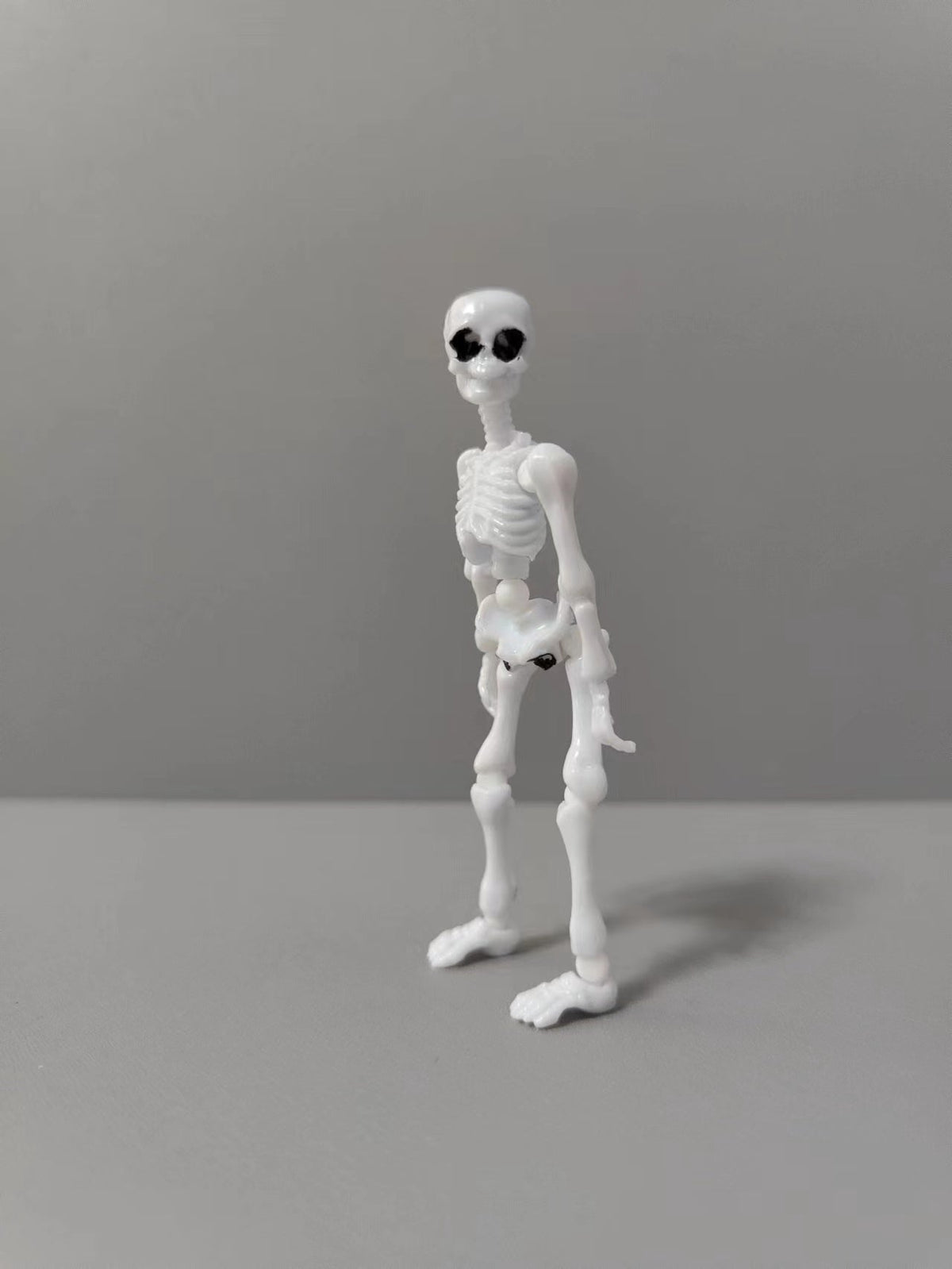
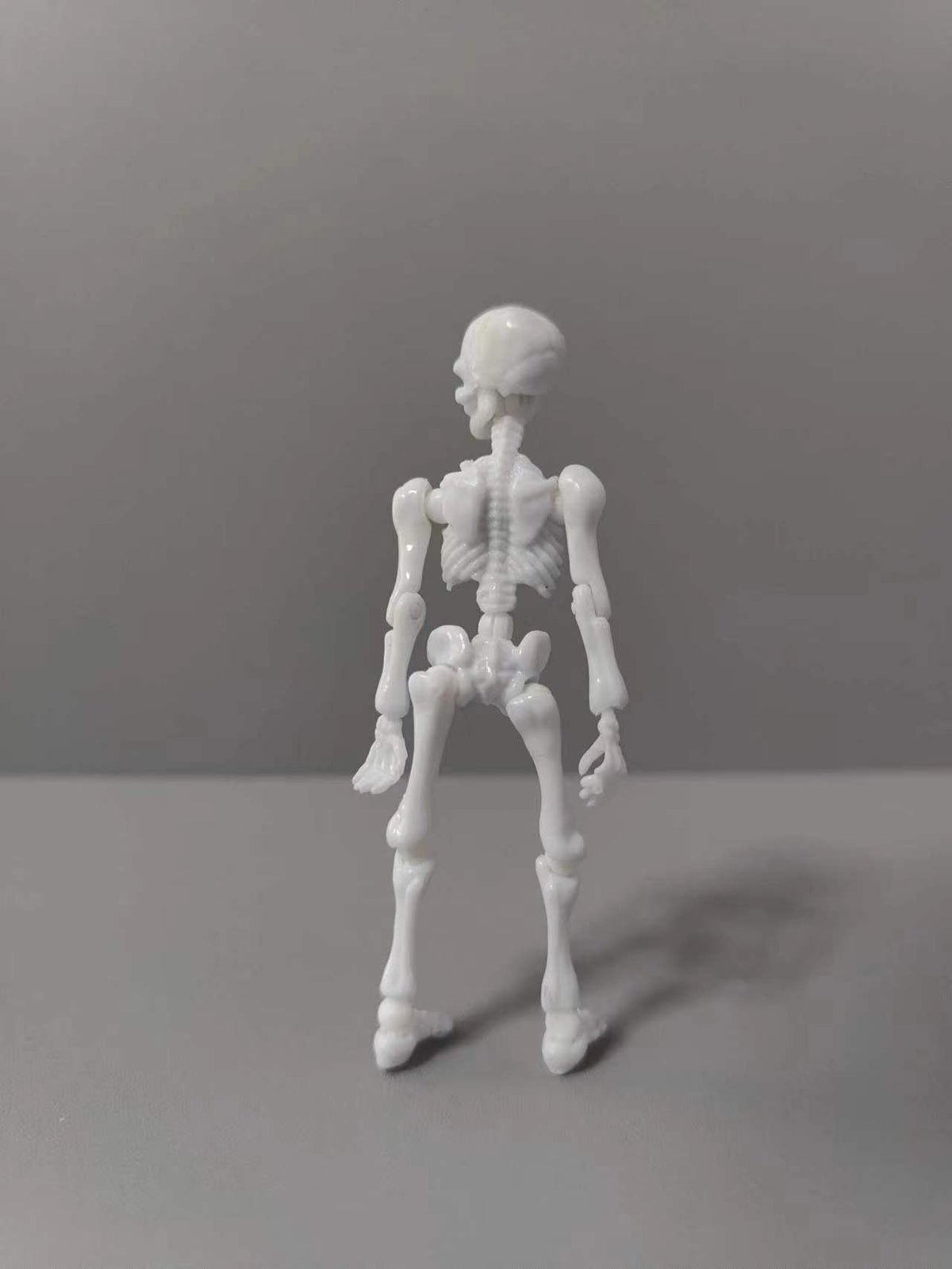
When the skeleton can move, human anatomy becomes something learners can see, test, and remember. This poseable figure brings articulated joints, a detailed rib cage, and a sculpted spine to lessons, projects, and science-themed play.
Read the full descriptionWhen the skeleton can move, human anatomy becomes something learners can see, test, and remember. This poseable figure brings articulated joints, a detailed rib cage, and a sculpted spine to lessons, projects, and science-themed play.
Poseable skeleton figure that makes human anatomy interactive and memorable
Static diagrams can make joints and bones feel impossible to picture. This poseable skeleton lets learners move, observe, and remember human anatomy.
Movable shoulder, elbow, hip, and knee joints let learners demonstrate how major limb connections change position. It gives the question "how does that move?" a much better answer than pointing at a wall chart.
The detailed rib cage and sculpted spine create clear physical reference points. The rounded skull, pelvis, shoulder blades, and leg construction give learners more to examine than a simple bone outline.
Standing and seated forms turn abstract labels into repeatable visual demonstrations for lessons, projects, or independent study. Pose it once for a question, then change it again to compare what moved.
Smooth matte white plastic, charcoal eye sockets, and a distinctive rounded skull make the figure easy to recognize on a desk or in a science corner. It looks like a teaching tool with a little personality.
Start at the skull and move down through the rib cage, spine, pelvis, arms, and legs. Ask the learner to name each visible region.
Gently reposition a shoulder, elbow, hip, or knee. Compare the limb position before and after the movement.
Arrange the figure standing and seated. Use the two forms to talk through which joints changed and how the body structure stayed connected.
Full-body bone-white plastic figure with articulated limbs and visible anatomical detailing.

A poster can show the shoulder, elbow, hip, and knee, yet a learner may still struggle to picture what changes when the body moves. Anatomy stays flat, and the question remains: what does that joint actually do?

This articulated skeleton turns explanation into something learners can repeat. Move a limb, point to the joint, compare positions, and let the model carry the conversation instead of asking a diagram to do all the work.

The figure moves from lesson aid to project companion, science-corner display, and curiosity starter. Learners can trace the rib cage and spine, arrange standing or seated poses, and return to the same physical reference whenever anatomy gets confusing.
| Poseable figure | Poster | Static model | |
|---|---|---|---|
| Tactile joint movement | Yes | No | No |
| Standing and seated demonstrations | Yes | No | Partial |
| Visible rib cage and spine | Yes | Yes | Yes |
| Repeatable learner interaction | Yes | No | Partial |
| Useful for desk display | Yes | Partial | Yes |
Yes. The shoulders, elbows, hips, and knees are articulated so learners can reposition the limbs and compare how the body changes between poses.
Yes. It works well as a visual teaching aid for classroom explanations, homeschool lessons, science projects, and guided study. It adds a reusable physical reference beside textbooks and diagrams.
Yes. The figure can be arranged in standing and seated forms, making it easier to compare joint positions and body structure.
A poster shows structure without physical movement, while a static model stays in one position. This articulated skeleton lets learners pose the limbs and demonstrate movement themselves, which gives the lesson a tactile layer.
The figure shows a distinctive rounded skull, contrasting dark eye sockets, a detailed rib cage, sculpted spine, pelvis, shoulder blades, and articulated limbs.
The smooth matte white finish gives it a clean science-display look, while the charcoal eye sockets make the skull easy to recognize. Place it in a stable standing or seated pose on a desk or science shelf.


 Poseable Skeleton Anatomy Toy for Hands-On Science Learning