
$54.90
Free delivery · 7–14 days
Poseable Skeleton Anatomy Toy for Hands-On Science Learning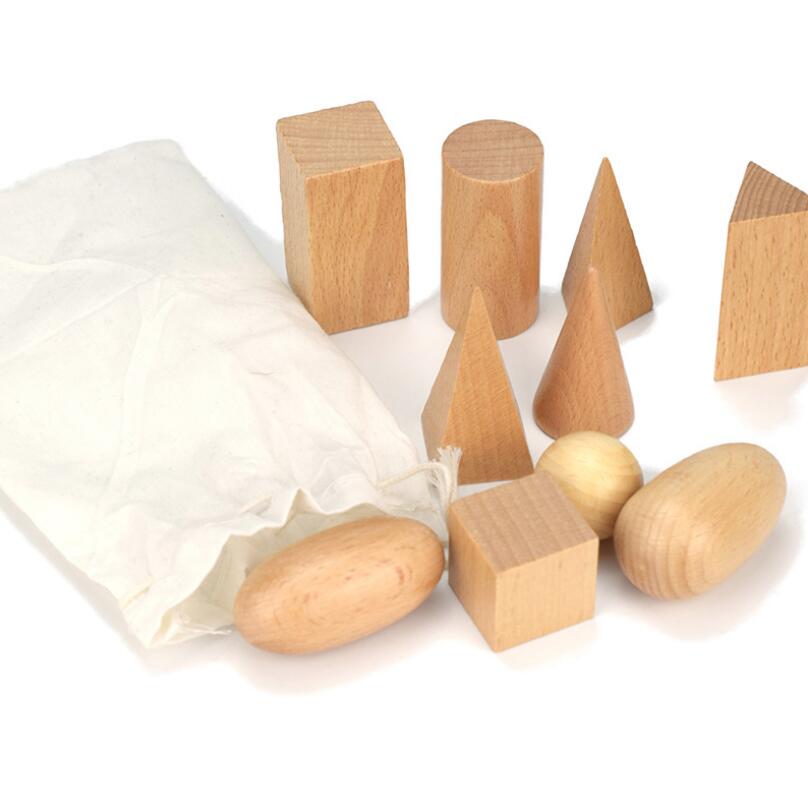
Turn shape practice into a hands-on guessing game children want to repeat. This compact set pairs smooth natural wooden forms with a reusable fabric mystery bag for screen-free sorting, comparison, an
Read the full descriptionTurn shape practice into a hands-on guessing game children want to repeat. This compact set pairs smooth natural wooden forms with a reusable fabric mystery bag for screen-free sorting, comparison, an
Hands-on Montessori geometry play that builds shape recognition and spatial reasoning through tactile discovery.
Instead of passive screen time, children reach, feel, compare, and identify shapes through hands-on discovery. A simple mystery-bag game turns early geometry into focused, sensory play.
The fabric mystery bag turns shape recognition into an active guessing game. Children notice form through touch before looking, then connect the tactile clue with the visible shape.
Natural wood, visible grain, and softly rounded surfaces make each piece pleasant to hold during repeated indoor exploration. The minimalist finish keeps attention on the activity.
Varied geometric forms give children concrete objects to sort, identify, compare, and recognize by touch during guided or open-ended play.
Begin with visible pieces. Talk about curves, corners, flat faces, and how each form feels in the hand.
Place a block in the reusable fabric bag while the child looks away or closes their eyes.
Invite the child to reach in and describe what they notice before naming the shape.
Pull the piece out to check the guess, then compare it with another block or sort it with similar forms.
A varied collection of natural wooden forms for sorting, comparing, and identifying.
Reusable for tactile guessing games and compact storage between activities.
Naming shapes on a screen or card can lose a child's attention quickly. Without something to touch and turn, an abstract lesson stays at arm's length.
Place a shape inside the white fabric bag and curiosity takes over. Children reach in, feel an edge or curve, describe the clue, and make a guess before looking.
Cubes, cylinders, cones, pyramids, and rounded forms turn sorting and comparison into concrete play. Each piece gives children another way to notice shape, dimension, and texture.
The compact set fits a quiet afternoon, classroom shelf, or homeschool basket. Children can return to the same reach-and-guess rhythm whenever curiosity calls.
Use a soft, lightly damp cloth, then let pieces dry fully.
Store the fabric bag in a dry indoor place between activities.
Place all blocks back in the reusable bag after play.
Stay nearby while young children handle the compact wooden pieces.
| Mystery bag set | Flashcards | Shape app | |
|---|---|---|---|
| Hands-on touch | — | — | |
| Guess before reveal | — | Partial | |
| Sort and compare physical forms | Partial | — | |
| Screen-free activity | — | ||
| Reusable storage included | — | — |
It suits young children and preschool learners who are ready to handle compact wooden pieces with an adult nearby. It is a better fit for tactile shape exploration than for older children looking for advanced construction play.
The set includes 10 varied wooden geometric blocks and one white fabric mystery bag. The bag holds the pieces between activities and creates the touch-and-guess game.
The blocks have a smooth natural wood appearance with softly rounded edges and visible grain. Give each piece a quick check before play and supervise young children.
Place one block in the bag, invite the child to feel it without looking, and ask what clues they notice. The child guesses, reveals the shape, and compares it with the other forms.
Yes. A teacher can place the bag at a classroom rotation station or guide a small group through turns. Children can take turns feeling, describing, revealing, and sorting.
Yes. The white fabric bag works for repeated mystery-bag rounds and keeps the compact blocks together between learning sessions.


 Montessori Geometry Blocks for Tactile Shape Learning