Baby Toys: Teething, Sensory & Rattle Toys for Infants
21 items
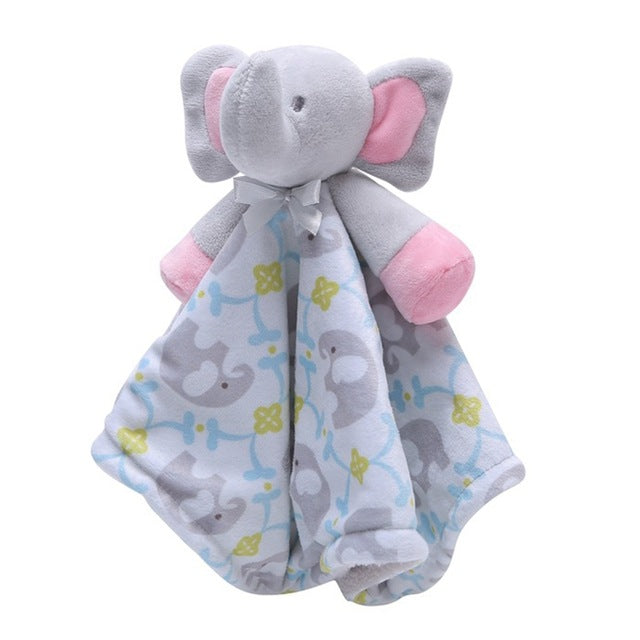
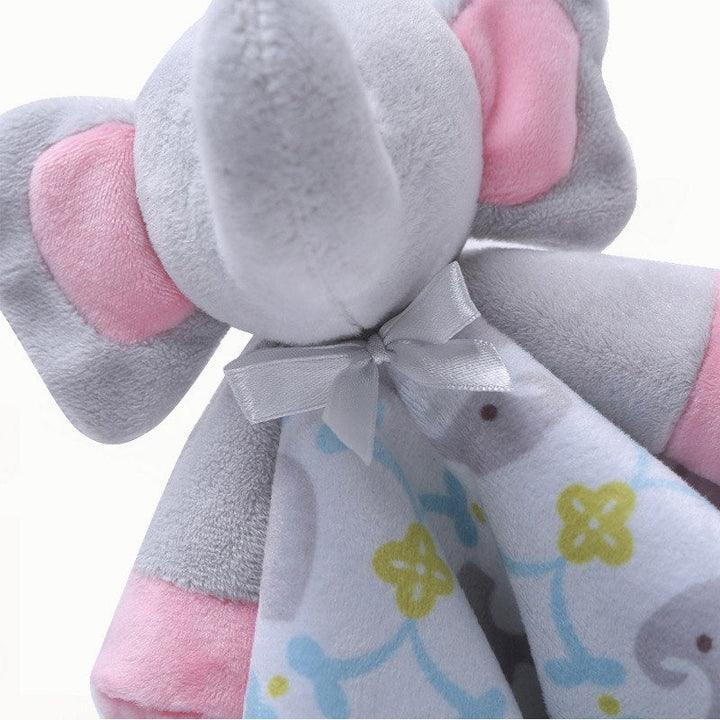

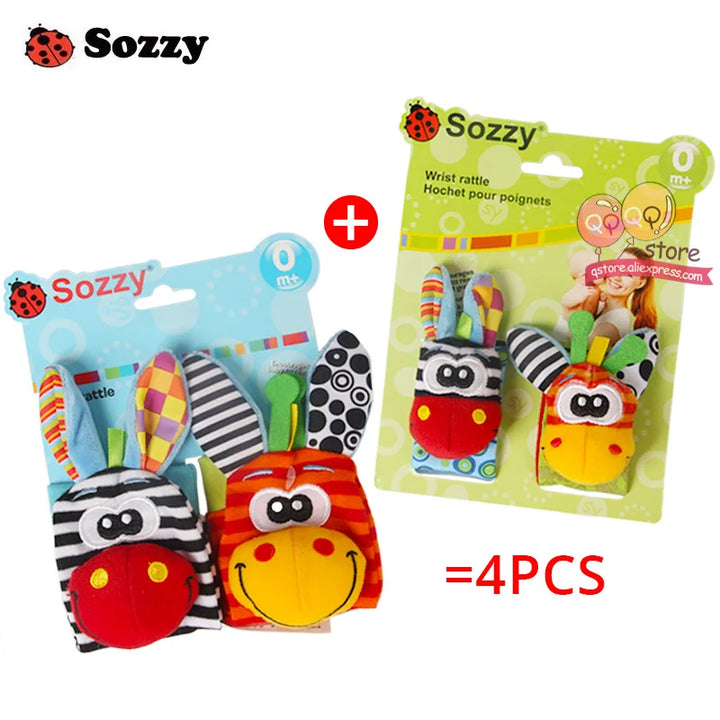
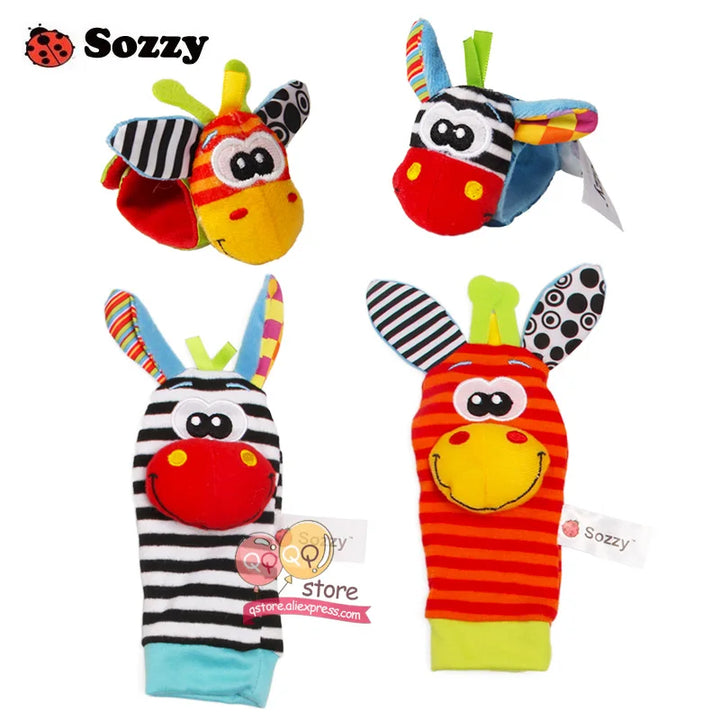
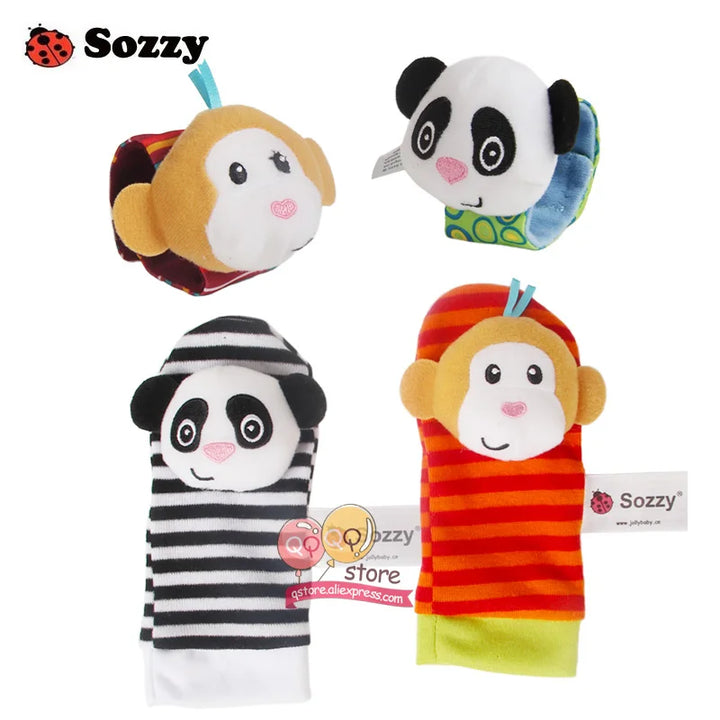







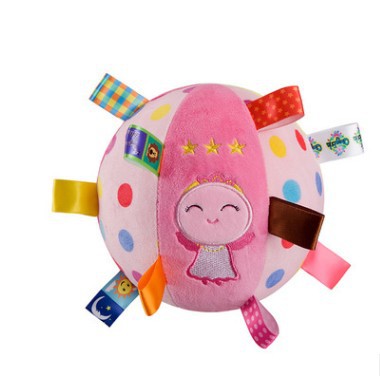
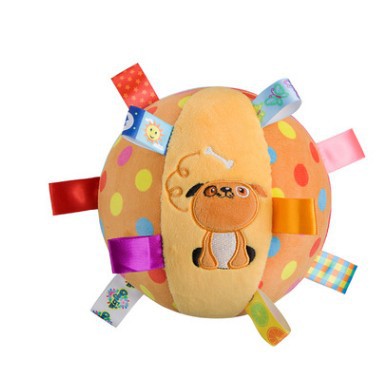
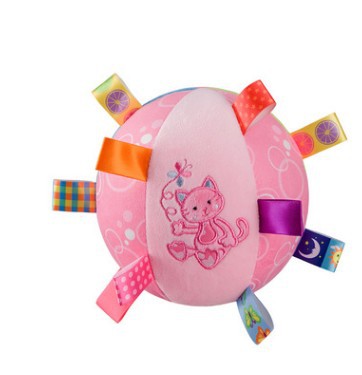

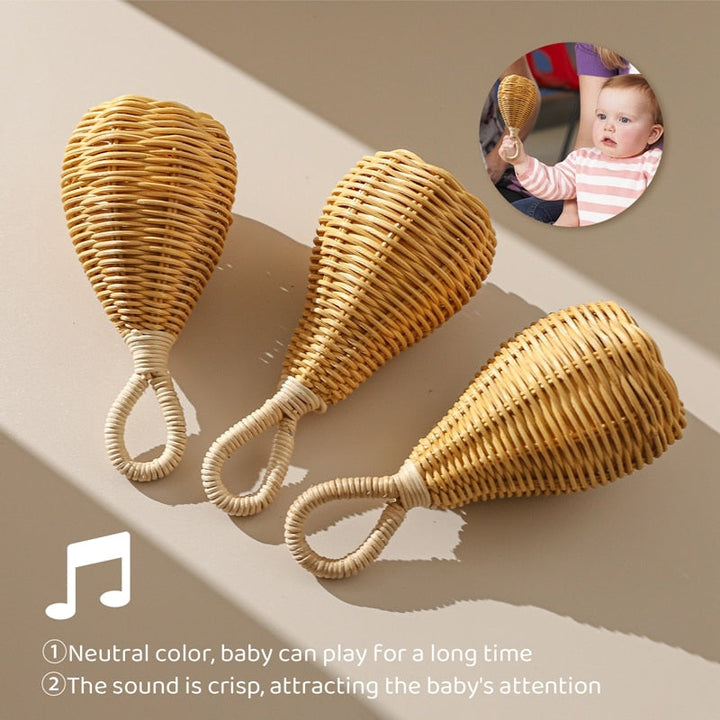
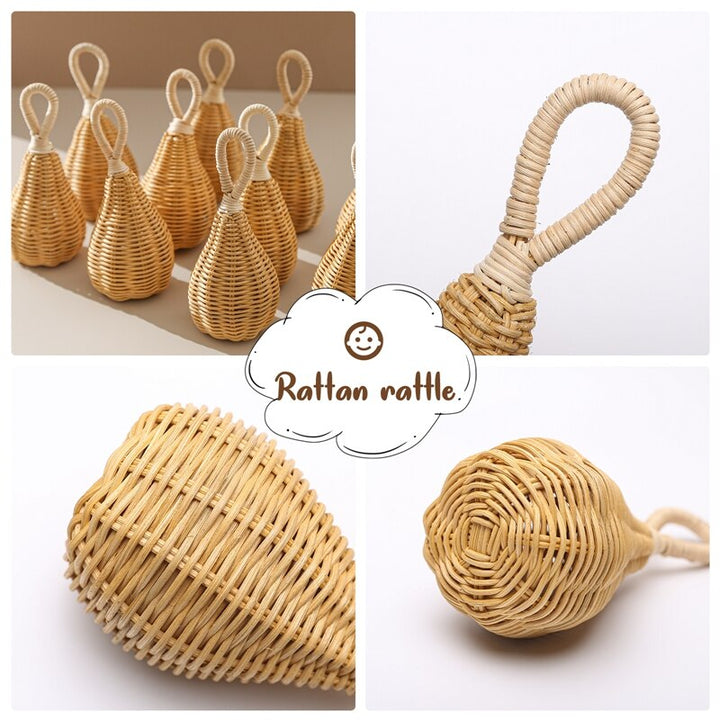
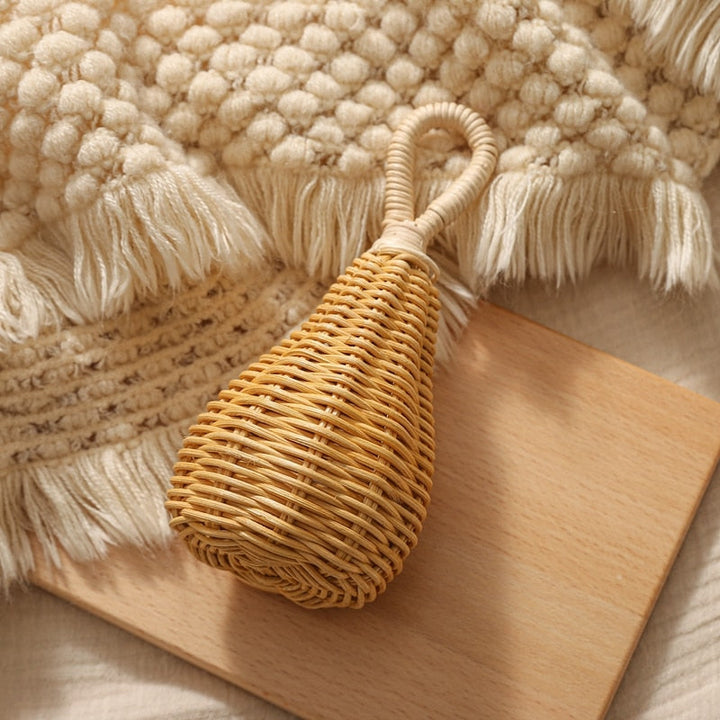

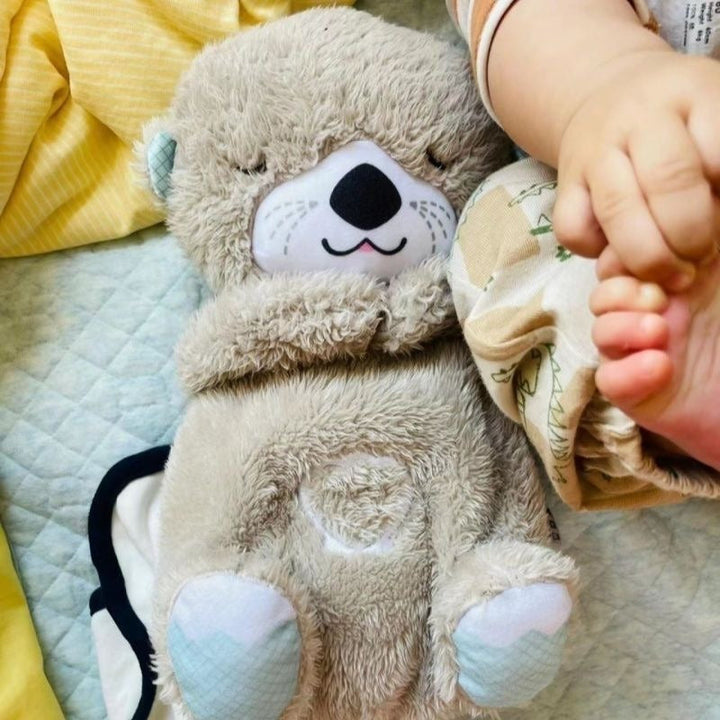
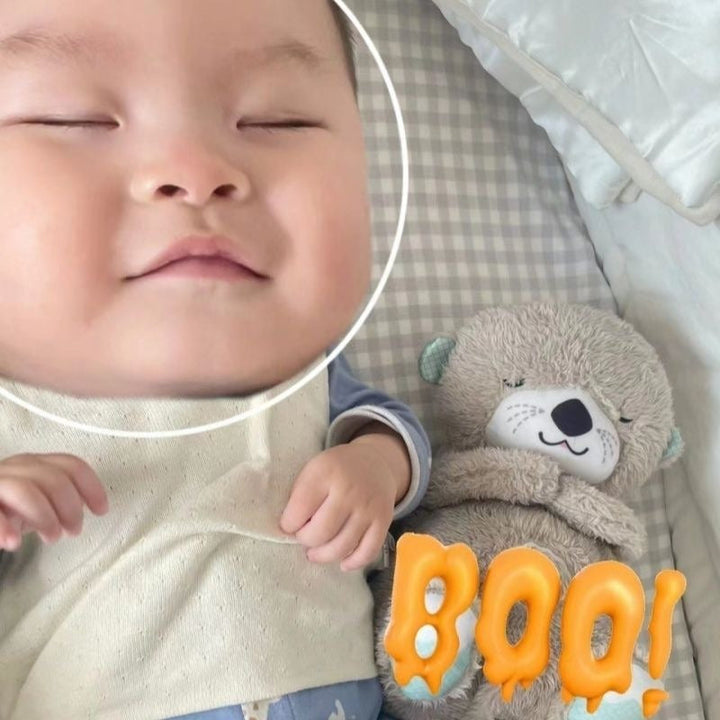
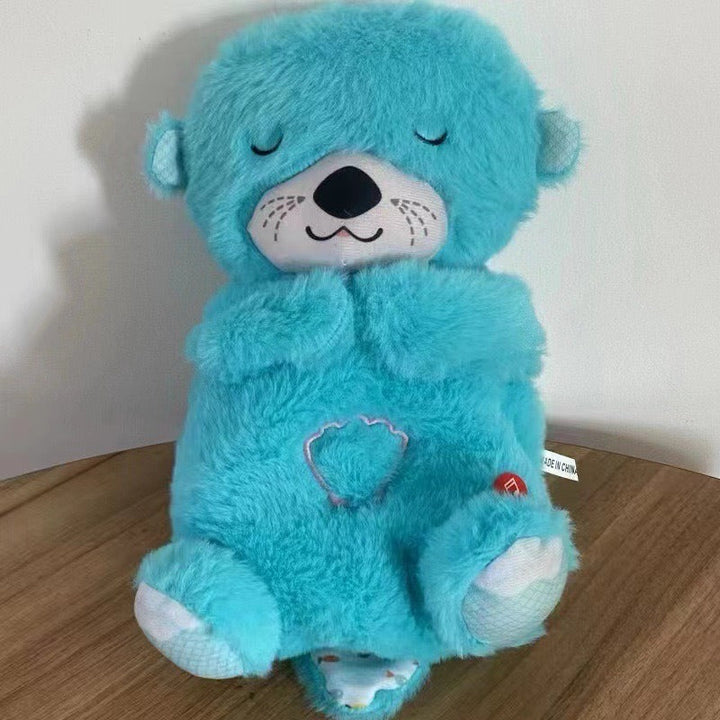

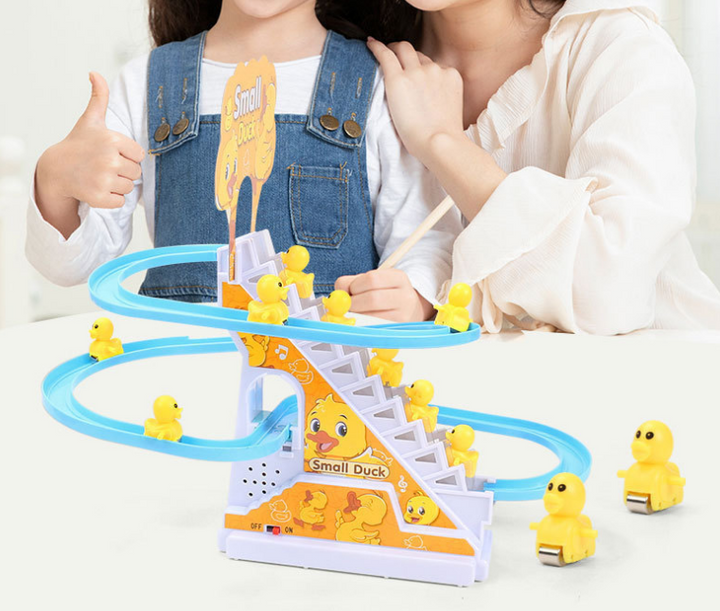
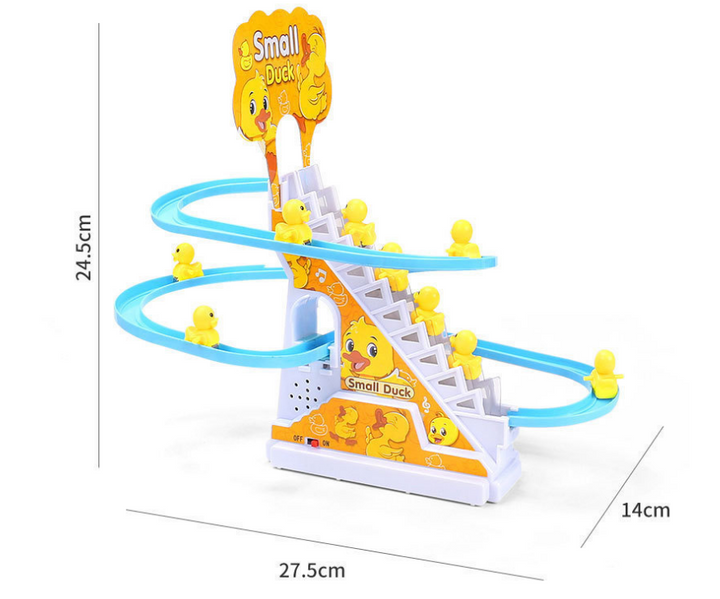
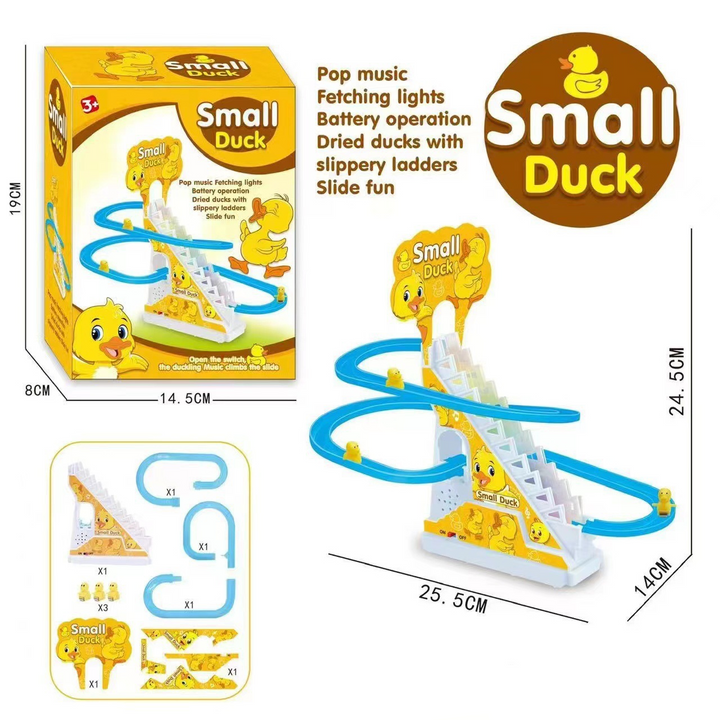

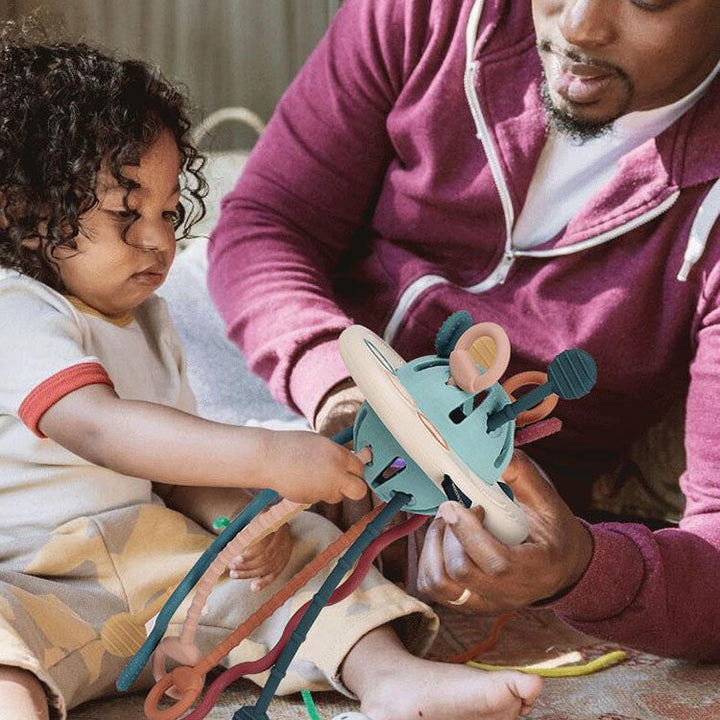
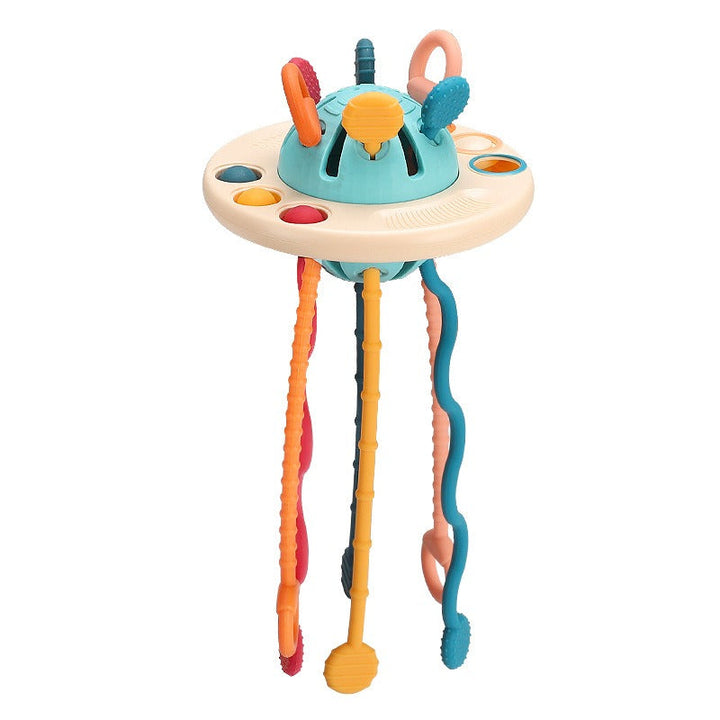
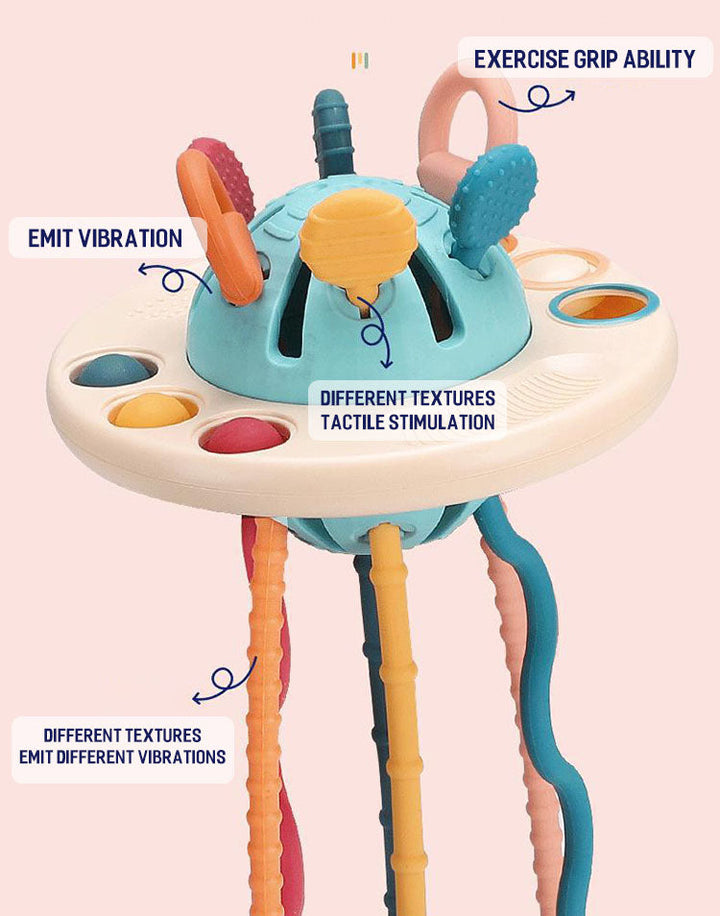

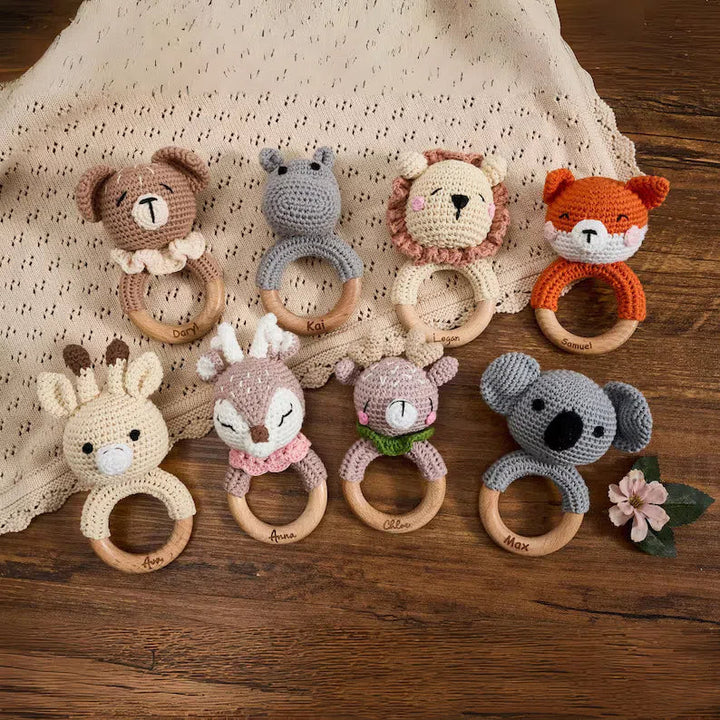
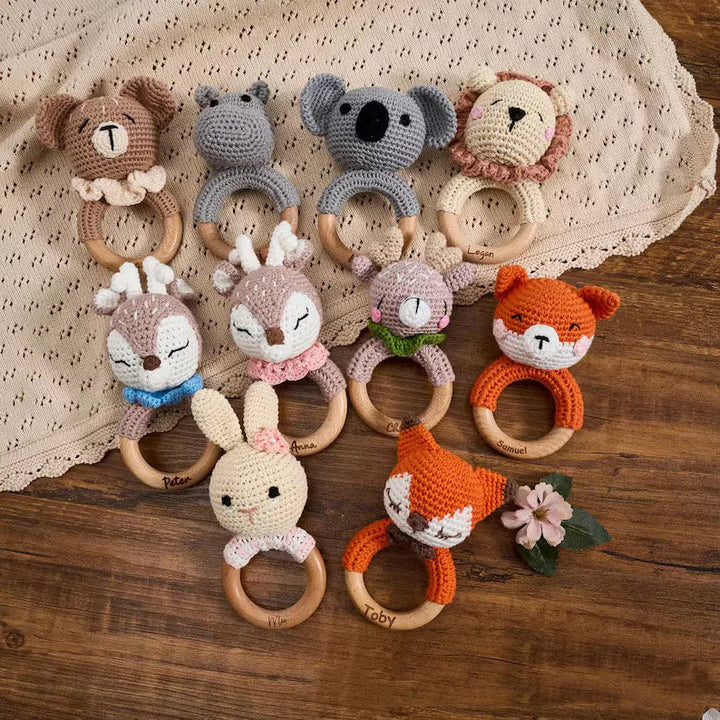


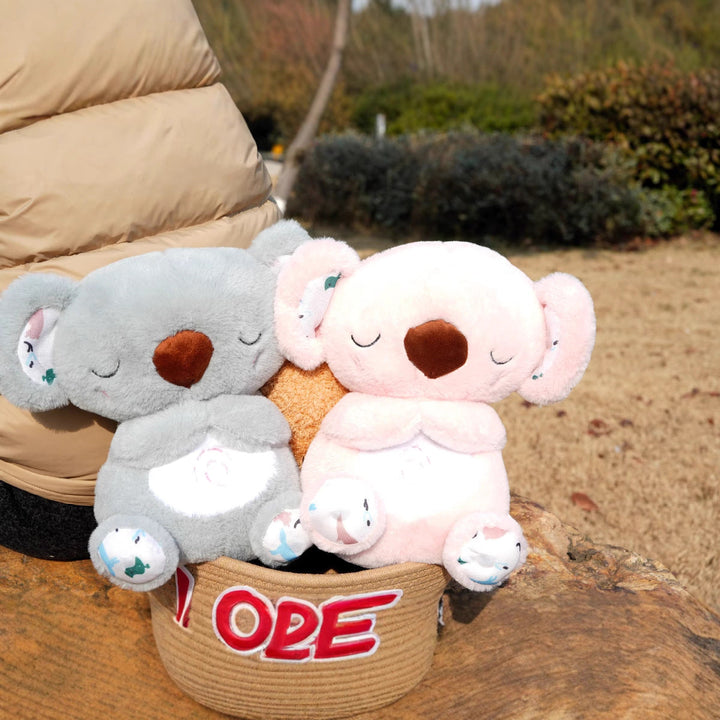
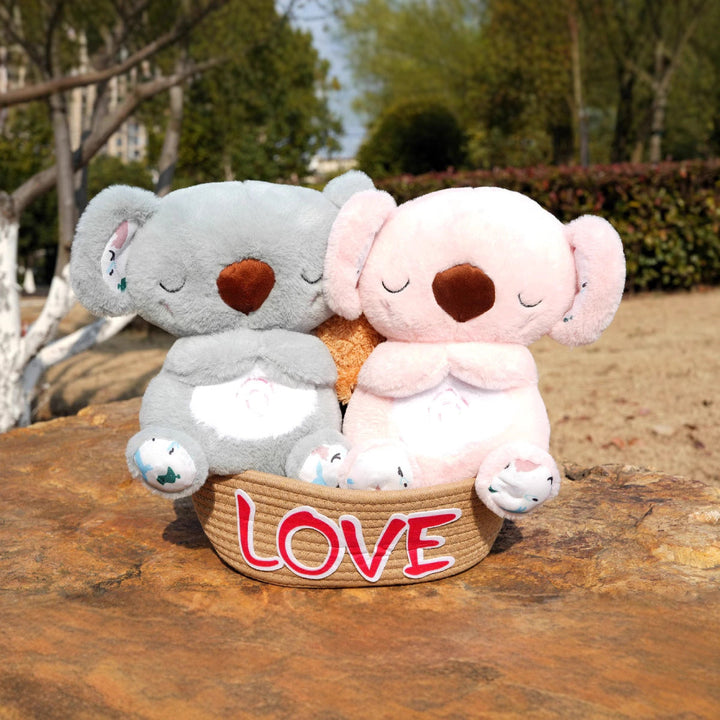
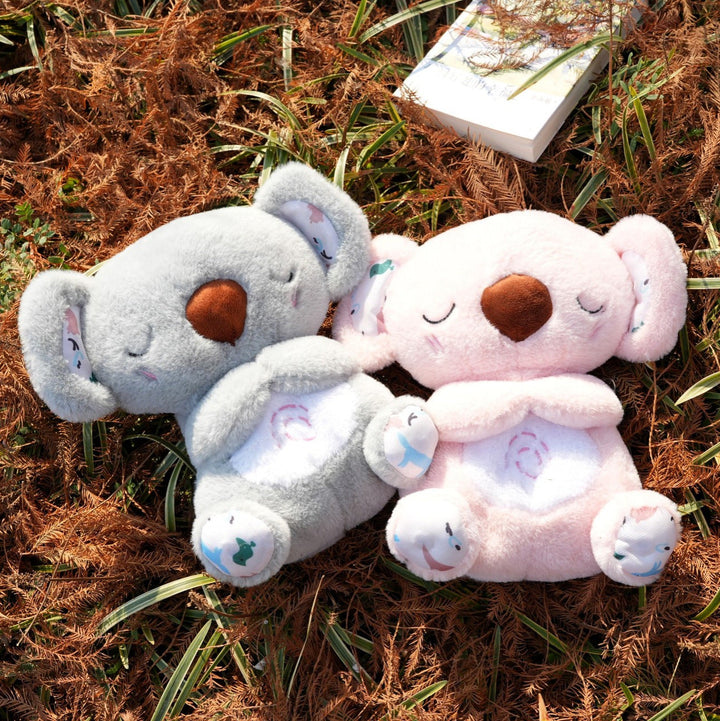
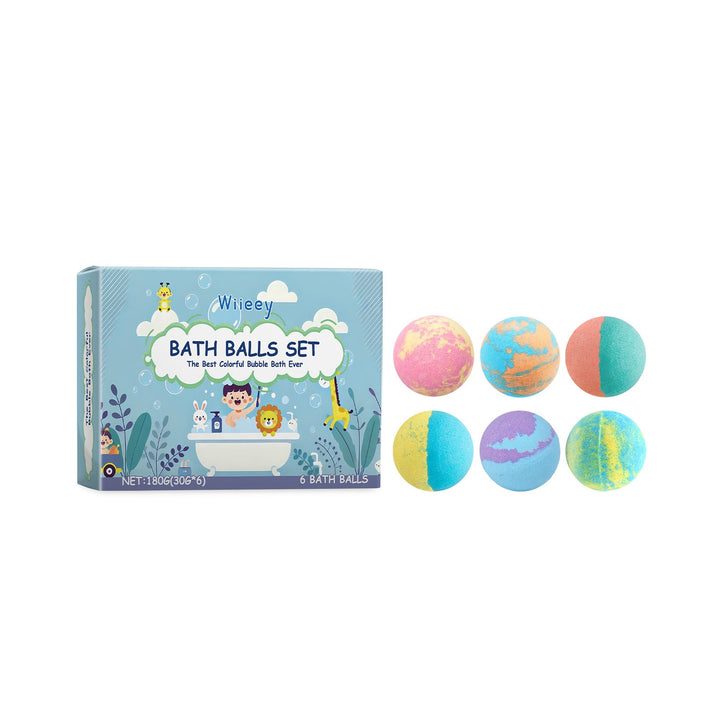
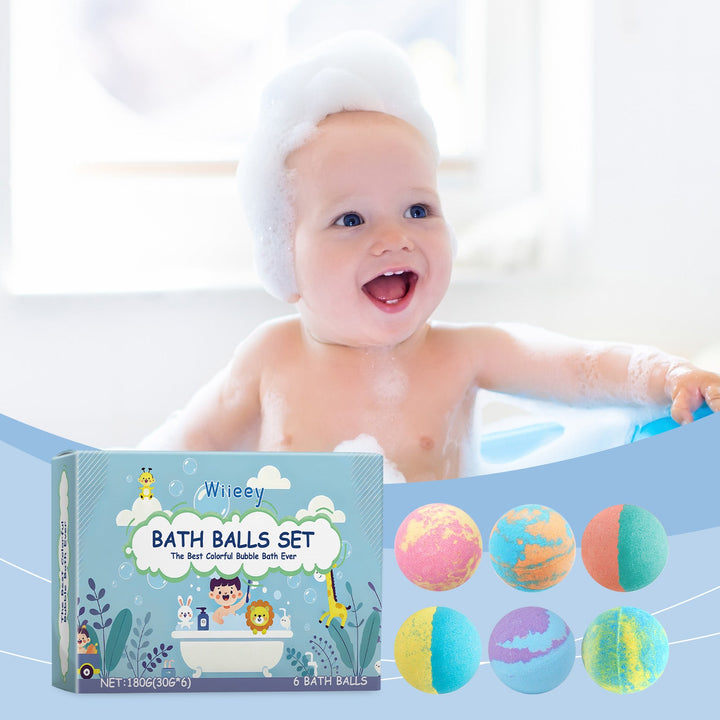


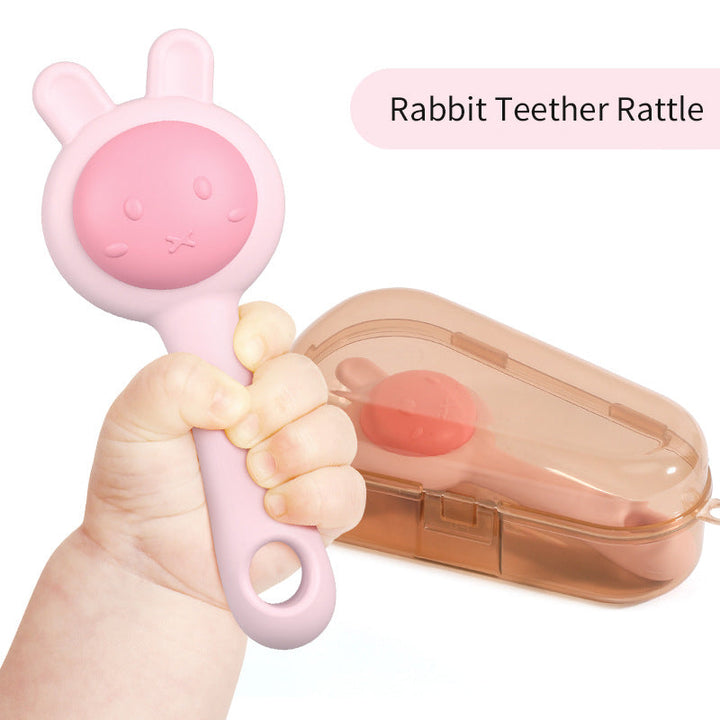
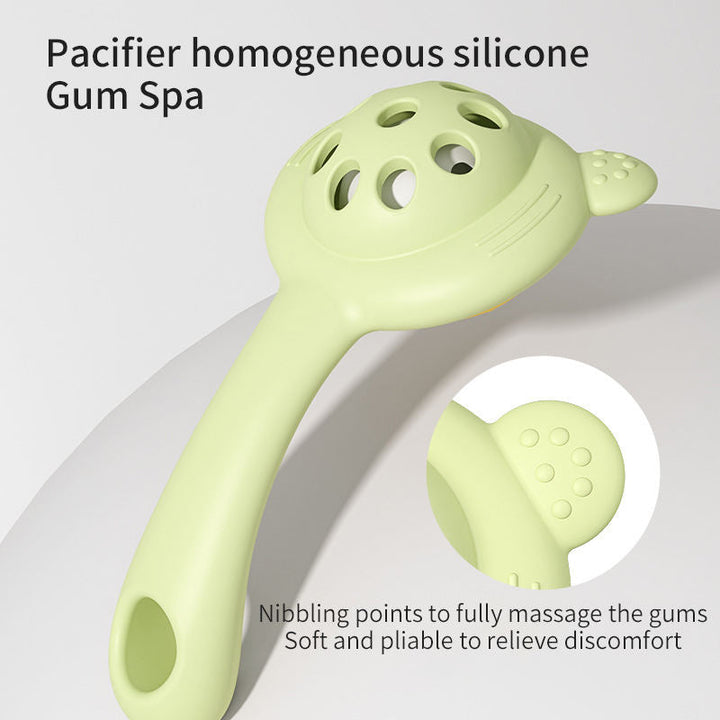
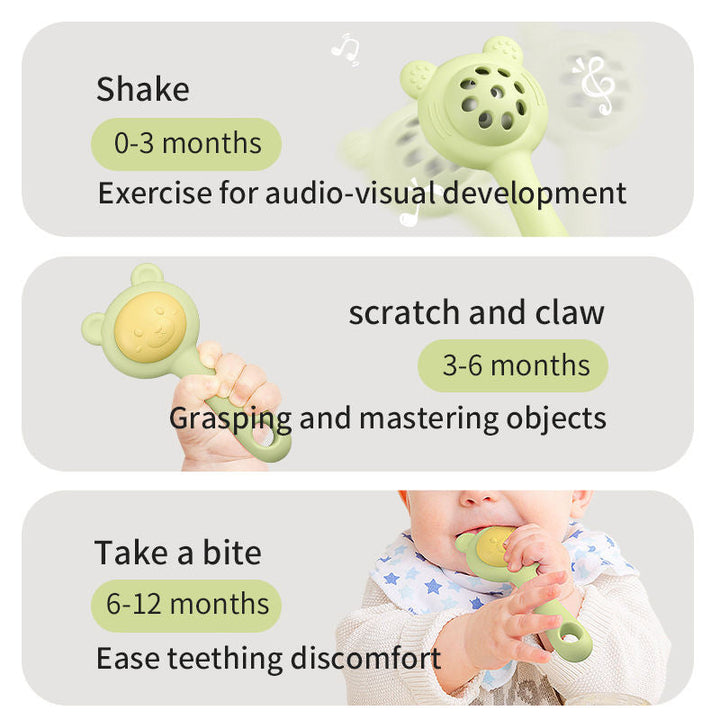
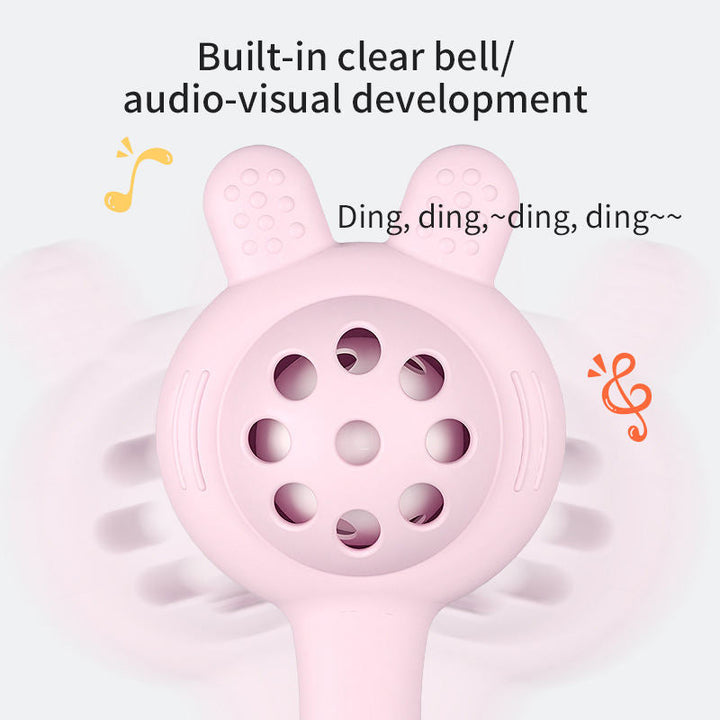
Find baby toys for early sensory play, tummy time, teething, bath routines, and everyday exploration. This range includes wrist rattles, silicone rattle teethers, a baby toothbrush set, and bath products, so check each item’s stated age guidance and use instructions before buying.
How to choose baby toys by age
For baby toys 0-6 months, look for lightweight items that are easy to hold, such as baby wrist rattles or a soft silicone rattle teether. High-contrast details, gentle sounds, and varied textures can support supervised visual, auditory, and tactile exploration. For baby toys 6-12 months, choose toys that remain easy to grip as babies reach, roll, sit, and crawl. Baby toys 1 year old may include simple sensory items for grasping and pretend routines, provided the product is marked suitable for that age. Always follow the packaging guidance, inspect toys before use, and avoid any item with loose parts, damage, or an unsuitable size.
What types of baby toys are best for different play
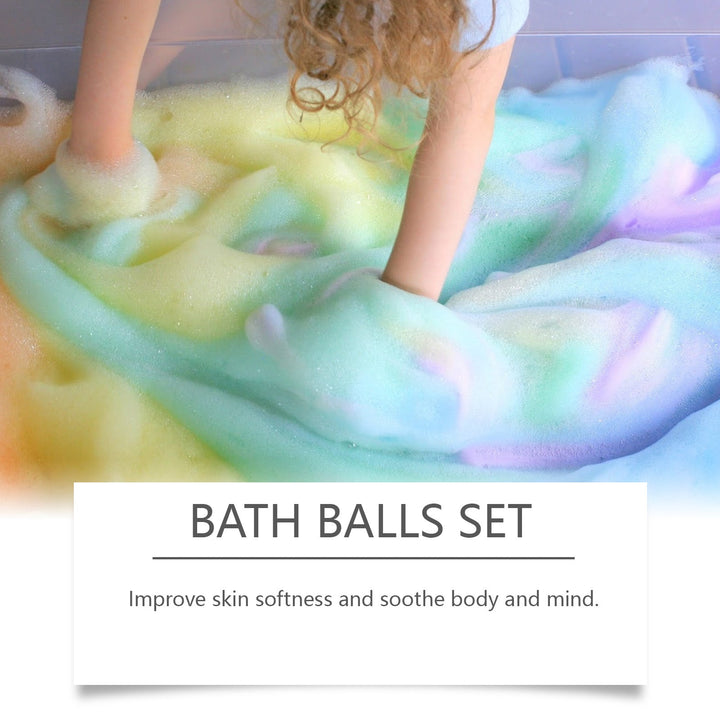
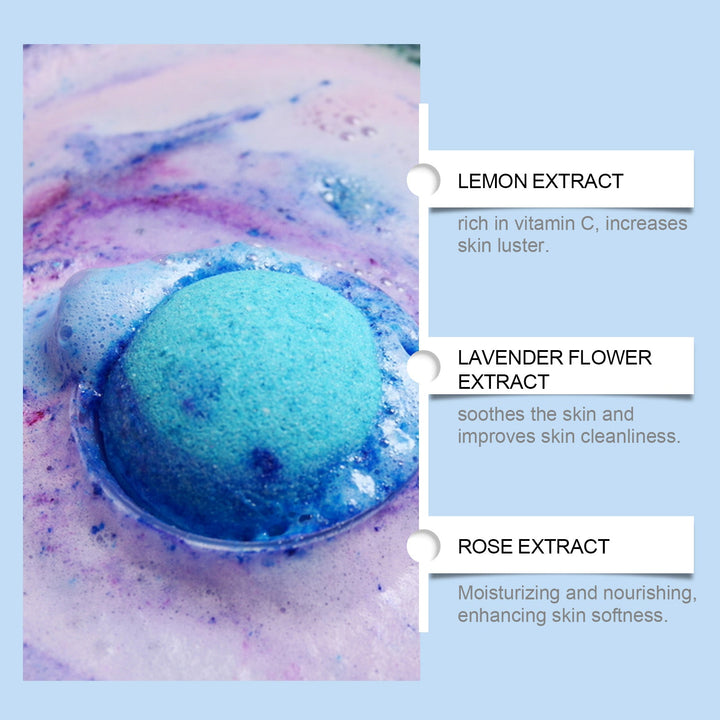
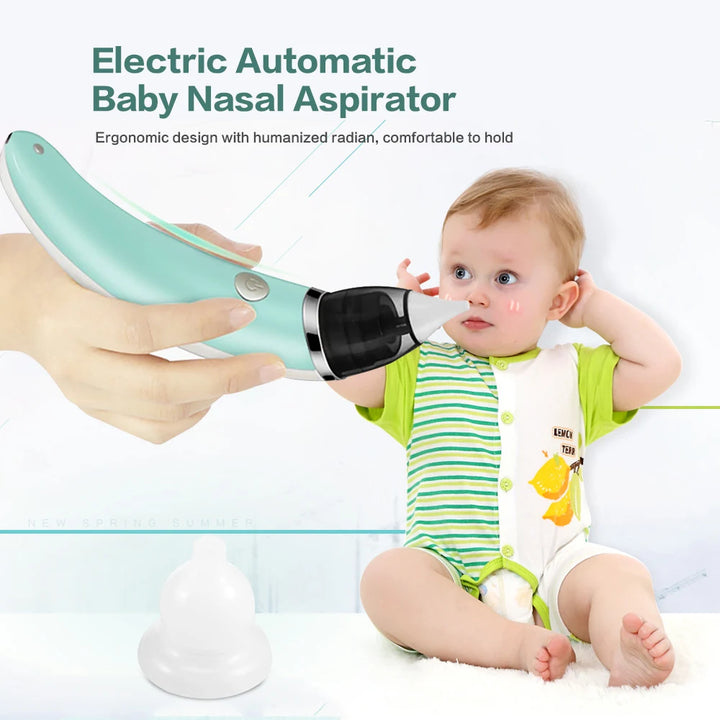
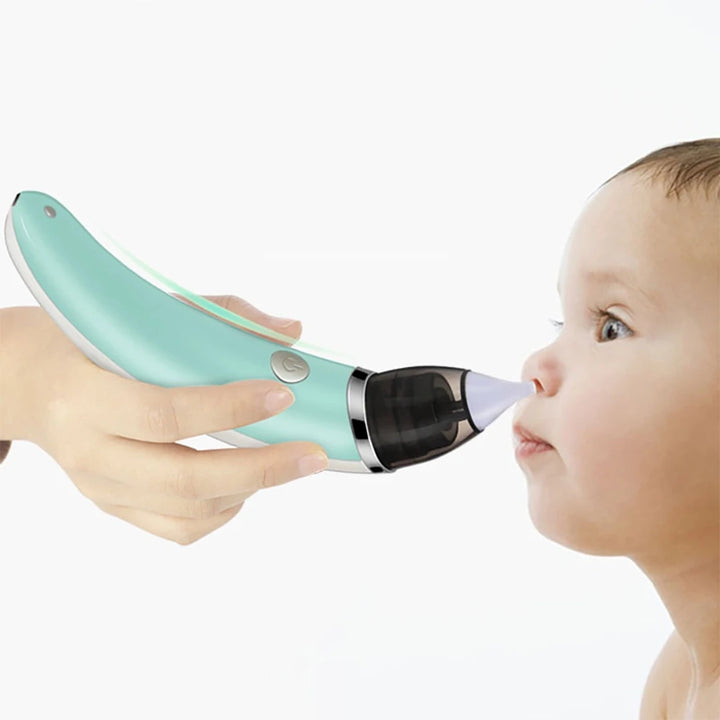
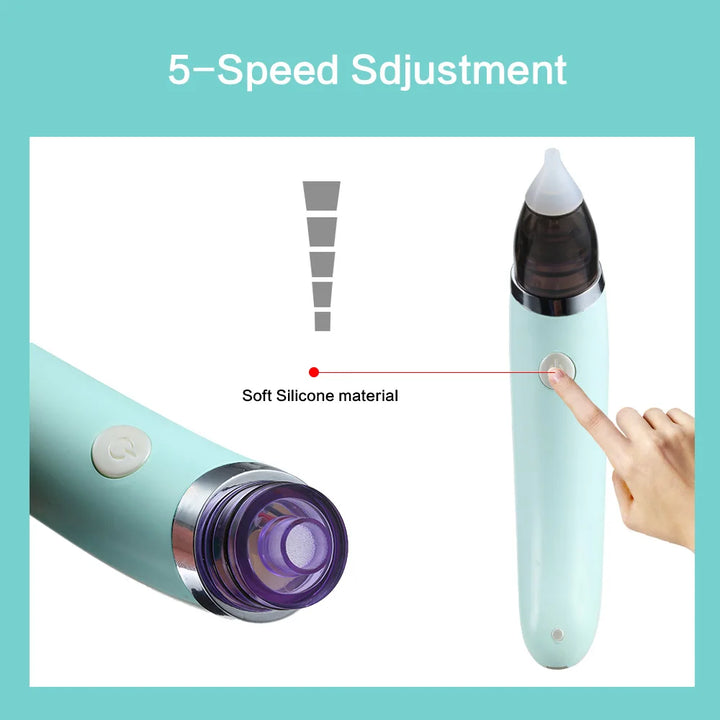
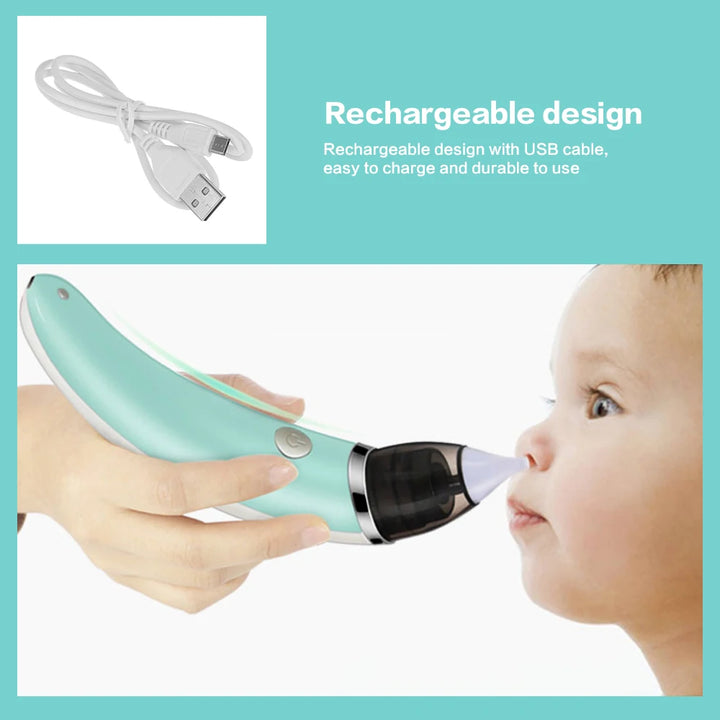
Baby wrist rattles are designed for early sound-and-movement play and can be useful during short, supervised tummy-time sessions. A baby rattle teether combines a rattle format with textured silicone surfaces for babies who enjoy mouthing approved items. A silicone toothbrush and tongue cleaner set is intended for introducing a brushing routine, not for unsupervised play. Children's bath bombs create color and bubbles for bath-time interest, but they are bath products rather than everyday toys and should be used only as directed. Nasal aspirators and ear correction patches are care products, not baby toys, and should not be offered as playthings.
What to look for in safe baby toys
Choose baby toys with smooth, secure construction and surfaces that are practical to wipe or wash according to the instructions. For teethers and rattles, check that the silicone or other material is intact and that no component can detach during normal use. Avoid toys with accessible small pieces, sharp edges, long loose cords, or damage. A toy’s age label matters more than its appearance, especially for newborns and younger babies. Look for easy-to-hold shapes, moderate weight, and textures that are comfortable for small hands and mouths. If buying baby toys girl or baby toys for a boy, focus on the child’s stage and interests rather than color or theme.
How to use baby toys for sensory play and tummy time
Offer one or two baby toys at a time so your baby can focus on the sound, texture, or movement. Place a wrist rattle where the baby can notice it, or position a rattle teether within easy reach during a brief, supervised tummy-time session. Stay close and watch for signs of tiredness or frustration. Clean teethers, rattles, and toothbrush components as directed, and allow them to dry fully before storage. Do not attach toys to sleep spaces, leave a baby alone with a toy, or use a bath bomb outside its instructions. Remove any product immediately if it becomes cracked, sticky, loose, or otherwise damaged.
Common mistakes when buying baby toys
One common mistake is choosing a toy because it looks entertaining without checking the recommended age or intended use. Another is buying too many features at once; a simple rattle or textured teether may be easier for a young baby to explore. Do not treat care products, such as a nasal aspirator or ear correction patch, as toys, and do not let children handle them without an appropriate adult. Avoid assuming that “sensory” means suitable for every stage, since babies differ in grasping, mouthing, and movement skills. Finally, do not use bath bombs or toothbrush accessories as substitutes for products or routines recommended by a qualified professional.
Who are these baby toys suitable for
This category suits caregivers looking for first sensory items, gentle rattles, teething textures, or supervised activities for babies who are beginning to reach and grasp. Newborns may need very simple, lightweight toys, while older babies can explore more varied textures and sounds when the product label allows it. The silicone toothbrush set may suit families introducing a brushing routine, and bath bombs may suit children whose bath products are appropriate for their age and skin preferences. The care items in this range serve different purposes and should be selected only when needed and used exactly as directed. If you searched baby toys Amazon, compare the same practical details here: age guidance, materials, cleaning, and supervision.
Frequently asked questions
What is the most popular baby toy?
Simple rattles and teethers are popular because babies can grasp, shake, look at, and safely mouth products designed for those uses. A wrist rattle or silicone rattle teether can be a practical first choice when its age guidance suits the baby.
What is the best first toy for a newborn baby?
A lightweight, easy-to-hold rattle with secure construction is a common first option, provided it is labeled for newborn use or the appropriate early age. Use it only during supervised awake time and remove it if the baby becomes tired or the toy shows damage.
What kind of toys does a baby need?
Babies do not need a large collection. A few age-appropriate items, such as a simple rattle, a textured teether, and a supervised tummy-time toy, can offer sound, movement, and tactile variety.
What are some cool toys for babies?
Colorful rattles, wrist rattles, and silicone teethers can feel engaging because they combine movement, sound, and texture. Choose based on safe construction and the baby’s stage rather than novelty, flashing features, or a long list of functions.
What are 10 things babies need?
Needs vary by family, but everyday essentials commonly include clothing, nappies, feeding supplies, a safe sleep space, bathing supplies, and age-appropriate care items. Baby toys can support supervised play, but they are not a substitute for basic care or a safe sleep setup.
What toys make babies smart?
No toy can guarantee a particular developmental outcome or make a baby smart. Toys that invite simple actions, such as reaching for a rattle, feeling a texture, or looking at movement, can provide opportunities for supervised exploration and interaction.
Browse related: Shop all Teething Toys - Soft & Safe Baby Teethers · explore baby teethers - safe & soothing teething toys for infants.