
$35.90
Free delivery · 7–14 days
Baby Oral Cleaner Swabs - Gentle Gauze Toothbrush 30pk




Build a simple baby oral care routine with tools made for small mouths, sensitive gums and developing brushing skills. This category includes silicone finger brushes, tongue cleaners and soft-bristle toothbrushes, plus a few bath and skin-care items that should not be used for brushing.
Start with your baby's stage, mouth size and comfort with brushing. For a baby with just a few teeth, a silicone finger brush can help an adult gently clean the tooth surfaces and massage the gums. A soft-bristle baby toothbrush is useful as more teeth appear and your child begins holding the handle. Look for a small head, short soft bristles or flexible silicone tips, and a handle that is easy for an adult to control. A set with a tongue cleaner can support a broader routine, but it should still be used gently. Check the product instructions for cleaning, storage and age guidance. Avoid choosing a brush solely because it has a bright character or electronic feature.
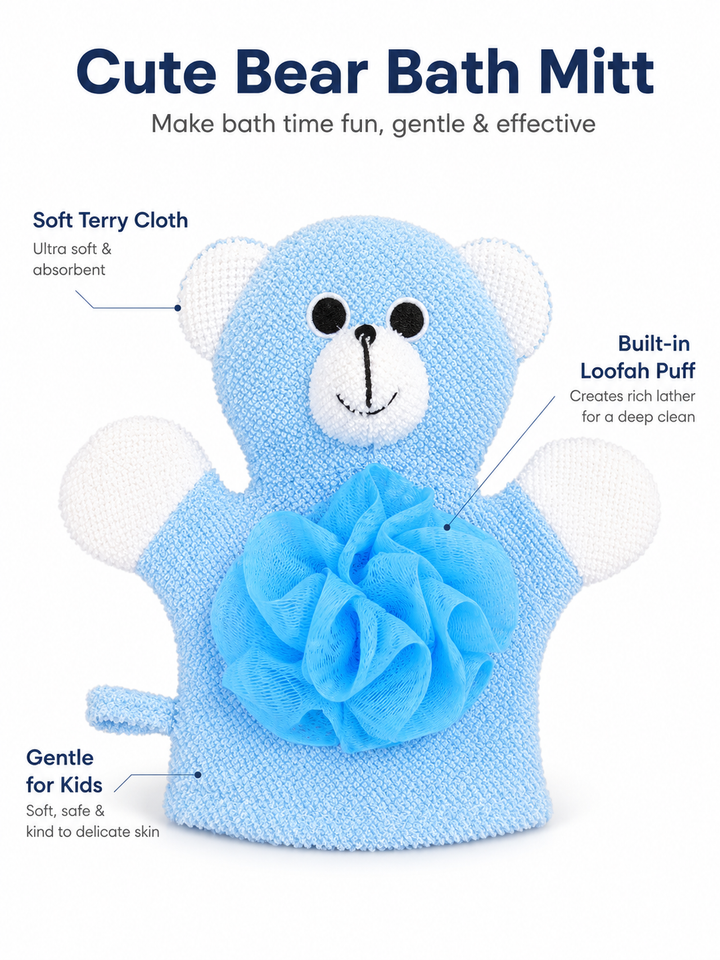
Finger brushes fit over an adult's finger and offer close control during early tooth cleaning. Silicone toothbrushes with handles are easier to hold as babies become interested in copying adults, while soft-bristle electric toothbrushes may suit families seeking gentle powered brushing when the product is specifically designed for a baby's age. A silicone toothbrush and tongue cleaner set can combine several early oral-care tools in one purchase. Bath brushes, bath mitts and skin creams are not toothbrushes and should not be placed in a baby's mouth. Compare the head size, material, handle shape, cleaning instructions and intended age range rather than assuming every soft product is suitable for oral use.
Prioritize a small brush head that can reach the front and back of each tooth without forcing the mouth open. Soft bristles or smooth, flexible silicone are preferable to stiff or rough textures for a baby's delicate mouth. A broad, easy-grip handle can help an adult guide the brush, while a lightweight handle may be more manageable for a toddler practicing independently. Consider a guard or stopper if the product includes one, but supervise use regardless. Choose materials and construction that are easy to rinse and dry, with no loose parts, cracks or peeling surfaces. Inspect the brush regularly and replace it when the head becomes worn or damaged.
Wash your hands before handling a finger brush, then follow the product's cleaning instructions. Sit your baby securely and use a gentle touch to clean each tooth surface, including along the gumline, without scrubbing hard. If your baby resists, keep the session brief and try again at another calm time rather than forcing the brush. As more teeth appear, introduce a small soft-bristle toothbrush and let your child hold a second brush while you guide the cleaning. Never leave a baby alone with a brush, especially a finger brush or any item with removable parts. Ask a dentist or other qualified dental professional for advice suited to your child's teeth and development.
Common mistakes include waiting until many teeth appear, using a full-size adult brush, brushing with excessive pressure or treating a bath brush as an oral-care tool. Another is allowing a baby to chew on a toothbrush without adult guidance; chewing can wear the brush and does not replace guided cleaning. Do not share a finger brush or toothbrush between family members, and do not keep a damp brush sealed in a container for long periods. Avoid choosing products with damaged silicone, loose bristles or hard edges. Many parents also rush the routine when a baby is tired, so try brushing at a predictable, calm time. For product-specific questions, follow the instructions supplied with the brush.
Finger brushes are generally suited to adults cleaning a baby's early teeth and gums, provided the product's age guidance matches your child. Silicone handle brushes and soft-bristle brushes may suit babies and toddlers who are beginning to participate, but an adult should remain involved because young children cannot reliably clean every surface. A tongue-cleaner set may appeal to shoppers who want a coordinated routine, while an electric option may suit families who prefer powered brushing and can supervise closely. Bath mitts, bath brushes and anti-crack creams belong in bathing or skin-care routines, not baby oral care. If your child has mouth discomfort, a tooth injury or unusual changes, contact a dental professional rather than relying on a product alone.
The 2-2-2 rule is a common reminder to brush for two minutes, twice a day, and have dental checkups twice a year. Guidance can vary by age and individual needs, so use advice from your child's dental professional for the routine that applies to your baby.
A dental professional usually examines the mouth and may gently clean visible surfaces with dental instruments or polishing materials suited to the child's needs. The visit may also include advice on brushing, feeding habits and follow-up care. Cleaning at home with a small, soft baby toothbrush remains part of the daily routine.
Yes, once teeth appear, parents and caregivers can begin gently cleaning them with an age-appropriate baby toothbrush or finger brush. Use a soft head, light pressure and close supervision, and follow current guidance from your child's dental professional about toothpaste and brushing frequency.
Use a small soft-bristle toothbrush or suitable silicone brush to gently clean all tooth surfaces and along the gumline. Do not scrape plaque with household objects or brush aggressively. If buildup remains, the gums bleed repeatedly or you are concerned about the teeth, arrange advice from a dental professional.
Plaque is best managed by regular mechanical cleaning with a toothbrush and by following dental-care guidance for your child's age. There is no need to use household acids, abrasive powders or essential oils in a baby's mouth. Ask a dental professional before trying any nonstandard oral-care product.
Start cleaning as soon as the first tooth appears, using a baby-sized soft toothbrush or another product intended for the baby's age. Before teeth appear, some caregivers gently wipe the gums with a clean, damp cloth, but a dental professional can advise on your baby's specific routine. Supervise every brushing session.
Browse related: Shop all Baby Nail Care - Gentle Fingernail Trimmers for Infants · explore baby toothbrush - extra soft bristle toothbrushes for infants.