Skip to content

Tongue Cleaner: Metal Scraper & Gel for Fresh Breath

7 products

A tongue cleaner can help remove surface buildup and leave your mouth feeling fresher as part of a regular oral-care routine. This category includes reusable stainless steel scrapers, sprays, mouthwash, gel-style options, and a gentle baby silicone set, so you can choose the format that fits your routine.

How to choose a tongue cleaner

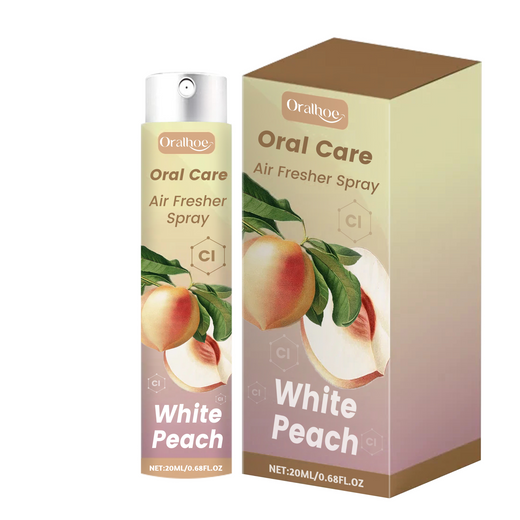
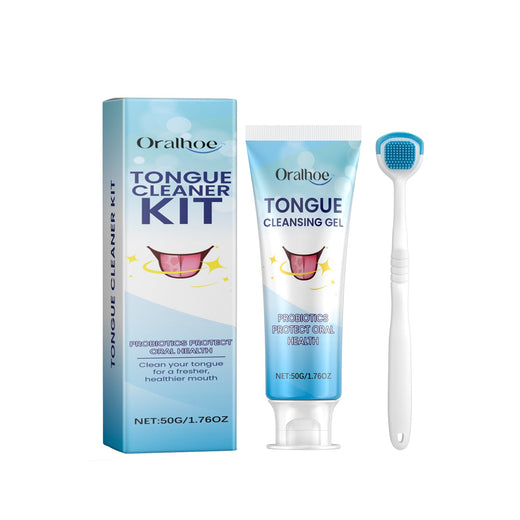
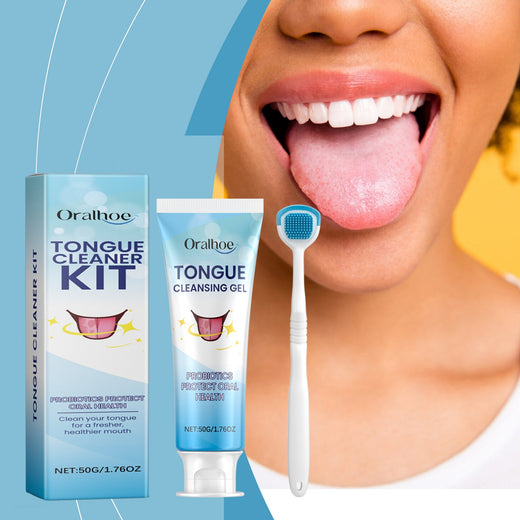
Start with the format you are most likely to use consistently. A stainless steel tongue scraper offers a simple, reusable option for gently lifting surface residue from the tongue. A spray, liquid, or solution is convenient when you prefer a quick freshening step without a separate tool. The Tongue Cleaner Kit combines a cleaner with probiotics, while mouthwash and oral breath sprays fit easily into an existing rinse routine. For infants, choose the Baby Silicone Toothbrush & Tongue Cleaner Set rather than an adult scraper. If you are comparing a tongue cleaner on Amazon, searching at Target, checking Walgreens, or looking for a tongue cleaner near me, compare the tool shape, ingredients, intended age range, and cleaning instructions before buying.

What are the different types of tongue cleaners?

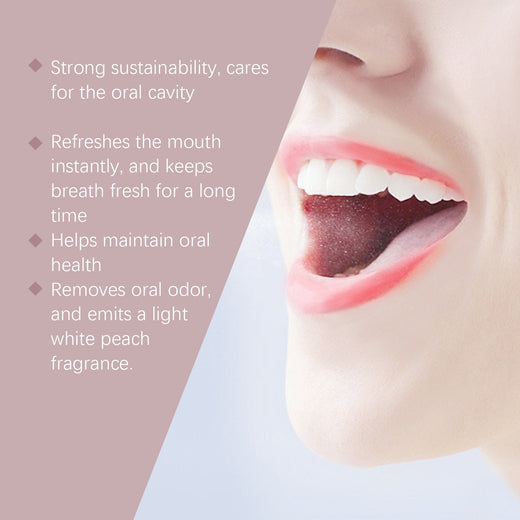
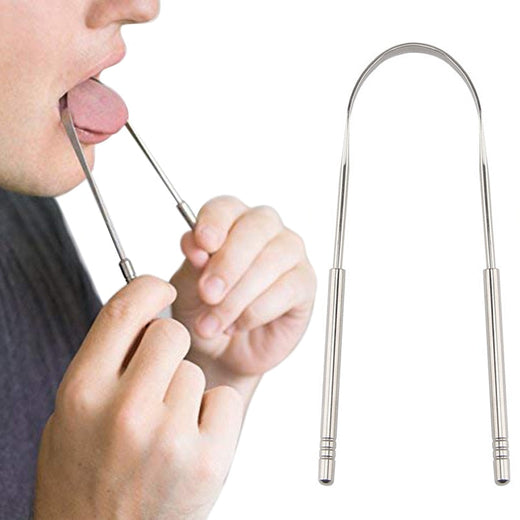
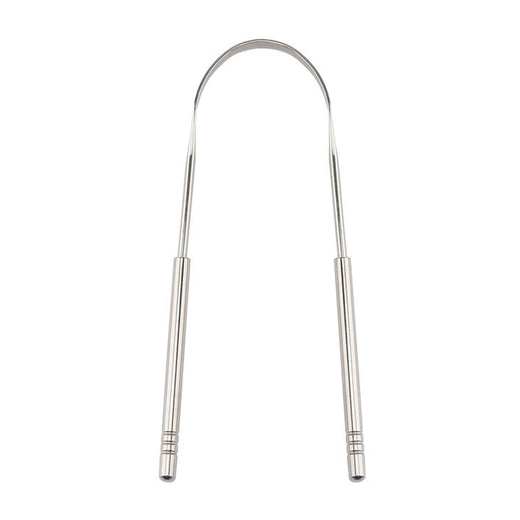
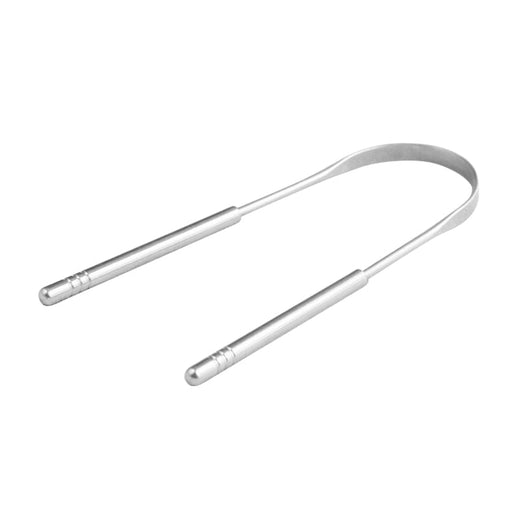
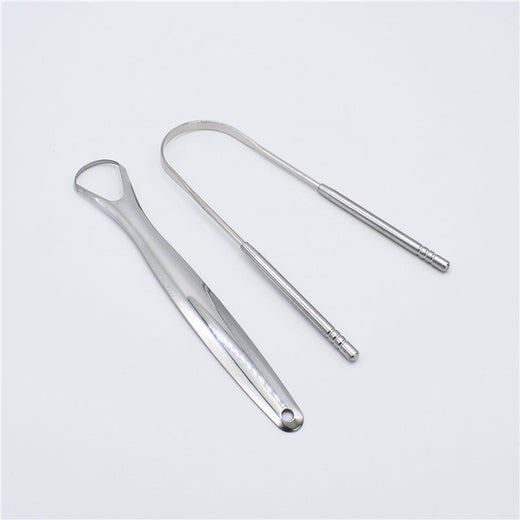
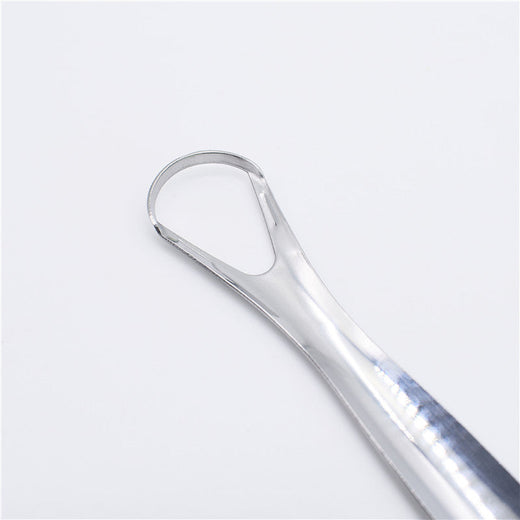
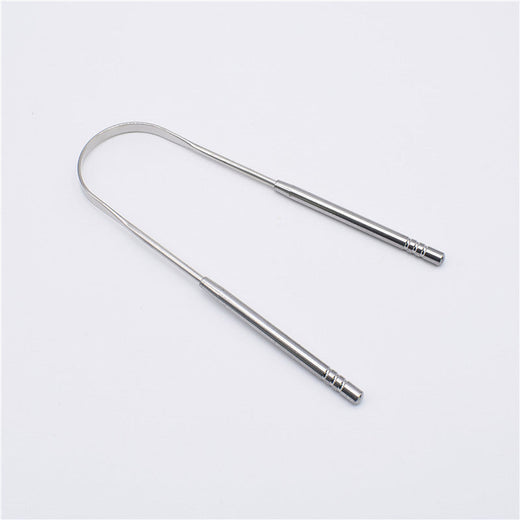
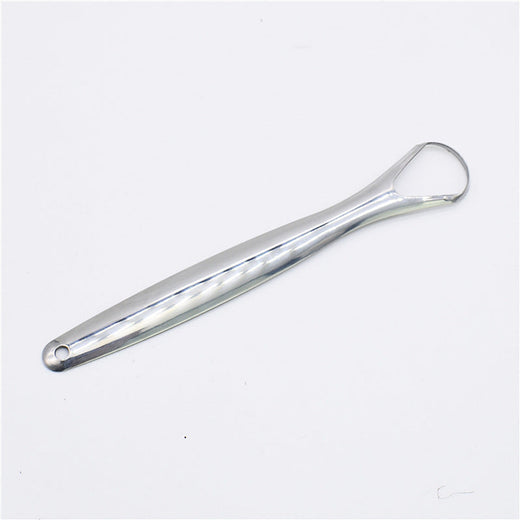
Stainless steel scrapers are compact, washable, and designed for a direct scraping motion across the tongue. The two stainless steel options in this category suit shoppers who want a straightforward tool for fresh-breath care. Sprays provide a portable way to freshen the mouth and may be useful at work, while traveling, or after meals. Mouthwash offers a rinse-based alternative and can be paired with brushing and scraping. A tongue cleaner gel, liquid, or solution may appeal if you prefer a spreadable or pourable formula, but check the product directions for use and whether rinsing is required. The baby silicone set uses a softer format for age-appropriate care and should be used with adult supervision.

What to look for in a tongue cleaner

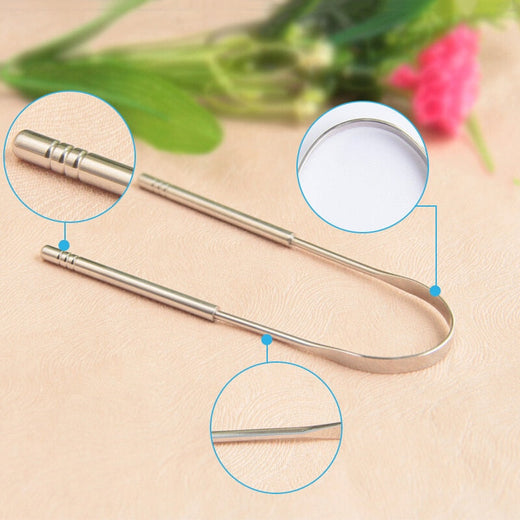
Look for a smooth scraper edge, an easy-to-hold handle, and a shape that reaches the tongue without feeling awkward. Stainless steel models should be rinsed and dried after use according to their care instructions. For sprays, gels, liquids, and mouthwash, review the ingredient list, directions, flavor, and storage guidance. If you want a tongue cleaner solution for a sensitive routine, avoid choosing solely by strong flavor or intense sensation; comfort matters because it encourages regular use. Parents shopping for a tongue cleaner for a baby should check the recommended age, silicone construction, handle design, and cleaning method. A compact size can help with travel, while a complete kit may be more convenient if you want several oral-care steps together.

How to use a tongue cleaner

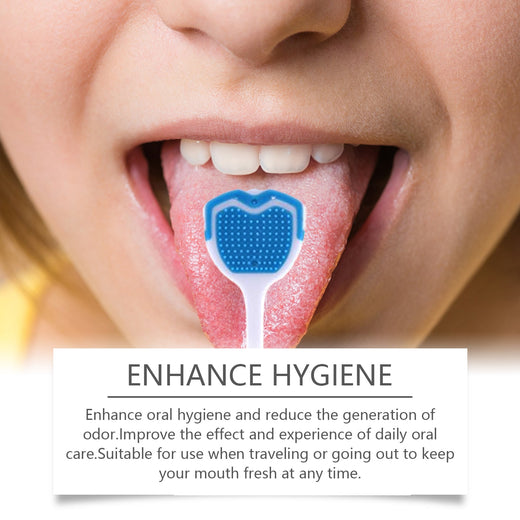
Use a scraper gently, starting toward the front or middle of the tongue and moving it forward in short strokes. Rinse the scraper between passes, and stop if the motion feels painful or causes irritation. Do not press hard or scrape repeatedly over one area. Afterward, rinse the tool and follow its cleaning instructions. For a spray, gel, liquid, or mouthwash, use only the amount and frequency stated on the product label; do not swallow a product unless its directions specifically allow it. A simple routine can include brushing teeth, cleaning the tongue, rinsing when appropriate, and cleaning the tool. For a baby, an adult should guide every use and follow the set’s age and care instructions.

What are common tongue-cleaning mistakes?

One common mistake is using too much pressure in an attempt to remove every visible mark. Tongue tissue can feel irritated when scraped aggressively, so gentle passes are preferable. Another is using a household object or a scraper with a rough, damaged edge instead of an oral-care tool. Do not share a tongue cleaner, and clean reusable tools after each use. With sprays, gels, liquids, or mouthwash, avoid applying more than directed or combining products without checking their labels. A tongue cleaner is not a replacement for brushing, flossing, or routine dental care. If persistent coating, soreness, bleeding, unusual changes, or ongoing bad breath concerns you, ask a dental professional for guidance rather than increasing scraping.

Who is a tongue cleaner best suited for?

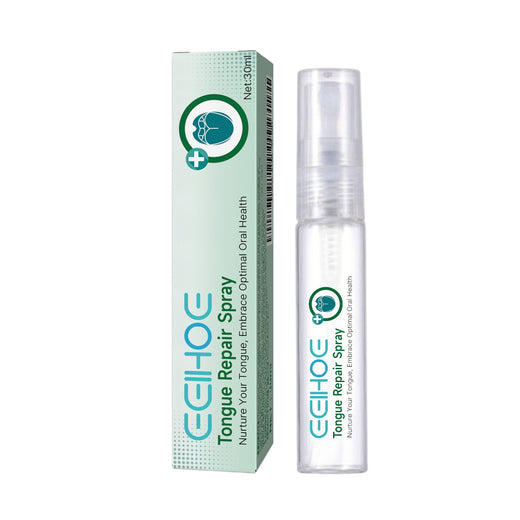
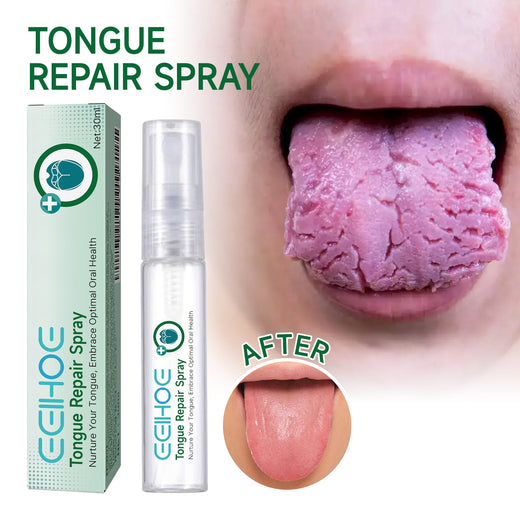
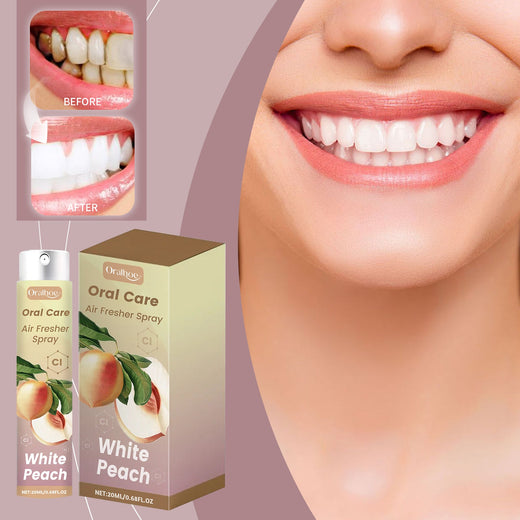
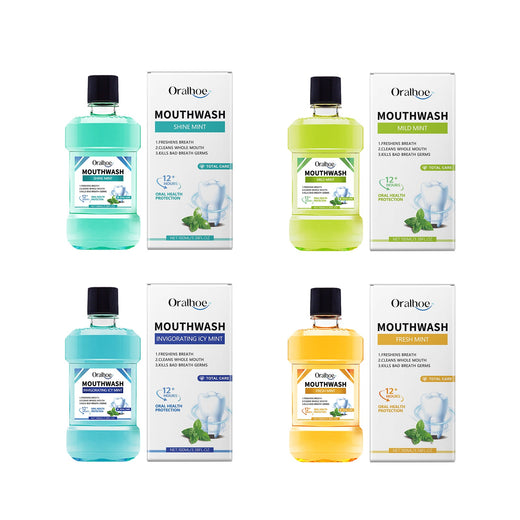
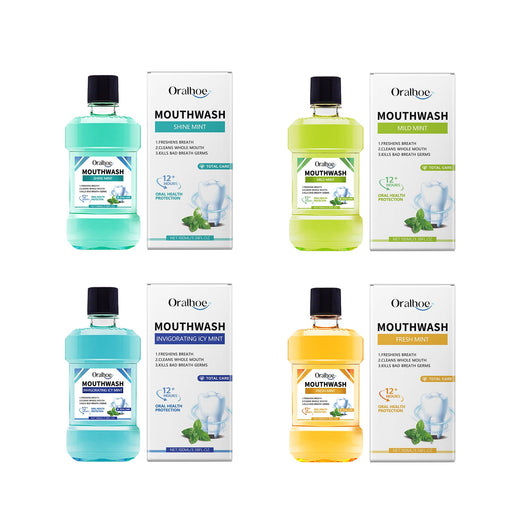
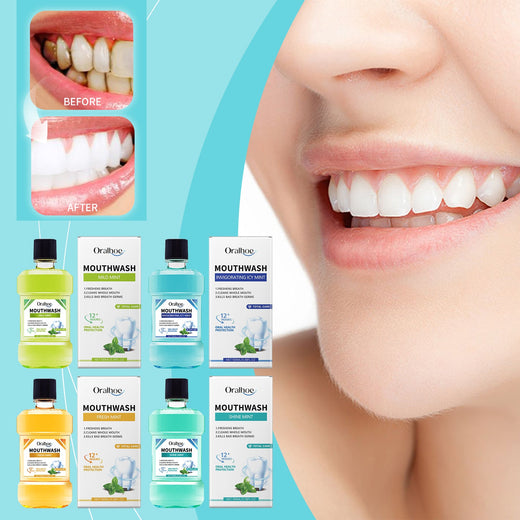
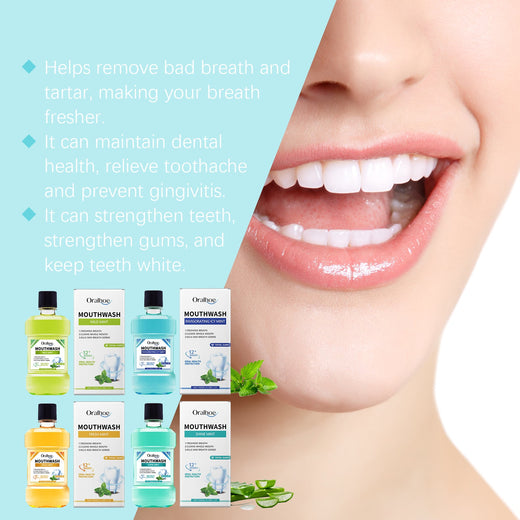
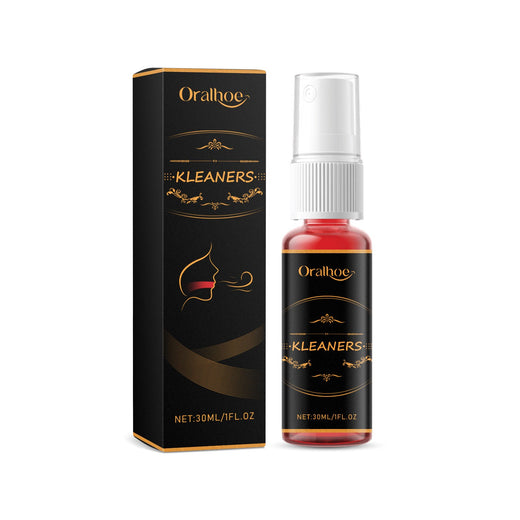
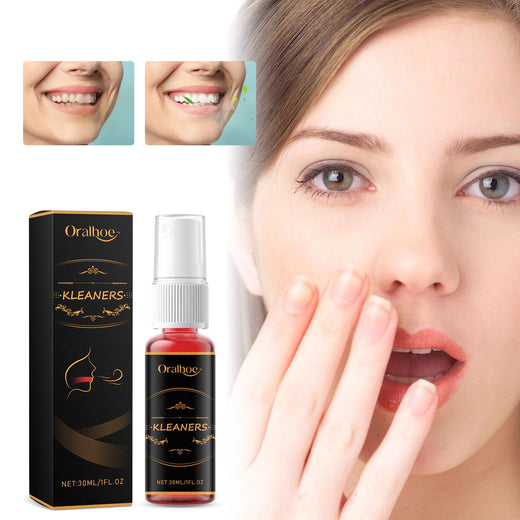
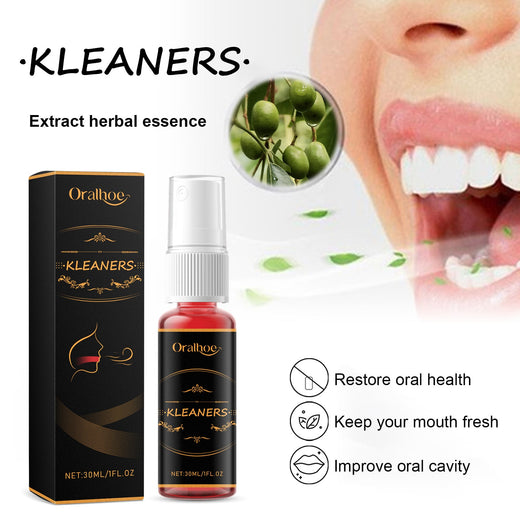
Tongue cleaners suit adults who want to add a tongue-care step to brushing, flossing, and rinsing. Stainless steel scrapers are a good match for shoppers who prefer a reusable, no-battery tool, while oral sprays and mouthwash work well for portable or rinse-based routines. The Tongue Repair Spray, Oral Breath Spray, Herbal Mouth Spray, and Mouthwash for Fresh Breath & Whitening offer different liquid formats, so compare directions and ingredients before choosing. The Tongue Cleaner Kit may suit shoppers who want a bundled routine. For young children, use the Baby Silicone Toothbrush & Tongue Cleaner Set only as directed and with adult supervision. Anyone with persistent discomfort or tongue changes should seek professional advice instead of relying on a cleaner alone.
Frequently asked questions

What is best to clean your tongue?

A tongue scraper, soft toothbrush, or product labeled for tongue care can clean surface buildup when used gently. Stainless steel scrapers offer a reusable option, while sprays, gels, liquids, and mouthwash provide alternatives based on your preferred routine. Follow the product directions and avoid pressing hard.

Do dentists recommend tongue cleaners?

Dental professionals may discuss tongue cleaning as one part of everyday oral care, but the best choice depends on your comfort and individual needs. A tongue cleaner should complement brushing, flossing, and regular dental care rather than replace them. Ask your dentist if you have persistent coating, irritation, or bad breath.

Can hydrogen peroxide clean the tongue?

Hydrogen peroxide products should only be used in the mouth when the label specifically permits oral use and provides clear directions. Do not use concentrated hydrogen peroxide or apply it in an unapproved way. A tongue scraper or product designed for tongue care is a more straightforward category choice.

How can I remove plaque buildup from my tongue?

Use a tongue scraper or soft toothbrush with light pressure, moving from the back or middle toward the front and rinsing between passes. Do not scrape until the tongue feels sore, and follow any spray, gel, liquid, or mouthwash directions carefully. Persistent or unusual buildup should be discussed with a dental professional.

What is the thick stuff I scrape off my tongue?

It may be a mixture of saliva, food particles, and surface residue that collects between the tongue’s natural textures. The appearance can vary with hydration, food, oral-care habits, and other factors. If the coating persists, changes noticeably, or appears with pain or other concerns, ask a dentist or healthcare professional.

Can Listerine clean the tongue?

A mouthwash can rinse the mouth and freshen breath, but it does not provide the same scraping action as a tongue cleaner. If you use mouthwash, follow its label and consider a separate scraper for surface residue. Do not swallow mouthwash, and choose a product intended for your age group.