Ultrasonic Teeth Cleaner & Plaque Remover for Dental Cleaning13 items
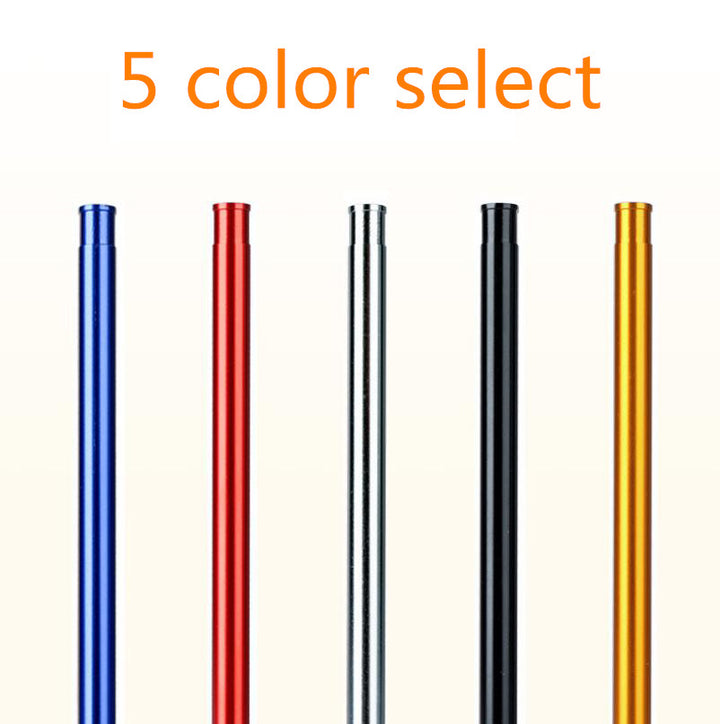


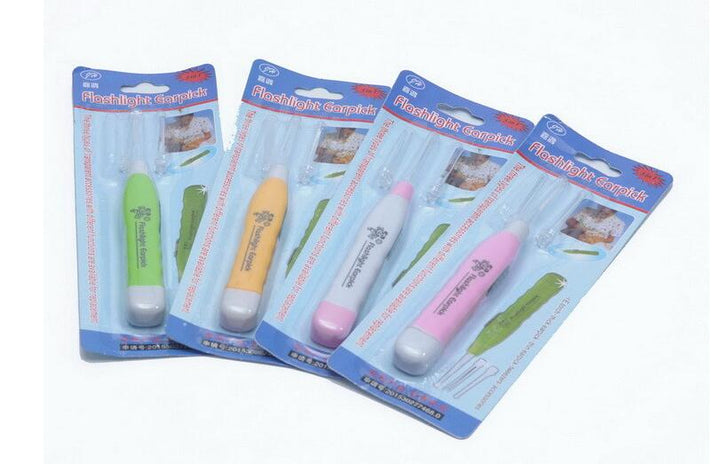


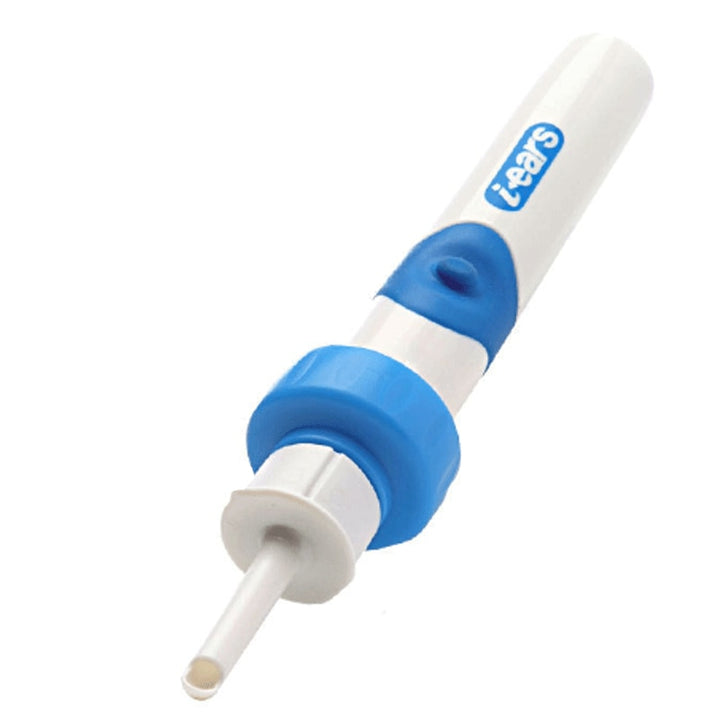
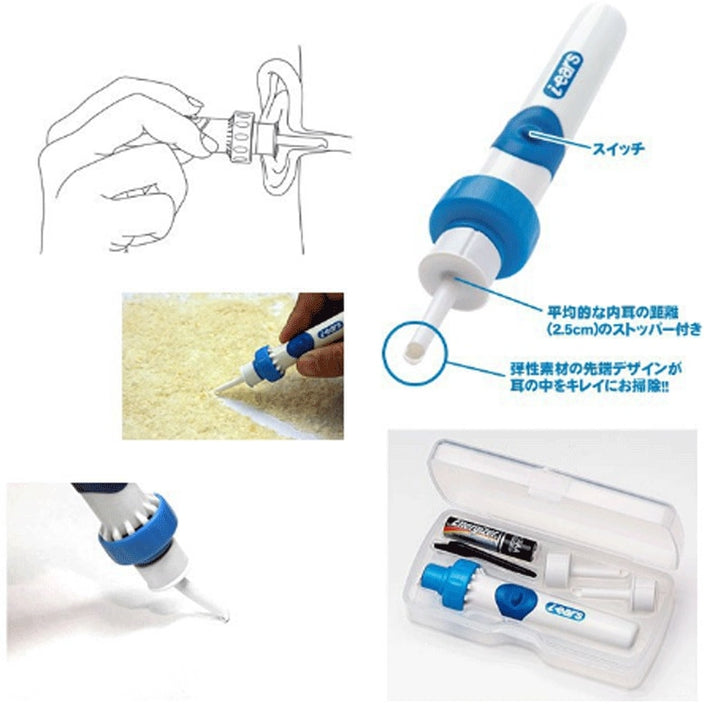










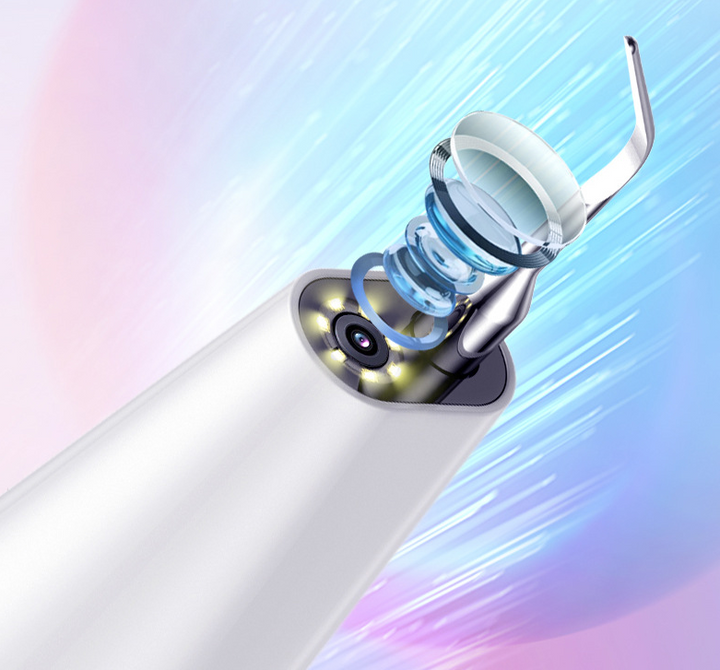
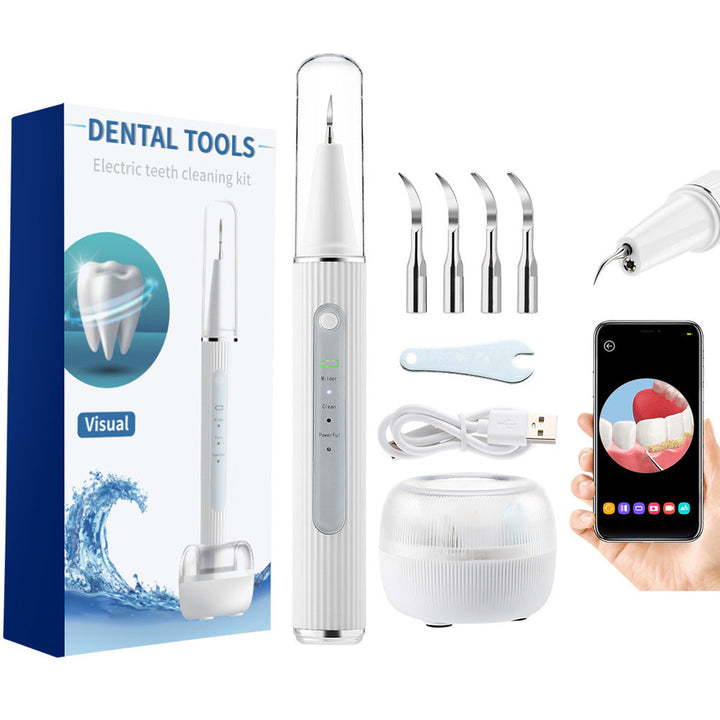

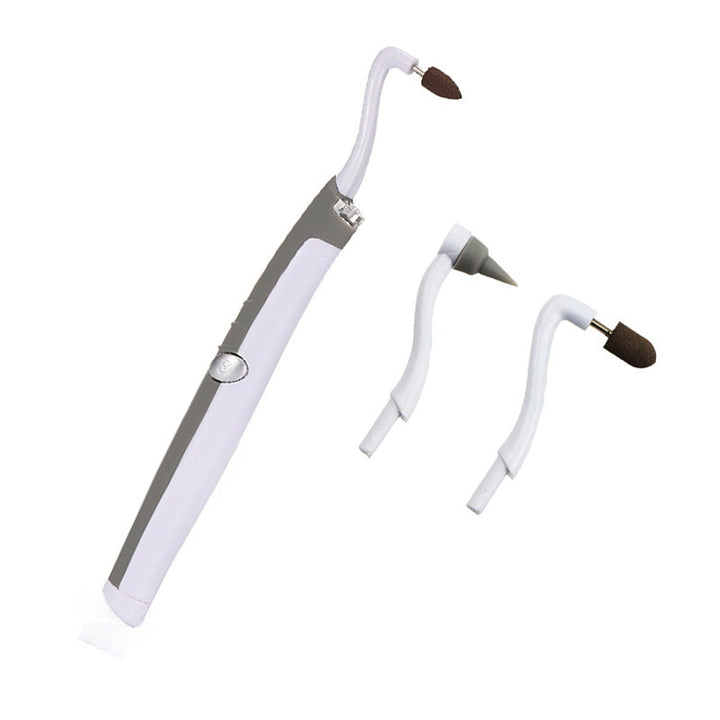
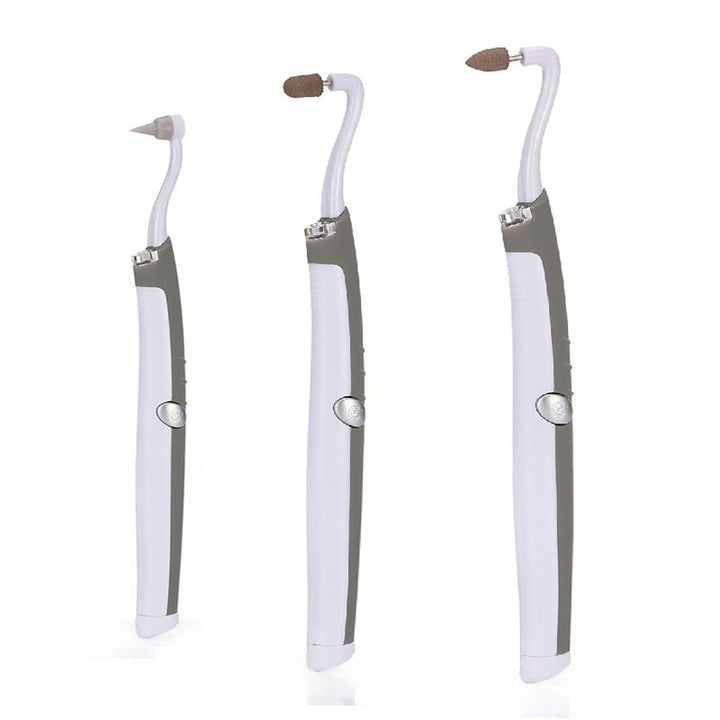
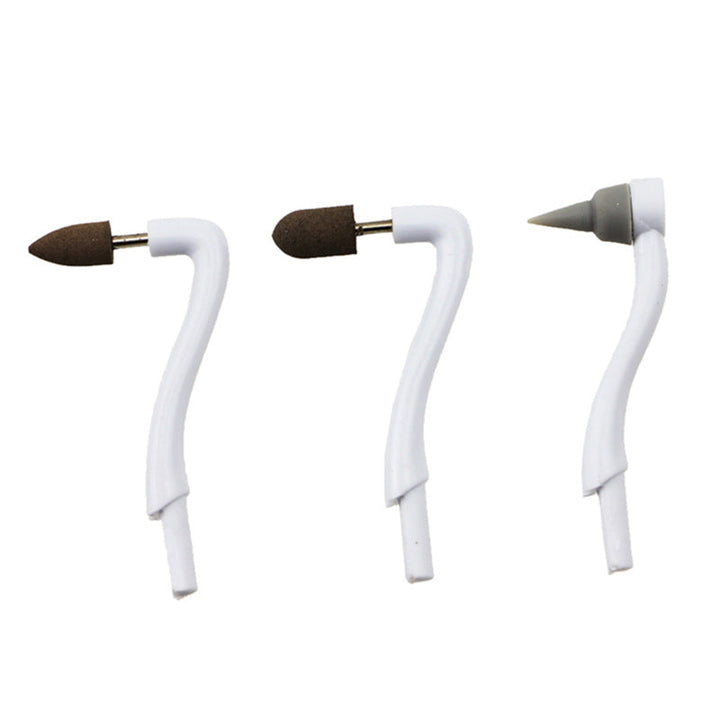
Find practical tools for teeth cleaning at home, including ultrasonic dental cleaners, sonic teeth cleaning kits, and hydroxyapatite toothpaste. This guide explains what to compare, how to use these products carefully, and when professional teeth cleaning at a dentist may be the better choice.
How to choose a teeth cleaning machine for home use
Start by deciding whether you want a powered plaque-removal tool, a daily toothpaste, or both. An ultrasonic dental cleaner is designed for targeted cleaning around tooth surfaces, while a sonic teeth cleaning kit provides powered brushing action for routine use. Check the product description for included tips, charging method, controls, and cleaning instructions. A compact design may be easier to store and handle, while adjustable settings can help you begin at a comfortable level. Hydroxyapatite toothpaste can complement a brushing routine, but it does not replace brushing, flossing, or professional care. Avoid choosing based only on words such as “professional” or “deep cleaning.” Compare the actual accessories, operating steps, return policy, and whether the product is intended for home use.
What types of teeth cleaning products are available?
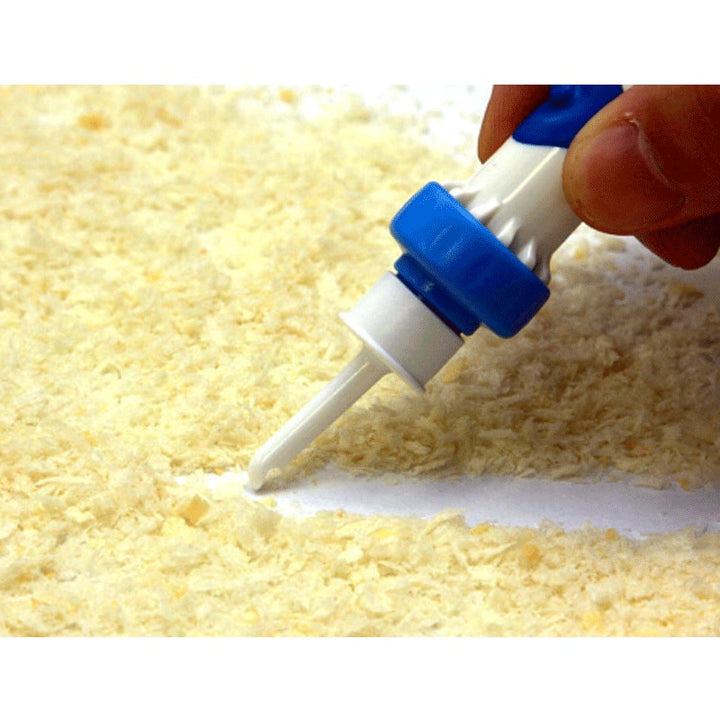
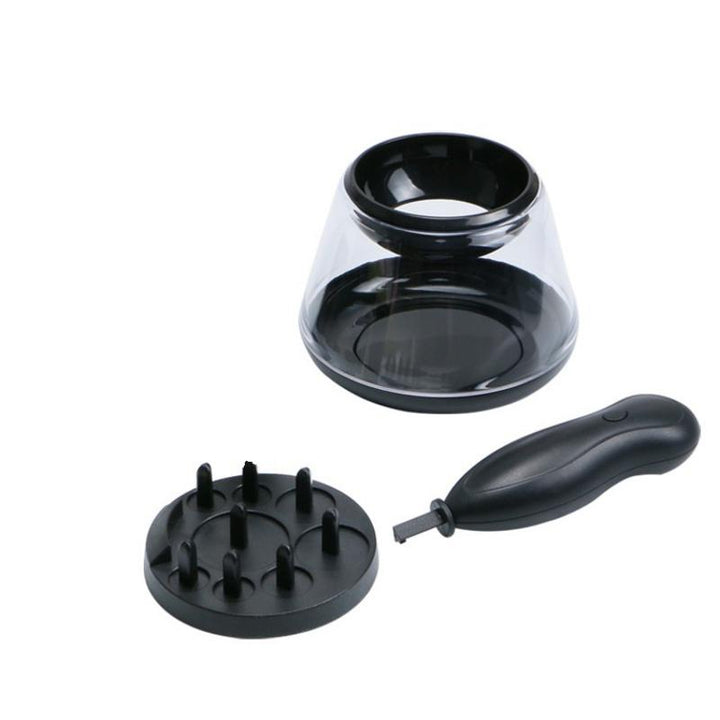
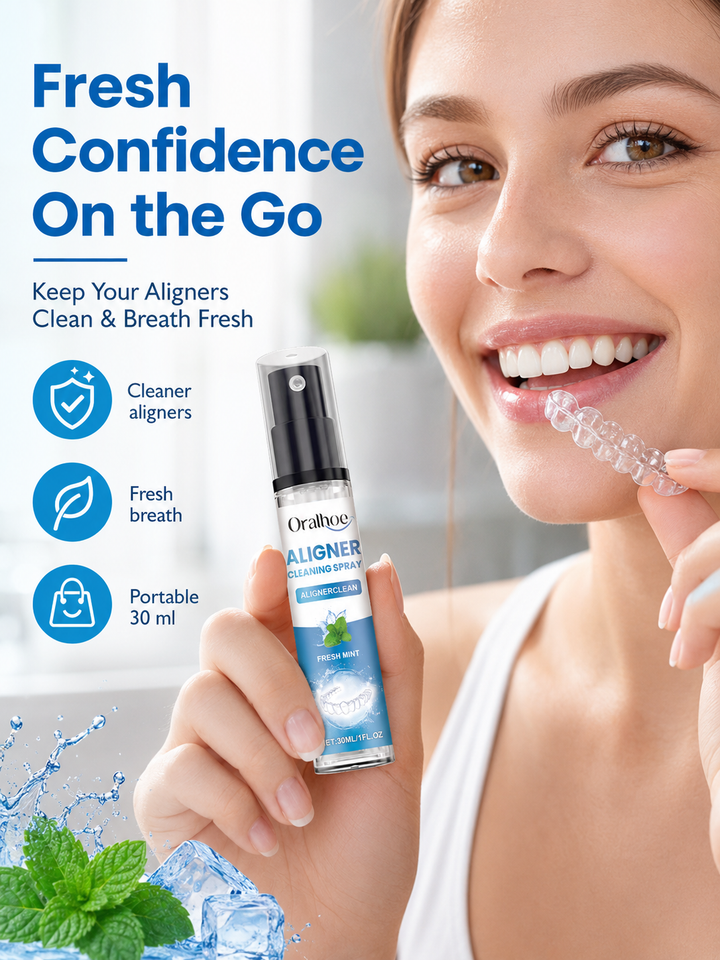
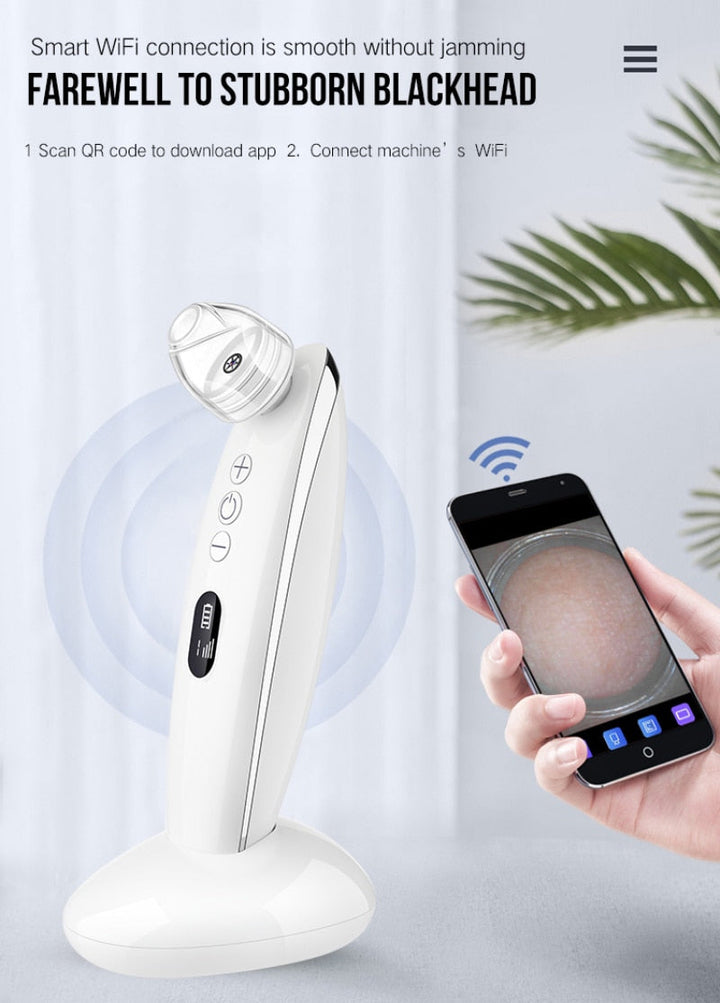
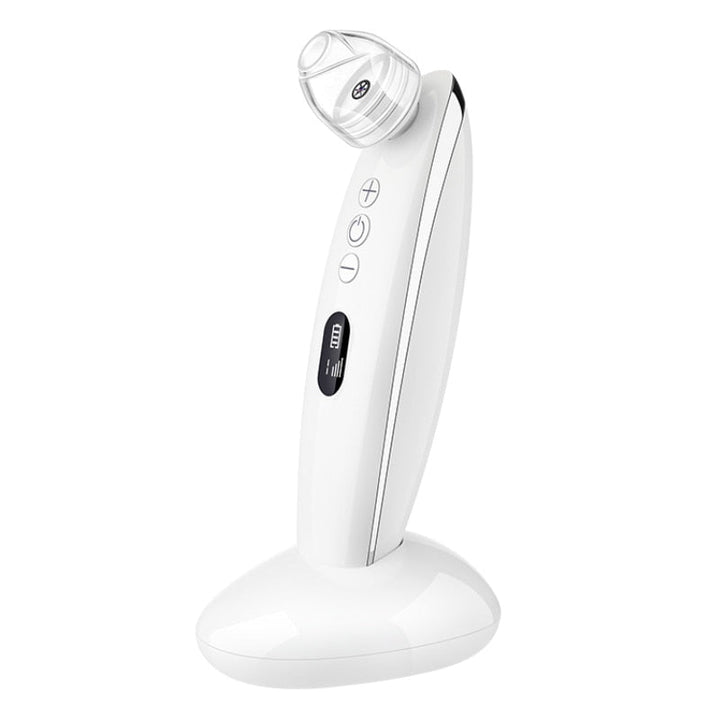
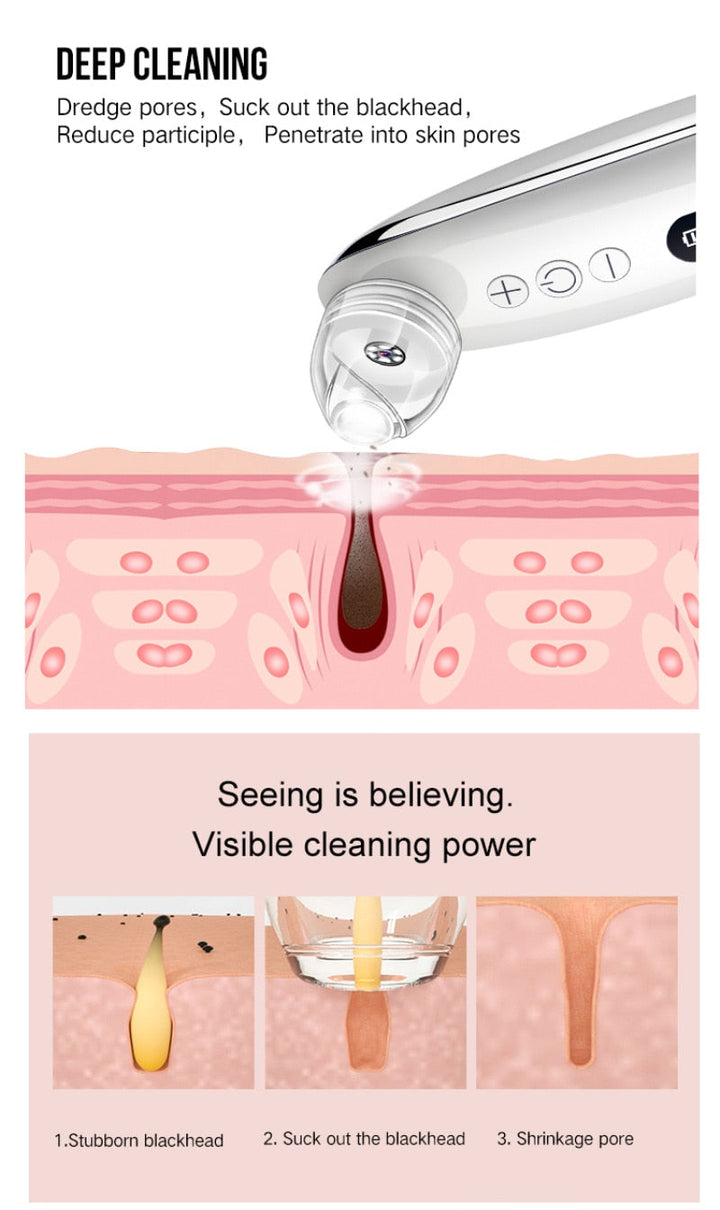
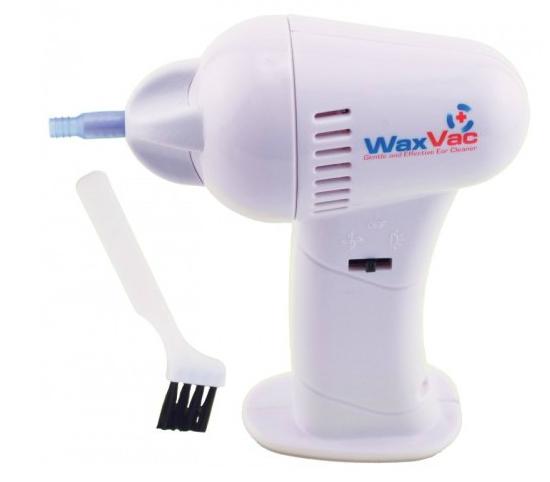
The main options in this category serve different parts of a home routine. Ultrasonic dental cleaners and sonic teeth cleaning kits are powered devices intended to help remove surface buildup during personal care. Repair Toothpaste with 5% hydroxyapatite is a toothpaste option for everyday brushing and a brighter-looking smile. These products are different from a teeth cleaning at dentist appointment, where a dental professional examines the mouth and uses clinical instruments. This category may also display unrelated cleaning devices, such as electric makeup brush cleaners or ear vacuum wax removers, so check the product title before buying. If you are searching for teeth cleaning products, focus on tooth-specific tips, modes, instructions, and safety guidance rather than selecting a device simply because it uses vibration or suction.
What to look for in an ultrasonic plaque remover
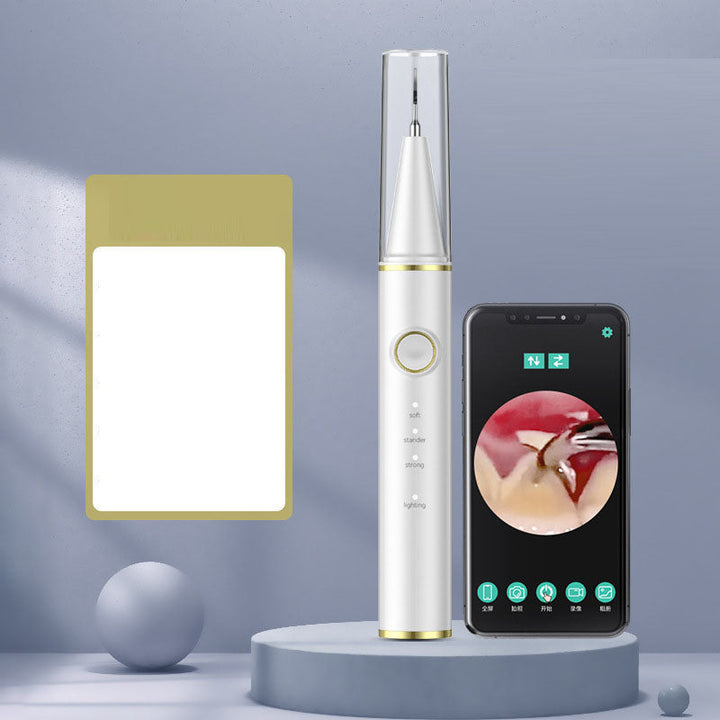
Look for clear information about the device’s intended use, control layout, charging system, and included attachments. A slim handle and accessible buttons can make it easier to guide the tool around the front and back of teeth. If the cleaner offers multiple modes, confirm what each setting is for and begin with the gentlest suitable option. Review whether tips are removable and how they should be cleaned after use. A protective case can be useful for storage, while a visible battery indicator helps with charging. Product instructions should explain where the device should not be used and when to stop. Do not assume an ultrasonic cleaner can remove every type of buildup or replace a dental examination. For persistent deposits, ask a dental professional about teeth cleaning from a dentist.
How to use a sonic teeth cleaning kit at home
Read the supplied instructions before the first use and charge the handle as directed. Brush or clean with light pressure rather than forcing the tip against teeth or gums. Work slowly across accessible tooth surfaces and follow the device’s recommended contact and movement instructions. Keep the device away from areas the manual identifies as unsuitable, and never share detachable tips without following the manufacturer’s hygiene guidance. Rinse or clean the attachment after use, then allow it to dry before storage. Stop if you notice pain, bleeding, unusual sensitivity, or irritation, and seek advice from a dentist or other qualified professional. Home teeth cleaning is best treated as part of regular oral care, not as a substitute for a scheduled examination or professional cleaning near you.
What mistakes should you avoid during teeth cleaning at home?
A common mistake is using too much pressure or repeatedly scraping one spot in an effort to remove stubborn buildup. Another is using a tip, mode, or attachment for a purpose not stated in the instructions. Do not use a damaged device, ignore a cracked attachment, or continue when the tool causes discomfort. Avoid sharing tips without proper cleaning, and do not store a wet device in a closed case. It is also easy to confuse temporary surface staining with deposits that require professional attention. If you have dental work, sensitive areas, gum concerns, or a history of treatment, ask your dentist whether a home cleaner is suitable. Searching “teeth cleaning side effects” can provide general information, but personal guidance should come from a qualified dental professional.
Who should use a home teeth cleaning product?
Home teeth cleaning products may suit shoppers who want a powered addition to their regular brushing routine or a toothpaste option for everyday care. Choose a simple sonic kit if you prefer guided powered brushing, or consider an ultrasonic cleaner if you want a more targeted device and are comfortable following detailed instructions. These tools may not be suitable for everyone or every dental situation. If you have pain, loose teeth, unexplained bleeding, extensive dental work, or heavy hardened buildup, contact a dentist before using a powered cleaner. Professional teeth cleaning is performed with an assessment and instruments selected for your mouth. If you are comparing teeth cleaning near me with teeth cleaning at home, use home products for routine support and arrange professional care when a dental professional recommends it.
Frequently asked questions
How much does it cost to get teeth cleaned professionally?
The cost of professional teeth cleaning varies by location, dental office, insurance, the type of appointment, and whether additional examination or treatment is needed. Ask the dental office for an estimate before booking and confirm what the quoted price includes.
How long does a tooth cleaning usually take?
Appointment length depends on the condition of your teeth, the type of cleaning, and whether an examination or images are included. Ask the dental office when scheduling because routine and more involved appointments can take different amounts of time.
Is a dental deep cleaning painful?
A deep cleaning can feel different from a routine cleaning, especially when areas below the gumline are treated. Comfort measures may be available, so discuss sensitivity, concerns, and anesthesia options with your dental professional before the appointment.
What is usually included in a dental cleaning?
A professional appointment may include an oral assessment, removal of deposits from tooth surfaces, polishing, and guidance for daily care. The exact services vary, so ask whether an examination, X-rays, fluoride treatment, or other items are included in the quoted appointment.
What not to do before a dental cleaning?
Do not cancel prescribed medicines or change your routine unless your dental professional tells you to do so. Share relevant health information, arrive with questions, and avoid using a home scraping device immediately before the visit if it may irritate your mouth.
How much does it cost to clean your teeth at a dentist?
There is no single price because fees vary by region, provider, insurance, and the kind of cleaning required. Contact local dental offices for current pricing and ask whether the estimate covers the cleaning, examination, and any additional services.