Teeth Whitening Gel & Serum – Remove Stains for Whiter Teeth
23 items
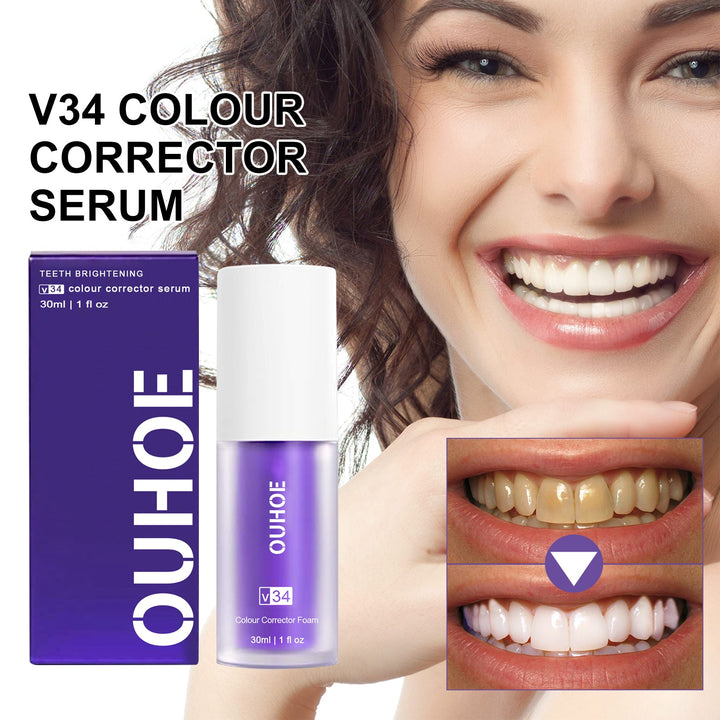
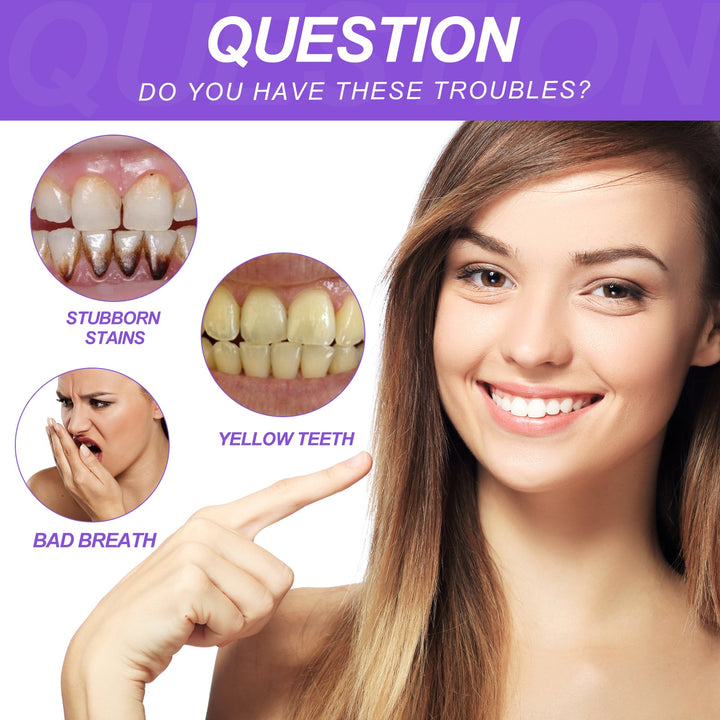
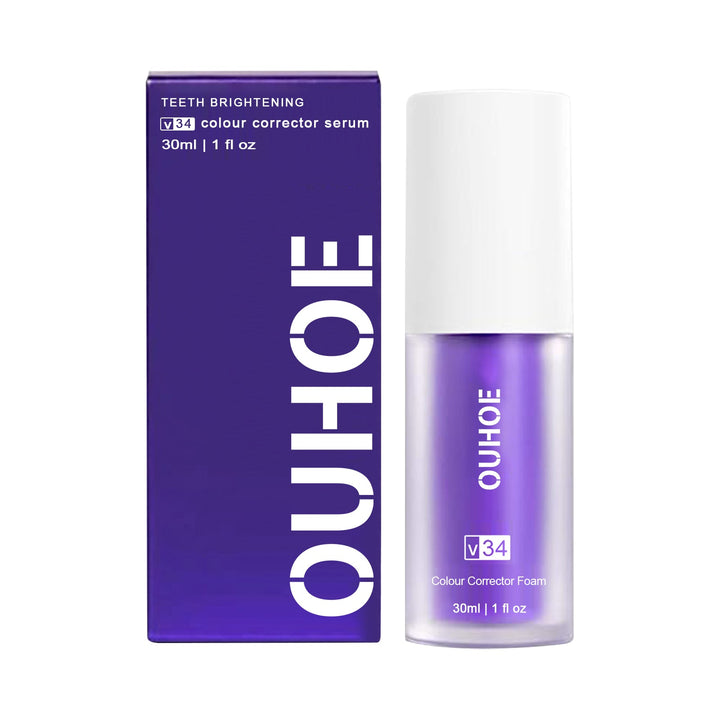

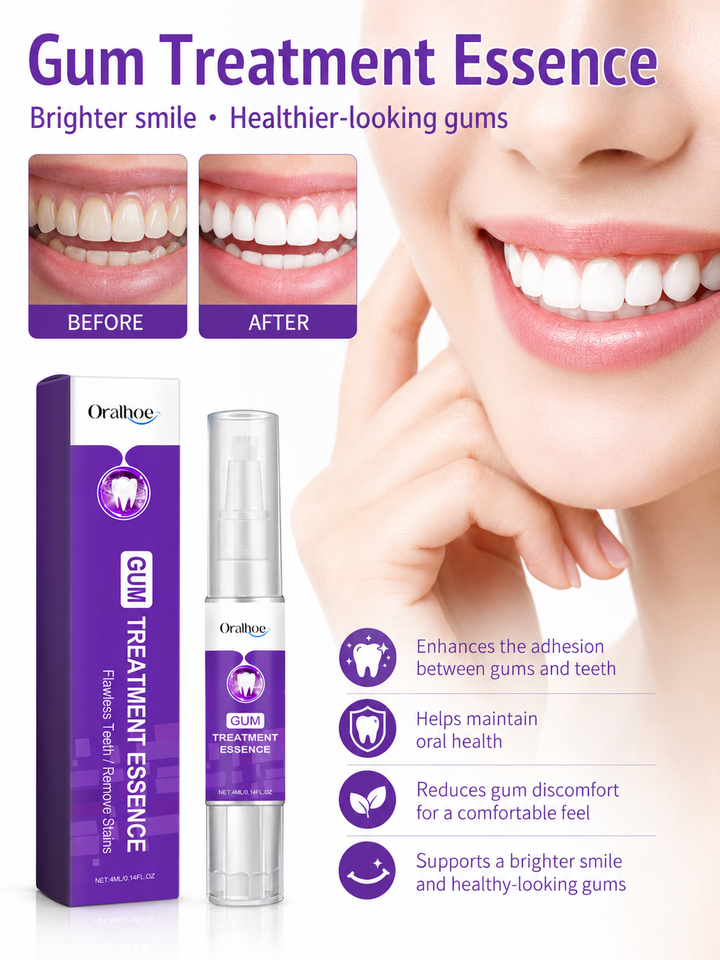
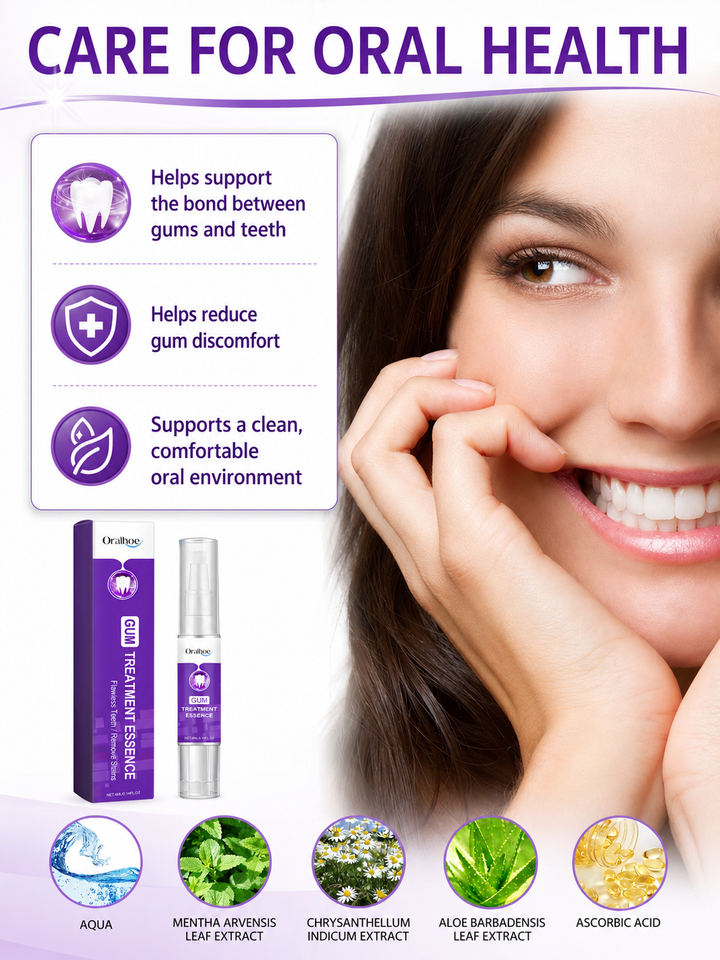
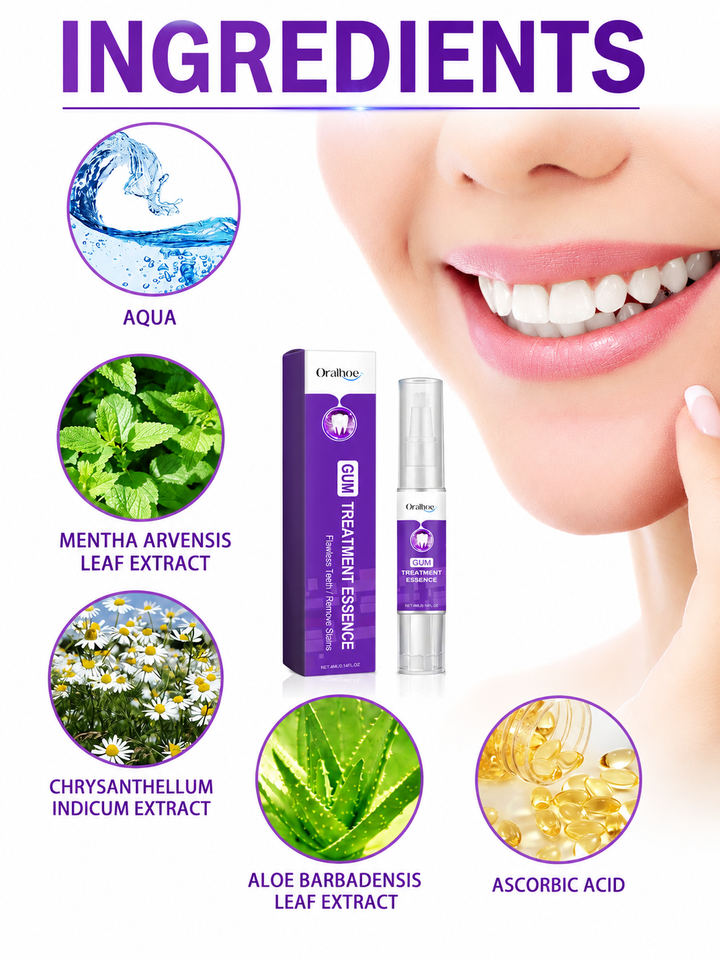
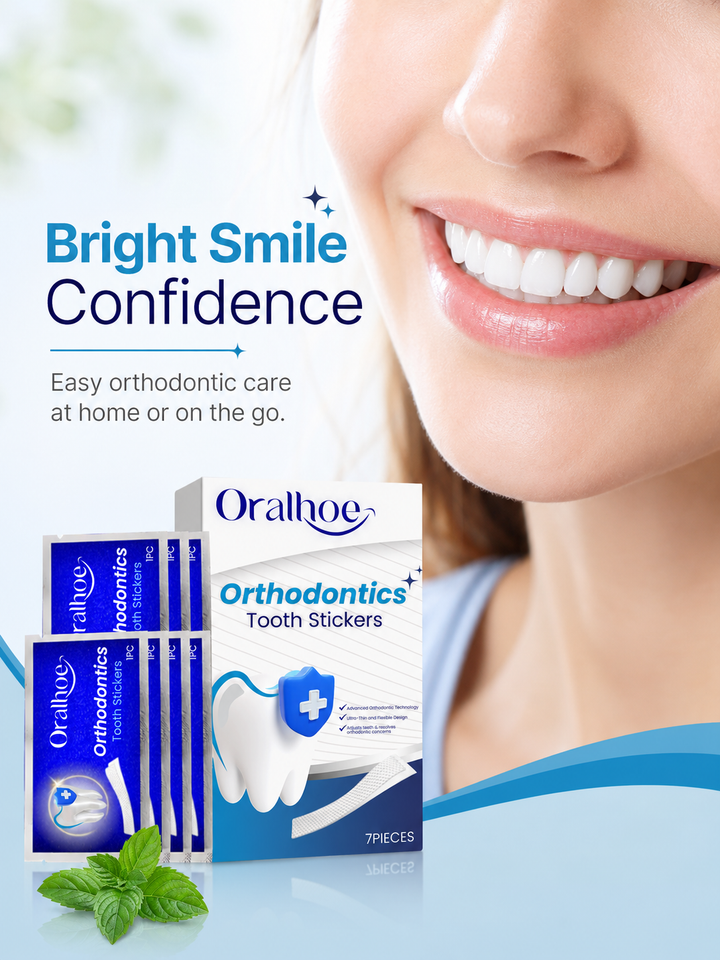
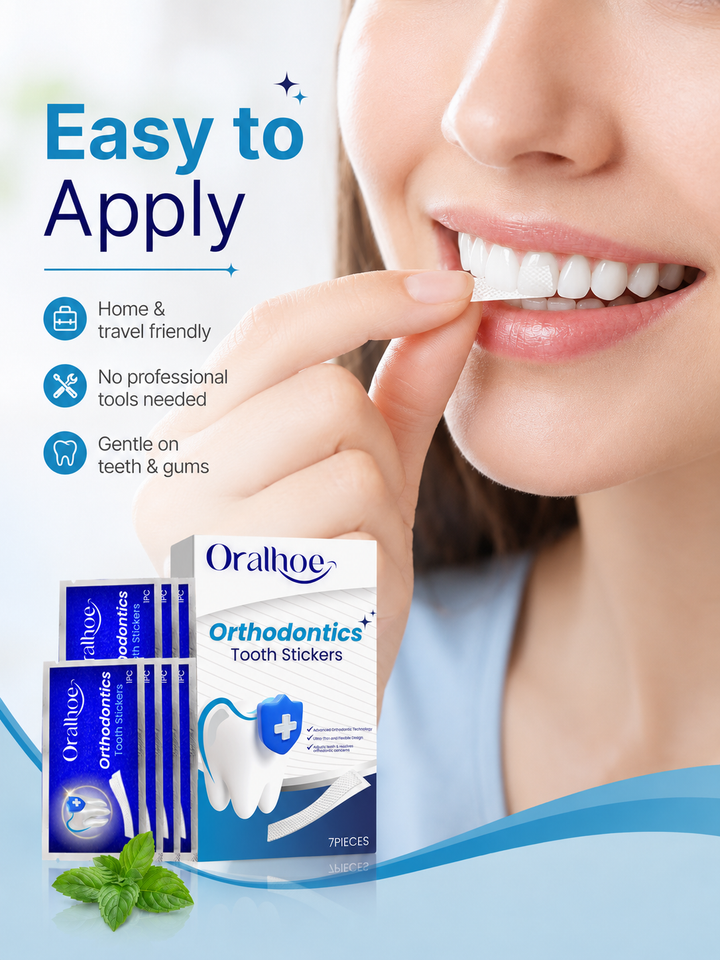
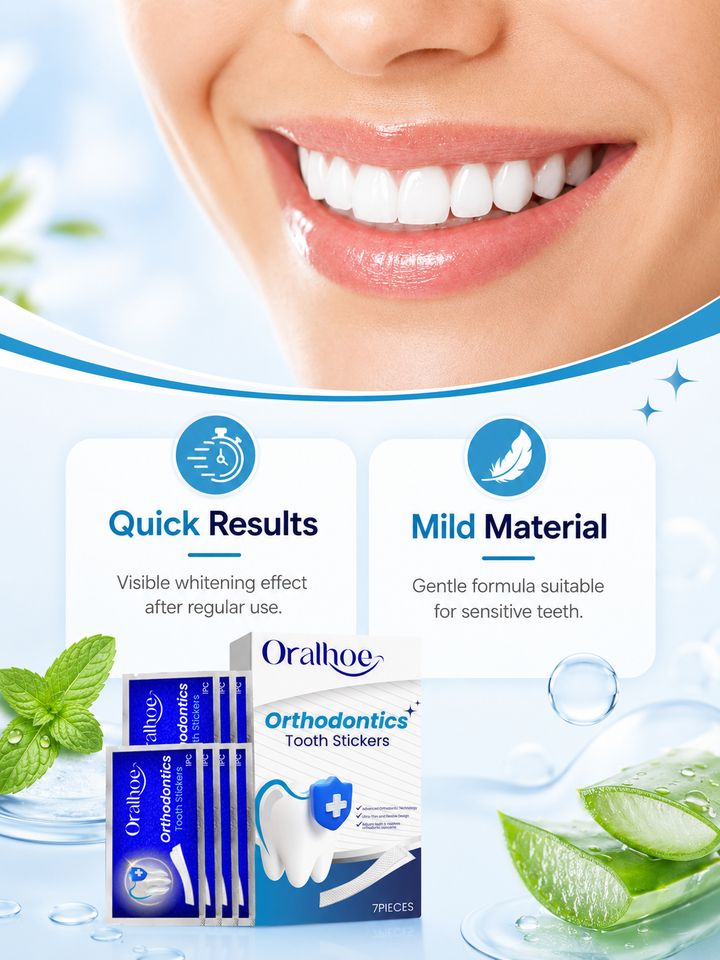
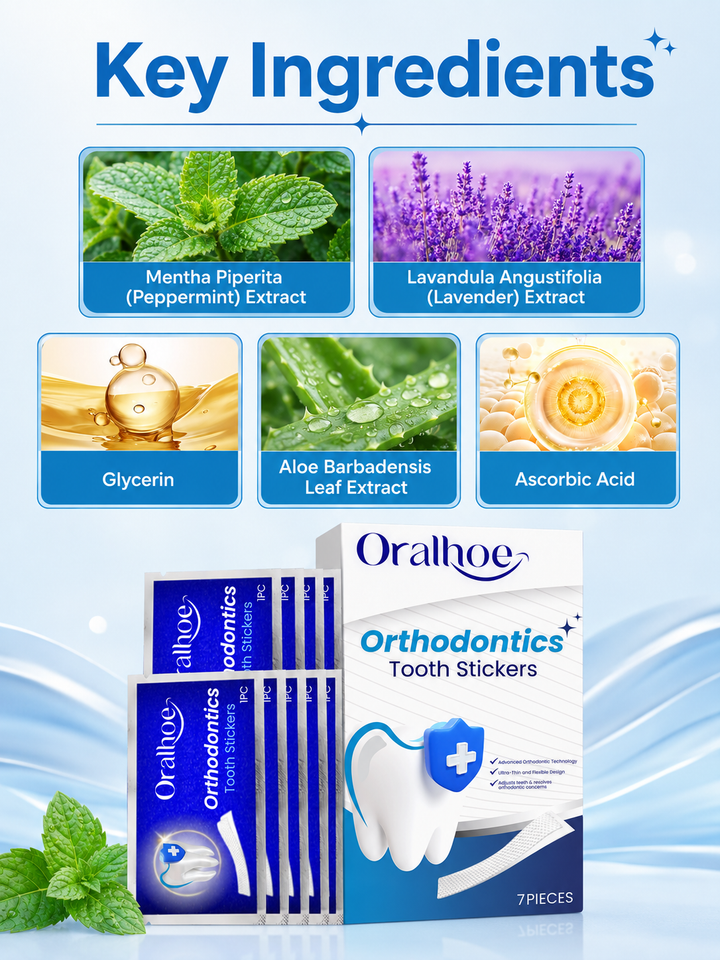

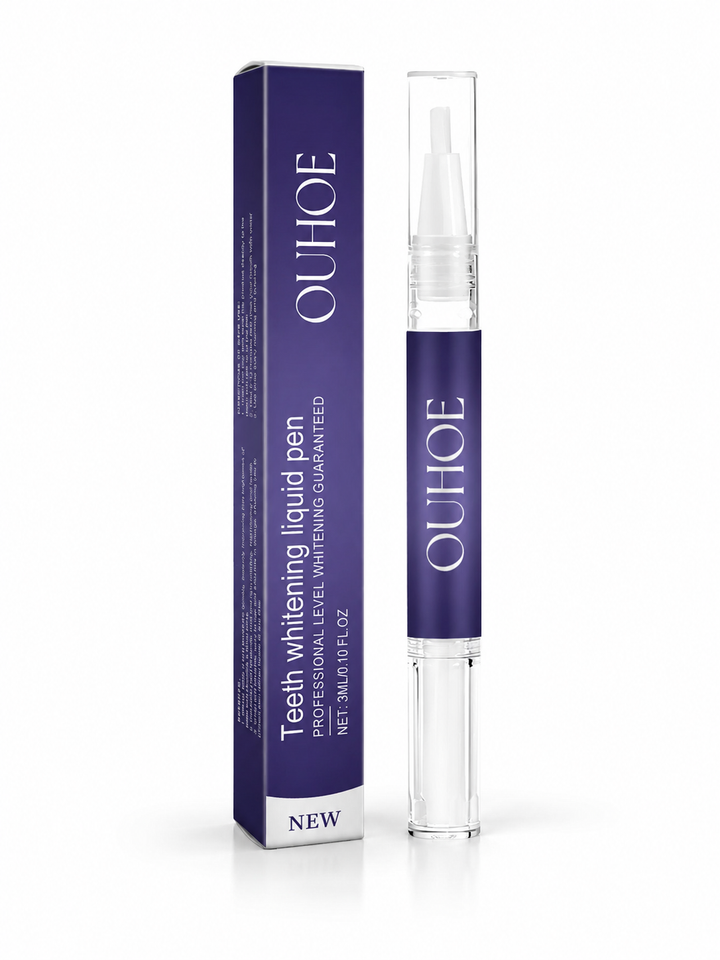
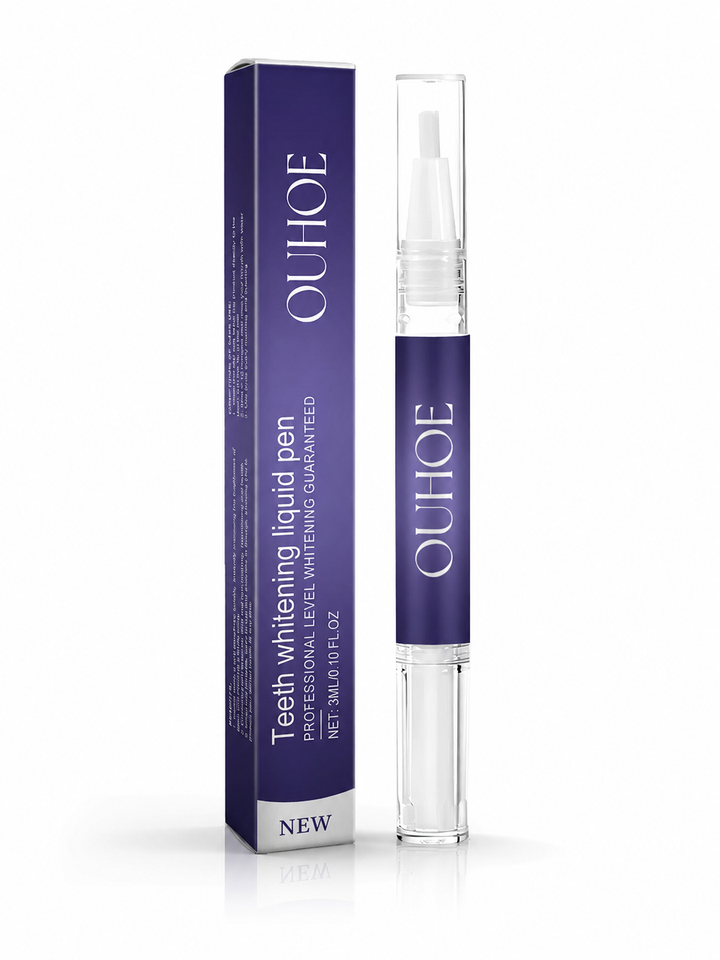



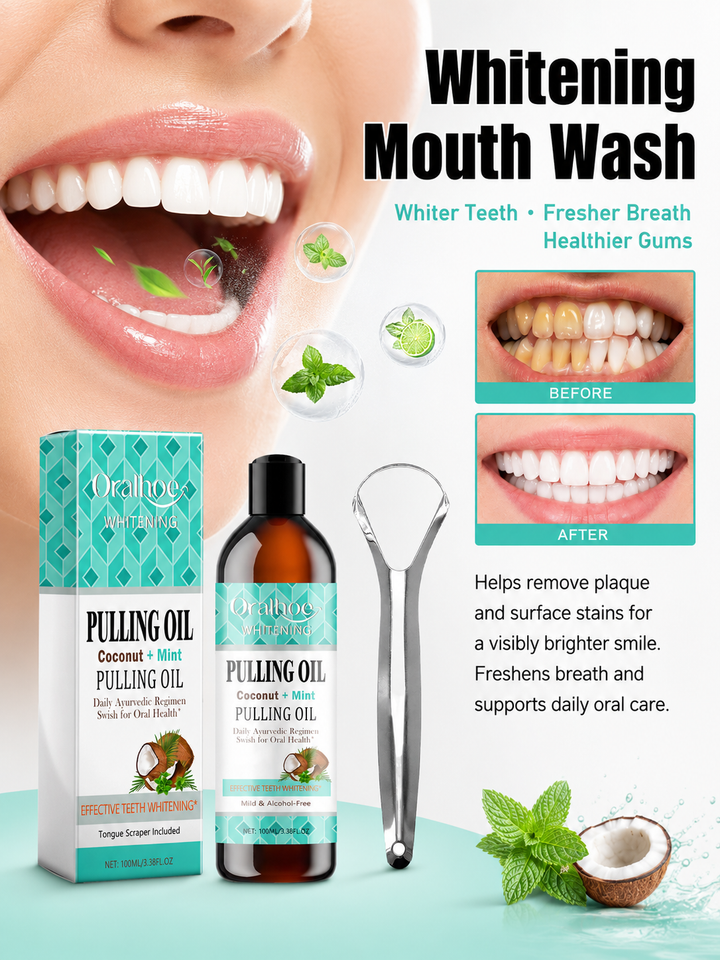
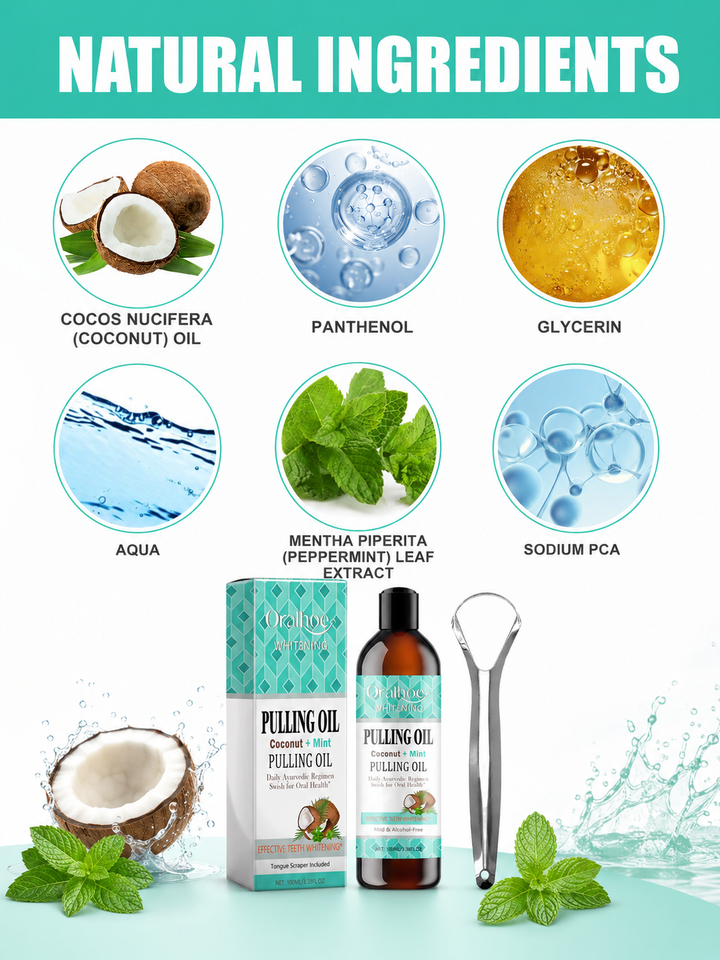
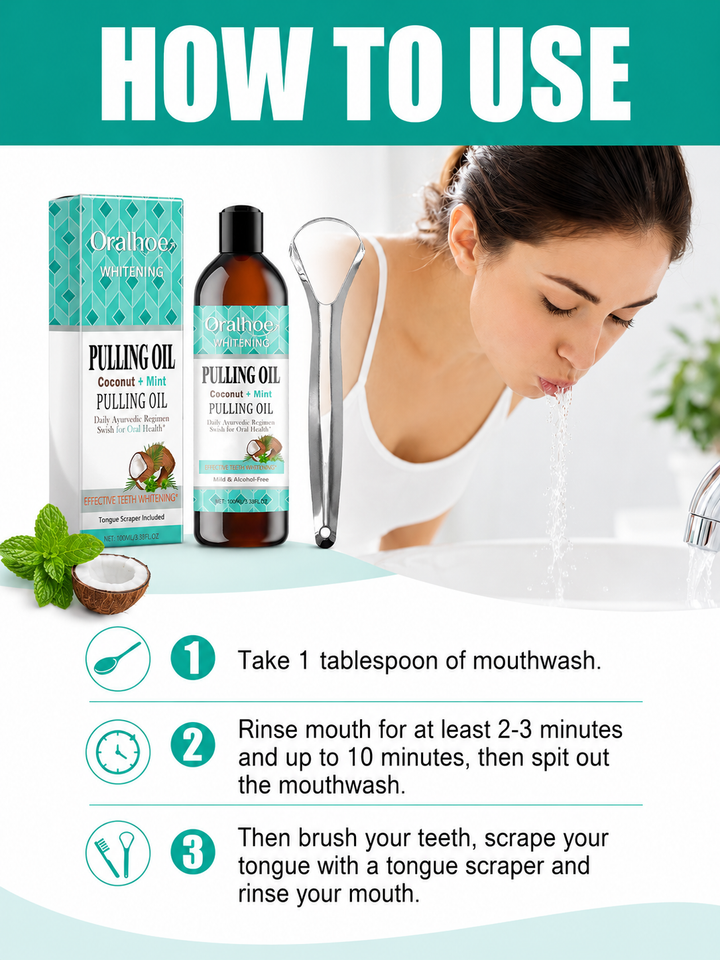

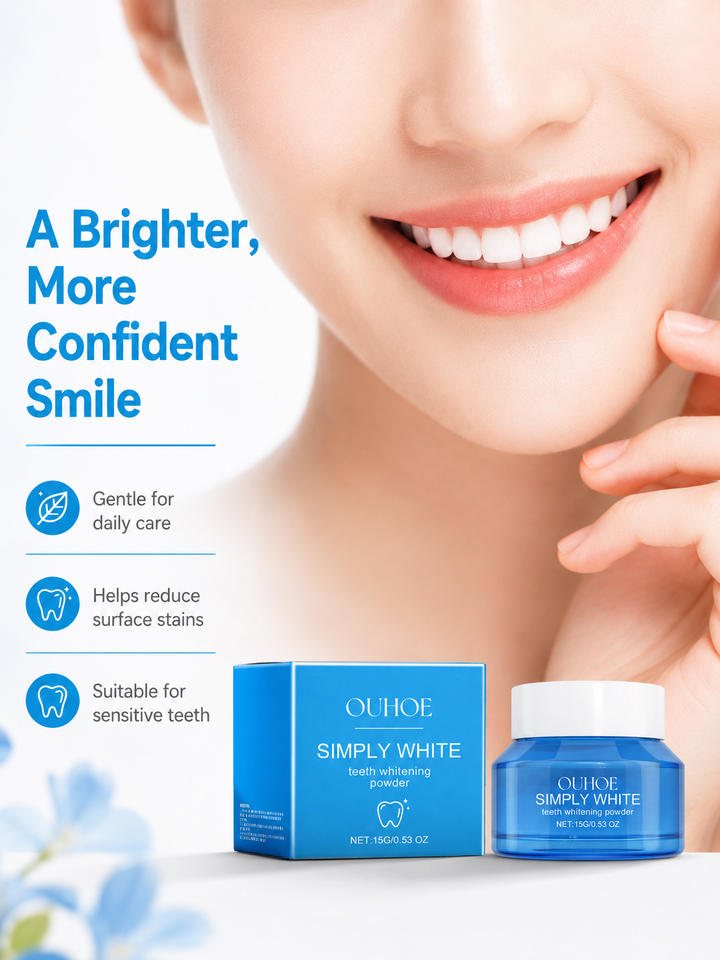
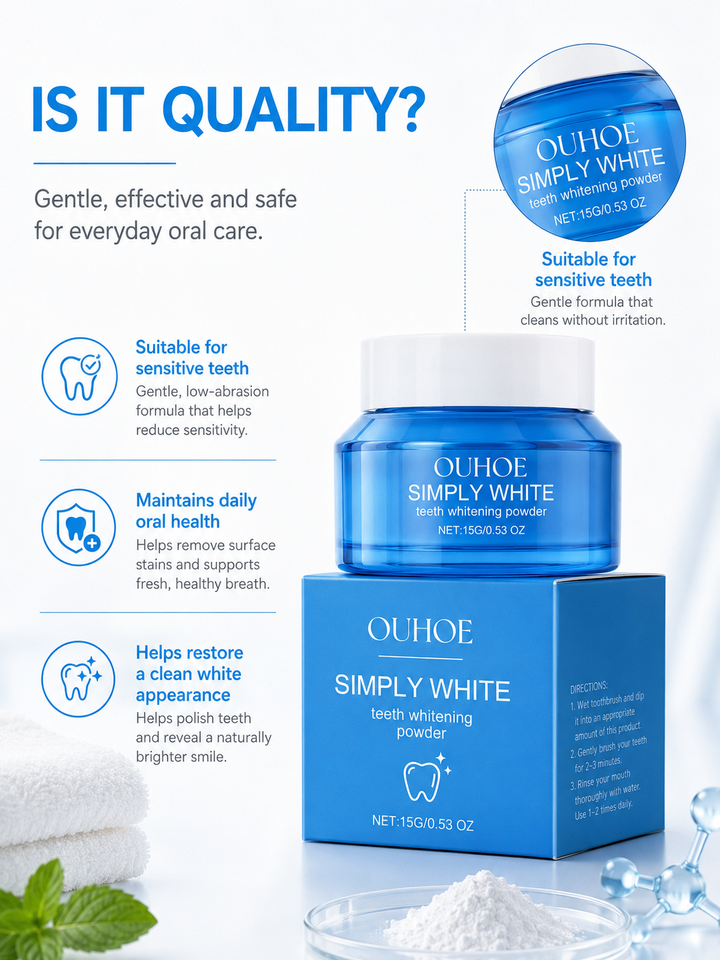
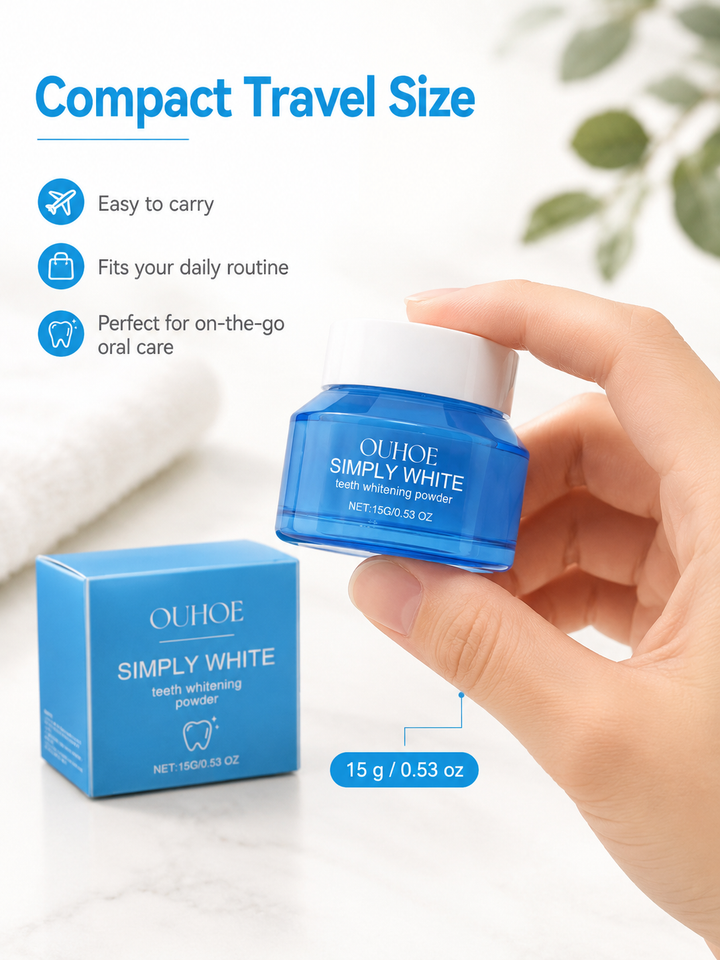


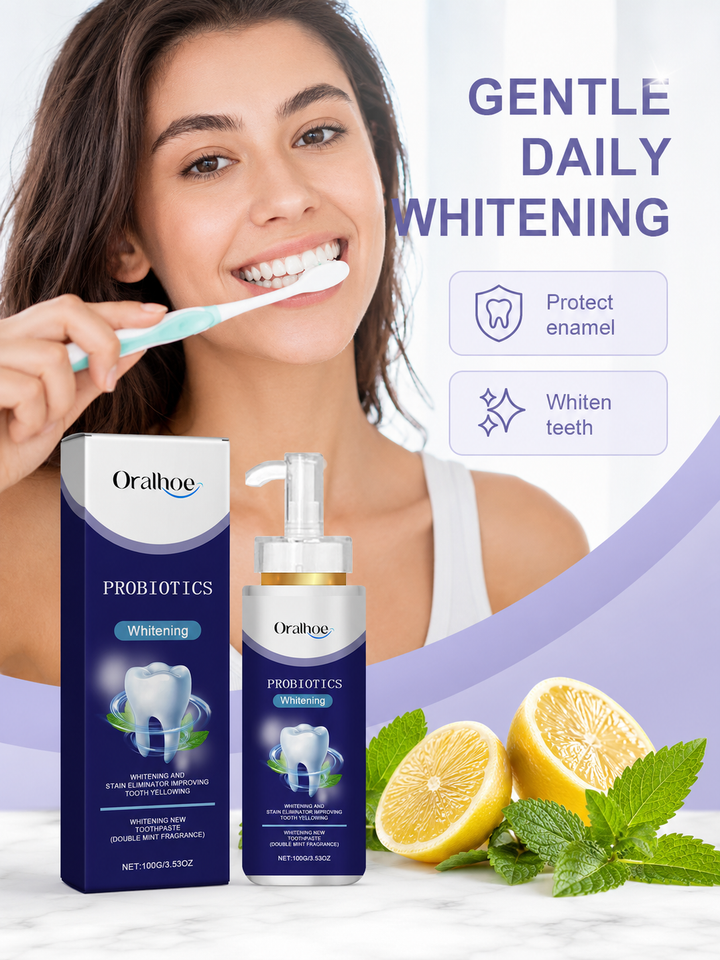


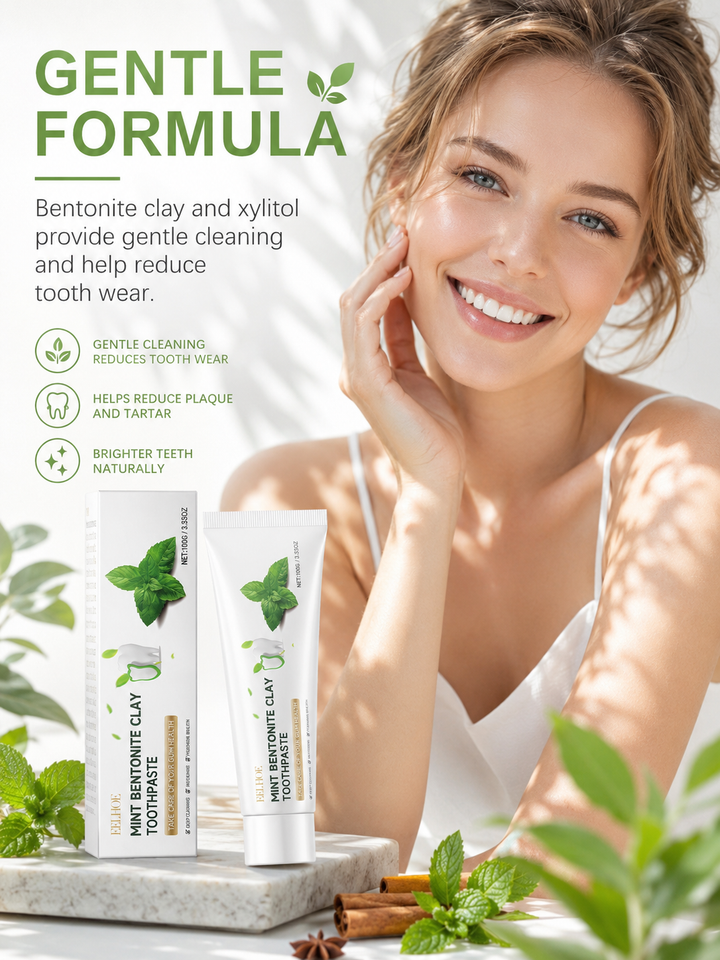
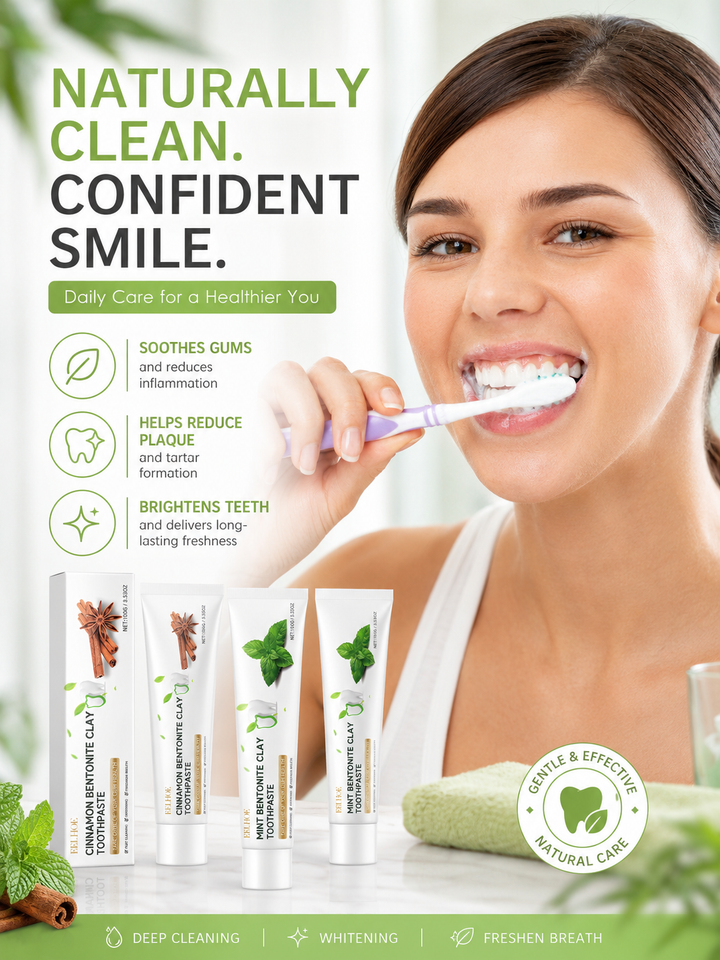
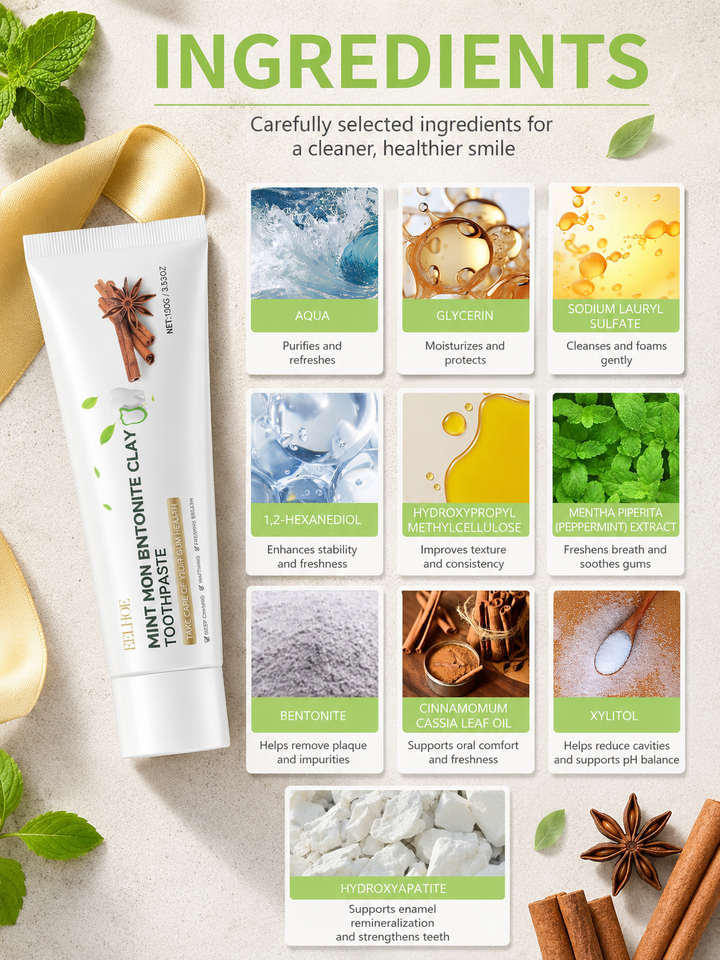

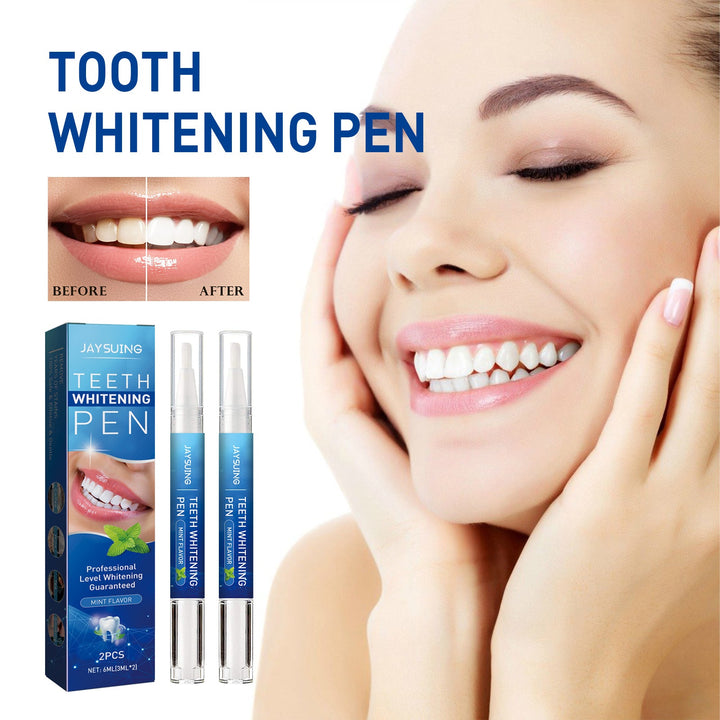
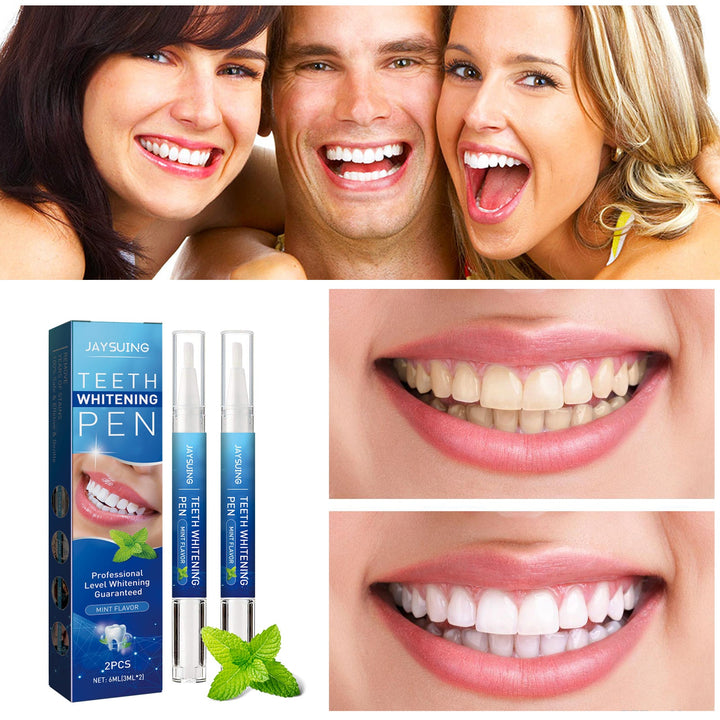
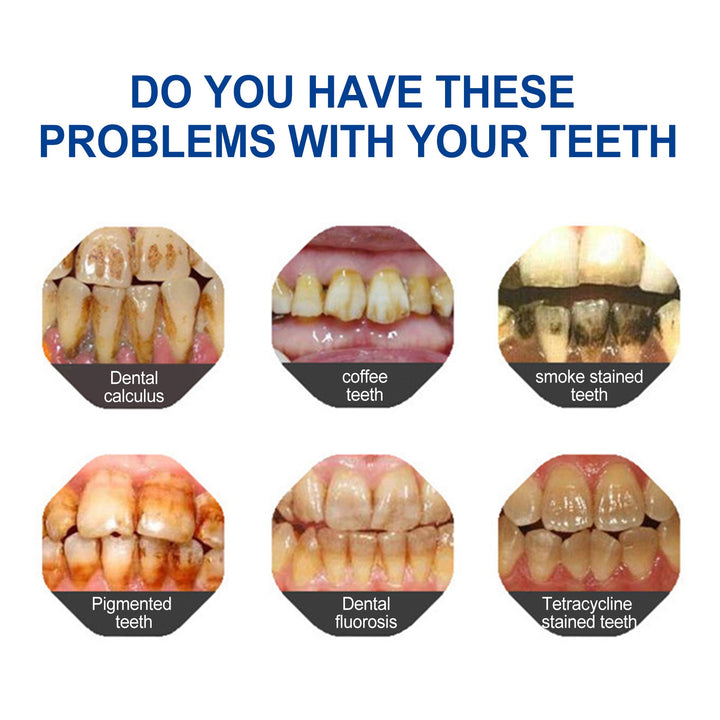

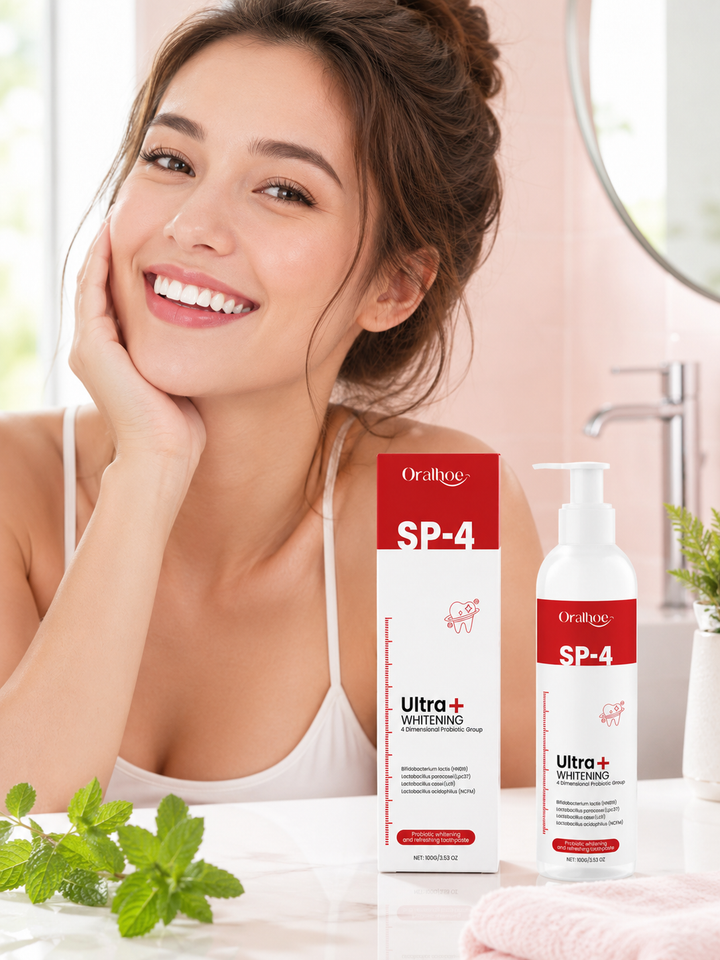
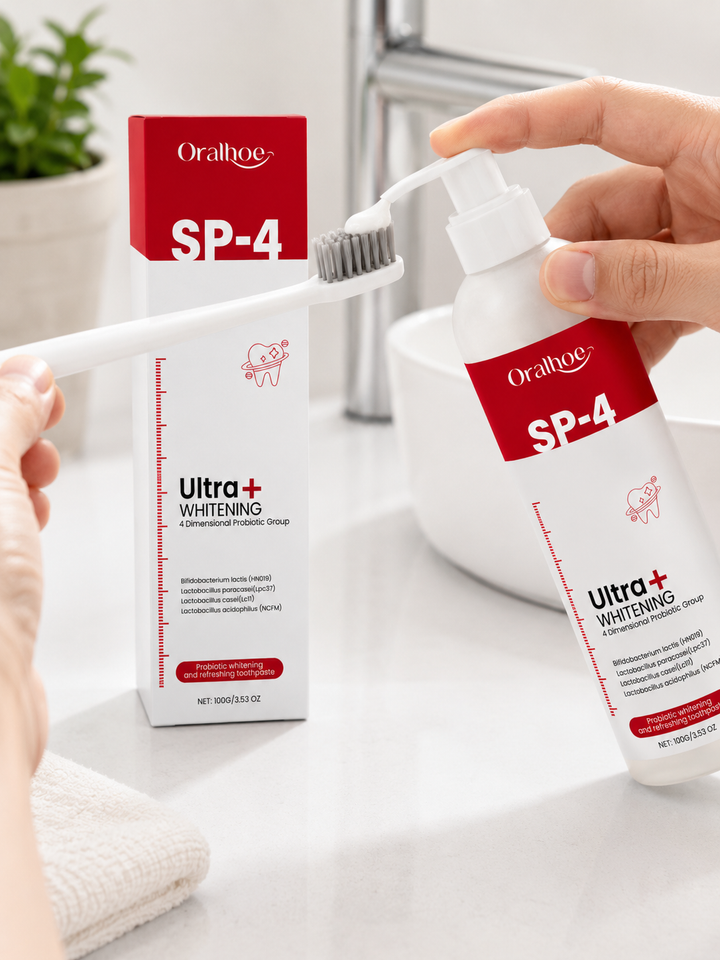
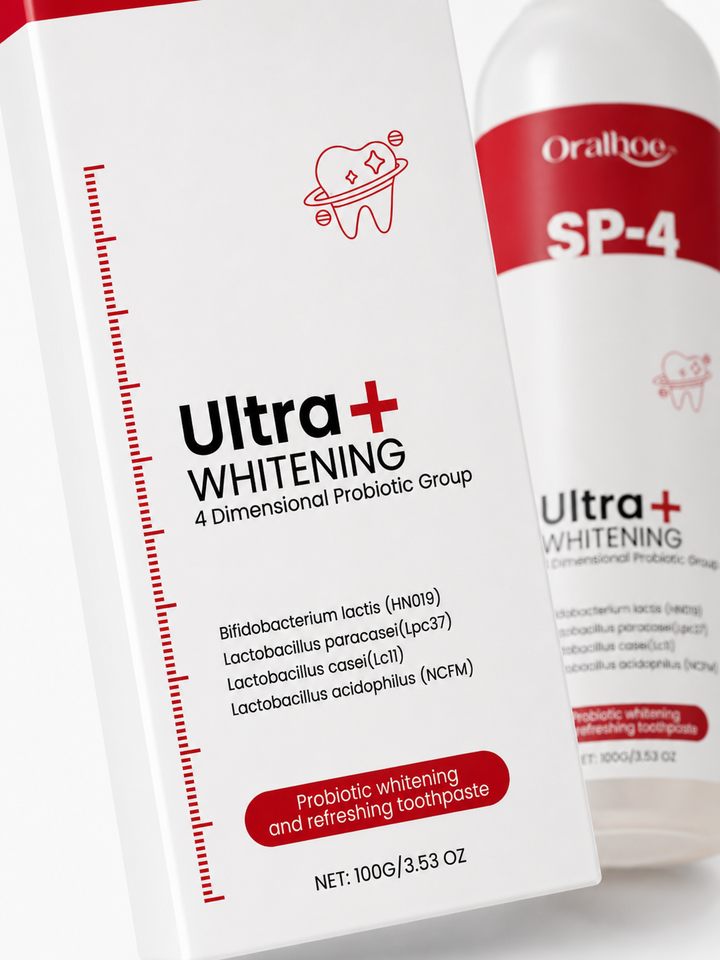

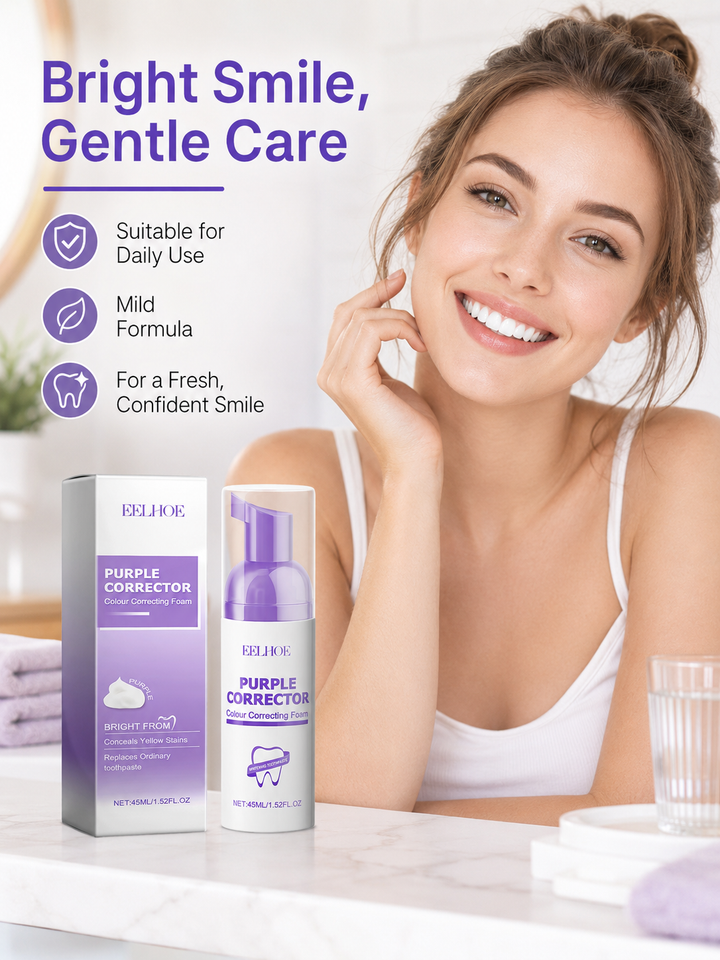

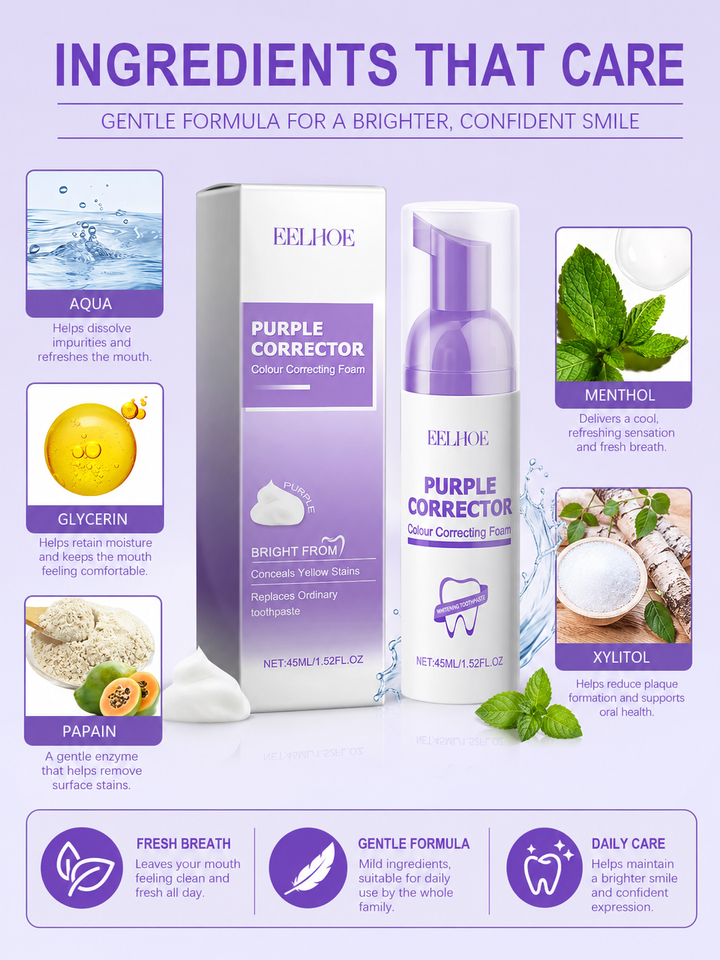

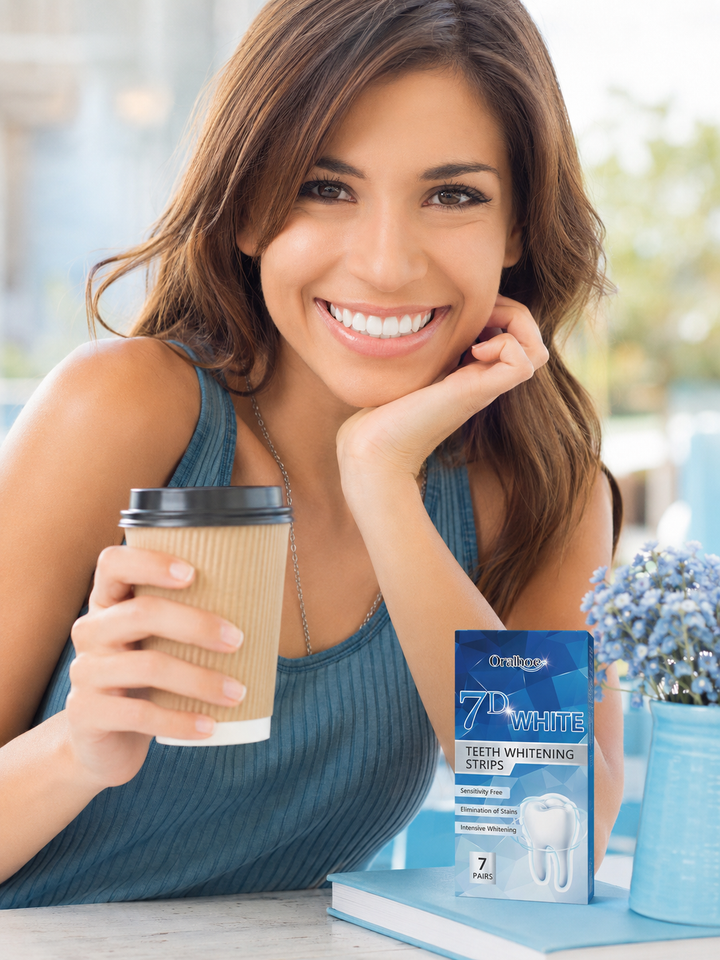

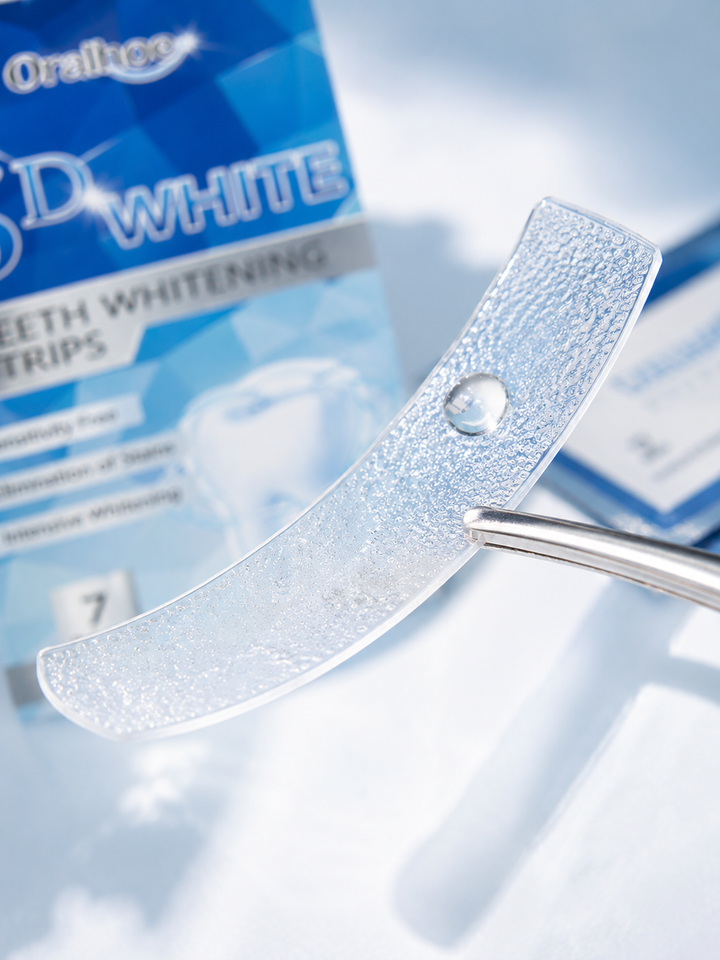

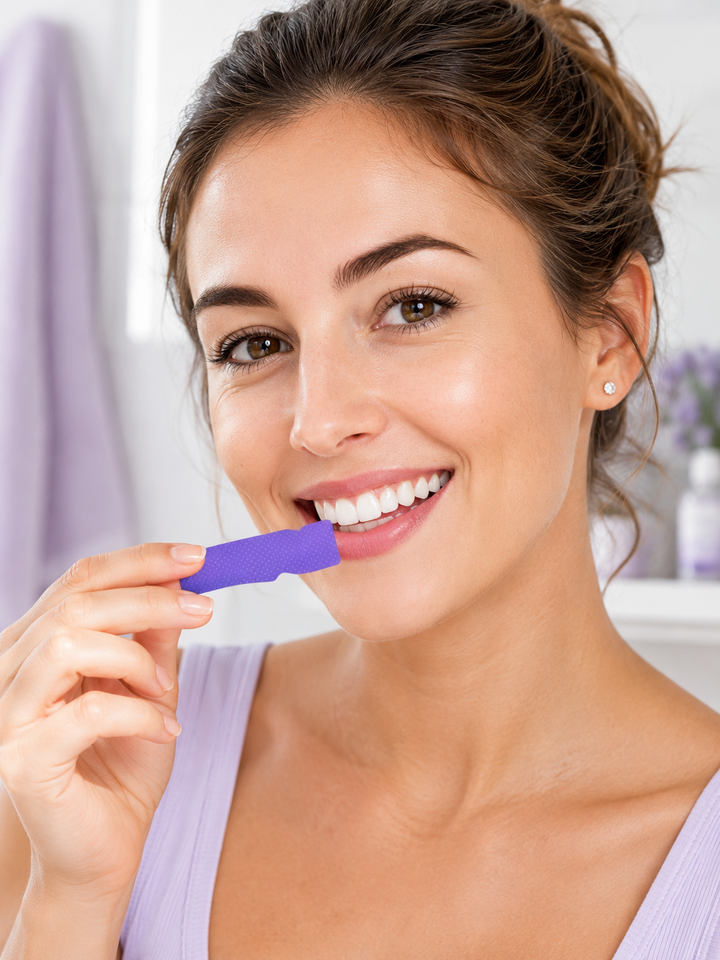
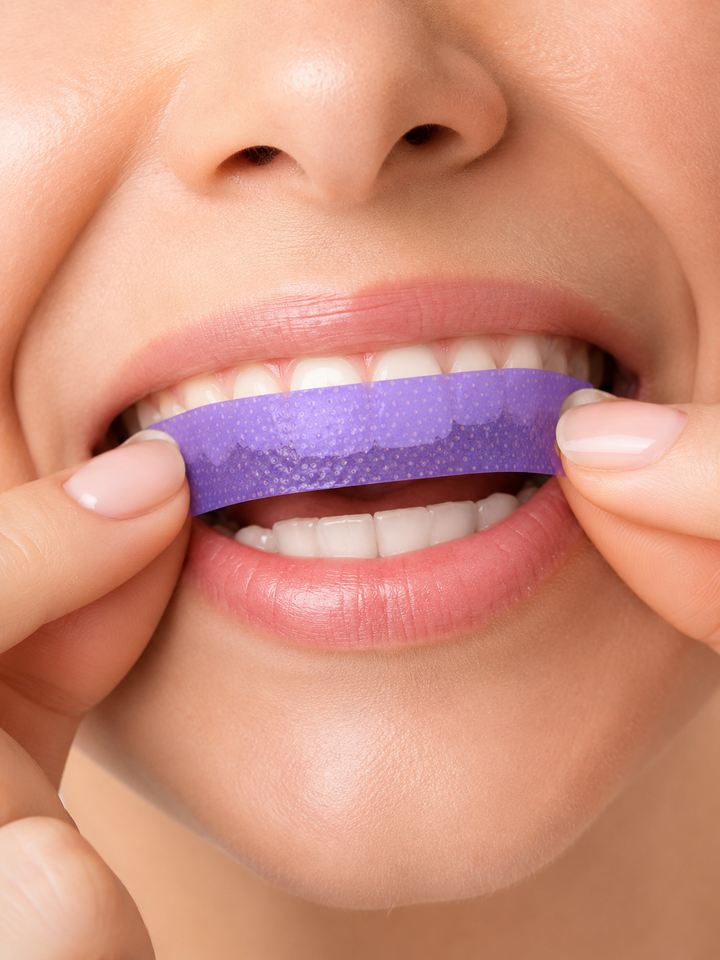
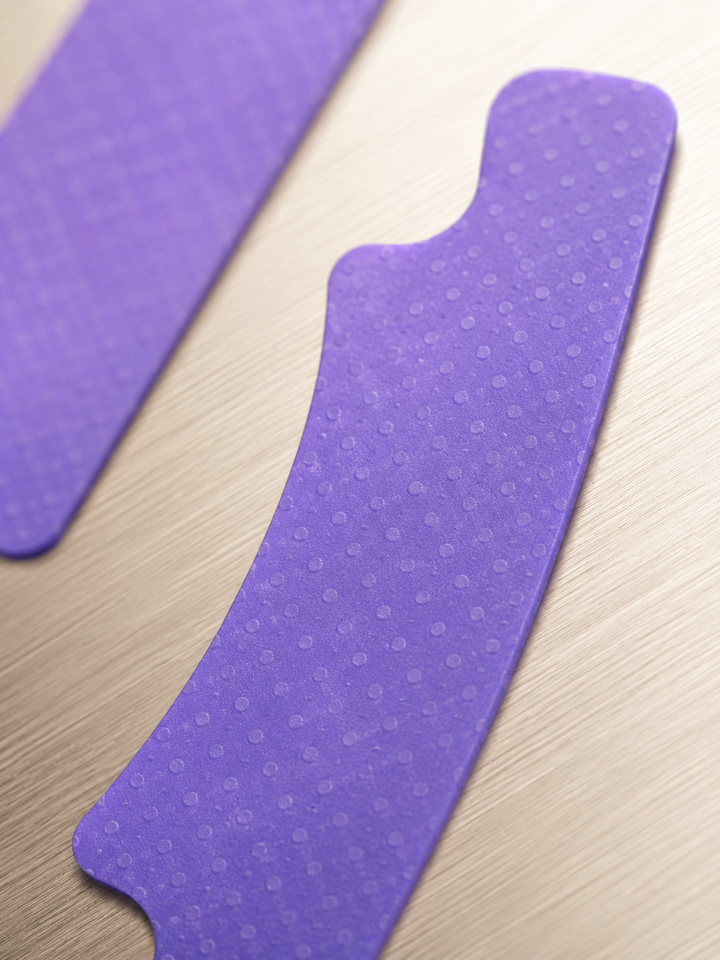

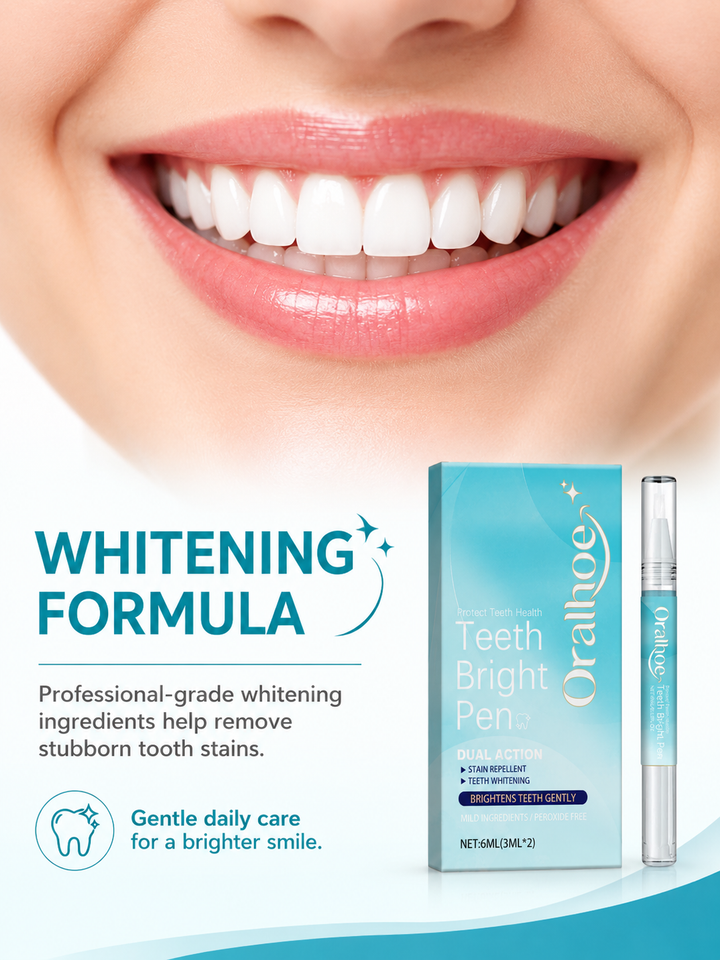


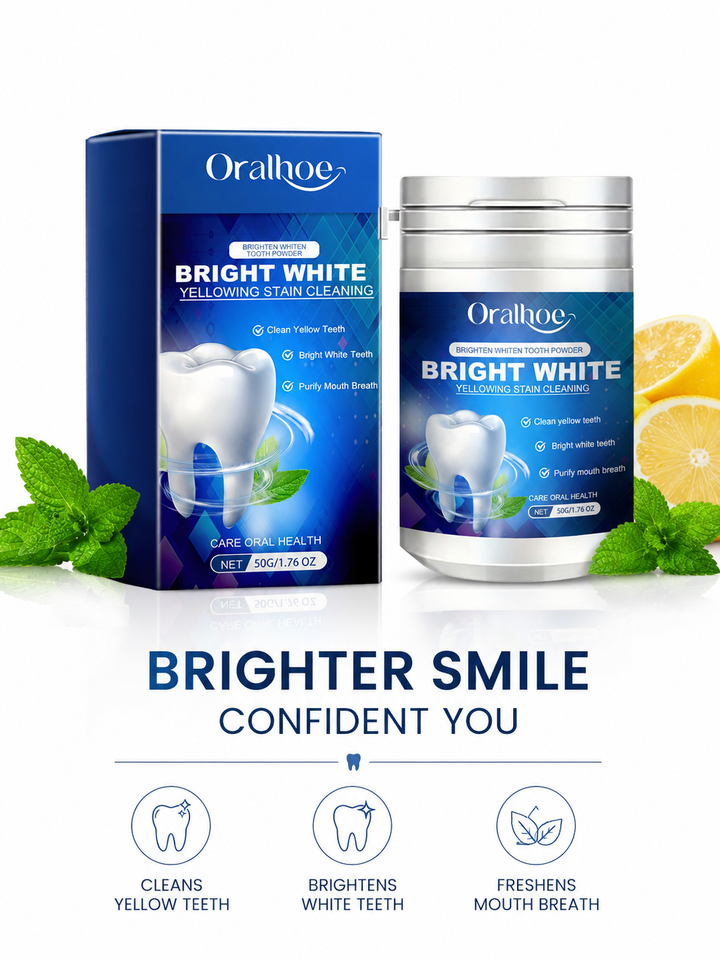
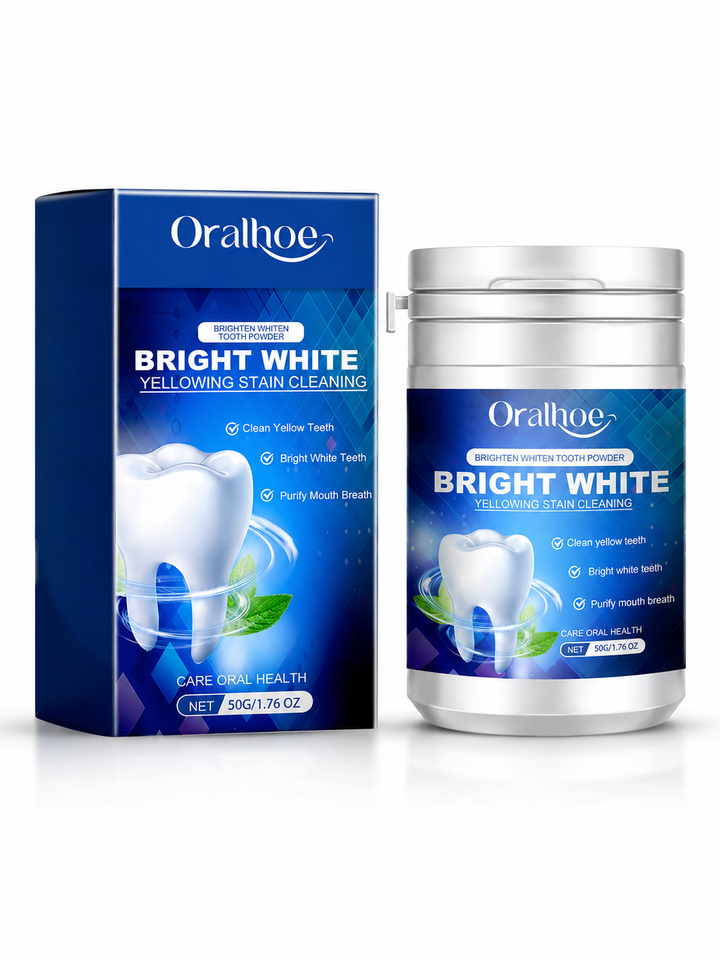
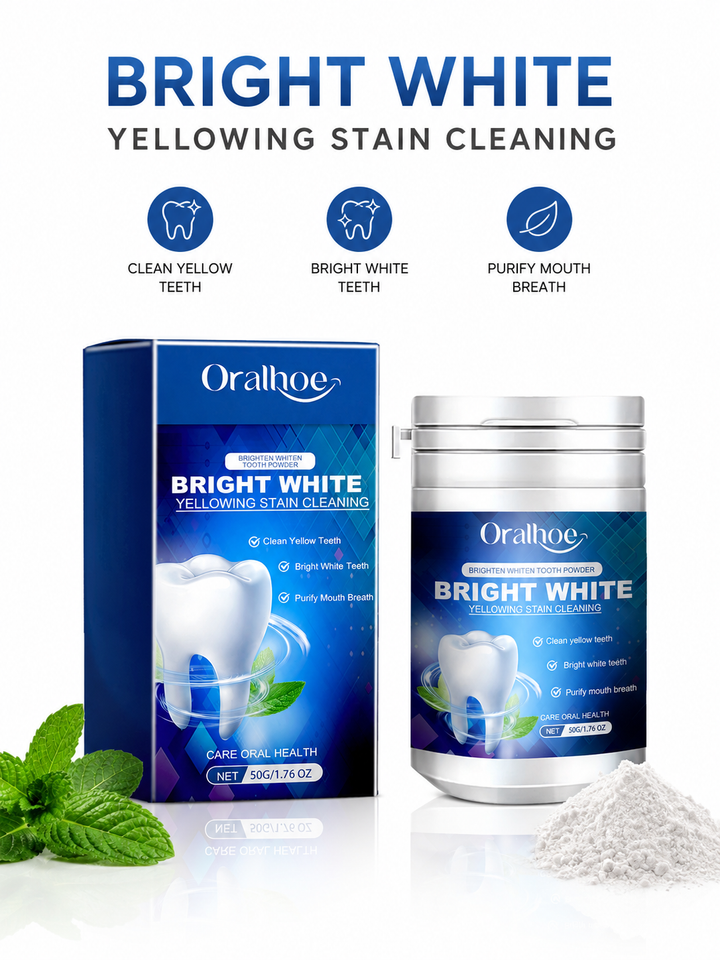

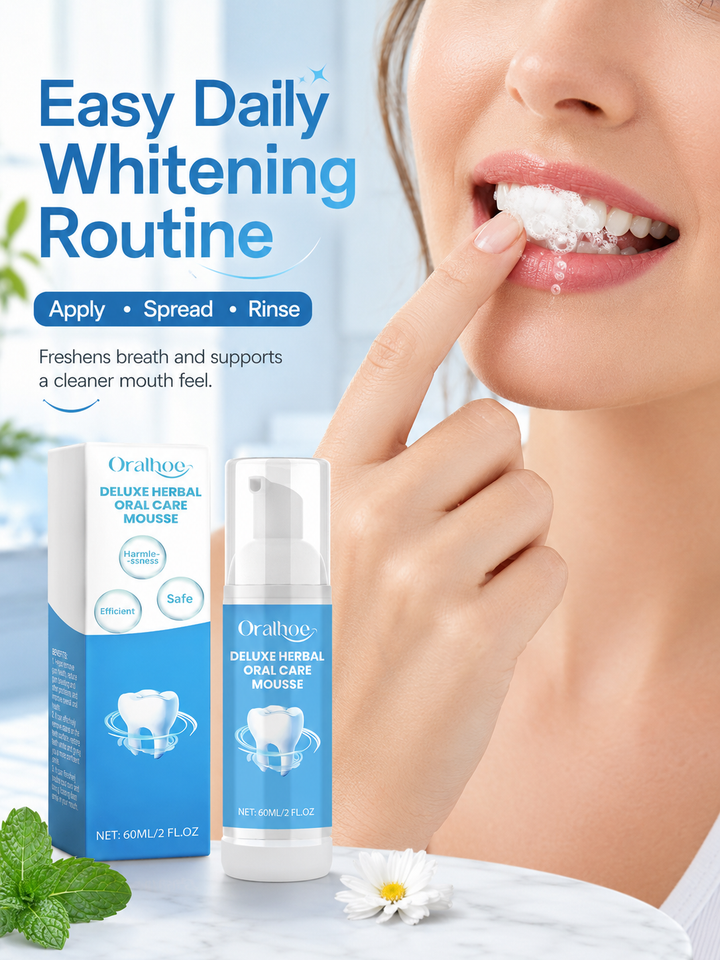
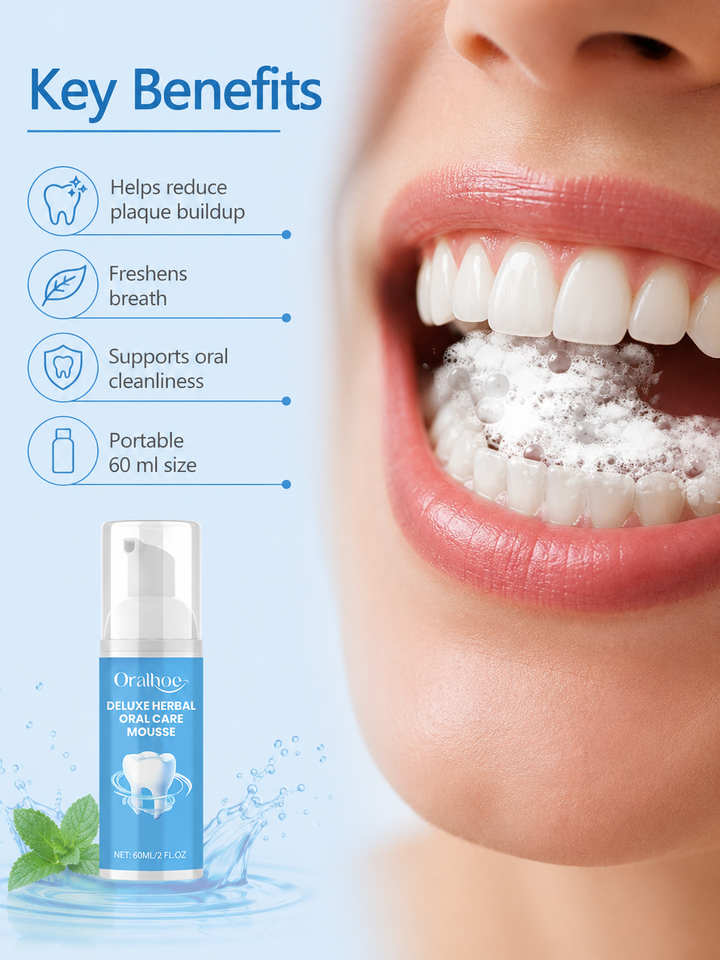
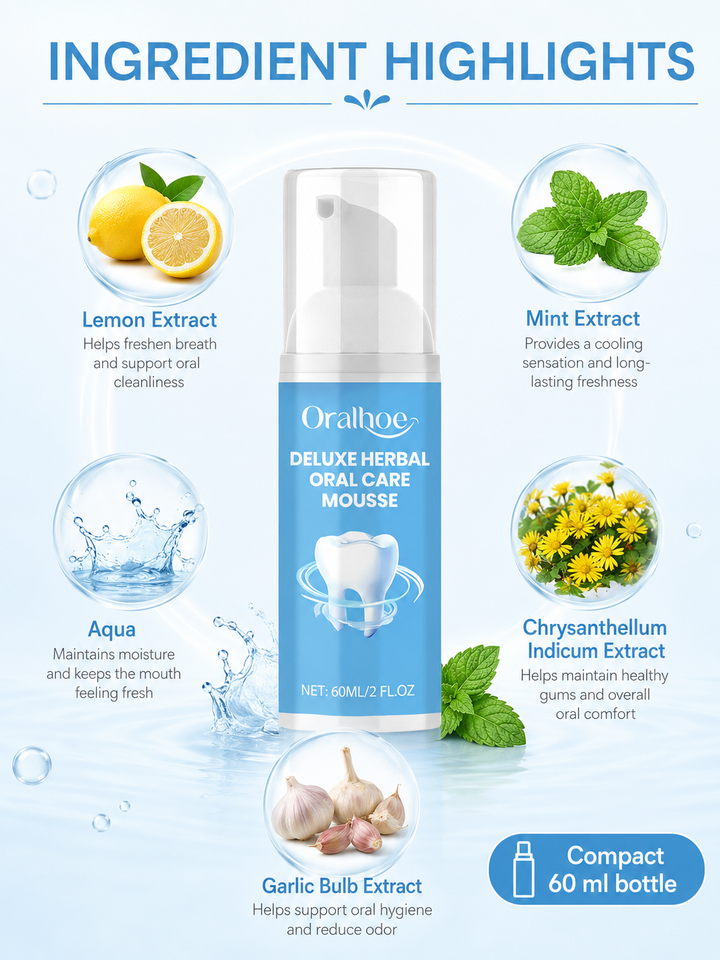

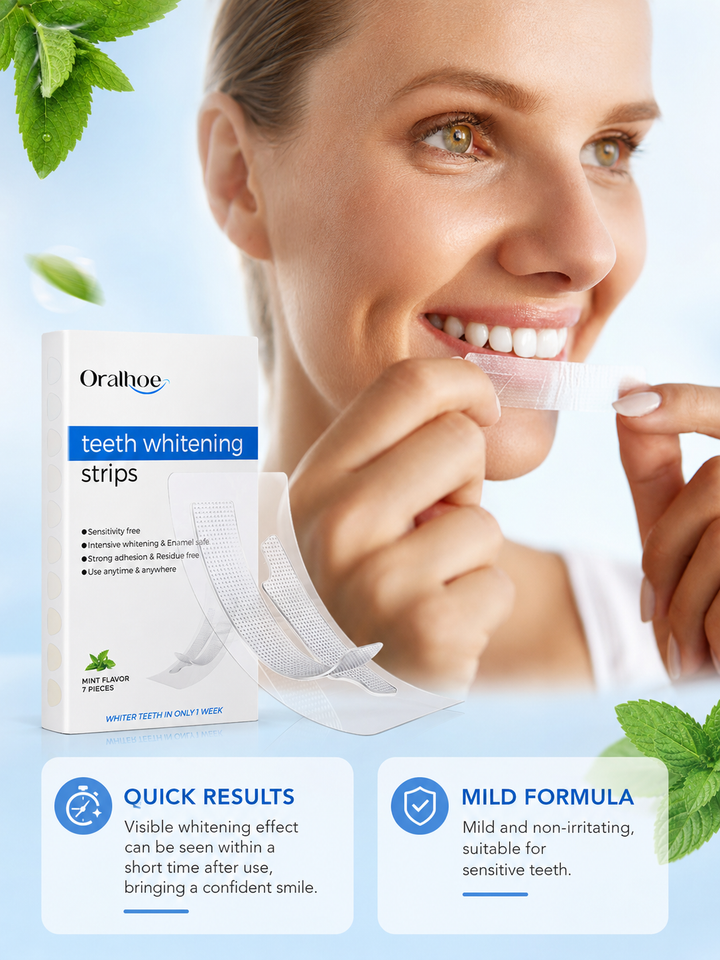
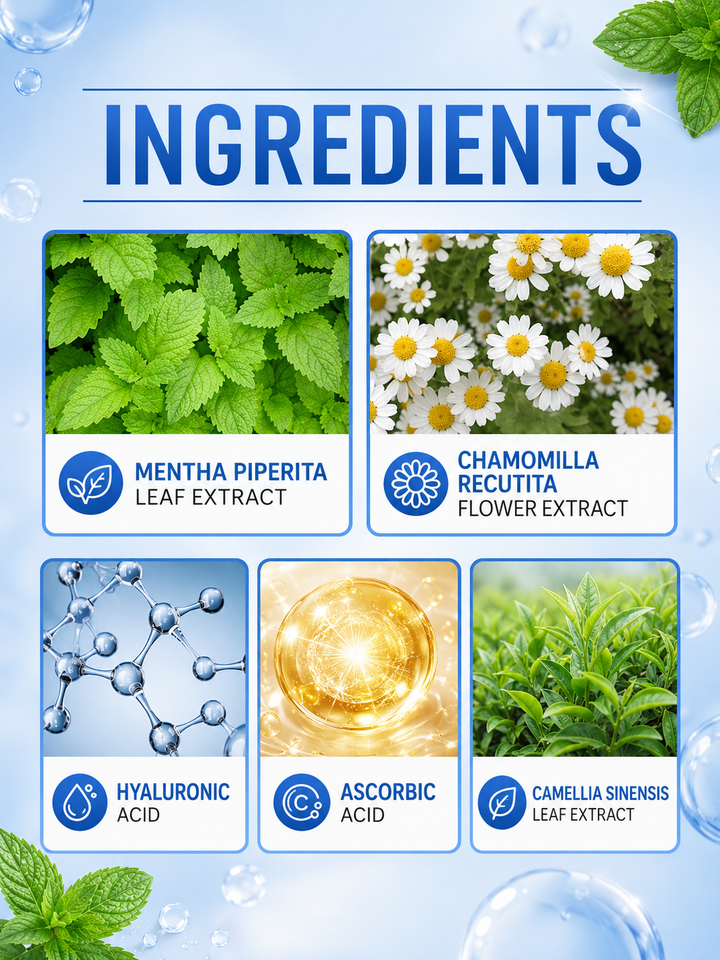
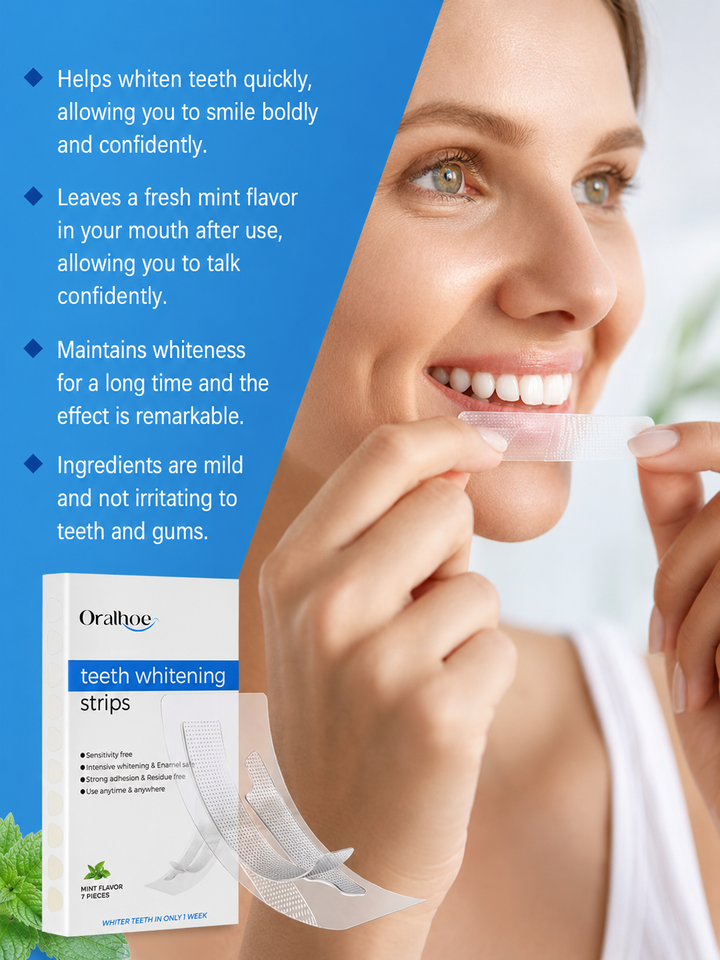

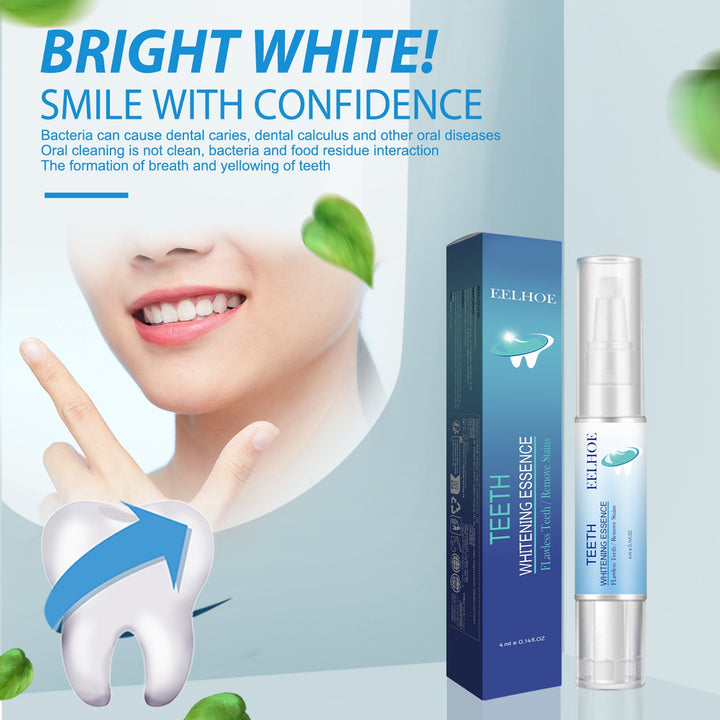
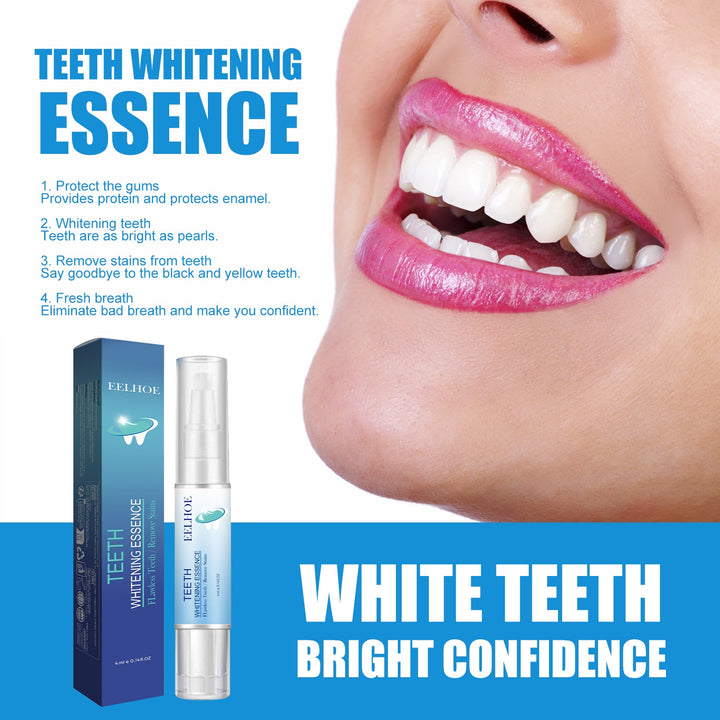
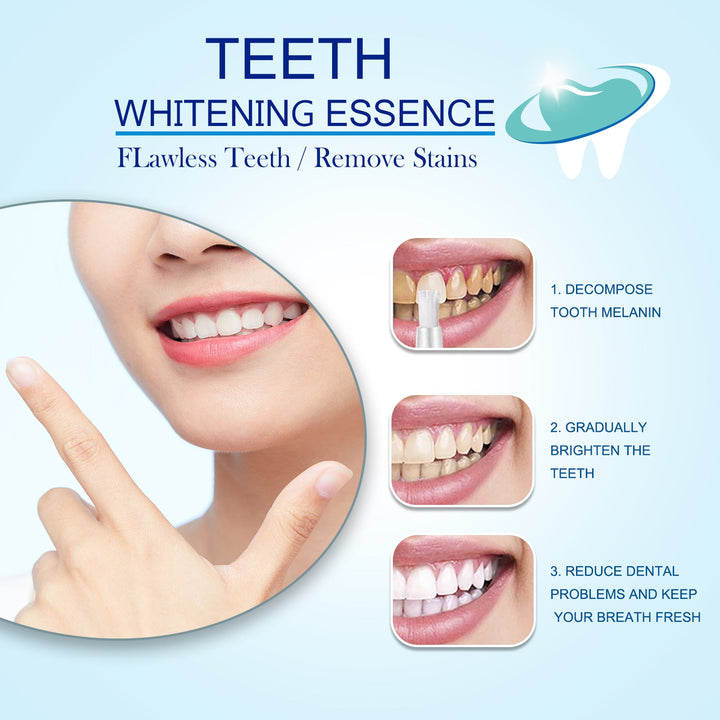

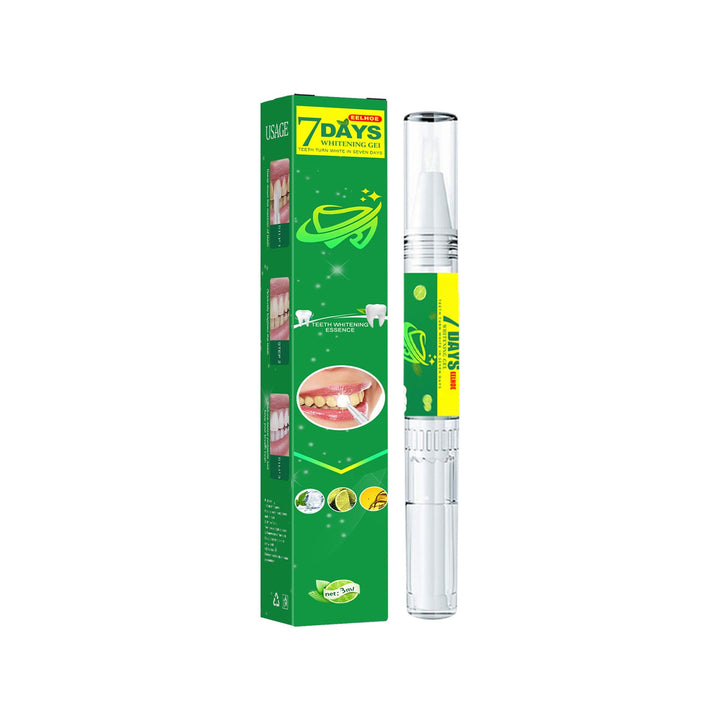
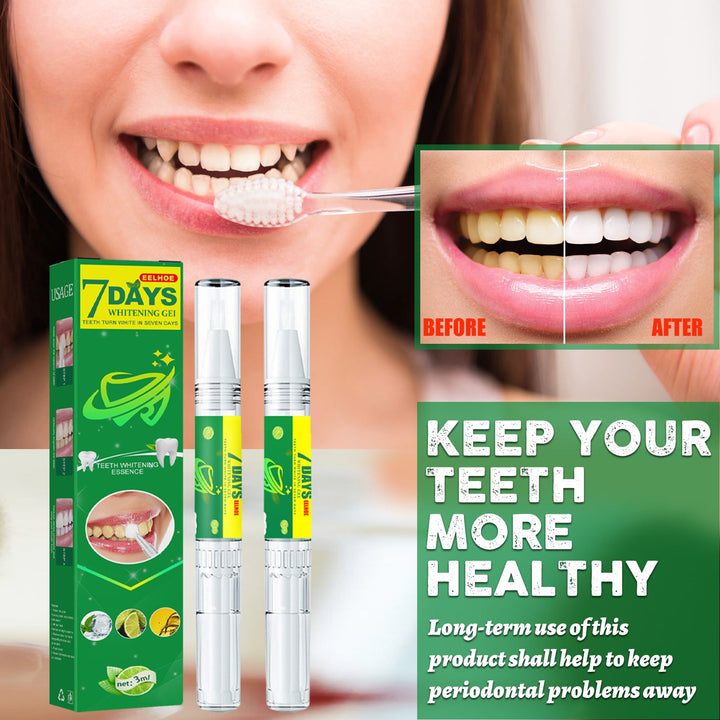
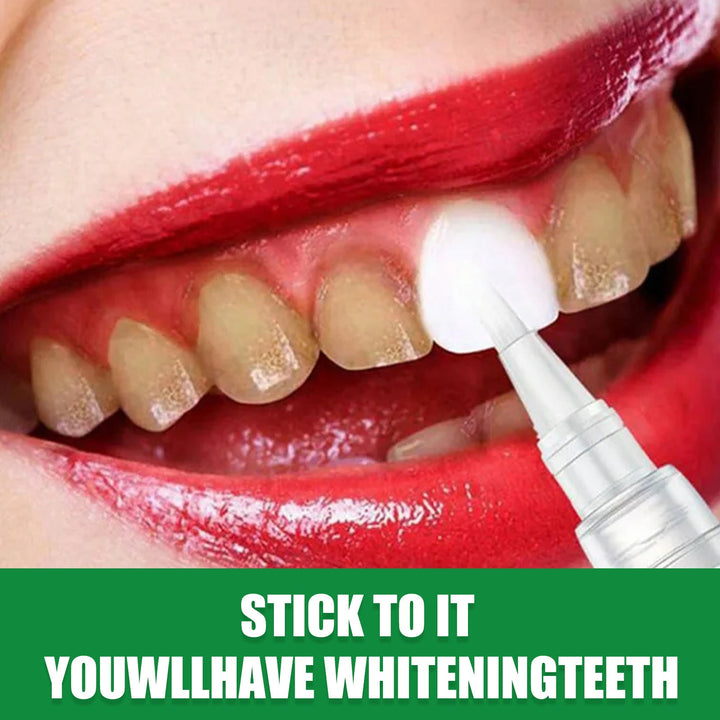

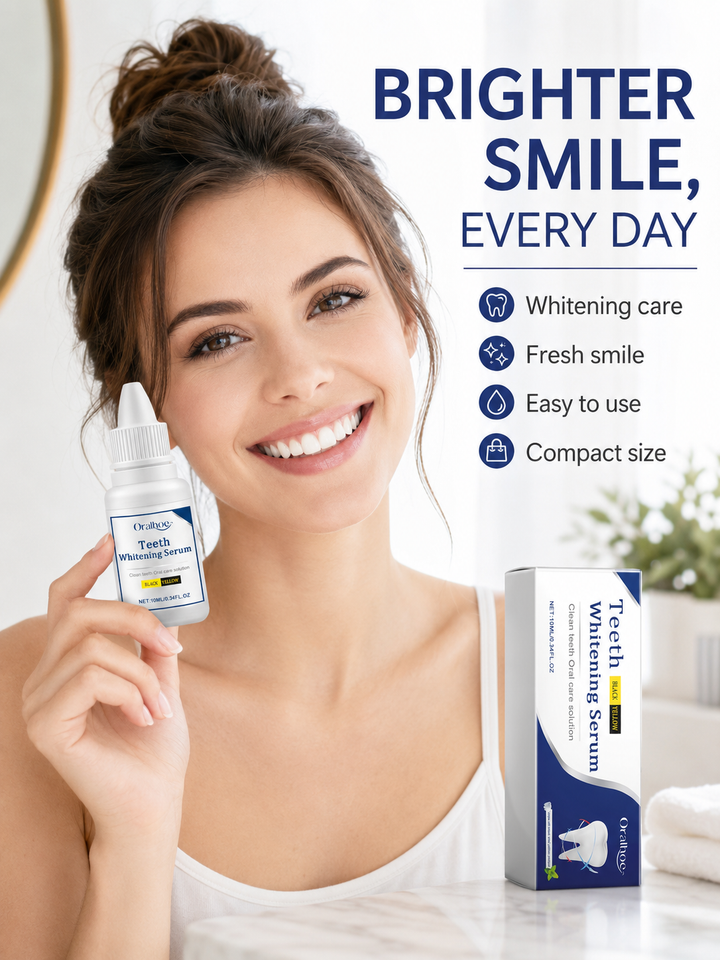
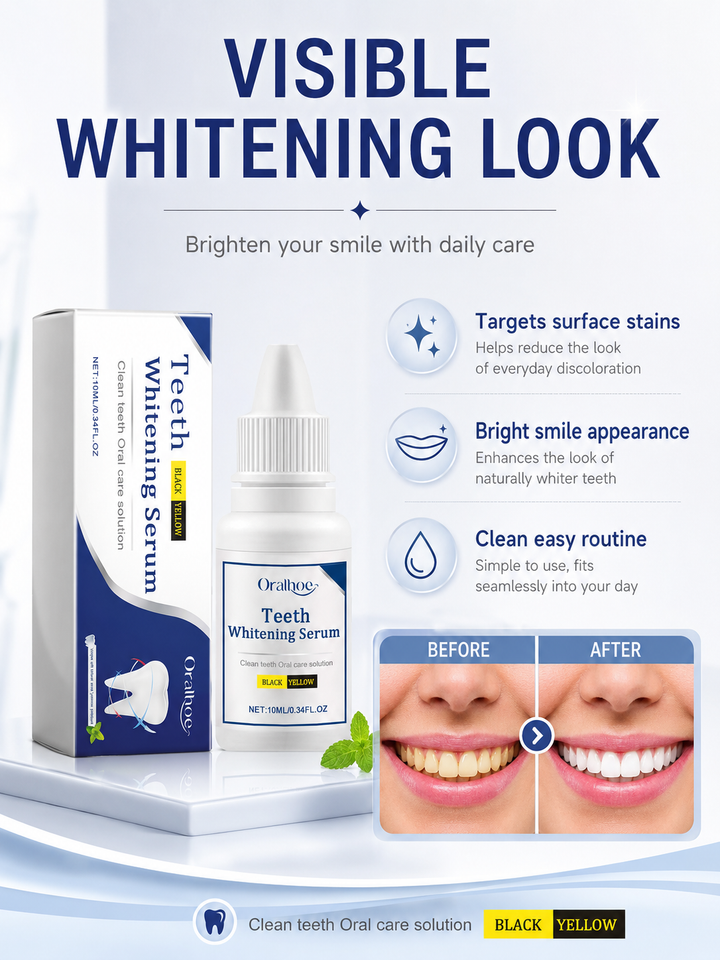
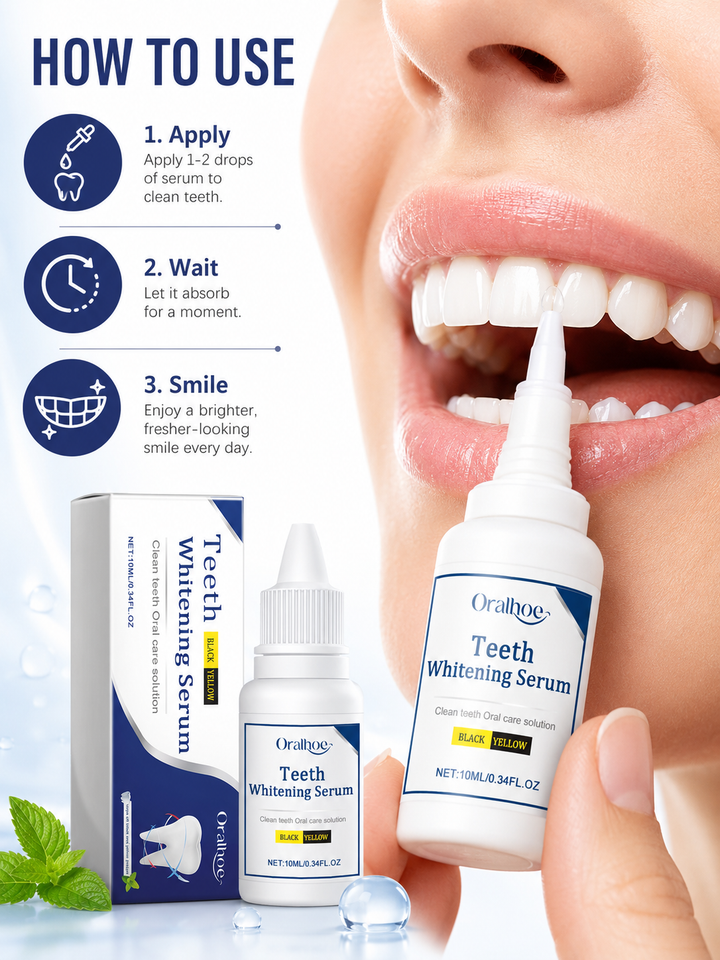
Teeth whitening gels, serums, pens, strips, stickers, and mousse offer different ways to refresh the look of teeth and target visible surface stains. Use this guide to compare application styles, colour-correcting formulas, and routine requirements before choosing a teeth whitening serum or another at-home option.
How to choose the best teeth whitening serum
Start by deciding whether you want a serum, pen, strip, sticker, or mousse. A teeth whitening serum is useful when you prefer a small bottle and targeted application, while a pen or stick gives more control over individual teeth. Strips and stickers are convenient for covering several teeth at once, and mousse is designed for quick, even application across the smile. Check the product description for its intended use, application time, and recommended routine. If your main concern is coffee, smoking, or visible surface buildup, look for a product specifically described for stain removal. For a quick visual refresh, a purple colour-correcting serum or mousse may suit you better than a longer-use whitening product.
Teeth whitening products compared: serum, gel, pen, and strips
Serums and gels are applied directly to the tooth surface, making them a practical choice for precise coverage. Whitening pens and gel pens usually include a brush or applicator for treating selected areas and fitting into a daily routine. Strips and stickers are pre-shaped, so they can be simpler when you want broader coverage with less brushing. Purple whitening strips, serum, and mousse use colour contrast to make teeth look temporarily brighter, while stain-focused pens and stickers are aimed at the appearance of yellow or dark surface marks. Choose based on your preferred routine: targeted application for control, strips for convenience, or mousse for a fast application before going out.
What to look for in a teeth whitening serum
Compare the bottle size, applicator, texture, instructions, and storage guidance rather than relying only on the word 'whitening.' A 30ml serum may be suitable if you want a bottle for repeated targeted applications, while a pen or stick can be easier to carry and use on specific teeth. Look for clear directions covering how much product to apply, whether teeth should be clean and dry, and how long to leave the formula in place. Colour-correcting products can be helpful when your priority is an instantly brighter-looking smile, but they may not suit shoppers seeking a stain-focused routine. Also check the full ingredient list and stop using any product that causes discomfort.
How to use teeth whitening gel, serum, and pens
Follow the instructions supplied with the specific product, since application steps vary between serum, gel, pen, strip, sticker, and mousse. Generally, begin with clean teeth, apply a thin and even layer, and keep the product on the tooth surface only for the stated time. Avoid spreading gel onto the gums or swallowing the product, and wash or wipe the applicator as directed after use. Do not combine several whitening products in one session unless the instructions specifically allow it. For a pen or serum, focus on visible tooth surfaces rather than using excess product. Keep the container closed and stored as instructed, and discontinue use if irritation or unusual sensitivity occurs.
Common teeth whitening mistakes to avoid
Using more product does not necessarily create a better result, so follow the recommended amount and timing. Another common mistake is applying a strip, sticker, serum, or gel to unclean teeth, which can make coverage uneven. Avoid wearing strips or leaving gel in place longer than directed, and do not stack a purple colour-correcting product with another whitening formula without checking the instructions. Brushing aggressively before application may also make the routine uncomfortable. Remember that whitening products are designed for the appearance of natural tooth surfaces; crowns, veneers, fillings, and other dental materials may not change colour in the same way. If stains are heavy, persistent, or unlike ordinary surface discolouration, consider asking a dental professional for advice.
Who are teeth whitening serums and gels suitable for?
These products may suit adults who want an at-home way to improve the appearance of surface stains from drinks, smoking, or everyday exposure. A serum or gel pen can be useful for shoppers who prefer targeted treatment, while strips, stickers, and mousse may be better for a more uniform application. Older teeth can sometimes look brighter with an appropriate cosmetic whitening routine, but results depend on the type of discolouration and the condition of the teeth. Anyone with ongoing sensitivity, gum problems, damaged teeth, extensive dental work, or uncertainty about the cause of yellowing should seek professional guidance before using a whitening product. Always read the product instructions and check whether the formula is suitable for you.
Frequently asked questions
Does teeth whitening serum actually work?
A teeth whitening serum can help improve the appearance of some surface stains when used consistently and according to its instructions. Colour-correcting serums may create a temporary brighter-looking effect, while stain-focused formulas are intended for a more targeted cosmetic routine. Results vary depending on the type and depth of discolouration.
Which serum is best for teeth whitening?
The best serum depends on your goal. Choose a purple colour-correcting serum for a quick brighter-looking effect, or a stain-focused gel or pen if you prefer targeted application for visible marks. Compare the ingredients, applicator, instructions, and routine before buying.
What is the most effective tooth whitening product?
There is no single product that is best for every shopper. Serums and pens offer precise application, strips and stickers provide broader coverage, and mousse is convenient for a quick routine. The most suitable option is the one you can apply correctly and consistently while following its instructions.
Can yellow teeth really be whitened?
Some yellowing caused by surface stains can look less noticeable with an at-home whitening gel, serum, pen, strip, or sticker. The result depends on whether the discolouration is on the surface or comes from within the tooth, and dental materials may not change colour in the same way as natural teeth.
How can I remove yellowish stains from teeth naturally?
Gentle daily brushing, cleaning between teeth, and rinsing after stain-causing drinks can help maintain a cleaner-looking smile. Avoid harsh scrubbing or abrasive household substances, which can be uncomfortable and may damage tooth surfaces. For existing yellow stains, use an appropriate product as directed or ask a dental professional for advice.
Can 60-year-old teeth be whitened?
Age alone does not determine whether teeth can look brighter with a cosmetic whitening product. Results vary with enamel, the cause of discolouration, sensitivity, and dental work such as fillings or crowns. If you are 60 or older and have concerns about sensitivity, restorations, or persistent staining, seek professional guidance before choosing a serum or gel.