Denture Cleaner & Cleaning Tablets | Daily Denture Care Products11 items

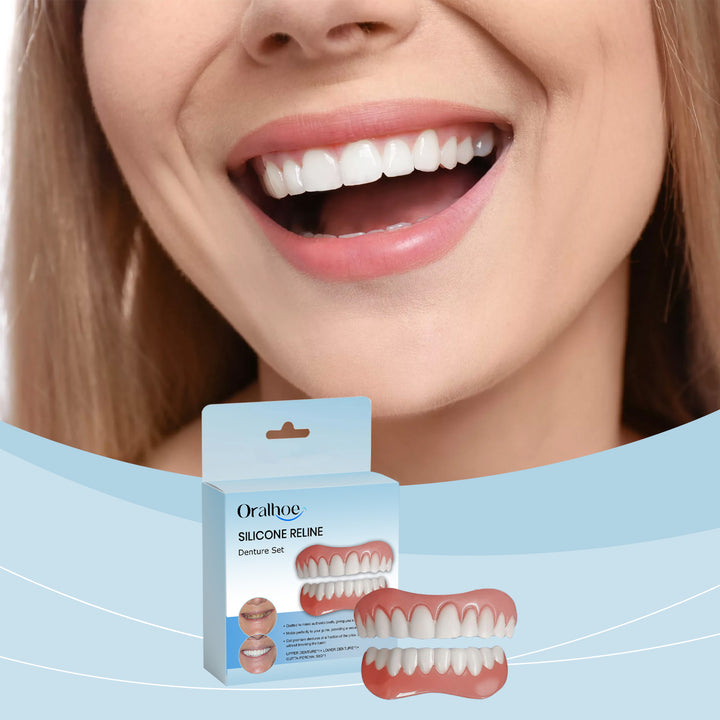

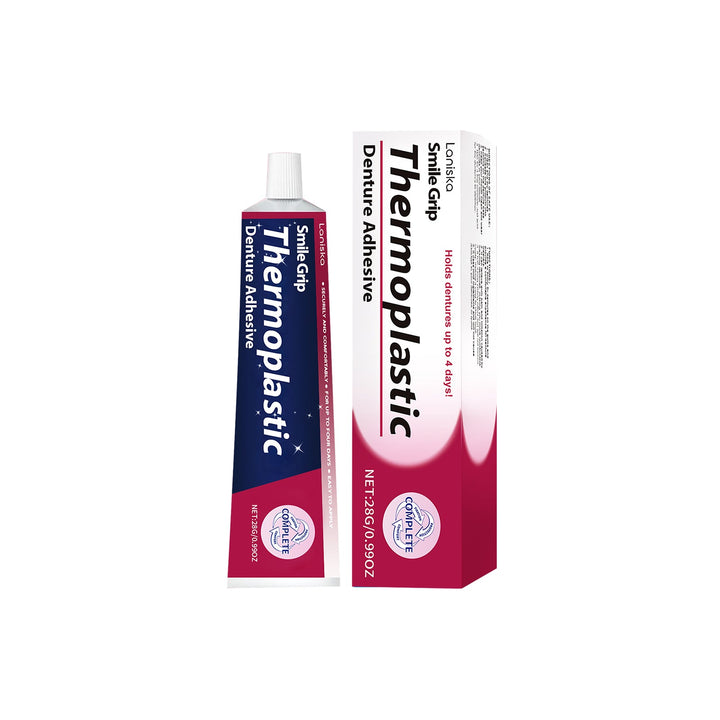
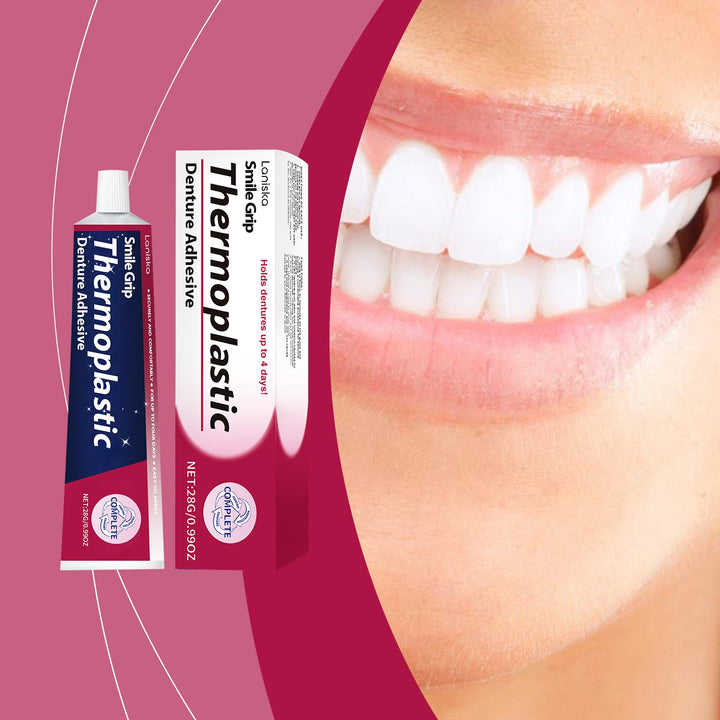

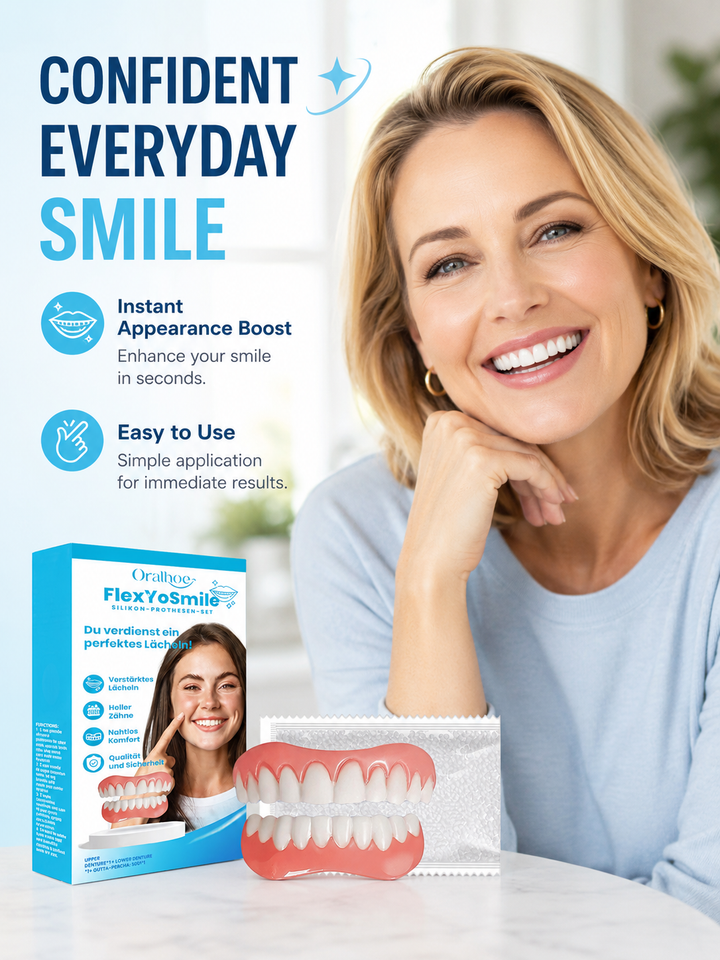
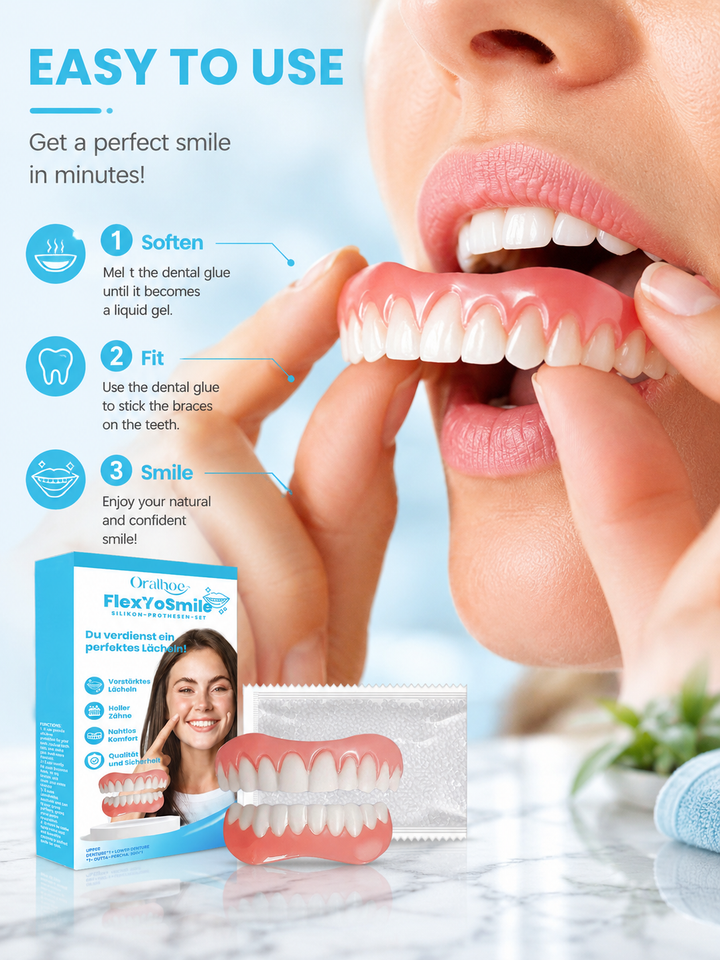
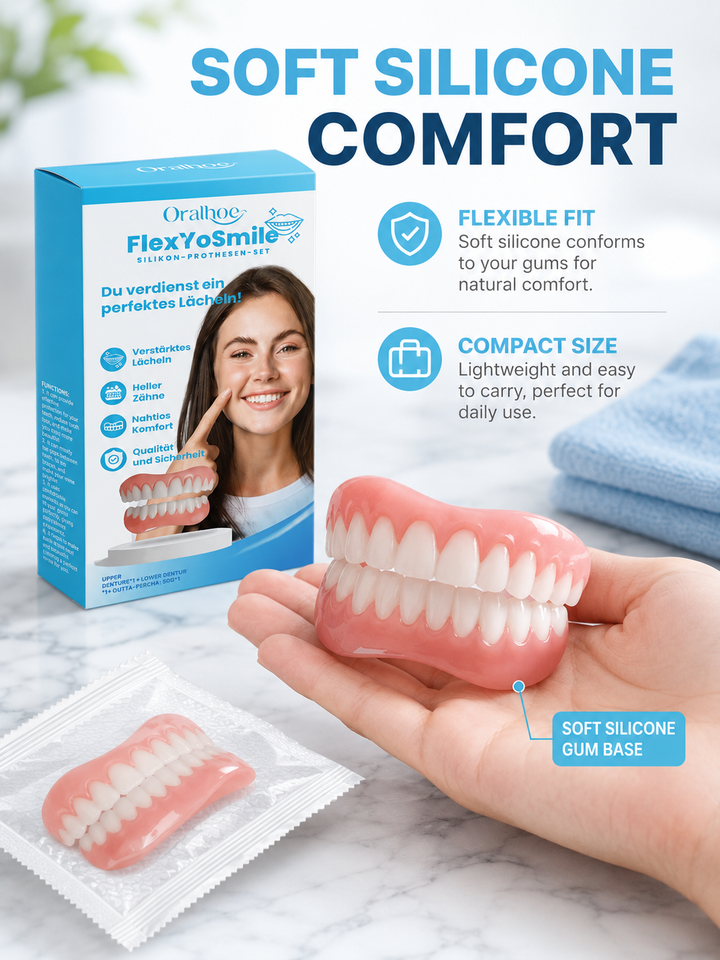


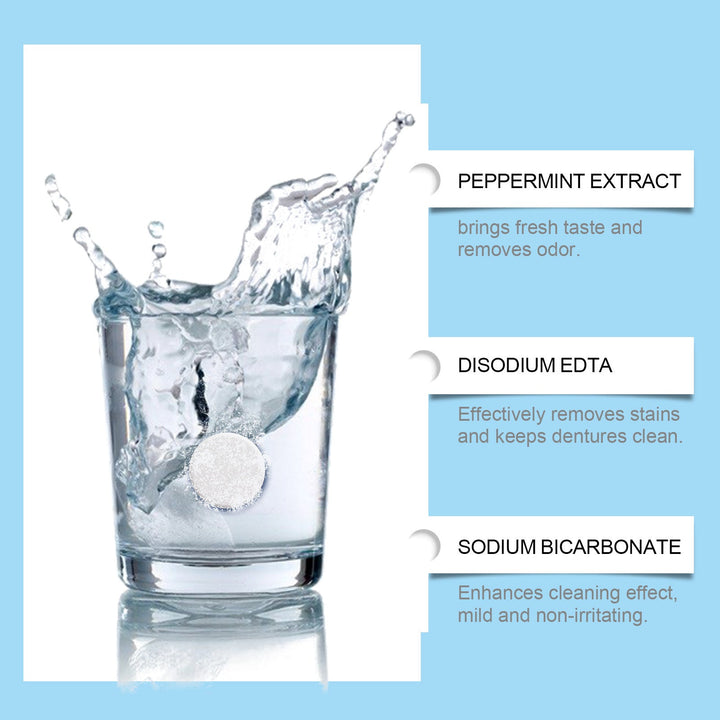

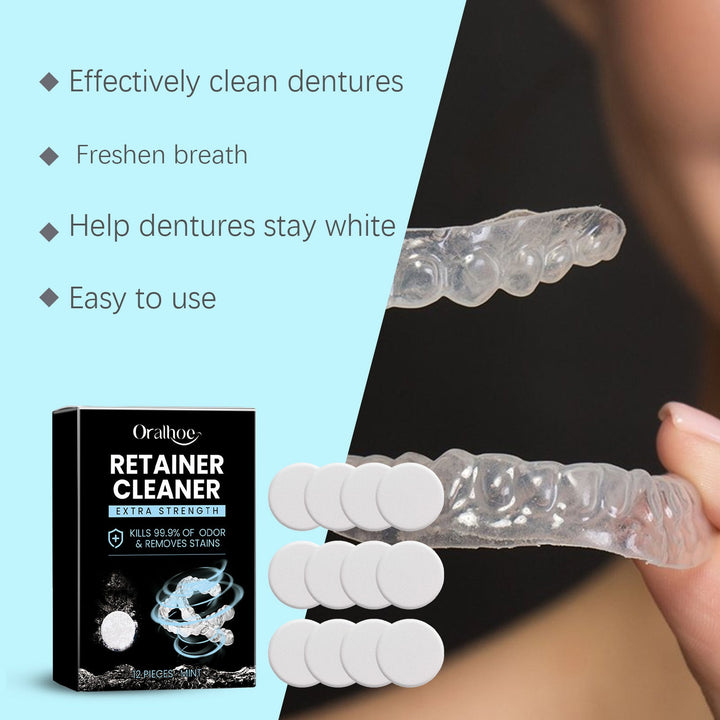


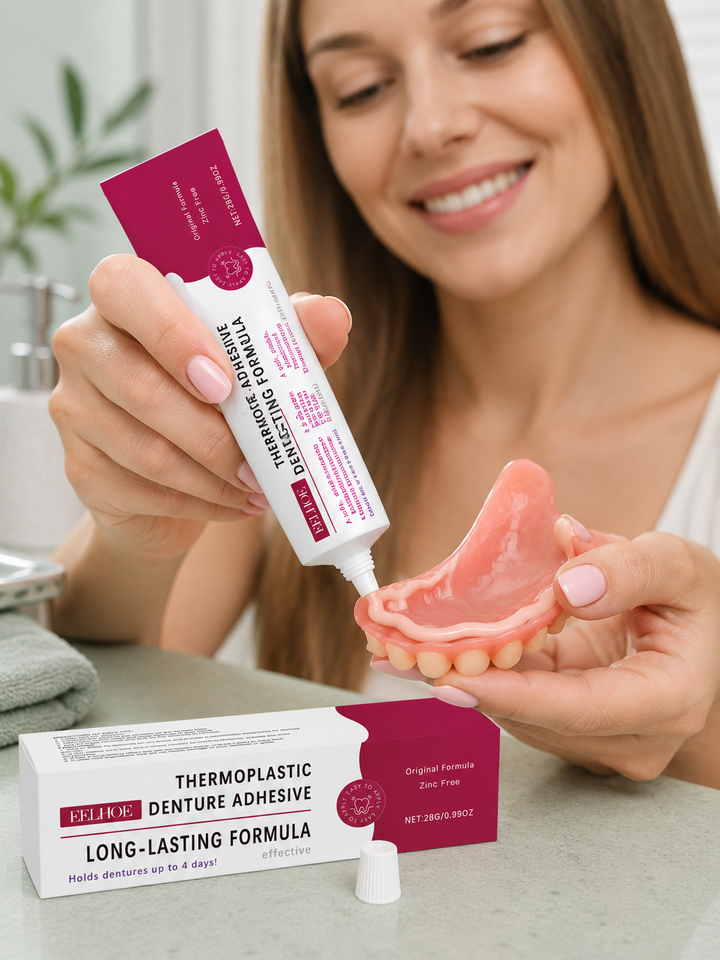
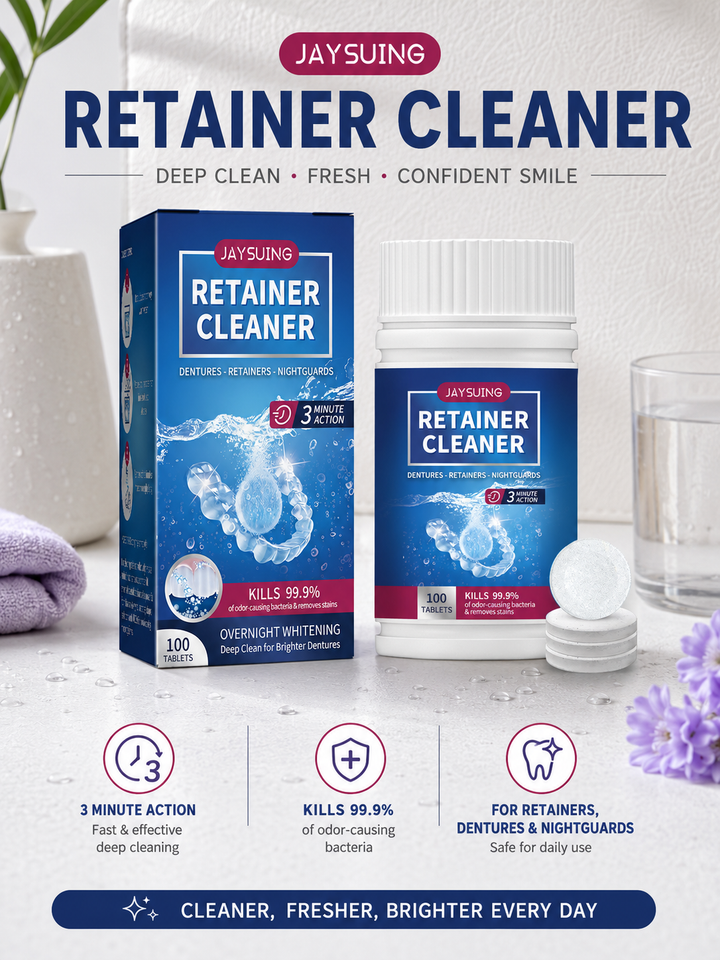


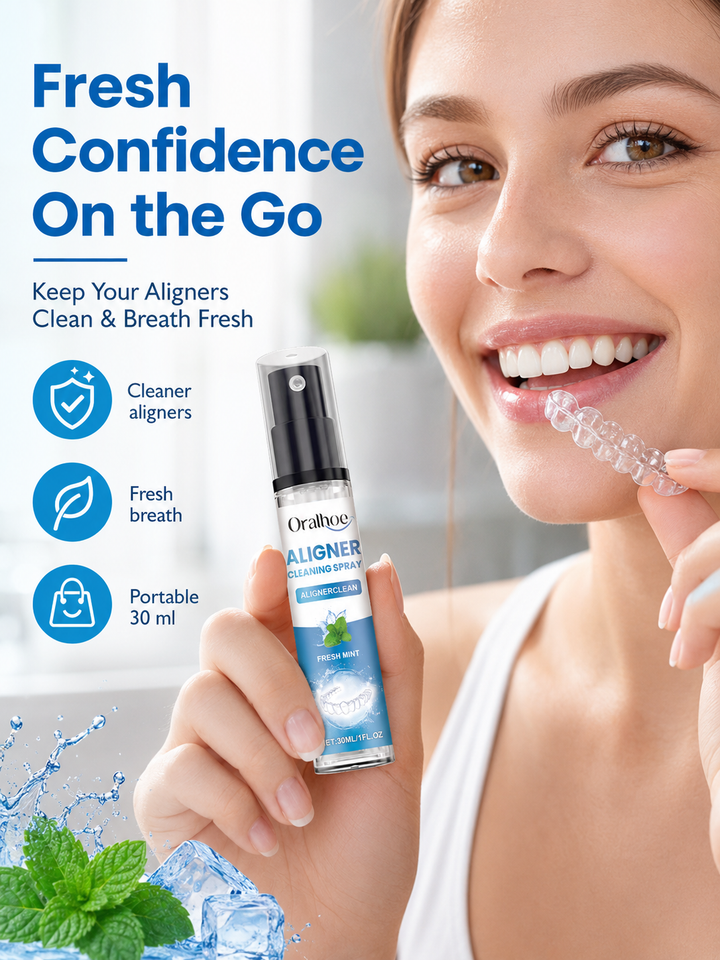


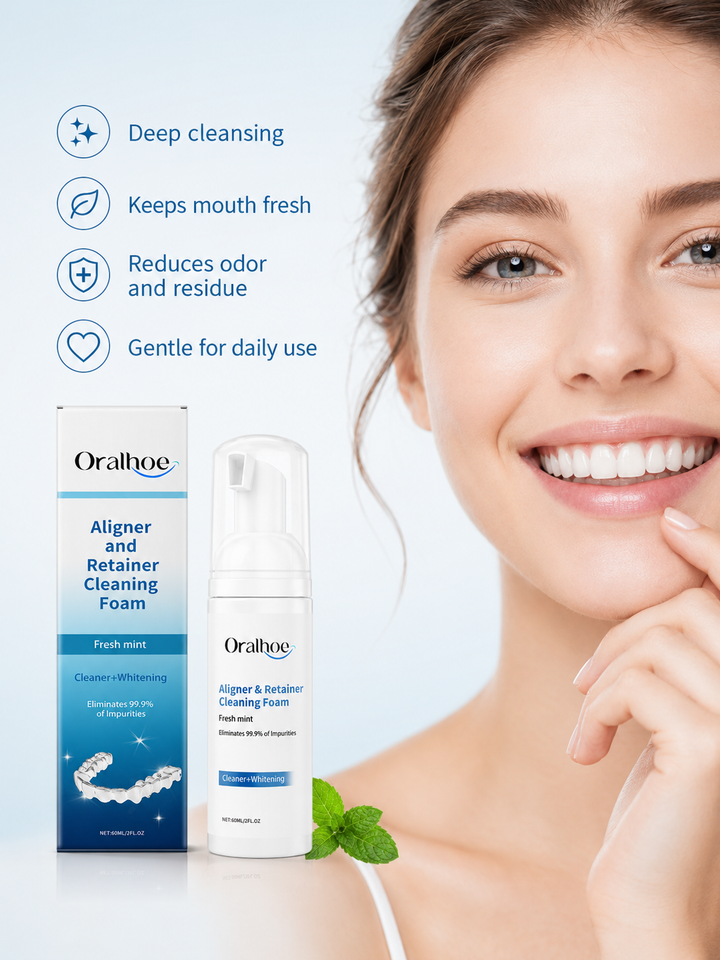
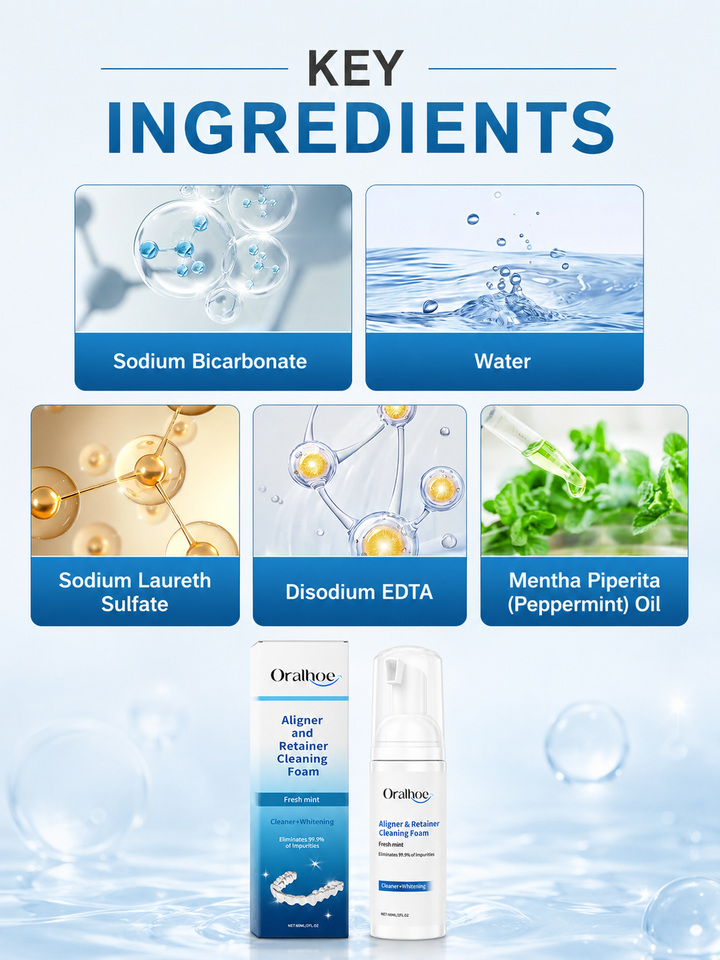
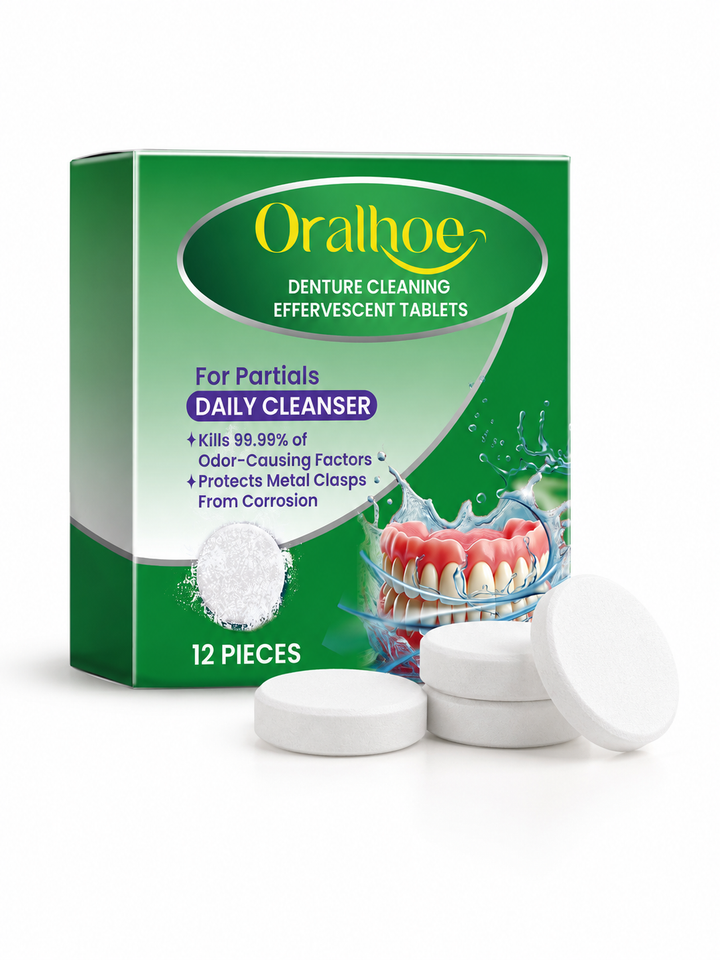
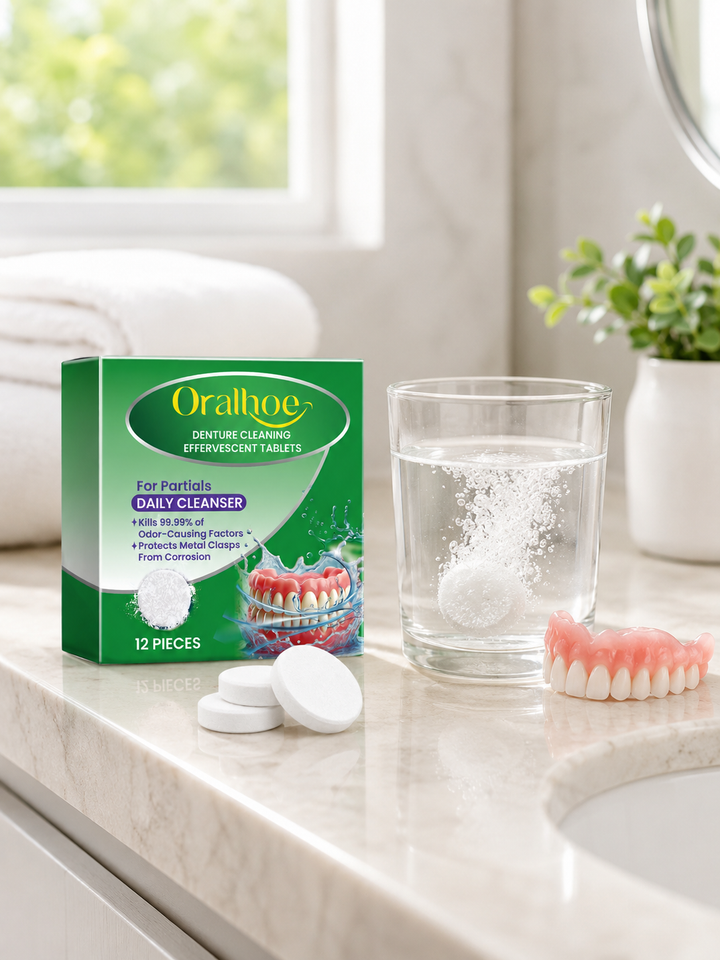
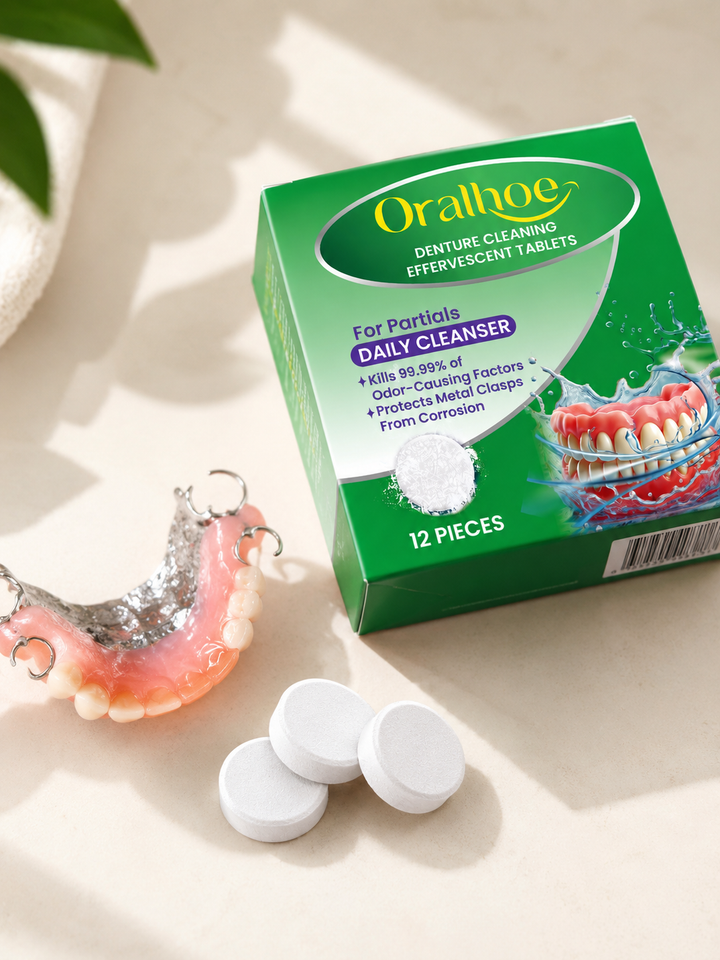
Build a simple denture care routine with products for cleaning, soaking, freshening, holding, and cosmetic touch-ups. This category includes denture cleaning tablets, sprays, adhesives, moldable comfort products, and retouching kits for full and partial dentures.
How to choose denture care products
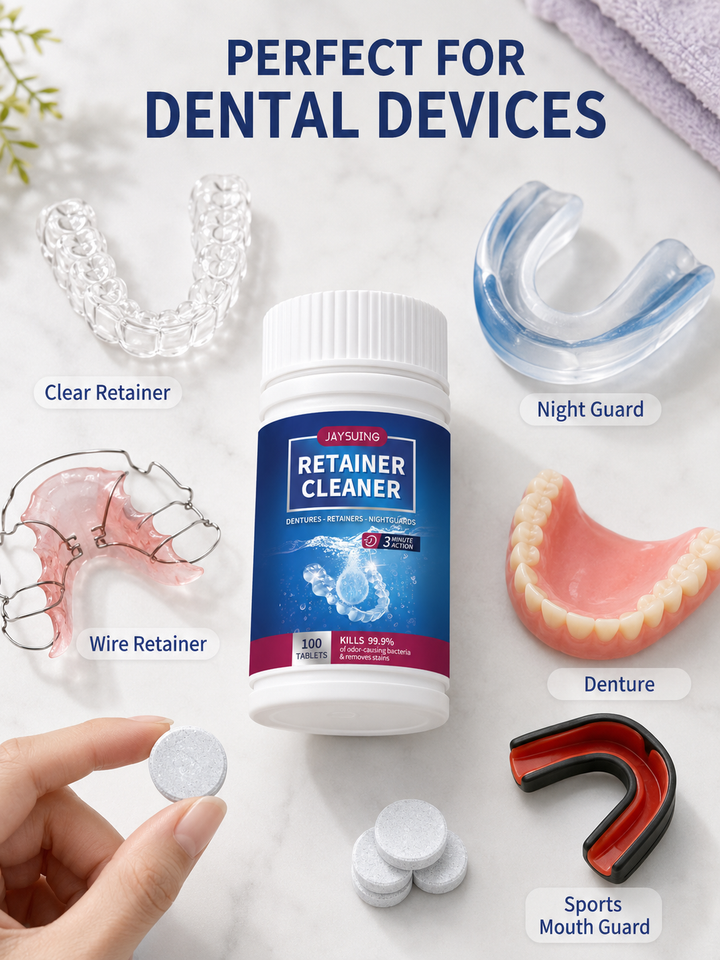
Start with the type of appliance you use: full dentures, partial dentures, retainers, or aligners. For everyday cleaning, choose a denture cleaning solution such as tablets or a spray, following the product directions for soaking time and rinsing. If you need help keeping dentures in place, compare zinc-free adhesive options with moldable thermoplastic products. A retouching kit or cosmetic denture set is intended for a fuller-looking smile rather than routine hygiene. Check compatibility before using any cleaner or adhesive on partial dentures with metal parts, as some formulas or soaking methods may not suit every material. A practical denture care routine usually includes a cleaning product, a storage container, and a soft brush kept separate from your regular toothbrush.
Denture cleaning tablets, sprays, and solutions compared
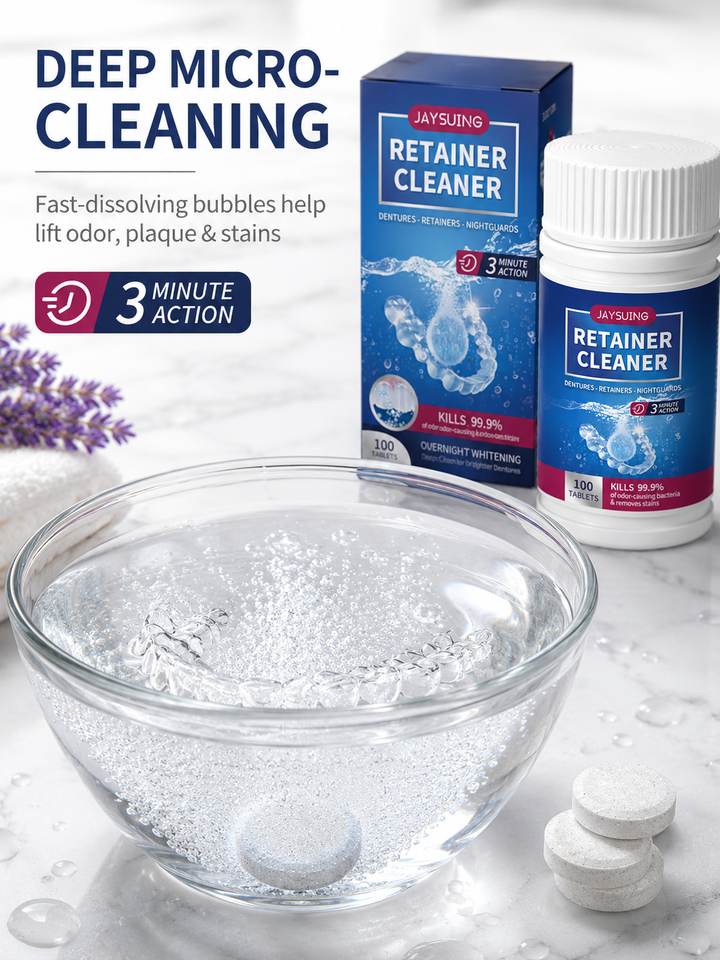
Denture cleaning tablets are useful when you want a soak-based routine for removable dentures, retainers, or similar appliances. They are measured for a water bath and can be convenient at night or after removing your dentures. A denture and aligner cleaning spray is better suited to quick freshening between deeper cleans, travel, or situations where soaking is not practical. A general denture cleaning solution may refer to either a prepared soak or a tablet dissolved in water, so read the label carefully. Do not substitute household bleach, hot water, toothpaste, or abrasive cleaners. If you wear a partial denture with metal, check the instructions before soaking and rinse thoroughly afterward.
What to look for in denture care products
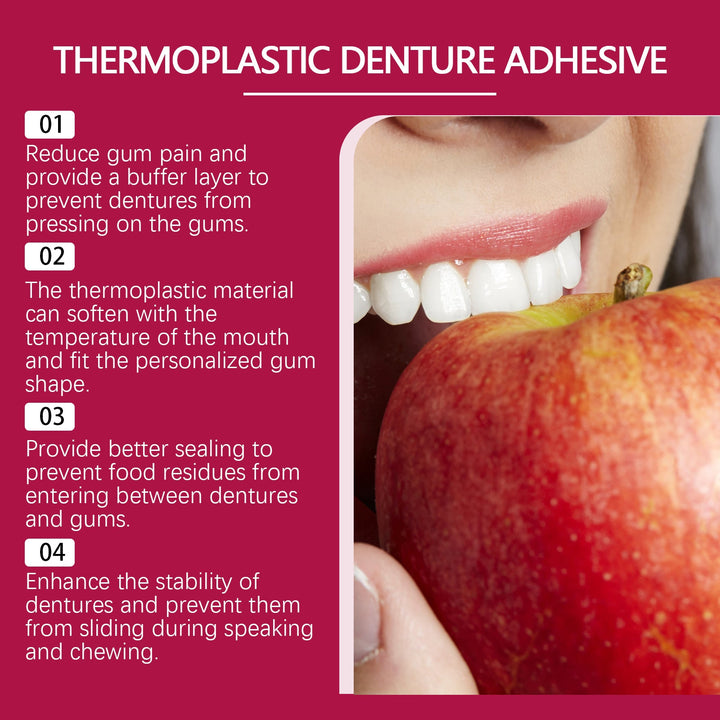
Look for clear instructions covering appliance type, water temperature, contact time, rinsing, and storage. A denture cleaner should be easy to measure and suitable for your routine, whether you prefer a nightly soak or a quick spray. For adhesives, consider zinc-free formulas, hold time stated on the packaging, and whether the product is designed for full dentures or partials. Moldable adhesive and thermoplastic products can offer a customizable fit, but they should be shaped and replaced according to their instructions. For cosmetic products, check that the intended result is temporary or appearance-focused rather than a replacement for professional adjustment. If you have metal components, textured surfaces, or a soft lining, choose products that specifically address compatibility.
How to clean and store dentures every day
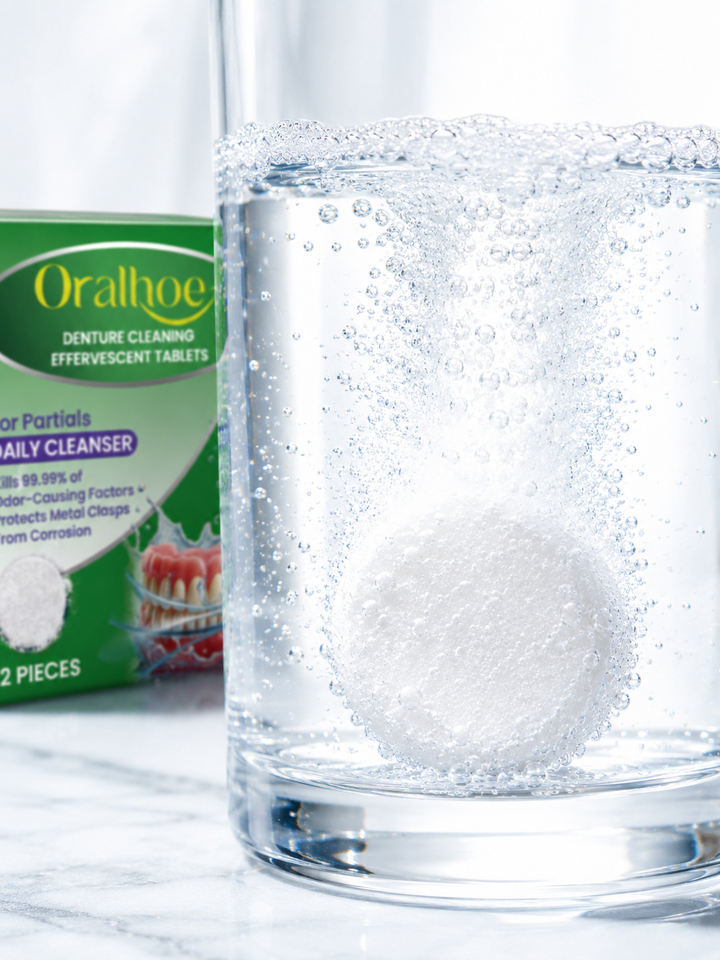
Remove dentures before cleaning them, then handle them over a folded towel or a sink partly filled with water to reduce the chance of damage if dropped. Rinse away loose debris and use a soft denture brush with the recommended cleaner. For a tablet soak, dissolve the tablet completely in water and follow the listed soaking time; never place the appliance in boiling or very hot water. Rinse thoroughly before wearing it again. At night, many people remove dentures to give their mouth a break, but storage instructions can vary by appliance and professional advice. If you soak dentures in water, use a clean container and enough water to keep them covered, unless the product instructions say otherwise.
Common denture care mistakes to avoid
Avoid using ordinary toothpaste, stiff brushes, abrasive powders, or household cleaning chemicals, since they may scratch or damage denture surfaces. Do not use hot water, which can affect the shape of some appliances. Follow adhesive directions and use only the recommended amount; adding more does not necessarily improve comfort or hold. Remove old adhesive before applying a fresh layer, and clean both the denture and your mouth as directed. Do not repair cracks, loose teeth, or a painful fit with a cosmetic kit or moldable product. Retouching kits and gap-coverage products are for appearance-related use described on their packaging, not a substitute for a professional adjustment. Stop using any product that causes irritation and seek appropriate advice.
Who these denture care products suit
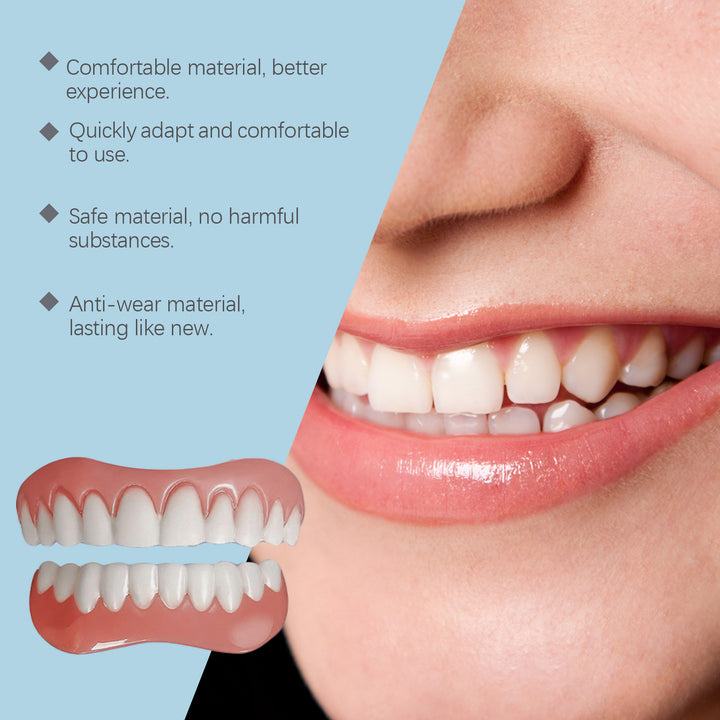
This category suits people who wear removable full dentures, partial dentures, or compatible retainers and aligners and want practical daily care options. Cleaning tablets work well for a planned soak, while spray cleaners suit quick freshening and travel. Adhesive products are for shoppers looking for additional support, with options including zinc-free adhesive and moldable comfort designs. Cosmetic denture sets, retouching kits, and moldable filling products are aimed at temporary appearance or gap-coverage needs described by the seller. People with metal partials, soft liners, recent dental work, or fit concerns should check product compatibility and follow their dental professional's instructions. Keep a printable denture care instructions sheet with your routine if multiple household members or caregivers help with cleaning.
Frequently asked questions
Should you soak your dentures in water every night?
Many removable dentures are stored in water or a suitable soaking solution when they are not being worn, but the correct method depends on the appliance and its materials. Use the manufacturer's directions, avoid hot water, and rinse dentures thoroughly before wearing them.
What not to do after getting dentures?
Do not force a painful fit, use abrasive cleaners, soak dentures in hot water, or attempt repairs with household products. Follow the wearing, cleaning, and adjustment guidance provided for your appliance, and ask a dental professional about persistent discomfort or looseness.
What is the best thing to use to keep your dentures in?
The suitable choice depends on your denture type, fit, and personal preference. This category includes zinc-free adhesive and moldable thermoplastic options; use only products intended for dentures and follow the package directions rather than applying extra product.
How do you properly care for dentures?
Remove and rinse them, clean with a soft denture brush and compatible cleaner, and follow the directions for any tablet soak or spray. Store them as instructed, keep them away from hot water and abrasive products, and clean your mouth as part of your daily routine.
How many hours a day should you keep your dentures in?
There is no single schedule that suits every denture wearer or appliance. Follow the instructions provided for your dentures and any guidance from your dental professional, and remove them when directed for cleaning or overnight storage.
What is the hardest food to eat with dentures?
Foods that are very hard, sticky, chewy, or difficult to cut can be challenging, especially while you are learning to eat with dentures. Start with smaller pieces and softer foods, chew evenly, and introduce tougher textures gradually according to your comfort.