
$49.90
Free delivery · 7–14 days
Thermoplastic Denture Adhesive — Moldable Comfort


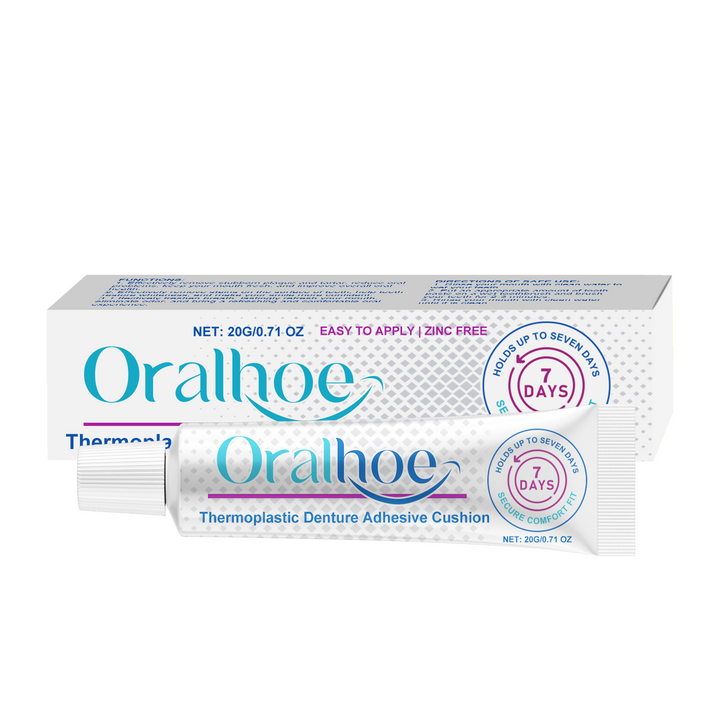
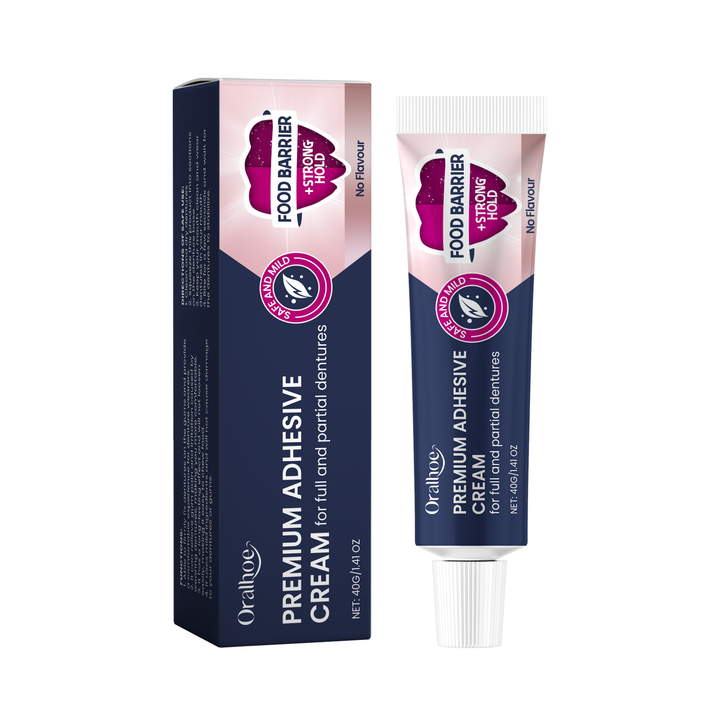

Find denture adhesives for different preferences, including cream, thermoplastic cushions, zinc-free formulas and a soft reline option that needs no adhesive. Compare hold style, application method, comfort and stated wear time to choose a product suited to your dentures and daily routine.
Start by deciding whether you want a cream, a moldable thermoplastic cushion or a soft reline kit. Denture adhesive cream is applied directly to the fitting surface and can be a practical choice when you want adjustable coverage. Thermoplastic options are shaped to create a cushioned layer and may suit shoppers who prioritize comfort and a secure feel. If you prefer to avoid adhesive, the soft denture reline kit offers a custom-fit approach. Check whether the product is zinc-free if that is important to you, and compare the stated hold period, application instructions and denture type before buying. A secure denture adhesive should support everyday activities without requiring more product than the instructions recommend.
Cream adhesives are spread in small amounts across the denture base and are available in strong-hold and zinc-free options. Thermoplastic denture adhesive cushions are moldable, so you warm and shape the material before fitting it to the denture. They are designed to combine hold with a cushioned feel and include products advertised for up to a 7-day hold. Adhesive strips are another format shoppers often search for, although this category focuses on creams and thermoplastic cushions rather than strip products. A soft denture reline kit is different: it is intended to improve the fit without adhesive. Compare cleanup, fitting steps, comfort and the product's stated wear period rather than assuming one format is strongest for everyone.
Look for clear instructions, a hold period that fits your routine and a format you can apply evenly. The category includes firm 4-day and 7-day secure-hold options, as well as strong-hold cream advertised for up to 4 days. These descriptions are product specifications, not a guarantee for every wearer; fit, moisture, cleaning and eating habits can affect results. Zinc-free denture adhesive options may appeal if you specifically want a formula without added zinc. For extra comfort, consider a cushioned thermoplastic product rather than choosing solely by the word “strong.” Check the listing for compatibility with your denture type, preparation requirements and removal instructions. Do not apply more than directed, and replace an adhesive that becomes difficult to clean away.
Clean and dry the denture before applying cream, following the product directions for placement and amount. Use small, spaced applications rather than covering the entire base, then seat the denture and press gently for the time specified. For a thermoplastic cushion, warm and mold the material exactly as instructed; trimming or reshaping may be needed for a comfortable fit. Allow any recommended setting time before eating or drinking. Remove the denture as directed, clean away residue and store it appropriately. Do not use household glue or other products as a substitute for denture adhesive. If a denture repeatedly moves despite careful application, a reline or professional fit assessment may be more suitable than adding extra adhesive.
Using too much adhesive is a common mistake and can cause overflow, mess and difficult cleanup. Applying cream to a wet or dirty denture can also reduce consistency, so follow the preparation steps on the package. Do not combine different adhesive formats unless the instructions specifically allow it, and do not keep adding product during the day without cleaning first. Avoid using superglue, craft glue or other household substitutes. Another mistake is judging strength only by the longest advertised hold period; comfort, fit and ease of removal matter too. Stop and review the instructions if the denture feels painful, the product irritates your mouth or residue is hard to remove. Keep adhesive away from children and use it only as labeled.
These products are for denture wearers who want additional hold, cushioning or a different fitting approach. A cream may suit someone who wants a familiar application and adjustable amount. A zinc-free formula is useful for shoppers specifically seeking zinc-free denture adhesive, while a thermoplastic cushion may suit those who prefer a moldable, cushioned layer. The soft denture reline kit is for shoppers looking for a no-adhesive option that focuses on fit. None of these choices should be treated as a universal answer to the question, “What is the strongest denture adhesive on the market?” The best match depends on the denture, fit, comfort preference and instructions you can follow consistently. If movement continues, seek professional guidance rather than relying on more adhesive.
Effectiveness depends on the denture's fit, the wearer's routine and the preferred format. Compare cream, thermoplastic cushion and no-adhesive reline options by hold period, comfort, application and removal requirements rather than relying on a single “best” label.
This category includes firm 4-day and secure 7-day options, plus strong-hold cream, but the stated period may vary in use. Choose a product compatible with your dentures and follow its application instructions; do not use household glue or apply more than directed.
The products here include options advertised for up to 4 days or 7 days, depending on the formula and format. Actual wear can vary with fit, cleaning, moisture and daily use, so follow the specific product instructions and replace or remove it as directed.
Thermoplastic denture adhesive cushions are a newer-style option in this category compared with traditional cream application. They are warmed and molded to the denture, offering a cushioned fitting approach; check the product instructions before use.
There is no single adhesive that suits every denture wearer. Cream, zinc-free cream, thermoplastic cushions and a soft reline kit offer different approaches, so compare fit, comfort, hold period and ease of use.
Do not swallow denture adhesive or use more than the label recommends. If adhesive is swallowed, used incorrectly or you feel unwell after use, stop using it and contact a medical professional or local poison information service promptly; seek urgent help for severe or rapidly worsening symptoms.