Dental Adhesives & Denture Repair Kits for Secure, Lasting Hold
6 items
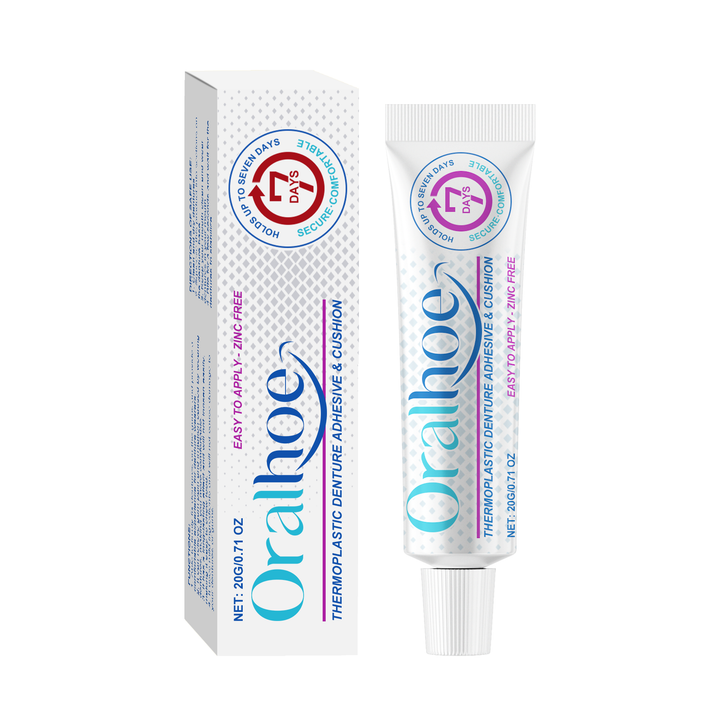
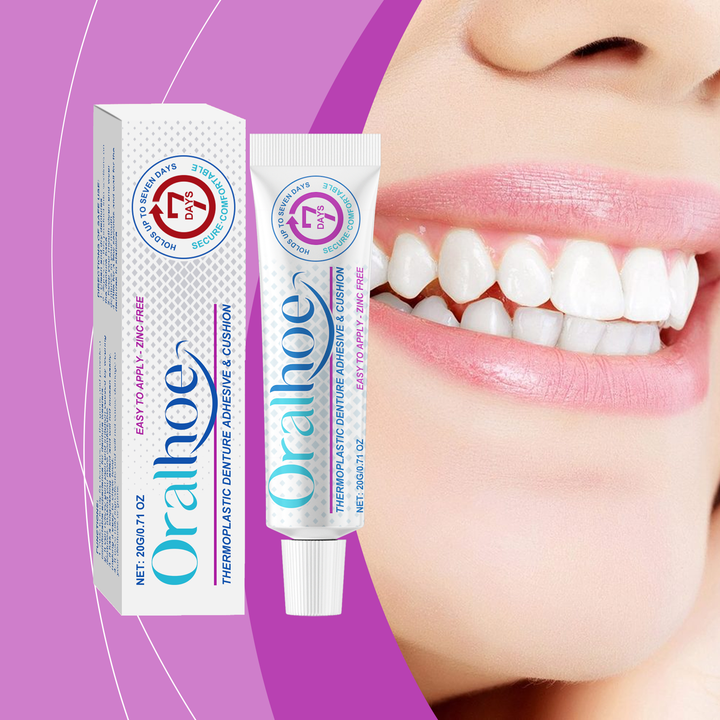
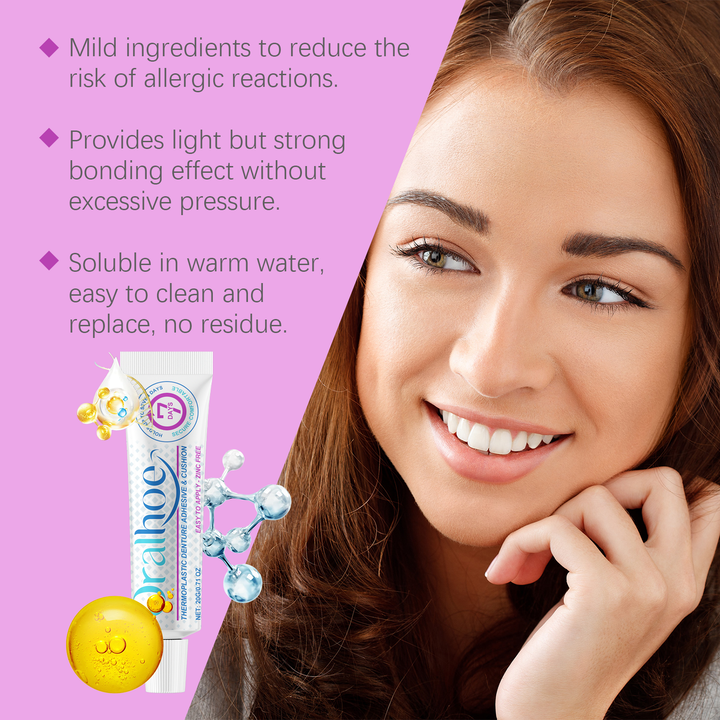
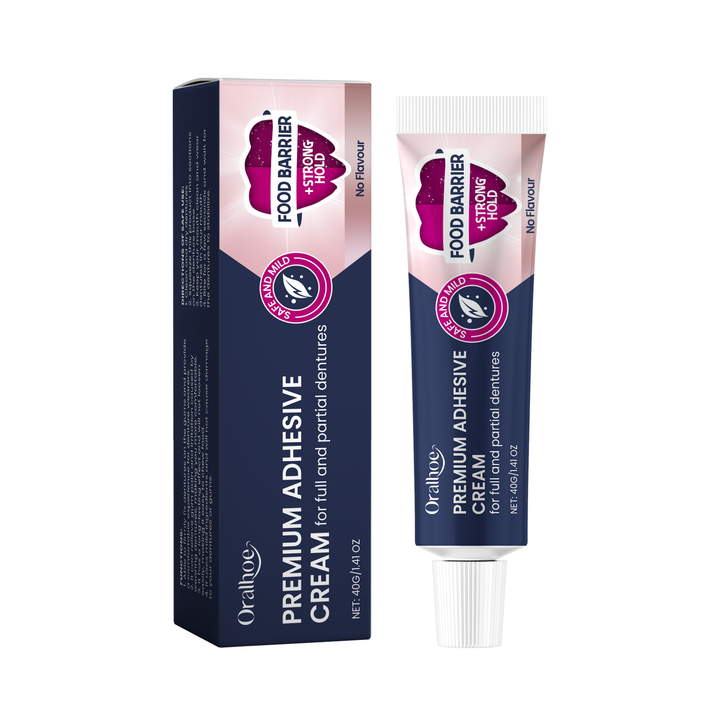
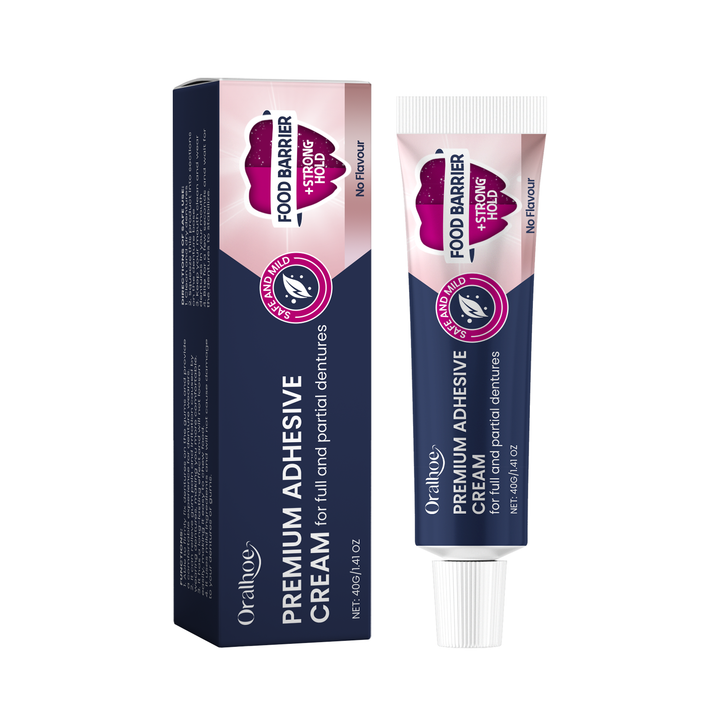
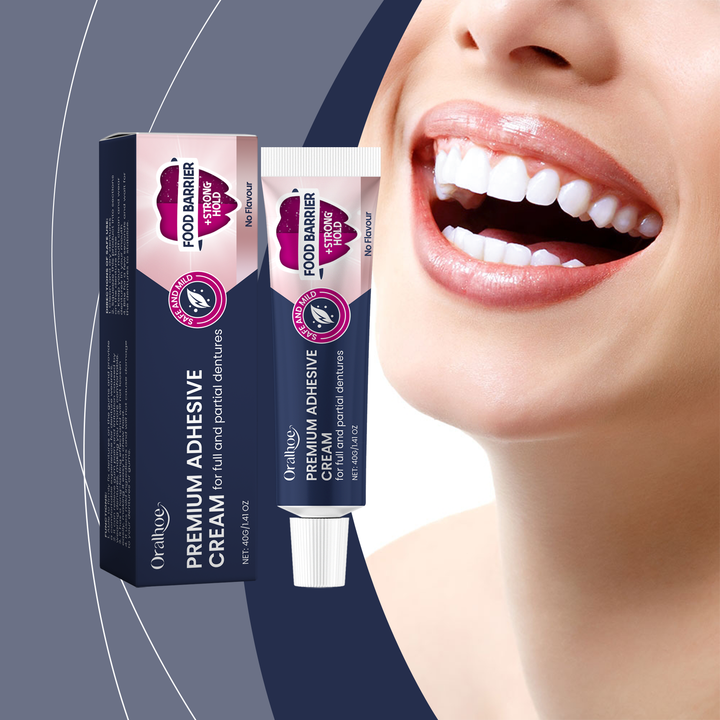
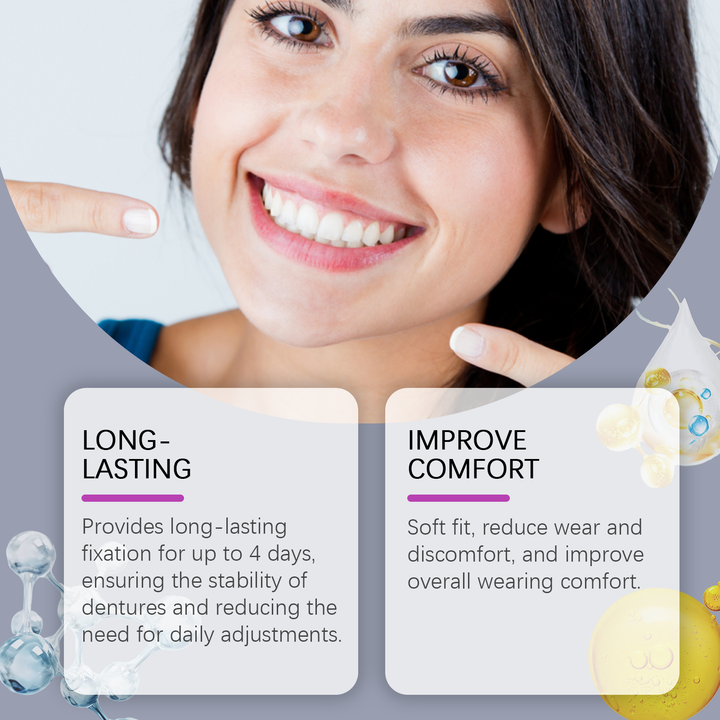


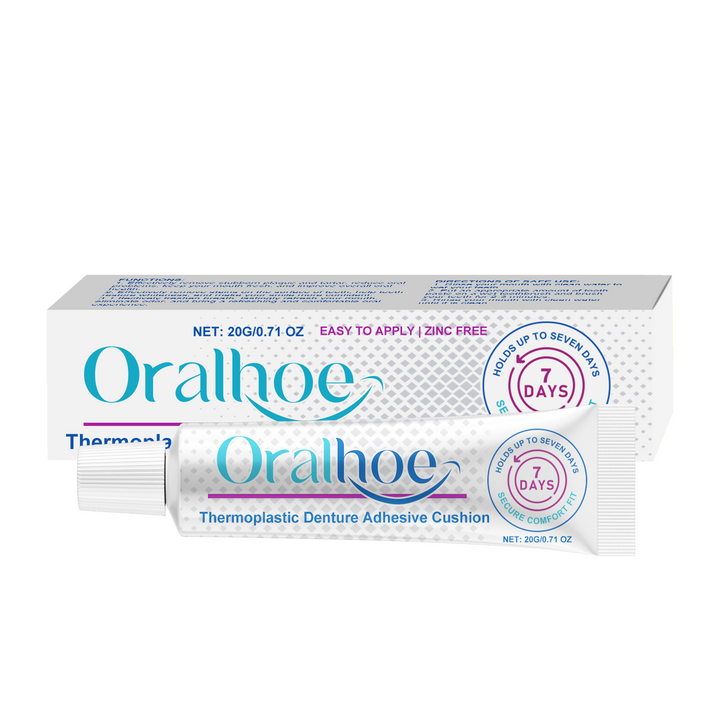
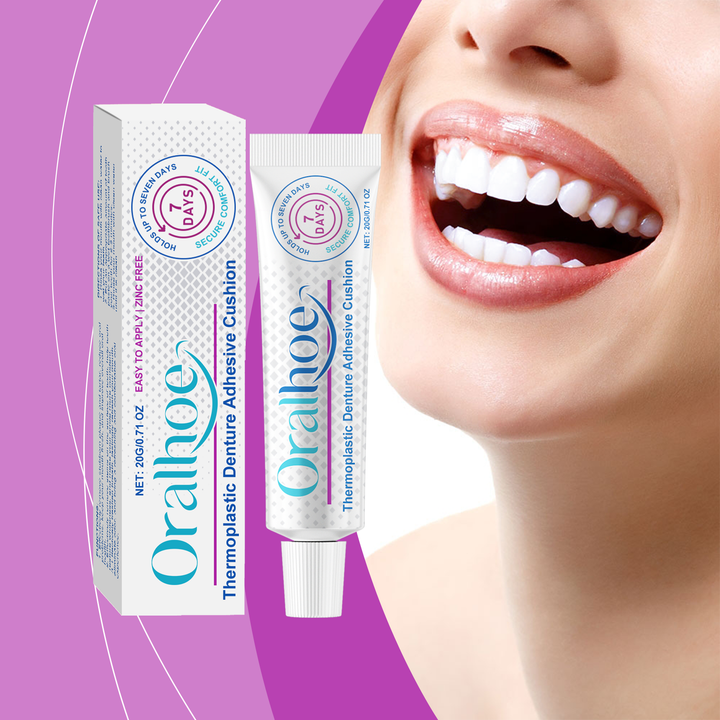
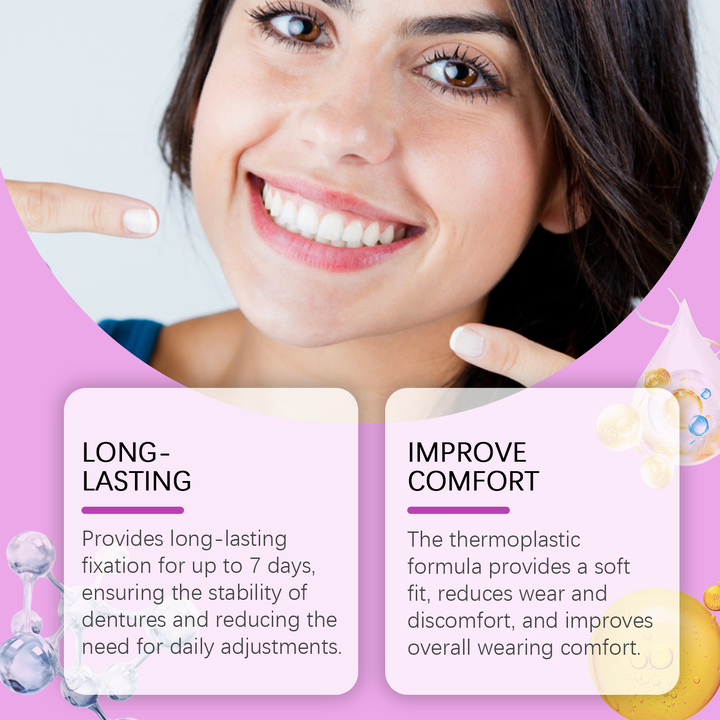
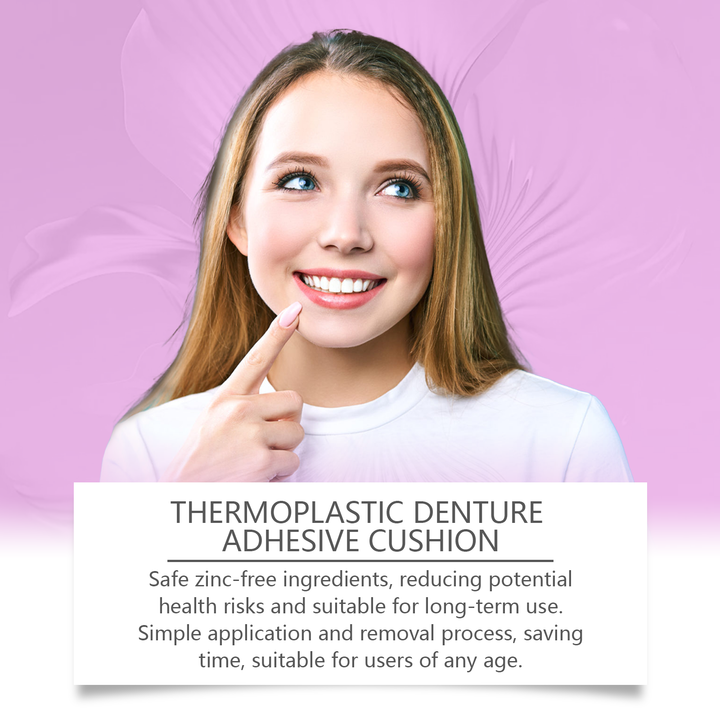

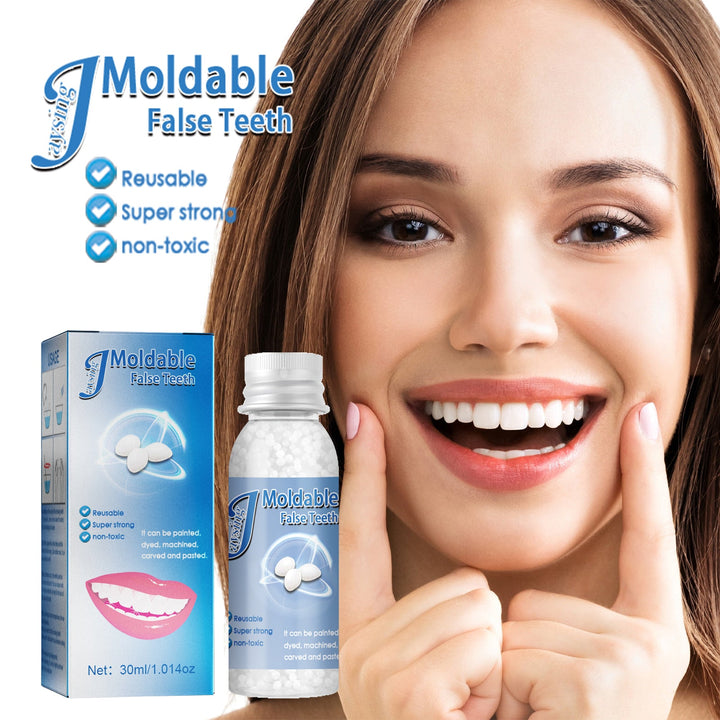


Dental adhesives and denture repair kits help improve the fit of removable dentures or provide a temporary option for a loose tooth, filling, or appliance. Choose a cream, cushion, or moldable repair product based on the hold you need, where it will be used, and whether you need an event-ready solution or everyday denture support.
How to choose the right dental adhesive
Start by identifying the job. Denture adhesive creams are designed for removable dentures and offer a spreadable layer for everyday placement. A thermoplastic denture adhesive cushion may suit shoppers who want a shaped, cushioned interface and a secure hold. For a short-term cosmetic repair, moldable false teeth putty or moldable dental filling can be shaped for an upcoming event, but these products are not substitutes for professional dental treatment. Compare zinc-free formulas, gum comfort, stated hold time, and application style. If you are searching for the best dental bonding agent, check whether the product is intended for dentures, temporary tooth repair, or professional dental bonding; these are different uses and should not be treated as interchangeable.
What are the types of dental adhesives?
The main options in this category are denture creams, denture cushions, and moldable repair materials. Cream adhesives, including strong-hold and cushioned formulas, are applied directly to a clean denture before placement. A cushion is shaped to the denture base and can provide a more structured layer between the appliance and gums. Moldable false teeth putty is softened, formed, and used as a temporary tooth-repair material, while moldable dental filling is intended for an instant smile repair for events. In dental education, terms such as bonding agent dental generation, dental bonding agent composition, and bonding agents or adhesives may describe professional restorative materials. Those terms do not necessarily describe over-the-counter denture products.
What to look for in a dental bonding agent or denture adhesive
Read the product description for its intended surface and use before buying. Denture adhesives should clearly state that they are for removable dentures, while temporary repair products should explain whether they are for a tooth-shaped repair, filling-style application, or cosmetic event use. Look for a zinc-free option if that is an important preference, and compare whether the format is cream, putty, filling material, or thermoplastic cushion. Check preparation instructions, removal guidance, storage needs, and the advertised hold period. Shoppers comparing dental bonding agent price should also compare the amount supplied and number of applications, not just the package price. Do not select a product solely because it is described as dental bonding glue for braces or permanent dental glue; those applications may require professional materials.
How to use denture adhesive and temporary repair kits
For a denture cream, clean and dry the denture, apply a small amount as directed, seat the denture, and follow the package instructions for holding time and cleanup. Avoid applying more simply because the initial fit feels loose; excess material can make removal messier. A denture cushion generally needs careful trimming or shaping so it follows the appliance without extending over the edges. Moldable putty and filling products require clean, dry surfaces and enough working time to shape the material before it sets. Use only as directed for temporary repair, and remove the product as instructed. Stop using it if you experience irritation, discomfort, or a worsening fit, and contact a dental professional for persistent problems.
Common mistakes when using dental adhesives
A common mistake is applying adhesive to a denture that has not been cleaned or dried, which can interfere with placement and cleanup. Another is using too much cream or trying to force a cushion, putty, or filling into a damaged appliance that needs professional assessment. Do not use denture adhesive as a permanent dental glue for a crown, bridge, veneer, or fixed tooth restoration. Do not assume that a dental bonding glue for braces, a professional bonding agent, and an over-the-counter denture product are equivalent. Follow the product’s stated purpose and removal instructions, and do not continue relying on a temporary repair if the appliance remains loose, painful, sharp, or damaged.
Who are dental adhesives and repair kits for?
Denture creams and cushions are for people who use removable dentures and want added retention or a more cushioned fit, subject to the product instructions. A zinc-free, gentle-on-gums cream may appeal to shoppers prioritizing formula preferences, while a firm 4-day or 7-day hold product may suit those comparing longer stated wear periods. Moldable false teeth putty and moldable dental filling are aimed at temporary cosmetic repairs, such as preparing for an event, rather than replacing dental care. These products are not the right choice for every loose crown, broken denture, painful tooth, or damaged brace. If you are unsure whether a repair is safe, ask a dentist before applying any adhesive or moldable material.
Frequently asked questions
What kind of adhesive do dentists use?
Dentists use professional materials selected for the specific procedure, such as bonding systems, cements, or other restorative products. The correct material depends on the tooth, restoration, surface, and treatment plan, so a denture cream or temporary repair kit should not be assumed to match professional dental adhesive.
What is the most effective dental bonding adhesive?
There is no single best dental bonding adhesive for every situation. Professional bonding materials are chosen for a particular restoration and applied under controlled conditions, while the products in this category are intended mainly for removable denture hold or temporary cosmetic repair.
What are the types of dental adhesives?
Dental adhesive can refer to professional bonding agents, dental cements, denture creams, denture cushions, or temporary repair materials. In this category, the available formats include cream, thermoplastic cushion, moldable false teeth putty, and moldable dental filling; each has a different intended use.
Can you buy permanent dental glue over the counter?
Over-the-counter products in this category are not a substitute for permanent dental cement or professional bonding treatment. Denture adhesives and temporary repair kits are intended for their stated uses, and a dentist should handle crowns, bridges, fixed restorations, and other permanent repairs.
How long does permanent dental glue last?
The lifespan of a professional cement or bonding repair depends on the restoration, tooth, materials, fit, and oral conditions. A product’s stated hold period for a denture adhesive or temporary repair should not be interpreted as the expected lifespan of permanent dental work.
Can I cement my own crown back in?
It is best to contact a dentist rather than cementing a crown yourself with a denture adhesive or temporary repair product. A loose crown can have an underlying fit, tooth, or damage issue, and using the wrong material may complicate professional treatment. Keep the crown safe and follow dental-office advice while arranging an appointment.