
$54.90
Free delivery · 7–14 days
Temporary Tooth Repair Kit for Halloween Costumes & Cosplay


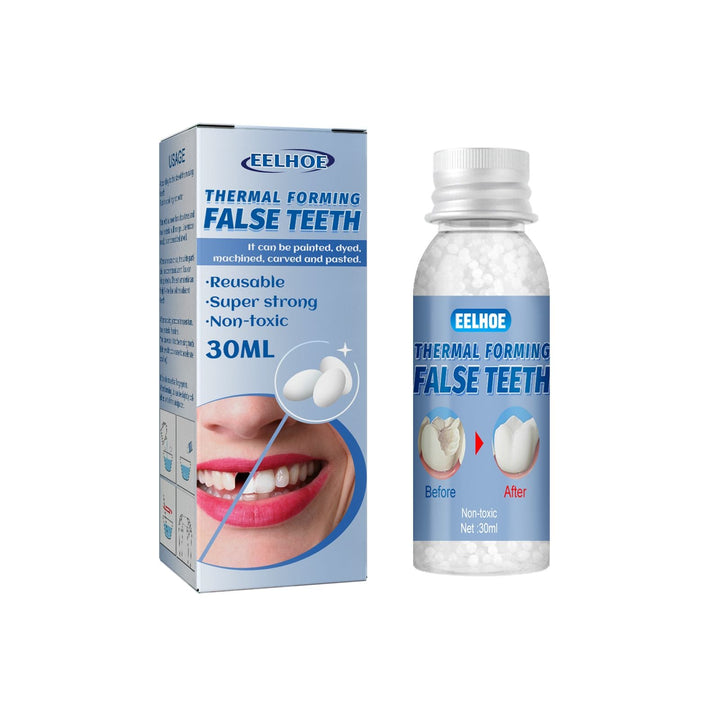
Dental glue products in this category are temporary materials for cosmetic tooth repair, costume teeth, removable false teeth and short-term filling-style fixes. Compare the product format, intended use and removal instructions before choosing, and seek professional dental advice for a loose, painful or damaged natural tooth.
Start with the result you want. For Halloween costumes or cosplay, choose a temporary tooth repair kit designed for appearance and easy removal. For a removable false tooth, moldable putty or beads can help create a custom temporary shape. A temporary tooth filling kit is better suited to covering a small missing or damaged-looking area, subject to the product instructions. If you are searching for dental glue for crowns, dentures, braces or real teeth, check the label carefully: these products are not a substitute for dentist-applied cement, orthodontic adhesive or a permanent restoration. Choose a product with clear directions, a stated intended use and enough material for the repair you are making.
Moldable beads and putty soften so you can shape a temporary tooth or replacement piece, making them useful for false teeth and costume applications. Temporary filling kits are formed over a small area to create a short-term cosmetic cover rather than a permanent dental repair. A general tooth repair kit may combine moldable material with simple instructions for an instant-looking smile fix. Products described as moldable dental glue may also be used for temporary denture or tooth-shape adjustments, depending on the label. None of these formats should be confused with permanent dental glue used by a dentist. Compare flexibility, color, working time, removal method and whether the product is intended for the mouth.
Look for precise directions covering preparation, softening, shaping, placement, setting and removal. The package should clearly say whether the material is intended for temporary tooth repair, dentures, costume teeth or another use. A natural-looking shade can matter for a visible chipped-tooth effect, while moldability helps when creating a temporary false tooth. Check storage guidance, included tools and whether the kit can be removed without force. Avoid products that do not identify their intended application or that encourage bonding a loose tooth, crown or orthodontic appliance permanently at home. If you need dental glue near me, compare the same details at a local retailer or online rather than choosing solely by the word “glue.”
Read the complete instructions before opening the material. Clean and dry the area as directed, then soften only the amount needed and shape it into the temporary tooth, filling or false-tooth form. Test the fit gently before the material sets, keeping it clear of areas where it could interfere with biting or closing your mouth. Do not force material into a painful, bleeding or swollen area, and do not use it to stabilize a loose natural tooth. Remove the repair according to the instructions rather than pulling aggressively. These kits are for temporary or cosmetic use; a detached crown, broken tooth, denture problem or persistent discomfort should be assessed by a dental professional.
Do not use household super glue, craft glue or other non-dental adhesives on teeth, dentures or inside the mouth. Avoid assuming that a product sold as dental glue is permanent, suitable for crowns or safe for braces; intended uses differ by kit. Applying too much material can affect your bite or make removal difficult, while poor cleaning can reduce the fit of a temporary piece. Do not keep using a temporary repair after it becomes loose, sharp, uncomfortable or contaminated. Avoid eating with a costume repair unless the instructions specifically allow it. Most importantly, do not try to glue a loose tooth in place at home; urgent professional advice is more appropriate.
These products suit shoppers who need a short-term cosmetic solution for a costume, cosplay prop, removable false tooth or temporary tooth-shaped cover. They may also suit someone waiting for professional care who needs to protect the appearance of a small area, provided the product instructions and personal circumstances allow it. They are not a replacement for a dentist-made crown, denture repair, brace adhesive or permanent restoration. Shoppers looking for dental glue for dentures should confirm whether the material is intended for denture use and whether it is removable. Anyone with a loose tooth, severe damage, pain, swelling, bleeding or a crown that will not stay in place should contact a dental professional instead of relying on an over-the-counter repair kit.
Dentists use professional dental cements and bonding materials selected for a specific restoration or procedure. The material depends on whether they are working with a crown, filling, bridge, veneer or orthodontic appliance. The temporary products in this category are not the same as dentist-applied permanent cement.
Over-the-counter kits in this category are intended for temporary or cosmetic use, not permanent bonding of crowns, natural teeth or dental appliances. A permanent restoration should be fitted and bonded by a dental professional. Check the product label rather than relying on the general term “dental glue.”
It varies by product, placement, eating, moisture and how well the temporary piece fits. Use the maker’s instructions for the expected use and removal guidance. If the repair loosens, causes discomfort or affects your bite, remove it as directed and seek professional advice.
Do not try to glue a loose natural tooth in place with a home repair product. A loose tooth can have an underlying dental cause that requires assessment, so contact a dental professional promptly. Avoid chewing on that area until you receive guidance.
Do not use household glue or a temporary tooth kit to hold a loose natural tooth. Keep the area clean, avoid pulling or pressing the tooth and contact a dental professional for advice. If there is significant pain, swelling, bleeding or injury, seek urgent care.
Only use a product specifically labeled for its intended temporary oral or dental application, and follow every instruction. Household adhesives and craft glues should not be put on teeth or in the mouth. If you need to repair a crown, denture, brace or natural tooth, ask a dental professional which option is appropriate.