Dental Night Guard: Custom-Fit Teeth Guards for Sleeping
5 items
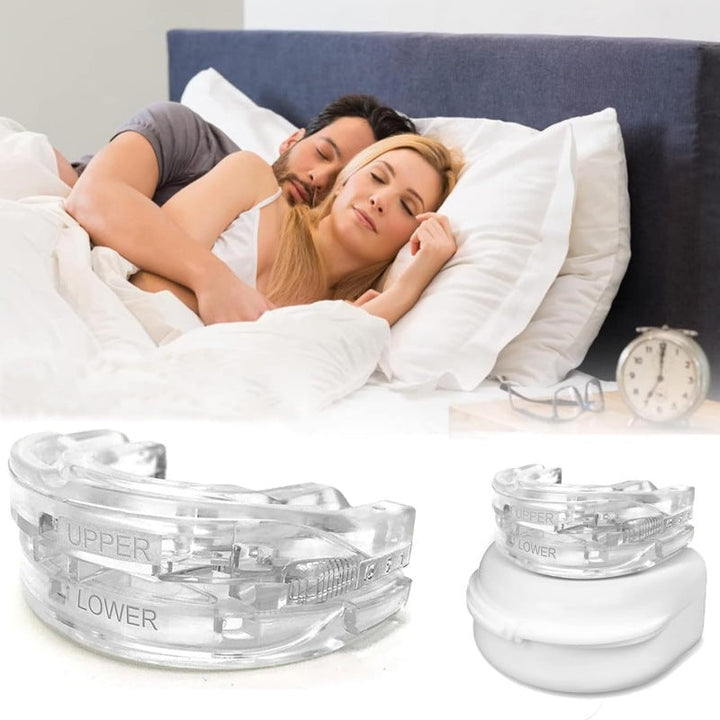
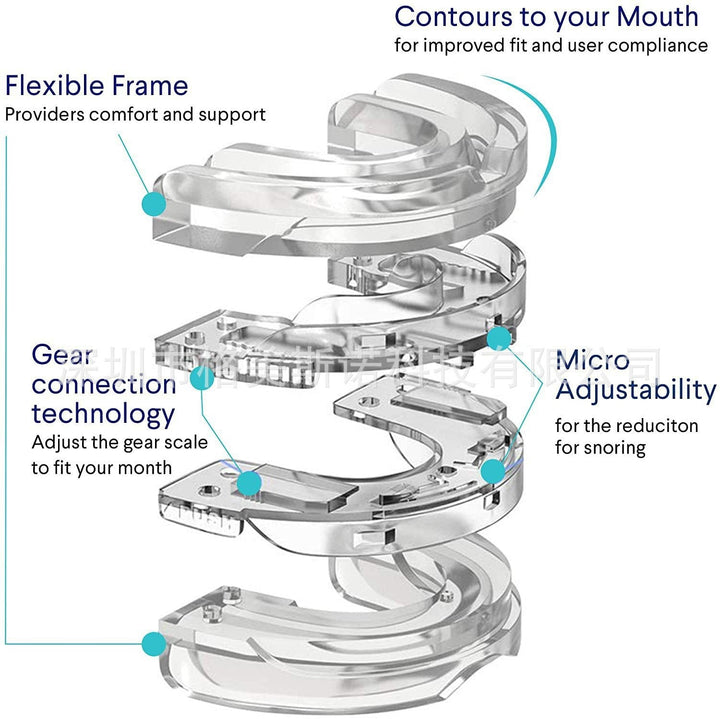


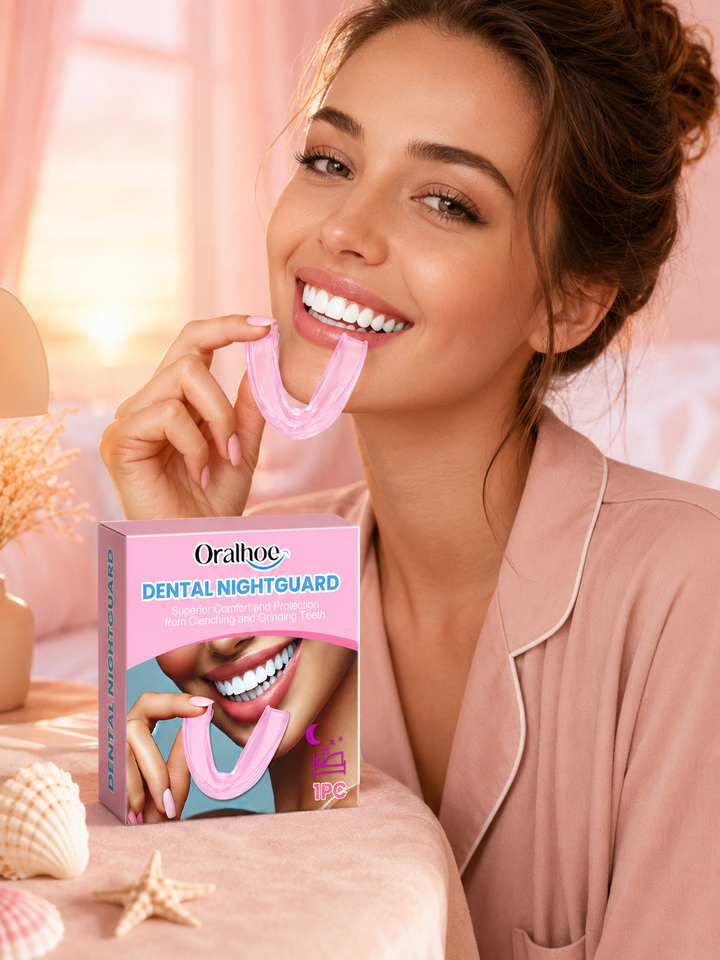
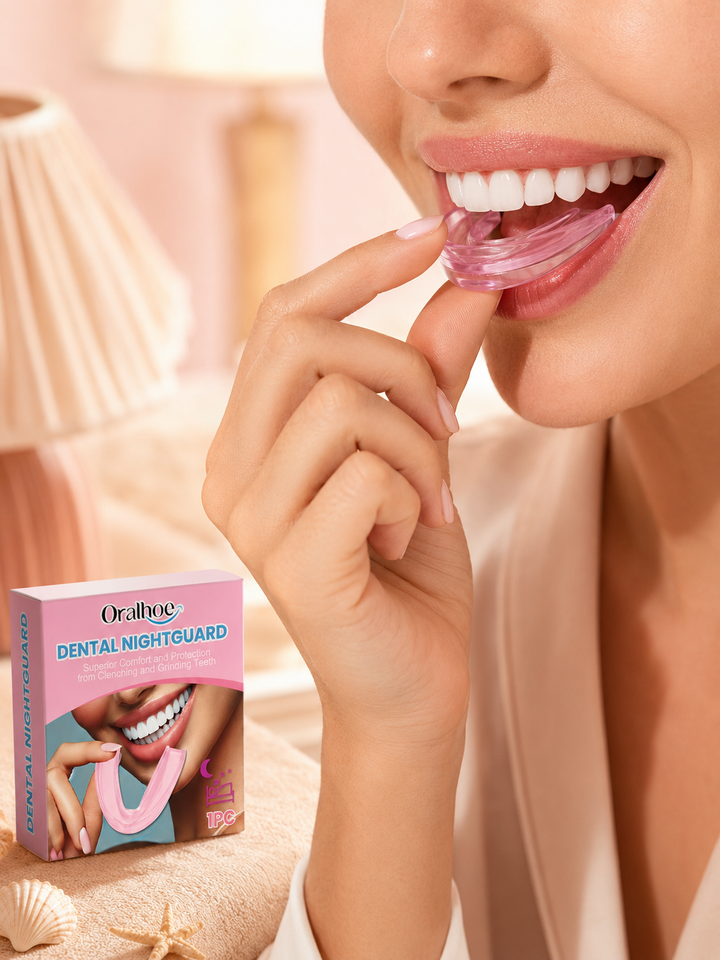


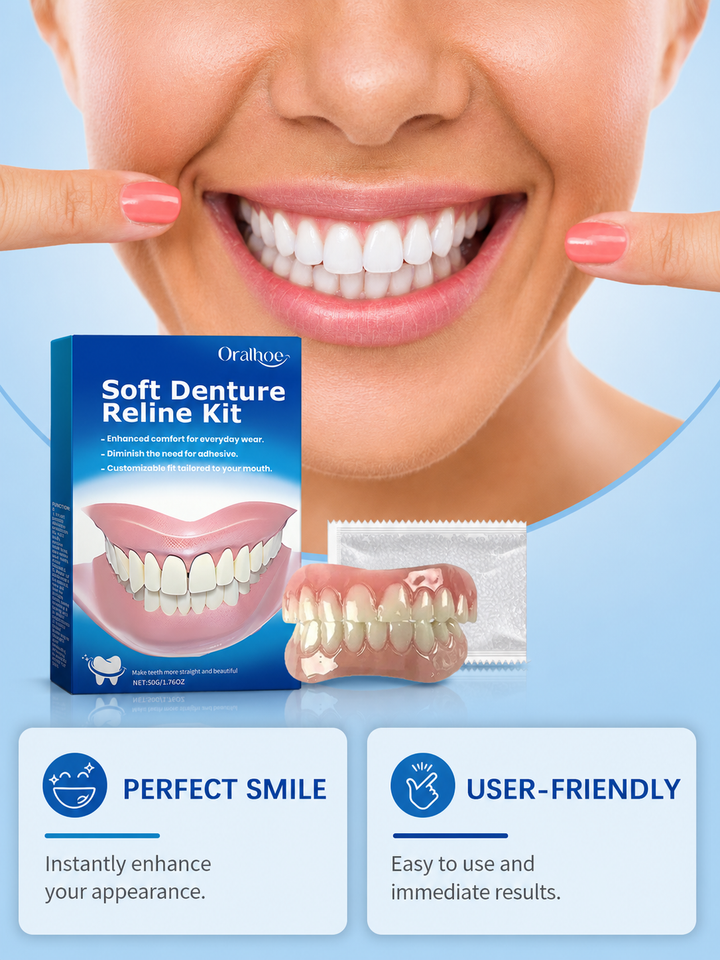
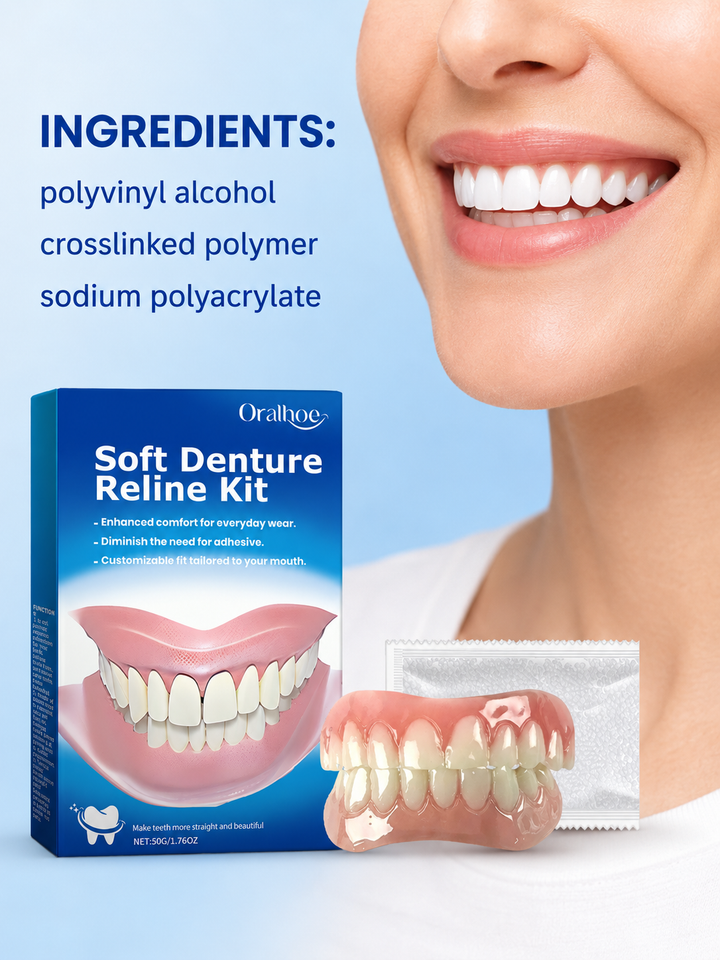
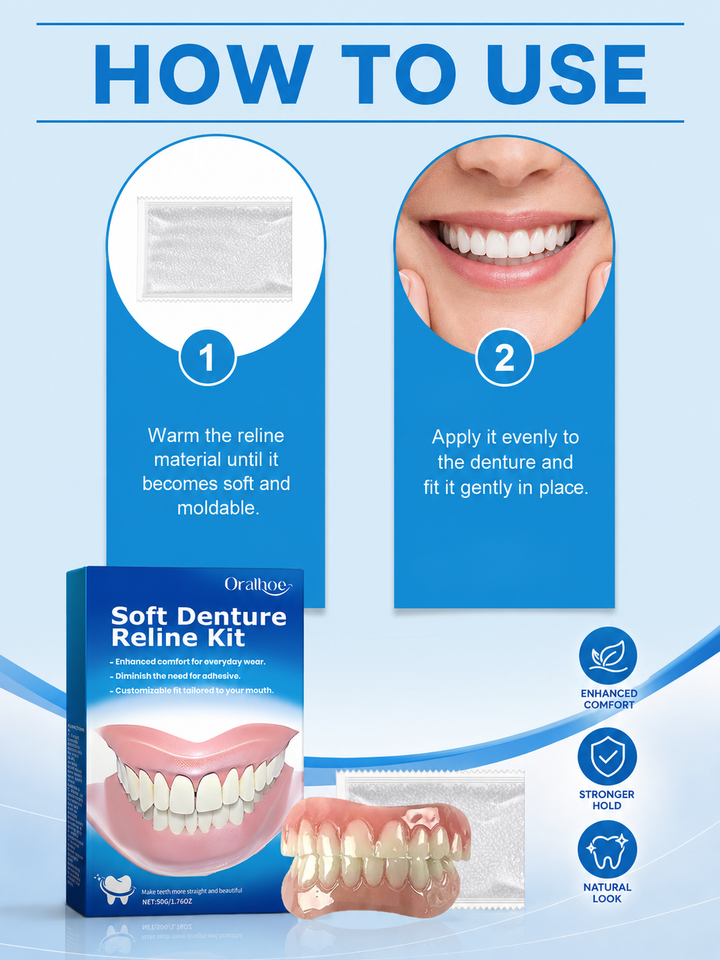


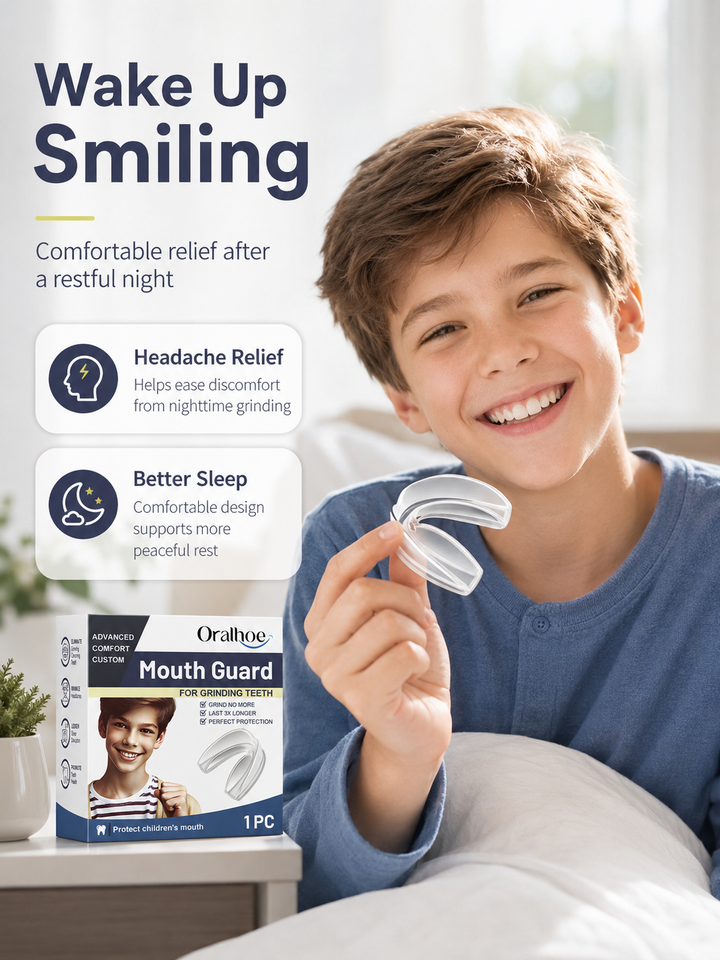

Dental guards help create a protective barrier between upper and lower teeth during sleep, while some adjustable mouthpieces are designed to support a more comfortable nighttime fit. Compare custom-fit, adjustable, children's, anti-snore, and denture-reline options by intended use, fit, material, and care requirements.
How do I choose the best night guard for teeth grinding?
Start with the reason you want a dental guard. For nighttime clenching or grinding, choose a guard labeled for sleeping with a soft or dual-layer design and a secure fit. A customizable night mouth guard can be shaped at home according to its instructions, while an adjustable anti-snore mouthpiece may offer a different fit and purpose. Check whether the product is intended for adults or children, and confirm the size before buying. If you wear dentures, a soft denture reline kit is a separate category from a teeth-grinding guard and should not be treated as the same product. Look for clear cleaning instructions, a storage case, and replacement guidance. The best choice is the one that fits comfortably without making breathing, swallowing, or speaking difficult.
What types of dental guards are available?
Dental guards vary by fit, material, and intended use. A night mouth guard is designed for sleeping and may be moldable for a closer fit. An adjustable anti-snore mouthpiece lets you change the position or tension to improve comfort, but it is not automatically the right choice for every user. Children's dental guards are sized for younger users and should not be substituted with adult models. Soft denture reline kits are made to refresh the fit of compatible dentures rather than protect natural teeth from grinding. Disposable dental guards may be convenient for short-term or occasional use, while reusable guards require regular cleaning and storage. Always read the product directions before molding, adjusting, trimming, or wearing a guard overnight.
What should I look for in a dental guard?
Prioritize a secure, comfortable fit over extra features. Useful details include moldable material, adjustable positioning, smooth edges, a low-profile shape, and clear wear and cleaning instructions. Confirm whether the guard is for the upper or lower teeth, whether it can be remolded, and whether it includes a case. If you are comparing a ready-to-wear dental guard with a custom-fit option, consider how much adjustment you need and how often you plan to use it. A guard should stay in place without constant biting or repositioning. Avoid products that feel sharp, overly tight, loose, or difficult to keep clean. For children's products, check the recommended age range. For denture users, choose a product specifically made for denture reline needs rather than a standard dental guard.
How do I use and clean a dental guard?
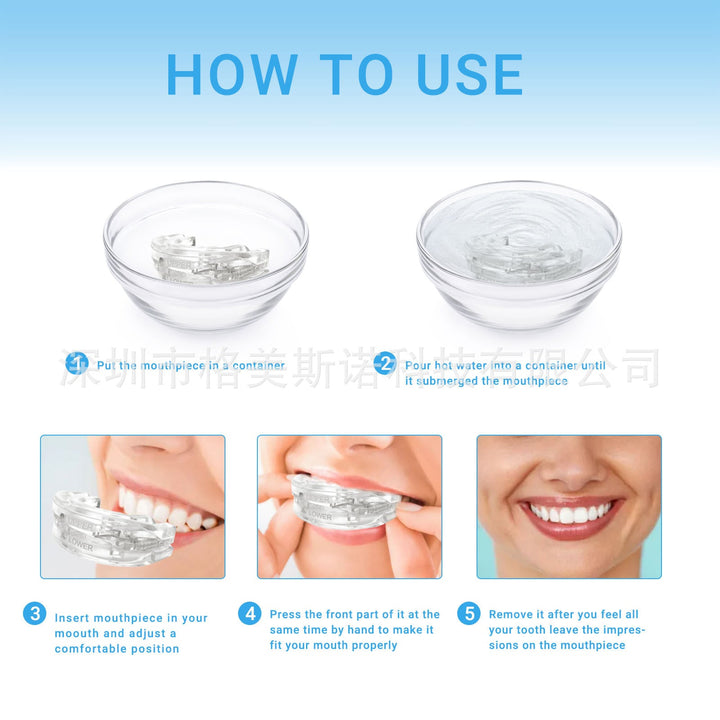
Follow the included instructions for fitting before wearing a moldable guard overnight. The process may involve softening the material, positioning it over the teeth, biting gently, and allowing it to set; do not rely on a generic method if the product gives different directions. Adjustable mouthpieces should be changed gradually and checked for comfort. After use, rinse the guard with cool or lukewarm water, clean it as directed, and let it dry before placing it in its case. Avoid hot water unless the instructions specifically allow it, because heat can change the shape. Inspect the guard regularly for splits, rough edges, odor, or changes in fit. Replace it according to the product guidance or sooner if it becomes damaged.
What are common dental guard mistakes to avoid?
One common mistake is choosing a sports mouth guard for sleeping or using a sleep guard during sports without checking its intended purpose. Another is molding a guard with water that is too hot, biting too forcefully, or trimming material before confirming the fit. Do not share a dental guard, store it while damp, or clean it with harsh household chemicals. A loose guard can be uncomfortable and may not stay positioned, while an overly tight guard can make wearing it unpleasant. Avoid ignoring persistent discomfort, changes in your bite, or difficulty breathing; stop use and seek advice from a qualified dental professional. Replace disposable guards as directed and do not assume a low price means the product is suitable for long-term use.
Who are dental guards suitable for?
Dental guards may suit adults looking for a nighttime barrier between teeth, people comparing ready-to-wear and custom-fit options, and users who want an adjustable anti-snore mouthpiece. Children's dental guards are intended only for users within the stated age and size range. Denture wearers should select a compatible soft denture reline kit rather than assume a standard guard will fit over dentures. A guard may not be appropriate if it causes pain, fits poorly, interferes with breathing, or cannot be kept clean. People with dental appliances, loose teeth, significant jaw discomfort, or recent dental work should ask a dentist which type, if any, is suitable. A dentist can also advise whether a professionally made guard is preferable to an at-home option.
Frequently asked questions
Is it worth getting a mouth guard from a dentist?
A dentist-made guard may be worthwhile when you need a highly precise fit, have dental work or appliances, or cannot find an at-home guard that feels comfortable. Store-bought dental guards can be a practical option for some shoppers, but they require careful fitting and regular inspection. Ask a dentist for personalized guidance if fit, comfort, or your dental history is a concern.
What is the average cost of a dental night guard?
The price varies by material, fitting method, brand, retailer, and whether the guard is professionally made or purchased over the counter. At-home moldable and ready-to-wear options generally have different pricing from dentist-provided guards. Compare the total cost with included accessories, replacement guidance, and the intended frequency of use rather than focusing only on the initial price.
What is a dental guard?
A dental guard is a removable device worn over or between the teeth to create a protective barrier. Night guards are designed for sleep, while sports mouth guards are designed for physical activity and should not automatically be used interchangeably. Dental guards may be ready-to-wear, moldable for a custom-like fit, or professionally made.
What are the downsides of using a mouth guard?
A mouth guard can feel bulky, warm, or unfamiliar, and a poor fit may cause slipping or discomfort. Guards also require regular cleaning, drying, and replacement, and some users may dislike changes to speaking or saliva flow. Stop using one that causes pain, breathing difficulty, or a noticeable change in your bite, and seek advice from a qualified dental professional.
What can I use instead of a mouthguard?
There is no simple household substitute that provides the same fit and intended function as a dental guard. Depending on your reason for shopping, alternatives may include discussing a professionally fitted option with a dentist or addressing factors that make nighttime wear uncomfortable. Do not use improvised materials in your mouth while sleeping.
Why are dentists pushing night guards?
Dentists may recommend a night guard after observing signs of wear, clenching, grinding, jaw discomfort, or a need to protect dental work. The recommendation should be based on your individual examination and dental history, not on a one-size-fits-all assumption. If you are unsure why one was suggested, ask what it is intended to address and which type of guard is appropriate.