Skip to content

Tongue Scrapers - Tongue Cleaners for Bad Breath & Fresh Breath

11 products

Tongue scrapers are simple oral-care tools designed to remove surface coating from the tongue as part of a regular brushing and mouth-cleaning routine. This guide compares scraper styles, sprays, mouthwash, toothpaste, and kits so you can choose the right option for fresher breath and a cleaner-feeling mouth.

How do I choose the best tongue scraper?

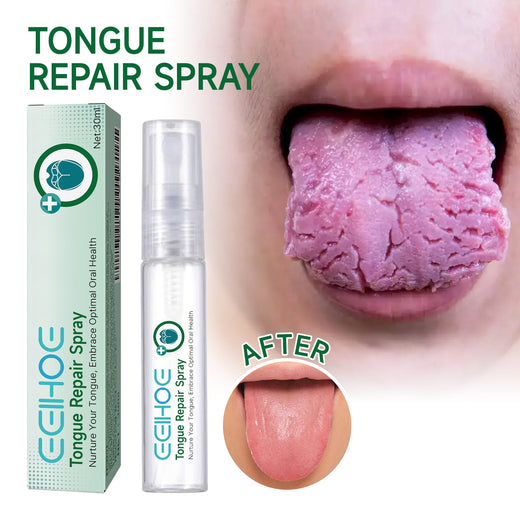
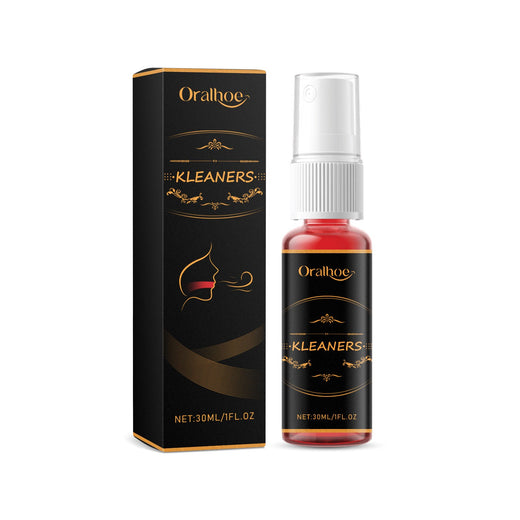
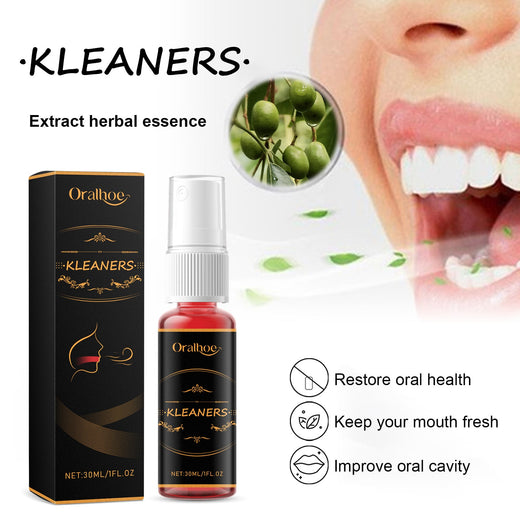
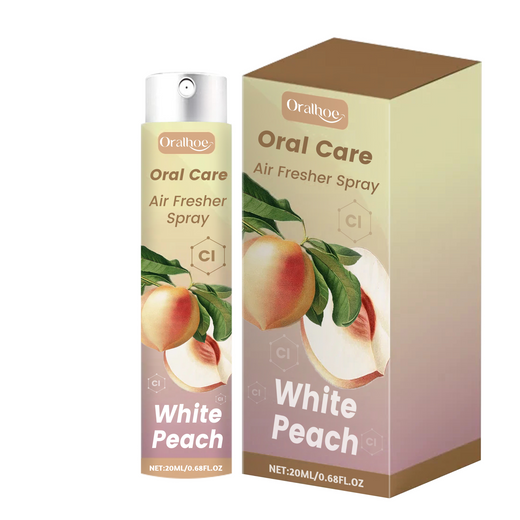
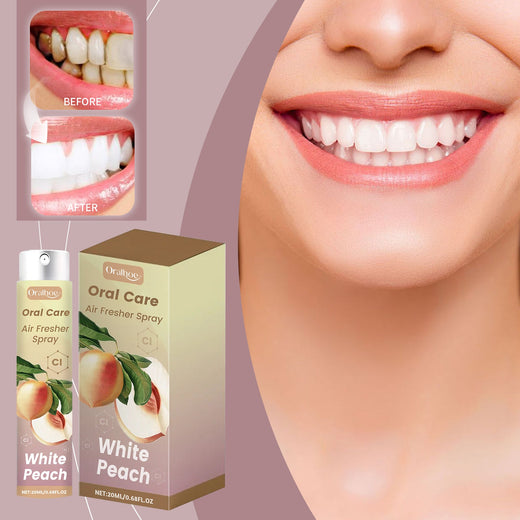
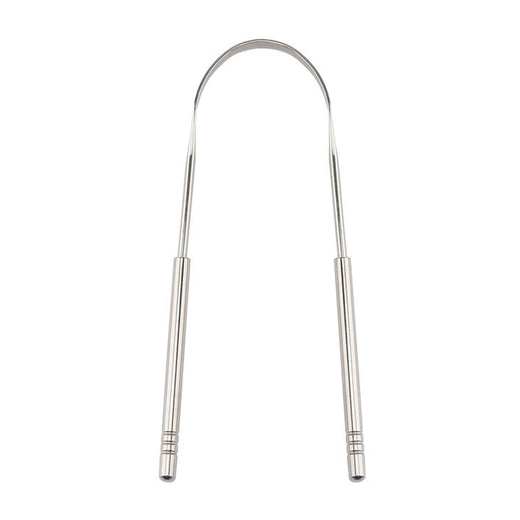
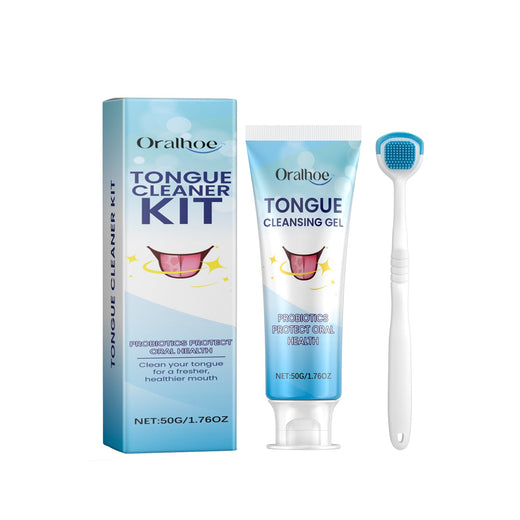
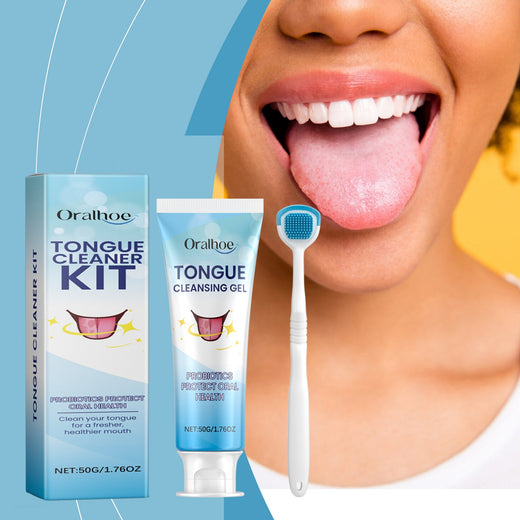
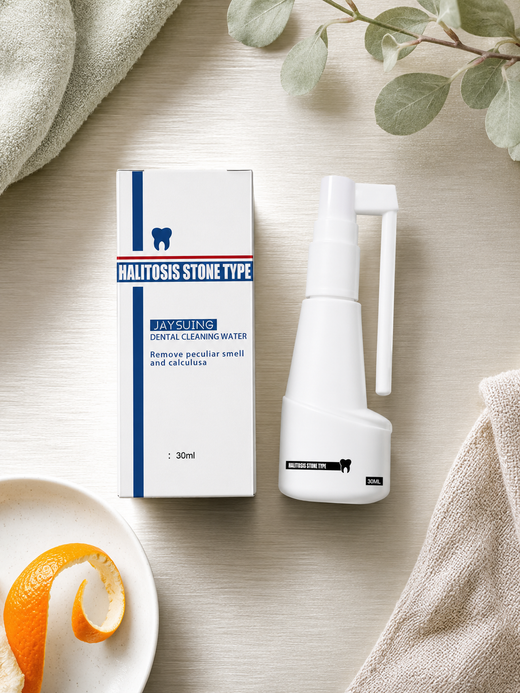
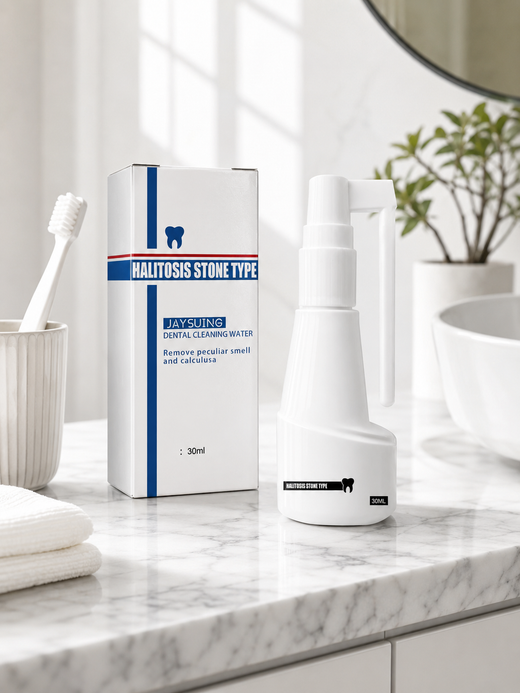
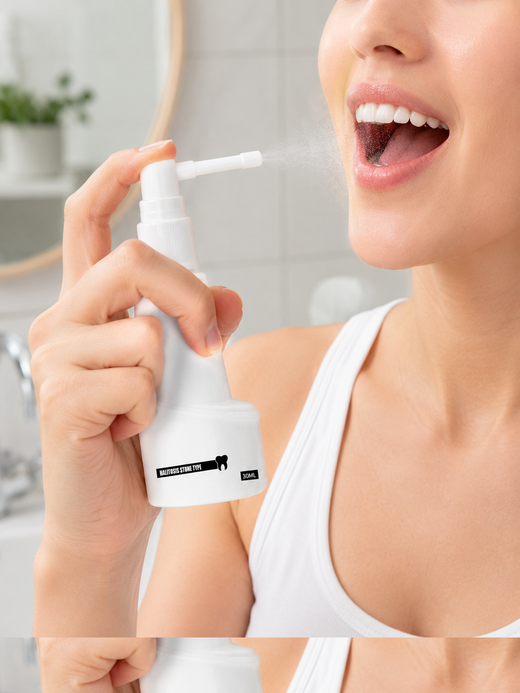
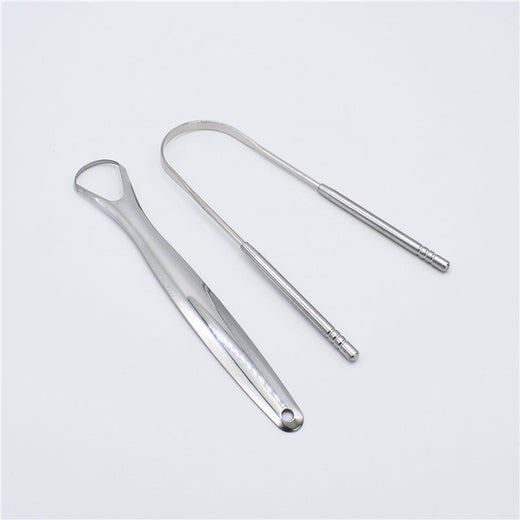
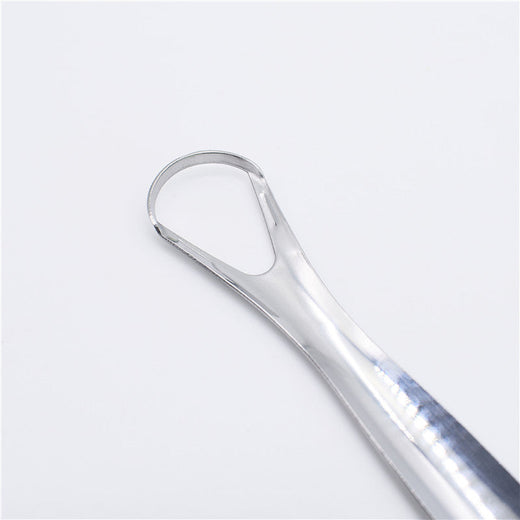
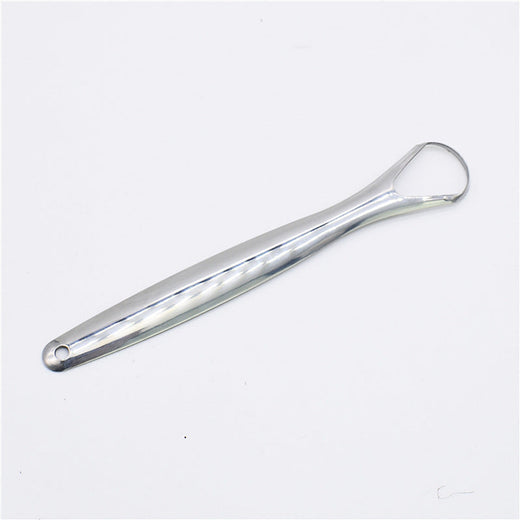
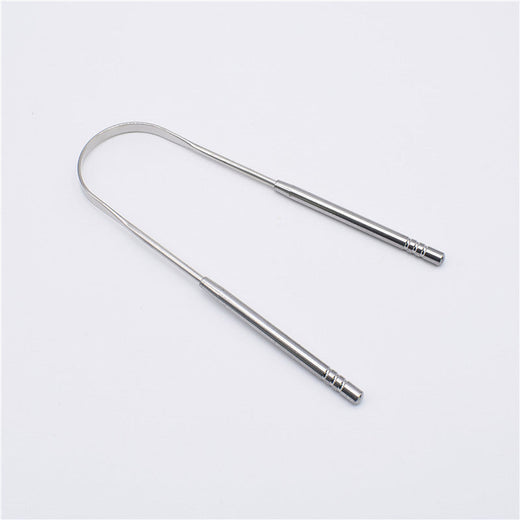
Start with the shape, material, and cleaning routine you prefer. A stainless steel tongue scraper offers a durable, reusable design and is available in options focused on fresh breath or removing surface buildup. A tongue cleaner kit may suit shoppers who want a scraper alongside probiotics for a more complete mouth-care routine. If you prefer a spray, Tongue Repair Spray is designed for targeted tongue care, while Oral Breath Spray is convenient when you want fresh breath away from home. Look for a smooth scraping edge, a handle that is easy to control, and a design that rinses clean. The best tongue scraper is one you can use gently and consistently without causing discomfort.

What types of tongue cleaners are available?

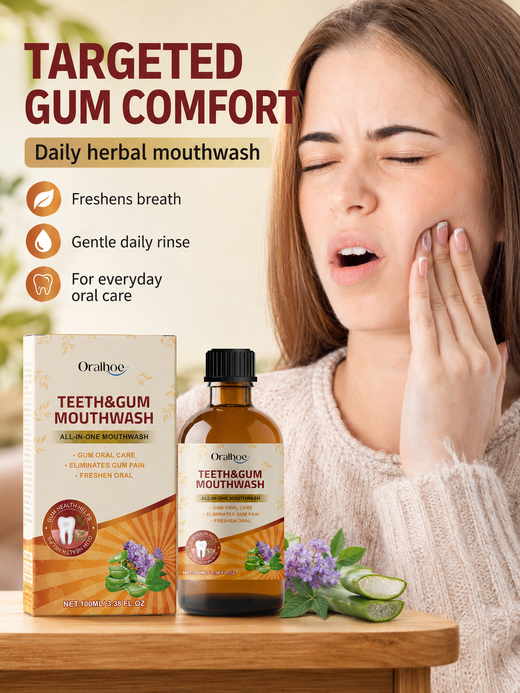
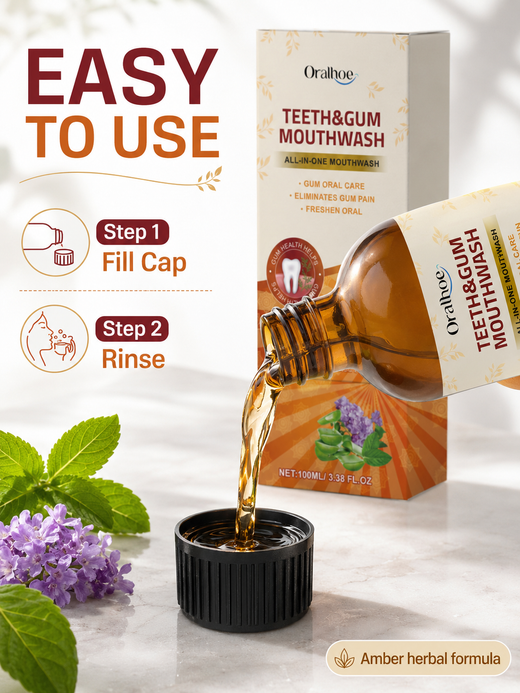
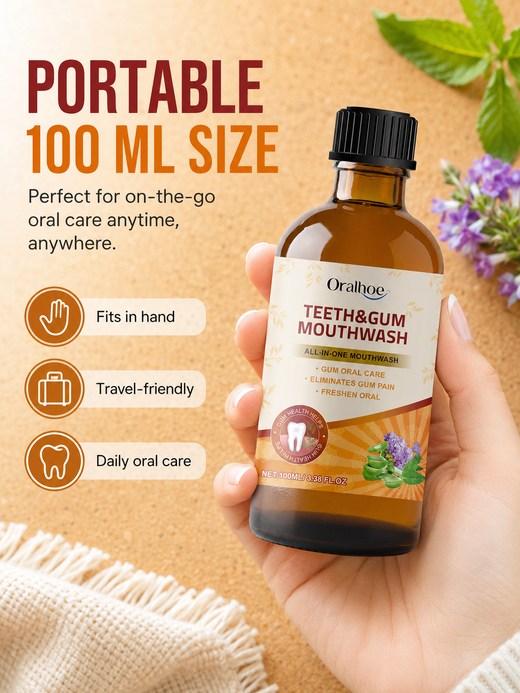
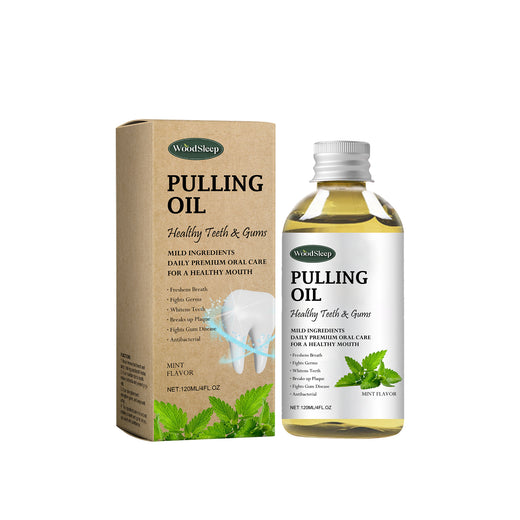
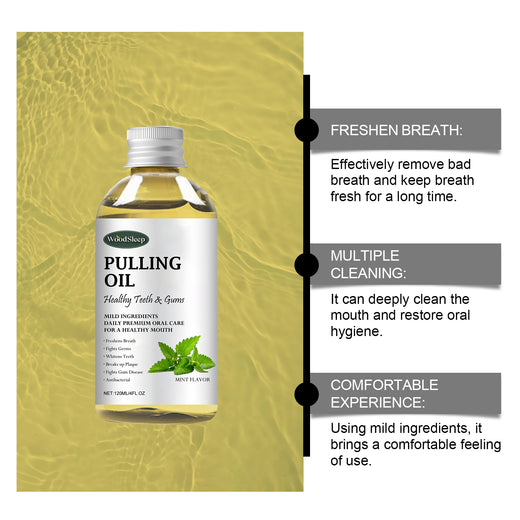
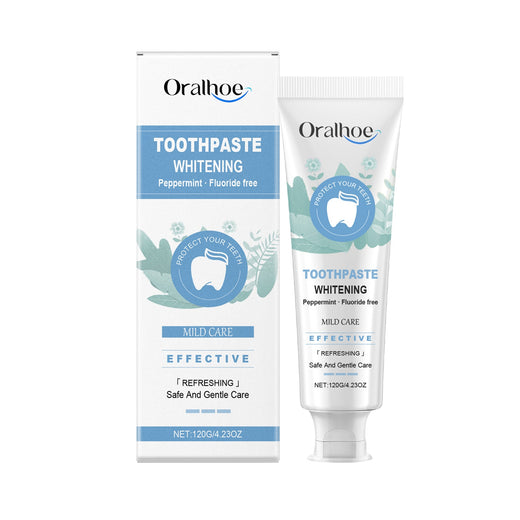
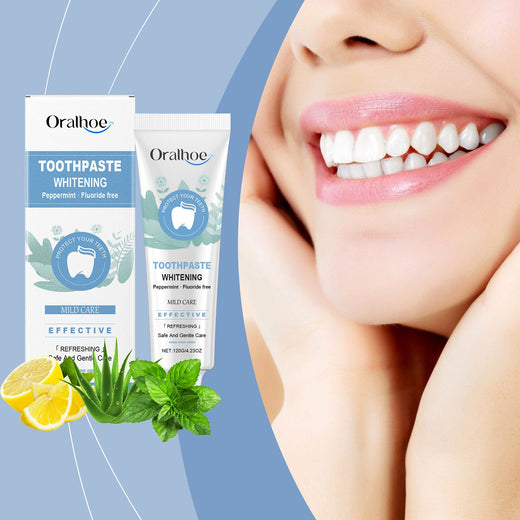
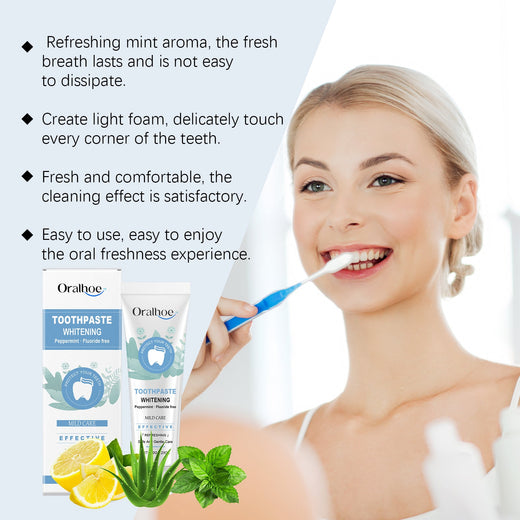
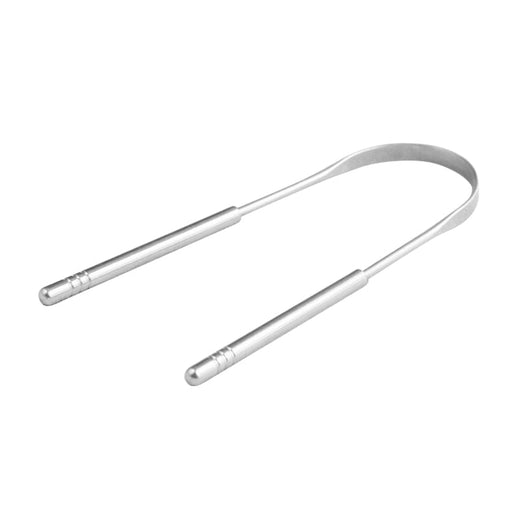
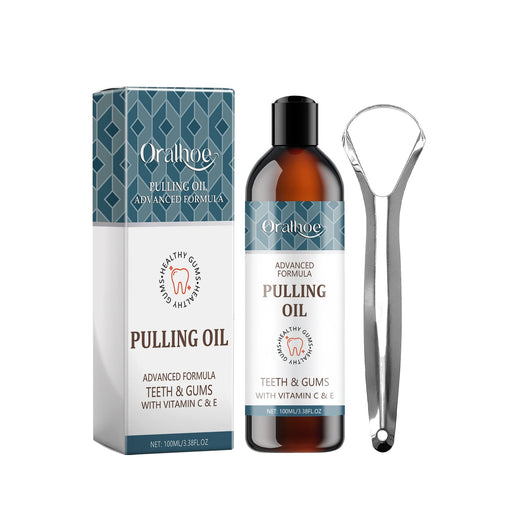
Reusable stainless steel tongue scrapers are the most direct option for lifting surface coating from the tongue. The Stainless Steel Tongue Scraper — Fresh Breath & Superior and Stainless Steel Tongue Scraper – Remove Bad Breath are suited to shoppers who want a simple tool rather than a multi-step product. Tongue sprays provide a portable alternative or can complement scraping, especially when you want a quick freshening step. Oil Pulling Mouthwash – Naturally Fresher Breath & Whiter supports a broader mouth-rinsing routine, while Whitening Toothpaste – Peppermint Fresh Breath & Gentle combines brushing with a fresh flavor. A Tongue Cleaner Kit adds probiotics to a scraper-based routine. Choose based on whether you want a tool, a spray, a rinse, or a complete routine.

What should I look for in a tongue scraper?

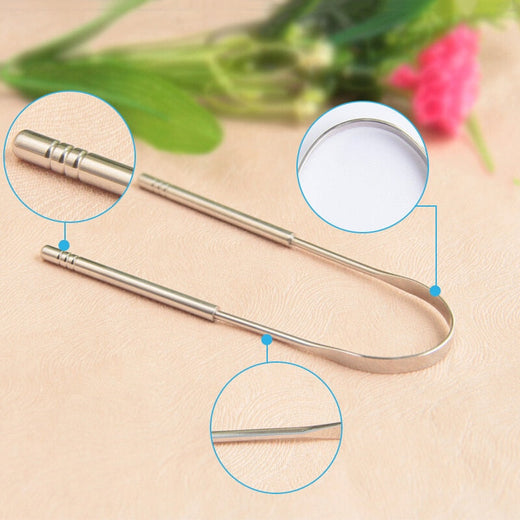
Pay attention to the scraper’s edge, grip, material, and storage. The edge should feel smooth rather than sharp, and the handle should let you make controlled passes without slipping. Stainless steel is a practical choice for shoppers seeking a reusable tongue scraper that is easy to rinse after use. Consider the scraper’s size and shape if you have a sensitive gag reflex or a smaller mouth; a compact, manageable design may be easier to control. For travel, an Oral Breath Spray can add convenience when carrying a scraper is impractical. If surface coating is only one part of your routine, pair a scraper with gentle toothpaste or mouthwash rather than pressing harder. Avoid choosing based only on claims such as “instant” results; comfort and consistent use matter more.

How do I use a tongue scraper correctly?

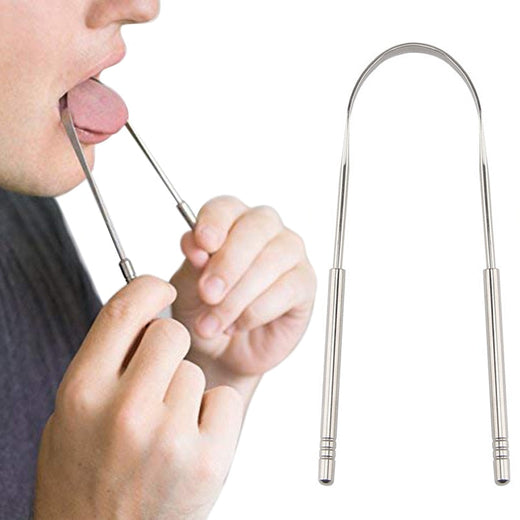
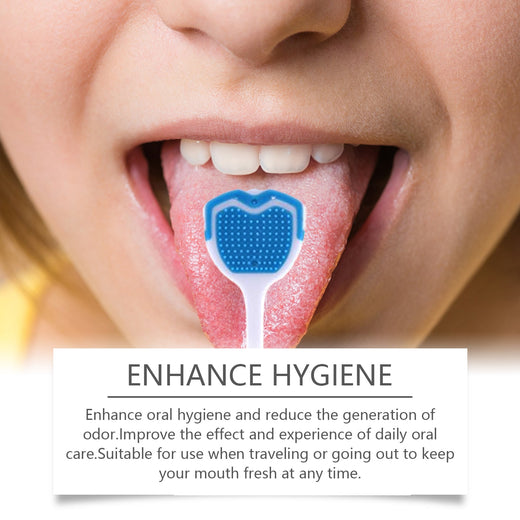
Use a tongue scraper gently, with clean hands and a clean tool. Place the edge toward the back of the tongue only as far as comfortable, then draw it forward in a light, controlled pass. Rinse the scraper after each pass and repeat across the tongue’s surface without forcing it or scraping until the tongue feels sore. Rinse your mouth afterward, then wash and dry the scraper according to the product instructions. Many people use a scraper before brushing so loosened coating can be rinsed away, but a comfortable routine is the priority. You can follow with Whitening Toothpaste – Peppermint Fresh Breath & Gentle or a mouth-rinsing product. Stop if scraping causes pain, bleeding, or ongoing irritation.

What are common tongue-scraping mistakes?

The most common mistake is using too much pressure. Scraping harder does not make the tongue cleaner and can leave it feeling irritated. Avoid using a damaged, sharp, or poorly cleaned tool, and do not share a tongue scraper. Another mistake is expecting scraping alone to address every cause of unpleasant breath; brushing, cleaning between teeth, drinking water, and regular dental care also matter. Do not keep scraping one stubborn area repeatedly, especially if the coating will not come off or the surface looks unusual. Sprays and mouthwash can freshen the mouth, but they should not be used to mask persistent symptoms indefinitely. Follow the directions for each product, including Tongue Repair Spray, Oil Pulling Mouthwash, or a Tongue Cleaner Kit, and choose a gentle routine you can maintain.

Who should use a tongue scraper?

Tongue scrapers may suit adults who want to add tongue cleaning to brushing and rinsing. They can be useful for shoppers who notice a temporary surface coating or want a fresher-feeling mouth, while a portable Oral Breath Spray may suit people who need quick freshening during the day. A stainless steel design is a good match for anyone seeking a reusable tool, and a Tongue Cleaner Kit may appeal to shoppers who prefer a guided, multi-product routine. Use extra care if your tongue is sore, cracked, bleeding, or unusually coated, and avoid scraping areas that hurt. Children should use oral-care tools only with suitable supervision and a product designed for them. If a coating, odor, pain, or irritation persists despite gentle cleaning, ask a dentist or healthcare professional for advice.

Frequently asked questions

Is it good to scrape the tongue?

Gentle tongue scraping can remove some surface coating and leave the mouth feeling cleaner. It should complement brushing, cleaning between teeth, and regular dental care rather than replace them. Use light pressure and stop if the tongue becomes painful or irritated.

What is the white stuff when I scrape my tongue?

The material may be a mixture of saliva, food residue, bacteria, and naturally shed cells that has collected on the tongue’s surface. A temporary coating can vary with hydration, food, and oral-care habits. If the coating is persistent, painful, unusual, or will not come off gently, seek advice from a dentist or healthcare professional.

Should I tongue scrape every night?

You can include gentle tongue scraping in a daily oral-care routine if it feels comfortable and does not cause irritation. It does not need to be aggressive or repeated many times. Follow the product instructions and adjust your routine if your tongue becomes sore.

Should I use a tongue scraper before or after brushing my teeth?

Many people prefer scraping before brushing so loosened coating can be rinsed away during the rest of their routine. Using it after brushing is also possible if that feels more convenient. The important points are gentle pressure, a clean scraper, and consistent oral care.

Do dentists actually recommend tongue scrapers?

Dental professionals may recommend tongue cleaning as part of an individual oral-care routine, but advice can vary by person. A tongue scraper is an optional tool, not a replacement for brushing, cleaning between teeth, or dental checkups. Ask your dentist whether it is appropriate if you have tongue pain, bleeding, or a persistent coating.

Why won't the white scrape off my tongue?

Some coatings do not lift completely with gentle scraping, and repeatedly pressing harder may irritate the tongue. A coating that persists, returns quickly, or appears with pain, sores, swelling, or other changes should be discussed with a dentist or healthcare professional. Do not use scraping to diagnose or treat the cause.