Oral Care Gel: Numbing & Mouth Ulcer Relief Gel39 items
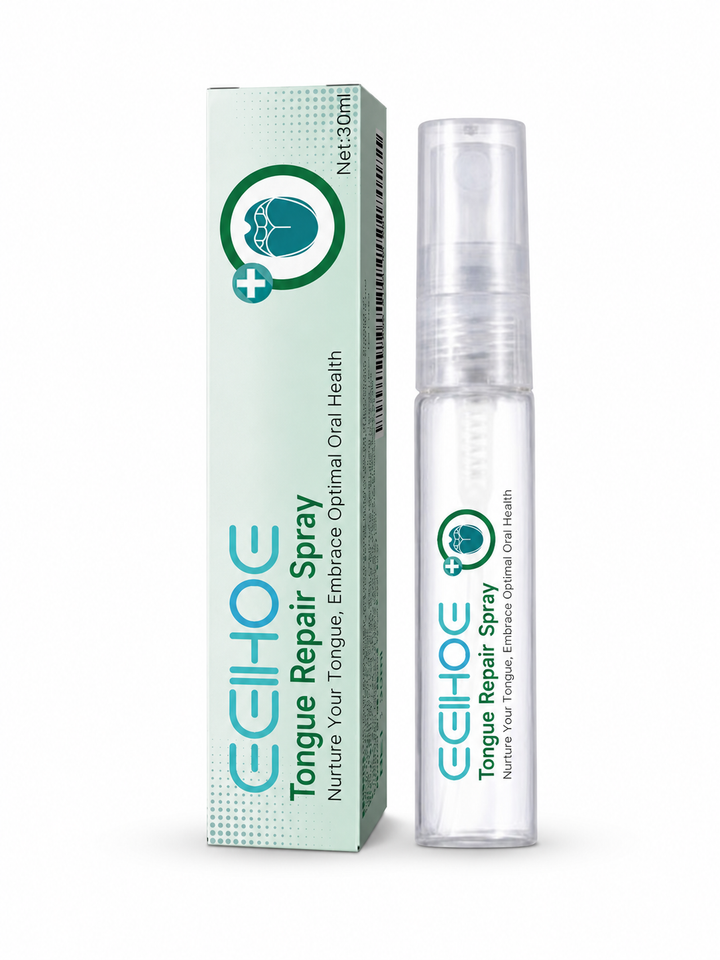
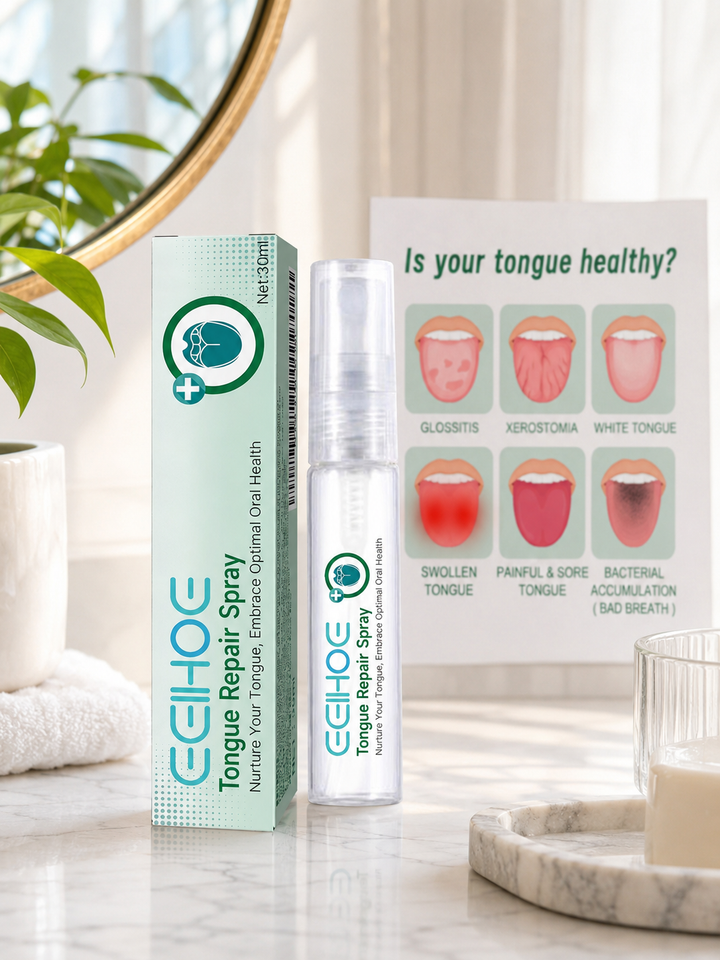
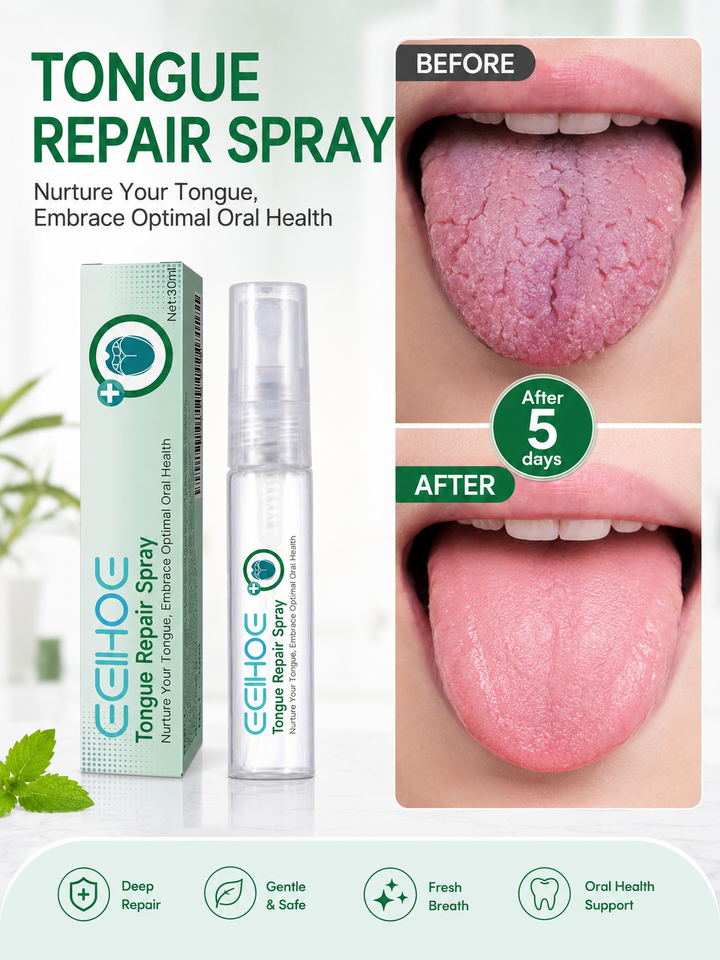

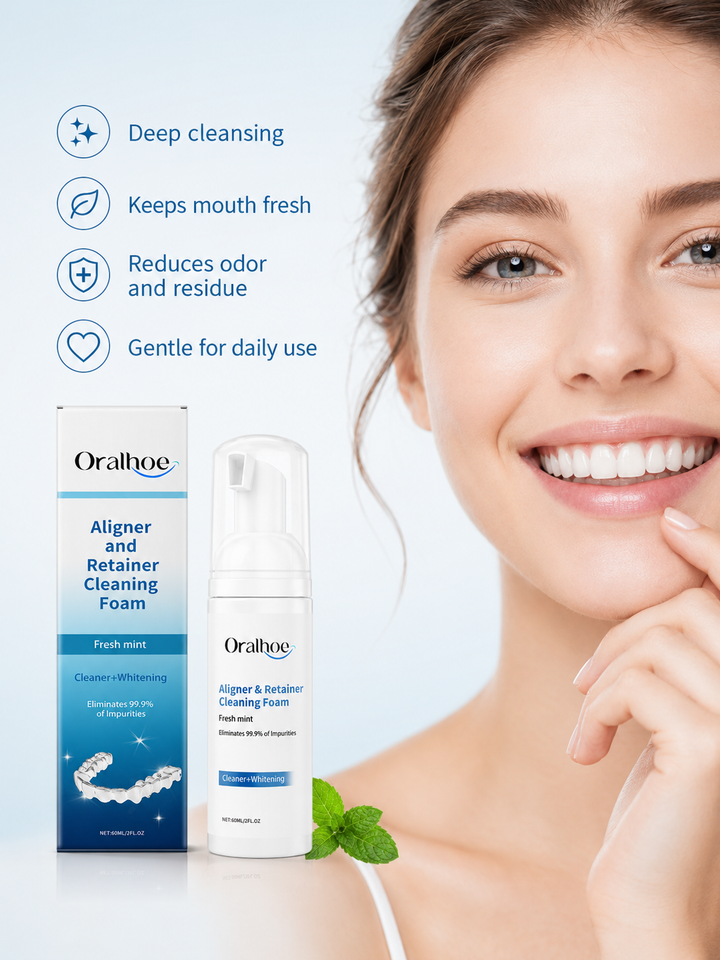
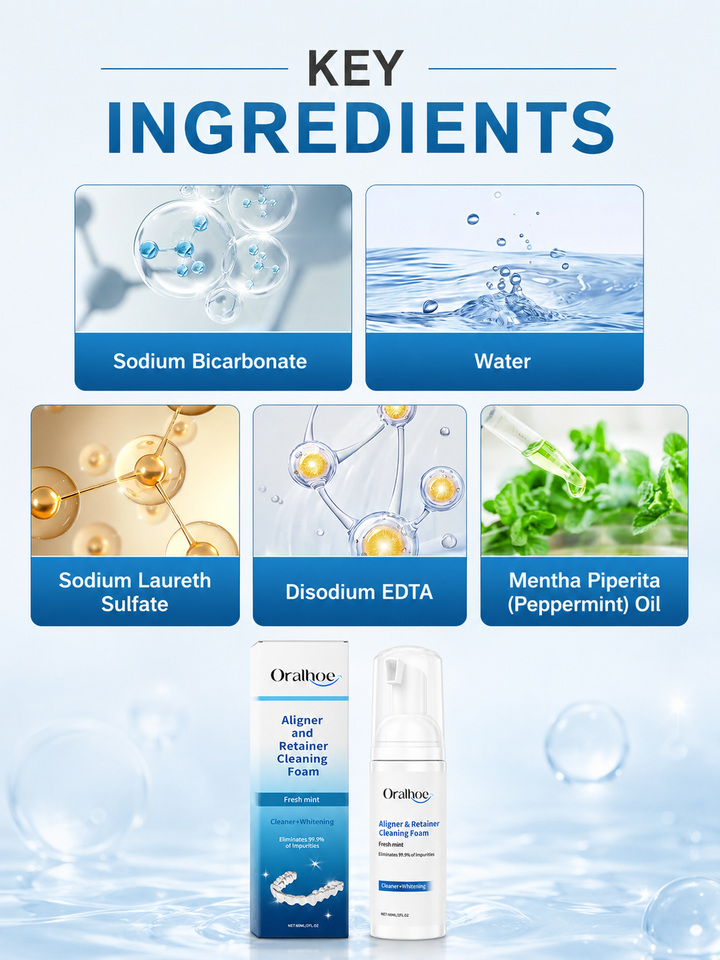
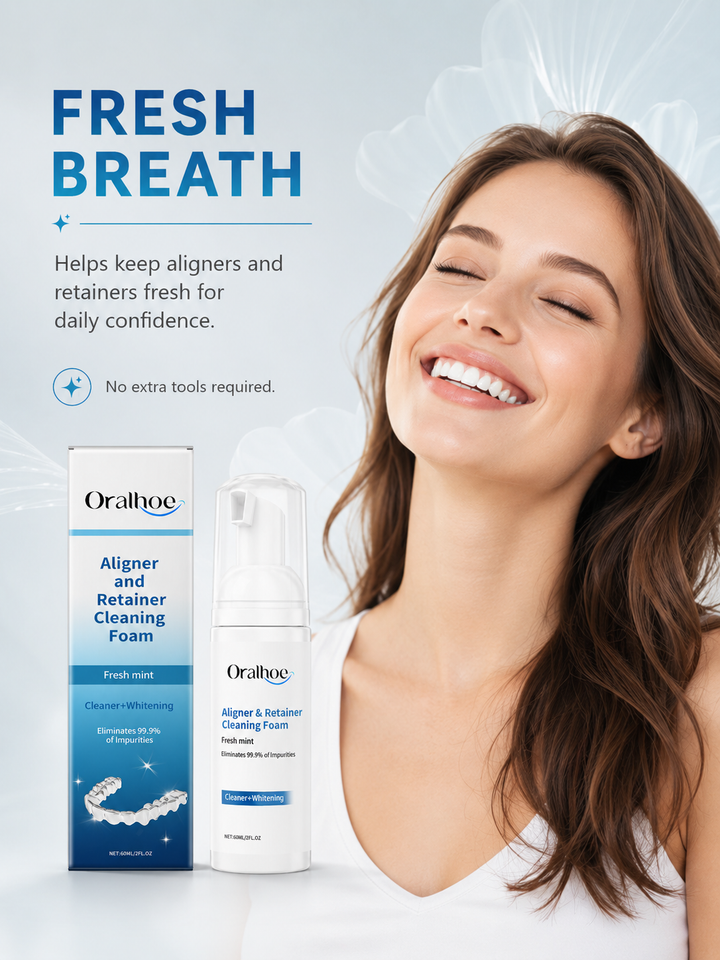

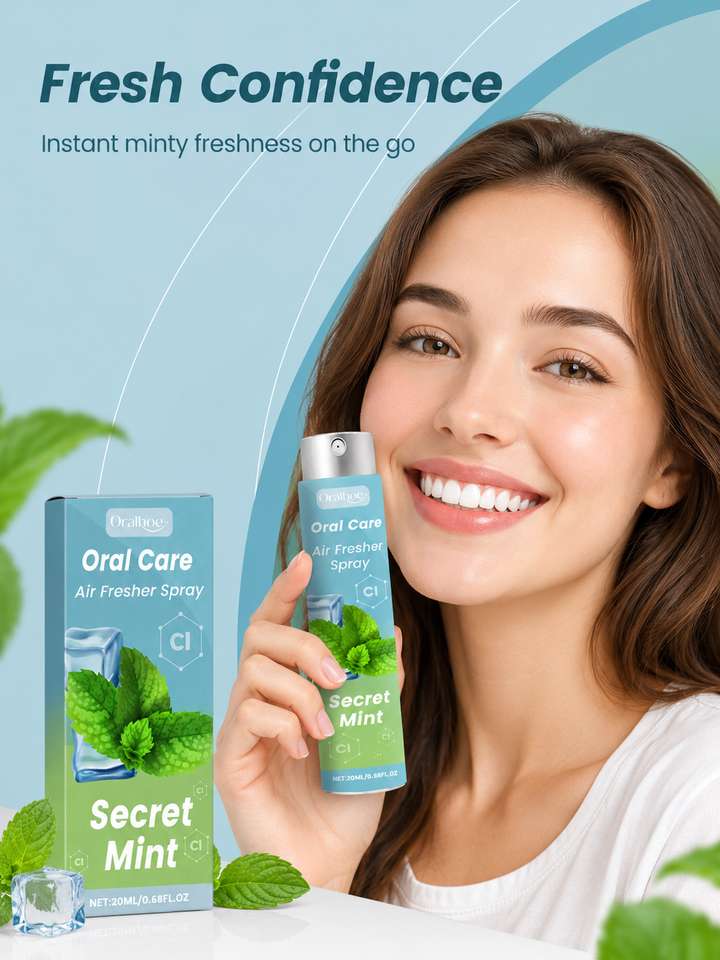
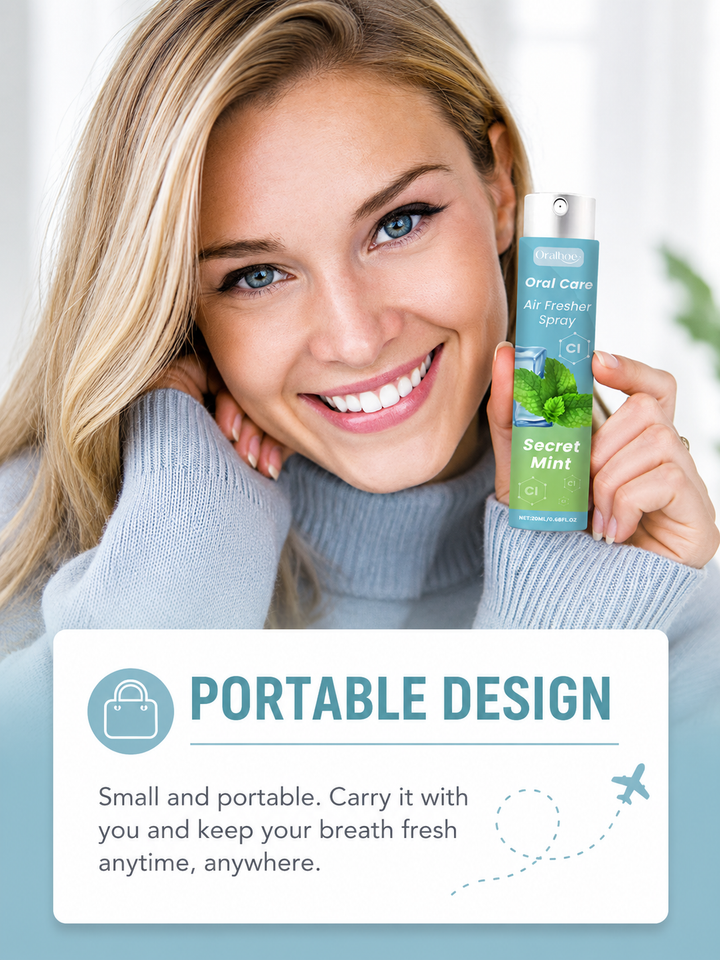
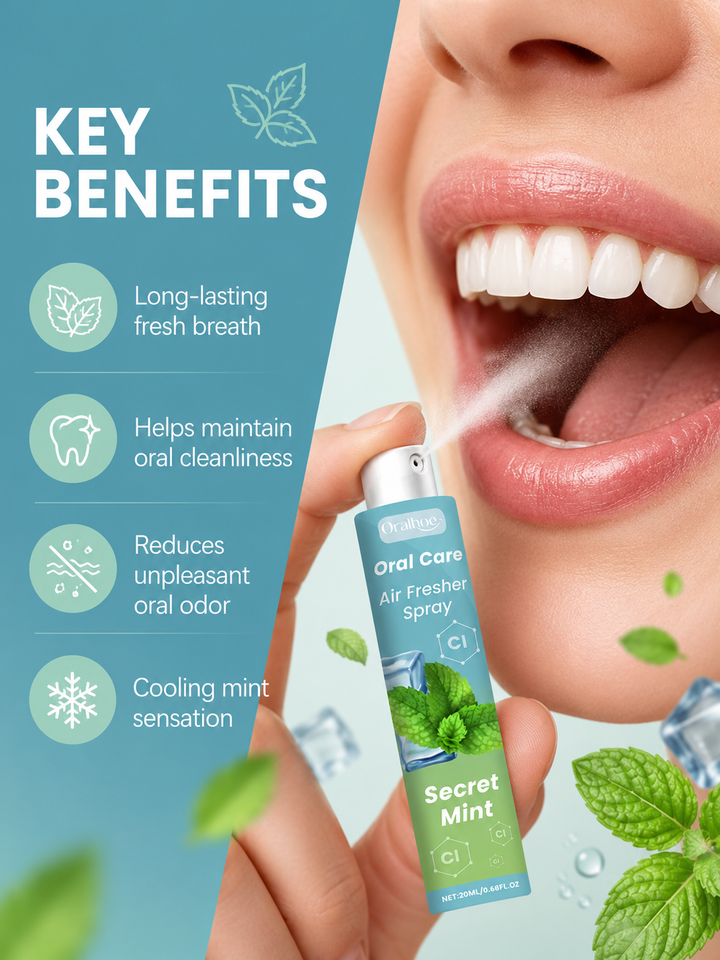


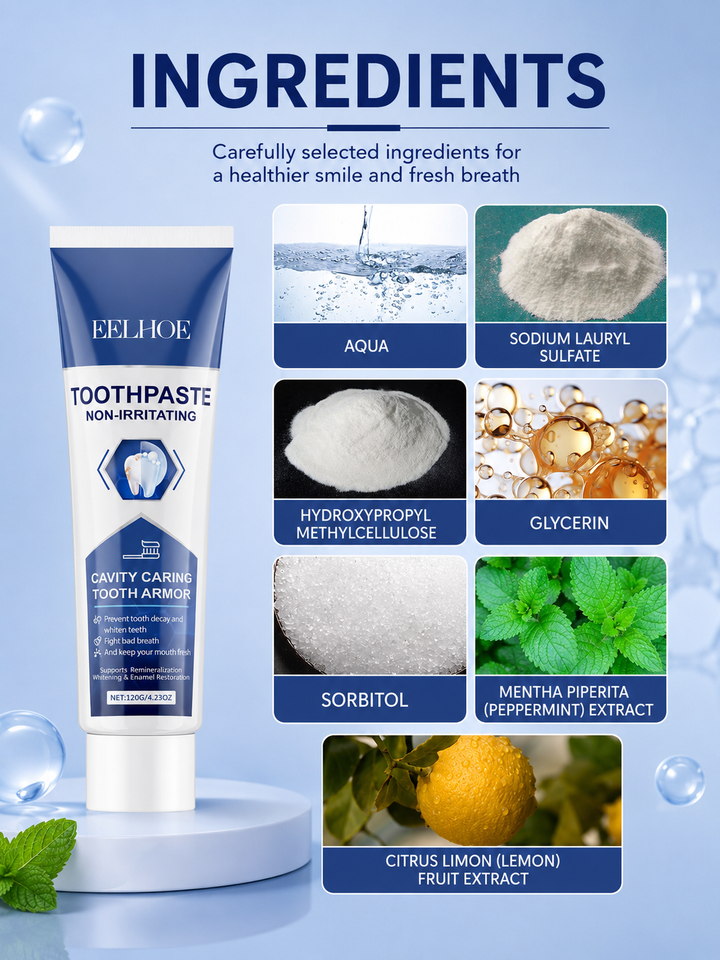

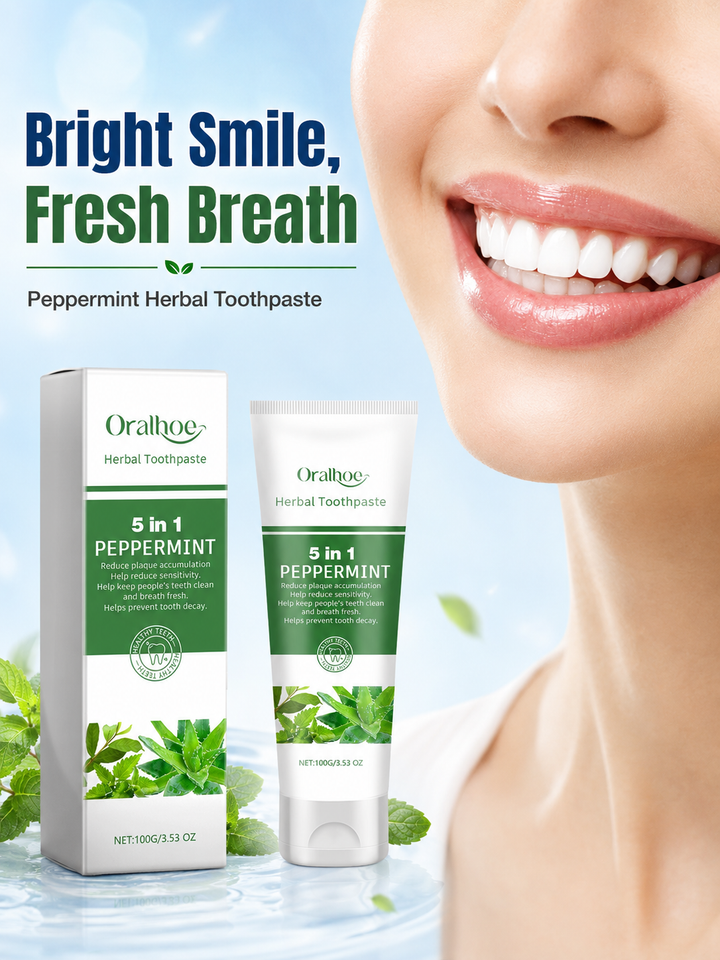
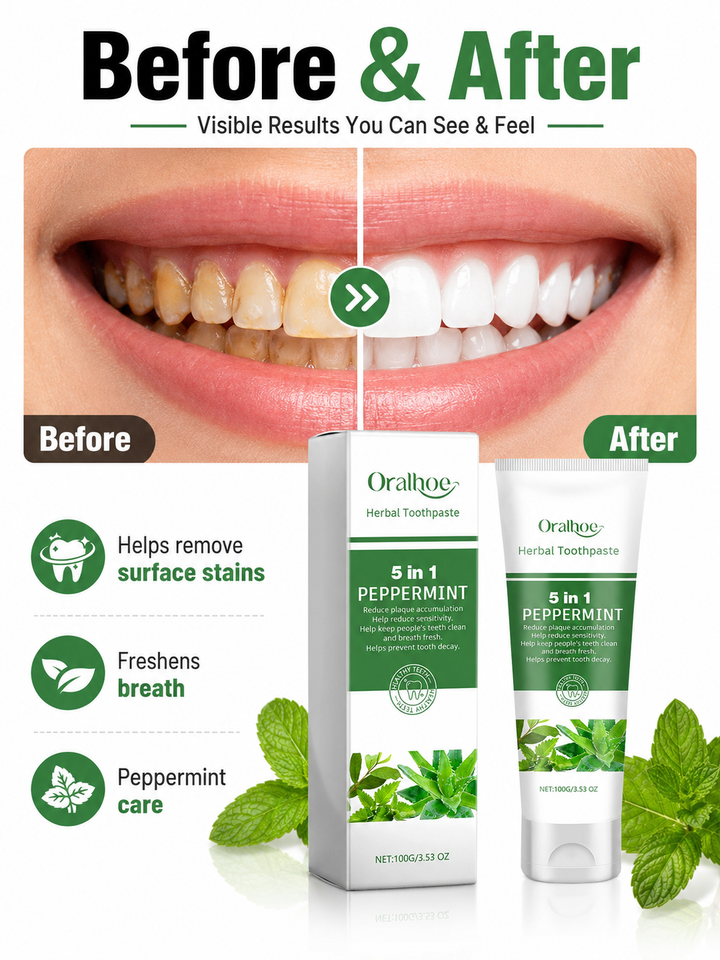
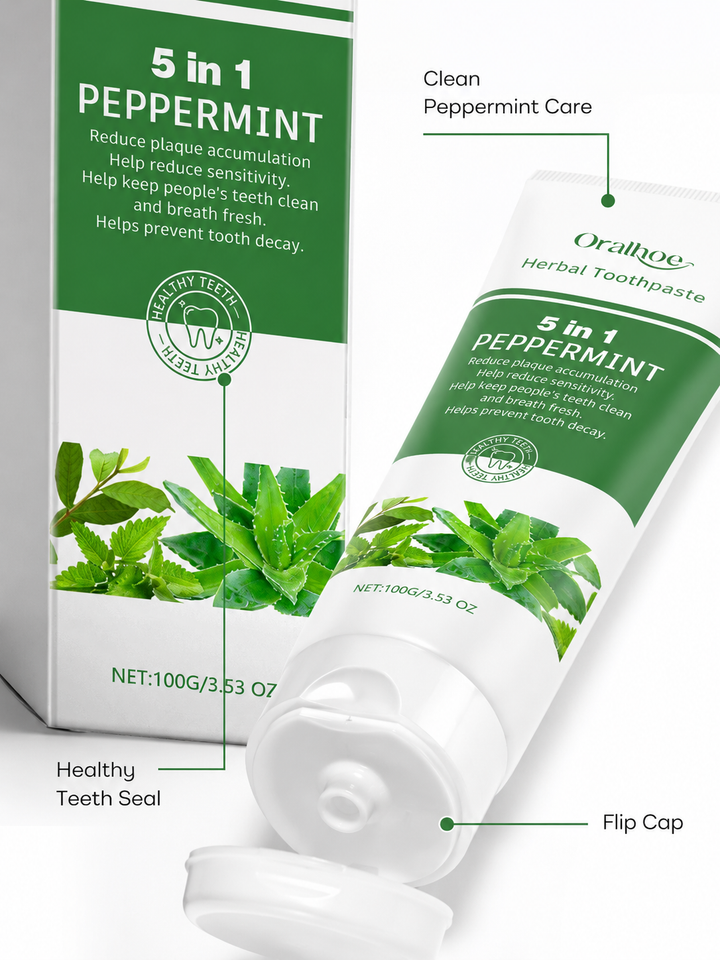

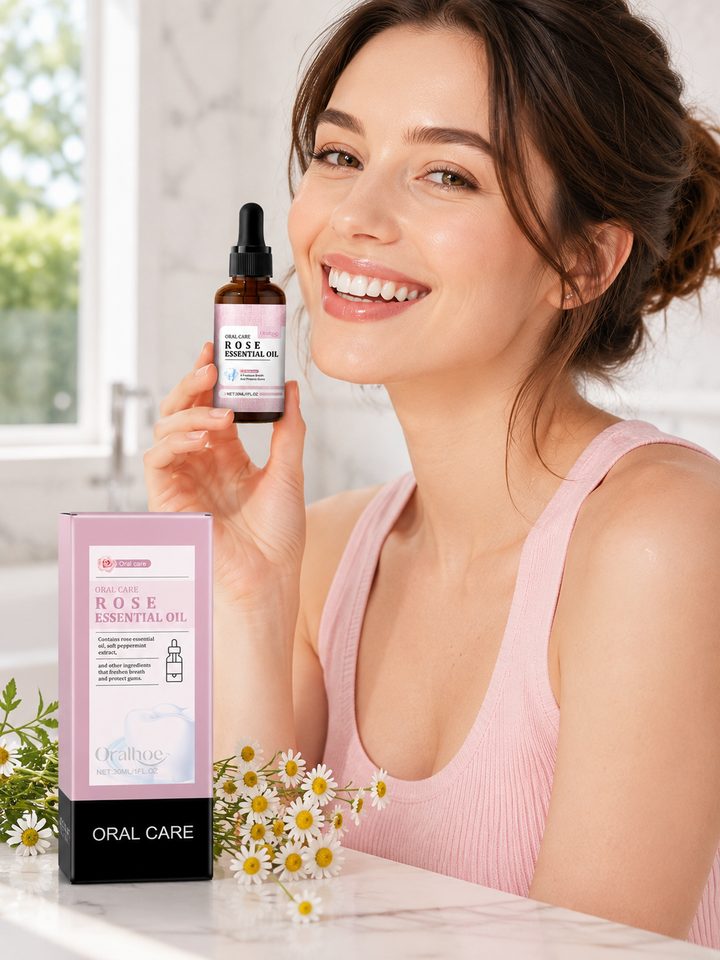
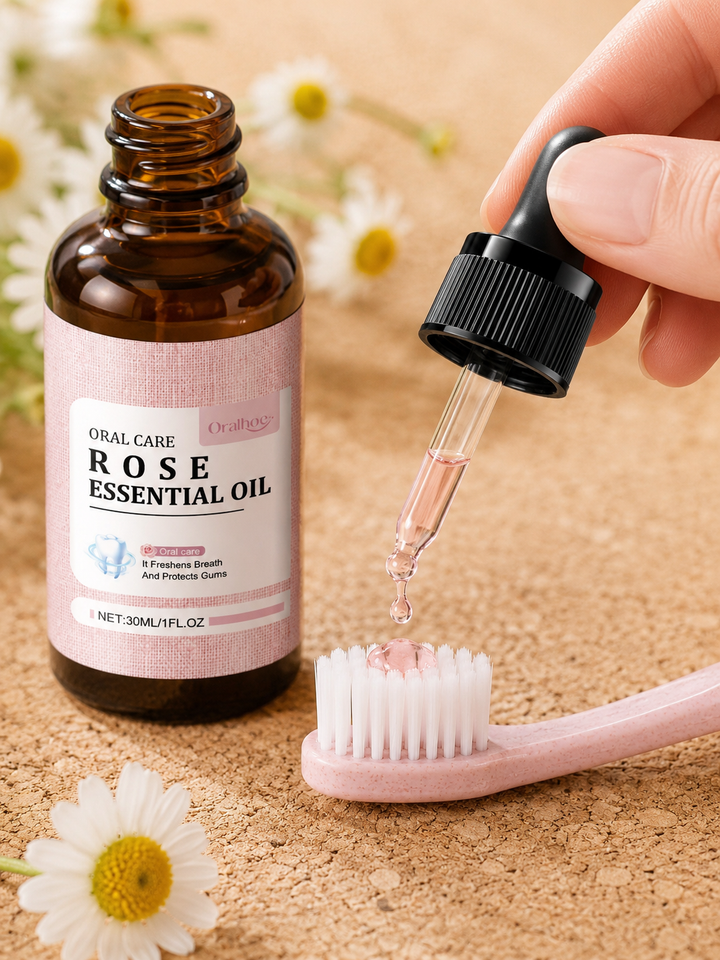
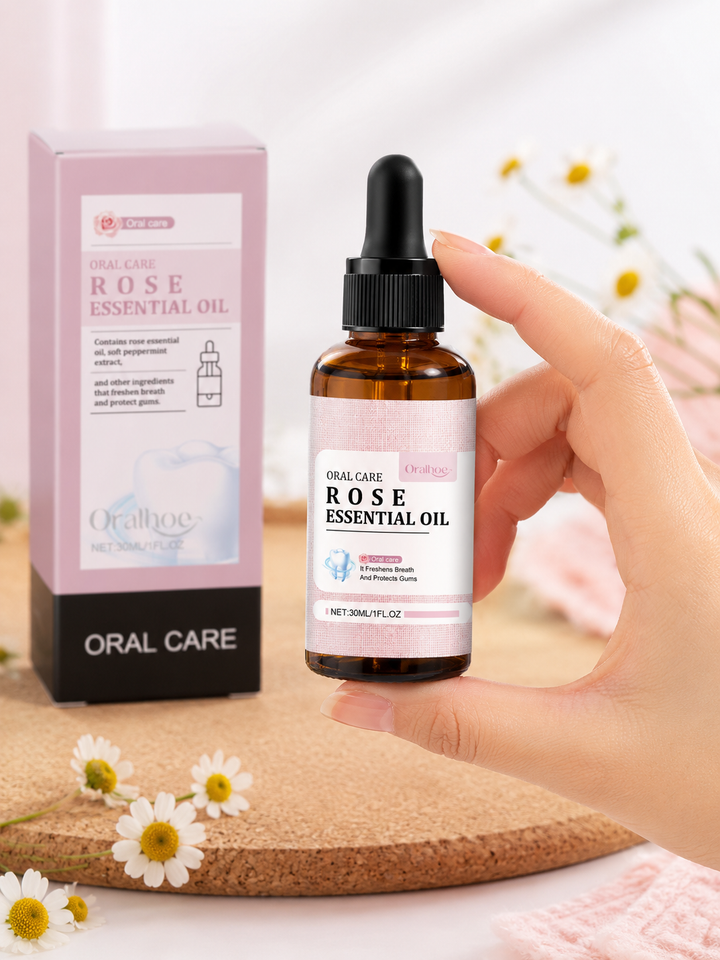





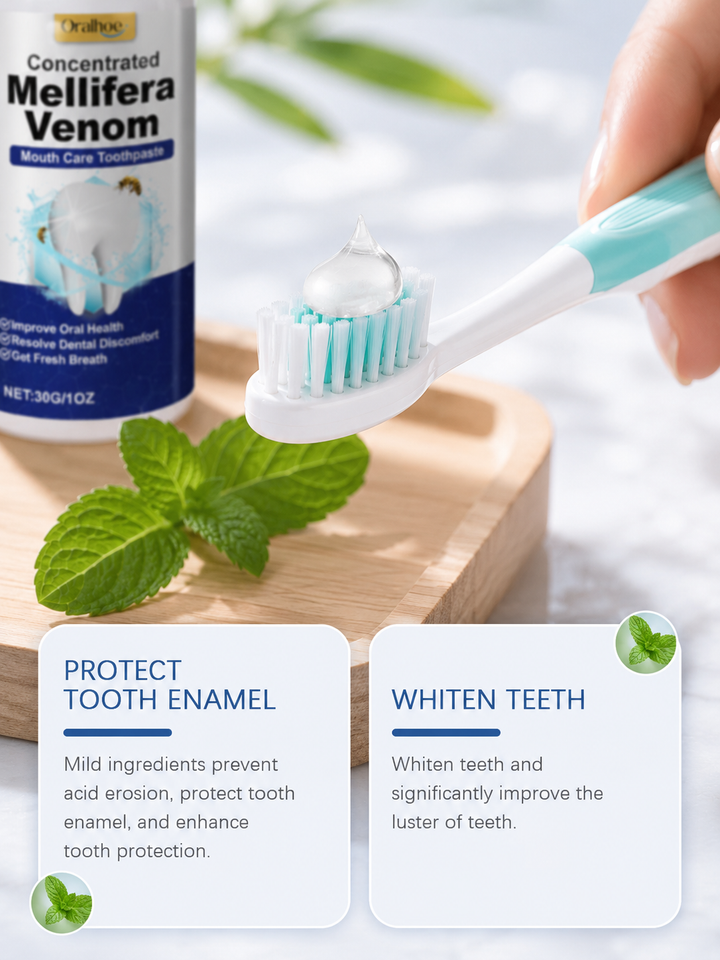
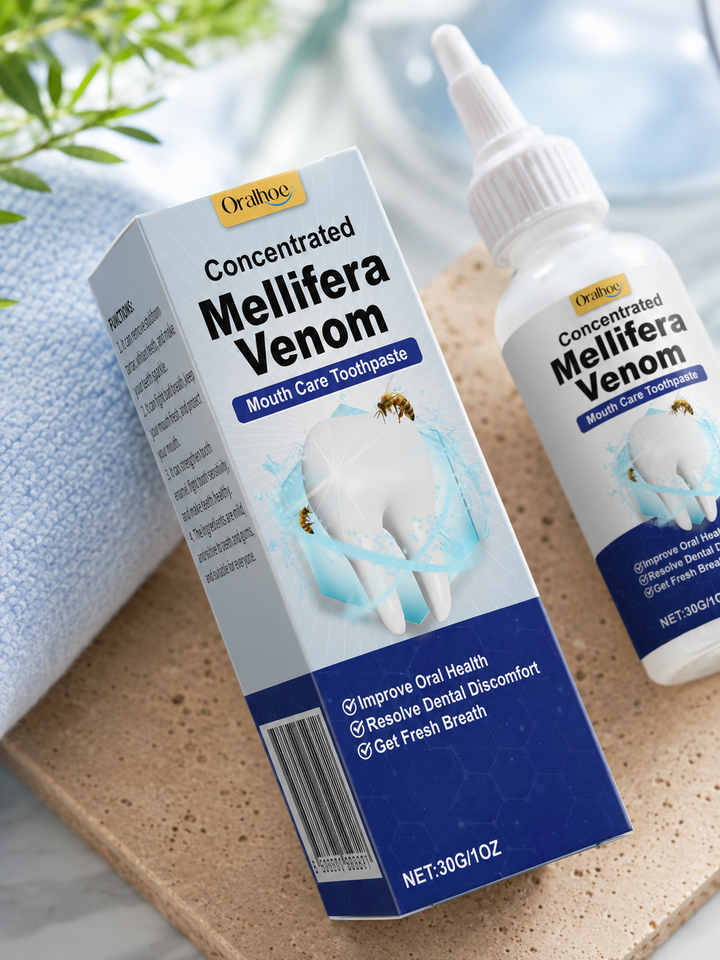

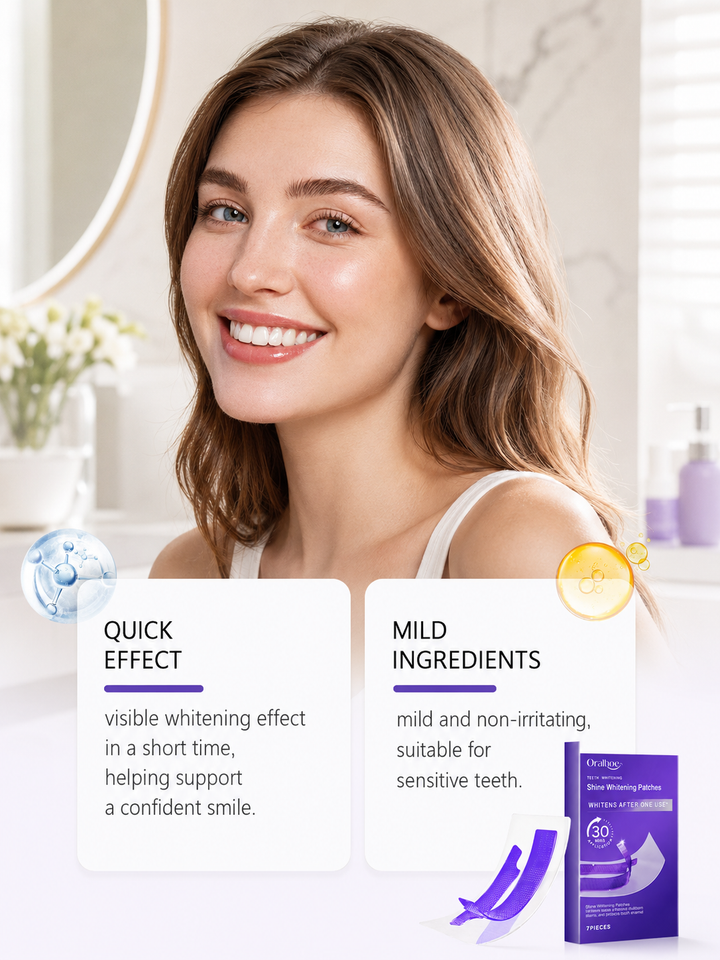
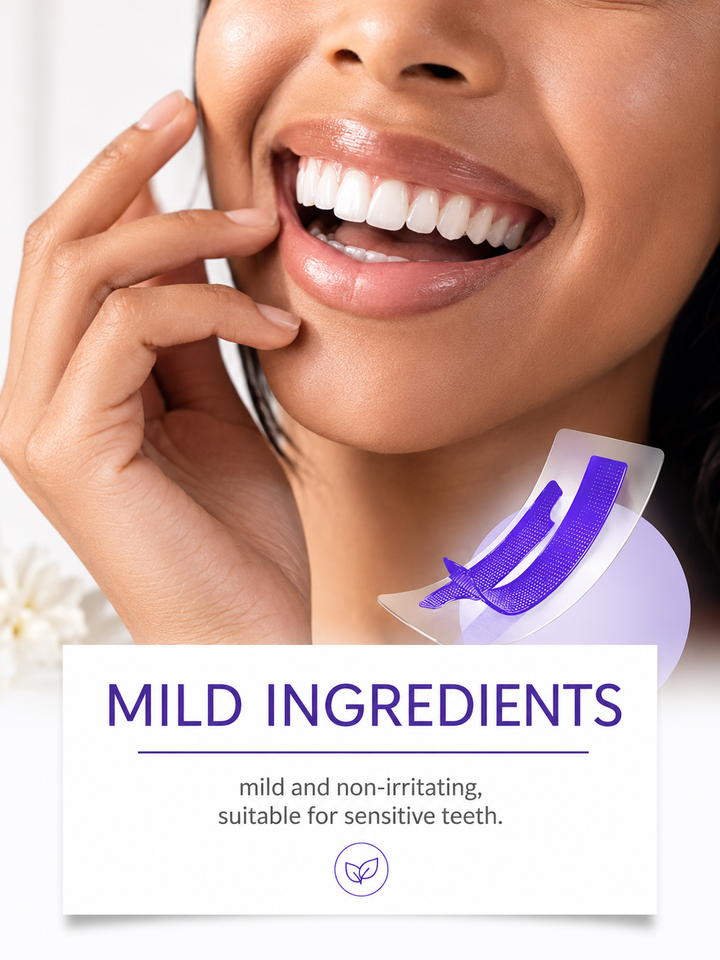
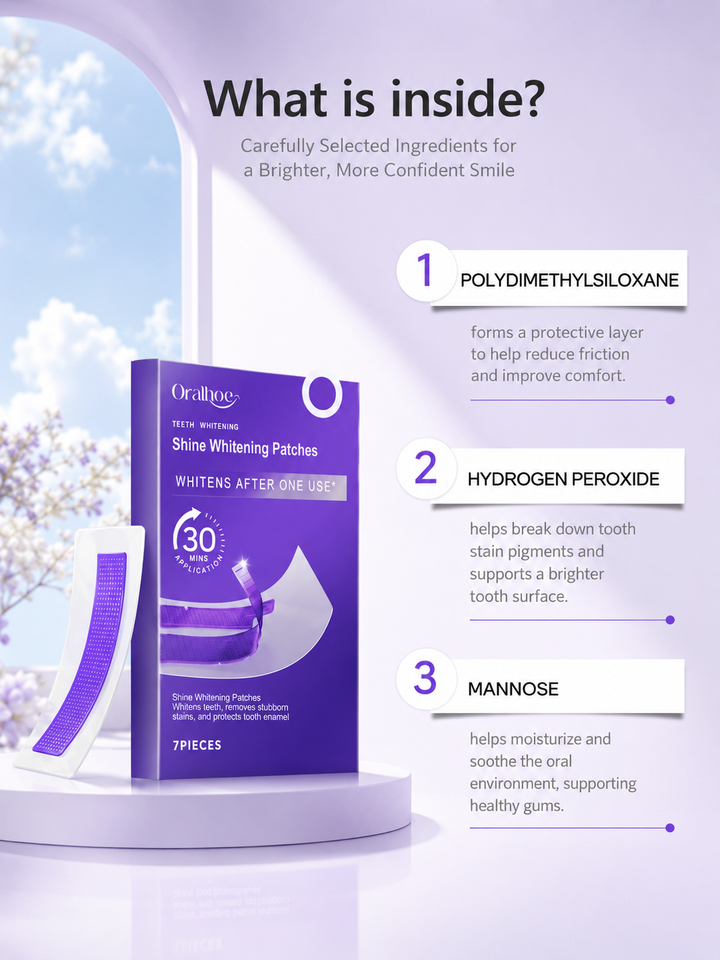

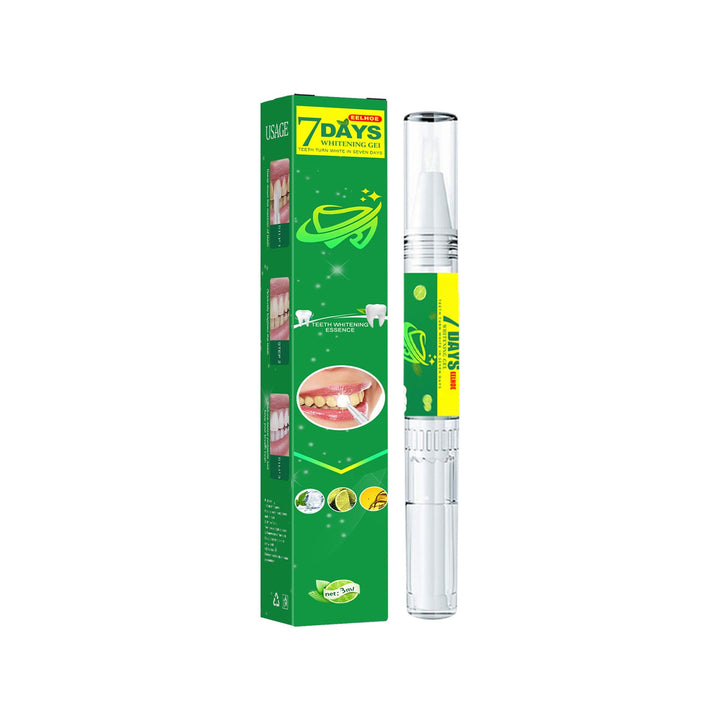
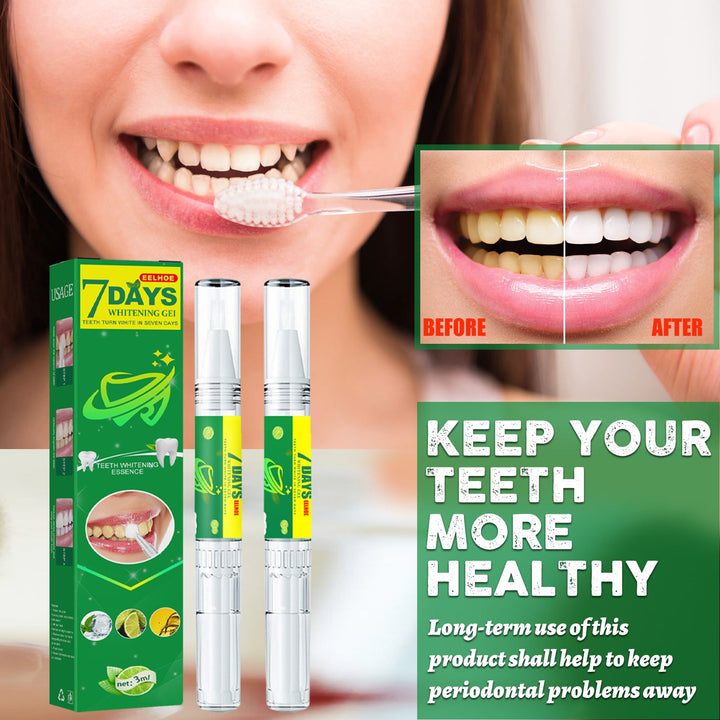


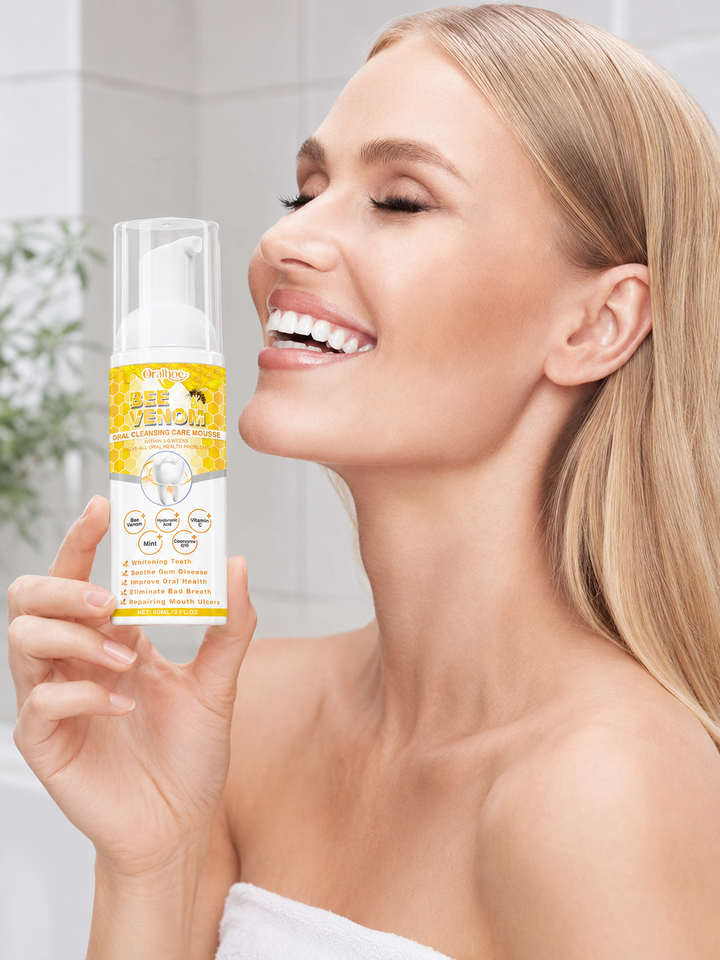
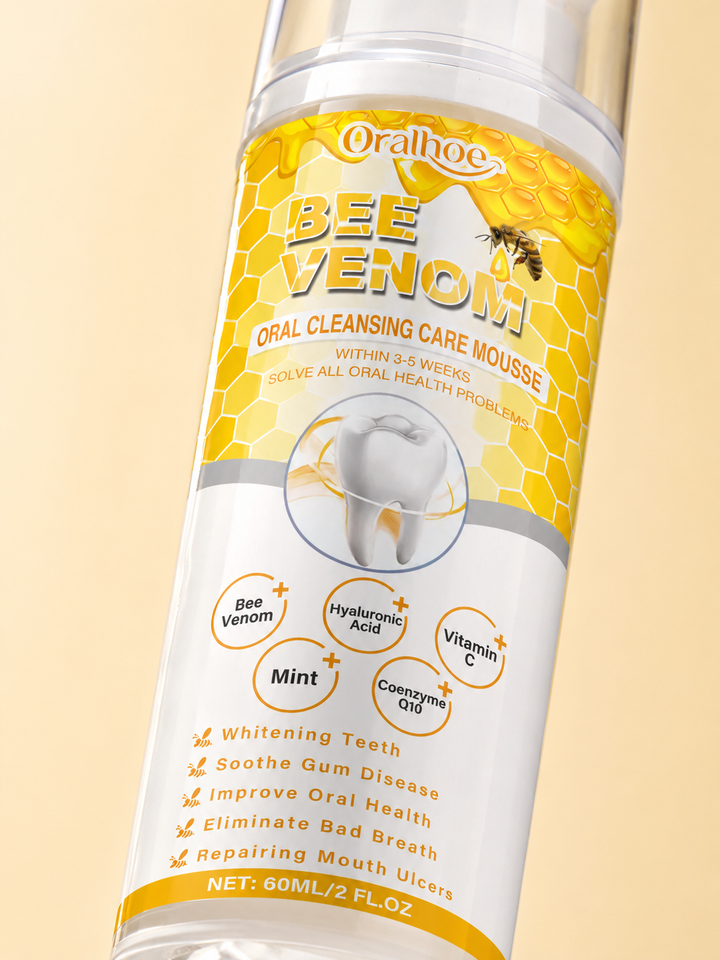

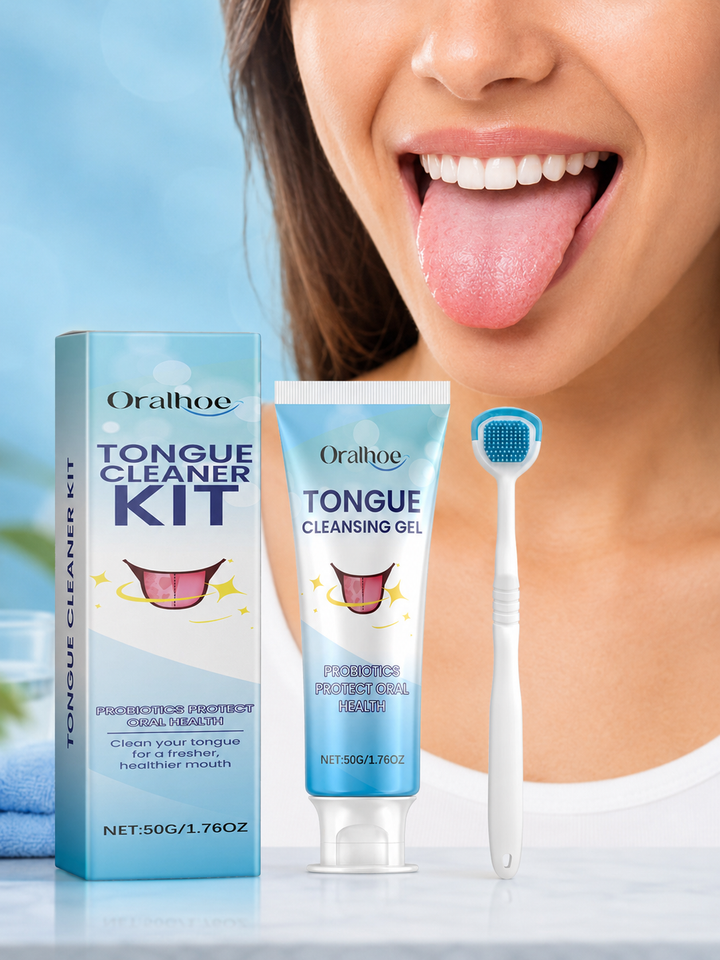
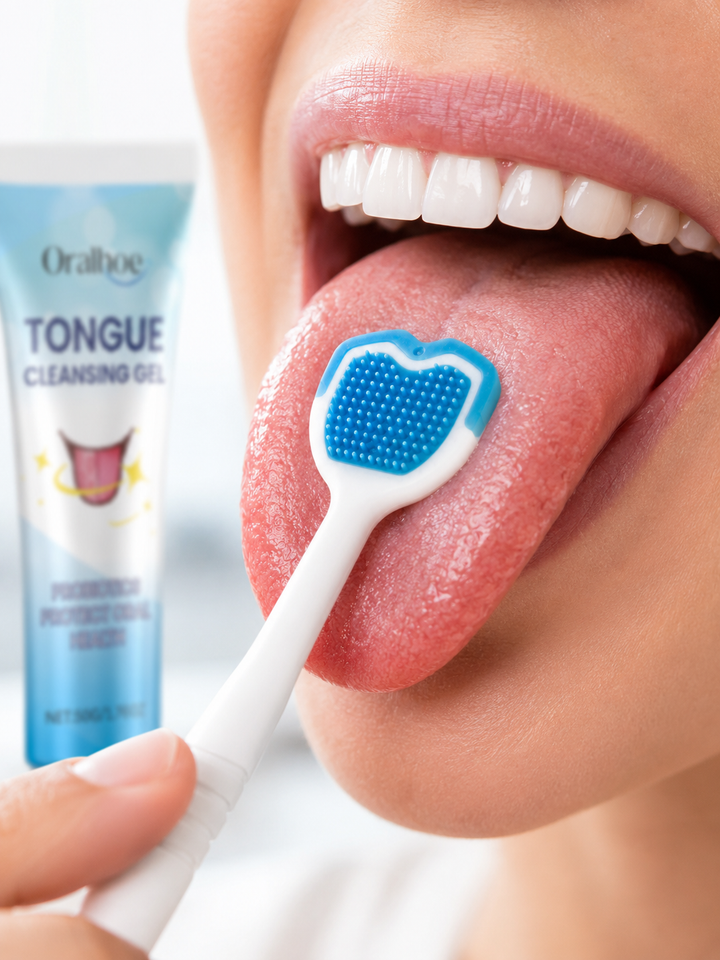
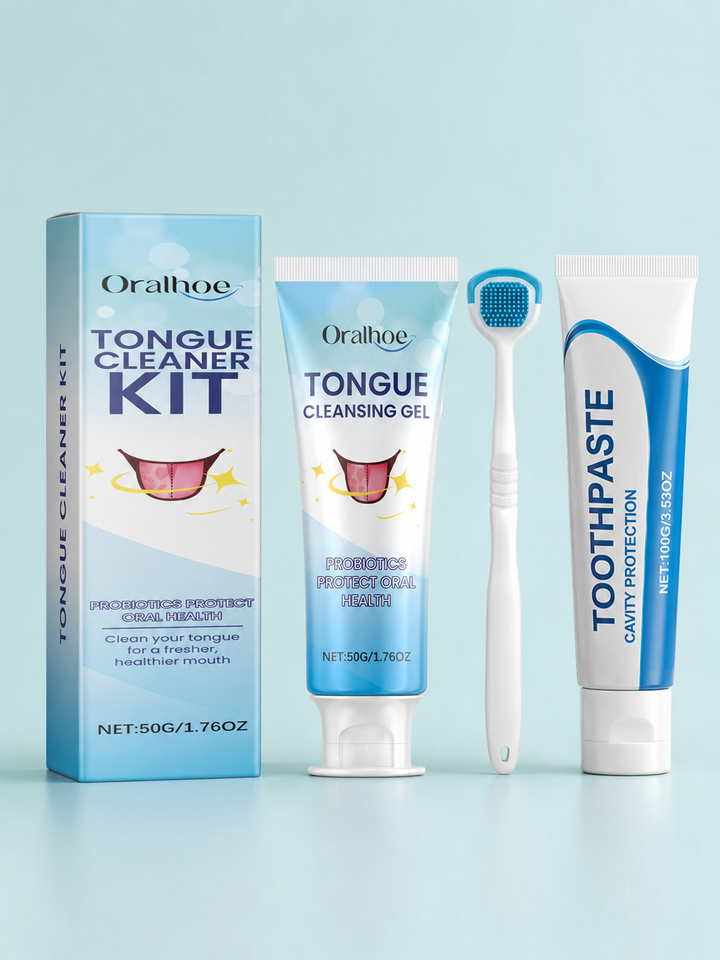


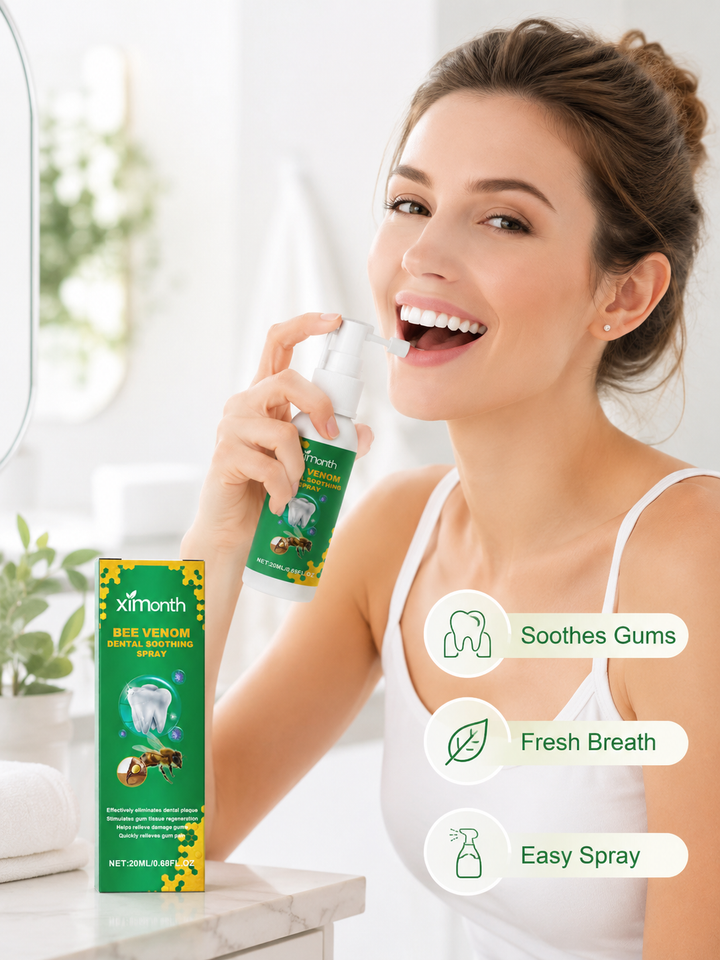

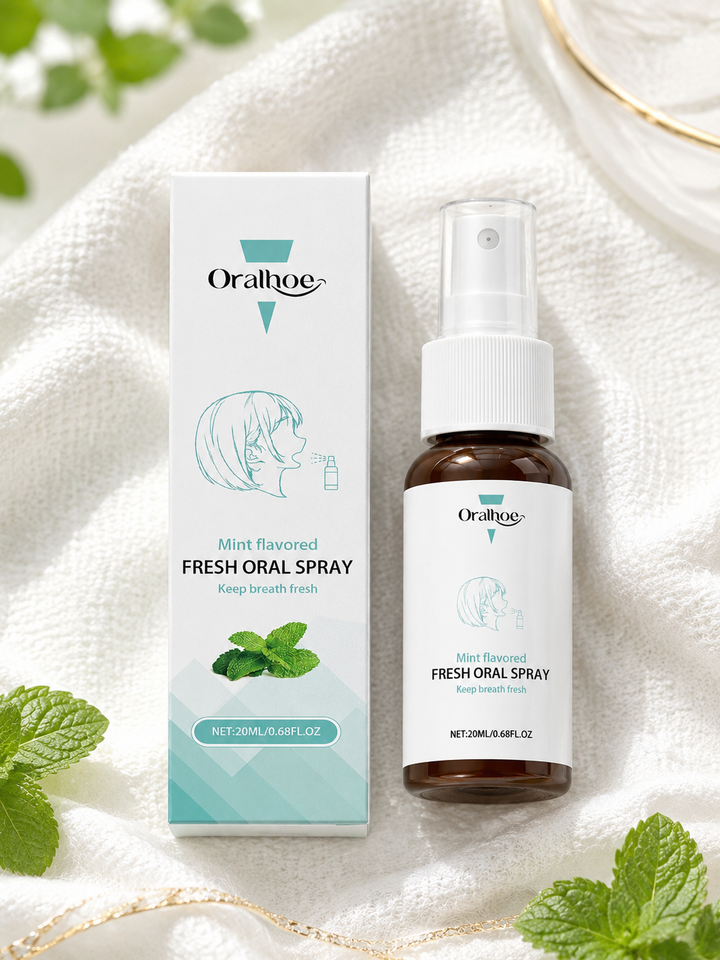
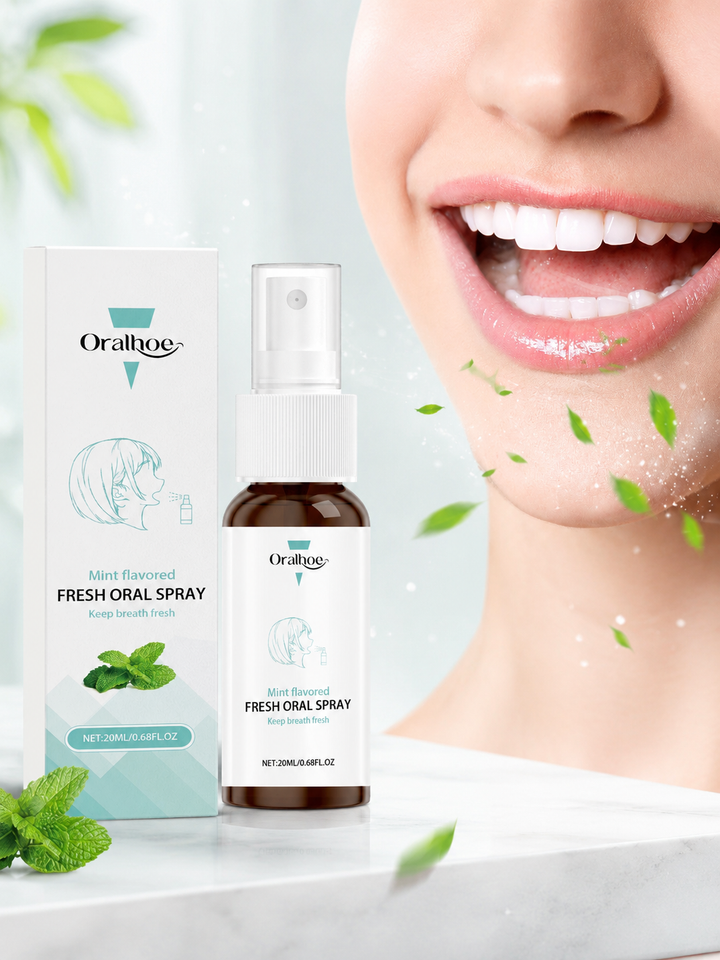
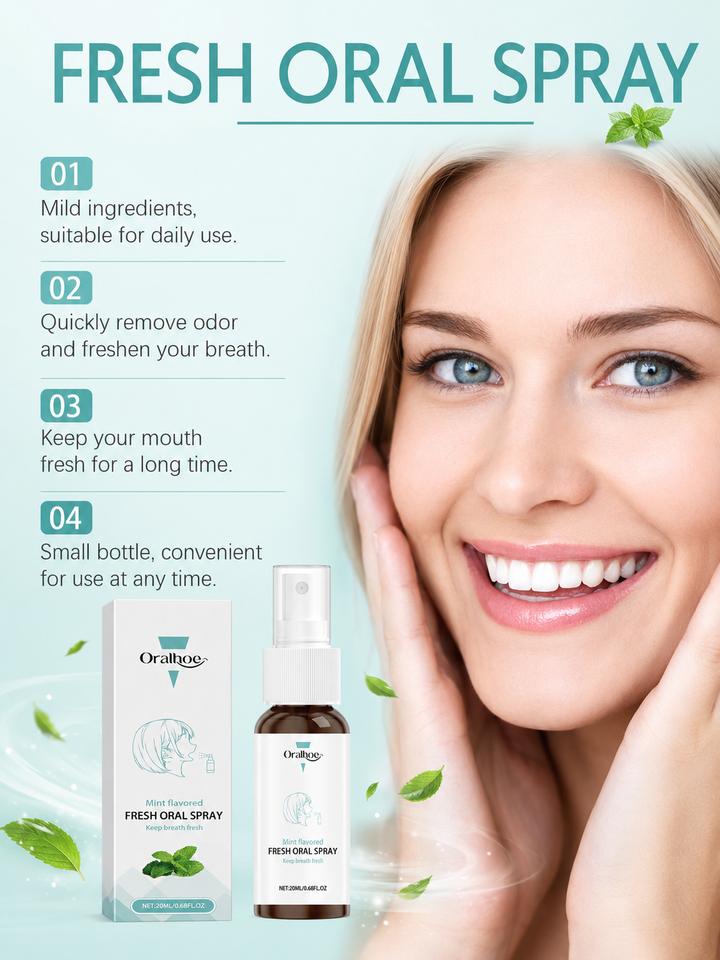
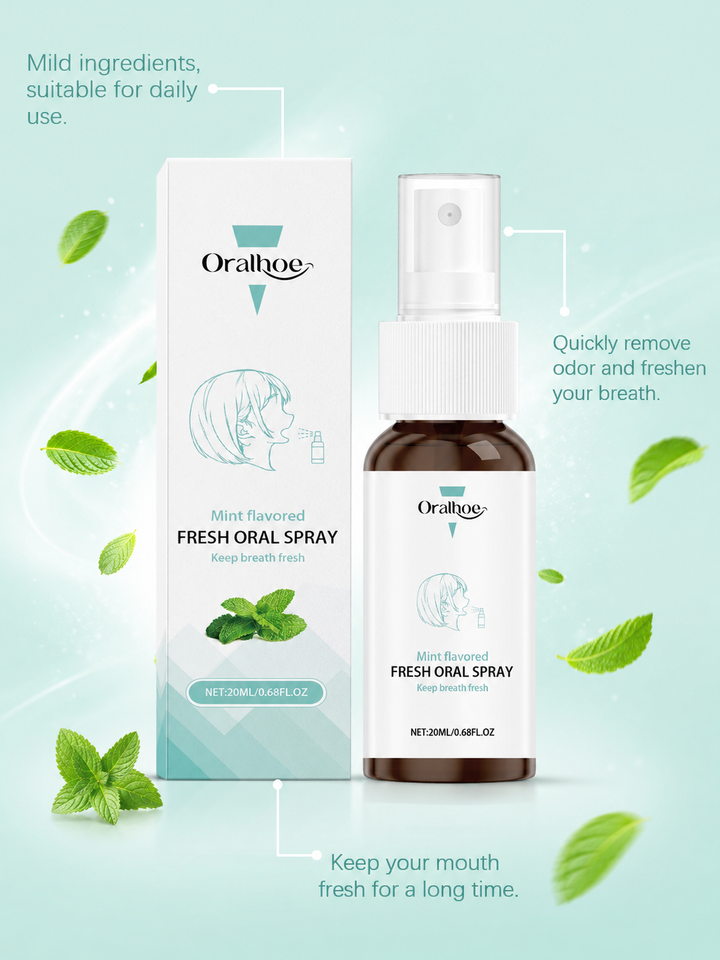


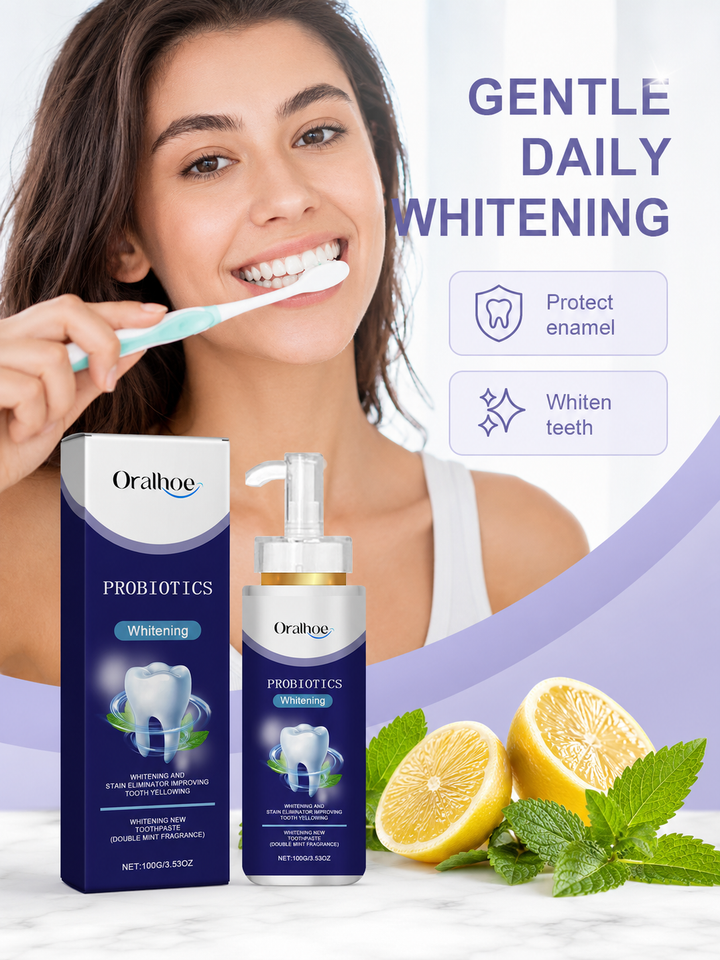


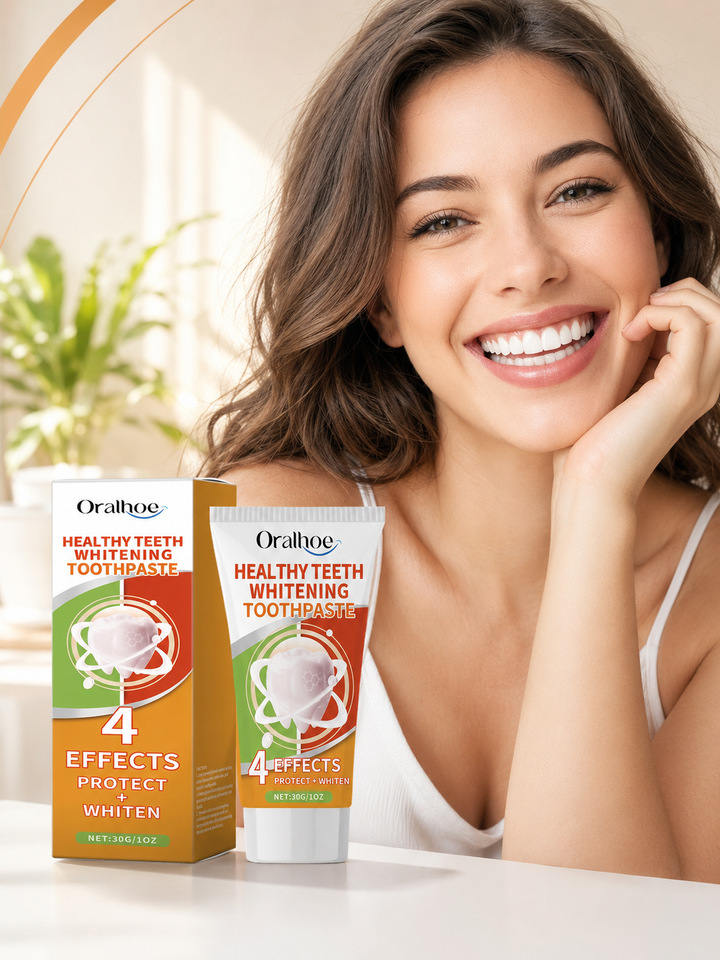


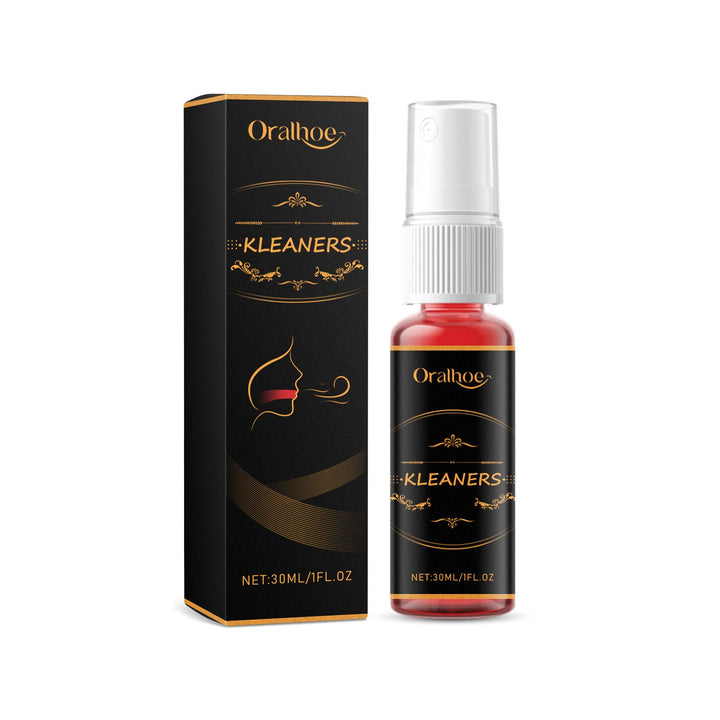
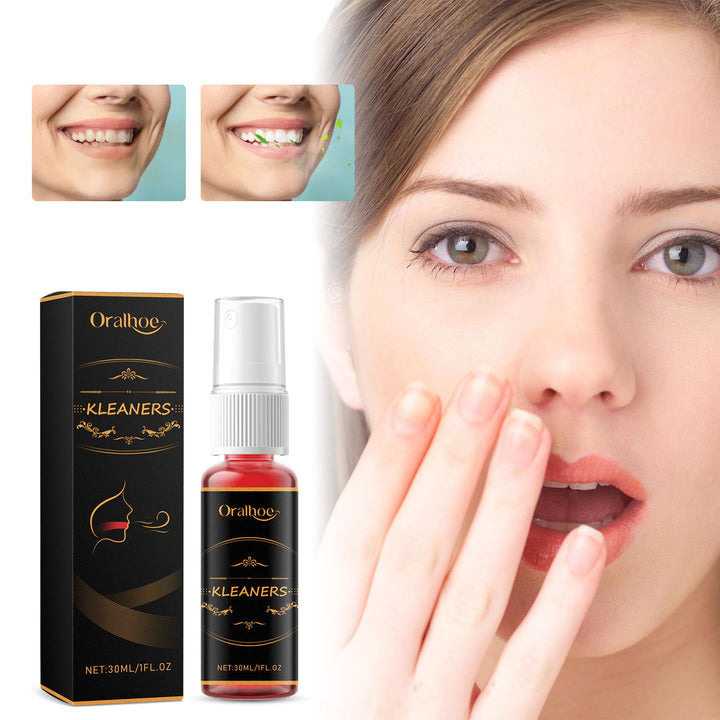
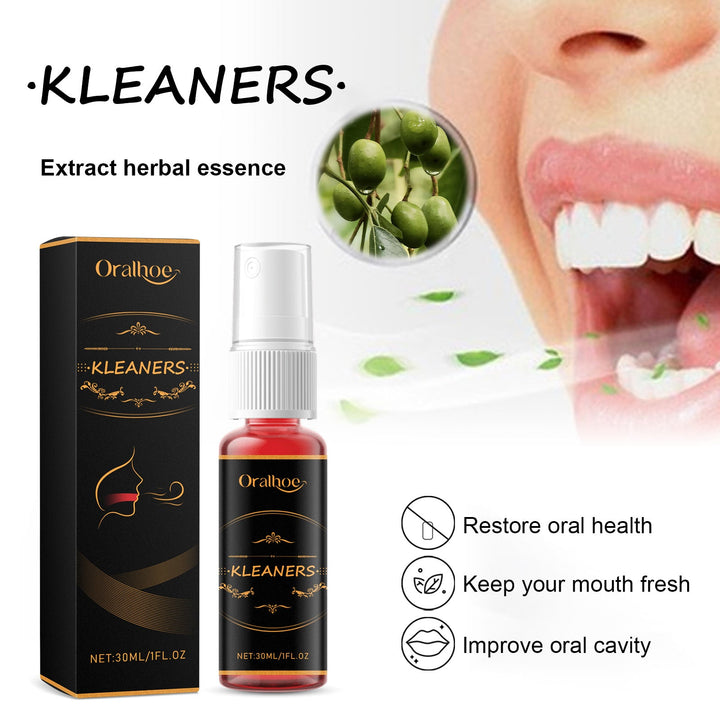

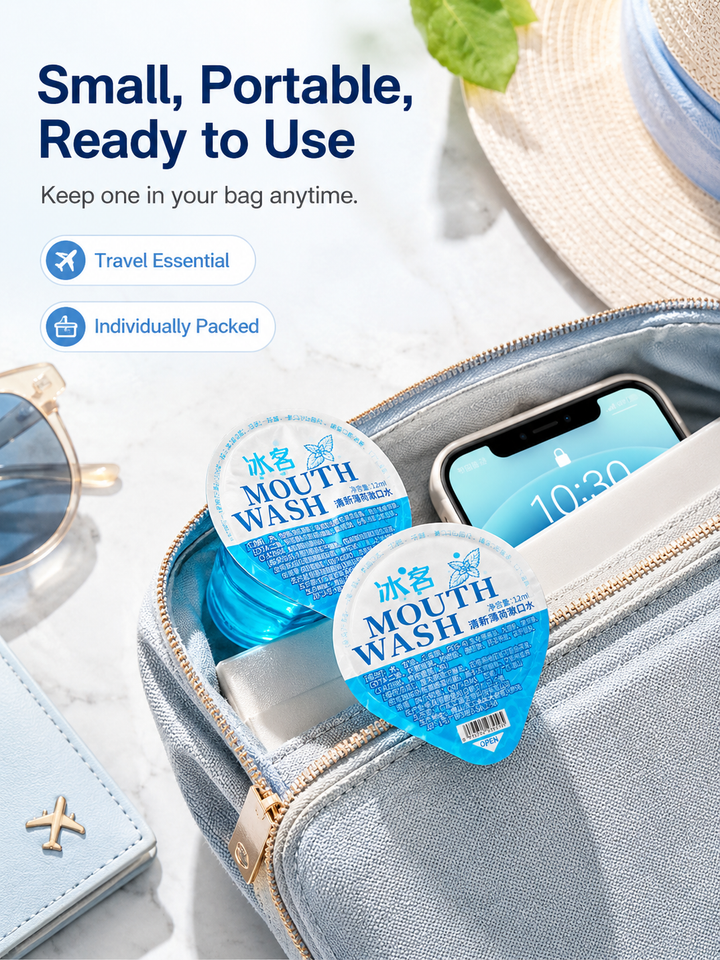
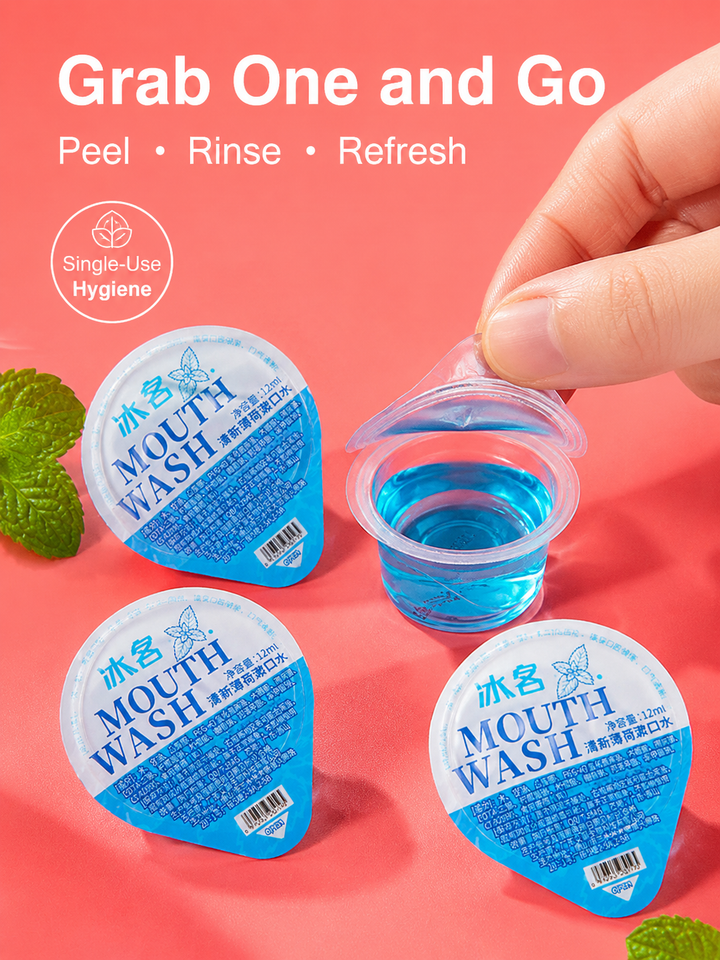
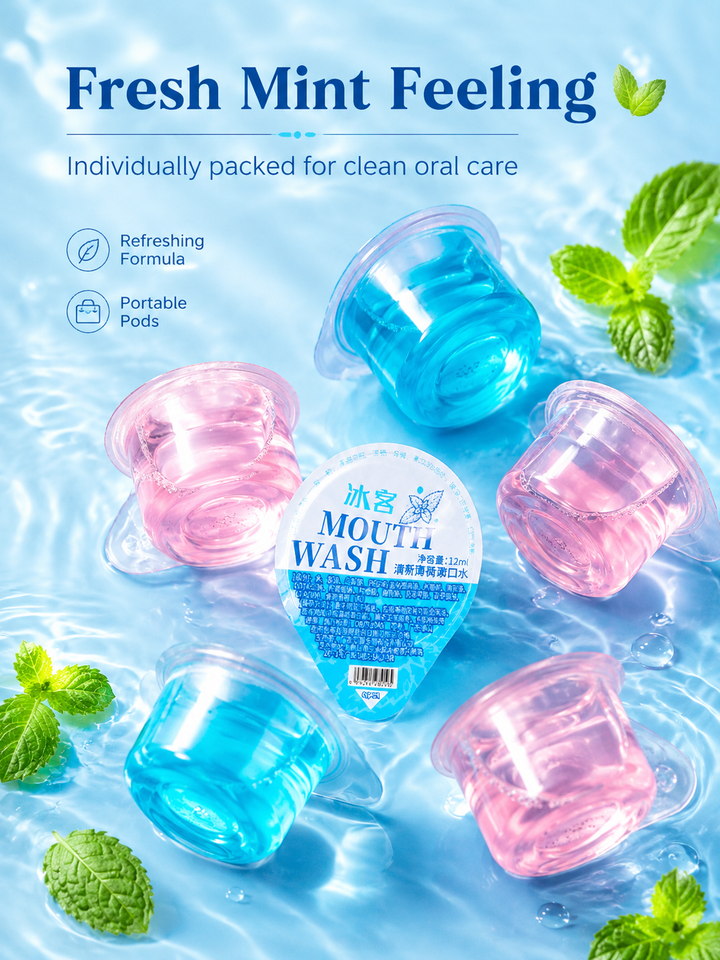







Oral care gels and sprays are designed for targeted mouth care, including fresh-breath support, tongue cleaning, tooth whitening, and soothing care for irritated-feeling areas. Use this guide to compare formats, choose a product that matches your routine, and understand when professional dental advice is more appropriate than an at-home gel.
How to choose the right oral care gel
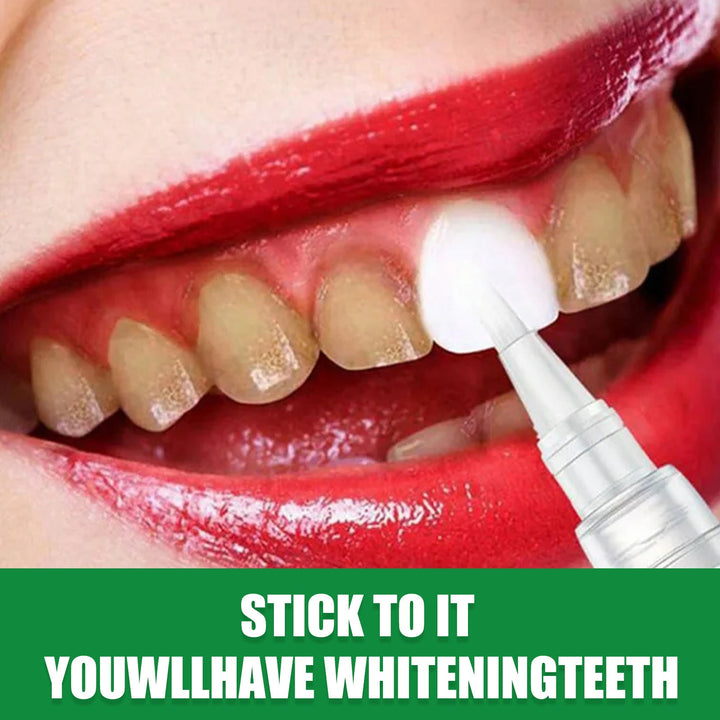
Start with the result you want. A fresh-breath spray is convenient for use after meals or while traveling, while a tongue repair spray is intended for targeted tongue care. A gum repair gel may suit shoppers looking for a product applied directly around the gumline, but it should not be treated as a guaranteed solution for recession or other dental conditions. For surface stain care, a teeth whitening gel pen offers a more focused application than toothpaste. If your main goal is everyday brushing, a non-irritating toothpaste may be the simplest option. Check the label for directions, ingredients, age guidance, and warnings. Shoppers comparing pet dental gel or fresh breath gel for dogs should choose a product specifically labeled for animals rather than using a human oral care gel.
Which types of oral care gel are compared?
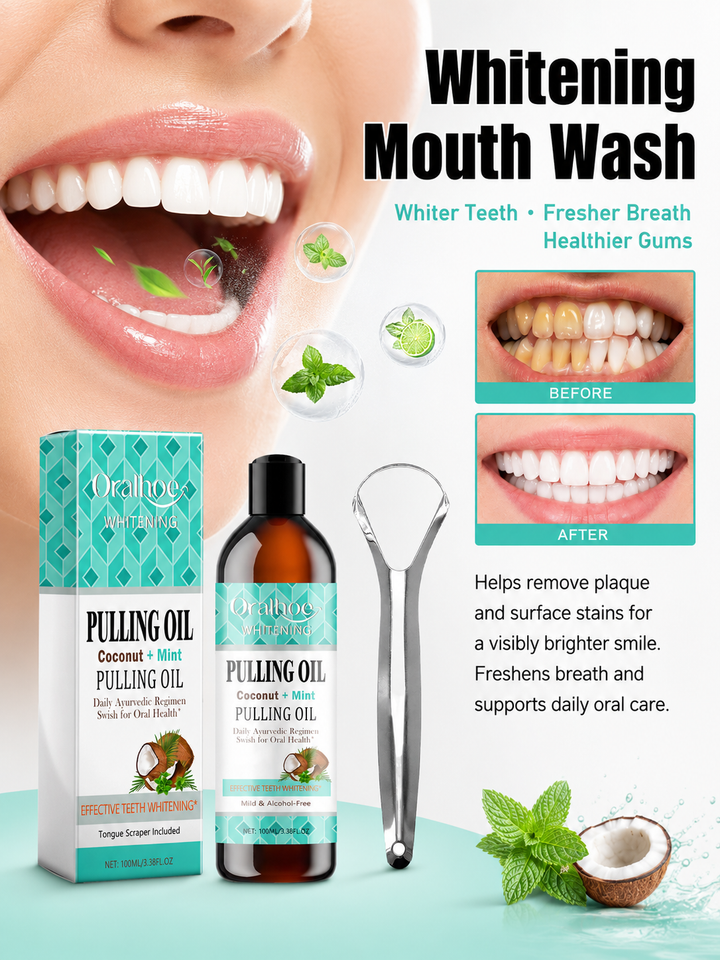
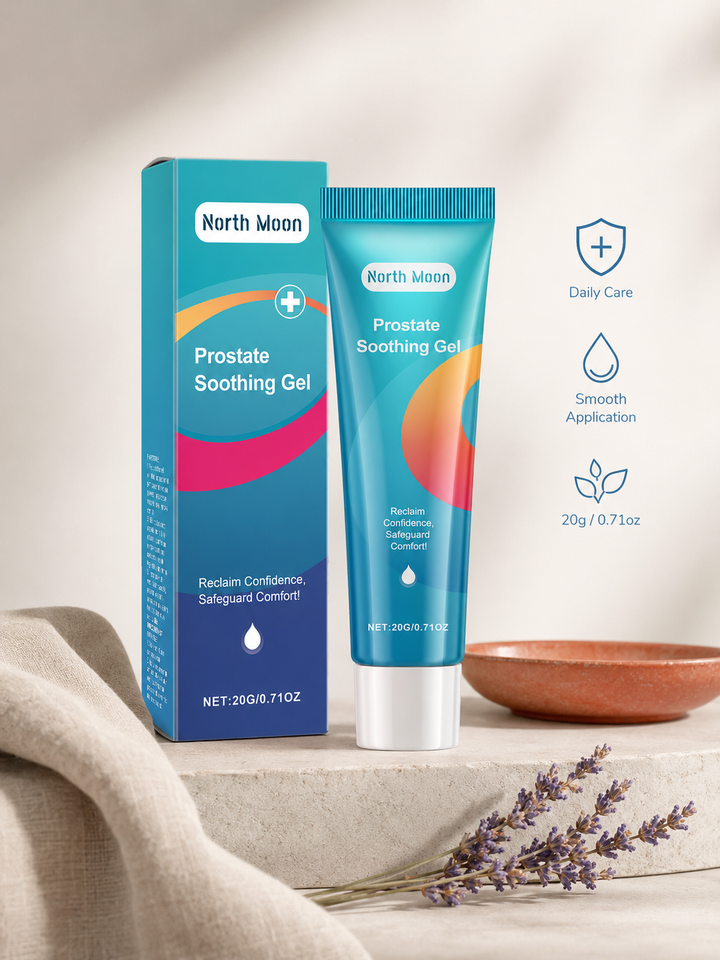
This category includes several different formats, so compare the application method as carefully as the intended use. Gum gel is applied to a specific area, whereas oral spray distributes product quickly without a brush. A whitening gel pen is designed for controlled application to teeth and should be used only as directed. Non-irritating toothpaste supports a regular brushing routine and may be more practical for daily care. A tongue cleaner kit combines a physical cleaning tool with oral-care support for shoppers focused on tongue freshness. Products listed for intimate or prostate care are not oral products and should never be used in the mouth. Likewise, a dog dental gel is formulated and labeled for pets, so it is not interchangeable with products intended for people.
What should you look for in an oral care gel?
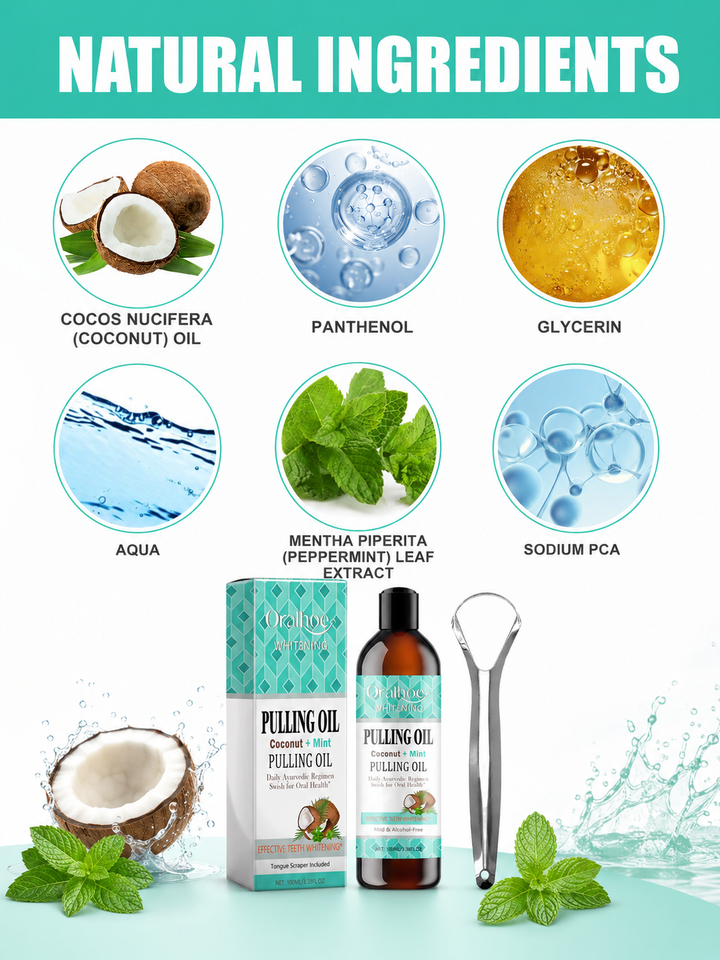
Look for clear labeling that explains where the product is used, how often to apply it, and whether it should be rinsed or left in place. A narrow applicator or spray nozzle can make targeted use easier, especially around the gumline or on the tongue. If you have a sensitive mouth, review the ingredient list and avoid any formula containing ingredients you already know you cannot tolerate. For whitening products, check whether the label includes precautions for sensitivity, restorations, or existing dental concerns. Packaging also matters: a pocket-sized spray can be useful outside the home, while a tube or pen may be better for routine bathroom use. Choose products sold for your species and intended body area; searches such as “best dog dental gel” require a pet-specific product, not a human formula.
How to use relief oral care gel safely
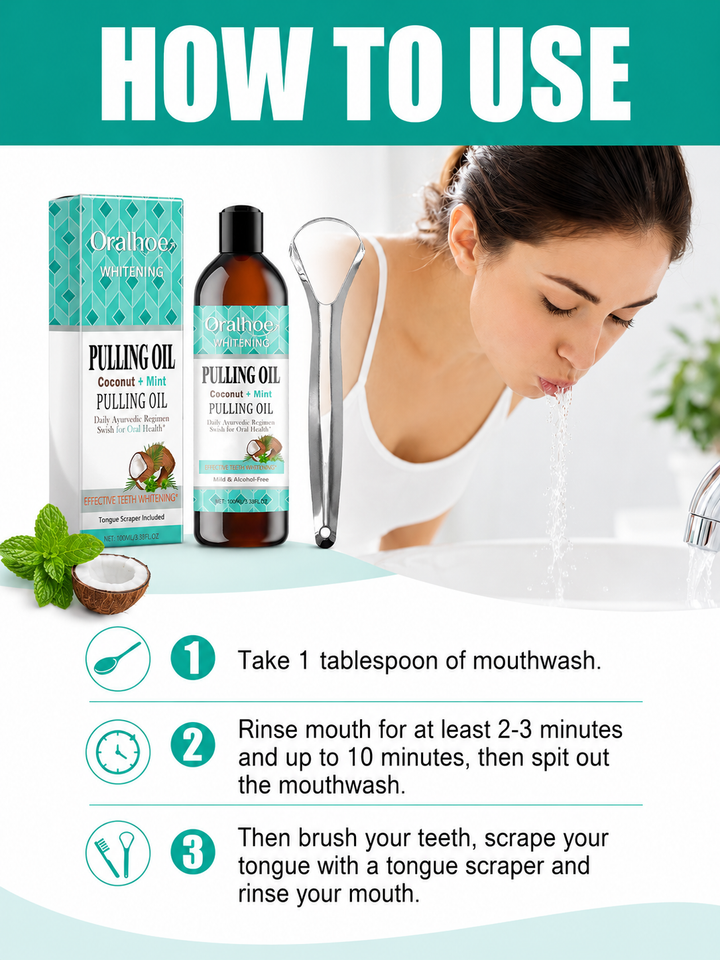
Follow the product label rather than applying more often or using a larger amount. Wash your hands, clean your teeth or tongue as directed, and apply the gel or spray only to the stated area. Avoid swallowing a product unless its instructions specifically permit normal incidental swallowing, and keep it away from children and pets unless it is labeled for them. Stop using the product if you develop significant irritation, swelling, rash, or worsening discomfort. Do not apply human oral gel to cuts, ulcers, or damaged tissue unless the label says it is suitable. For whitening pens, keep the gel on the tooth surfaces as directed and avoid deliberately placing it on the gums. Seek dental advice for persistent pain, bleeding, swelling, sores, or changes that do not improve.
What are common oral care gel mistakes?
One common mistake is choosing a product by the word “gel” without checking its purpose. A fresh-breath spray is not the same as a gum-care gel, and a whitening pen is not a substitute for treatment of pain or gum problems. Another mistake is using a pet dental gel on people or a human gel on dogs; product safety depends on the species and label directions. Applying excessive product, using it more frequently than instructed, or brushing aggressively can also increase irritation. Do not rely on fresh breath products to hide ongoing odor, bleeding, tenderness, or loose teeth. Avoid using intimate gel or prostate soothing gel in the mouth, even if the packaging mentions soothing or moisturizing. Review the ingredients and instructions every time you switch products.
Who is oral care gel best suited for?
Oral care gels and sprays can suit adults who want a portable fresh-breath option, targeted tongue care, controlled whitening application, or an addition to regular brushing. They may also be convenient for shoppers who dislike strong toothpaste textures or want a product for occasional use outside the home. They are not a replacement for brushing, cleaning between teeth, routine dental care, or professional treatment. People with recurring ulcers, gum recession, bleeding, persistent bad breath, severe sensitivity, dental restorations, or unexplained mouth changes should ask a dentist or other qualified clinician which products are appropriate. Parents should check age directions before use. Pet owners searching for TropiClean-style fresh-breath products or a pet dental gel should shop a separate animal-care category and follow veterinary or package guidance.
Frequently asked questions
What is oral gel used for?
Oral gel can be used for targeted mouth care, depending on its formula. Common purposes include fresh-breath support, tongue care, whitening application, or soothing care for a specified area. Check the label because products with similar names can have different uses.
How do you use Relief Oral Care gel?
Use it exactly as directed on the package, applying only the stated amount to the stated area. Wash your hands first, avoid swallowing unless the instructions allow it, and stop if irritation or worsening discomfort occurs. If symptoms persist, consult a dental professional.
What is the best teeth repair gel for receding gums?
No over-the-counter gel can be assumed to repair receding gums. A gum-care gel may provide targeted care according to its label, but recession can have different causes and should be assessed by a dentist. Choose a product with clear directions and do not delay professional advice for bleeding, pain, or progressive changes.
Does oral gel help with gingivitis?
Some products are marketed for gum care, but an oral gel should not be relied on as a guaranteed treatment for gingivitis. Daily brushing, cleaning between teeth, and professional dental guidance are important. Bleeding, swelling, tenderness, or persistent bad breath should be discussed with a dentist.
What gets rid of gingivitis the fastest?
There is no single fastest option that is suitable for everyone. Professional assessment, careful daily brushing, cleaning between teeth, and following a dentist’s recommendations are generally more appropriate than trying multiple gels. Do not use a fresh-breath product to mask ongoing gum symptoms.
Can you smell if someone has gingivitis?
Persistent bad breath can occur with several mouth or general health concerns, including gum problems, but smell alone cannot identify gingivitis. A dental examination is needed to assess bleeding, swelling, plaque, and other signs. Ongoing mouth odor should be checked rather than covered with spray or gel alone.