Gum Care Gel: Sore Gum Treatment & Tooth Pain Relief at Home17 items
















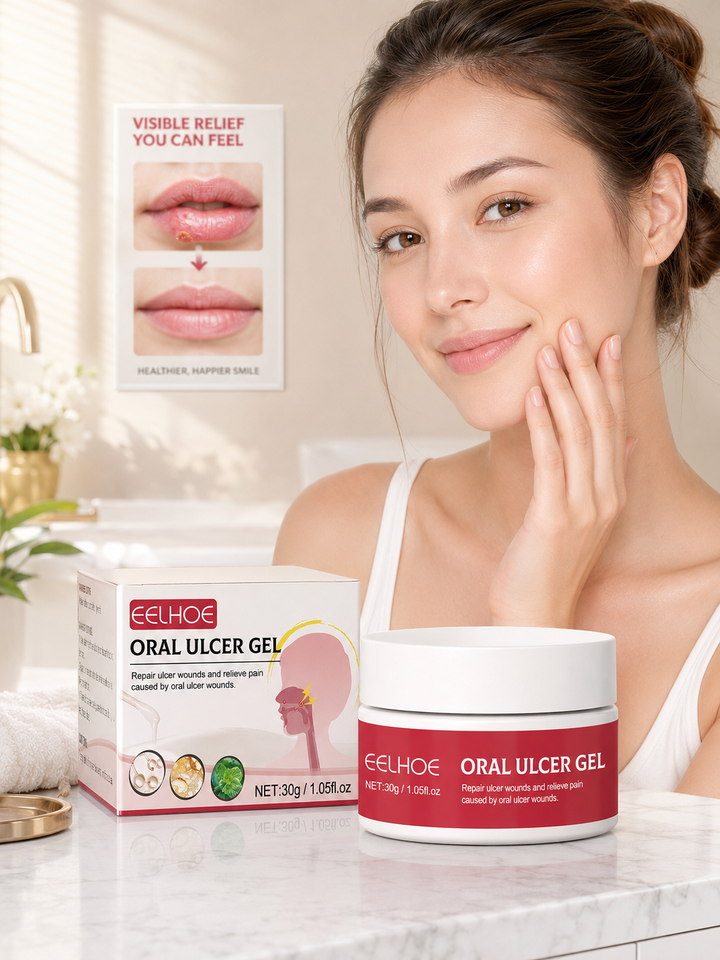
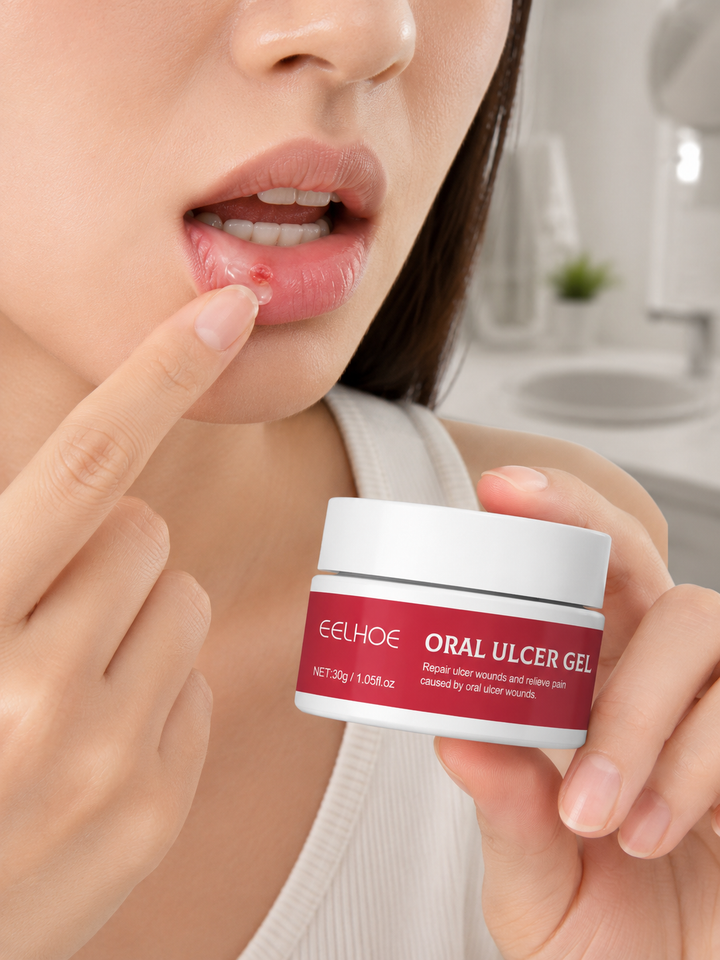
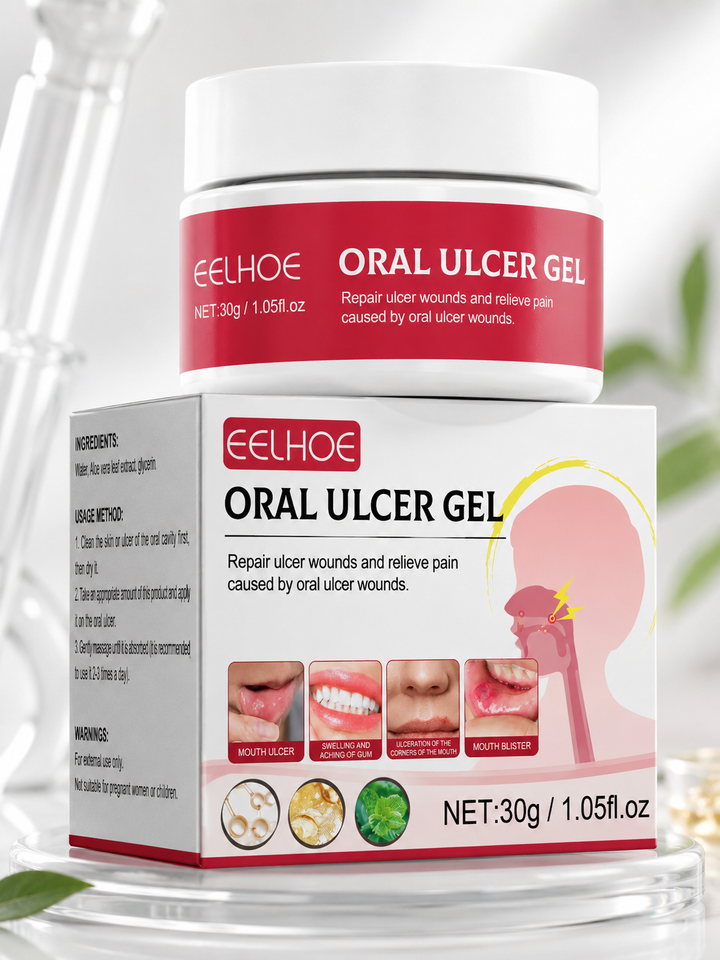


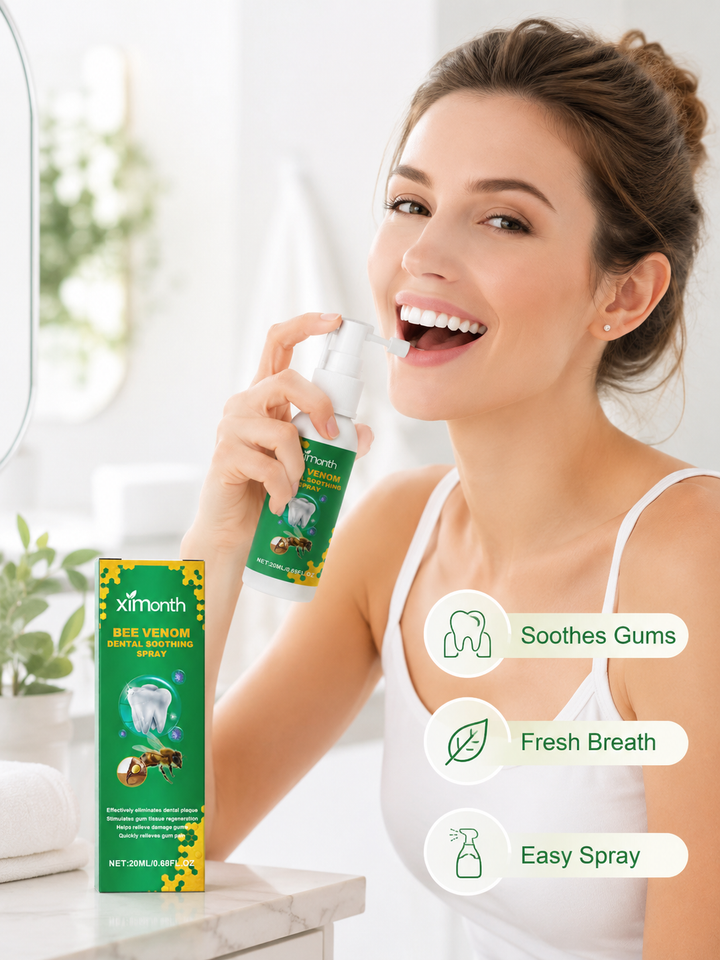


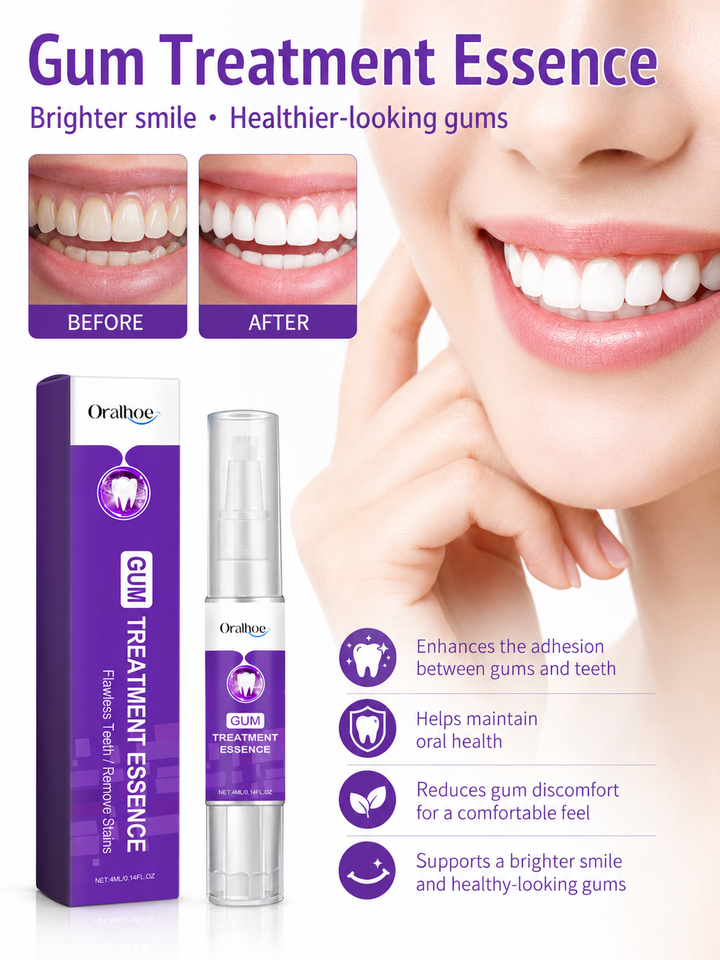
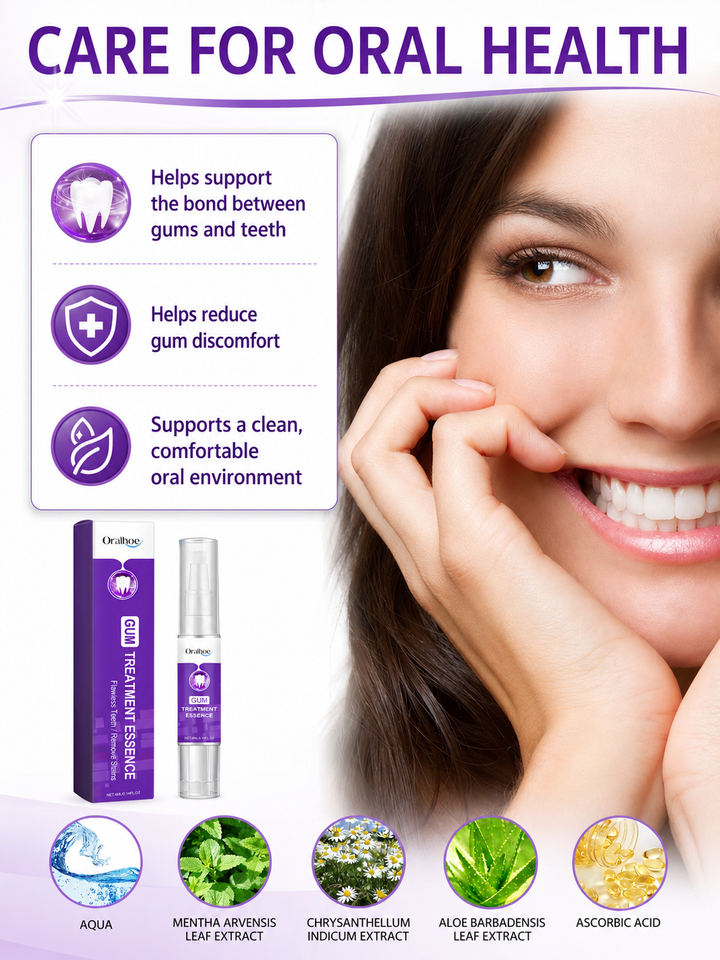
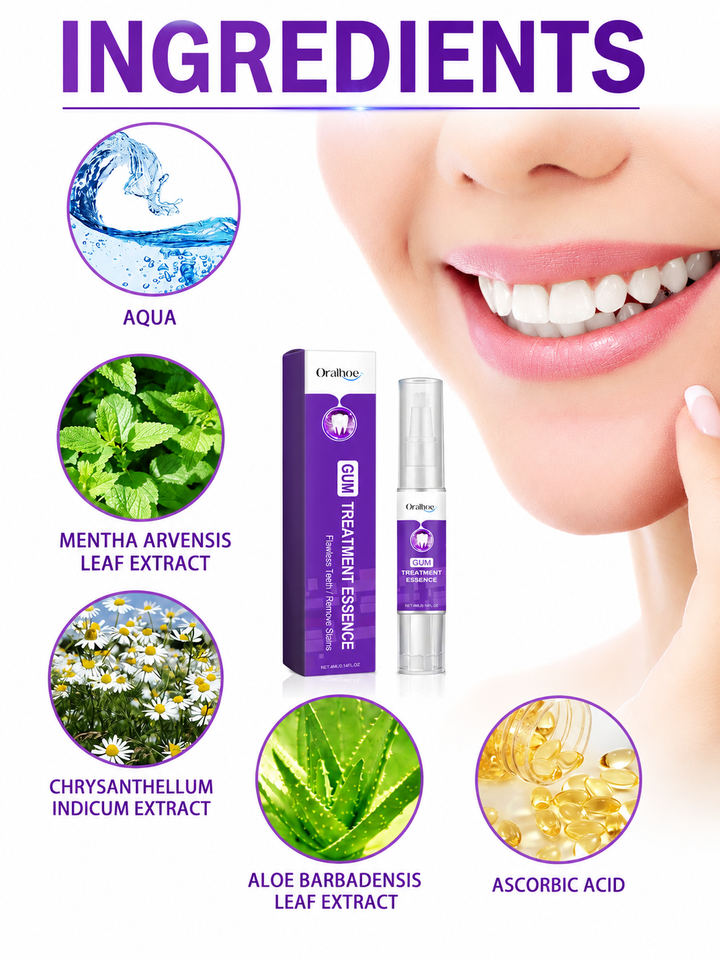
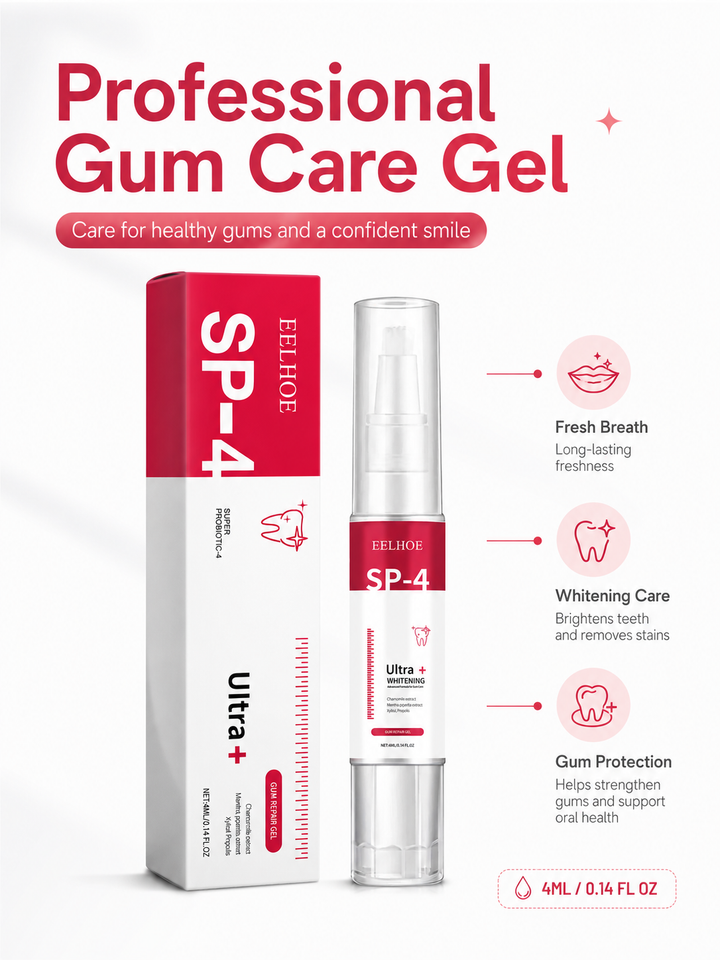
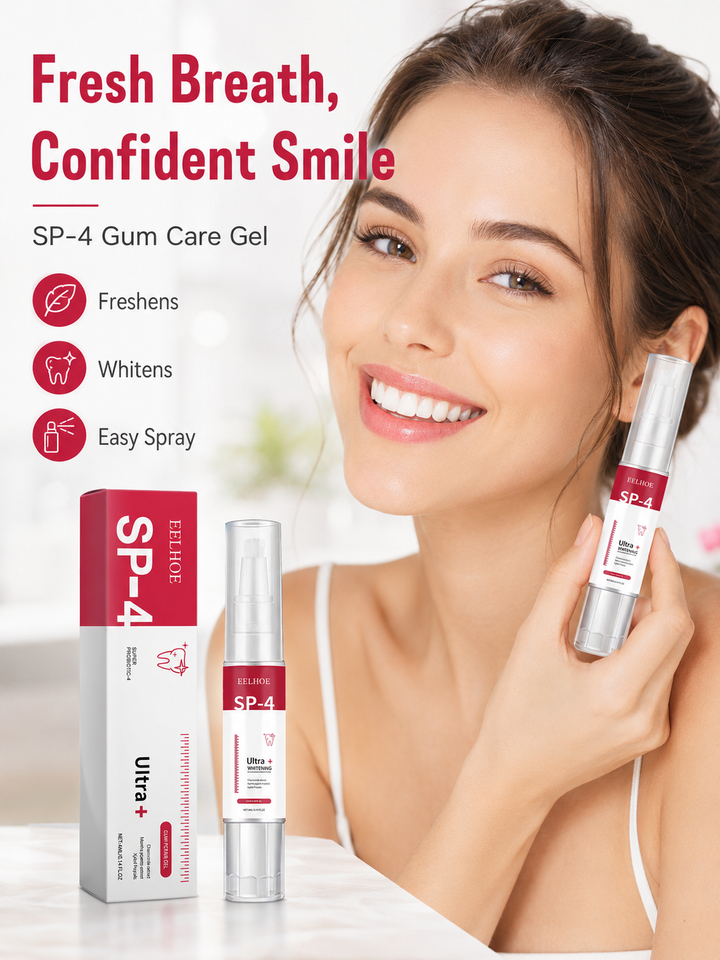
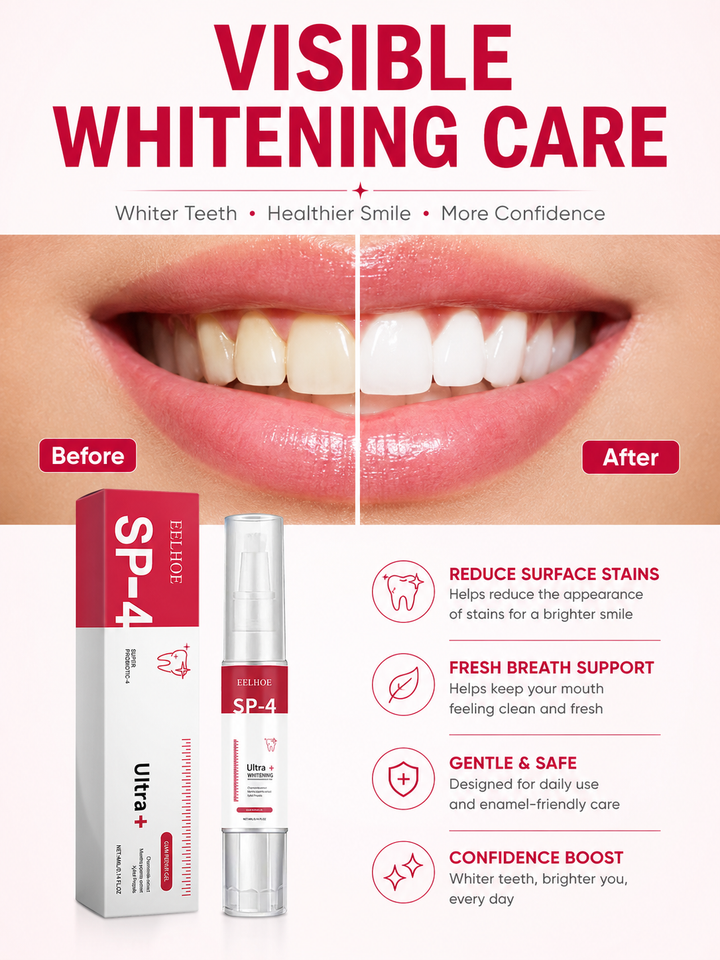
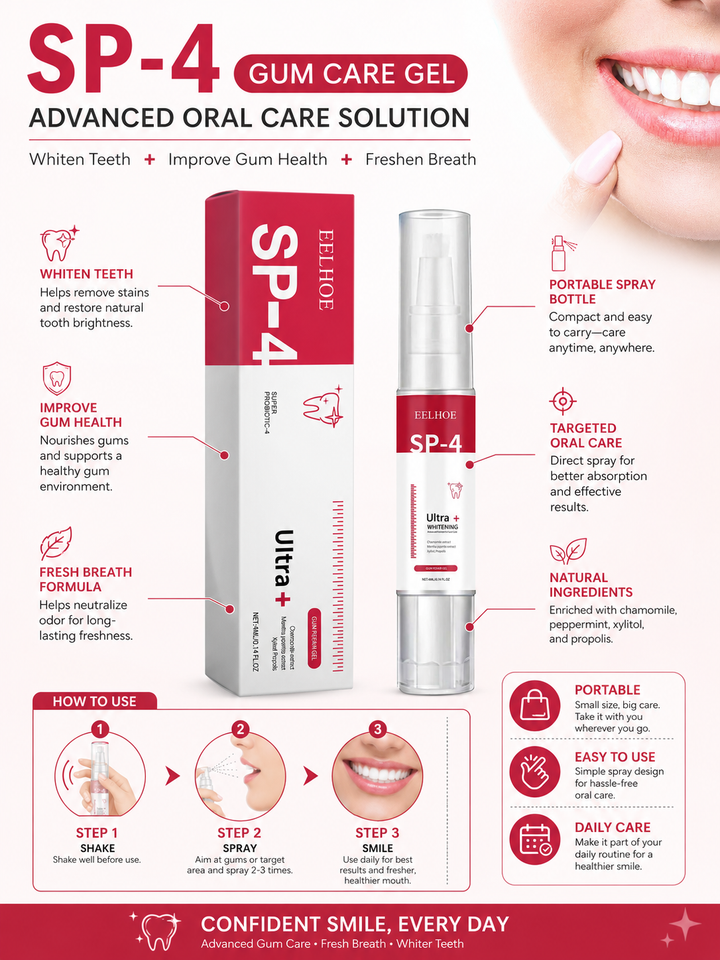

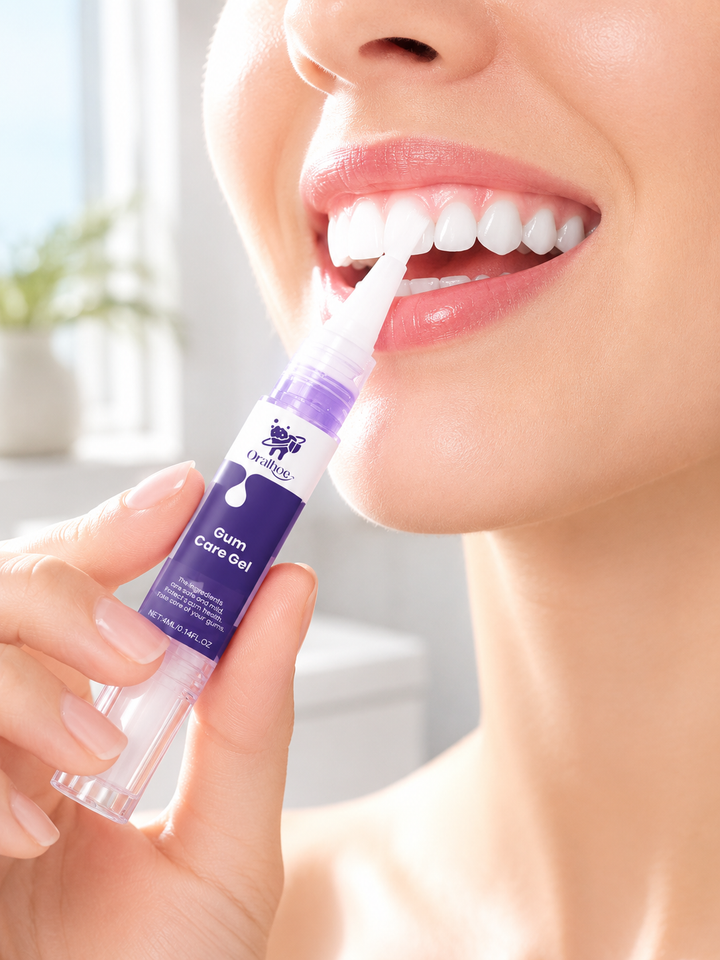

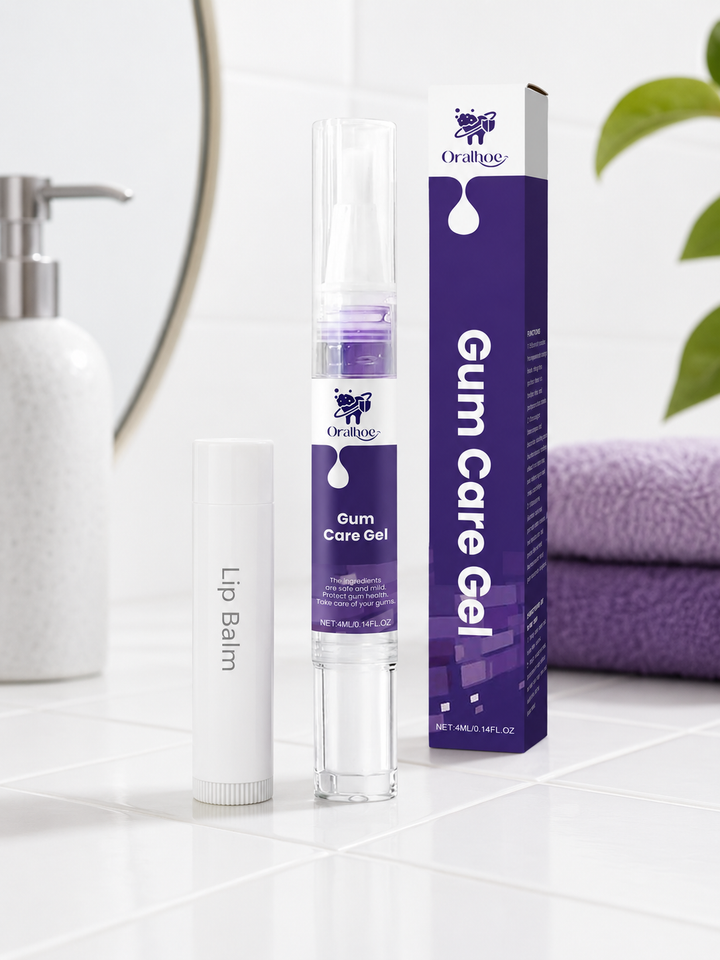

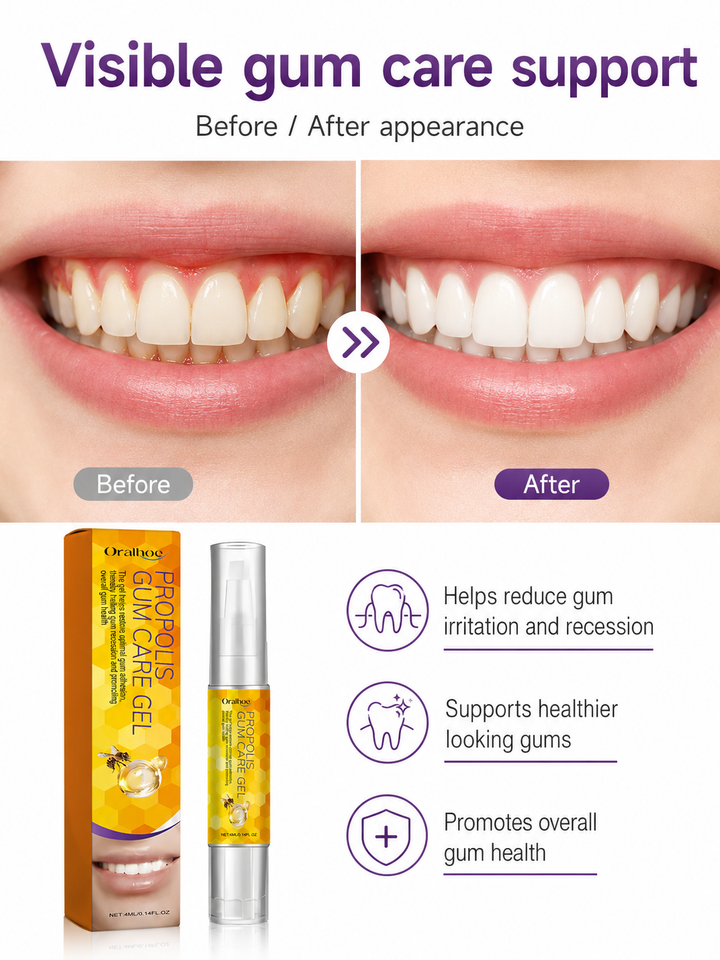
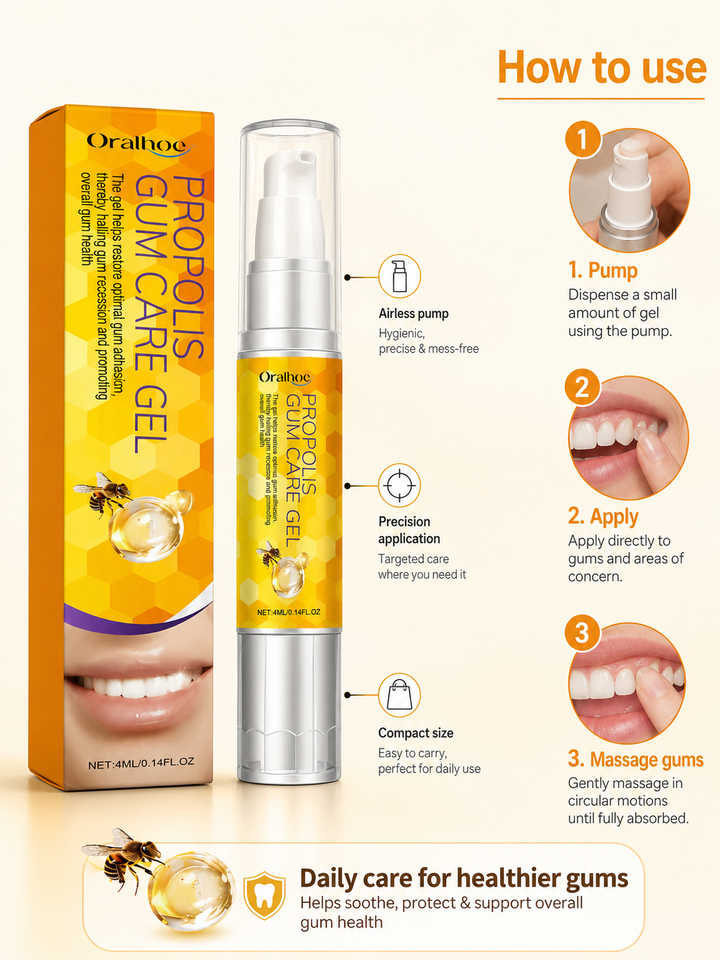

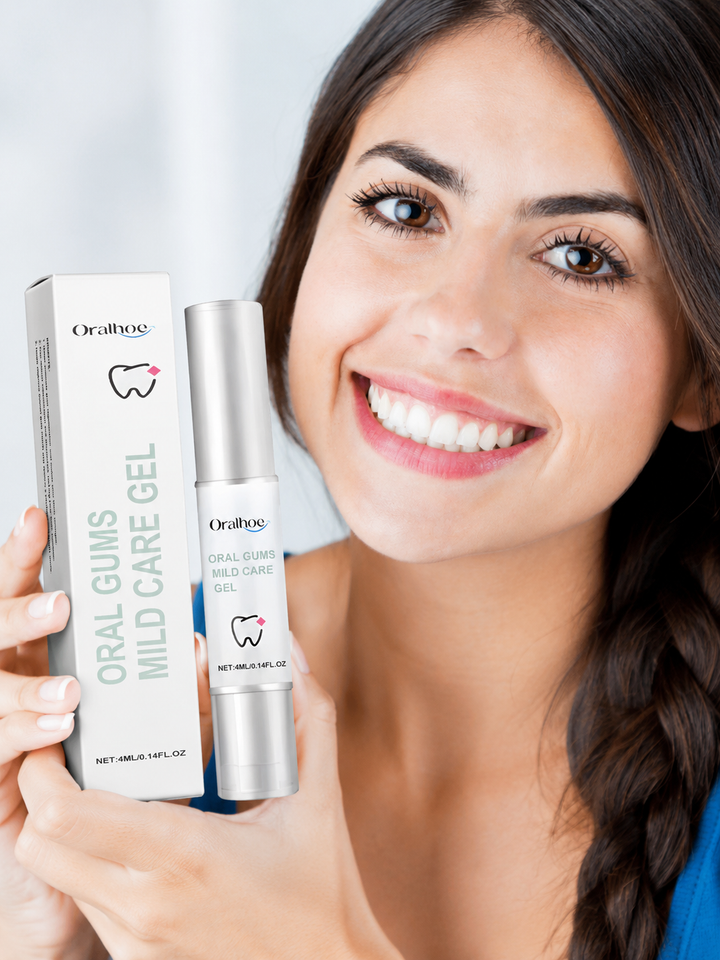


Gum care gels are designed for targeted oral care when brushing alone does not reach every sensitive or plaque-prone area. This guide compares gel formats, application methods, and useful features so you can choose a product that fits your routine while knowing when professional dental advice is needed.
How to choose a gum care gel for sore gums
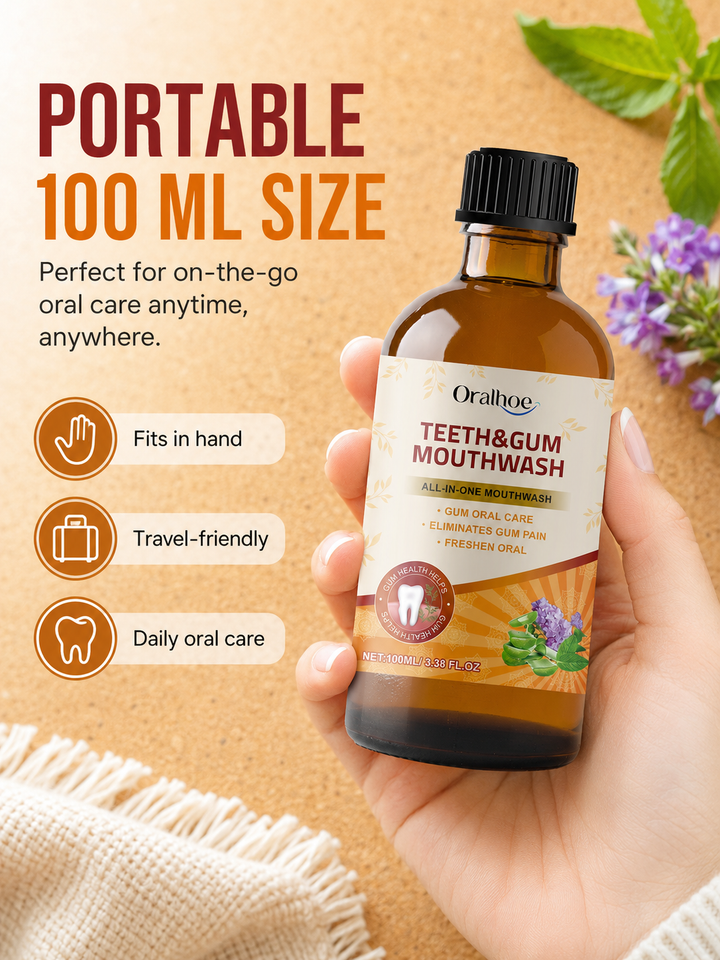
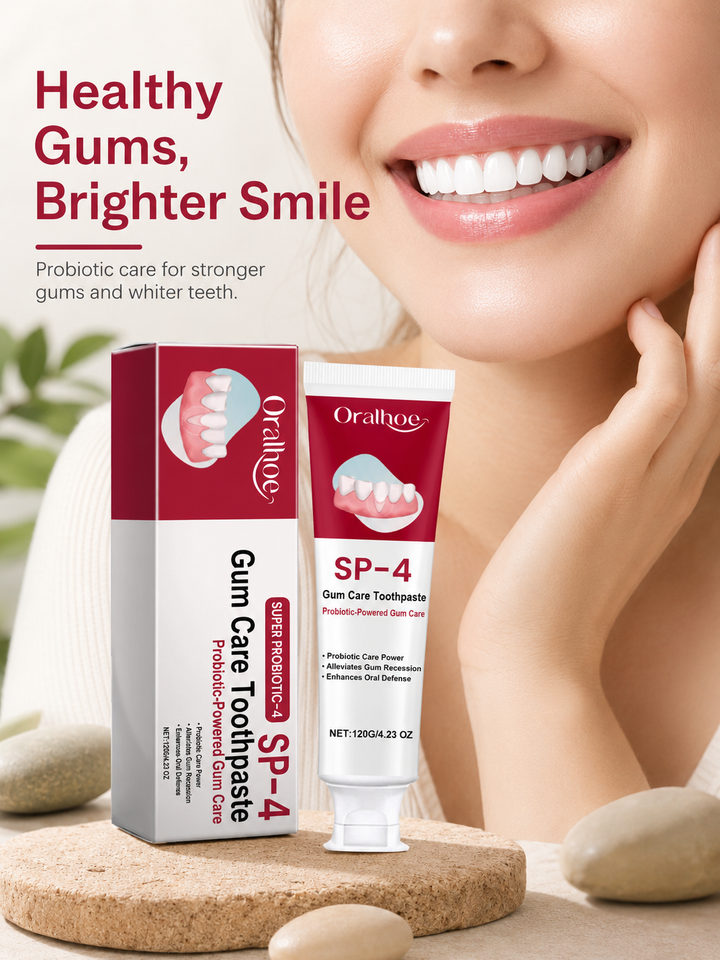
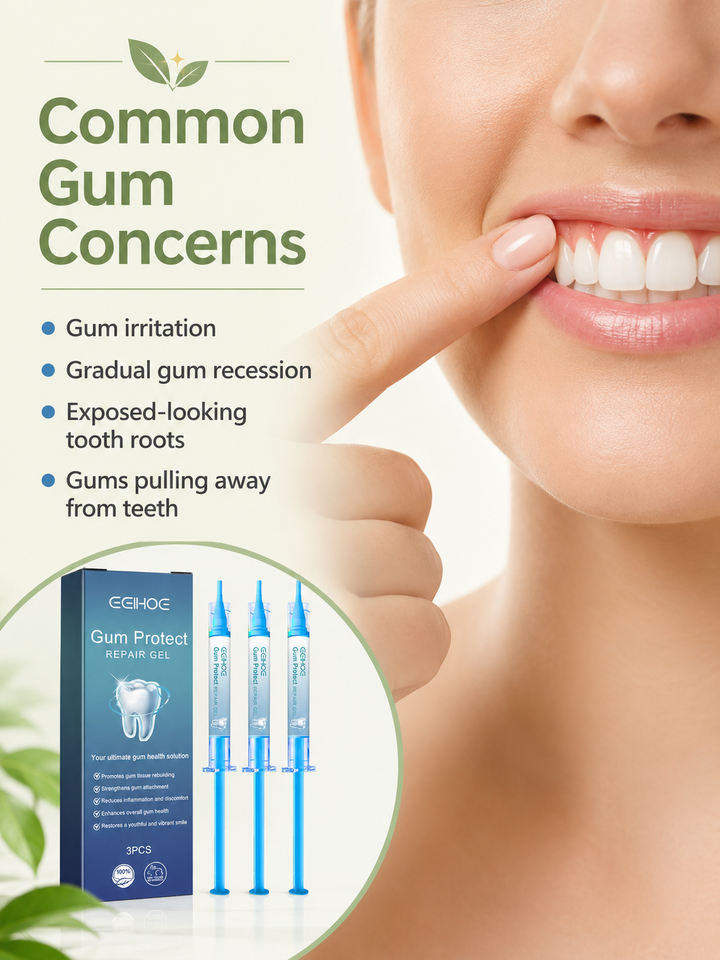
Start by matching the product to your main goal. A Gum Care Gel — Deep Cleans Stains & Gently Protects Gums is suited to targeted daily cleaning, while a Gum Pain Relief Gel with Whitening — Instant Soothing is better for shoppers who want a soothing feel alongside stain-focused care. If you prefer broader coverage, consider the Herbal Mouthwash with Aloe or the Gum Care Toothpaste as part of a complete routine. Check the label for directions, flavour, ingredients, and whether the gel is intended for gums, teeth, or both. For ongoing bleeding, swelling, severe tooth pain, pus, loose teeth, or symptoms that do not improve, seek advice from a dentist rather than relying on home gel alone.
What types of gum care products are available?
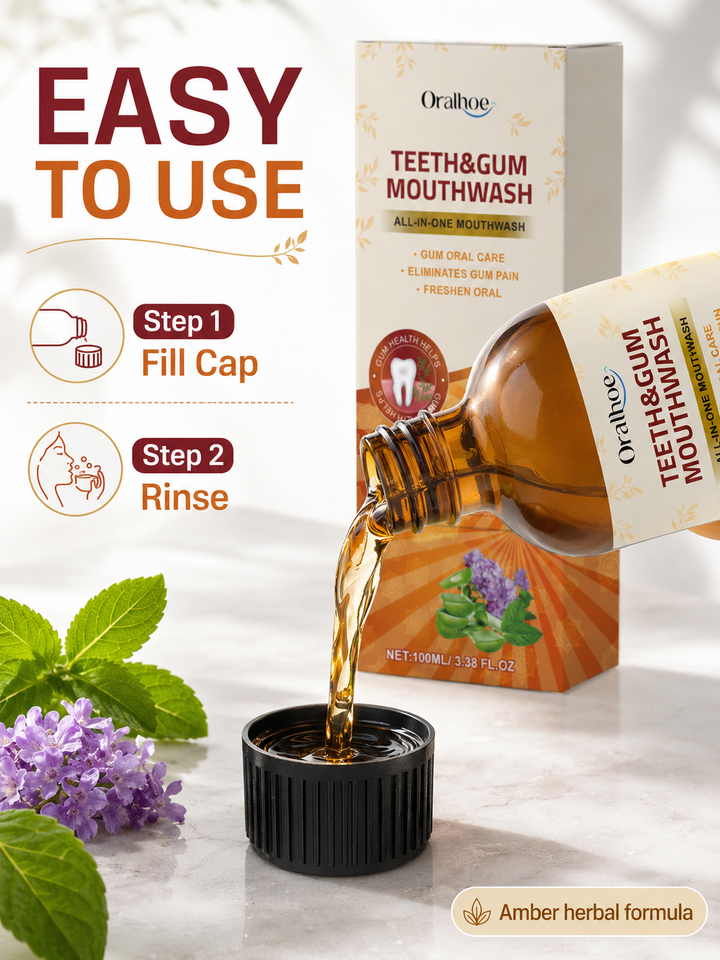
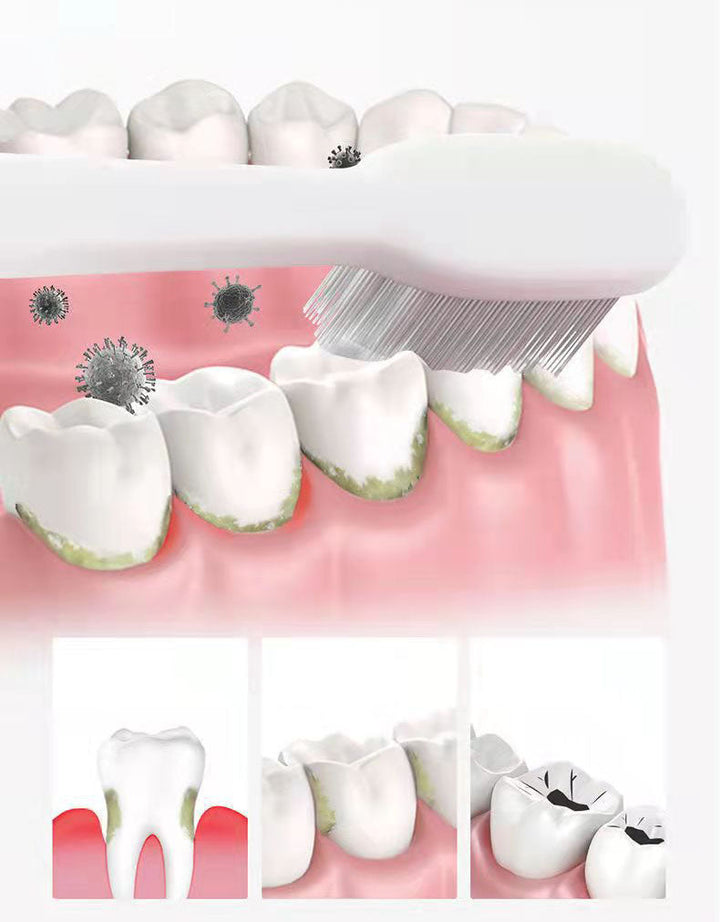
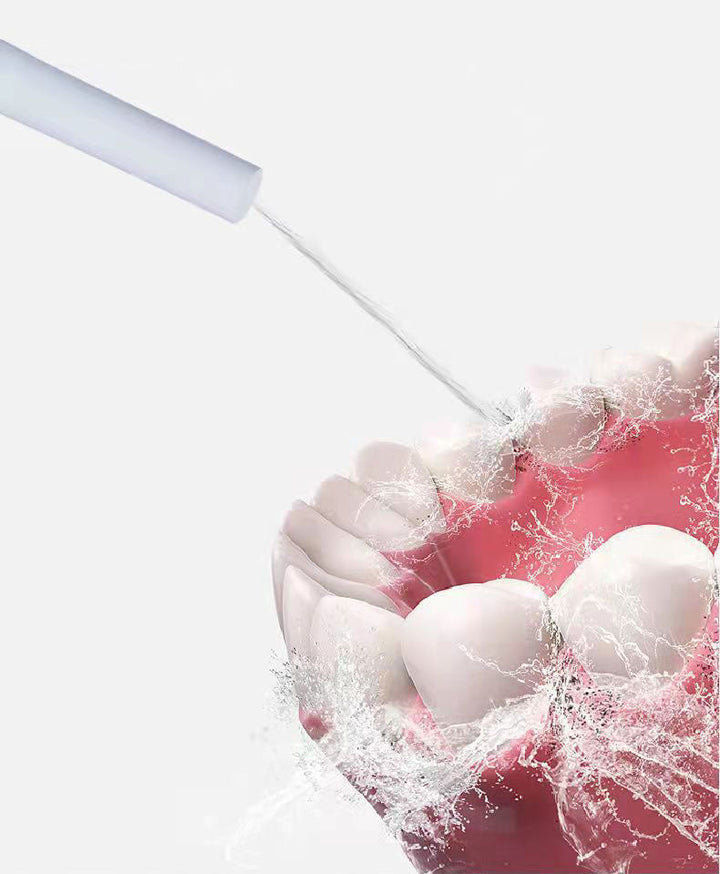
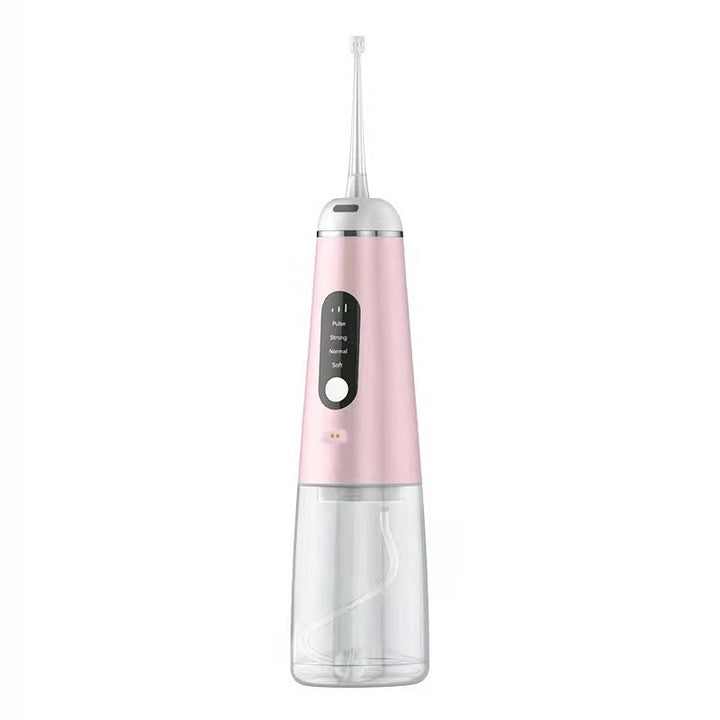
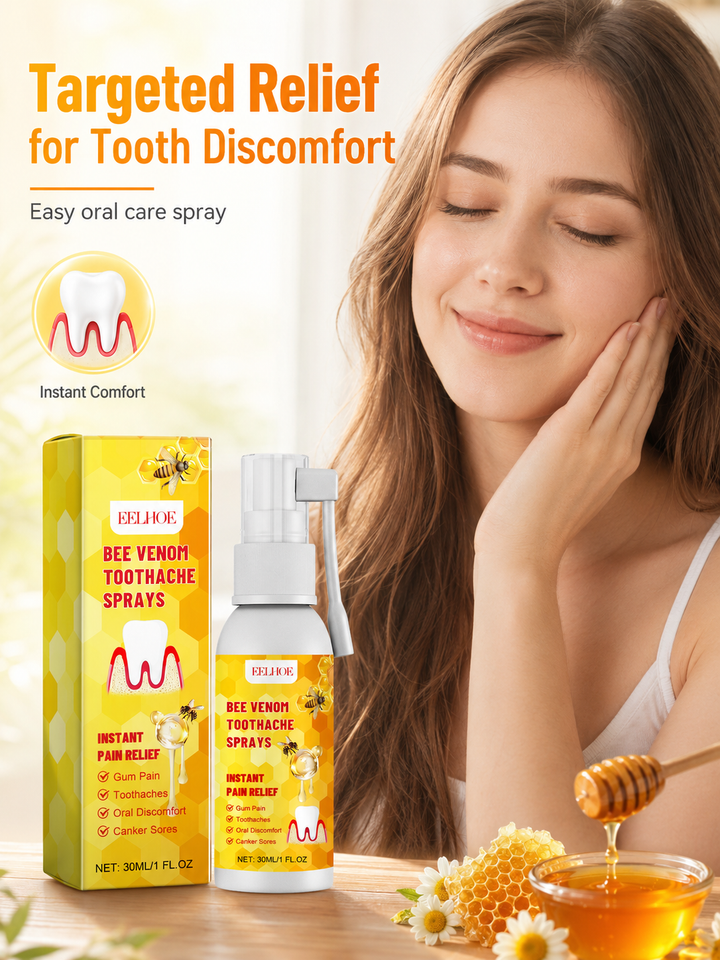
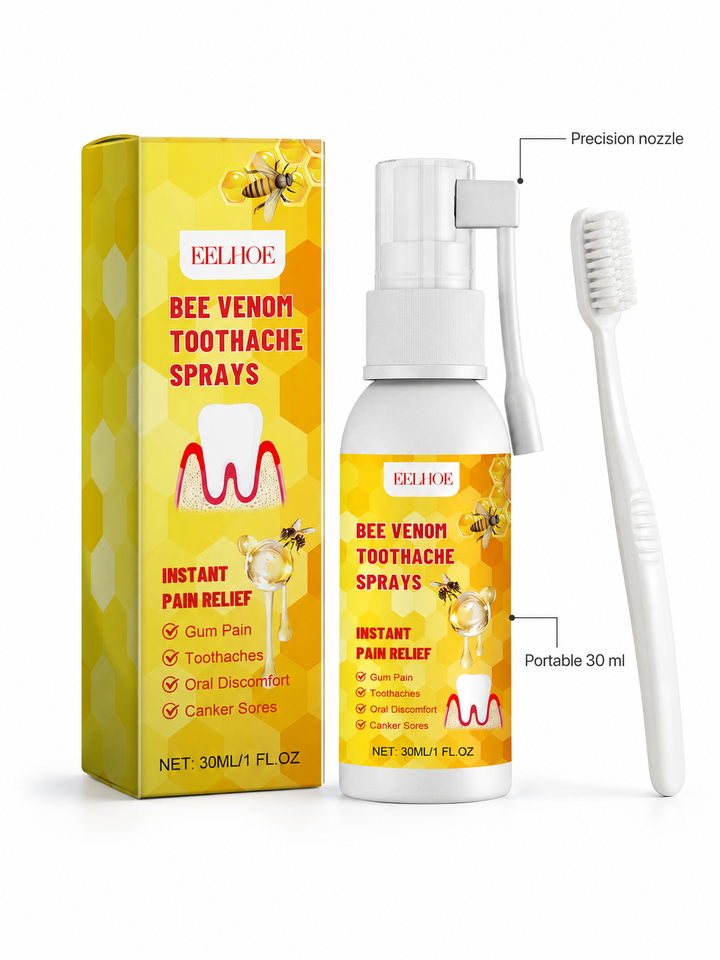
Gum care gels are useful for applying a small amount directly to a chosen area, while toothpaste is designed for brushing across the teeth and gumline. A mouthwash can help rinse around the mouth after brushing, and a spray offers convenient spot application without using a finger or brush. The Electric Toothbrush with Water Jet – Advanced Gum Care combines powered brushing with water cleaning for shoppers who want a more complete routine. Products described as gum repair gels may support a cleaner, more comfortable-feeling mouth, but “repair” should not be read as a guarantee that recession or damaged tissue will be reversed. Choose one primary product first, then add complementary care if the instructions allow.
What should you look for in the best gum repair gel?
Look for clear instructions, a hygienic applicator or easy-to-dispense tube, and ingredients that suit your preferences. A gel for gums should spread easily without requiring aggressive rubbing, and the packaging should explain whether it is for daily use or occasional application. If you are comparing gum repair gel reviews, focus on practical details such as texture, taste, ease of application, and how the product fits around brushing. Avoid choosing solely because of words such as “deep clean,” “instant,” or “repair.” For shoppers sensitive to strong flavours, a gentle-tasting formula may be easier to use consistently. If you have allergies, read the full ingredient list and stop using the product if irritation develops.
How do you apply gel for gums?
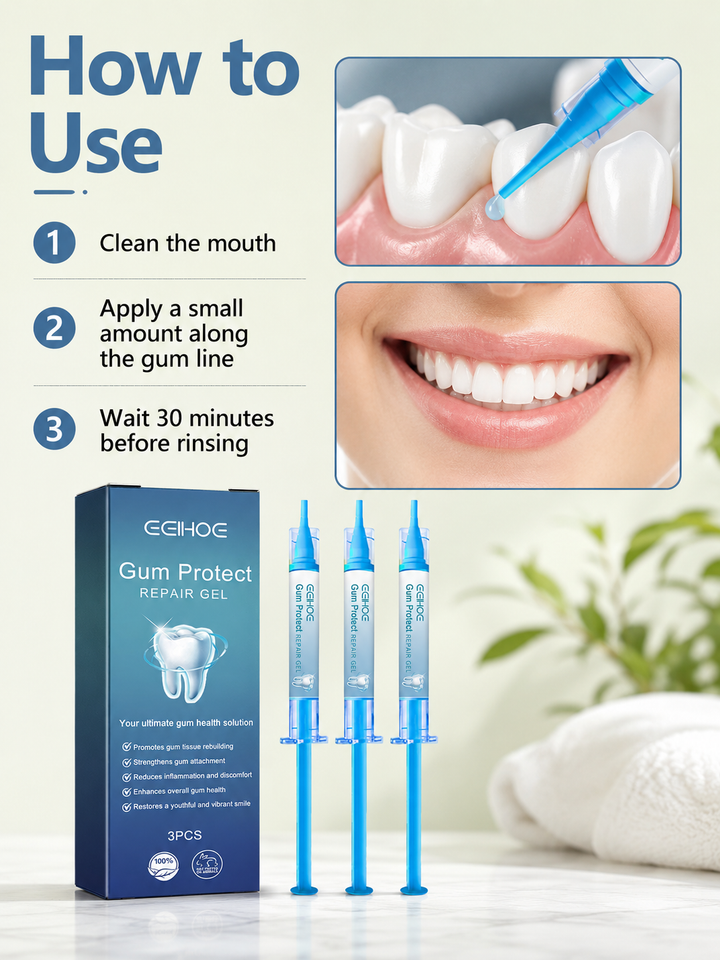
Follow the product label first, because application can vary. In general, brush and rinse as directed, wash your hands, then apply a small amount of gel to the gumline or the specific area named in the instructions. Use a clean fingertip, soft brush, or supplied applicator, and spread gently rather than pressing hard. Do not swallow the product, share an applicator, or apply it more often than recommended. Allow any stated contact time before rinsing, eating, or drinking. For a spray, aim only as directed and avoid spraying into the eyes or inhaling it. Do not apply oral gel to an open wound unless the label specifically permits it.
What mistakes should you avoid with gum care gel?
A common mistake is treating gel as a substitute for brushing, interdental cleaning, or dental check-ups. Another is using too much product or scrubbing sore areas aggressively, which can make the mouth feel more irritated. Do not combine several strong oral products at once without checking their instructions, and do not use a product intended for joints or skin in the mouth. Keep tubes and sprays clean, close the cap after use, and check storage guidance and expiry information. If a product causes burning, rash, swelling, or worsening discomfort, discontinue it and seek appropriate advice. Persistent tooth pain, facial swelling, fever, or trouble swallowing requires prompt professional attention.
Who is gum care gel suitable for?
Gum care gel may suit adults who want targeted support at the gumline, help keeping hard-to-reach areas clean, or a soothing addition to an established oral-care routine. It can be particularly convenient for shoppers who dislike rinsing with mouthwash or want a portable option for spot application. It is not a universal treatment for every cause of gum discomfort, and children, people with allergies, and anyone using dental medication should check the label or ask a dental professional before use. If you are researching what oral gel is best for a suspected gum infection, remember that an online product page cannot diagnose the cause. A dentist can assess infection, recession, ulcers, or tooth-related pain and recommend suitable care.
Frequently asked questions
Does gum therapy gel actually work?
A gum care gel can help clean or soothe targeted areas when used as directed, but results depend on the product, the cause of discomfort, and consistent oral hygiene. It should not be treated as a guaranteed solution for infection, recession, or persistent tooth pain.
What is the best gel for repairing gums?
The best choice depends on whether you want targeted cleaning, a soothing sensation, or help complementing brushing. Compare the intended use, ingredients, application instructions, and user feedback about texture and comfort; no gel can guarantee that damaged or receding gums will grow back.
What kind of gel is best for treating a gum infection?
A suspected gum infection should be assessed by a dentist rather than self-treated with a retail gel alone. A gel may provide temporary cleansing or comfort, but it may not address the underlying cause or replace professional treatment.
What are the benefits of using gum care gel?
Depending on the formula, a gum care gel may offer targeted application, a soothing feel, support for cleaning around the gumline, or an easy addition to brushing. Check the individual product description because benefits, ingredients, and directions differ.
What oral gel is best for treating a gum infection?
There is no single best over-the-counter oral gel for every suspected infection. Seek dental advice for swelling, bleeding that persists, pus, fever, severe pain, or a bad taste, and use any retail gel only according to its label.
How do you apply gel for gums?
Follow the product instructions, then apply the recommended amount to clean gums with a washed fingertip, soft brush, or supplied applicator. Spread gently, avoid swallowing it, and do not exceed the stated frequency or use a skin or joint gel inside the mouth.