Gum Care: Remineralizing Rinse for Receding Gums & Disease
15 items
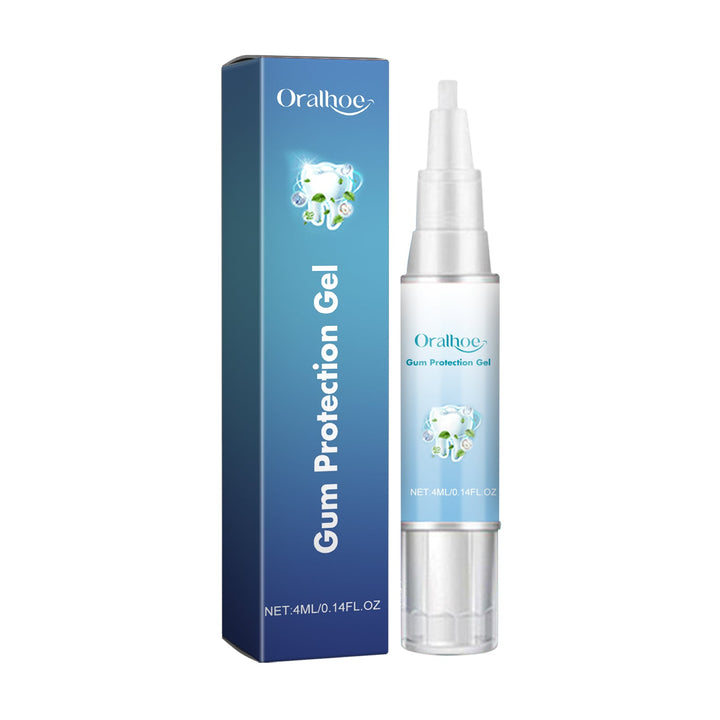
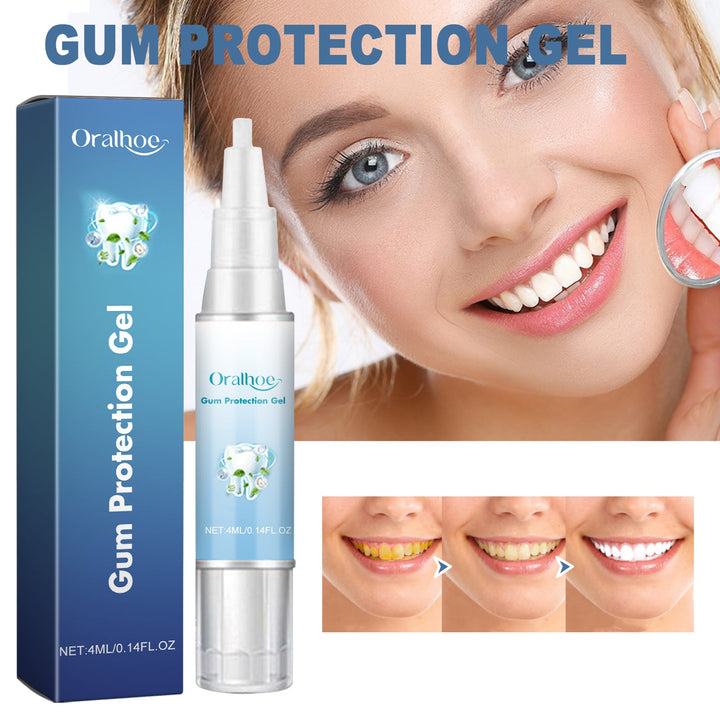
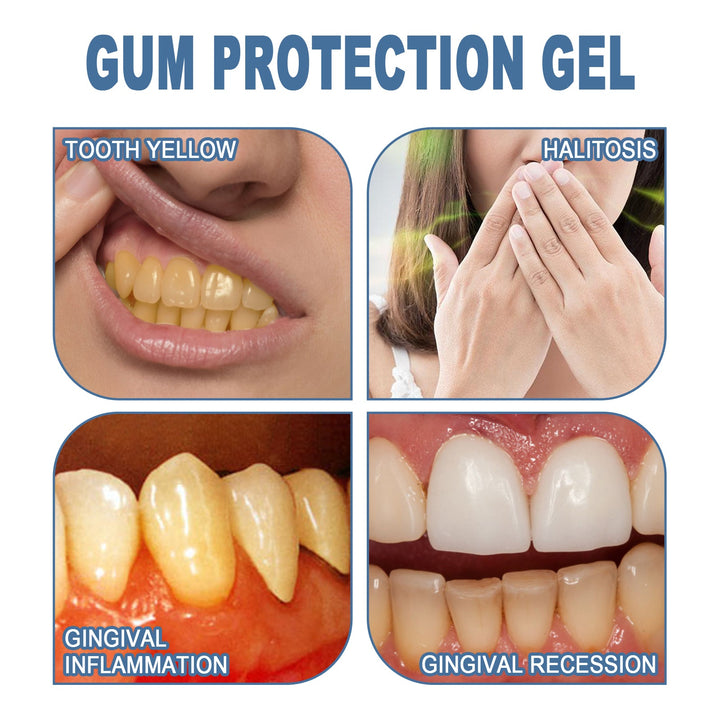

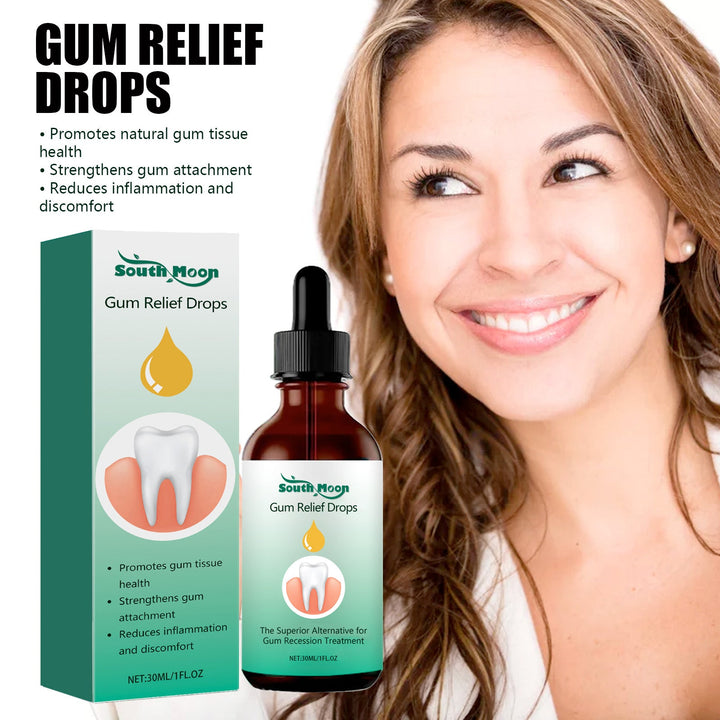
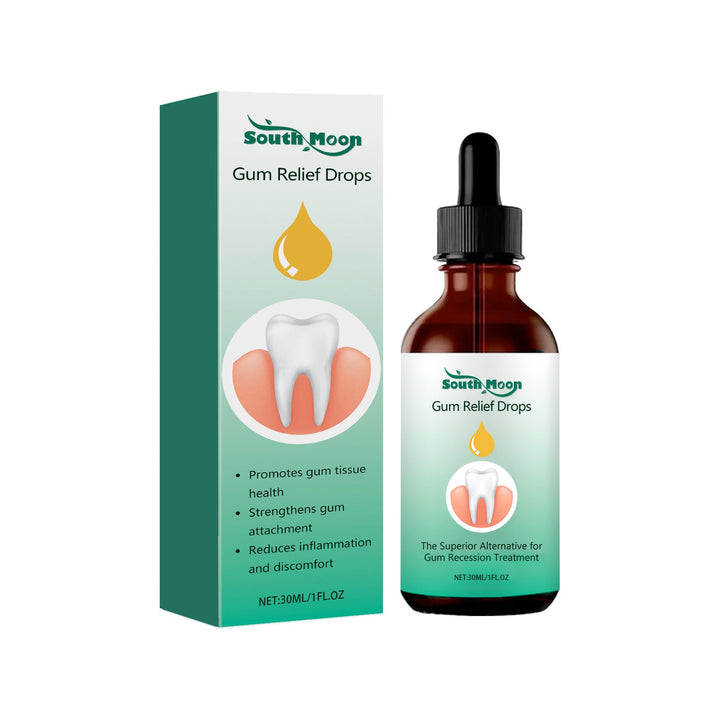
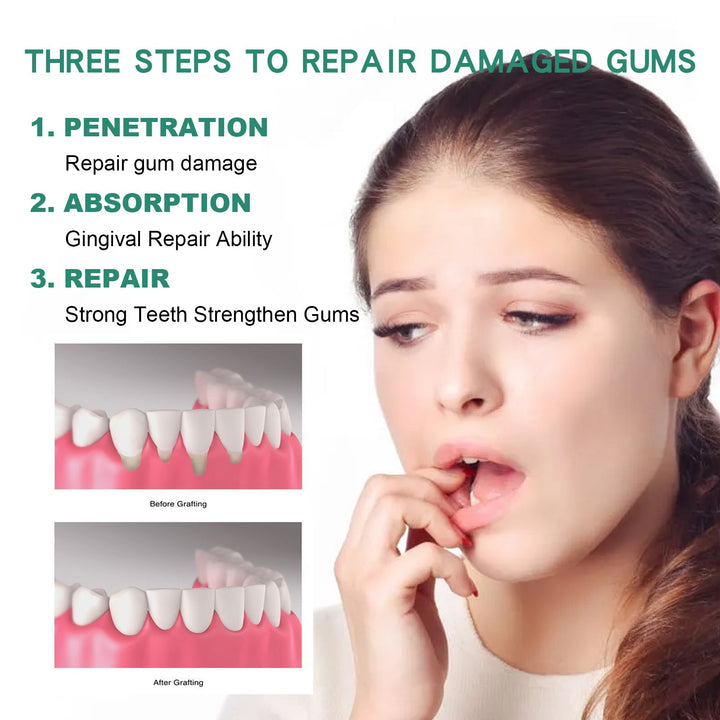

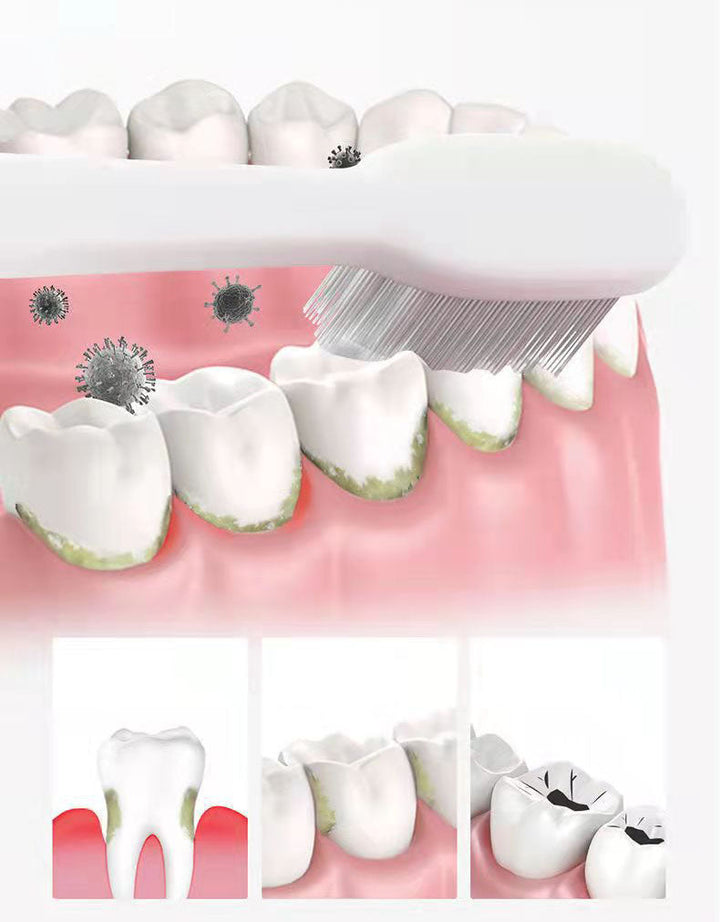
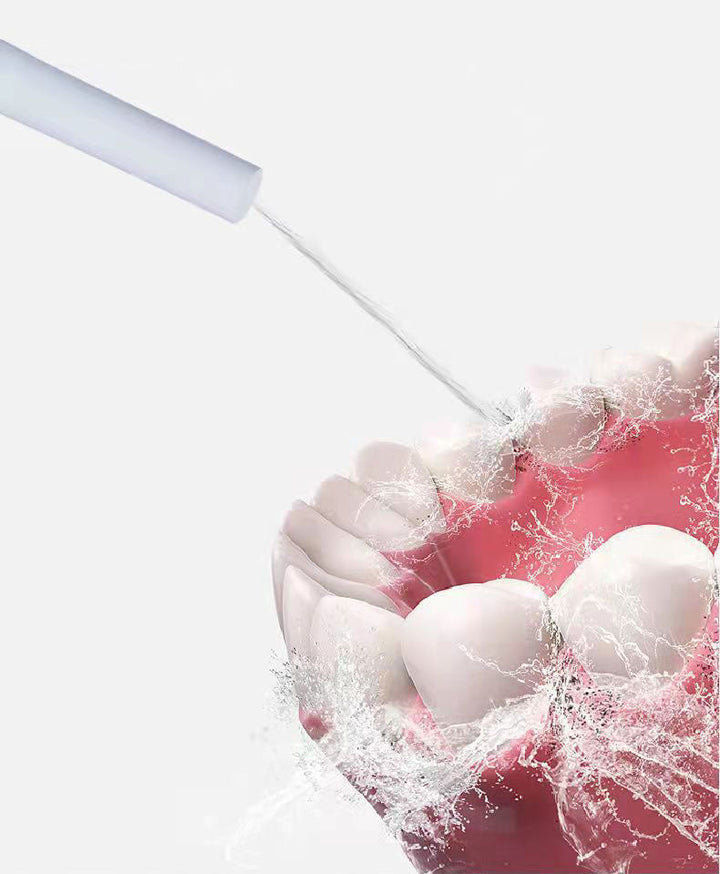

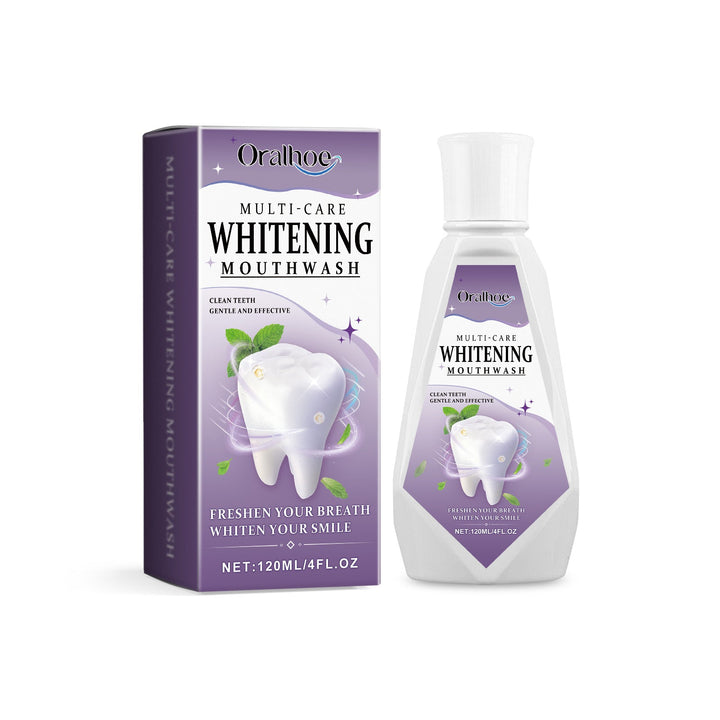
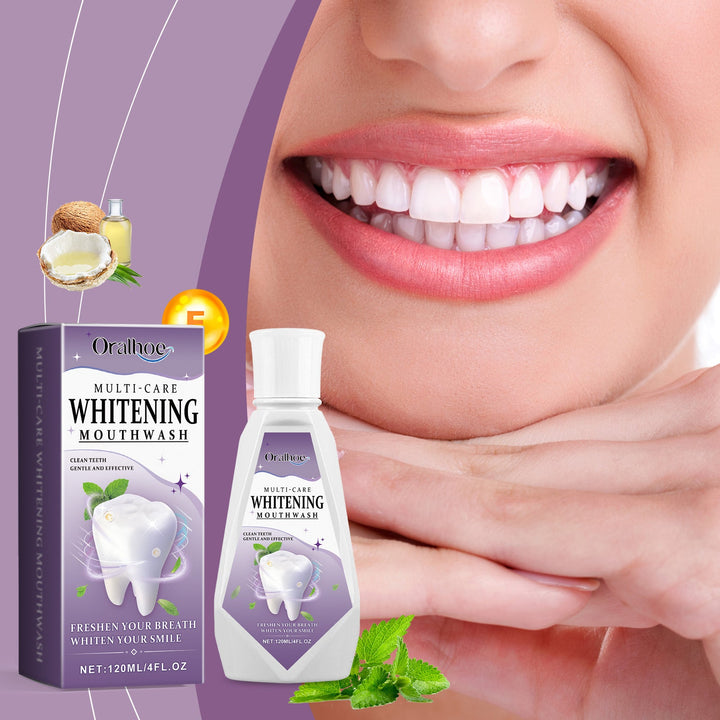
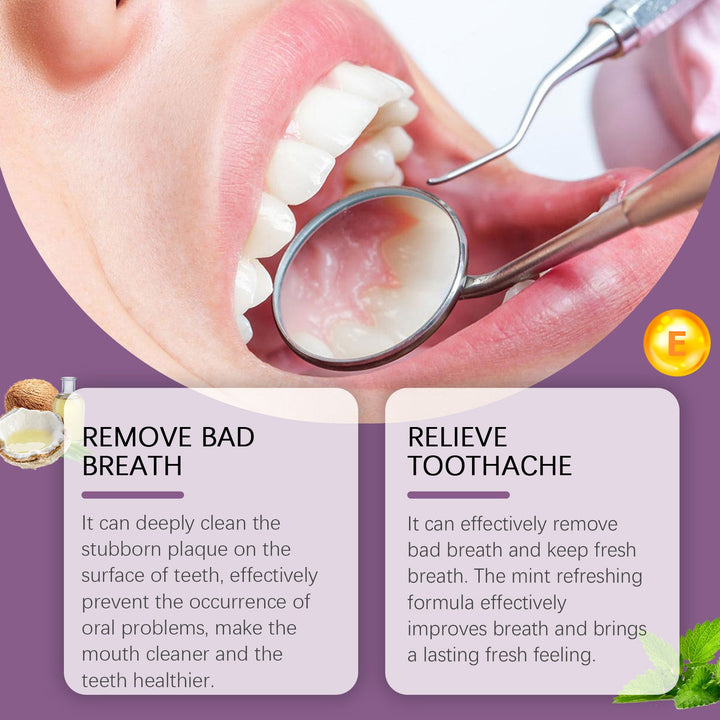


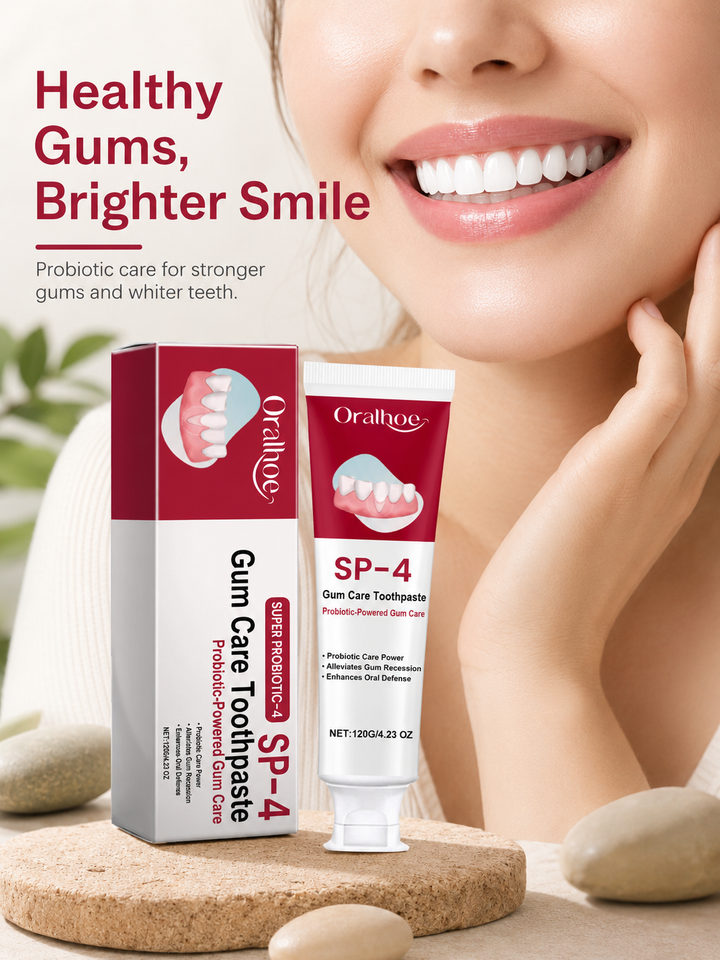


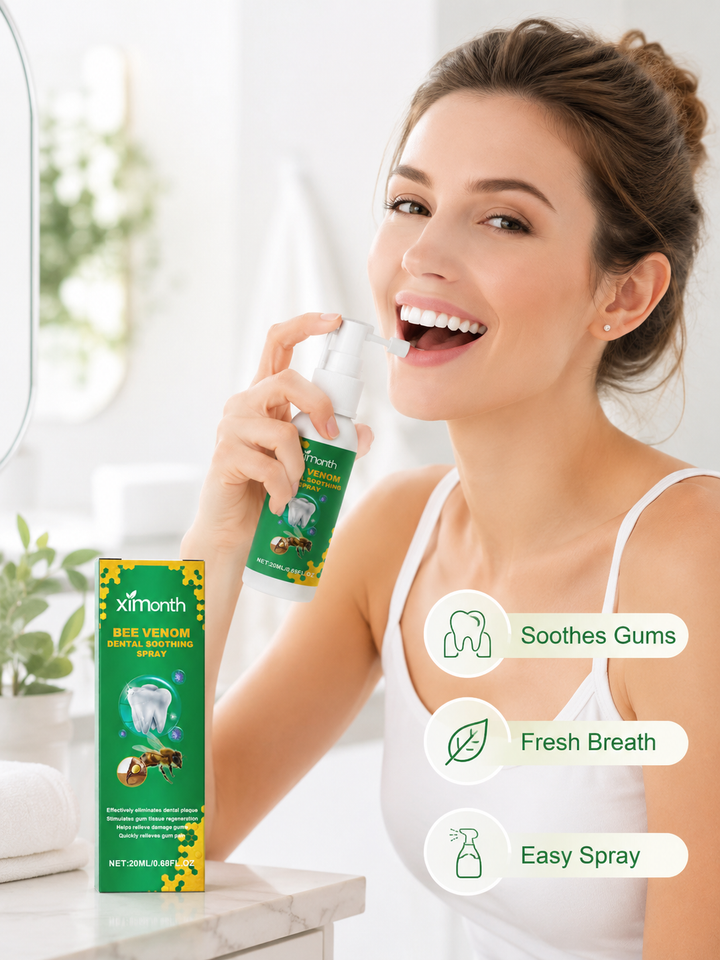


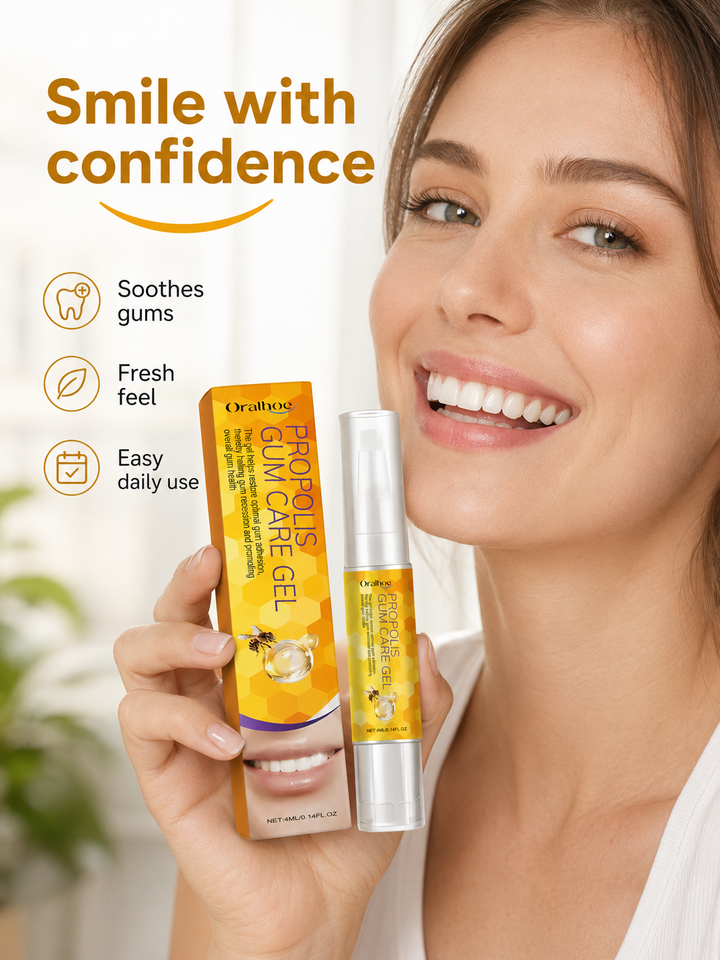
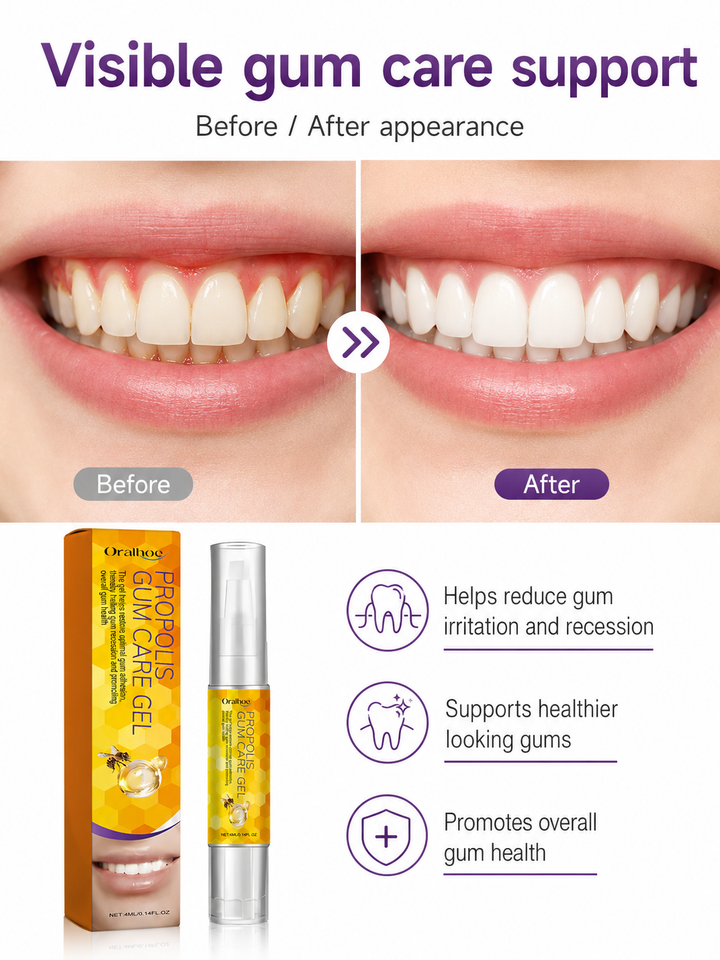
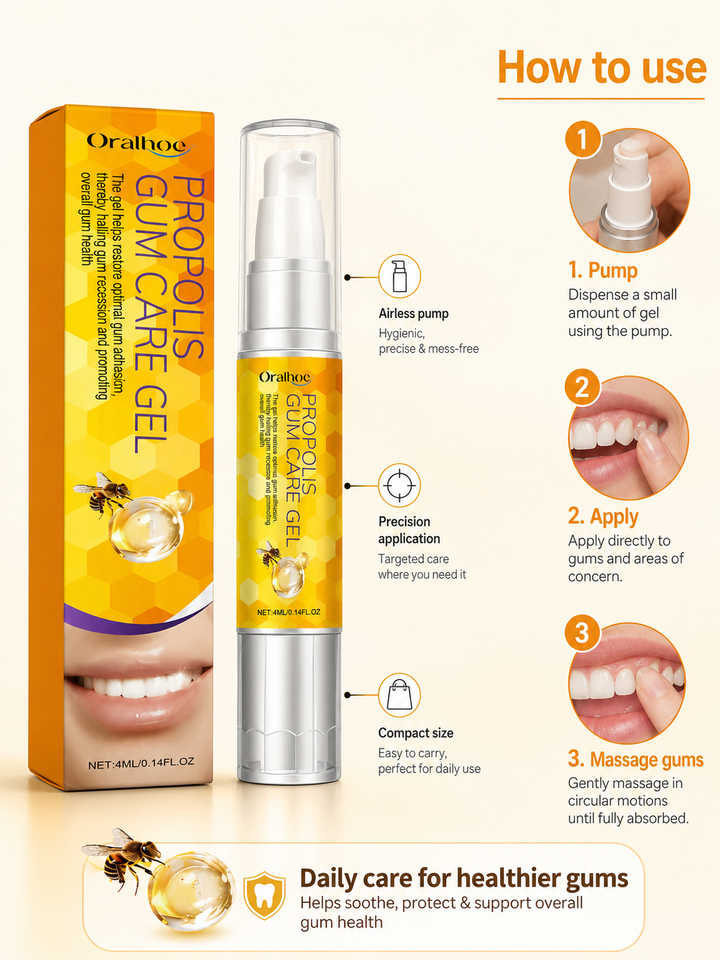


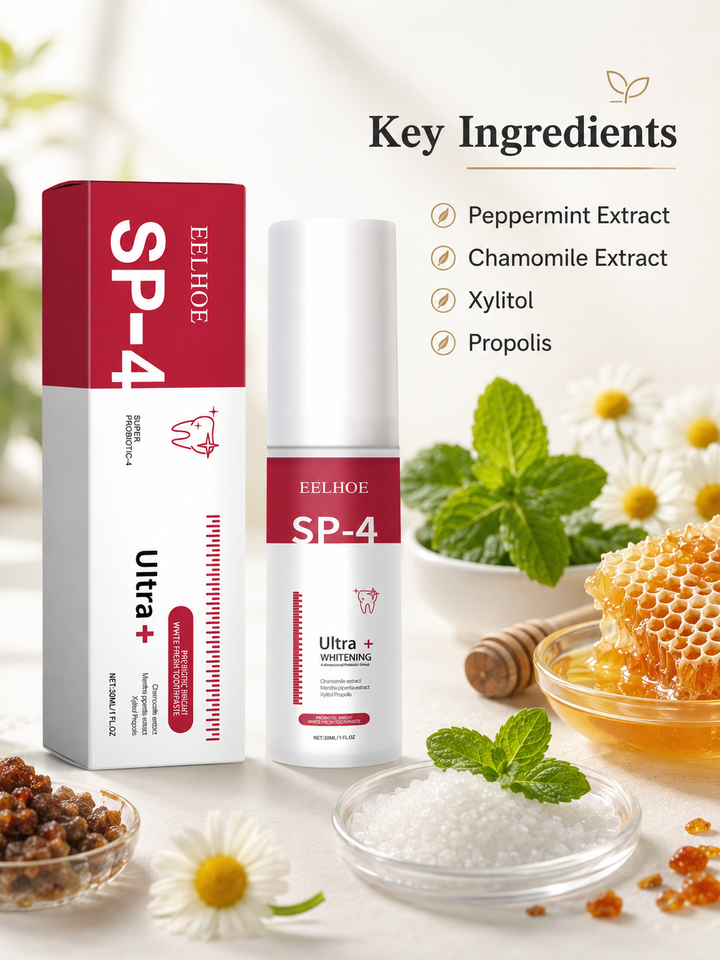


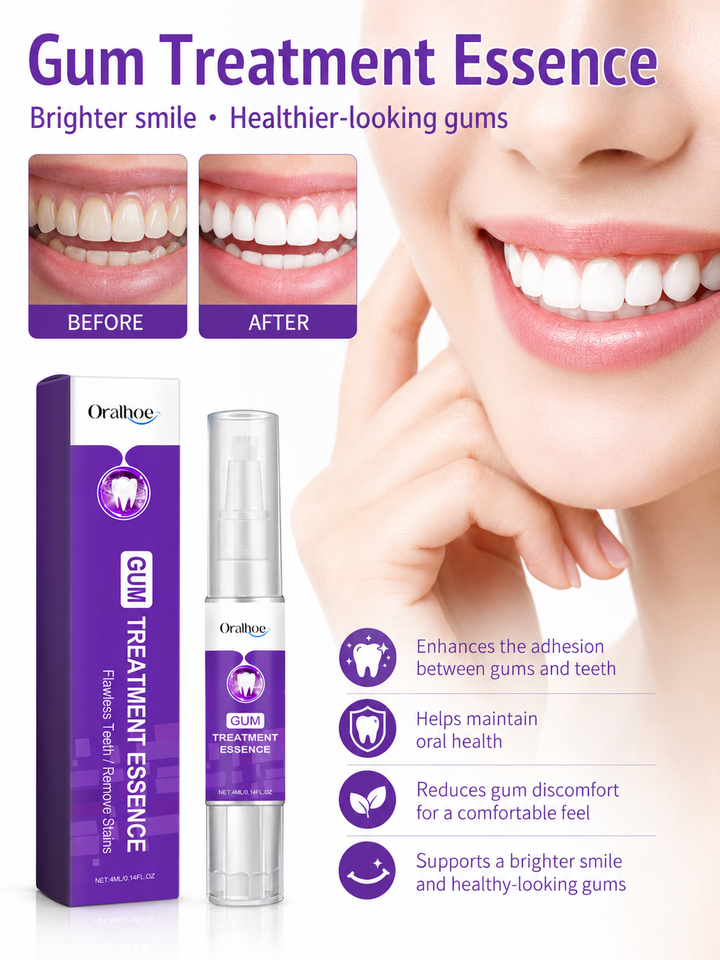
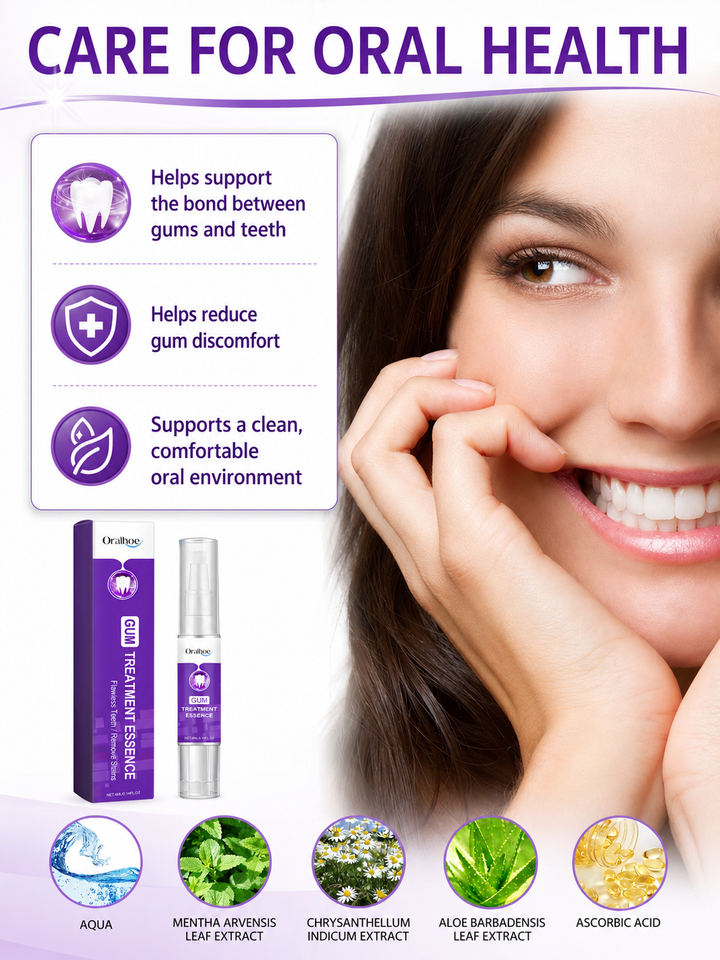
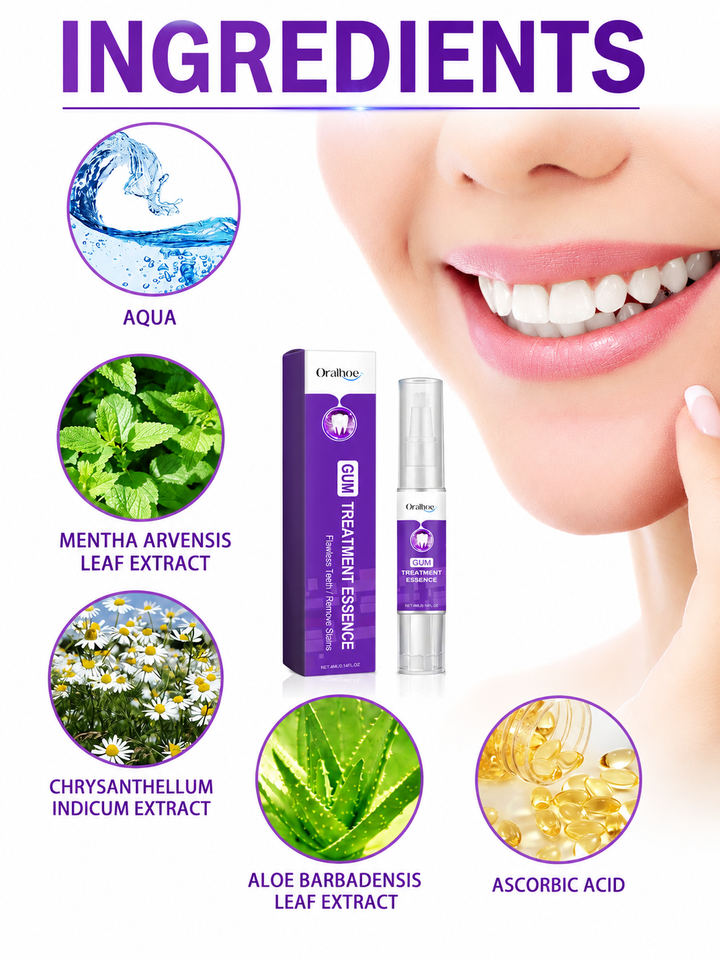

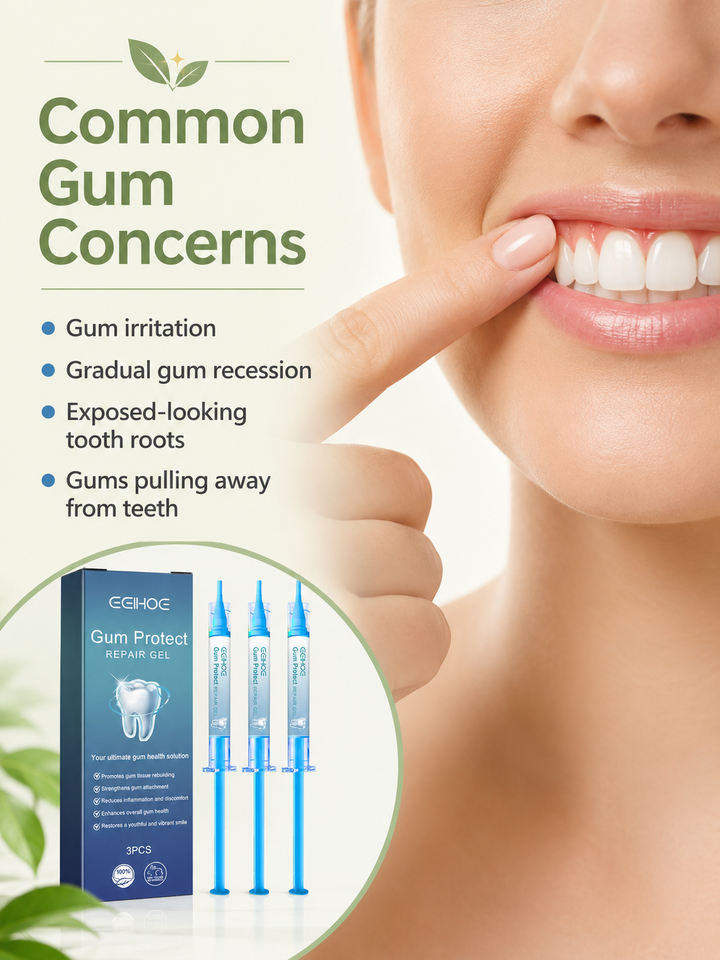

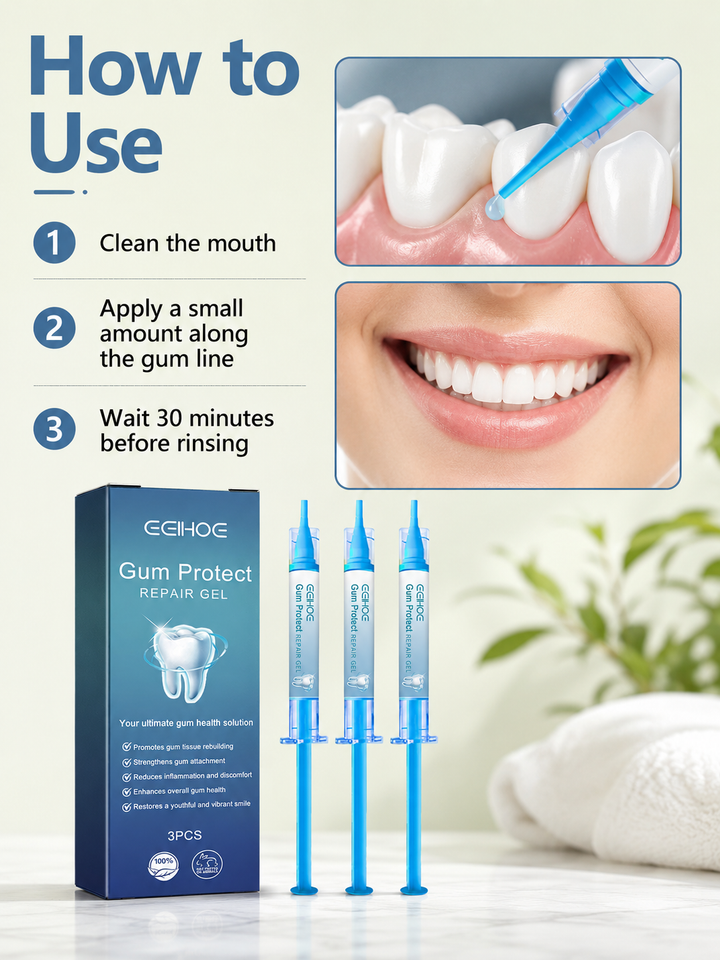

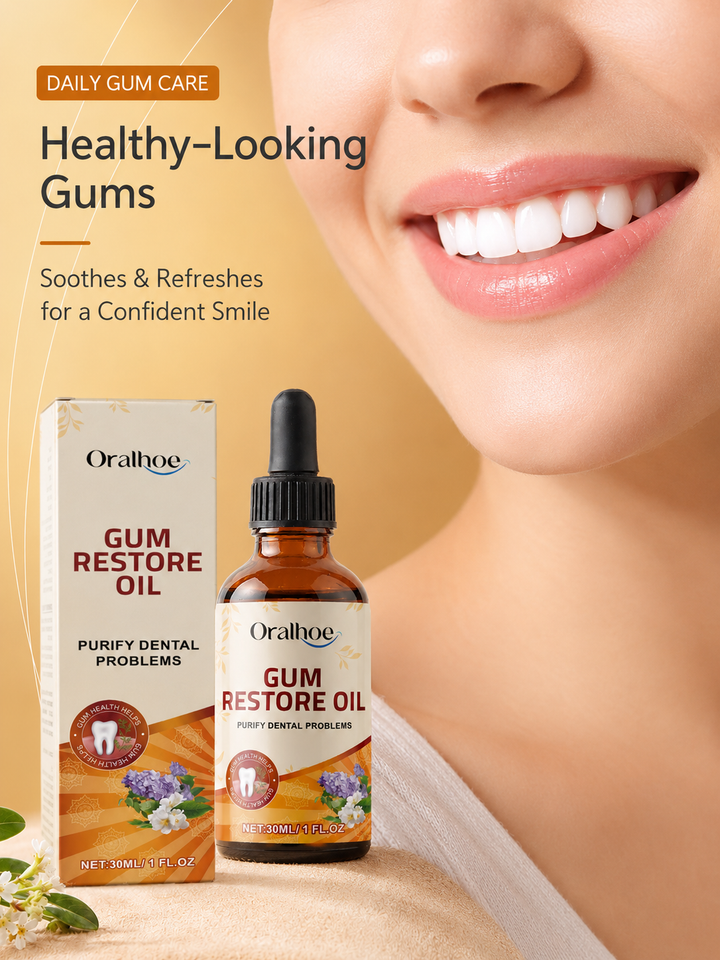
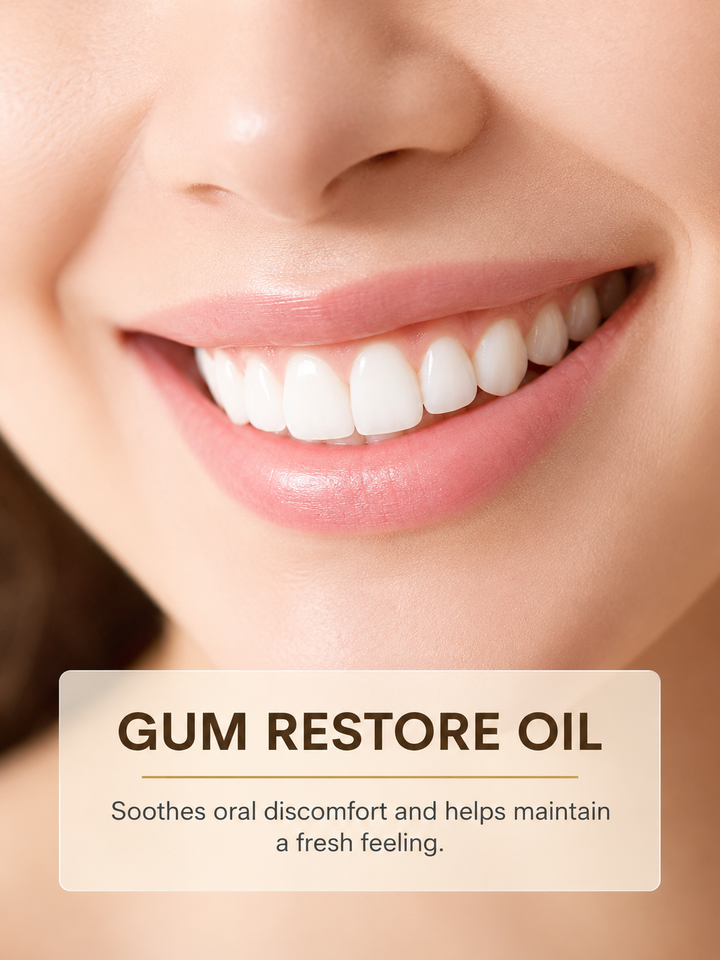
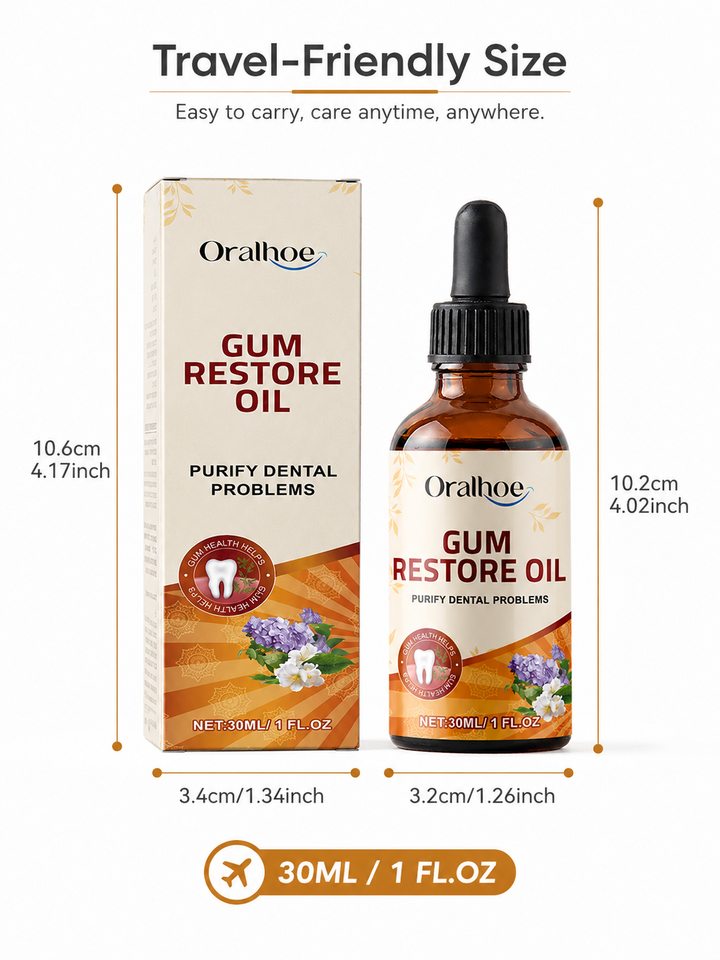

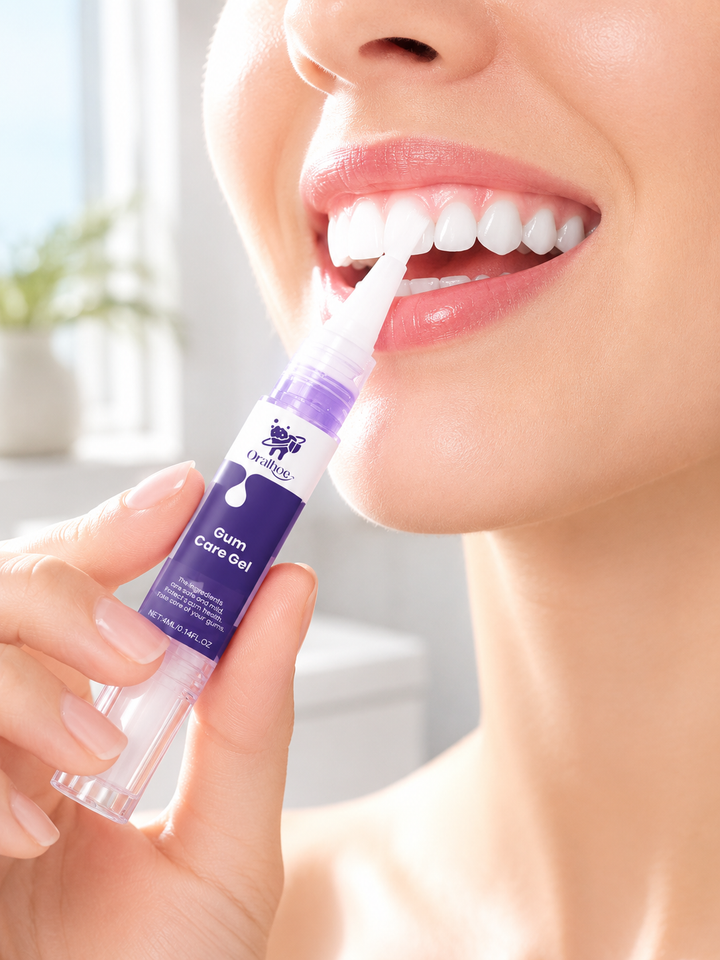

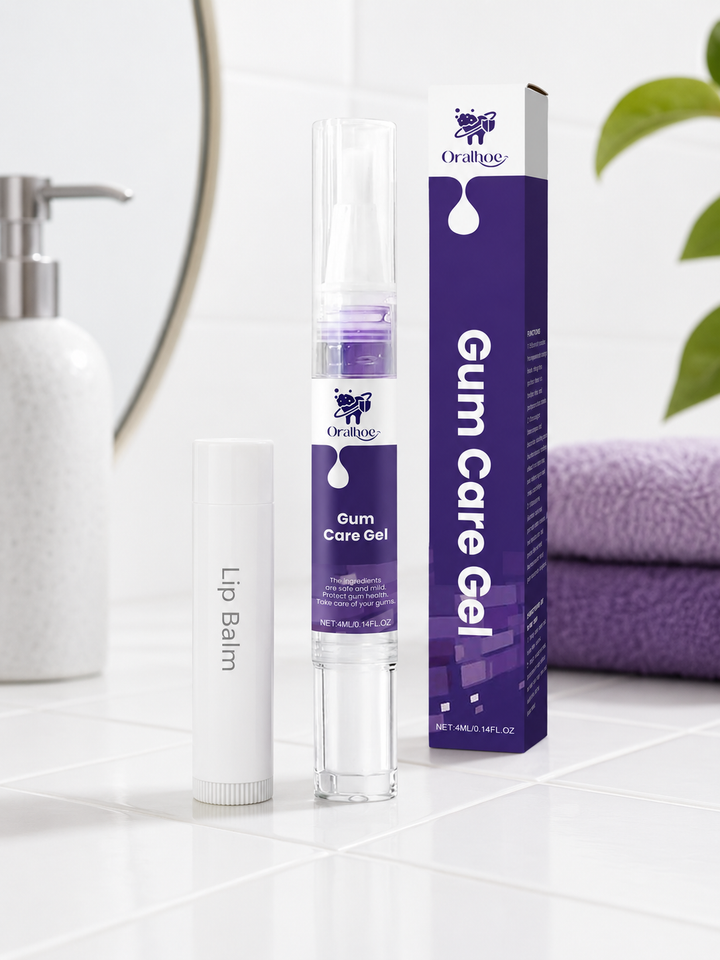

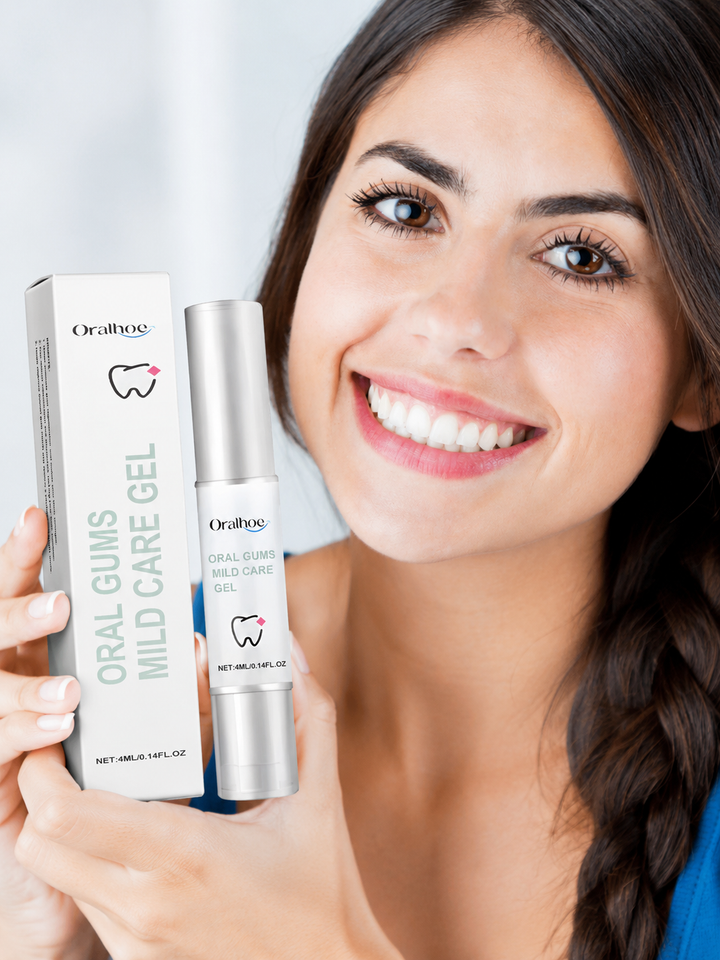


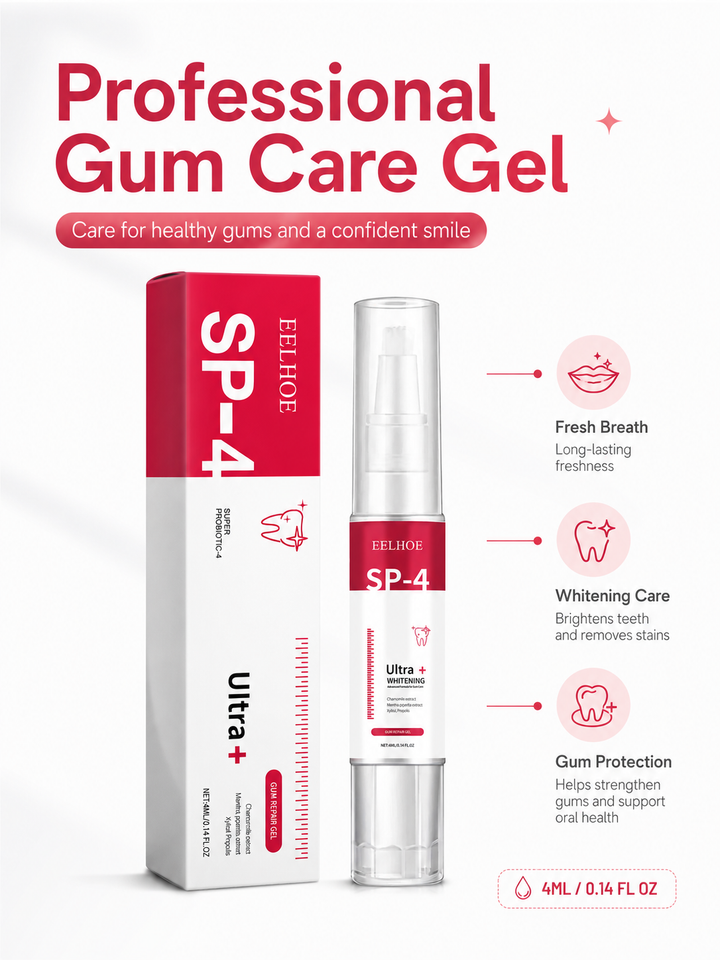
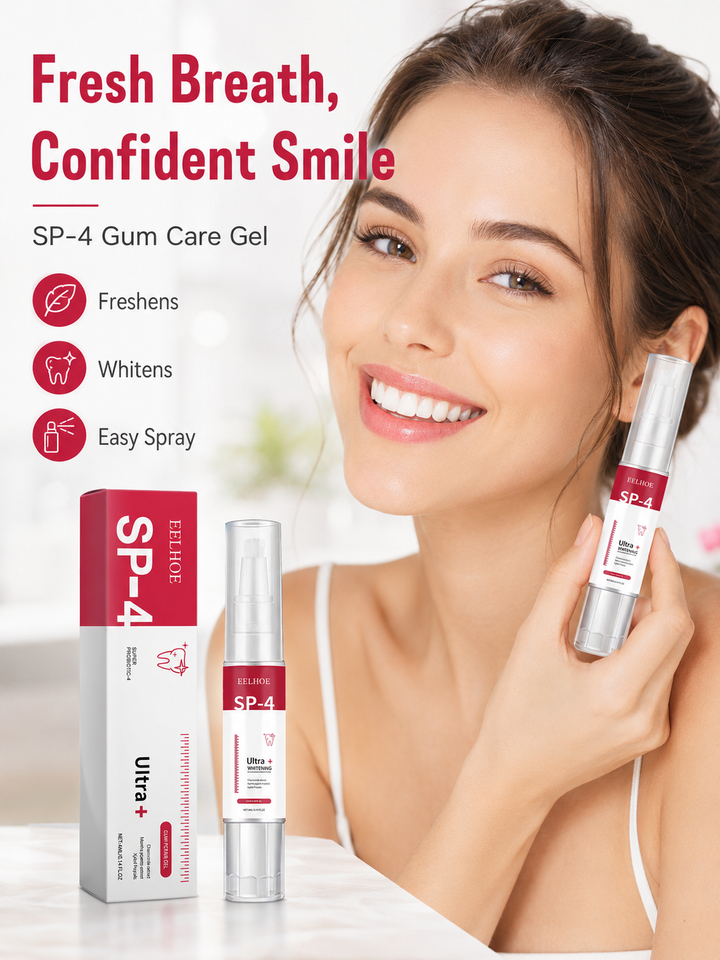
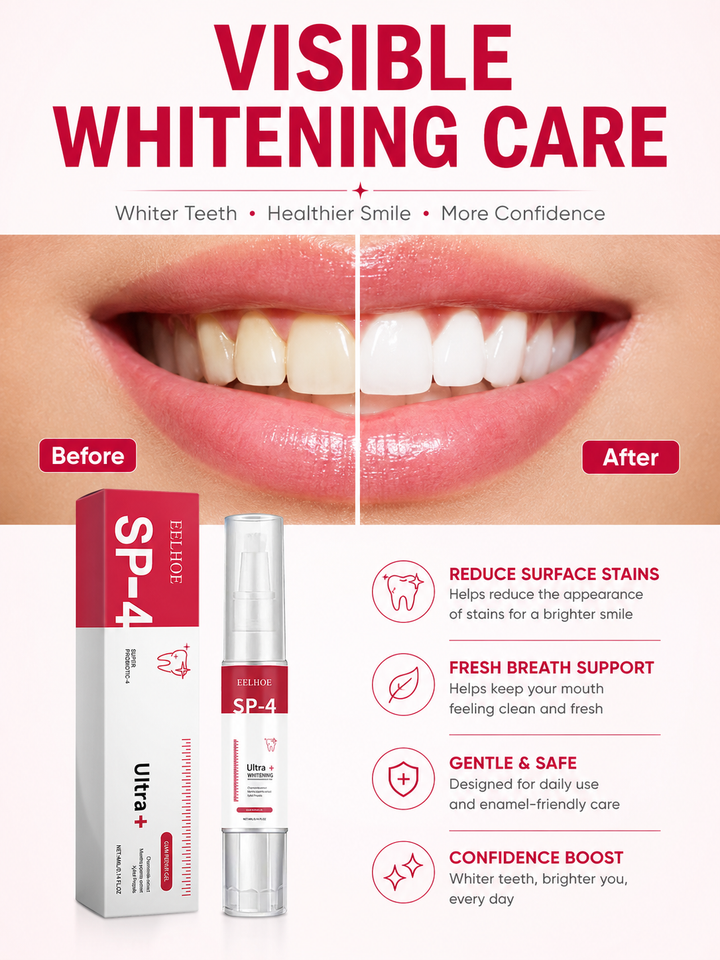
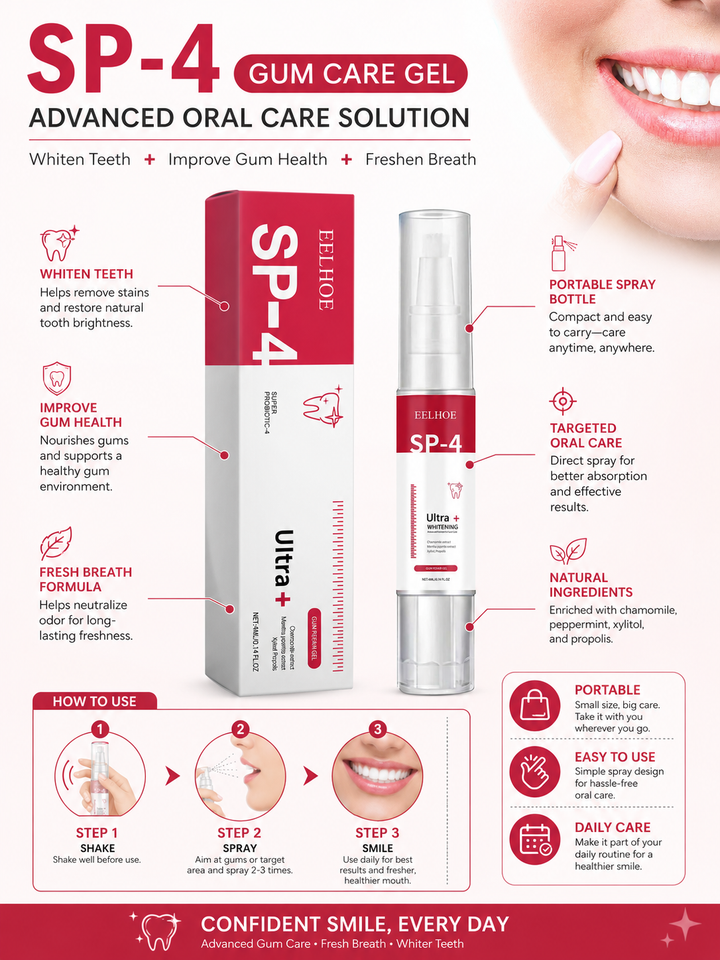
Gum care products can support a consistent oral-care routine by helping clean along the gumline, freshen the mouth, and soothe areas that feel dry or uncomfortable. This guide compares rinses, toothpaste, gels, oils, mousse, and brushing tools so you can choose products that fit your routine without treating them as a replacement for professional dental advice.
How to choose gum care products for your routine
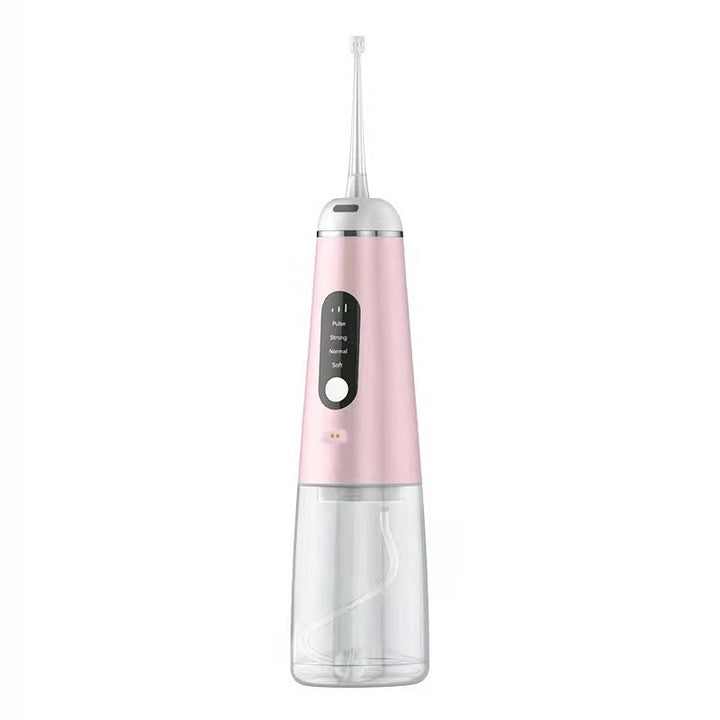
Start with the concern you want to address: daily cleaning, gumline freshness, sensitivity to strong formulas, visible stains, or hard-to-reach areas. A gum care mouthwash or alcohol-free Gum Care Drops can fit a rinse-focused routine, while Gum Care Toothpaste is designed for brushing. If you want targeted application, consider Gum Care Gel, Gum Repair Gel, or Herbal Gum Repair Oil. For a more thorough home routine, the Electric Toothbrush with Water Jet combines brushing with water-based cleaning around the gumline. Check the directions, ingredients, and any warnings before use. If you have persistent bleeding, swelling, pus, loose teeth, or significant pain, seek dental advice rather than relying only on gum care products.
What types of gum care products are available
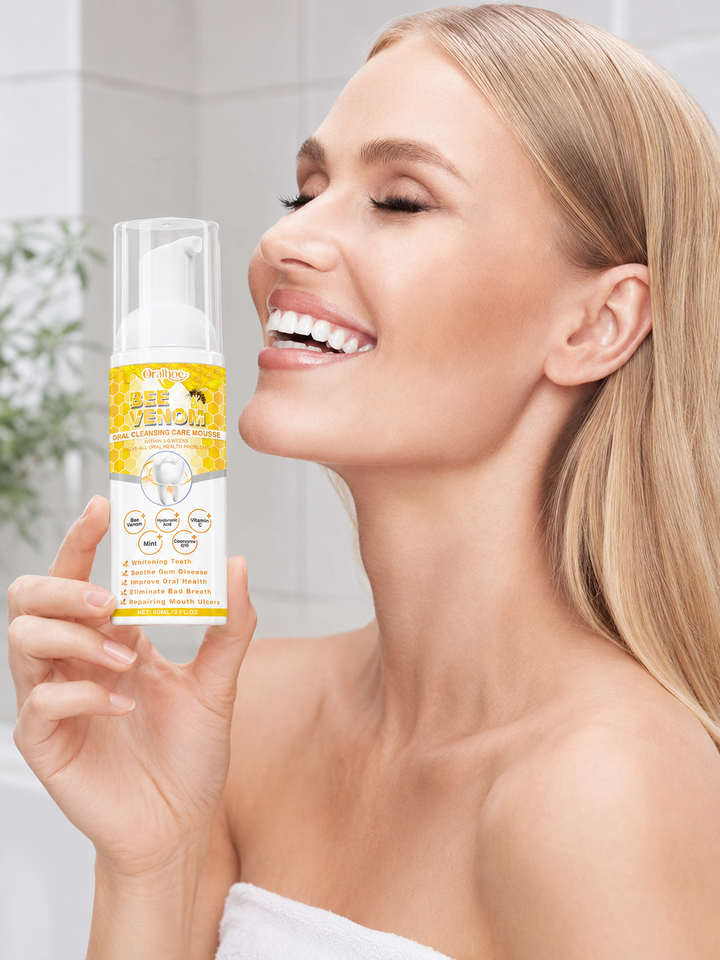
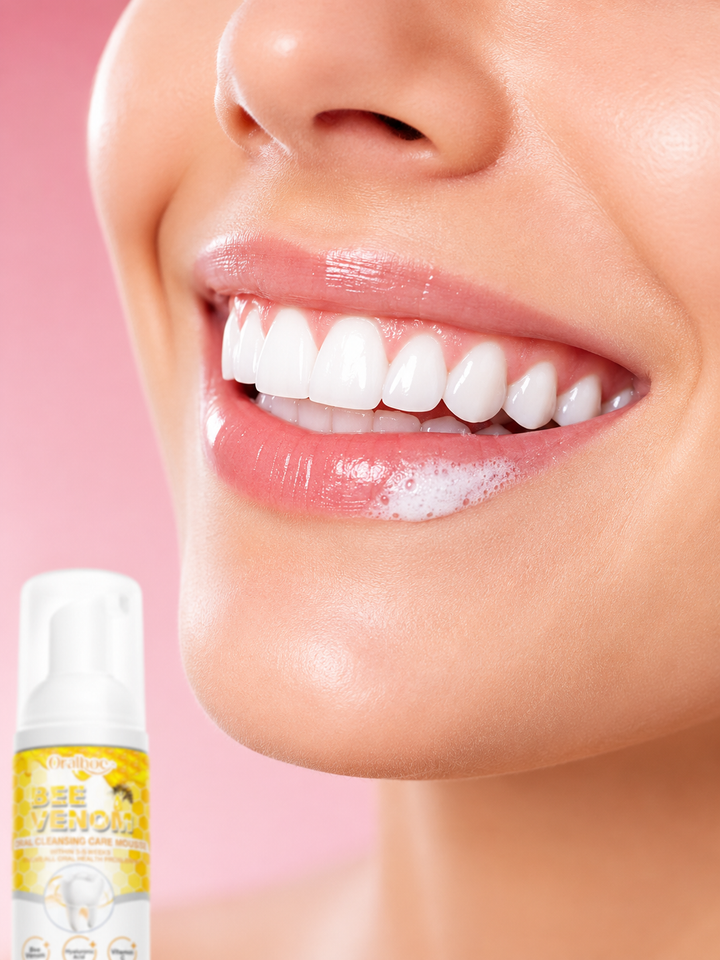
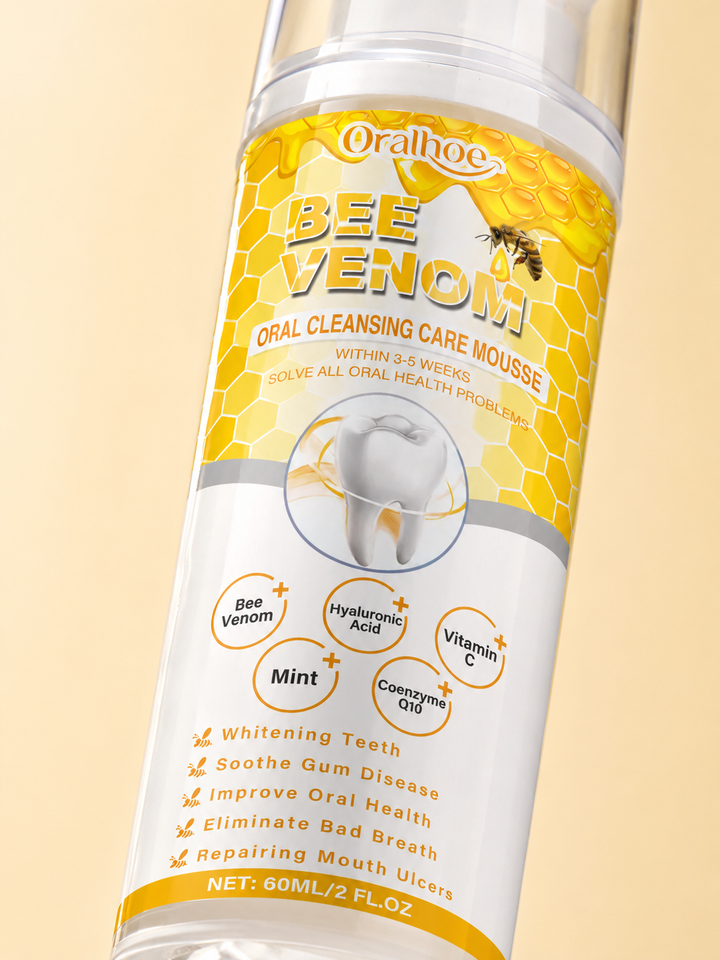
Rinses and drops are convenient after brushing and can help leave the mouth feeling clean without alcohol-based formulas. Toothpaste is the simplest option for everyday brushing, while gels and oils allow more focused application to the gumline. Bee Venom Oral Care Mousse offers a different texture for people who prefer a mousse-style product, but review its ingredients carefully if you have sensitivities or allergies. The Electric Toothbrush with Water Jet is a tool rather than a treatment and may suit shoppers who want brushing plus water-jet cleaning in one device. Mouthwash, toothpaste, gel, oil, and mousse can be used for different purposes, but combining several new products at once may make it difficult to identify irritation.
What to look for in gum care mouthwash and toothpaste
For a daily gum care routine, look for a formula that matches your preferences and is easy to use consistently. Alcohol-free options, such as Gum Care Drops, may appeal to shoppers who dislike a strong burning sensation. Gum Care Toothpaste is a practical choice if you want to add a gum-focused product without changing your brushing steps. Clean Mint Teeth Mouthwash is suited to shoppers looking for a mint mouth rinse that also focuses on stain-cleaning care. Read the full ingredient list, especially if you are pregnant, managing allergies, or using other oral products. Packaging directions matter: do not assume that a rinse, gel, oil, or mousse is interchangeable with toothpaste or suitable for swallowing.
How to use gum care products properly
Follow each product's label rather than using extra product or applying it more often. Brush gently along the gumline with your toothpaste and a soft brush head, avoiding aggressive pressure that can make the area feel more irritated. If using the Electric Toothbrush with Water Jet, begin with the gentlest comfortable setting and direct water as instructed. Use rinses after brushing only as the label recommends, and apply gels or oils to clean areas with the supplied directions. Do not swallow oral-care products unless the instructions specifically say they are intended for ingestion. Replace or stop a product if it causes a rash, swelling, worsening discomfort, or other unexpected reaction, and contact a dental professional for ongoing symptoms.
What are common gum care mistakes to avoid
One common mistake is brushing harder because gums feel tender or look inflamed. Firm pressure, skipping the gumline, and rushing can all reduce the value of a routine. Another is treating mouthwash as a substitute for brushing, cleaning between teeth, or dental checkups. Avoid stacking multiple strong-tasting products at once, especially when you are trying to identify the cause of irritation. Do not use a product beyond its directions to try to improve gum health quickly, and do not attempt to cure gum disease without a dentist if symptoms continue. Home products may support cleaning and comfort, but persistent bleeding, bad taste, swelling, recession, or loose teeth needs professional assessment. Compare the gum disease treatment cost with the risk of delaying care rather than choosing solely by price.
Who are gum care products best suited for
These products are suited to adults building a more deliberate home oral-care routine, including shoppers who want a gum care toothpaste, rinse, targeted gel, oil, mousse, or water-jet toothbrush. They can also suit people who prefer alcohol-free formulas or want to focus on areas around the gumline and visible stains. Product choice should reflect personal sensitivities, current dental work, and the instructions on the packaging. Children, people with known allergies, and anyone with oral wounds or a diagnosed condition should check with a parent, clinician, dentist, or pharmacist before trying a new formula. Gum recession and suspected gum infection are not simply shopping problems; a dental professional can determine the cause and recommend appropriate care. Use these products as routine support, not as a promise to reverse disease.
Frequently asked questions
What is the best way to heal gums?
The best approach depends on why the gums are sore, bleeding, swollen, or receding. Gentle brushing, cleaning between teeth, and a suitable gum care product can support daily hygiene, but persistent or worsening symptoms should be assessed by a dentist. Avoid aggressive brushing and do not rely on a rinse or gel as a guaranteed cure.
How do you properly take care of gums?
Brush gently along the gumline twice daily with a suitable toothpaste and clean between teeth as part of your routine. A mouthwash, drops, gel, oil, or water-jet toothbrush can be added according to its directions. Regular dental checkups are important, particularly if you notice bleeding, swelling, recession, pain, or loose teeth.
What kills bacteria on gums?
Oral-care products can help clean the mouth, but no single rinse or gel should be treated as a guaranteed way to eliminate all bacteria or cure gum disease. Follow the label for any mouthwash, toothpaste, gel, oil, or mousse you use. If you suspect an infection, contact a dental professional for an appropriate evaluation and treatment plan.
What are signs of unhealthy gums?
Possible warning signs include repeated bleeding, redness, swelling, tenderness, persistent bad breath or taste, gum recession, and teeth that feel loose or change position. These signs can have different causes and should not be self-diagnosed from product descriptions. Arrange dental advice if symptoms persist, return, or become severe.
What is mistaken for gum disease?
Gum discomfort or bleeding can be related to brushing too hard, irritation from a new product, food trapped between teeth, mouth dryness, or other oral conditions. A sore spot, ulcer, allergy, or tooth problem may also feel like a gum issue. A dentist can distinguish these possibilities, especially when symptoms do not improve after gentle routine care.
Can unhealthy gums become healthy again?
Some gum irritation linked to inconsistent cleaning or product sensitivity may improve when the cause is addressed, but the outcome depends on the underlying problem. Gum care products can support a careful routine but cannot guarantee reversal of recession or disease. Seek professional advice for ongoing bleeding, swelling, pain, recession, or loose teeth.
Browse related: Oral Care Essentials - Tongue Cleaners & Mouthwash · explore tongue care - tongue brushes & coating cleaners for fresh breath.