
$49.90
Free delivery · 7–14 days
Wooden Threading Toy for Preschool Fine Motor Skills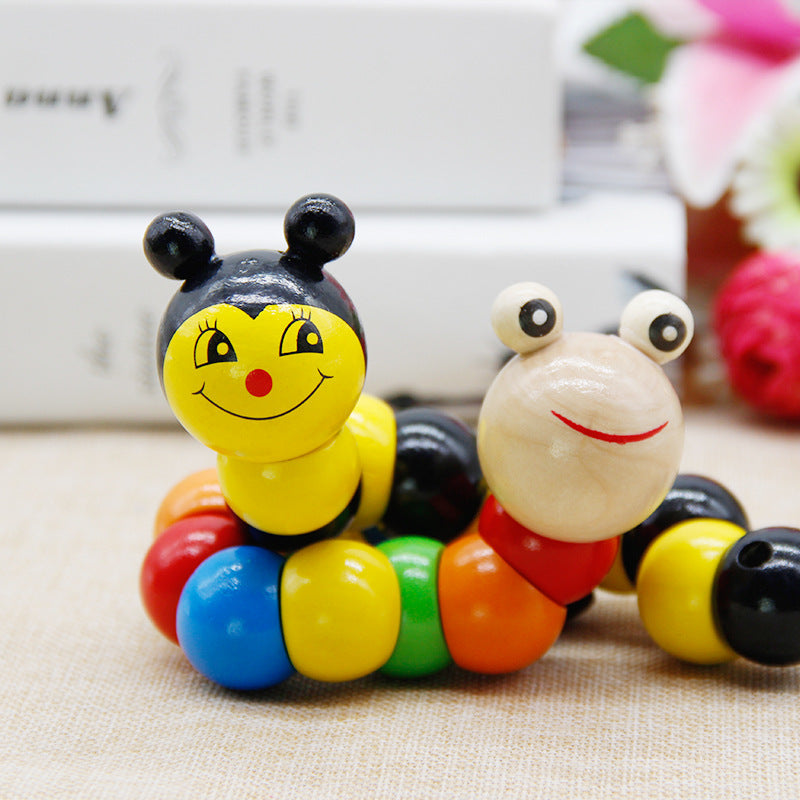
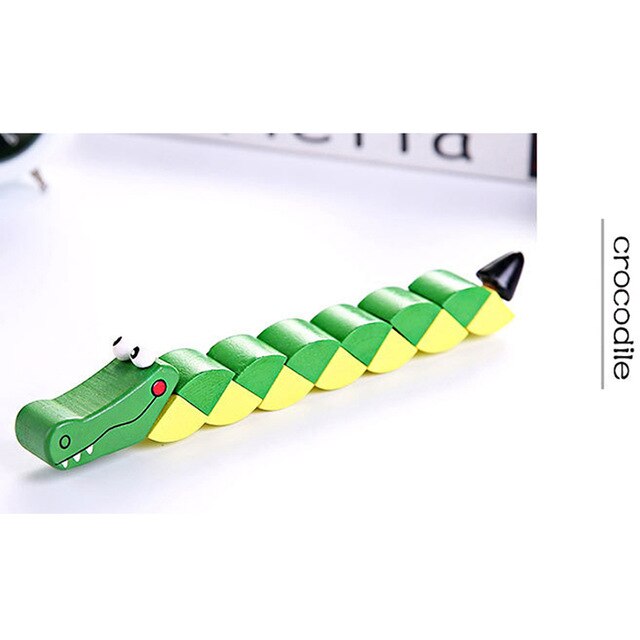
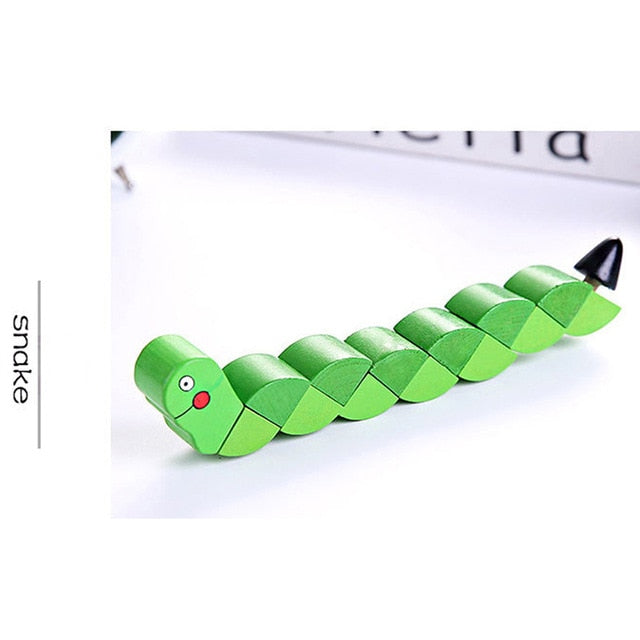
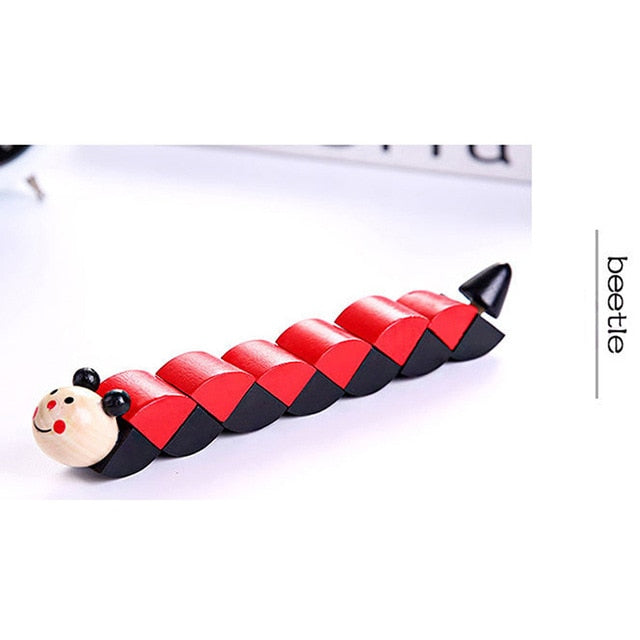

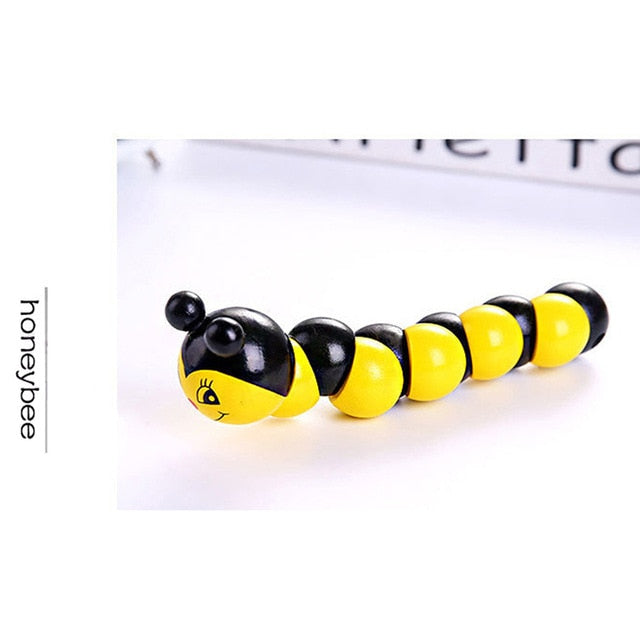
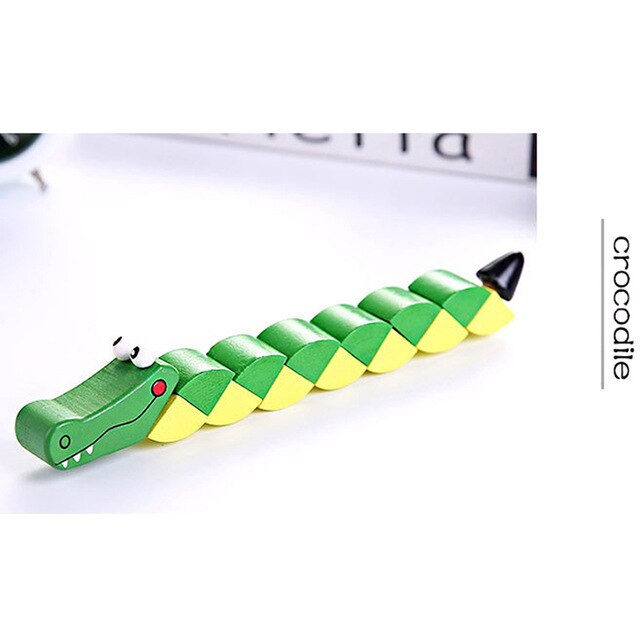
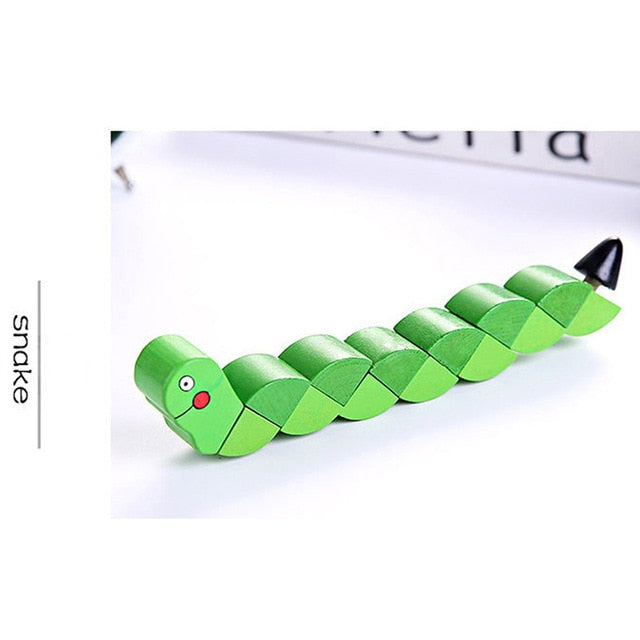
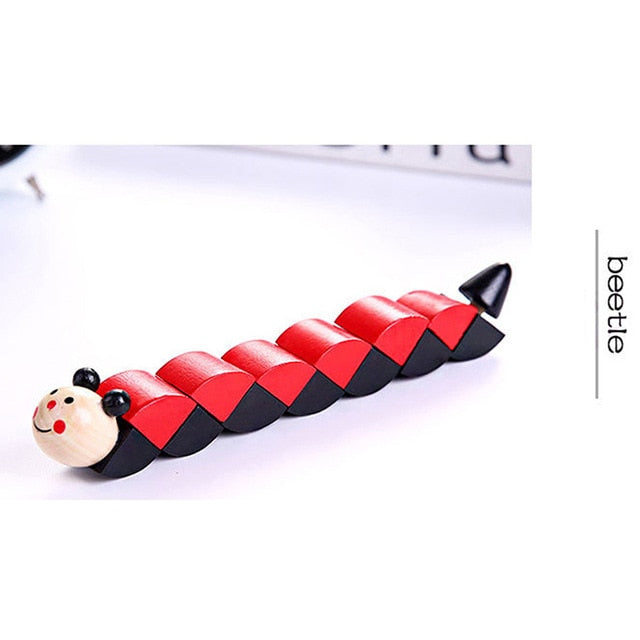
Two colorful wooden worms turn screen-free minutes into hands-on learning, with flexible segments for bending, gripping, and imaginative play. Smooth polished wood and two friendly characters make qui
Read the full descriptionTwo colorful wooden worms turn screen-free minutes into hands-on learning, with flexible segments for bending, gripping, and imaginative play. Smooth polished wood and two friendly characters make qui
Colorful hands-on wooden puzzle play that supports children's early learning and fine-motor development
When little hands need something better than another screen, these colorful wooden worms invite bending, exploring, and imaginative play. Quiet play becomes a chance to build fine-motor confidence.
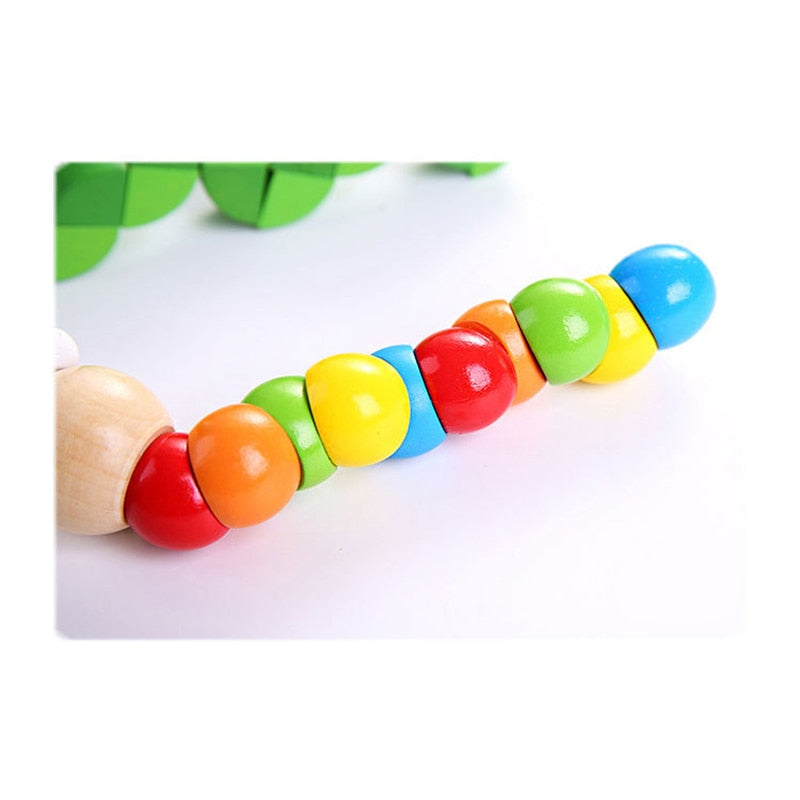
Rounded wooden segments can be bent and repositioned, giving children purposeful opportunities to grip, coordinate, and explore. Every new curve becomes another small puzzle to solve with their fingers.

Sunny colors, contrasting details, raised googly-style eyes, and friendly painted faces make the figures easy to notice and easy to imagine with. They feel like playmates, not homework.

Polished wooden surfaces and rounded segments create a comfortable tactile experience during gentle play. The bright painted finish and expressive face give children details to notice as they handle the worm.

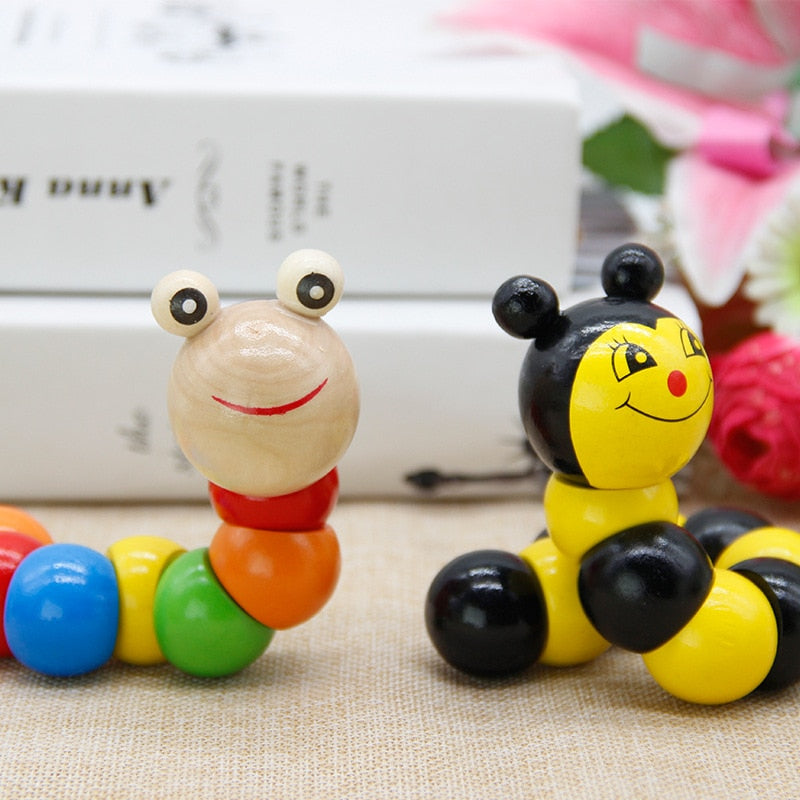
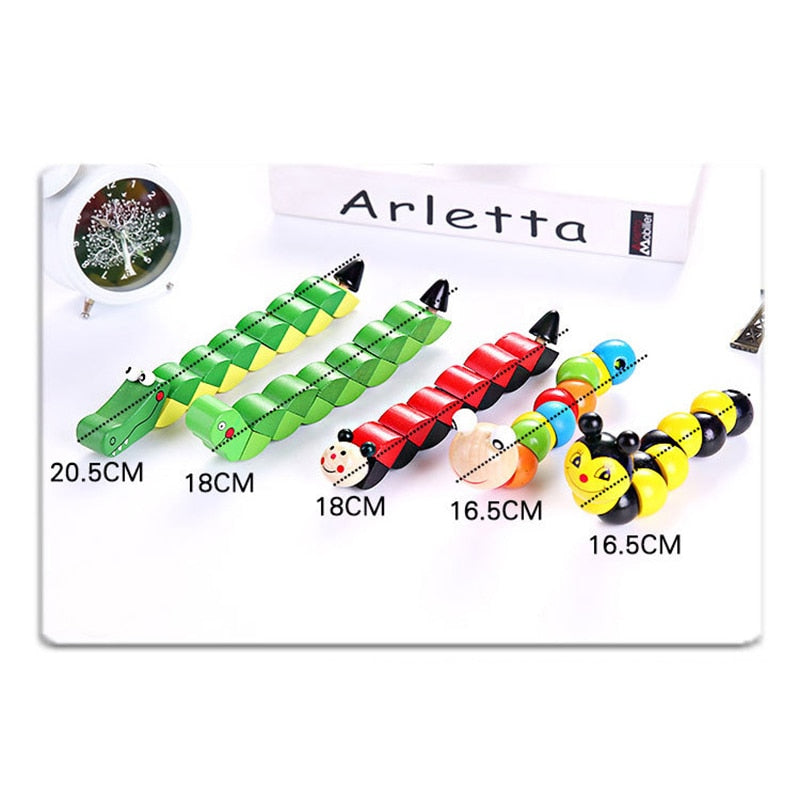
The set includes a yellow-and-black insect-shaped worm and a natural wood-colored animal-shaped worm. Children can compare them, give them names, or play side by side with a sibling.
Invite your child to gently curve one worm, straighten it, and try again. Ask what the shape looks like without needing a right answer.
Place both worms together and name their colors, faces, or differences. Younger children can point and choose; older preschoolers can sort and describe.
Let one worm crawl under a book, visit the other, or become a new creature. A simple prompt gives imaginative play a starting point, then let the child take over.
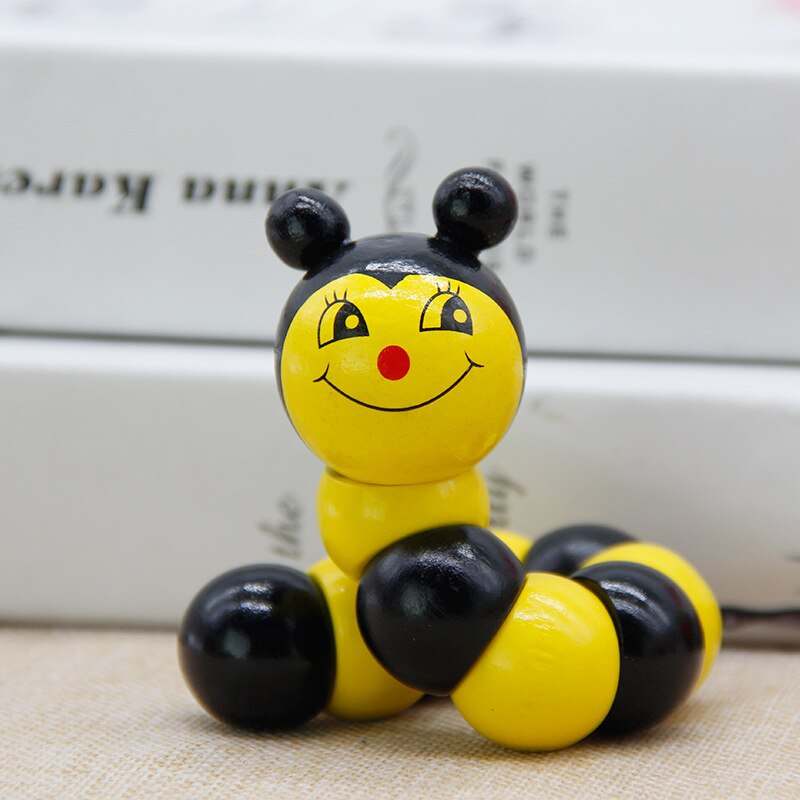
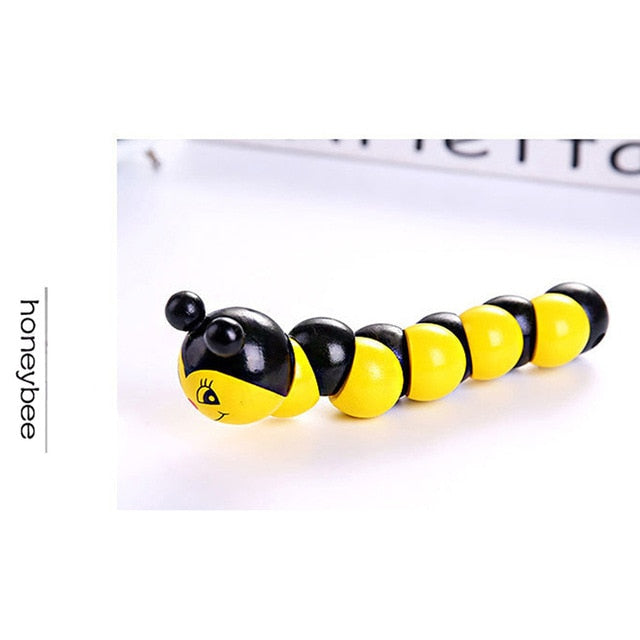
A bright character with contrasting painted details and a friendly face.
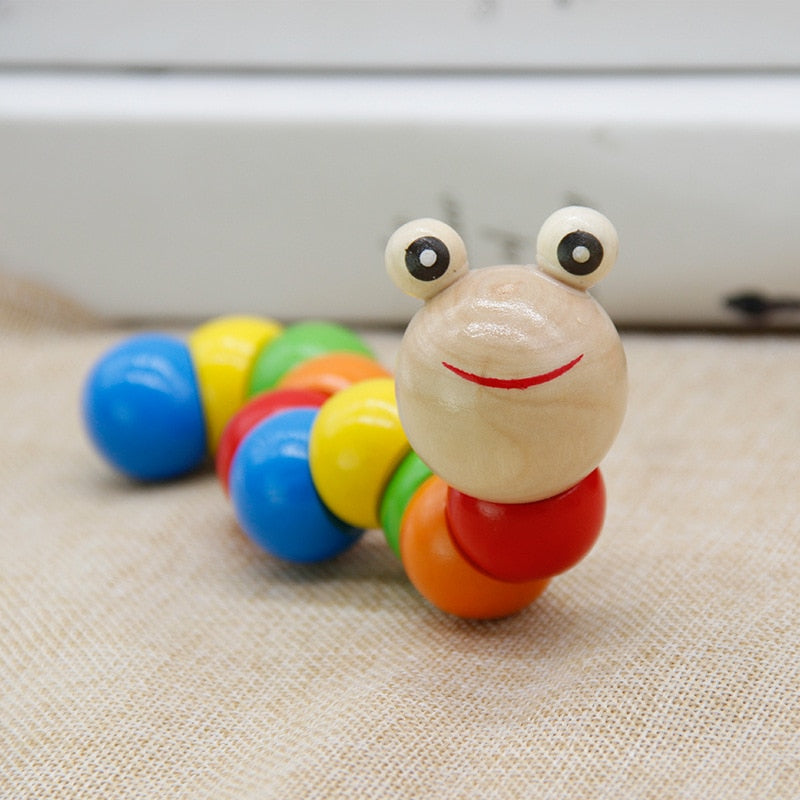
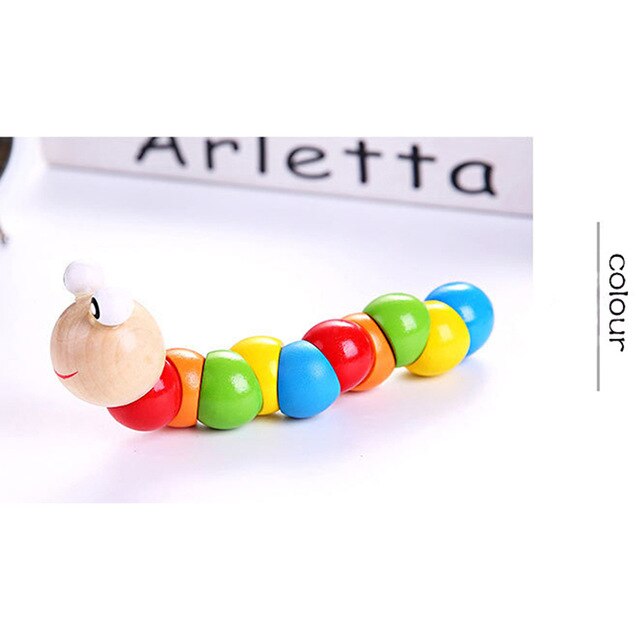
A warm wood-toned character with colorful rounded segments and raised eyes.
Quiet moments can quickly turn into requests for another video. Passive toys often lose their appeal, leaving parents searching for play that feels engaging without adding more noise or screen time.
These worms give small hands a reason to keep moving. Color, shape, and flexible segments create a calm invitation to grip, bend, compare, and make up a story.
One yellow-and-black insect and one natural wood-colored animal give children two playful companions to explore. There is no single solution to follow, so the play can change with the child's mood.
A child can return to the same worms for a new shape, a new character, or another small adventure. That repeatable freedom makes this compact Montessori wooden toy a useful choice for quiet time, preschool play, and travel.
Use a soft, slightly damp cloth on the painted surface.
Do not soak the wooden worms or leave them wet.
Avoid abrasive products and rough scrubbing around the painted details.
Check the segments and finish before handing the toy to a child.
| Wooden worm set | Tablet time | Fixed-shape puzzle | |
|---|---|---|---|
| Screen-free activity | Yes | No | Yes |
| Flexible, repositionable movement | Yes | No | No |
| Open-ended storytelling | Yes | Partial | Partial |
| Tactile wooden construction | Yes | No | Yes |
| Two characters for shared play | Yes | No | Partial |
No formal age rating is provided. Choose it for a toddler or young child who can handle compact wooden pieces appropriately, and supervise play based on your child's developmental readiness.
They have smooth polished wood and rounded segments, but they are not chew toys. Supervise children who still mouth objects, inspect the toy before use, and remove it if the finish or connections become damaged.
The segmented bodies are connected in a flexible, repositionable construction. Encourage gentle bending rather than pulling, twisting, or forcing the pieces apart.
Yes. There is no single solution required. Children can bend the bodies, compare the two characters, name colors, and build their own stories.
Wipe the surface gently with a soft, slightly damp cloth, then dry it promptly. Avoid soaking the wood, harsh cleaners, and rough scrubbing that can wear the painted details.
The value comes from getting two characters with flexible movement and repeatable open-ended play, rather than one fixed picture to complete. That gives the set more ways to support quiet play, comparison, sharing, and storytelling.


 Colorful Wooden Worm Puzzle Toy for Fine Motor Skills