Back Support: Lumbar Pillows & Posture Support for Chairs35 items














Find practical posture support for desk chairs, car seats, and everyday wear, from lumbar cushions to adjustable posture corrector belts. This guide compares the options in this category so you can choose support that fits your routine, clothing, comfort preferences, and desired level of adjustment.
How to choose posture support for a chair or daily wear
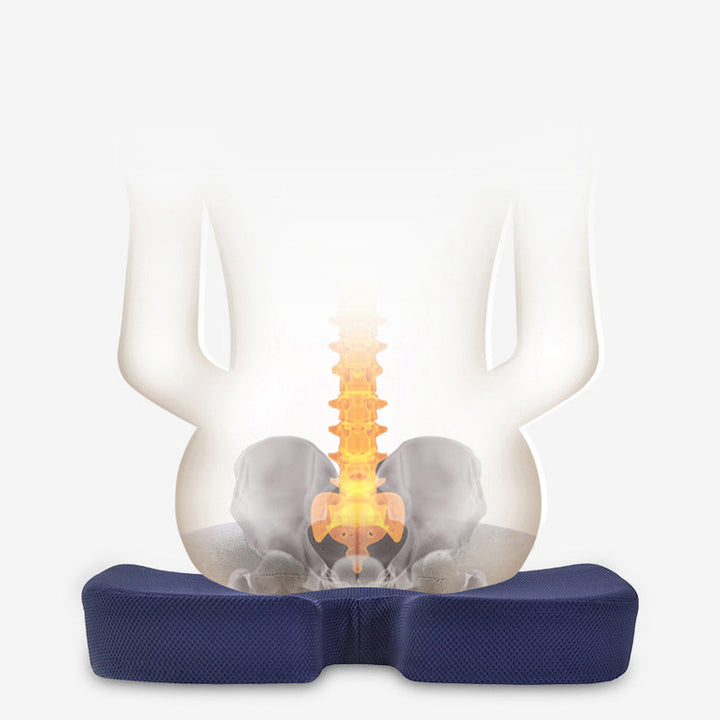
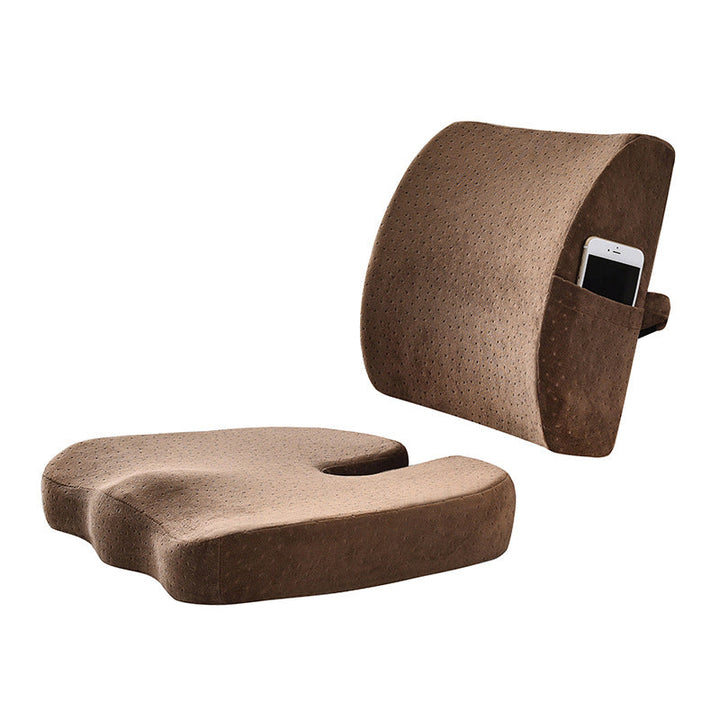
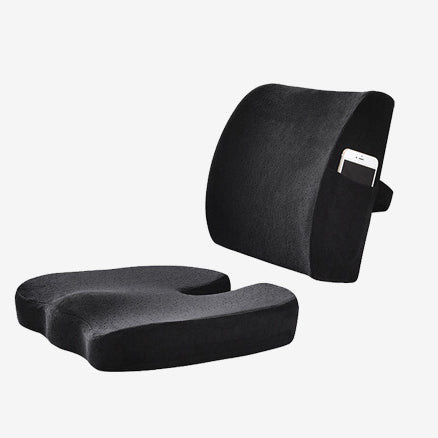
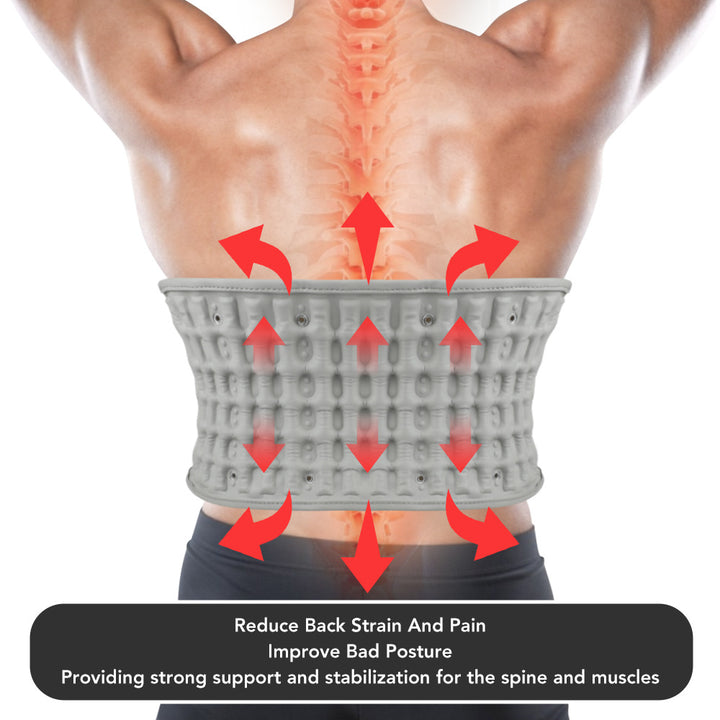
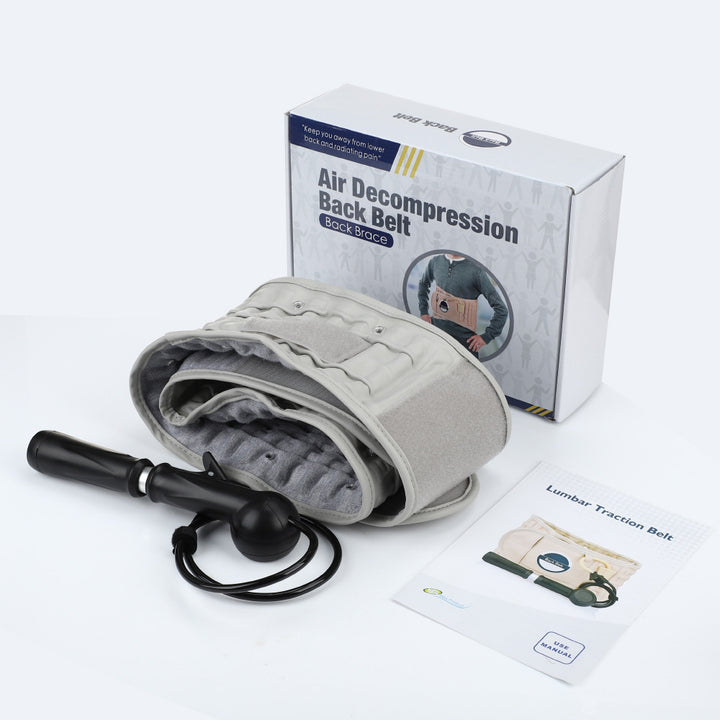
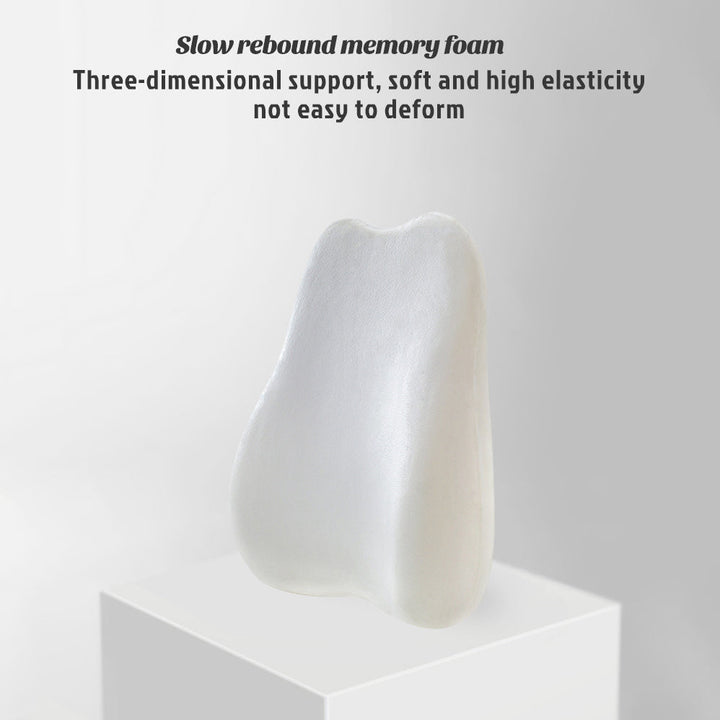
Start by deciding where you need support. A lumbar support cushion for an office chair targets the lower back while sitting, and the memory foam design can help fill the gap between your back and the chair. A posture corrector belt or back posture corrector is wearable and may suit people who want a reminder to draw their shoulders back during work or daily activities. If you sit for long periods, a gel seat cushion can add comfort beneath you, while the hemorrhoid cushion has a contoured shape for hip and seat pressure. Consider adjustability, clothing fit, time of use, and whether you prefer a visible brace or discreet posture support. The best posture corrector is the one you can wear or use consistently without restricting normal movement.
What are the different types of posture correctors?
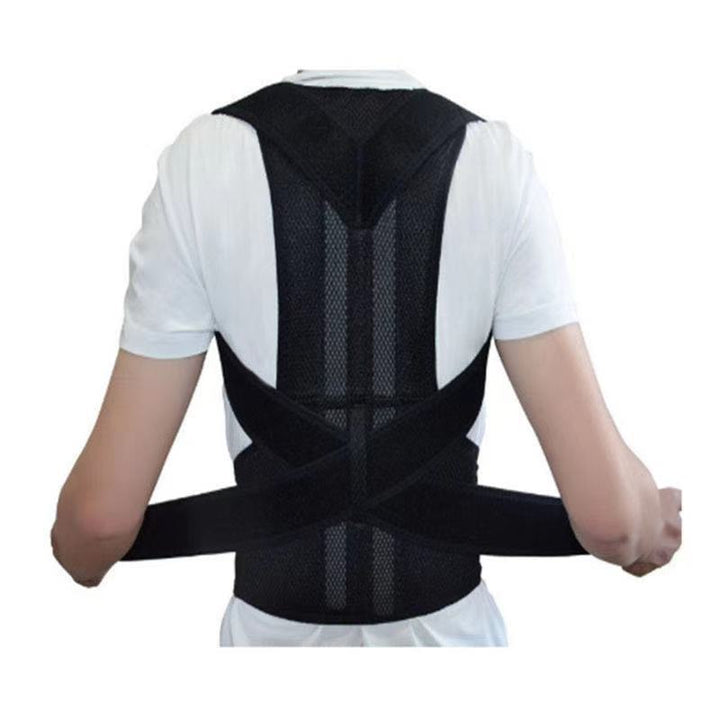
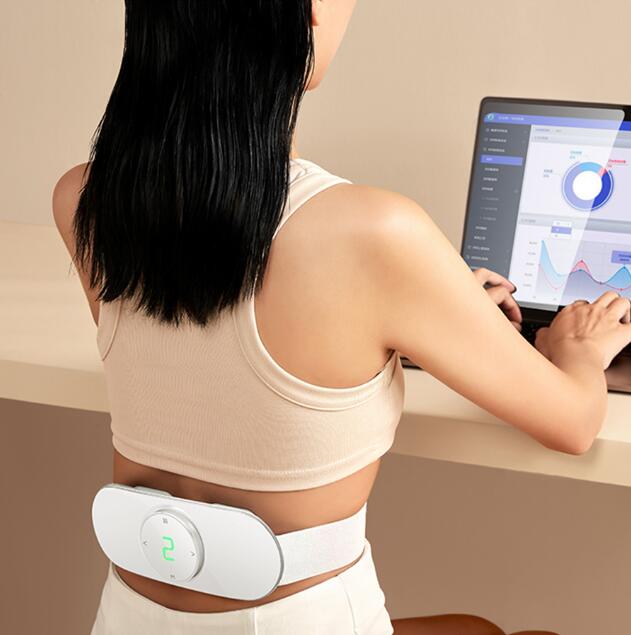
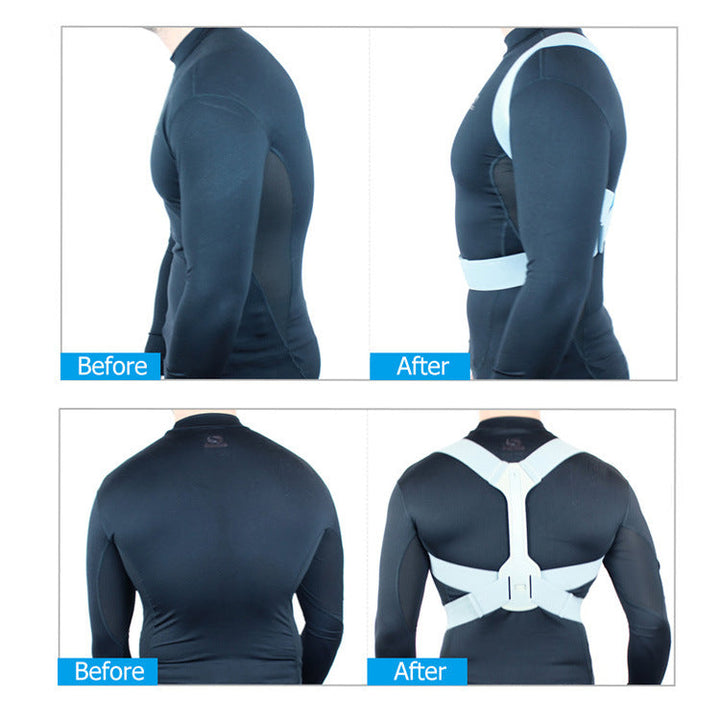
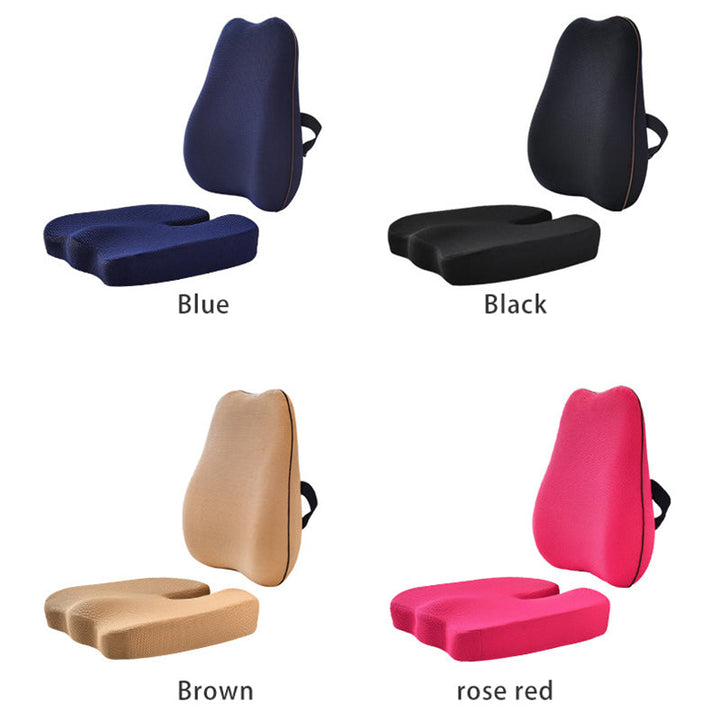
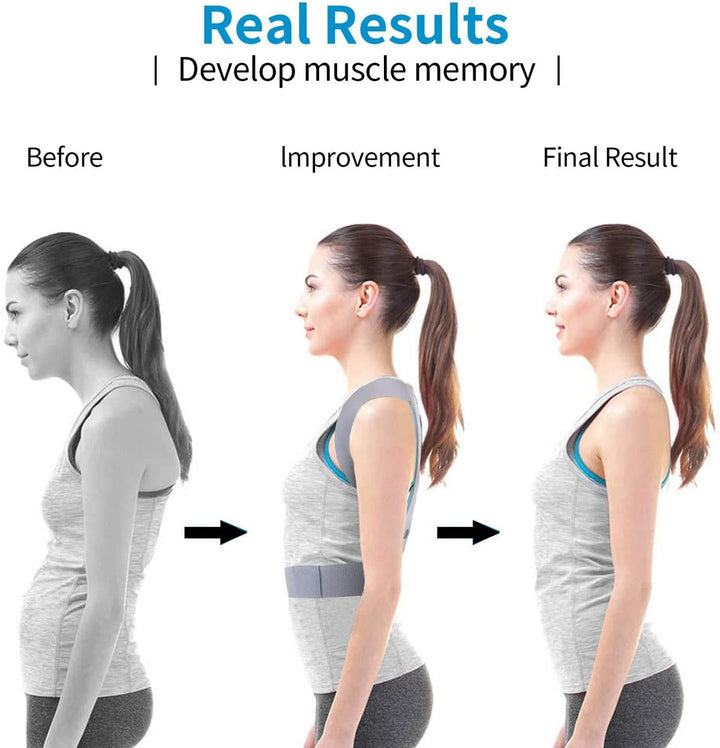
Wearable posture supports include the Back Posture Corrector, the invisible Posture Corrector Belt, and the Posture Corrector with Steel Support. These designs sit around the shoulders, back, or torso and offer different levels of structure and adjustability. A belt is a discreet option under many outfits, while a steel-support design provides a more structured feel. Chair-based support works differently: the lumbar memory foam cushion supports the lower-back area against an office chair, car seat, or other firm seat. Seat cushions do not correct posture directly, but they may help you sit more comfortably so you can maintain a more neutral position. A finger and wrist splint is for localized hand and wrist support, not posture, and the telescopic back scratcher is a grooming accessory rather than a posture device.
What should you look for in a posture corrector?
Check the fit before choosing a posture corrector for women, posture support for men, or any unisex option. Look for adjustable straps or fastenings, a size range that matches your measurements, and materials comfortable against clothing or skin. A low-profile design may work better beneath a shirt, while wider panels or steel support may feel more substantial over a base layer. For a chair cushion, compare the cushion shape, foam feel, dimensions, and whether it suits your office chair or car seat. Consider how easily the product can be cleaned and whether it stays in place when you shift positions. If you are searching for a medical back brace for posture, remember that a general retail support product is not a substitute for an individually assessed brace or professional guidance.
How to use posture support safely and comfortably
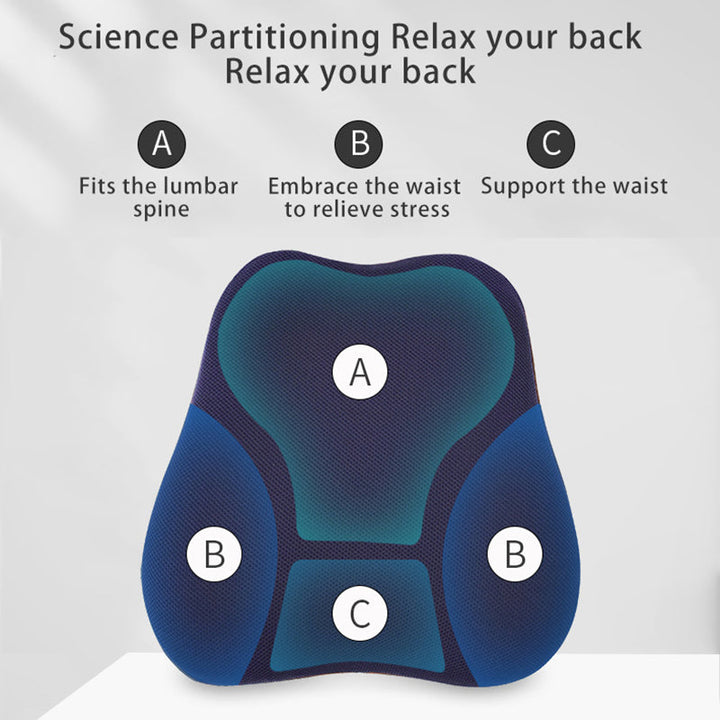
Follow the product instructions and begin with a comfortable fit rather than tightening straps as far as possible. A posture corrector should act as a reminder or support, not force your shoulders or spine into an uncomfortable position. Wear it for a manageable period, check for rubbing or pressure, and adjust or remove it if discomfort develops. When using a lumbar cushion, place the thickest part at the natural curve of your lower back and keep your feet supported where possible. Change position regularly instead of remaining still for hours. Do not sleep in a wearable corrector unless its instructions specifically allow it. If you have an injury, persistent pain, numbness, weakness, circulation concerns, or questions about a brace, ask a qualified healthcare professional before use.
What are common posture corrector mistakes?
One common mistake is choosing a device by appearance alone. A slim posture corrector may be discreet but not provide the structured feel you want, while a steel-support model may feel too firm for extended wear. Another mistake is buying the wrong category: a seat cushion improves sitting comfort, but it is not a wearable posture corrector, and a wrist splint does not support the back. Avoid over-tightening, wearing a brace continuously without breaks, or expecting it to replace movement and an appropriately arranged workstation. Do not assume a product described online as the best back brace posture corrector is suitable for everyone. Check measurements, return information, care instructions, and intended use. Stop using the product if it causes pain, skin irritation, tingling, or restricted breathing.
Who suits a posture corrector, lumbar cushion, or seat cushion?
A lumbar cushion may suit people who spend substantial time at an office desk, in a car, or on a firm chair and want added lower-back support. A wearable corrector may suit shoppers who want a physical reminder during desk work, standing tasks, or everyday activities, provided it fits comfortably and does not limit movement. People looking for a hunchback posture corrector should avoid judging a product by that phrase alone; a general support belt cannot identify or treat the cause of a rounded upper back. Over-50 shoppers can use the same selection principles: prioritize comfort, easy adjustment, stable seating, and guidance for any ongoing symptoms. Anyone recovering from an injury, managing a diagnosed condition, or seeking a brace recommended by doctors should obtain individual advice before choosing a retail support.
Frequently asked questions
Do posture correctors really work?
They can provide a physical reminder to adjust your sitting or standing position while you wear them, but results vary by person, fit, and consistency. They work best alongside movement, comfortable workstation setup, and regular position changes rather than as a permanent replacement for those habits.
What is the best device to correct posture?
There is no single best device for everyone. Choose a wearable corrector if you want adjustable reminders during activity, or a lumbar cushion if your main need is support while sitting; compare fit, comfort, structure, and intended use.
How did Taylor Swift fix her posture?
There is no reliable product recommendation here based on a celebrity’s appearance or routine. Posture needs differ, so choose support based on your own comfort and measurements, and seek professional advice for persistent pain or a diagnosed condition.
Can you correct years of bad posture?
Posture habits can change gradually through awareness, regular movement, suitable seating, and strengthening or mobility work when appropriate. A corrector may provide a reminder, but it cannot guarantee a result or determine the cause of long-term posture changes.
What are four signs of poor posture?
Commonly noticed signs can include a forward head position, rounded shoulders, an exaggerated upper-back curve, and slouching while seated. These observations are not a diagnosis, and discomfort, weakness, numbness, or other ongoing symptoms should be discussed with a healthcare professional.
How do you fix posture over 50?
Start with a comfortable chair setup, regular position changes, and gradual activity that suits your abilities. A lumbar cushion or adjustable posture support may help with awareness, but consult a healthcare professional before using a brace if you have pain, an injury, or a diagnosed condition.