$45.90
Free delivery · 7–14 days
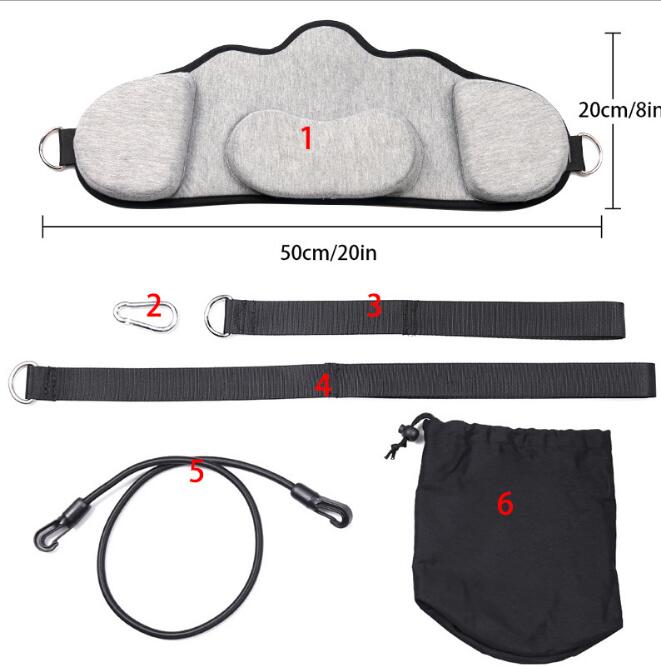
Neck Hammock Memory Foam — Portable Tension Relief Travel


Memory foam car seat cushions can add softness, pressure distribution, and positioning support during driving or riding. This guide compares cushion designs, explains practical features to consider, and clarifies how they relate to broader mobility aids without presenting a seat cushion as a walking aid.
Start with the problem you want to address: firm seat pressure, an uneven car seat, tailbone discomfort, or difficulty getting in and out. A Memory Foam Car Seat Cushion with a contoured or hollow design may suit drivers who want shaped seating, while a Gel Seat Cushion Set can be useful when you want a cooler-feeling surface for the car and office. Check the cushion’s length, width, thickness, and underside grip against your vehicle seat. If entering or leaving the car is the main concern, a Car Seat Swivel Cushion may be more relevant than a fixed cushion because it rotates as you turn. Always make sure the cushion does not interfere with pedals, seat belts, airbags, or your driving position.
Mobility aids are products that help with movement, balance, transfers, or daily activities. Examples include canes, walkers, rollators, wheelchairs, transfer boards, and grab rails; a car seat cushion is instead a comfort and positioning accessory. Within this category, the Memory Foam Seat Cushion – Ergonomic Hollow Design focuses on shaped support, the Memory Foam Car Seat Cushion is designed for vehicle seating, and the Gel Seat Cushion Set offers a cushioning option for car or office use. The Car Seat Swivel Cushion is intended to assist turning during a vehicle transfer, but it should be used carefully and only where it remains stable. Neck Hammock Memory Foam provides portable neck support during travel, while Heel Patches address footwear comfort rather than mobility.
Look for a size that fits the seat without covering controls or reducing stable contact with the floor. Memory foam can provide a shaped, resilient feel, while gel layers may appeal to shoppers who prefer a cooler-feeling cushion. A non-slip base helps limit movement, but it does not replace checking the cushion before every journey. For frequent travel, consider a portable design with a removable or easy-care cover. If you are comparing mobility aids for walking or researching mobility aids for seniors near me, keep the purpose separate: walking aids should be selected for balance and movement needs, while a car cushion should fit securely and preserve a safe driving posture. Read the product dimensions and care instructions before buying.
Place the cushion centrally on the vehicle seat and confirm that it lies flat, with the base fully contacting the upholstery. Sit down and check that your back remains supported, your view is clear, and your feet can operate the pedals without stretching or crowding. Adjust the vehicle seat and steering wheel rather than stacking extra cushions, which can make the position unstable. For a swivel cushion, keep the rotation controlled and ensure it is locked or settled before driving, if the product design includes that feature. Do not use a cushion if it slips, blocks a belt path, interferes with an airbag, or makes entry and exit less secure. Test it while parked before using it on the road.
A common mistake is choosing by thickness alone. A very thick cushion may change your driving position, reduce headroom, or bring your knees too high, while a cushion that is too small may shift under load. Another mistake is assuming every soft product is suitable for a vehicle: Heel Patches are made for footwear, and the Neck Hammock is intended for travel neck support rather than seat cushioning. Shoppers also overlook the underside, cover care, and return policy. Do not treat a cushion as a replacement for mobility aids for walking, such as a cane or walker. Finally, avoid using a swivel design on an unstable or unsuitable seat; confirm the product’s fit and movement before relying on it for a transfer.
These cushions may suit drivers, passengers, commuters, and travelers who want a more comfortable seating surface in a car or office. They can also be useful for people who find a vehicle seat too firm, want a contoured sitting surface, or need a portable option for changing seats during the day. A swivel cushion may interest someone who finds turning into a car awkward, but it is not a substitute for professional transfer guidance or a properly selected mobility device. Younger adults, seniors, and people comparing mobility aids for pots may be looking for different solutions, such as kitchen supports or walking equipment. Choose based on the task: use a seat cushion for seating comfort, and ask a qualified professional about mobility aids for balance, transfers, or walking.
Examples include canes, crutches, walkers, rollators, wheelchairs, scooters, transfer boards, and grab rails. A memory foam car seat cushion is generally a comfort accessory, not a walking or balance aid.
Mobility aids are devices that can help a person move, maintain balance, change position, or complete transfers more safely. The right product depends on the task and the user’s needs, so professional advice may be useful when balance or movement is a concern.
There is no single best option for every senior. A cane, walker, rollator, wheelchair, transfer aid, or grab rail may be appropriate depending on balance, strength, environment, and the activity involved; a clinician or mobility specialist can help assess the choice.
The best aid depends on how much support is needed and where it will be used. A cane may suit some people who need light support, while a walker or rollator may provide a broader base, but selection and fitting should be discussed with a qualified professional.
There is no single new device that suits all seniors. Newer products can include powered mobility devices, transfer equipment, and smart safety accessories, but usefulness depends on the person, surroundings, and task rather than how recently the product was introduced.
A cane usually offers a smaller support base, while a walker generally provides more contact with the ground and may feel steadier for some users. The correct choice depends on balance, strength, coordination, and safe fitting, so a professional assessment is recommended.
Browse related: Pet Mobility - Wheelchairs for Dogs, Cats & Rabbits · explore pet calming aids to reduce stress & anxiety.