$64.90
Free delivery · 7–14 days
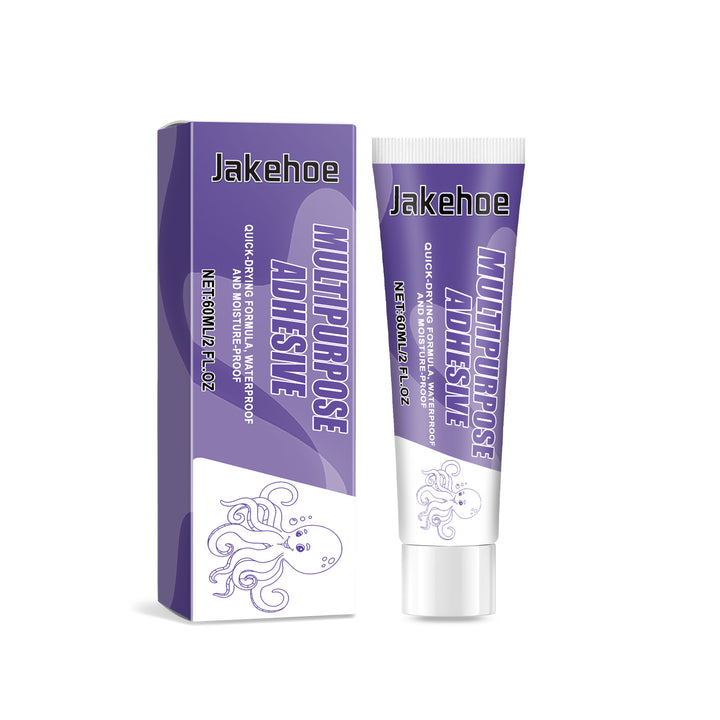
Waterproof Multi-Purpose Repair Glue for Home Fixes

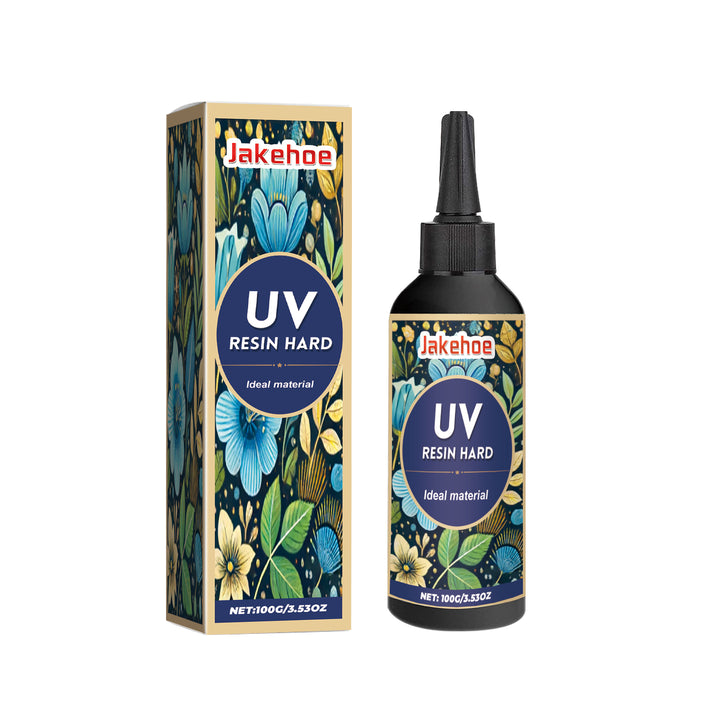

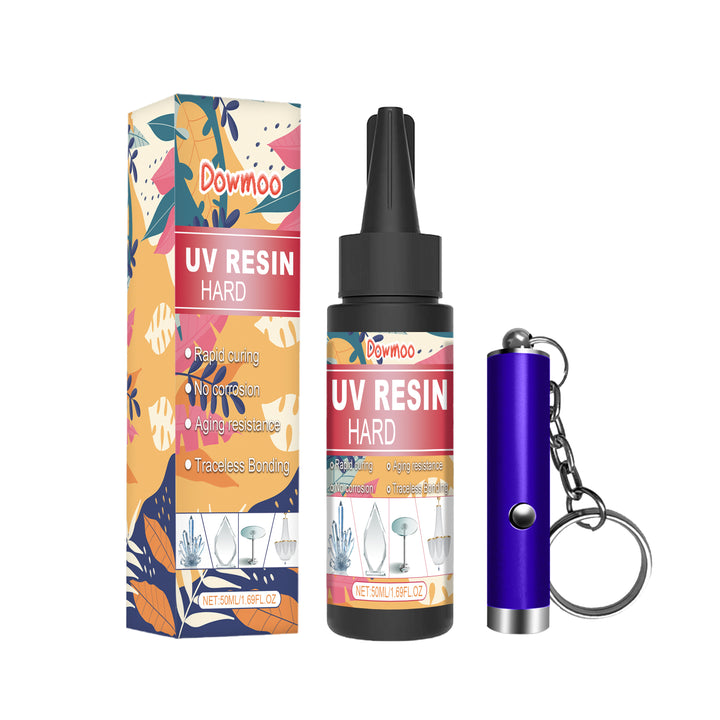
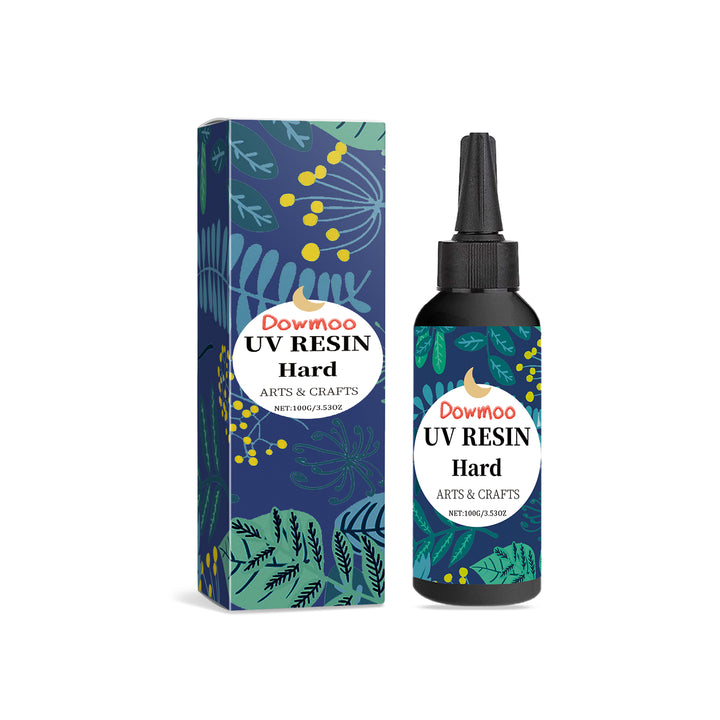
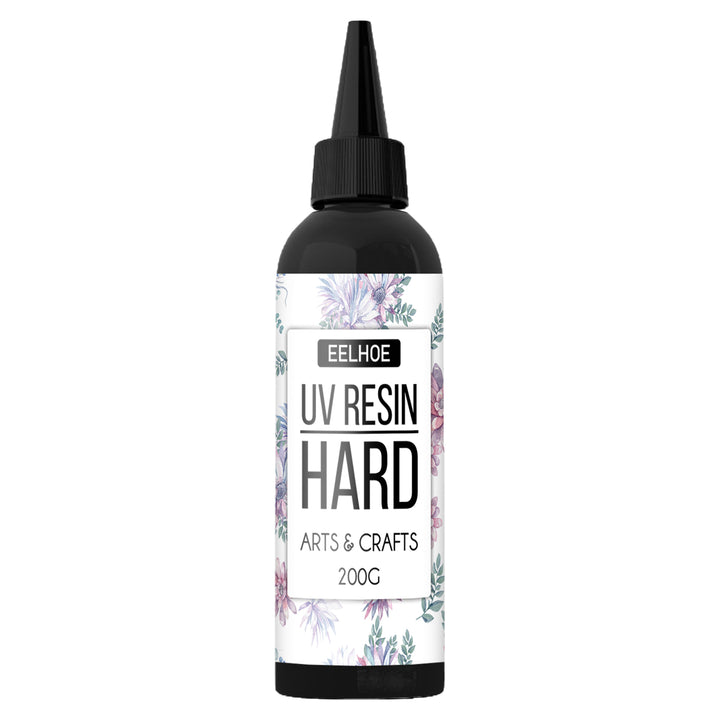
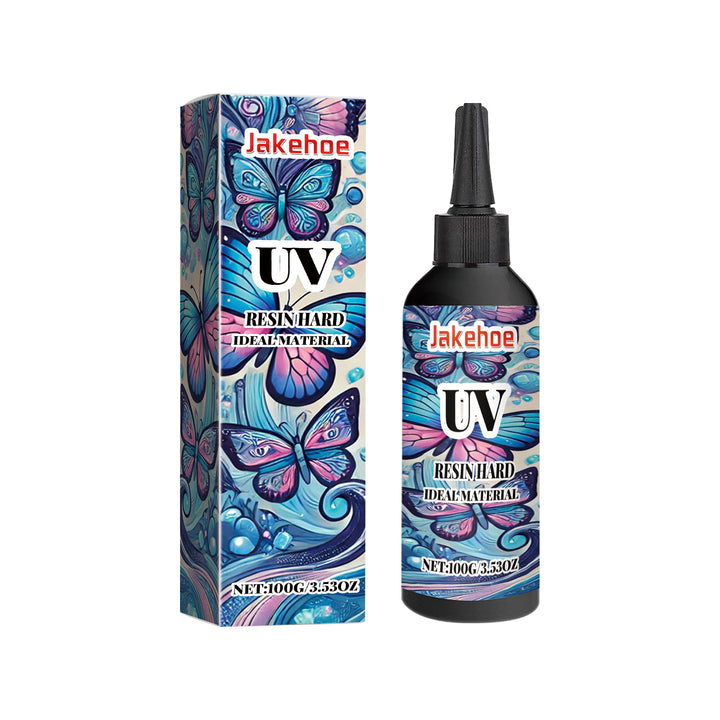
Find clear craft glue for jewelry, decorative projects, quick repairs, and hard, glossy finishes. This category includes UV resin glues, waterproof multi-purpose repair glue, and clear glitter glue, so check the cure method and surface compatibility before buying.
Start with the materials you need to join and the finish you want. Clear UV resin glue is suited to small jewelry pieces, embellishments, and craft details that need a hard, transparent cure under a compatible UV light. Waterproof multi-purpose repair glue is a better match for household fixes and projects exposed to moisture. Clear glitter glue is designed for decorative sparkle and quick-dry application rather than structural bonding. If you are searching for craft glue for paper, wood, fabric, or plastic, read the product directions carefully because one adhesive may not suit every surface. For slime making, use a slime-specific clear PVA glue when the recipe calls for it; UV resin glue and repair glue are generally not substitutes.
UV resin glue cures into a hard, clear finish and works well for jewelry making, small decorations, and layered craft details. It normally requires a UV light and careful application in thin areas so the material can cure properly. Waterproof repair glue is intended for stronger, practical bonds around the home and may suit selected materials such as plastic, wood, or other surfaces listed by the manufacturer. Glitter glue is mainly for adding sparkle and decorative coverage, including makeup glitter applications where the product directions permit it. A craft glue stick is usually convenient for clean paper projects, but it is not represented by the products in this category. Choose by use rather than by the broad label “craft glue.”
Check the supported materials, curing method, finish, and resistance to water before placing an order. Paper projects usually benefit from an adhesive that spreads smoothly without requiring a hard cure, while wood projects need a formula specifically approved for wood and the intended joint. Plastic can be difficult to bond because different plastics have different surfaces; select a product that lists your plastic type when possible. For clear craft glue, look for a transparent finish if visible residue would distract from the design. Also consider the working time: fast-curing formulas help with small repairs, while a little extra positioning time can be useful for layered paper or jewelry components. Always review the label for ventilation, surface preparation, and curing instructions.
Prepare clean, dry surfaces and remove dust, grease, or loose fibers before applying glue. Use a small amount first, especially with UV resin glue, because excess adhesive can spill over edges and affect the finished appearance. Align the pieces before curing, then follow the product directions for UV exposure or drying time. For waterproof repair glue, hold or support the parts as directed and allow the bond to set before handling. Apply glitter glue in an even layer for decoration and let it dry fully before touching the design. Test the adhesive on a hidden area when working with painted, coated, or delicate materials. Keep caps closed between uses and store each product as instructed to help prevent thickening or accidental curing.
Do not choose an adhesive only because it is clear. A transparent glue may still be unsuitable for the material, the amount of movement, or the intended exposure to water. Avoid using UV resin glue where light cannot reach the full adhesive area, since hidden or thick sections may not cure as intended. Do not treat decorative glitter glue as a replacement for a structural adhesive, and do not assume a craft glue stick will bond wood, plastic, or heavy embellishments securely. Applying too much glue can create cloudy edges, drips, wrinkles, or longer drying times. Another common mistake is skipping a compatibility test on painted surfaces and plastics. If you need craft glue nearby, compare the product instructions first rather than buying based only on delivery speed.
These products suit crafters making jewelry, charms, embellishments, decorative finishes, and small DIY projects that benefit from a clear result. UV resin options are particularly useful when you want a hard, polished-looking finish and have a compatible UV light available. Waterproof multi-purpose repair glue is more suitable for practical household fixes than for slime recipes or delicate paper crafts. Glitter glue is a choice for sparkle-focused decoration rather than heavy-duty bonding. Shoppers looking for craft glue for fabric, craft glue for wood, or craft glue for plastic should confirm that the selected formula lists the material before buying. If your main goal is slime making, choose a clear school or PVA-style slime adhesive separately unless the recipe specifically recommends one of these products.
The best option depends on the materials and finish required. Choose UV resin glue for small clear jewelry bonds and hard finishes, waterproof repair glue for selected household repairs, and glitter glue for decorative sparkle. For slime, use a clear slime-compatible PVA glue rather than UV resin or repair glue.
Strength depends on the surfaces, joint design, and curing conditions, so there is no single strongest craft glue for every project. A multi-purpose repair glue is generally the more appropriate choice for practical repairs, while UV resin glue is intended for small craft and jewelry bonds that can receive the required UV cure.
Yes. “Craft glue” is a broad category covering formulas made for particular materials, finishes, and project types. Some craft glues are designed for paper or decoration, while the products here include UV-curing resin and waterproof repair formulas with different application requirements.
Not always. School glue is commonly a water-based PVA adhesive used for paper and some simple craft projects, while craft glue may include resin, repair, fabric, plastic, or decorative formulas. Check the label and project instructions instead of treating the terms as interchangeable.
Common school glue may perform poorly on smooth, nonporous, oily, waxy, or water-resistant surfaces, including some plastics and coated materials. For plastic, wood, or other difficult surfaces, choose a product that specifically lists the material and prepare a small test area first.
Choose a wood adhesive that lists wood as a supported material and matches whether the project will face moisture, movement, or indoor use. The clear UV resin and glitter glue options in this category are not general-purpose wood glues, so use the waterproof repair product only when its directions confirm compatibility with your wood project.