
$47.90
Free delivery · 7–14 days
Piercing Aftercare Drops for Gentle Healing Support

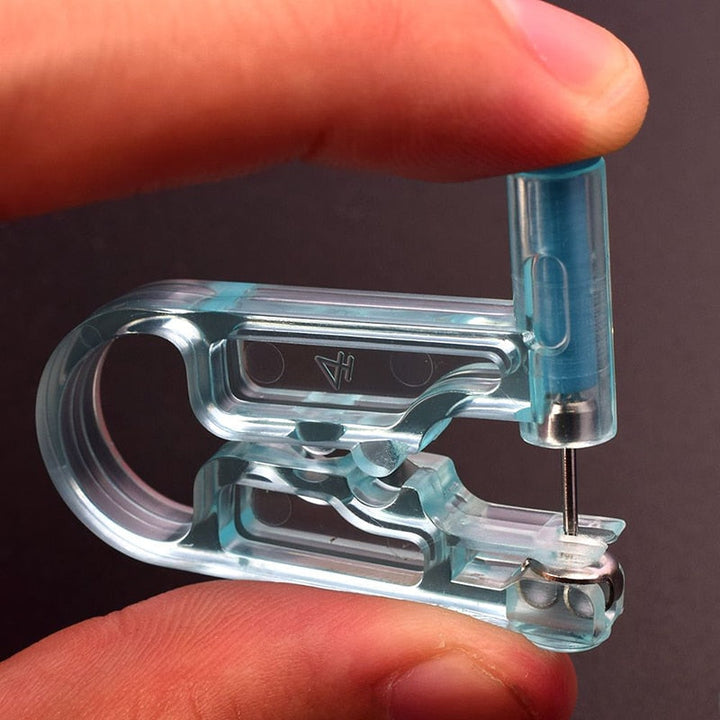


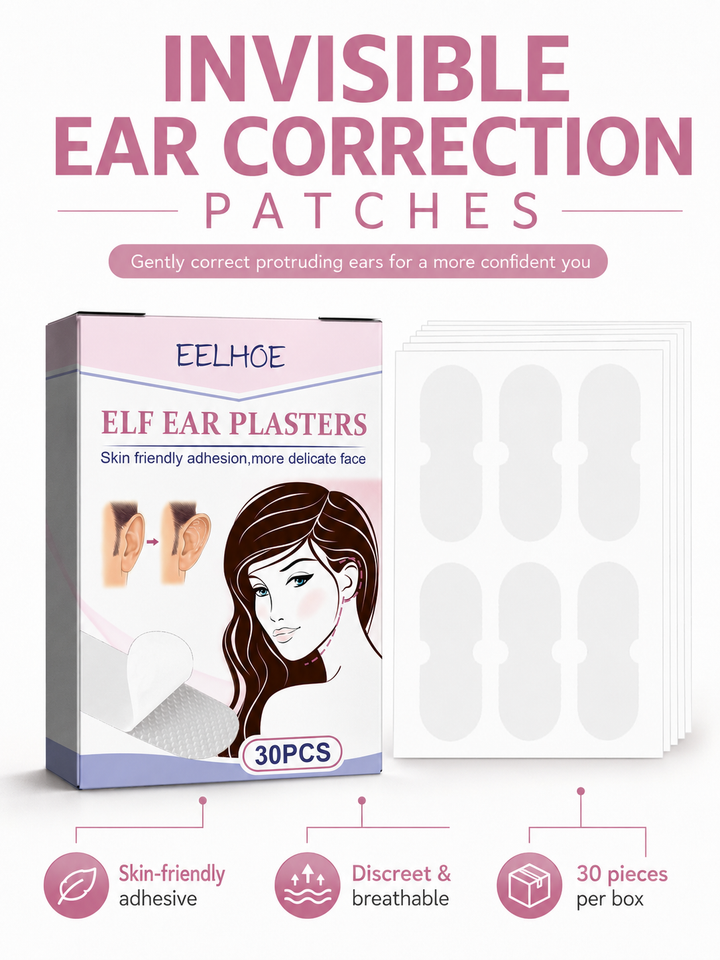
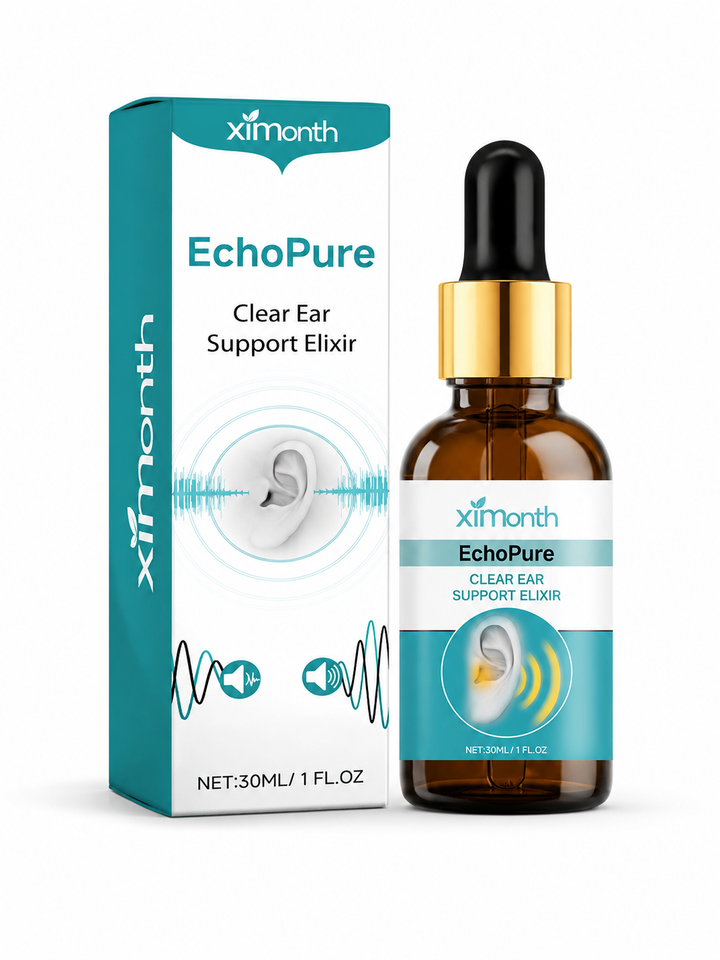
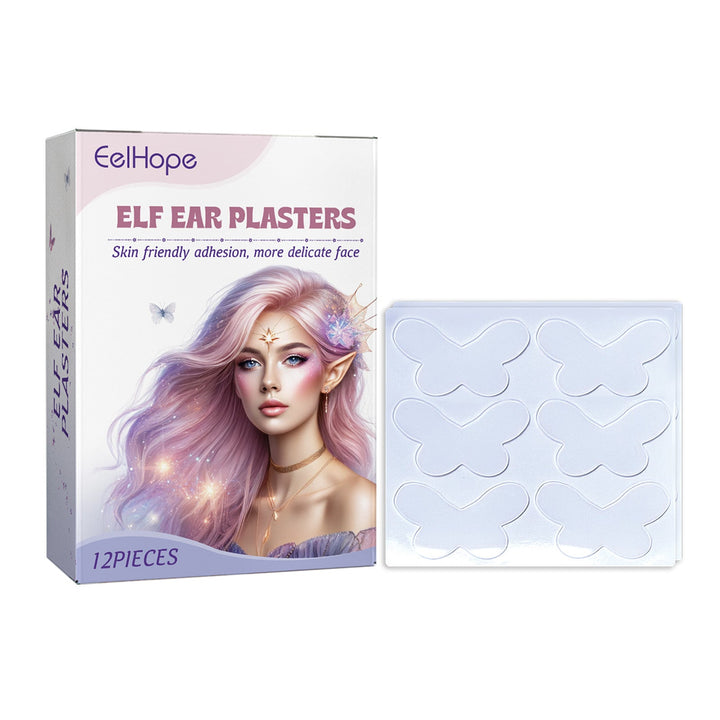



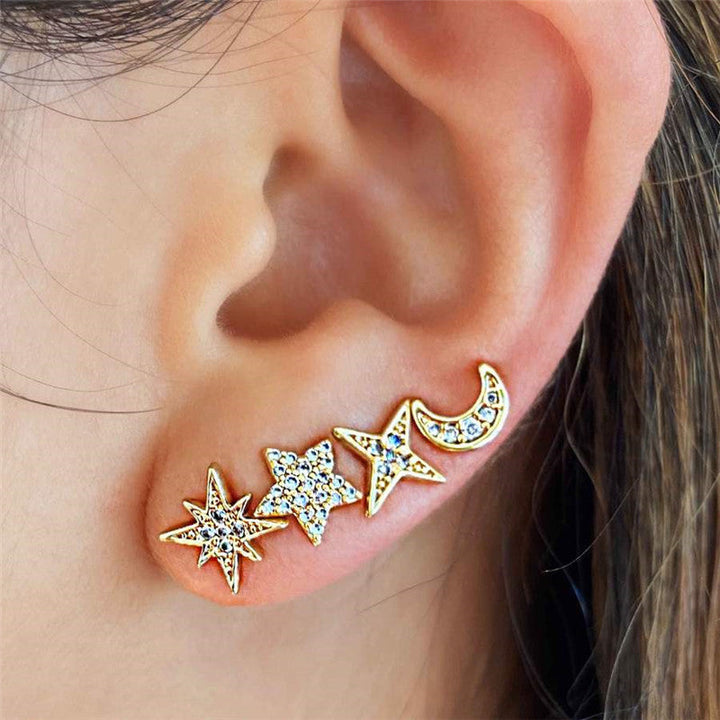
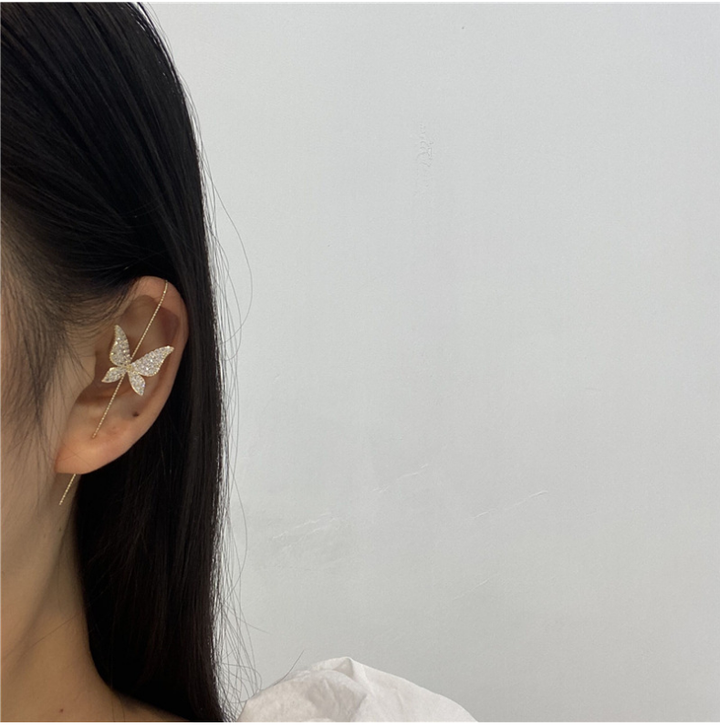


Ear accessories include decorative ear jewelry, non-piercing styles, cosplay pieces, alignment stickers, ear covers and comfort-focused products. This guide helps you compare fit, materials, attachment methods and intended use so you can choose the right accessory for everyday wear, styling or gifting.
Start with the look and attachment method you want. Studs, such as celestial crystal-style sets, sit close to the lobe and suit simple everyday outfits. Ear hooks and cuffs create a more noticeable look without requiring a traditional post, while adhesive elf-ear plasters are designed for temporary cosplay styling. For a polished occasion look, pearl twist ear hook earrings add movement without relying on a pierced lobe. If you are shopping for ear accessories without piercing, check whether the product uses a hook, cuff or skin-safe adhesive rather than a post. Also consider color, weight, visibility and how long you plan to wear the piece. Shoppers comparing ear accessories for women or ear accessories men can use the same practical criteria: comfort, secure placement and coordination with their wardrobe.
The main types of ear jewelry are studs, hoops, drops, huggies, ear cuffs, hooks and climbers. Studs use a post and backing, while hoops form a circle or partial circle through the lobe. Drop earrings hang below the ear, and huggies are small hoops designed to sit close to the lobe. Ear cuffs grip the outer ear and are a popular ear cuff option for non-pierced styling. Hook earrings rest over or behind the ear and can create an elegant drape, as with pearl twist designs. Ear climbers are earrings that visually travel upward along the ear. This category also includes decorative adhesive pieces, ear alignment stickers, covers and comfort-oriented accessories, which serve different purposes from conventional ear jewelry.
Check the product details before buying, especially the attachment method, listed materials, dimensions and care instructions. For pierced styles, look for a clearly described post and fastening system, such as a stud backing or hook. For non-piercing designs, confirm where the accessory rests and whether its shape can be adjusted. Adhesive products should include directions for application and removal; avoid using them on irritated or damaged skin. If you are choosing silver-tone or crystal-style pieces, check the finish and storage guidance to help reduce scratching and tarnishing. A multi-piece celestial earring set can make mixing styles easier, while a single pearl twist hook may suit a more coordinated outfit. For aftercare drops or tinnitus-focused products, read the label carefully and follow its intended-use guidance rather than treating them as ordinary jewelry.
For ear accessories without piercing, begin with clean, dry skin and read the product directions. Ear hooks should rest securely over the ear without pinching; adjust them gradually if the design allows it. Ear cuffs usually slide onto the outer ear and should feel stable, not tight or painful. Adhesive elf-ear plasters and alignment stickers need careful placement, so test the position before fully pressing them down. Remove adhesive pieces slowly according to the instructions, and stop using any item that causes discomfort or visible irritation. Non-piercing styles are useful for costume looks, temporary styling and trying an ear jewelry trend before committing to a piercing. Keep hooks and cuffs in a small pouch so they do not bend or become scratched between uses.
A common mistake is buying by appearance alone without checking how the accessory attaches. A dramatic ear cuff may not suit every ear shape, while a hook can feel different from a post-style earring. Another mistake is assuming every adhesive product is suitable for prolonged wear; follow the stated wear and removal instructions. Do not confuse comfort-focused products with decorative jewelry, and do not use drops or sprays outside their label guidance. Buyers also overlook weight, which can affect how an earring feels during a long event. Check whether a set contains pairs or individual pieces, and confirm the material description before ordering. Finally, avoid forcing a tight accessory into place. Secure fit matters, but pressure, rubbing or persistent discomfort are signs to remove it.
Ear accessories suit a wide range of shoppers, depending on the design. Stud sets work well for understated daily styling, while pearl hooks and celestial pieces can add detail to occasion outfits. Ear cuffs and hooks are practical choices for shoppers exploring ear accessories without piercing, and adhesive elf-ear pieces suit cosplay or themed events. Men and women can choose from the same range of shapes, finishes and attachment methods; the best option depends on personal style rather than a fixed category. Alignment stickers are intended for discreet styling, while ear covers and comfort-focused products should be selected according to their stated purpose. If you have sensitive skin, check the listed materials and adhesive guidance first. For ongoing ear discomfort or ringing, consult a qualified healthcare professional instead of relying on a fashion accessory.
The broad term is ear accessories or ear ornaments. Decorative examples include earrings, ear cuffs, hooks, climbers and hoops, while the category can also include ear covers, adhesive styling pieces and other non-jewelry accessories.
Common types include studs, hoops, huggies, drop earrings, dangle earrings, ear cuffs, hooks and climbers. Studs use a post, while cuffs, hooks and some climbers can create an ear-jewelry look without the same attachment style.
It is usually called an ear cuff. Depending on its design, it may grip the outer ear, sit around the lobe or form part of a larger ear jacket or ear climber.
Ear ornaments are generally called earrings or ear jewelry. The exact name depends on the form, such as a stud, hoop, ear cuff, hook, drop, climber or decorative adhesive ear piece.
A common informal term is 'earrings' shortened to 'earrings' in casual speech, while some people may say 'ear bling' for flashy jewelry. Terminology varies by style and region, so product names such as studs, hoops or cuffs are usually clearer when shopping.
They are commonly called ear climbers or climbing earrings. Their shape follows the curve of the ear so one earring can create the appearance of several upward-set pieces.