Ear Cleaning Tools & Ear Wax Cleaner Kits for Safe Removal9 items









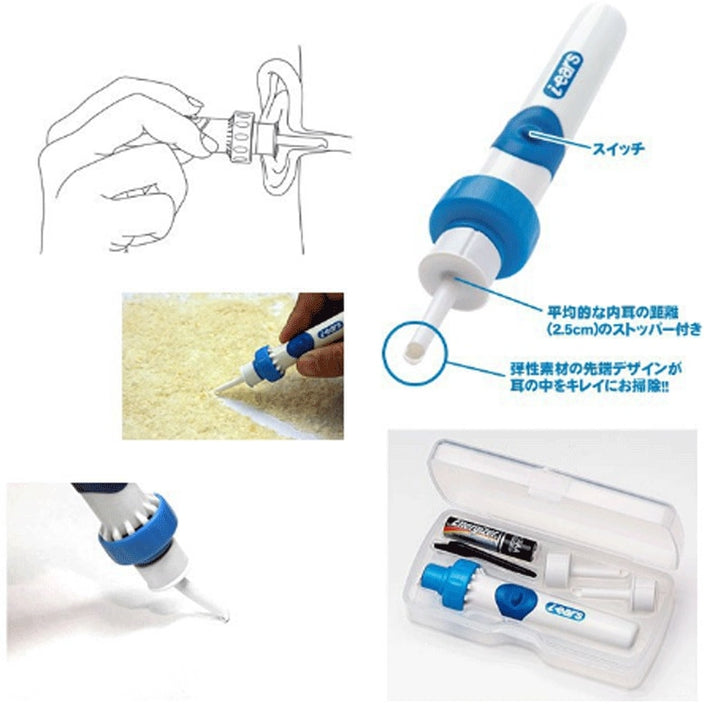



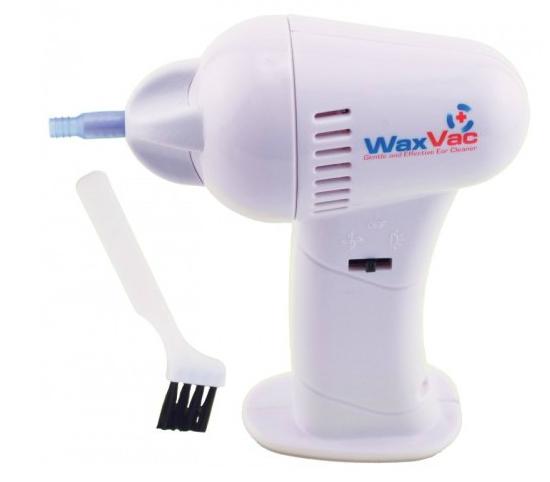


Find ear cleaning tools for different cleaning preferences, from simple silicone spirals and spoons to LED devices, stainless steel sets, ear vacuums, irrigation kits, and camera-enabled cleaners. Compare control, visibility, power source, cleaning method, and ease of use before choosing an ear wax removal kit for adults.
How to choose the best ear cleaning tools
Start by deciding whether you want to loosen, lift, view, or rinse ear wax. A silicone spiral or spoon offers a simple manual approach, while an LED ear cleaner adds light for better visibility. Stainless steel precision tools provide several shapes, but they require a steady hand and careful handling. An ear vacuum or electric kit may suit shoppers who prefer powered operation, while an endoscope lets you view the ear area through a compatible phone or tablet. If you are comparing the best ear wax removal kit for adults, consider grip, tip design, storage, charging, and cleaning instructions. Avoid choosing only by the number of attachments; a smaller kit that you can handle confidently may be more practical than a larger set.
What types of ear wax removal tools are available
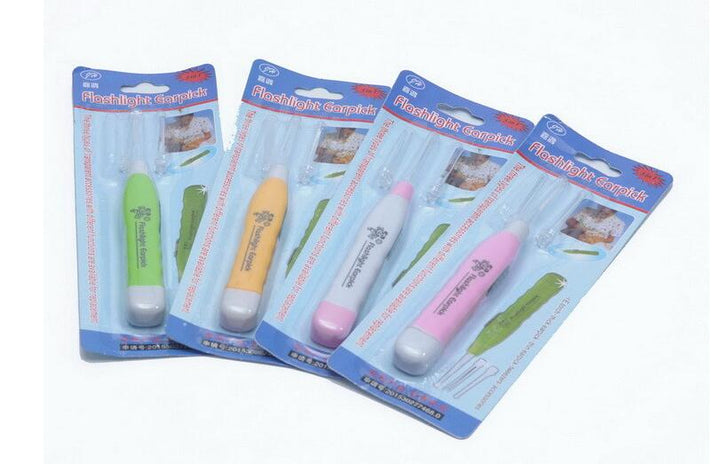
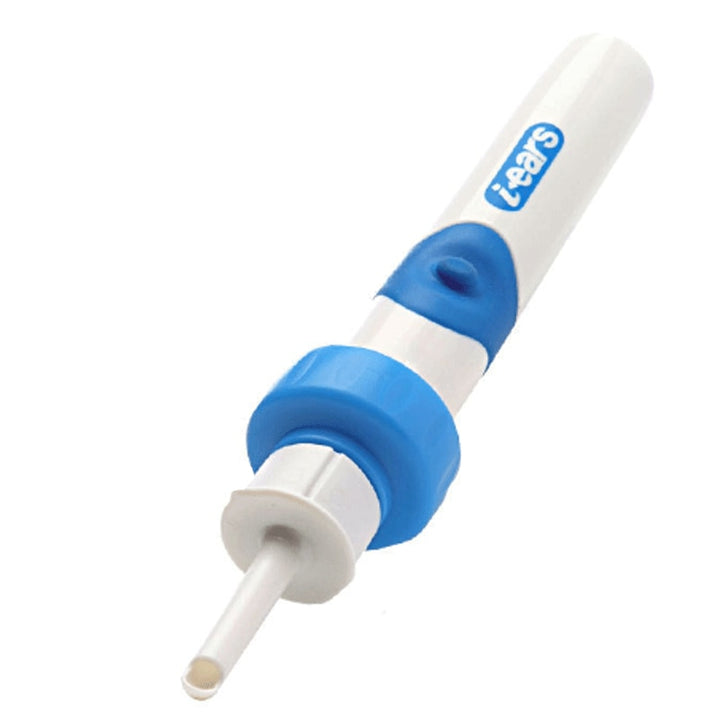
Manual tools include silicone spiral tips, spoons, and reusable swabs. They do not need batteries and can be easy to store, but you must control pressure and depth yourself. LED ear cleaners combine a shaped tip with built-in illumination, helping you see the working area more clearly. Stainless steel sets offer multiple precision shapes and are often selected by shoppers looking for an ear wax removal tool used by doctors, although a product's appearance does not indicate professional endorsement. Electric cleaners and ear vacuums use powered operation, while irrigation kits use liquid flow. Camera ear cleaners use a small endoscope and a phone app or viewing device, making them useful when visual guidance is a priority.
What to look for in an ear wax removal tool with camera
For an ear wax removal tool with camera, check how the device connects before buying. Some USB endoscope cleaners work with particular phones, tablets, or operating systems, and a camera model may require a separate ear cleaning tool camera app. Confirm the connector type, app instructions, viewing screen, cable length, and whether the kit includes multiple tips. A clear live image can help you see the tool position, but it does not replace careful handling. Look for smooth, rounded or silicone attachments, a comfortable grip, and an easy way to clean removable tips. If you prefer not to use a phone, an LED cleaner or non-camera electric model may be simpler.
How to use ear cleaning tools at home
Read the included instructions first and wash your hands. Work in a well-lit area, select the smallest suitable tip, and keep the tool near the outer ear rather than pushing it deeply. Use slow, light movements; stop if you feel pain, dizziness, pressure, or irritation. For a camera tool, connect the USB endoscope to the supported device, open the required camera app, and check the image before moving the tip. For an irrigation kit, follow the product directions for liquid, angle, and pressure, and keep water away from electronic components. Clean and dry reusable tips after each use. Do not share personal ear tools, and seek professional advice if symptoms continue or the ear feels blocked.
What are common mistakes when cleaning ears
A common mistake is inserting a tool too far or using force to remove wax that does not move easily. Avoid twisting hard, scraping repeatedly, or using sharp edges without full control. Do not assume that a camera makes deep insertion safe; the image only shows what the device can view. Another mistake is choosing irrigation without checking the instructions or using excessive liquid pressure. Reusing uncleaned tips, sharing kits, and ignoring damaged silicone or metal attachments can also create problems. Cotton swabs and improvised objects are poor substitutes for purpose-designed ear cleaning tools. Stop when discomfort occurs, and ask a qualified healthcare professional for guidance if you have ongoing pain, drainage, reduced hearing, a history of ear problems, or uncertainty about which method is appropriate.
Which ear cleaning kit is right for you
Choose a silicone ear wax remover kit if you want a compact, manual option with a spiral and spoon. An LED ear cleaner suits shoppers who want built-in light without using a phone. A stainless steel seven-tool set is for people who want several manual shapes and can handle them carefully. An ear vacuum or electric ear wax removal kit may appeal to those who prefer powered operation, while a rechargeable model avoids disposable batteries. Pick an endoscope ear cleaning tool if live viewing and phone compatibility matter most. A reusable silicone swab kit can work for shoppers who want multipurpose cleaning accessories. If you specifically want an ear irrigation kit professional in style, compare included components and directions rather than relying on the label alone.
Frequently asked questions
What is the best tool to clean ears?
The best tool depends on your preferred method and comfort level. Silicone spirals, spoons, LED cleaners, electric tools, vacuums, irrigation kits, and camera endoscopes each offer different levels of control and visibility. Choose a product with a tip you can handle gently and instructions you will follow.
What pulls ear wax out?
Manual spoons and spirals can lift or guide accessible wax, while electric cleaners and ear vacuums use powered operation. Irrigation kits use liquid flow, and camera tools help you view the area while using a compatible attachment. No tool should be forced deeply into the ear.
What is the best way to deep clean your ears?
There is no single best method for everyone. Compare a camera tool for visibility, an LED cleaner for built-in light, or an irrigation kit for a liquid-based method, and follow the product directions carefully. If wax feels deeply blocked or cleaning causes pain, ask a qualified healthcare professional instead of trying to reach farther.
How do I self clean my ears?
Wash your hands, use a clean tip, work in good lighting, and keep movements slow and shallow. Follow the instructions for the selected manual, electric, camera, vacuum, or irrigation product, and stop if you feel pain, dizziness, pressure, or irritation. Clean and dry reusable attachments after use.
Will deep ear wax eventually come out?
Wax may move toward the outer ear naturally, but you should not assume that a deep blockage will resolve on a predictable schedule. Avoid pushing tools farther in to reach it. If you have persistent blockage, discomfort, drainage, or reduced hearing, seek professional guidance.
What dissolves ear wax fast at home?
Some ear care products are designed to soften wax, while irrigation kits use liquid according to their instructions. Do not mix household substances or use a product in a way the packaging does not recommend. For stubborn wax or symptoms, consult a qualified healthcare professional before trying a stronger method.