$49.90
Free delivery · 7–14 days
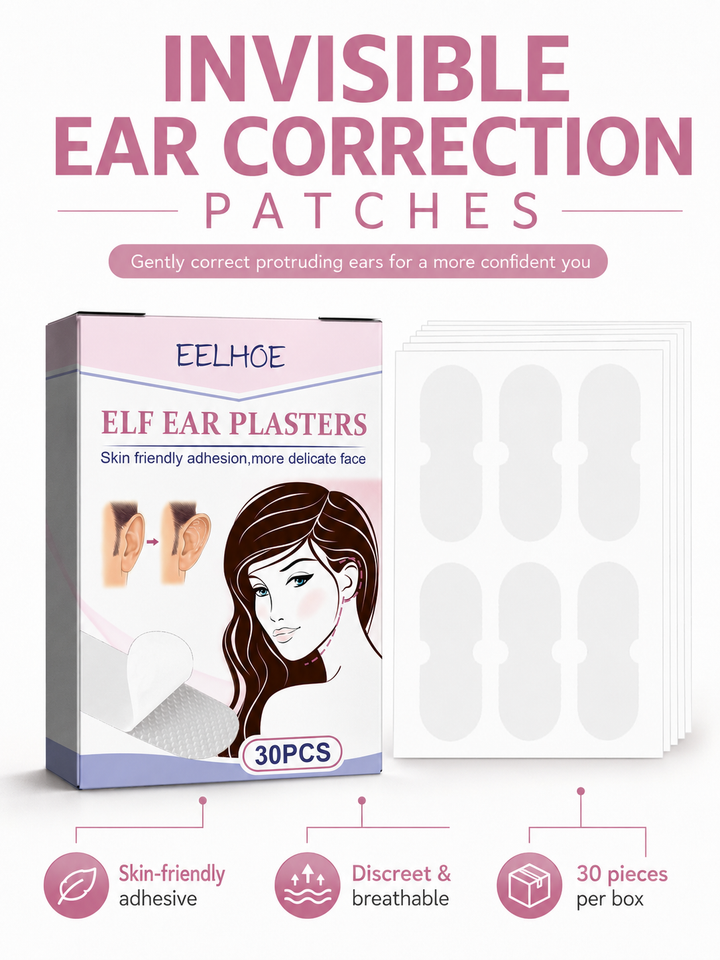
Invisible Ear Correction Patches — 30pc | EELHO

Ear correctors and ear-care tools serve different shopping needs, from the appearance of prominent ears to everyday comfort around dryness, itchiness, ringing, or pressure. Use this guide to compare non-surgical shaping products, ear drops, serums, sprays, and ear clips so you can choose a product that matches your intended use.
Start by separating ear-shape correction from ear comfort. Non-surgical ear correctors are designed to hold or guide the outer ear into a different position, while ear drops, plant-based ear-care serums, sprays, and clips are intended for comfort-focused routines. If you are searching for an ear corrector clip, check whether it is made for wear on the outer ear and review the recommended wear instructions. For adults, fit and comfort are especially important because results can vary with ear shape, skin sensitivity, and how consistently the product is used. Choose a hypoallergenic shaping option if adhesives commonly irritate your skin, and stop using any product that causes persistent redness, pain, or swelling.
The category includes several distinct product types. Non-surgical ear correctors use an external positioning approach and may be suitable for shoppers exploring how to fix ear shape without surgery. Ear clips are compact, reusable-looking tools that sit around the outer ear, so shoppers should check the fit before extended wear. Ear drops and ear-care serums are liquid products for a separate comfort routine and should not be treated as ear-shaping devices. Tinnitus-focused sprays and drops are also different from correctors for prominent ears. When comparing products, read the full listing for intended use, application method, ingredients, and warnings rather than choosing based only on the phrase “ear corrector.”
An invisible ear corrector is usually sought for discreet wear under or around the ear, but “invisible” can depend on skin tone, hair, lighting, clothing, and the product’s placement. Look for a low-profile design, clear or skin-adjacent materials, and instructions that explain where the corrector sits. Adhesive products should identify the material and provide guidance for skin testing or removal. Hypoallergenic labeling may be helpful for shoppers with sensitive skin, but it does not guarantee that every user will tolerate the product. Also check whether the item is intended for short-term or routine wear, whether it can be adjusted, and whether replacement pieces are required. Avoid covering irritated or broken skin.
Clean and dry the outer ear and surrounding skin before applying a shaping corrector, unless the product instructions say otherwise. Position the corrector exactly as shown, making sure it does not pinch, pull sharply, or press against the ear canal. Begin with the manufacturer’s suggested wear schedule instead of wearing it continuously on the first use. Remove adhesive products slowly and avoid pulling the skin. For ear drops, sprays, or serums, follow the label’s application directions and keep liquid away from areas the instructions exclude. Do not insert a clip, applicator, or other tool into the ear canal. Stop use if discomfort becomes significant, and seek professional advice for ongoing ear pain, drainage, hearing changes, or dizziness.
People often ask, “Do ear correctors really work?” The answer depends on the product, the ear’s shape, the wearer’s age, fit, skin response, and consistency of use. External correctors may change the appearance or position of the outer ear while worn, but results are not guaranteed and may not be permanent. Taping your ears back follows a similar external-positioning idea, yet tape can irritate skin and may not hold securely. Adult shoppers should have realistic expectations and check return terms before buying. Product photos can help explain placement, but they cannot predict an individual outcome. If a lasting change is important, discuss available options with a qualified healthcare professional rather than relying on online claims.
Non-surgical ear correctors may suit shoppers who want to explore temporary or gradual external positioning without choosing a surgical procedure. Adults can use them, but adult results and comfort may differ from those experienced by younger users, so fit and expectations matter. Ear drops, sprays, and serums may suit shoppers looking for a topical ear-care routine, but they are not substitutes for assessment of unexplained symptoms. An ear clip marketed for ringing or discomfort is also a different product from a shaping clip; compare its intended use before ordering. Do not use ear products on children, during pregnancy, or with ear tubes, a perforated eardrum, infection concerns, or significant symptoms unless a healthcare professional confirms that use is appropriate.
External ear correctors can alter the appearance or position of the outer ear while worn, but results vary by product, fit, ear shape, and consistency. They should not be assumed to create a permanent change, and product descriptions cannot guarantee an individual result.
Adults can use non-surgical ear correctors when the product is designed for adult wear and fits comfortably. Expectations should be realistic because adult ear shape, skin sensitivity, and response to external positioning vary.
Some ear correctors use low-profile, clear, or skin-adjacent materials for more discreet wear. Visibility depends on placement, lighting, hair, and skin tone, so check product images and material details before buying.
Non-surgical shaping products, including adhesive correctors and external clips, are options for temporary or appearance-focused positioning. They cannot guarantee a lasting change, so consult a qualified healthcare professional if you are considering a permanent correction.
Taping may hold the outer ear closer to the head while the tape is applied, but the effect and staying power vary. Tape can also cause skin irritation, so avoid applying it to broken or irritated skin and remove it gently.
There is no reliable basis here to confirm whether Brad Pitt had otoplasty. A celebrity’s appearance or media speculation is not a dependable guide to choosing an ear corrector or deciding whether a procedure is right for you.