
$64.90
Free delivery · 7–14 days
Jewelry Cleaner for Copper & Brass Jewelry Brightness


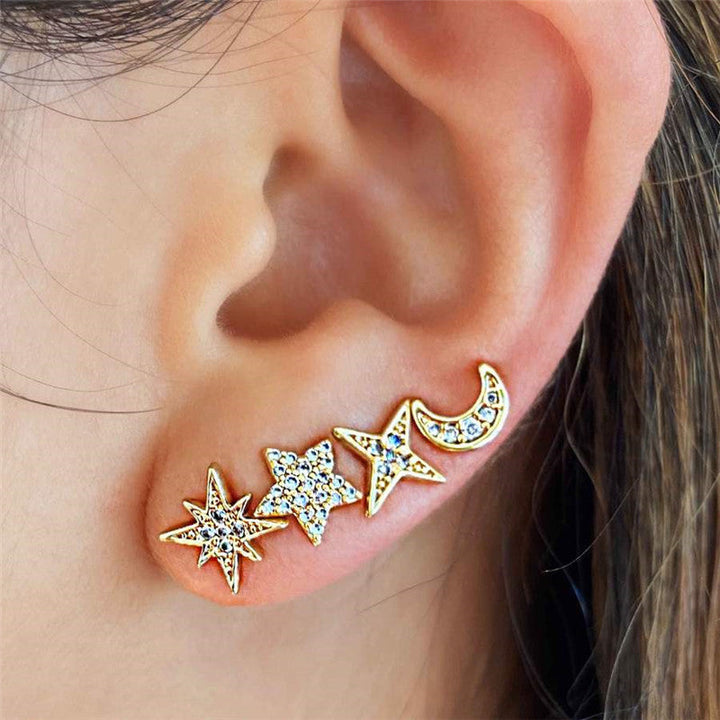

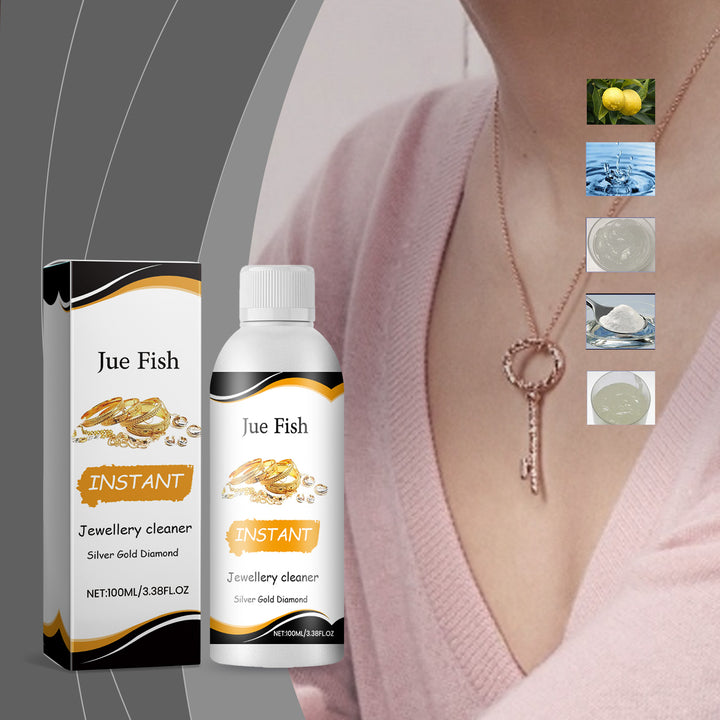
Find a jewelry cleaner for silver, gold, diamond-style stones, copper, brass, and everyday accessories. This guide compares cleaning solutions, sprays, and at-home methods so you can choose a practical option for removing tarnish, grease, fingerprints, and residue without using unnecessarily harsh products.
Start with the jewelry’s metal, finish, and stones. A jewelry cleaner for silver should focus on tarnish and residue, while copper and brass pieces may need a formula intended for those metals. For gold jewelry, plated finishes, CZ stones, or mixed-metal pieces, choose a gentle solution and check the product directions before soaking. A spray can suit frequent touch-ups, while a liquid jewelry cleaner solution may be more useful for several pieces at once. If you want the best jewelry cleaner at home, look for clear instructions, a rinseable formula, and a soft cloth or brush that will not scratch surfaces. When in doubt, test a small, hidden area first and avoid immersing pieces with loose stones or delicate settings.
Liquid jewelry cleaner solutions are useful for treating tarnish, grease, and residue on compatible metal pieces. Sprays are convenient for quick polishing before wearing jewelry and can help reduce leftover product when paired with a clean, soft cloth. A jewelry cleaner machine uses vibration or another cleaning process, but it is not automatically suitable for every gemstone, setting, plating, or glued component; follow the machine and jewelry-care instructions. Manual cleaning gives you the most control over delicate earrings, rings, and mixed-material pieces. For silver studs or CZ jewelry, gentle surface cleaning is often more appropriate than aggressive scrubbing. Choose the format based on your collection, the amount of buildup, and whether you prefer targeted touch-ups or cleaning several compatible pieces together.
Look for a cleaner that clearly states which metals and finishes it supports, including silver, gold, copper, brass, or plated jewelry. Instructions should explain whether to spray, wipe, soak, rinse, or dry, and they should identify materials that require caution. A residue-free jewelry cleaner spray can be convenient for polished surfaces, while a tarnish-focused solution may be better for visibly darkened silver or brass. Check whether the product is intended for stones and settings before use; not every formula is appropriate for porous, treated, glued, or soft materials. Useful accessories include a soft polishing cloth, a very soft brush, and a container reserved for cleaning. Avoid choosing solely by the phrase “best jewelry cleaner”; compatibility and careful application matter more than a general label.
Before cleaning, inspect each piece for loose stones, damaged plating, open settings, or delicate attachments. Remove surface dust with a soft, dry cloth, then follow the cleaner’s directions exactly. Apply spray to the jewelry or cloth as directed, or use a small amount of solution for compatible pieces; do not mix cleaning products. Gently wipe around settings and under bands with a soft brush, without forcing bristles into gaps. Rinse only when the instructions allow it, then pat dry with a lint-free cloth and let the piece dry fully before storing. For an at-home routine, clean one material at a time and keep earrings, rings, and chains separated. If a piece is valuable, antique, heavily damaged, or set with a questionable stone, ask a jeweler before using liquid or machine cleaning.
Avoid abrasive powders, rough brushes, scouring pads, and unapproved polishing compounds because they can scratch metal or dull plated finishes. Do not combine bleach, chlorine products, ammonia-based cleaners, vinegar mixtures, or other household chemicals with a jewelry cleaner solution. Strong chemicals and prolonged soaking may affect coatings, stones, adhesives, or delicate settings. Ultrasonic or machine cleaning also deserves caution: some jewelry should not be placed in a jewelry cleaner machine, even when the metal itself seems durable. Do not scrub aggressively to remove tarnish, and never pull on a stone or setting while cleaning. If you are considering a jewelry cleaner DIY recipe, use extra care because homemade mixtures may not be compatible with every material. Product instructions and a spot test are safer than guessing.
A jewelry cleaner is useful for anyone who regularly wears silver earrings, gold-toned pieces, rings, chains, copper or brass jewelry, and accessories that collect skin oils or everyday residue. A spray suits shoppers who want fast touch-ups, while a liquid solution can fit households cleaning multiple compatible pieces. Owners of sterling silver or CZ jewelry may prefer a gentle cleaner and polishing cloth for maintaining shine between wears. A machine may appeal to people with larger collections, but it should be selected only after checking compatibility with every type of jewelry in the collection. For delicate, heirloom, antique, loose-stone, or heavily plated pieces, professional advice may be more suitable than a general cleaner. Store cleaned jewelry dry and separately to help limit new scratches and tarnish.
The best choice depends on the metal, finish, stones, and setting. For many compatible pieces, a purpose-made jewelry cleaner, soft cloth, and gentle brush are more suitable than general household chemicals. Always check the cleaner’s instructions before applying it.
A mild, simple cleaning method is often safer than a complex DIY mixture: use lukewarm water, a small amount of mild dish soap, and a soft cloth for jewelry that is suitable for water. Avoid homemade recipes containing bleach, chlorine, abrasive powders, or mixed chemicals, and do not soak pieces with delicate settings, glued components, or questionable stones.
Do not use abrasive powders, rough brushes, bleach, chlorine products, or unapproved chemical mixtures. These may scratch metal, affect plating, or damage stones and settings. Also check before using an ultrasonic jewelry cleaner machine, since not every piece is machine-safe.
The best cleaner is one labeled for the specific metal and finish you own. Choose a tarnish-focused solution for compatible silver, copper, or brass, or a gentle spray for routine surface residue. Read the directions carefully, especially when cleaning gold-plated jewelry, CZ pieces, or mixed-material designs.
Jewellers may use different professional tools and cleaning methods depending on the jewelry’s materials, construction, and condition. The method is not the same for every piece, so copying a professional process at home can be risky. For valuable, antique, damaged, or loose-stone jewelry, ask a jeweller for care advice.
A small amount of mild dish soap can help remove surface oils and everyday residue from some water-safe jewelry when diluted with lukewarm water. It will not necessarily remove heavy tarnish, and it may not be suitable for every stone, finish, adhesive, or delicate setting. Rinse only when appropriate and dry the piece thoroughly.