Resin Jewelry Molds: Silicone Craft Molds for Epoxy Resin
13 items
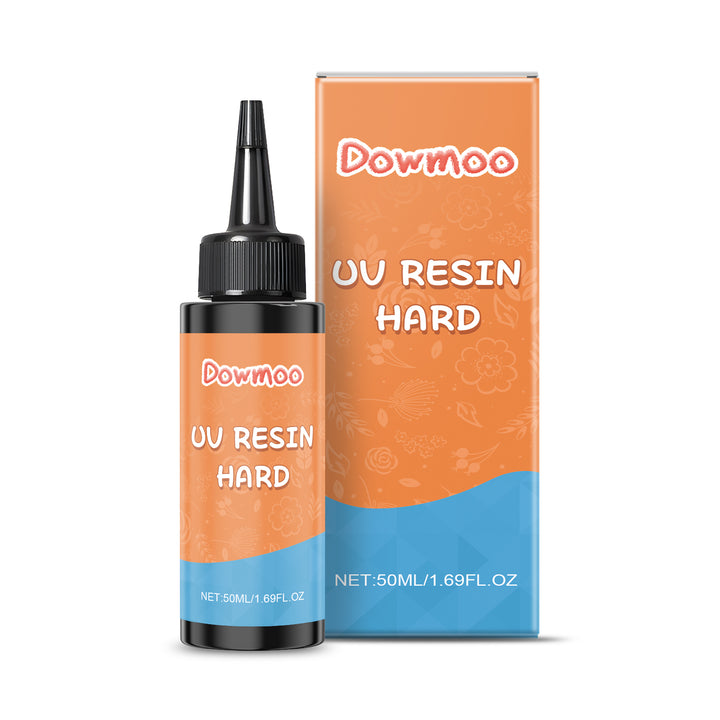
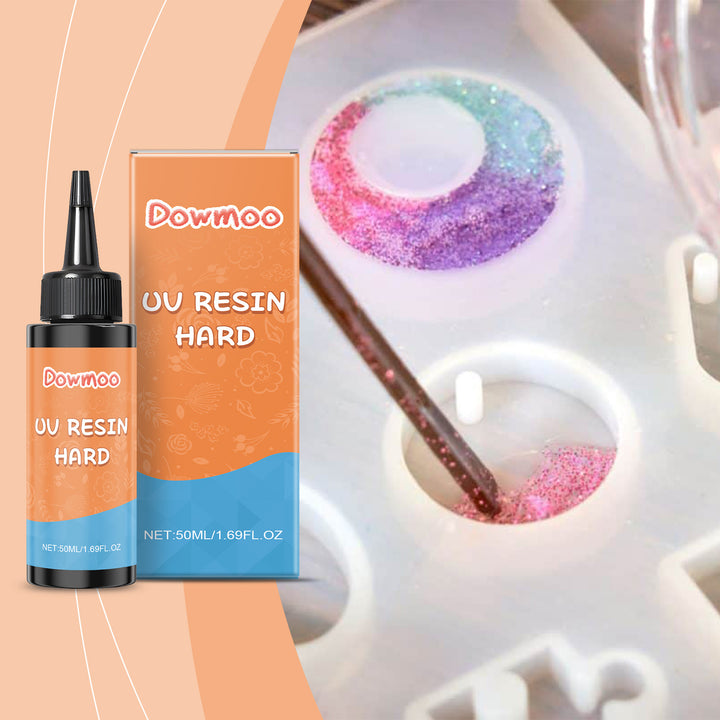
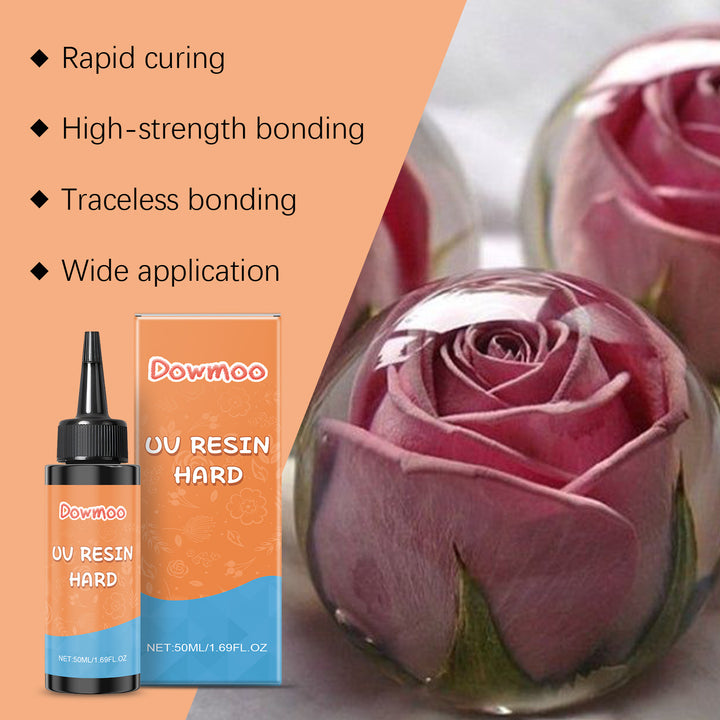
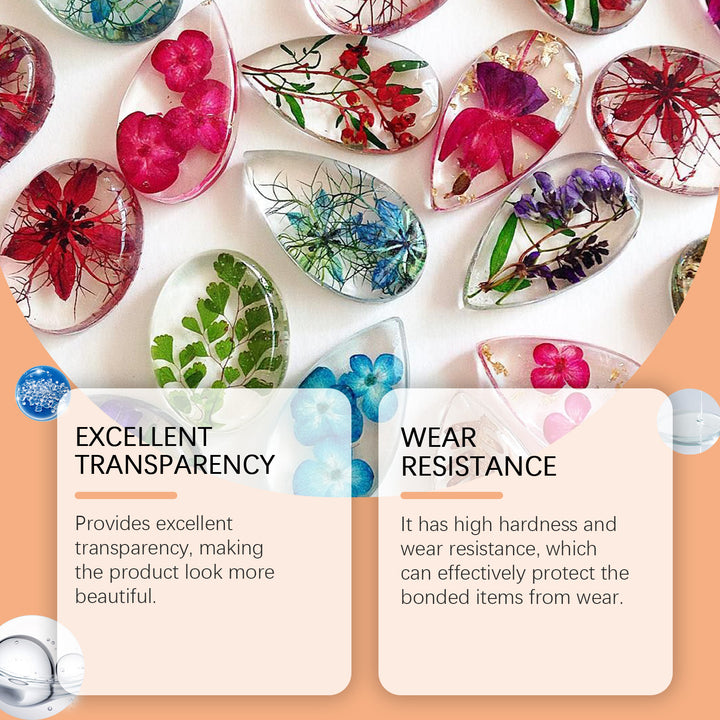
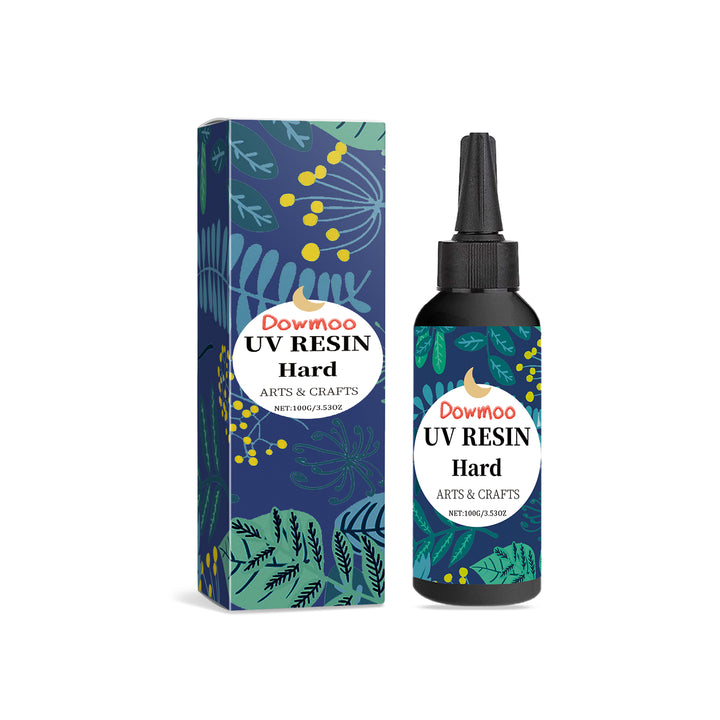
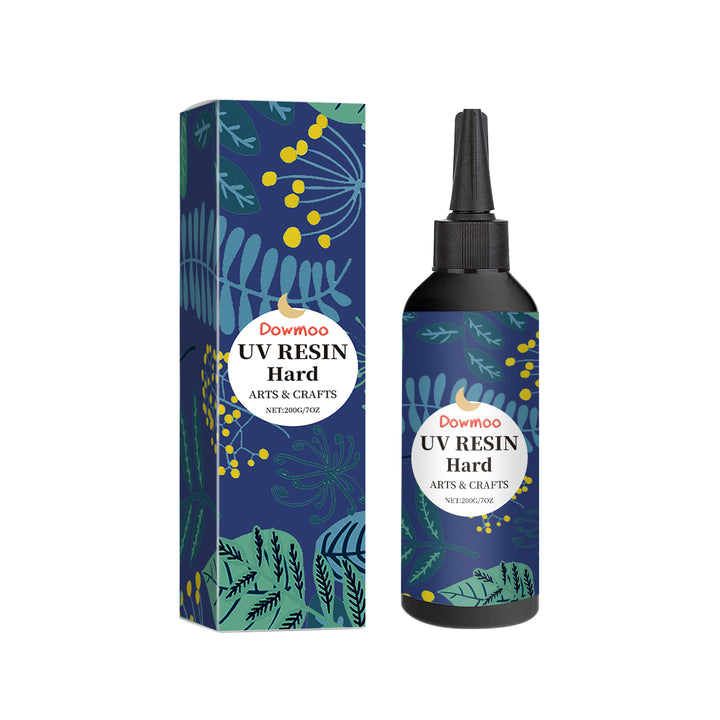
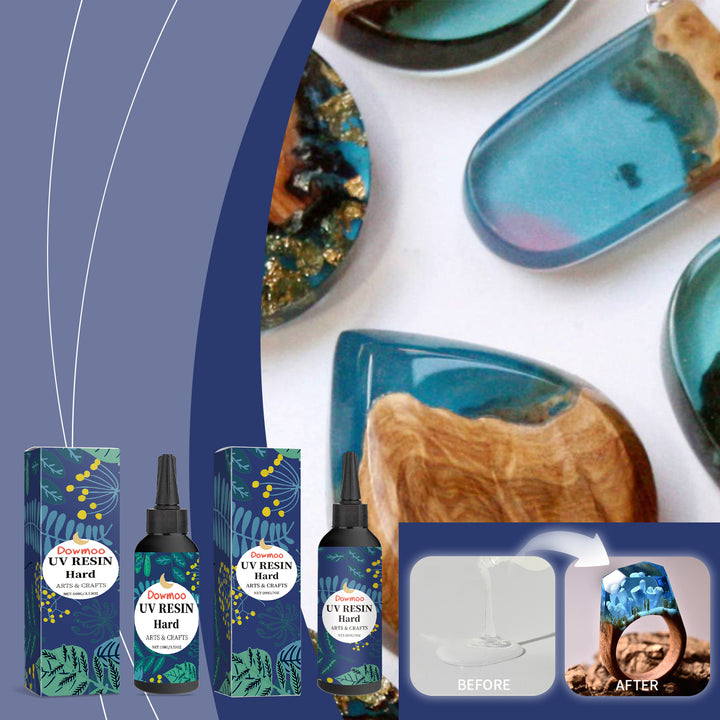

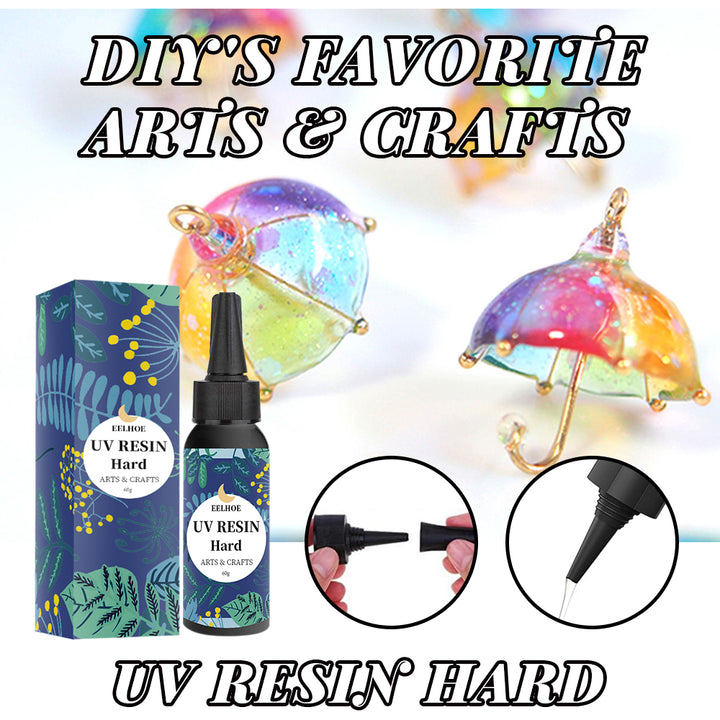
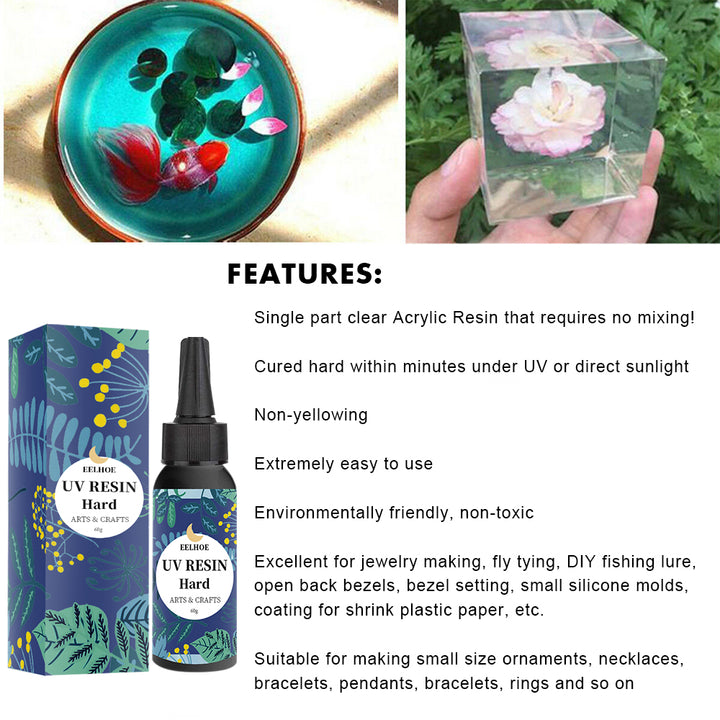
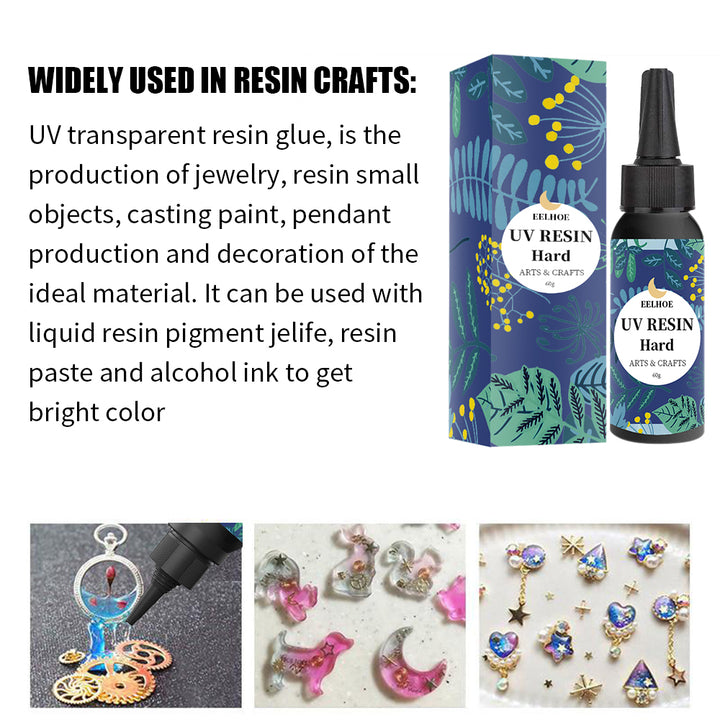
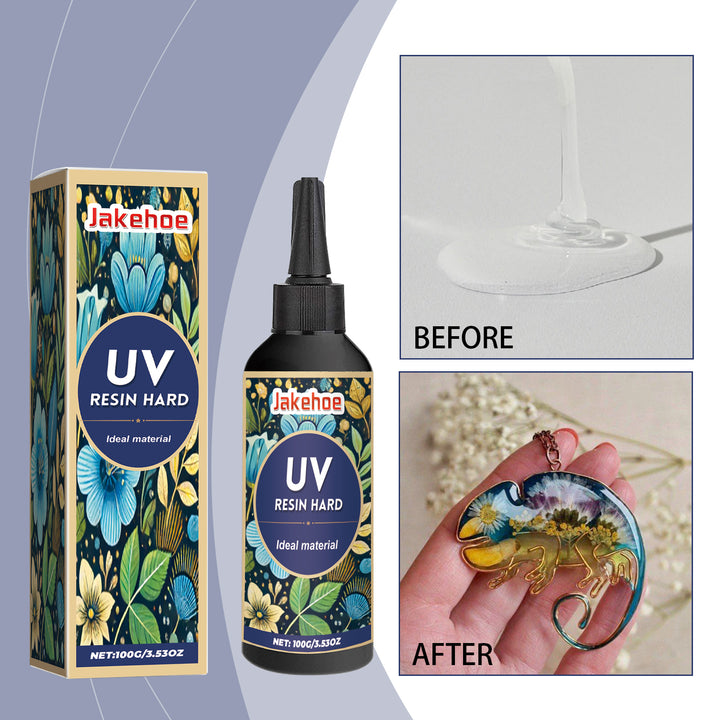
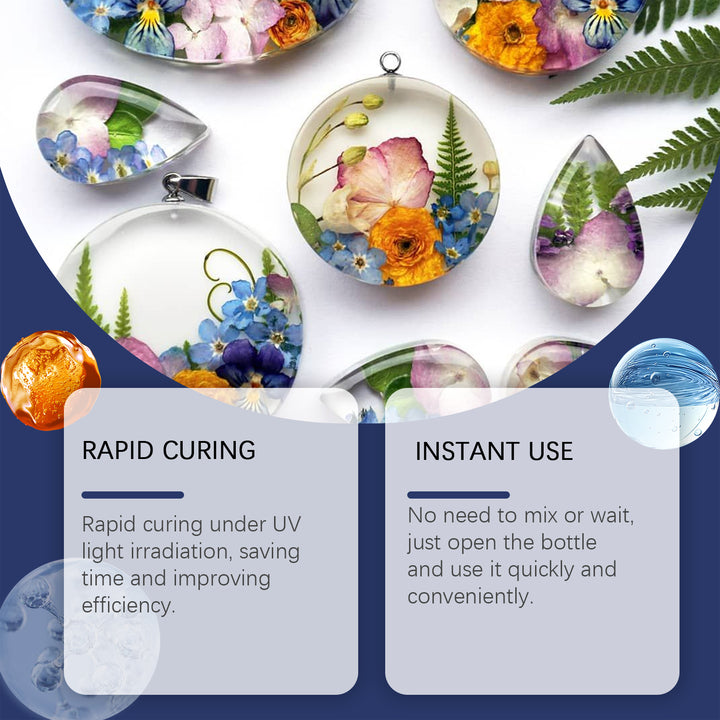
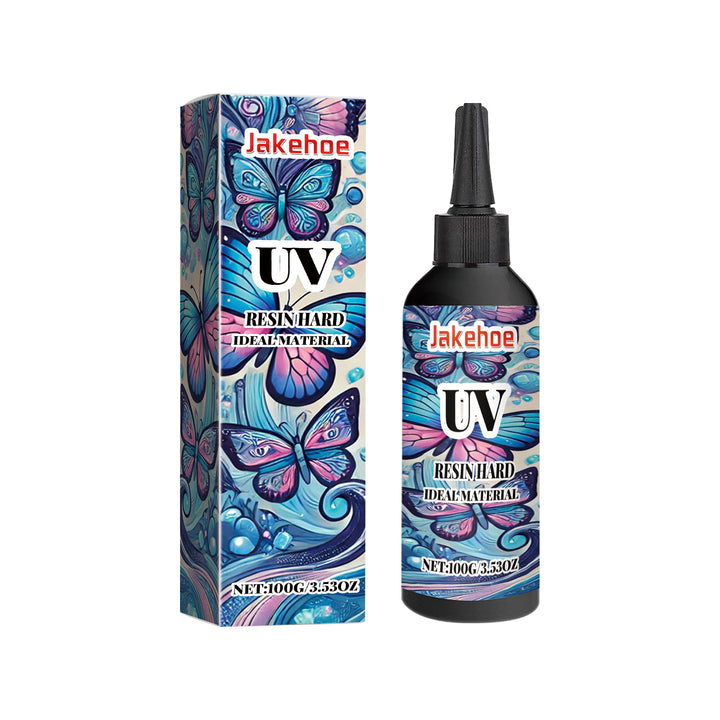
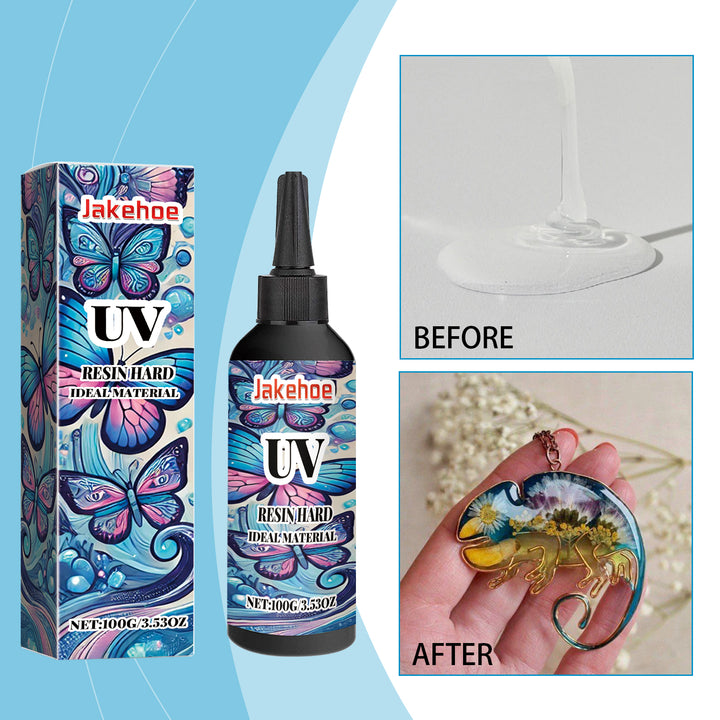
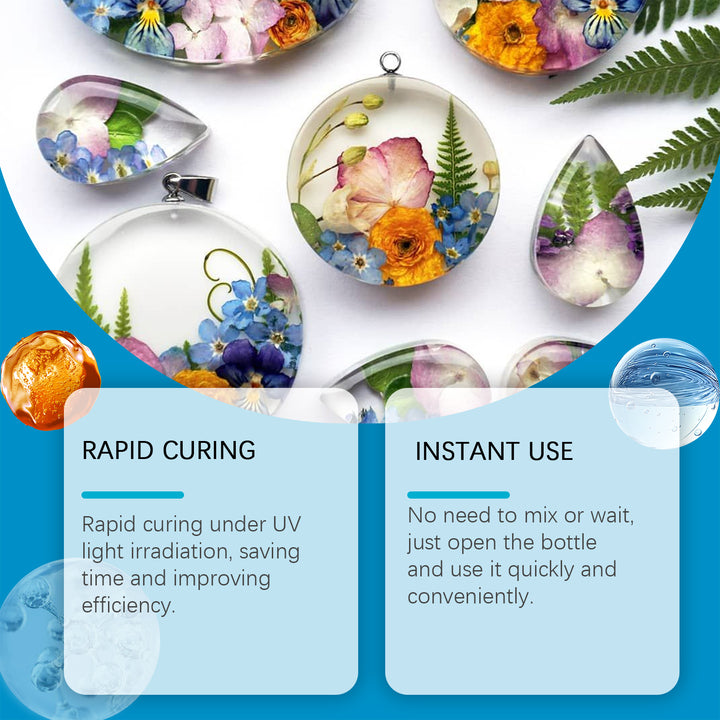
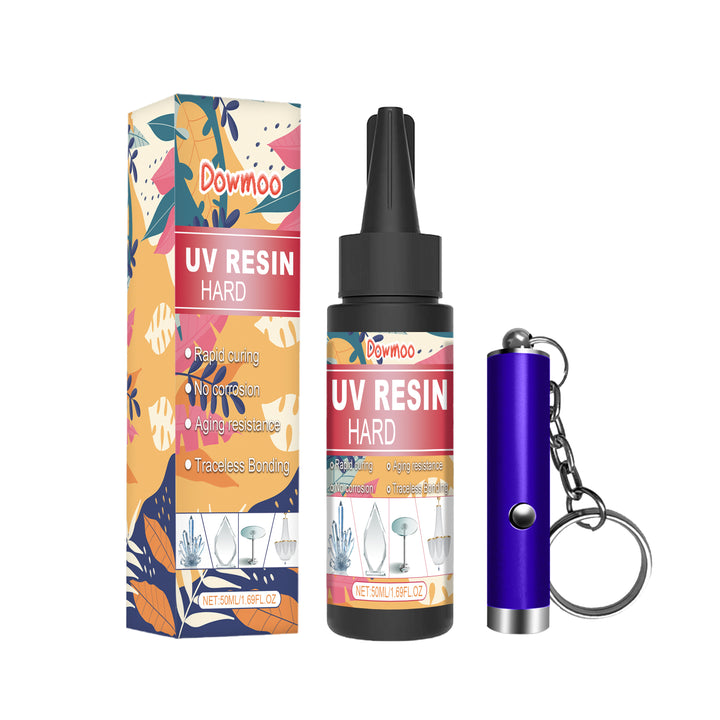
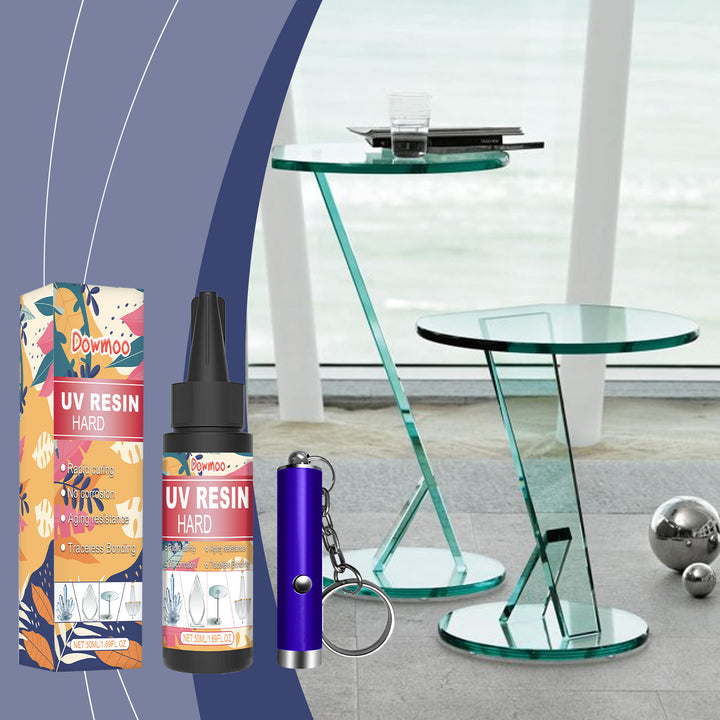
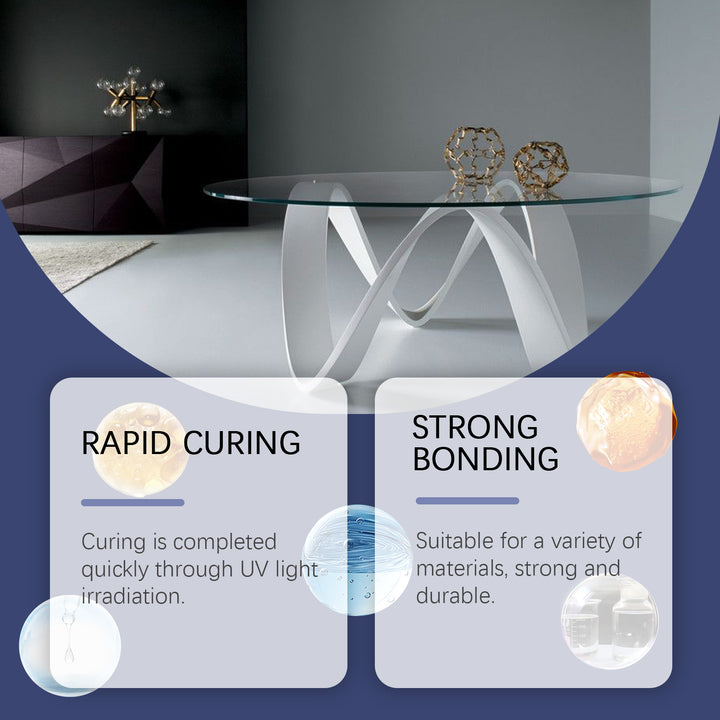
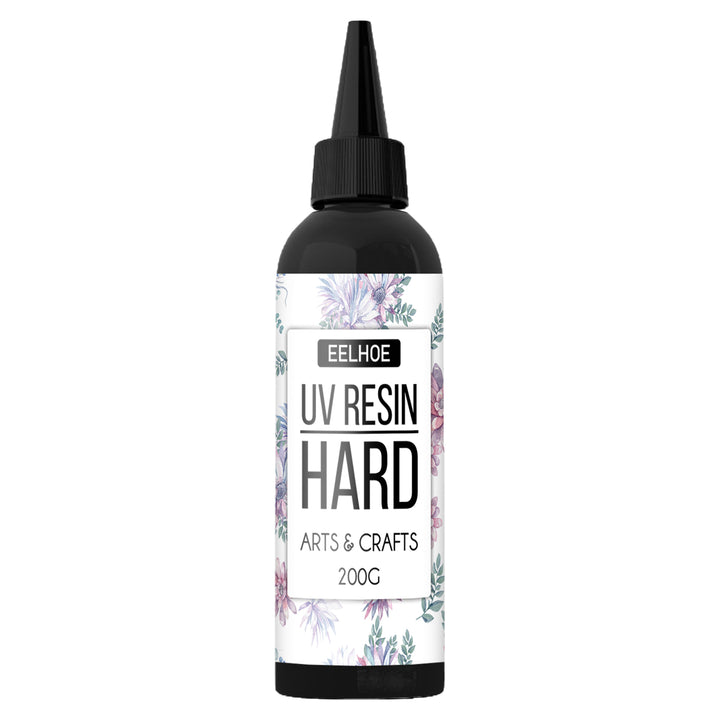
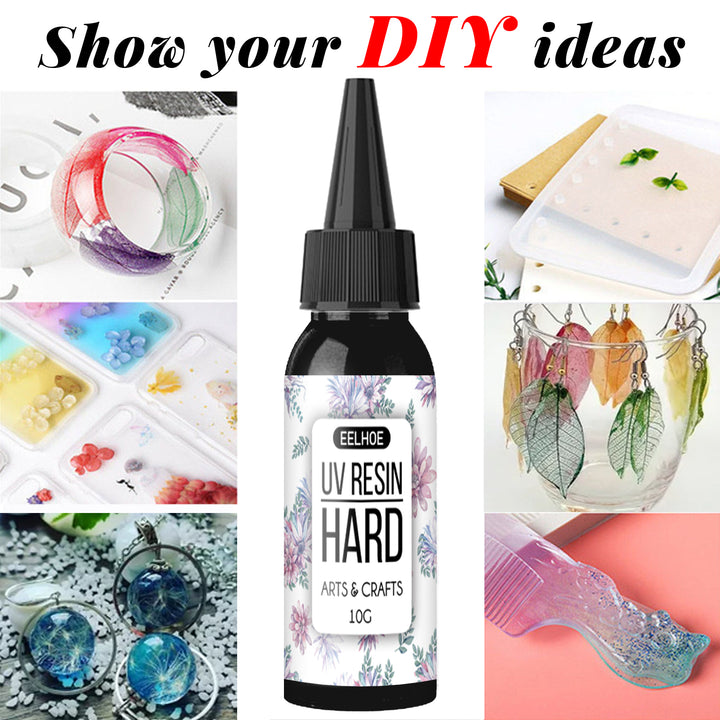
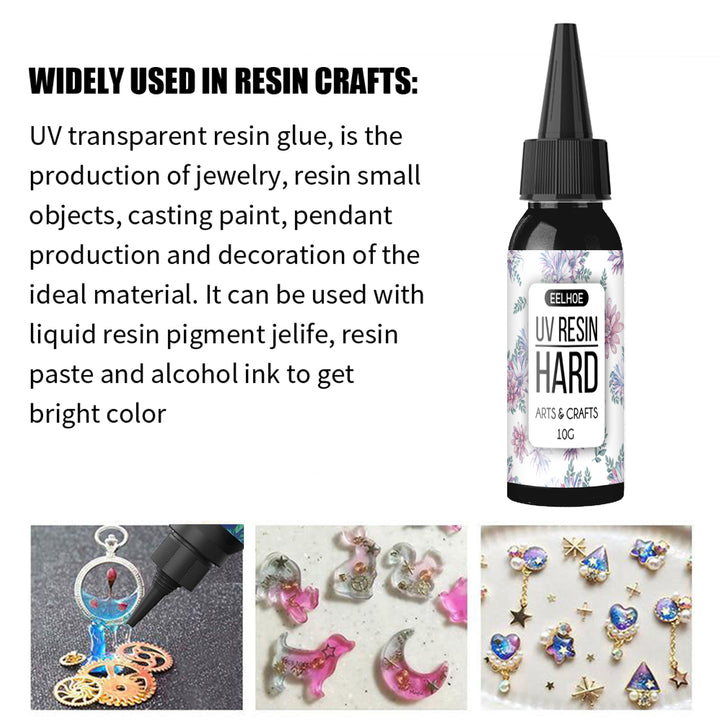
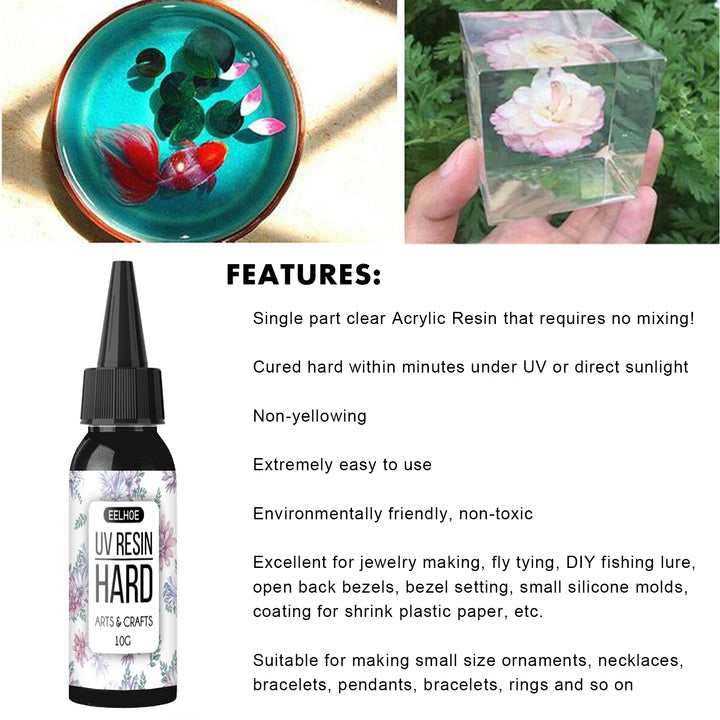


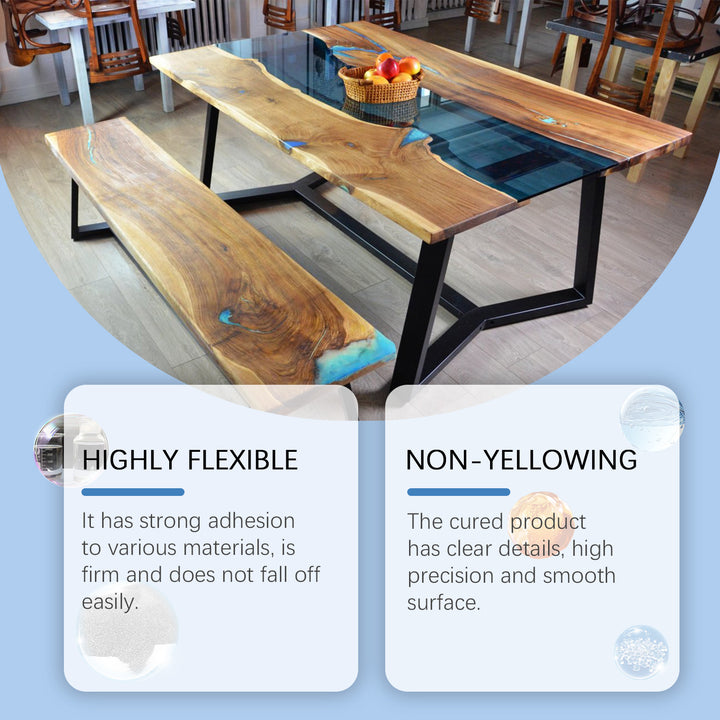
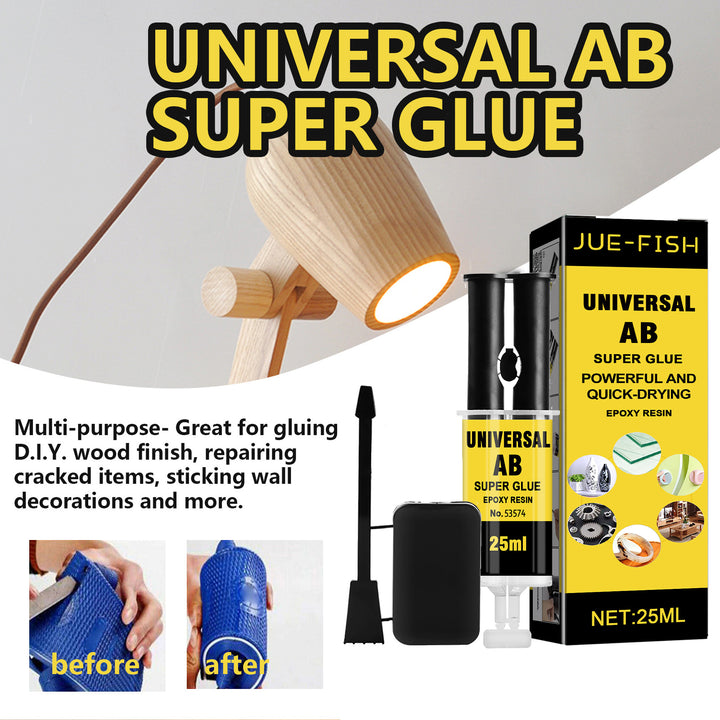
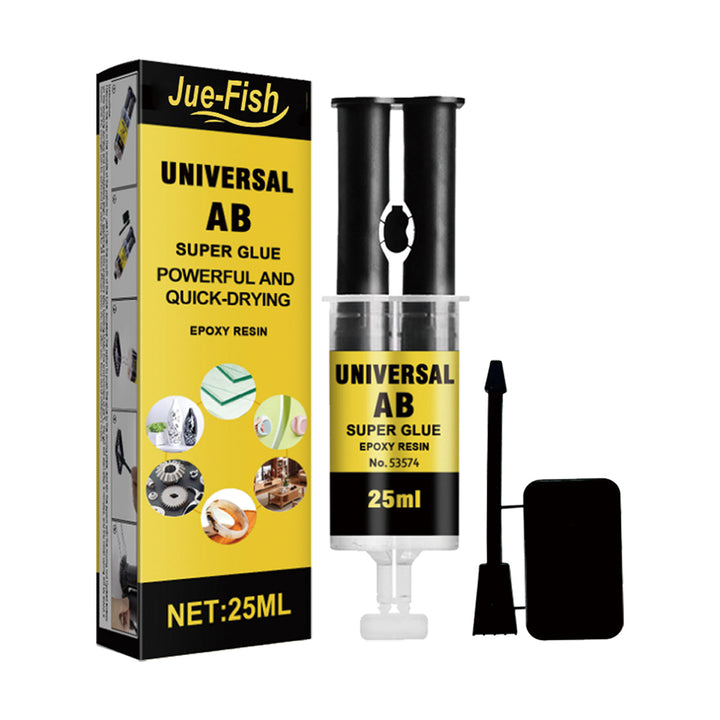
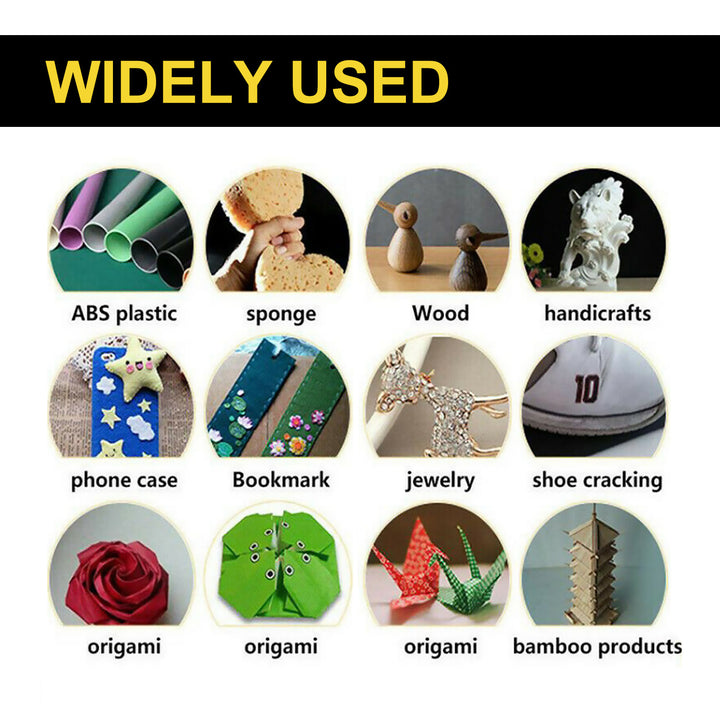
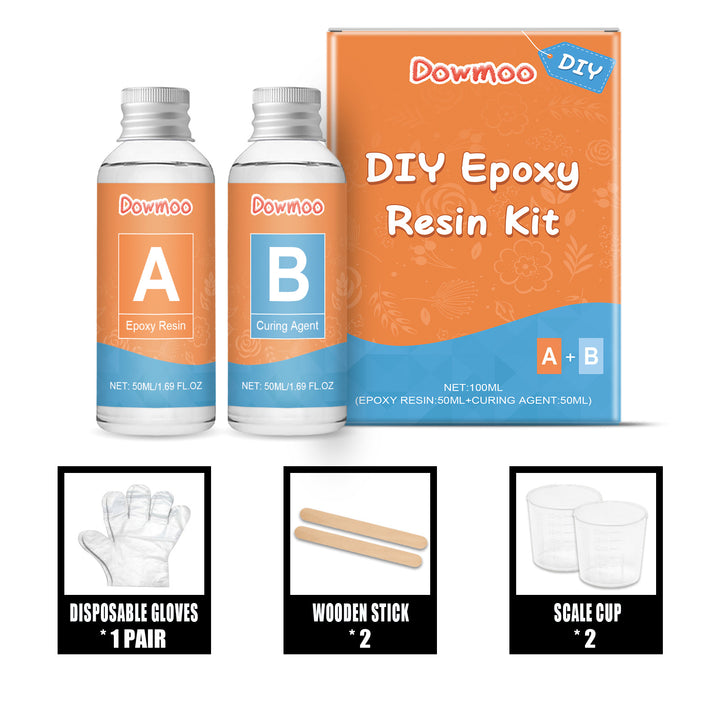
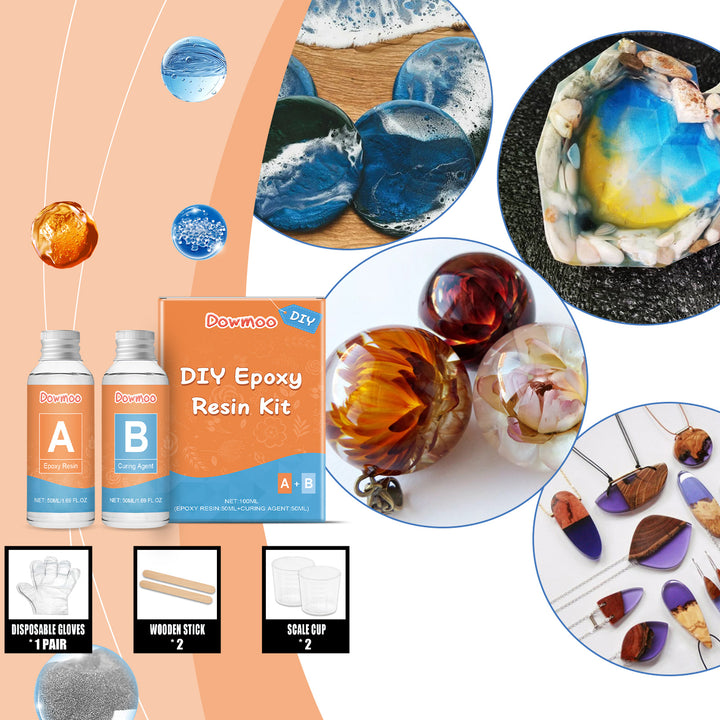
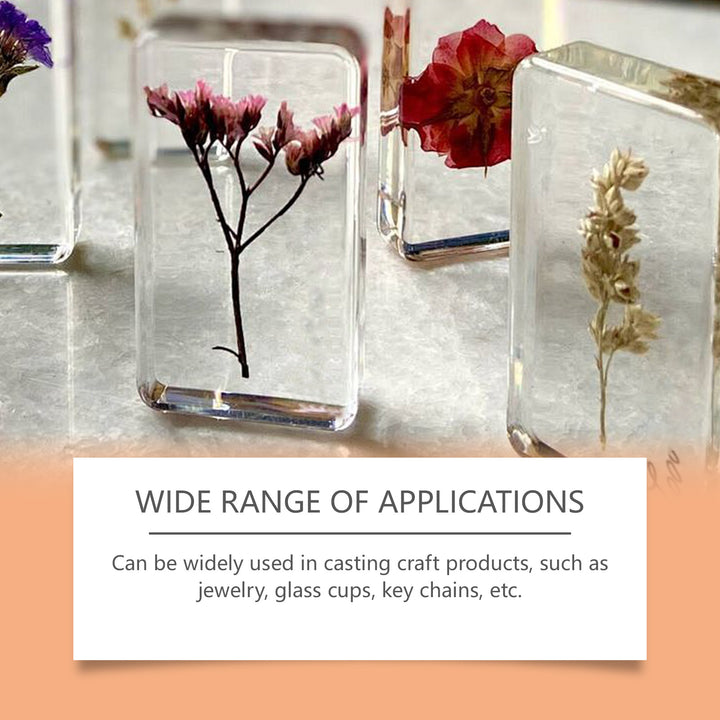
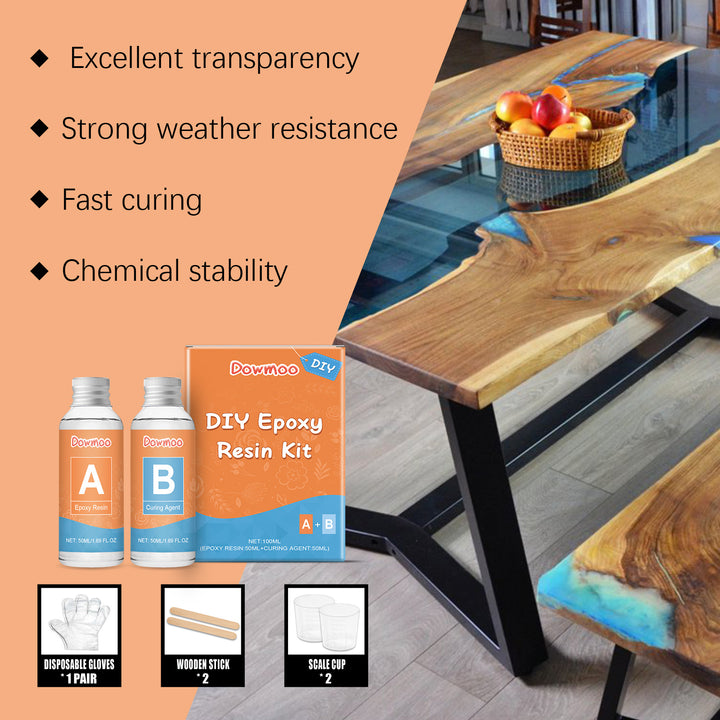

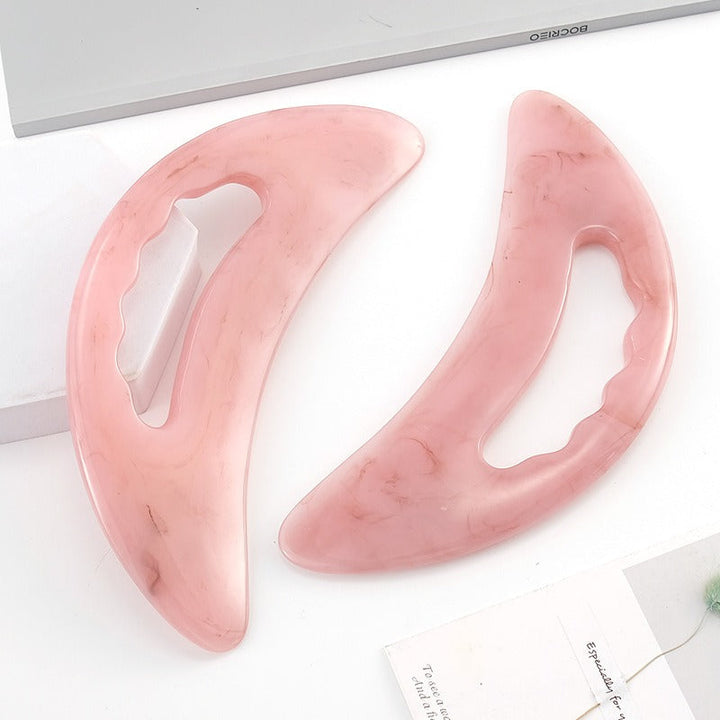


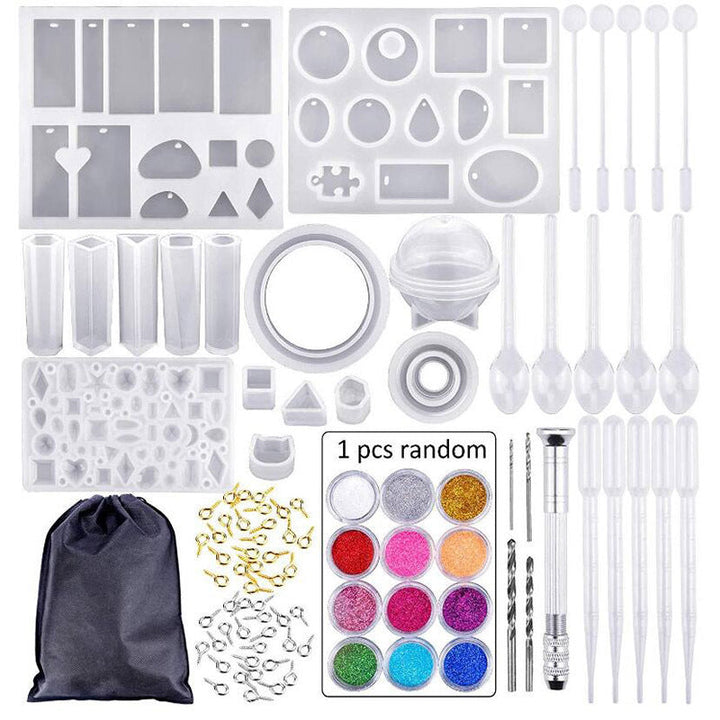
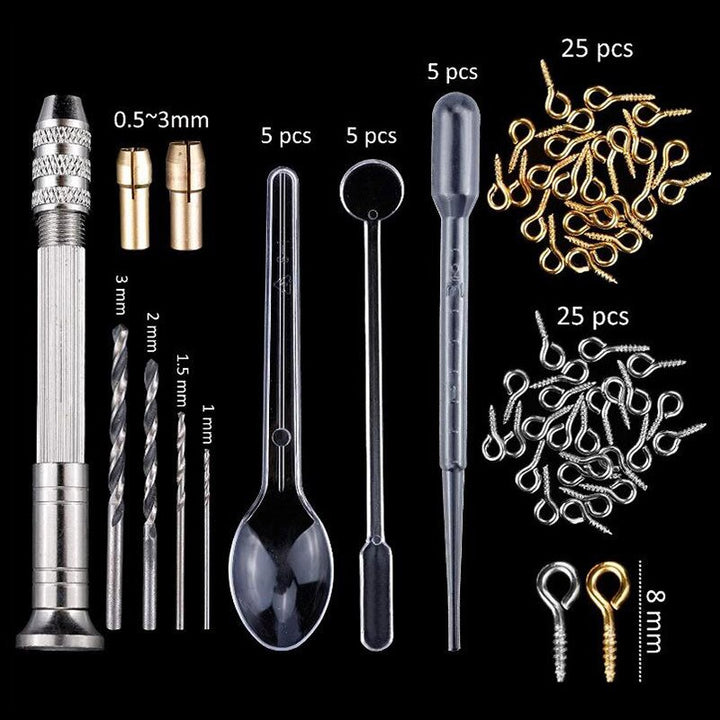
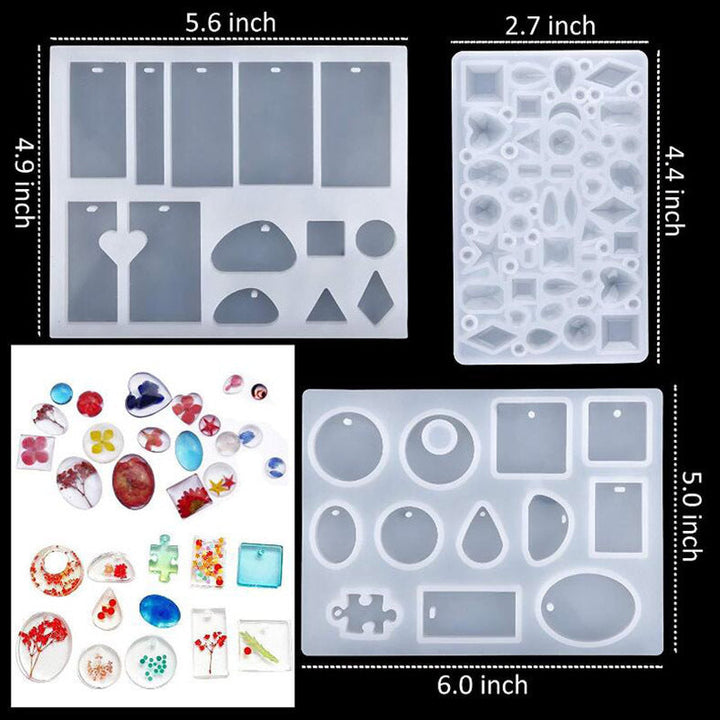
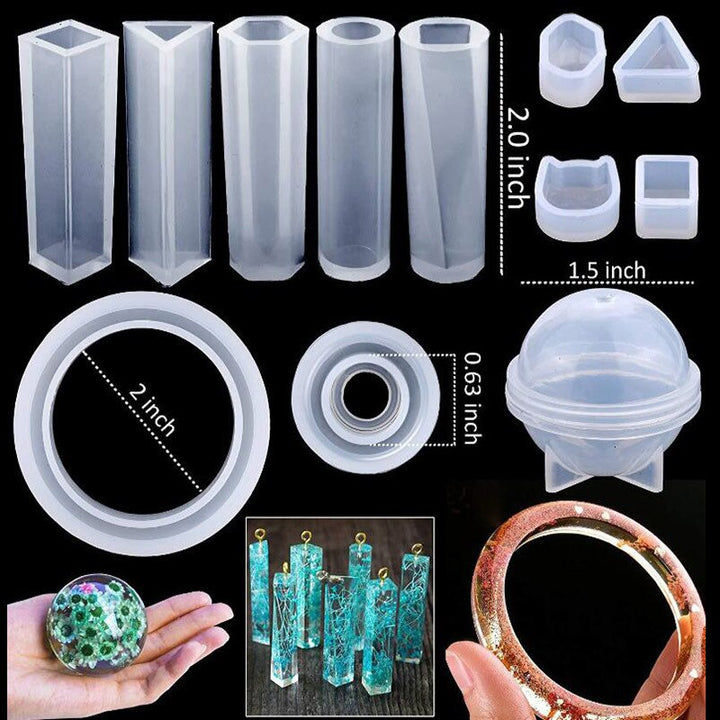
Resin jewelry molds make it easier to create custom pendants, earrings, charms, rings, and small decorative pieces with epoxy resin or UV resin. This category includes silicone resin jewelry molds, resin pendant mold kits, and clear-curing resin products suited to jewelry and DIY craft projects.
How to choose resin jewelry molds
Start by choosing the jewelry shape and finished size you want to make. Pendant molds are useful for necklaces and keychains, while silicone earring molds and small charm cavities suit lightweight accessories. Look for flexible silicone that releases cured resin without forcing or bending the piece. If you want variety, choose a set with several shapes, such as geometric forms, hearts, flowers, or bezels. Check whether the cavities include holes for jump rings or earring findings; otherwise, you may need to drill or add hardware after curing. For detailed designs, choose 3D silicone molds for resin with deeper cavities and clear separation between sections. Match the mold size to the resin quantity and your intended jewelry findings.
What types of silicone resin jewelry molds are available
Flat cavity molds create single-sided pendants, earrings, cabochons, and charms with a smooth front surface. Two-part or deeper 3D silicone molds can produce more dimensional beads, figurines, and statement pieces, but they may require careful pouring and longer curing. Pendant molds for resin often include teardrop, oval, geometric, and nature-inspired shapes that work well with glitter, dried decorative elements, or color layers. Unique silicone molds for resin are useful when you want designs beyond standard circles and squares. Consider mold flexibility, cavity depth, opening size, and whether the finished piece needs a built-in hole. A compatible clear epoxy resin kit can suit larger or layered molds, while UV resin glue is convenient for small pieces and quick craft projects.
What to look for in a resin pendant mold kit
A useful resin pendant mold kit should include shapes that match your jewelry plans, plus enough cavity variety to test different designs. Inspect product photos for smooth edges, defined details, and openings sized for the findings you already use. Silicone molds with polished interiors can help create a cleaner surface, although cured pieces may still need sanding or a topcoat. If the kit includes accessories, check whether they are jewelry findings, mixing tools, or decorative components rather than assuming all parts are included. For repeated projects, choose durable, flexible silicone and store the molds flat in a dust-free place. Pair the mold with a clear epoxy resin kit for larger pours, or select one of the listed UV resin glue products for small, clear jewelry pieces.
How to use silicone earring molds for resin
Place the silicone mold on a level, protected work surface before mixing or dispensing resin. For epoxy resin, follow the product directions for combining components, then pour slowly into each cavity to reduce trapped air. For UV resin glue, work in thin layers when the cavity is deep, adding decorative pieces between layers and curing each layer according to the product instructions. Do not overfill the cavity; a slight excess can create a raised edge that needs trimming. Remove the cured piece only after it is fully set, then inspect the edges and add jump rings, hooks, or posts with suitable jewelry findings. Clean the mold with a soft, lint-free cloth and keep it away from sharp tools that could mark the silicone.
What are common problems with resin jewelry
Common issues include bubbles, tacky surfaces, uneven curing, cloudy finishes, and pieces that are difficult to remove from the mold. Bubbles can be reduced by pouring slowly and allowing the resin to settle before curing; avoid aggressively stirring in extra air. A tacky or soft result may come from incorrect epoxy mixing, insufficient UV exposure, thick layers, or curing conditions outside the product directions. Uneven pieces often result from an unlevel work surface or overfilled cavities. Dust can become trapped in clear resin, so cover the mold while the piece cures. If a design contains embedded decorations, test a small sample first to confirm that the material is suitable for the resin and does not release moisture or color.
Who are resin jewelry molds best suited for
Resin jewelry molds suit beginners who want repeatable shapes as well as experienced makers developing custom collections. They are useful for handmade pendants, earrings, charms, rings, bookmarks, and small gifts, provided the chosen mold is sized for the project. Beginners may prefer shallow silicone cavities and a clear UV resin glue for small, incremental pours. Makers producing larger or layered pieces may prefer a clear epoxy resin kit and deeper 3D silicone molds for resin. These molds are also practical for experimenting with pigments, glitter, small decorative elements, and color combinations without sculpting every shape by hand. Always work in a clean, ventilated area and follow the resin product instructions, including handling, curing, and cleanup guidance.
Frequently asked questions
What is the best resin kit for jewelry making?
The best choice depends on the mold size and your preferred workflow. A clear epoxy resin kit suits larger, layered, or multiple-cavity projects, while UV resin glue is convenient for small jewelry pieces and thin layers that can be cured according to the product instructions.
What are the common problems with resin jewelry?
Bubbles, tacky surfaces, cloudy finishes, uneven curing, and rough edges are common problems. Pour slowly, keep the mold level, follow the resin mixing or curing directions, and avoid overfilling cavities.
What cannot be put in resin?
Avoid adding wet, damp, or perishable materials, and be cautious with items that can release oil, moisture, or color. Test unfamiliar decorative materials in a small sample first, and follow the resin manufacturer's guidance for embedded objects.
Where is the best place to buy resin molds online?
Choose an online retailer that provides clear mold dimensions, cavity photos, material details, and compatible resin options. This category is a convenient place to compare pendant molds, 3D silicone molds, earring molds, UV resin glue, and clear epoxy resin kits in one purchase.
Does Hobby Lobby sell resin molds?
Craft stores may carry resin molds, but availability and selection can change by location and season. Shopping online can make it easier to compare silicone resin jewelry molds by shape, size, cavity depth, and intended jewelry project.
What is the best type of resin to use for jewelry making?
UV resin glue is convenient for small pieces, thin layers, and quick craft projects when you have the appropriate curing setup. Clear epoxy resin is a useful option for larger pours or layered designs; always match the resin to the mold size and follow the product instructions.