Automatic Medication Dispensers: Smart Pill & Medicine Dispenser
5 items





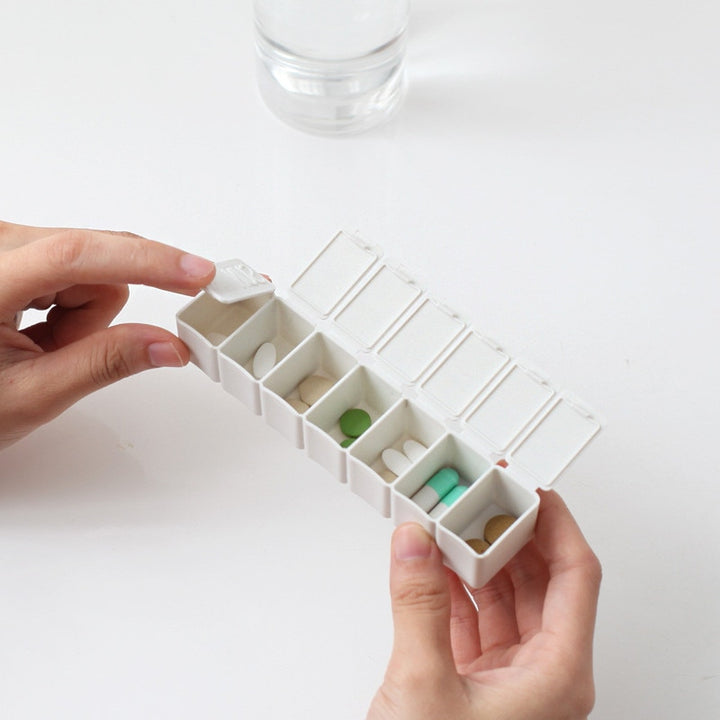
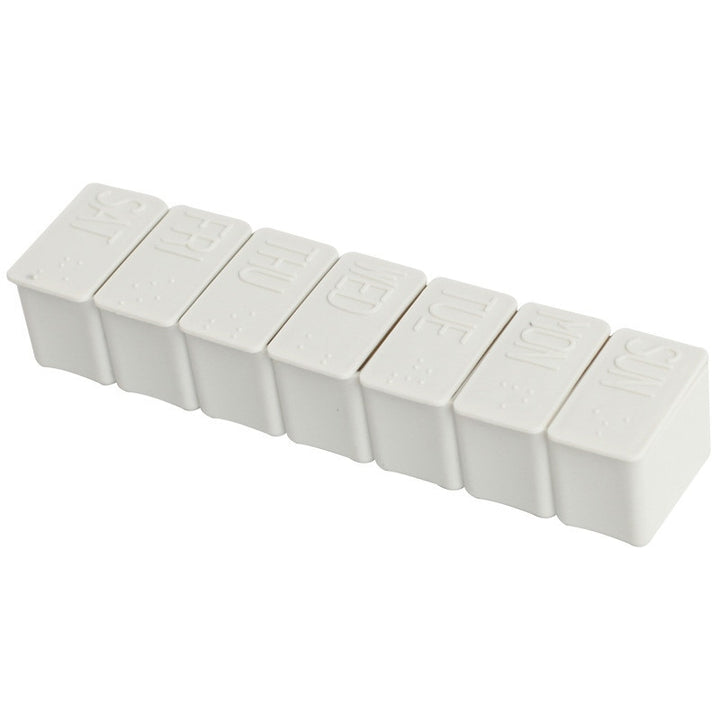

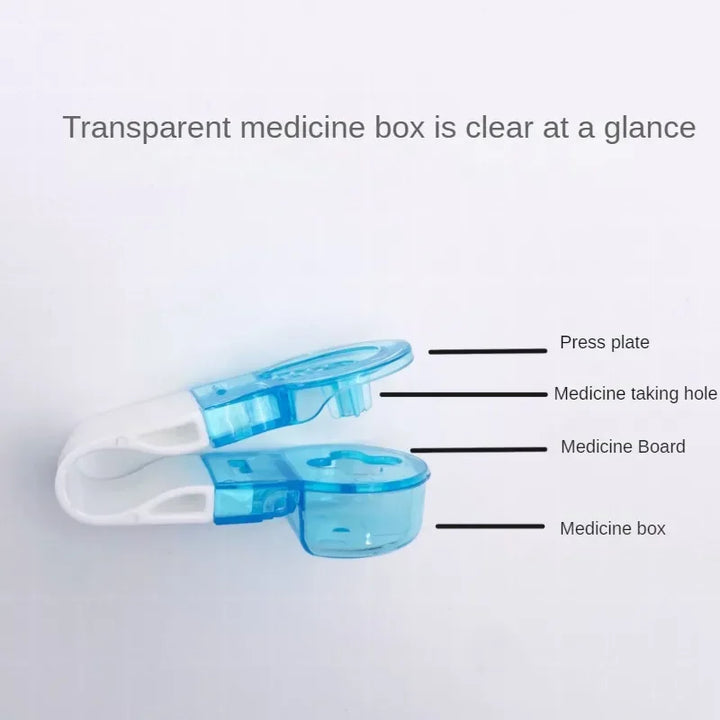
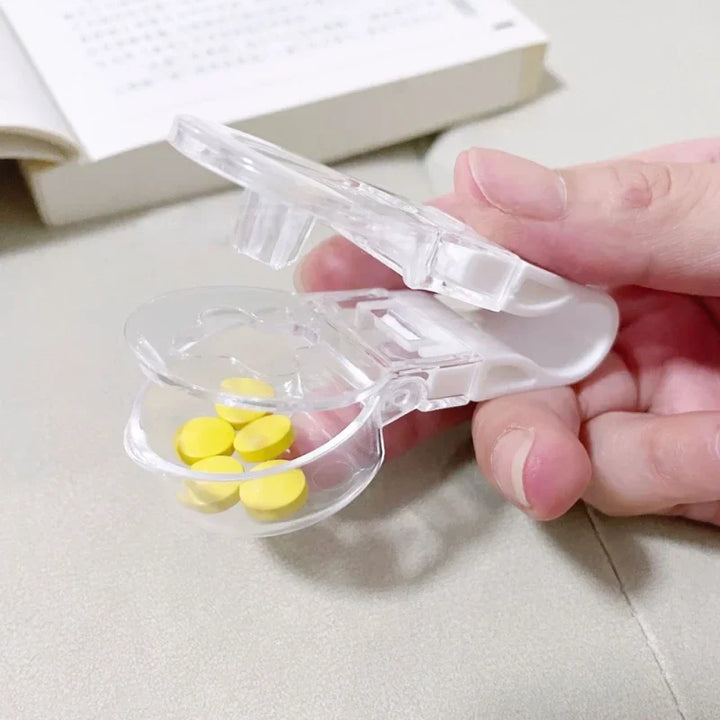
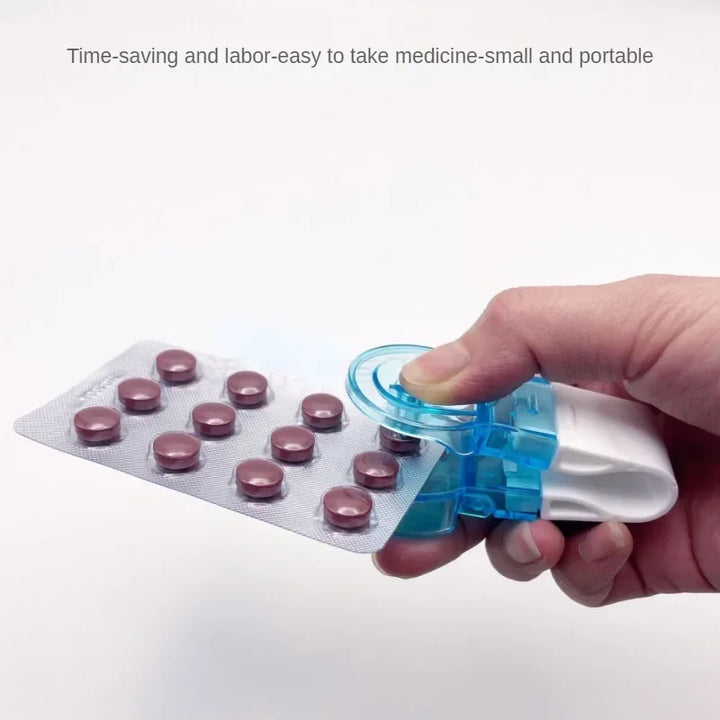
Automatic medication dispensers are designed to make scheduled dosing easier by organizing pills and simplifying access. This category also includes manual organizers and related medication-management items, so compare dispensing method, capacity, portability, and ongoing costs before choosing.
How to choose an automatic medication dispenser
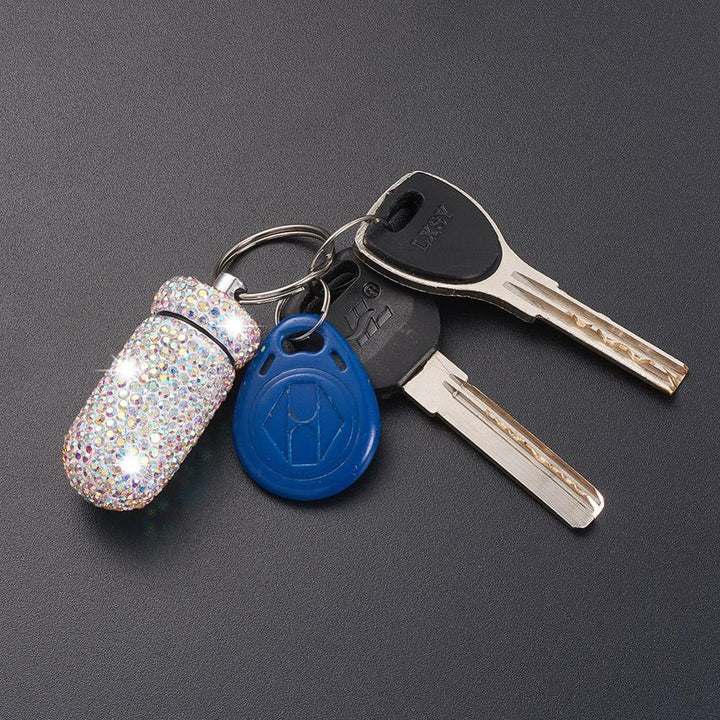
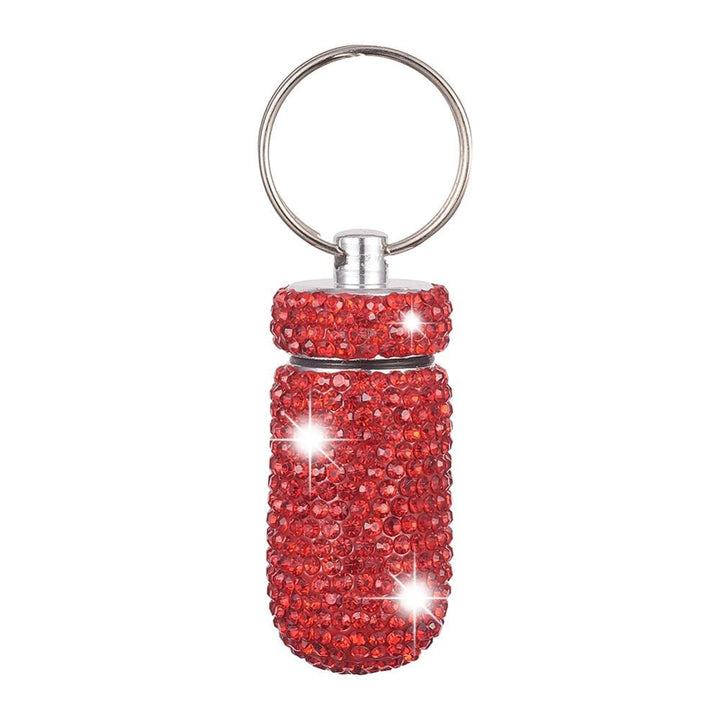
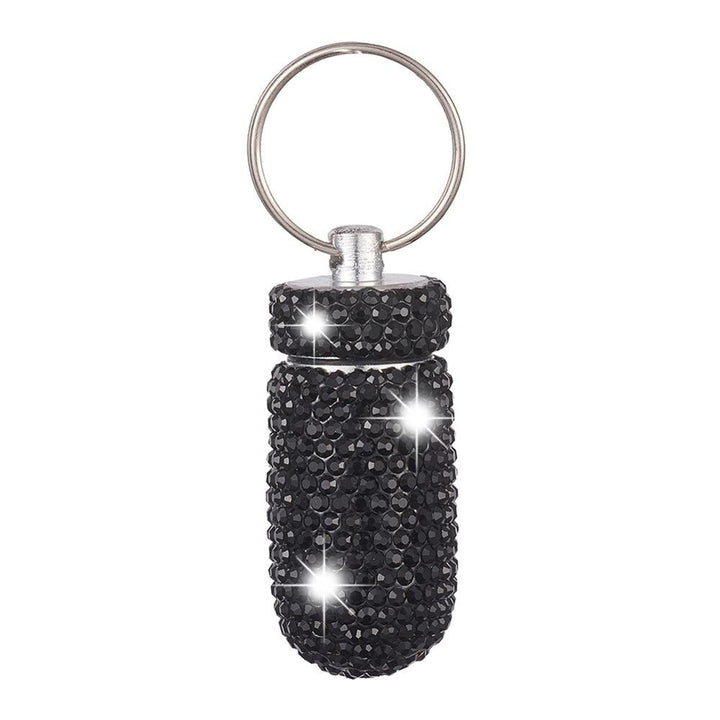
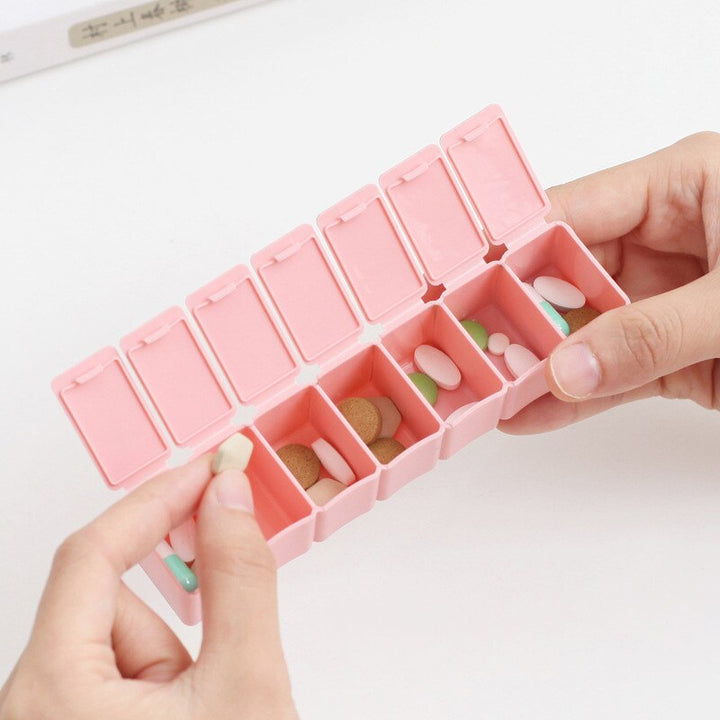
Start by identifying the routine the dispenser needs to support. A one-press Medication Dispenser suits someone who wants a simple way to release pills without sorting through several containers at once. A Weekly Pill Organizer is better for planning daily doses in advance, but it is a manual organizer rather than a timed automatic dispenser. Consider whether the user needs portability, large compartments, clear labels, or easy access for limited dexterity. Also check how the product is loaded, whether it requires batteries or an app, and whether it has a subscription or monthly fee. For travel, the Rhinestone Pill Box Keychain is a compact backup for carrying a small amount of medication, not a replacement for a scheduled dispenser.
What types of pill dispensers are available?
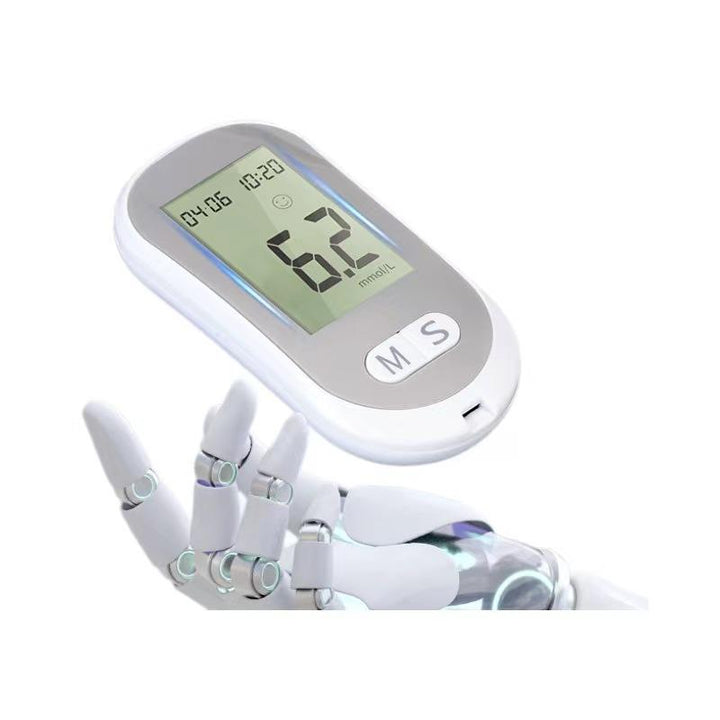
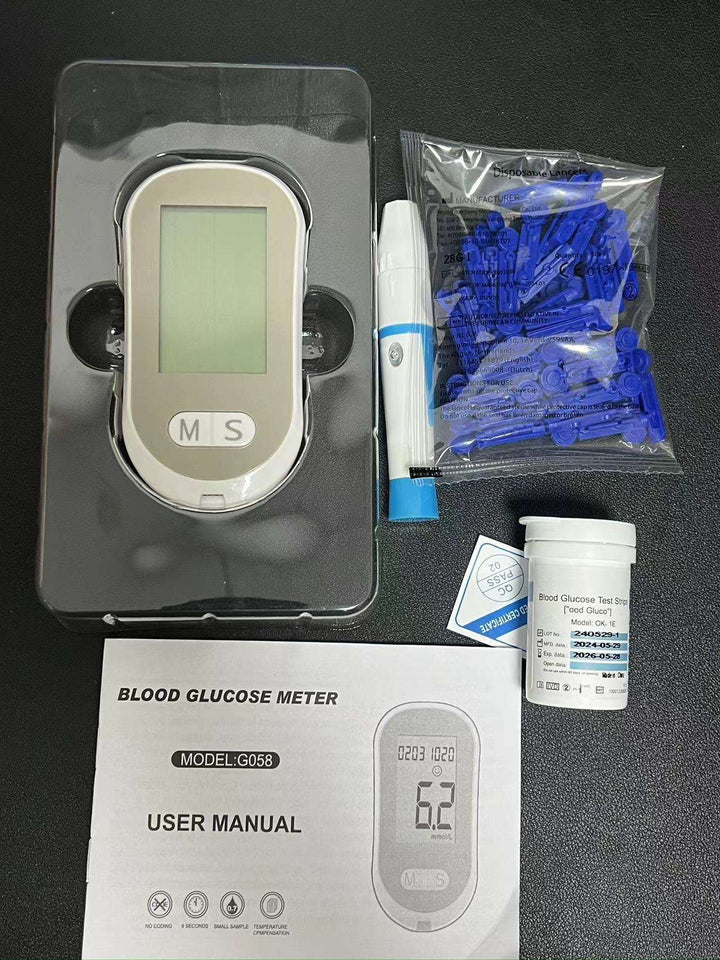
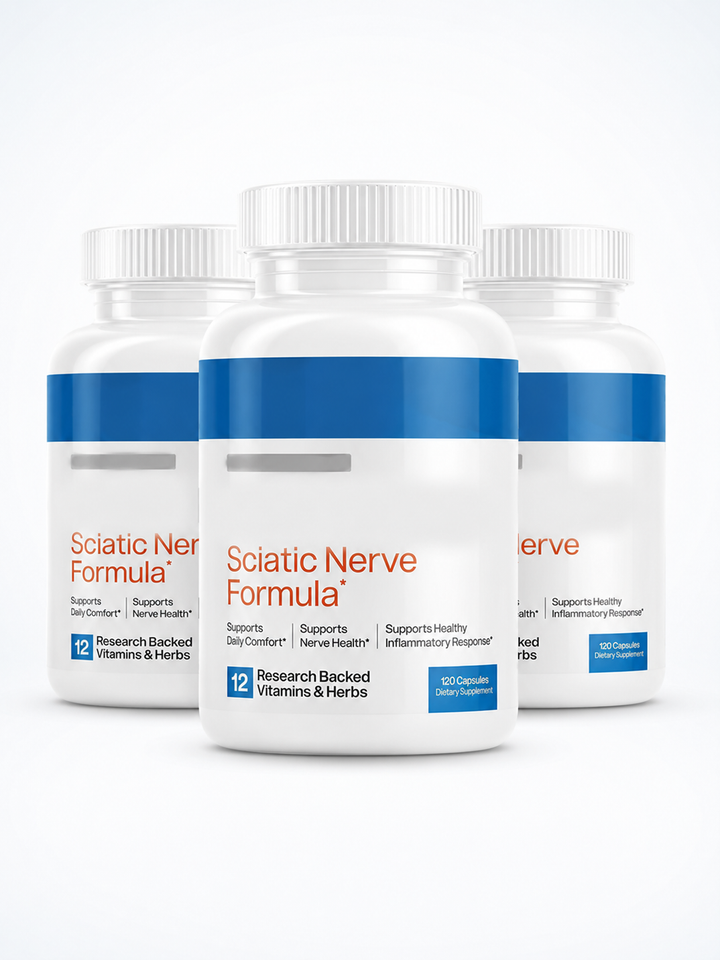
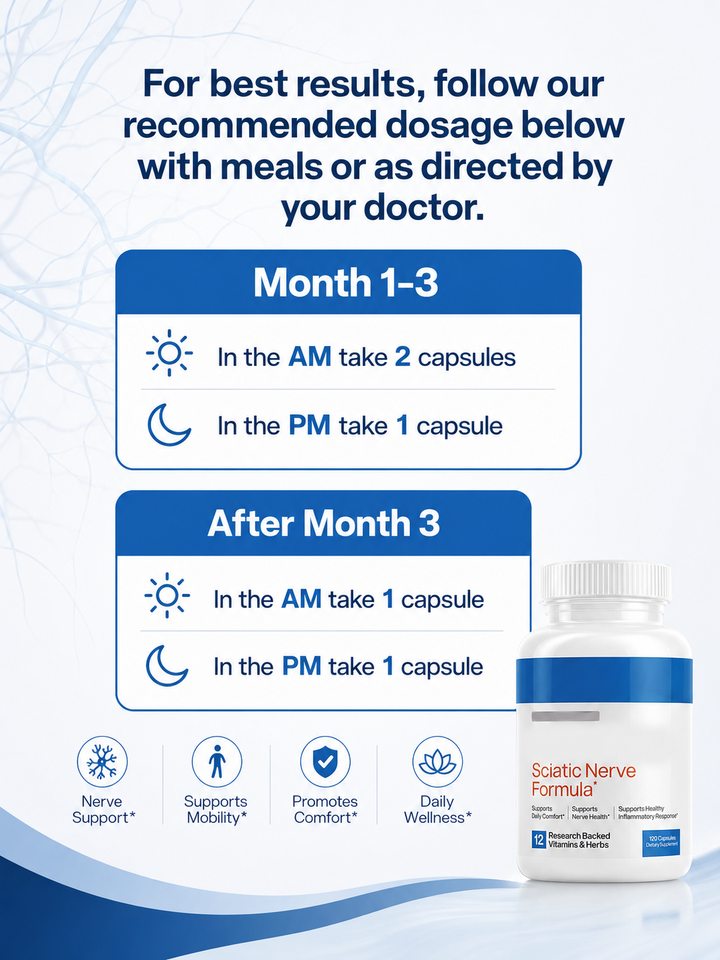
Medication products generally fall into three groups. Automatic or one-press dispensers release pills through a simplified action and can reduce the need to handle multiple bottles during a routine. Weekly organizers use labeled compartments for each day or dosing period and require the user or caregiver to fill them manually. Portable pill cases, such as the Rhinestone Pill Box Keychain, are intended for on-the-go carrying rather than automated scheduling. The Blood Glucose Meter Kit with 50 Strips is a monitoring product, not a pill dispenser, while Sciatic Nerve Relief Capsules are a supplement product, not an organizing device. Comparing these categories prevents buying a product that does not match the intended task.
What should I look for in an automatic pill dispenser?
Look for controls that are easy to understand, a dispensing opening that is simple to reach, and compartments large enough for the pills used in the routine. Clear labeling can help distinguish morning, afternoon, evening, or day-of-week doses when a manual organizer is used. A secure closure may be useful when children or pets are present, but the user should still be able to open and operate the product safely. Check the product instructions for loading limits, cleaning guidance, battery requirements, and whether reminders or connectivity are included. If avoiding a monthly fee matters, confirm that the device works without a subscription rather than assuming every smart dispenser has the same pricing model.
How do you use a medication dispenser safely?
Read the product instructions before loading any pills, and use only the compartments or openings intended for medication. Match each compartment to the prescribed schedule or the routine provided by a qualified healthcare professional; do not change a medicine schedule based on the dispenser itself. For a Weekly Pill Organizer, fill one period at a time and verify the labels before closing it. For a one-press dispenser, test the mechanism with the device instructions and keep it on a stable, accessible surface. Keep medications in their original labeled packaging until you are ready to organize them, and ask a pharmacist whether a particular medicine can be stored outside its original container.
Who benefits from an automatic pill dispenser?
An automatic medication dispenser may suit adults who want a simpler pill routine, caregivers organizing doses for another person, or anyone who finds multiple bottles difficult to manage. It can also be useful for seniors when the controls, labels, and opening are easy for that individual to operate. The best pill dispenser for an elderly patient depends on vision, dexterity, memory, living situation, medication schedule, and whether another person checks the routine. Someone who mainly needs a portable container may prefer the Rhinestone Pill Box Keychain, while someone planning several days at once may prefer the Weekly Pill Organizer. Choose based on the user’s actual routine, not age alone.
What are common pill dispenser mistakes?
A common mistake is treating a manual organizer as fully automatic. The Weekly Pill Organizer helps sort doses but does not release them on a timer, and the Rhinestone Pill Box Keychain is for portability rather than scheduled dispensing. Another mistake is buying a connected device without checking app, battery, Wi-Fi, or subscription requirements. Avoid overfilling compartments, mixing medicines without confirming storage suitability, or leaving the dispenser where heat and moisture can affect its contents. Do not rely on an organizer to diagnose, monitor, or adjust treatment. The Blood Glucose Meter Kit serves a separate monitoring purpose, and Sciatic Nerve Relief Capsules should not be confused with a medication-management device.
Frequently asked questions
Which automatic pill dispenser is the best?
The best choice depends on the user’s routine, dexterity, pill quantity, and need for reminders or caregiver oversight. A one-press Medication Dispenser is suited to simpler dispensing, while the Weekly Pill Organizer is better for manual planning across several days. Compare operation, capacity, loading instructions, and recurring costs before choosing.
Will Medicare pay for an automatic pill dispenser?
Coverage can depend on the specific Medicare plan, benefit category, supplier, and device features. Automatic pill dispensers are not universally covered, so check directly with the plan or Medicare before purchasing. Ask whether prior authorization, a prescription, or a participating supplier is required.
Is there an automatic pill dispenser for seniors?
Yes, some dispensers are designed around simpler controls, labeled compartments, and easier access. The right option depends on the senior’s vision, dexterity, memory, medication schedule, and whether a caregiver is available. Review the instructions and choose a device the intended user can operate confidently.
What is the best pill dispenser for elderly patients?
There is no single best model for every elderly patient. A one-press dispenser may suit someone who wants straightforward access, while a Weekly Pill Organizer may work for someone who can manage manual sorting. Consider readability, opening force, capacity, stability, and caregiver involvement before buying.
What pill dispenser does AARP recommend?
Recommendations can change, and there is no single AARP choice that applies to every shopper. Check current AARP guidance directly and compare products by operation, accessibility, privacy, reliability, and ongoing fees. Do not treat an endorsement as a substitute for checking whether a device fits the user’s routine.
Is there an automatic pill dispenser that does not require a monthly fee?
Some medication dispensers can be used without a recurring subscription, but pricing and included features vary by product. Confirm whether reminders, cellular service, app access, or caregiver alerts require payment. If you want to avoid monthly costs, compare the product’s total upfront price and verify the fee policy before ordering.