
$47.90
Free delivery · 7–14 days
Wooden Life Cycle Toy for Hands-On Science Learning
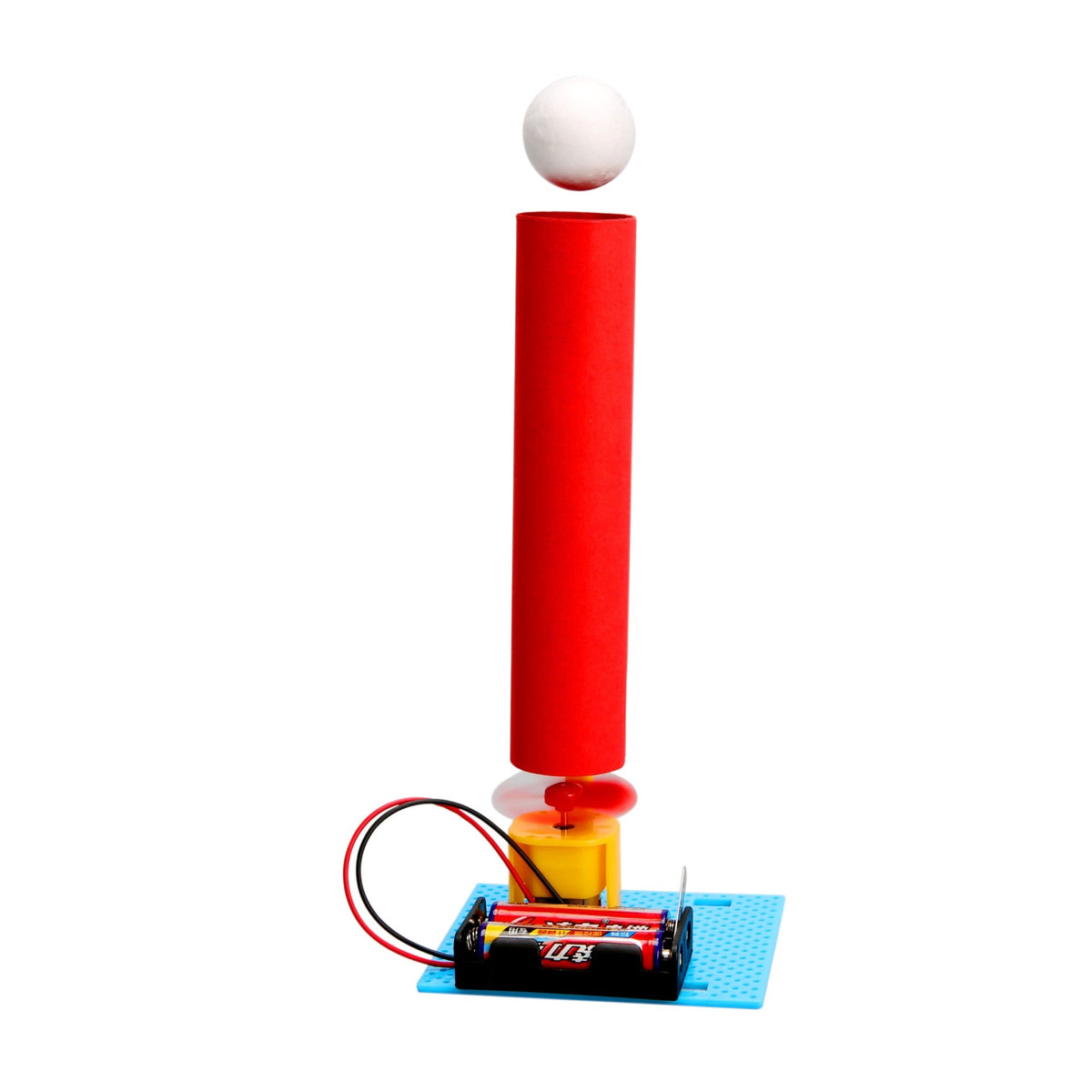
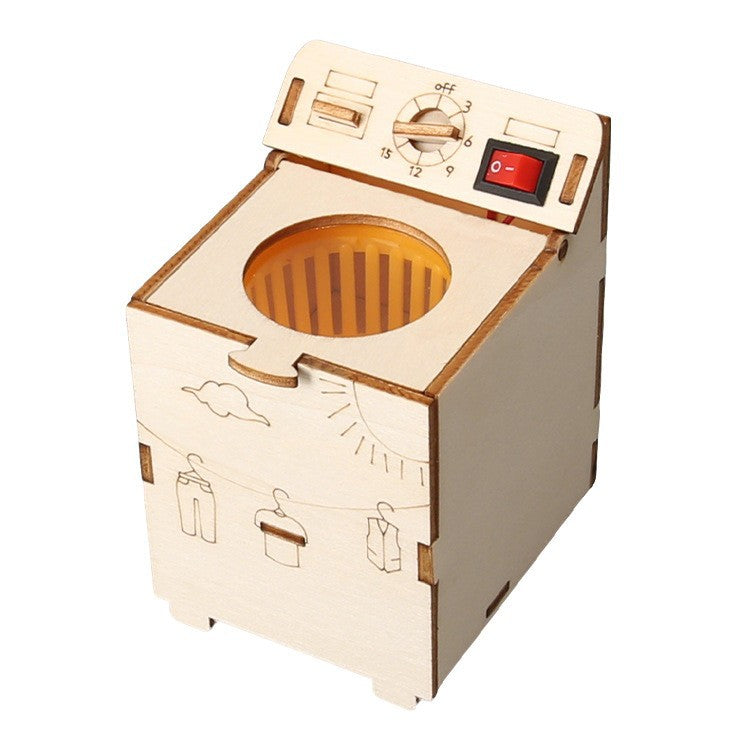
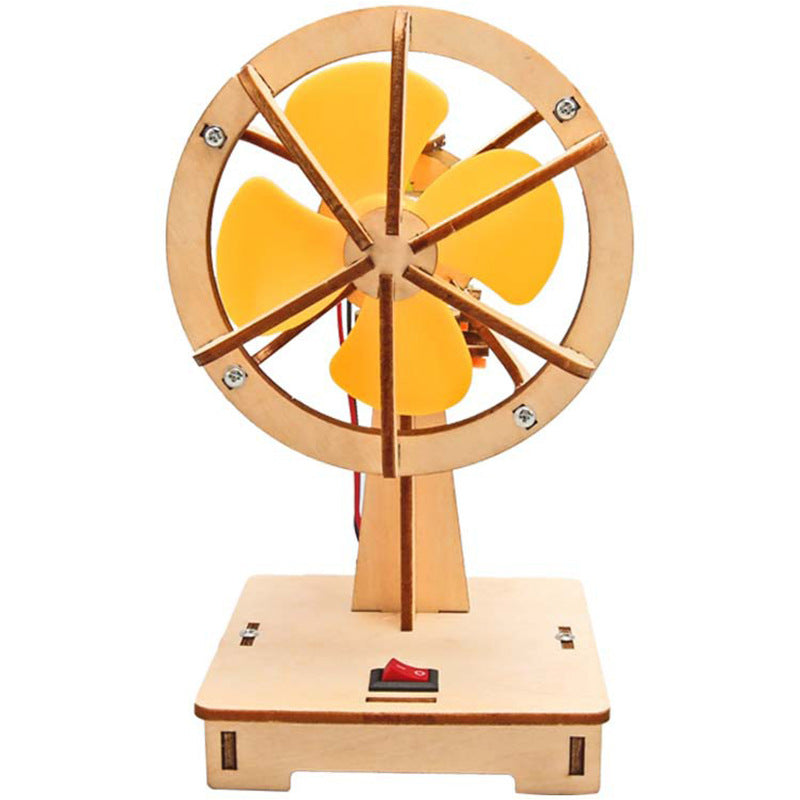
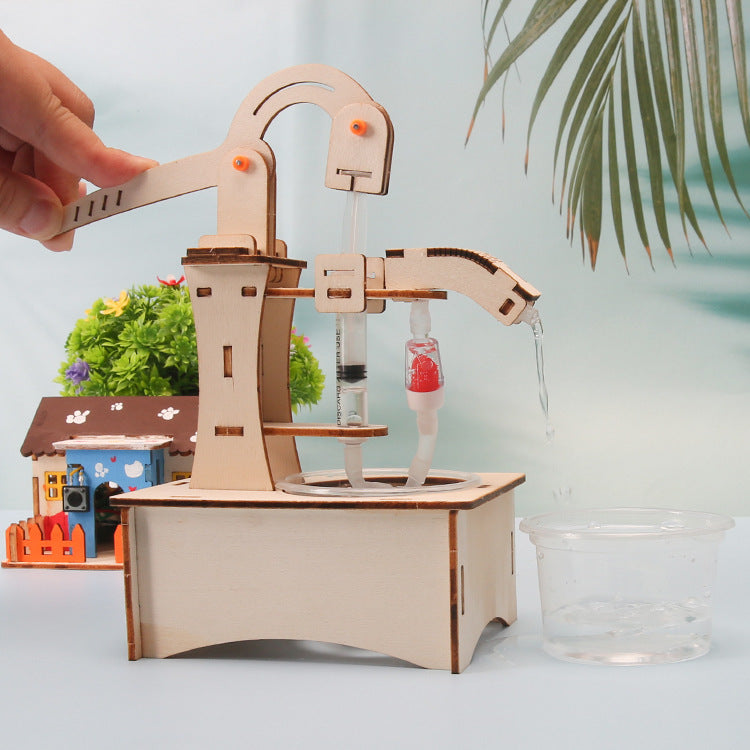
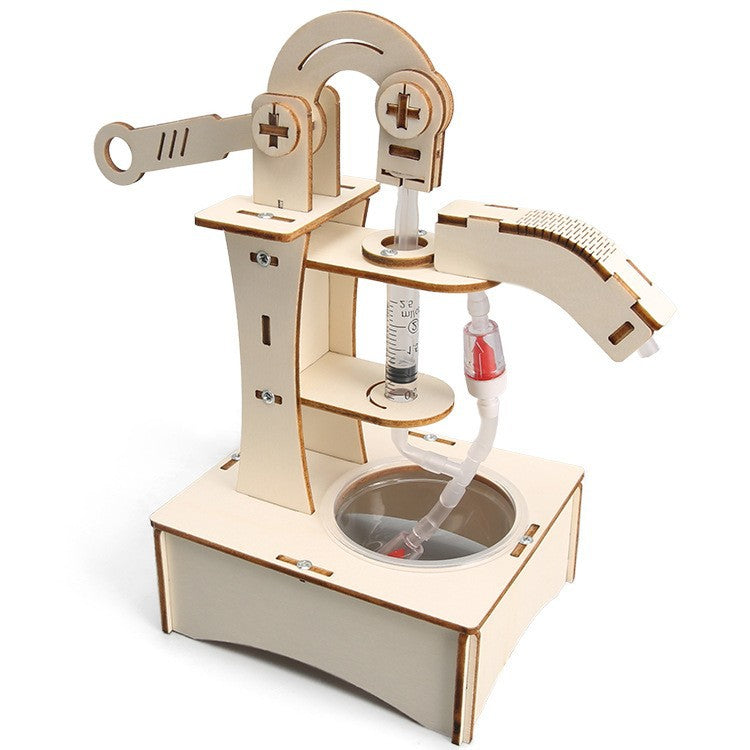
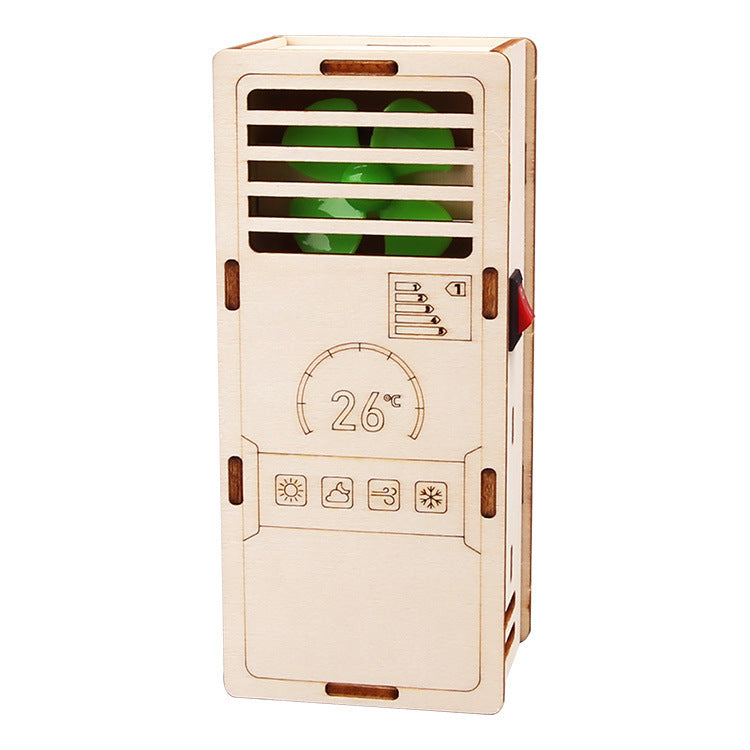
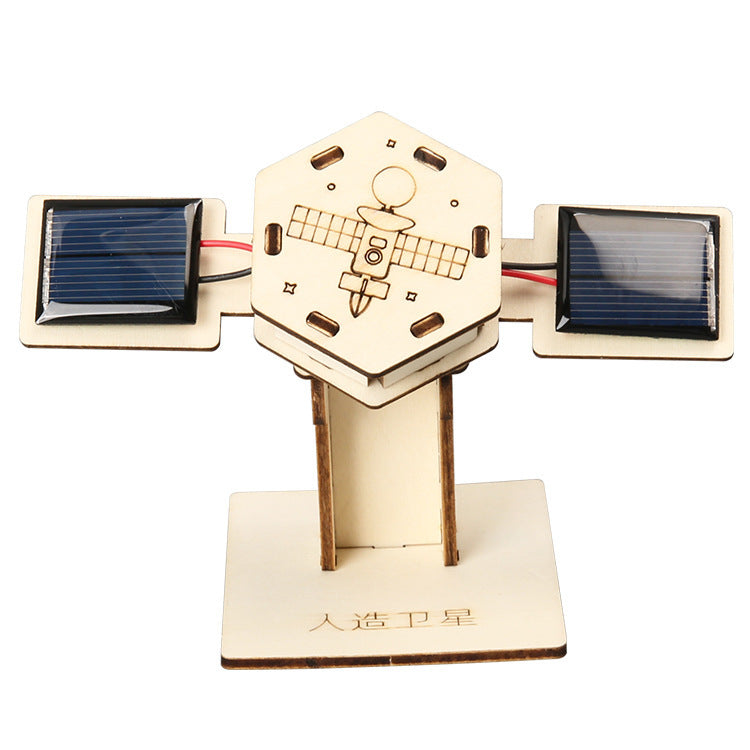


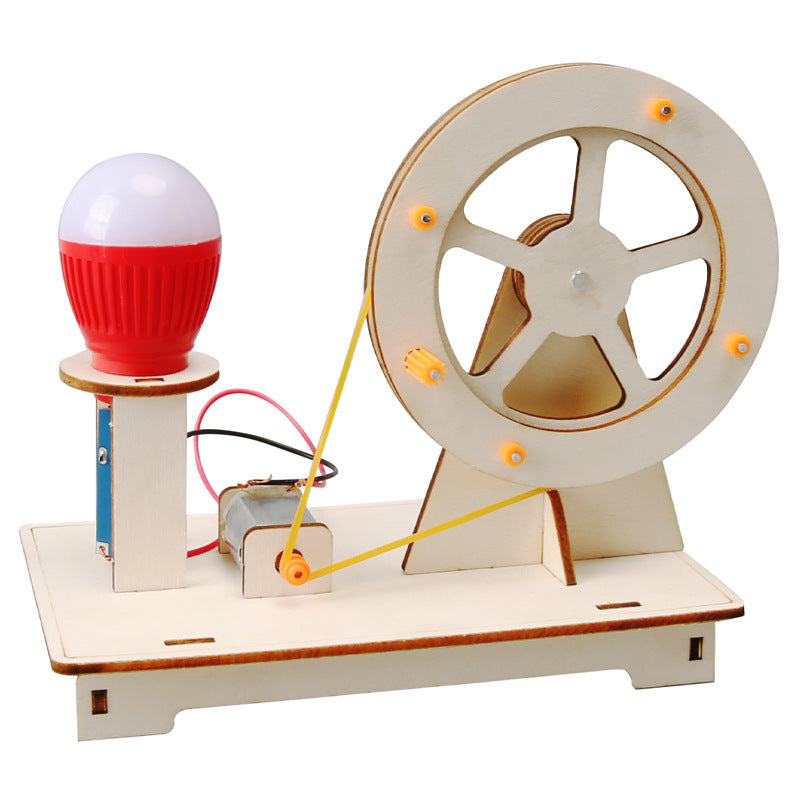
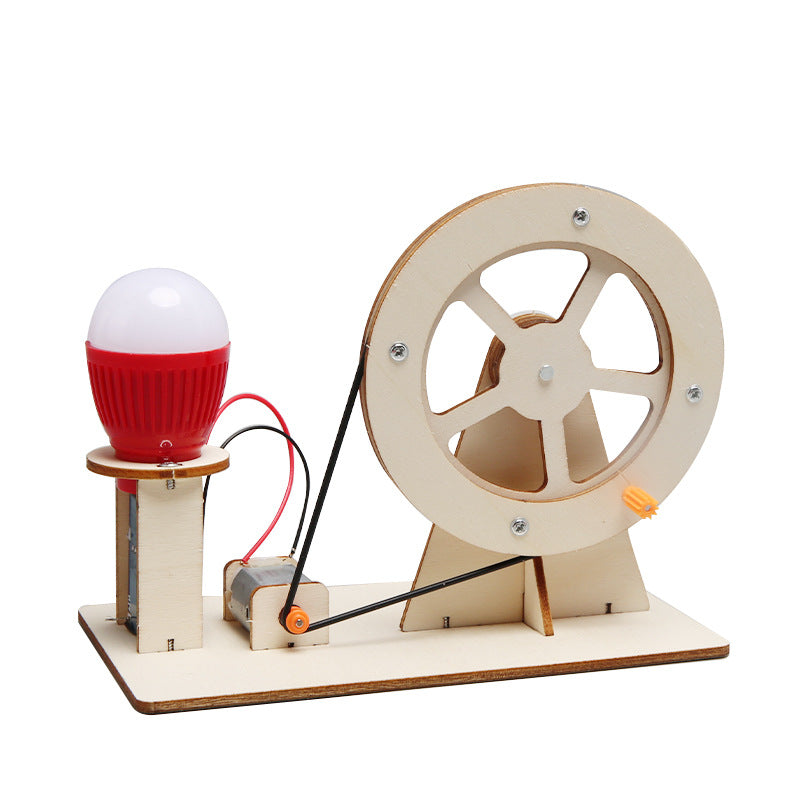

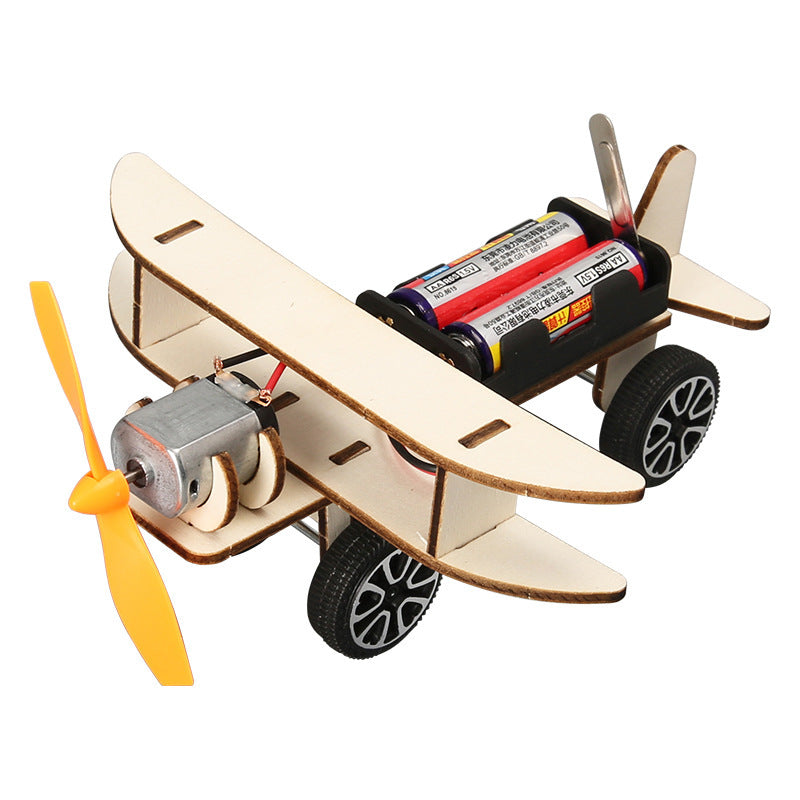
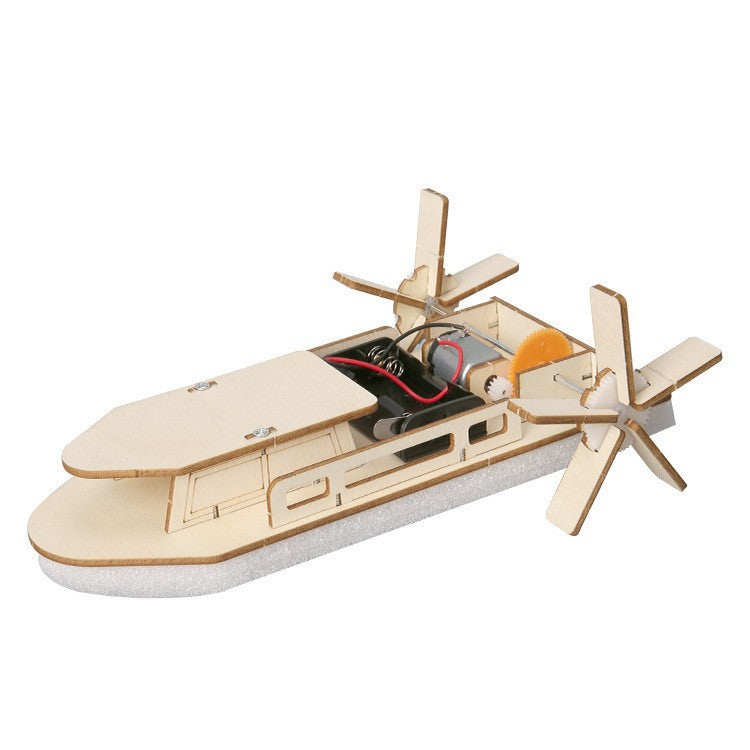

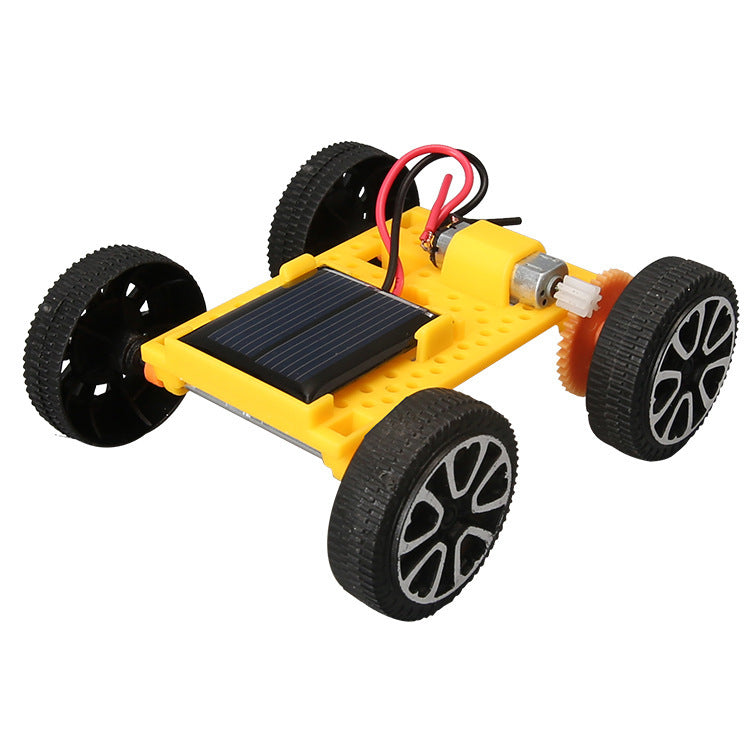

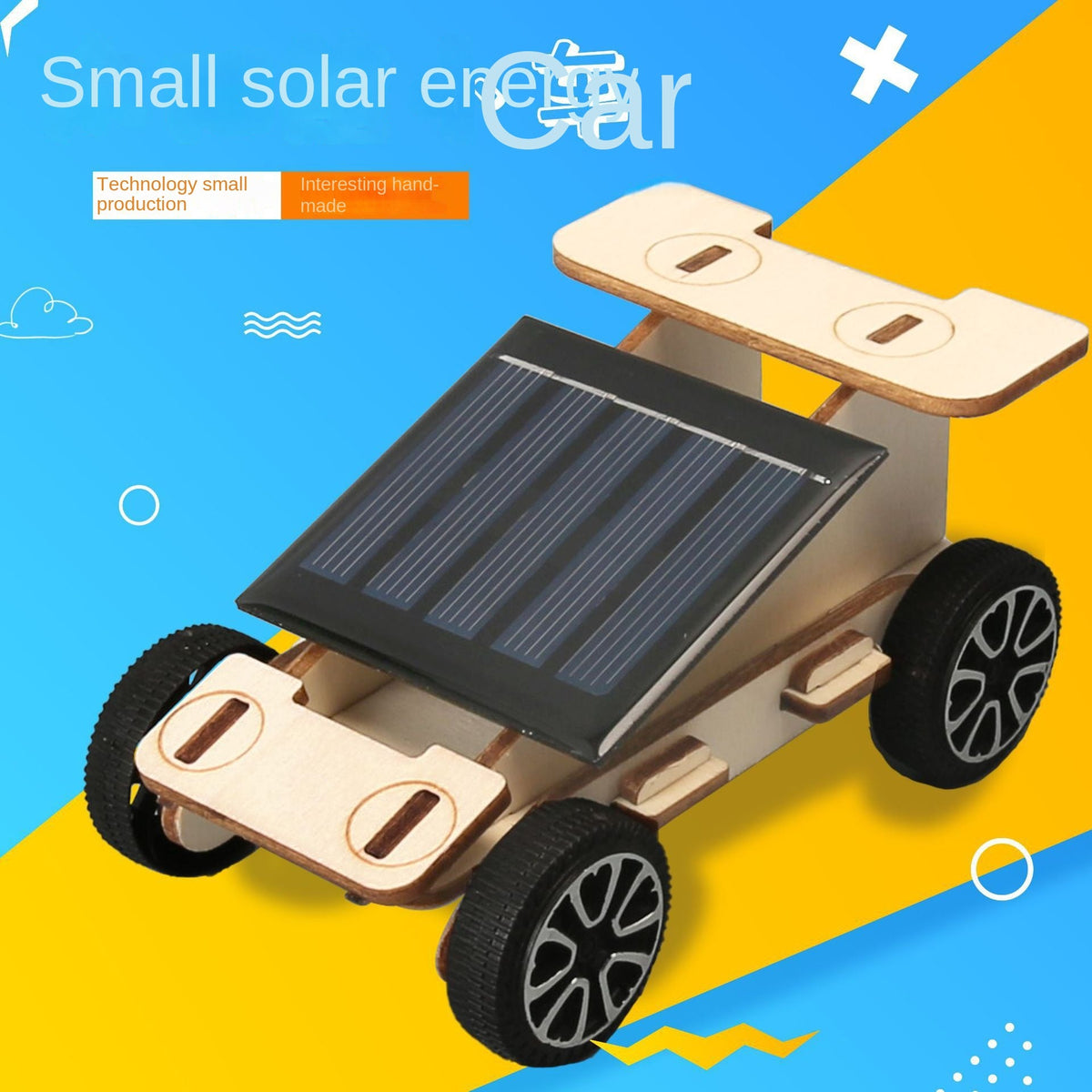

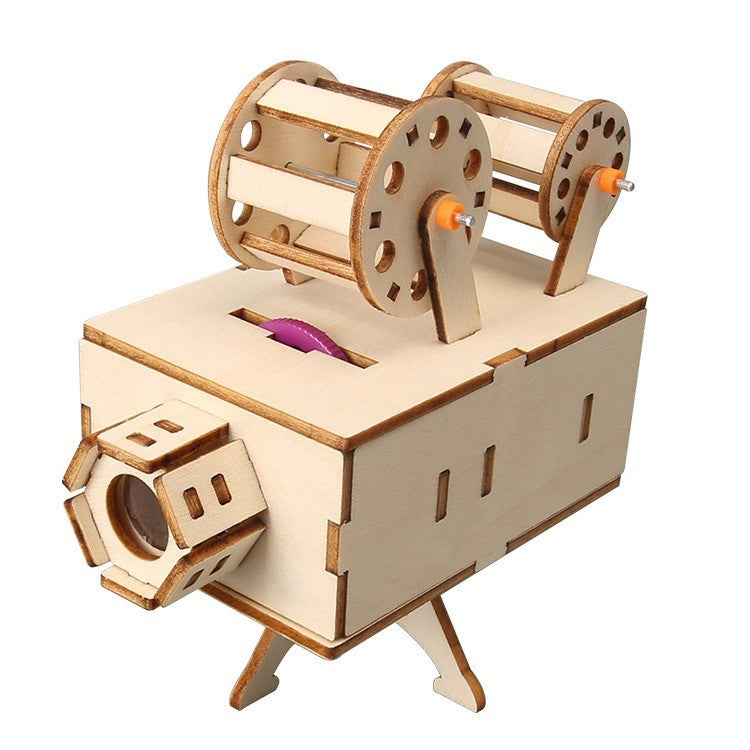
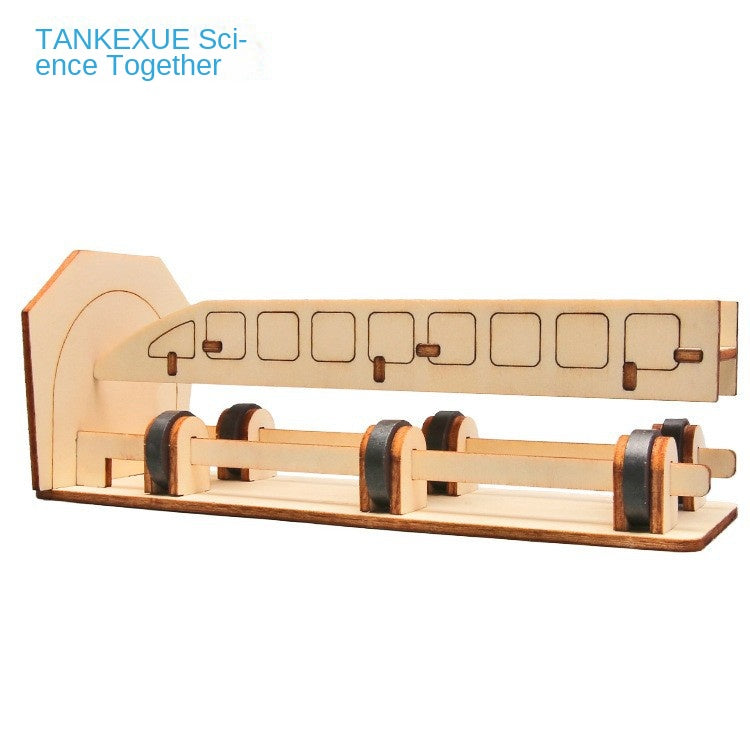
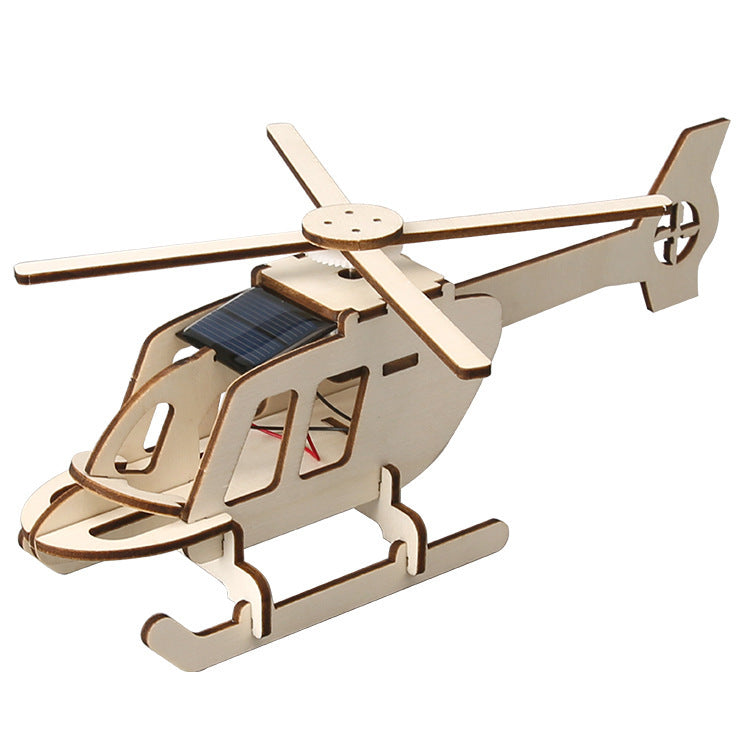

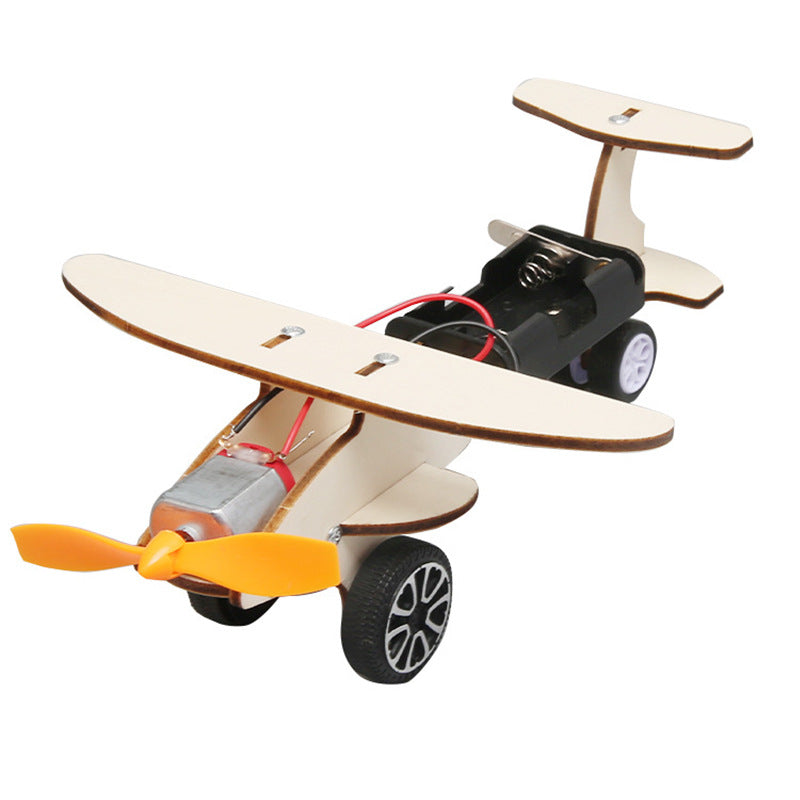

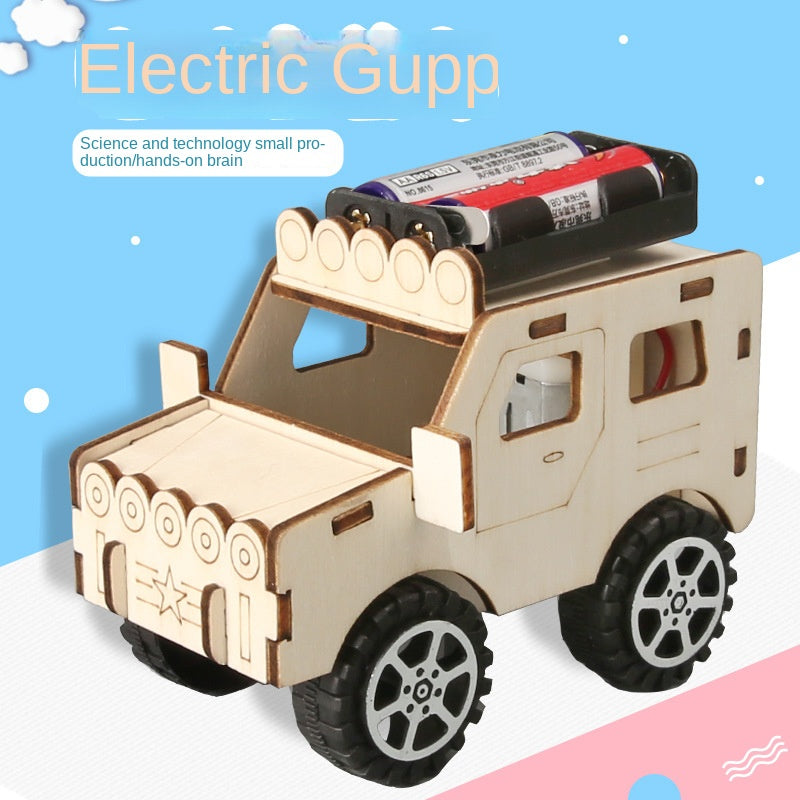
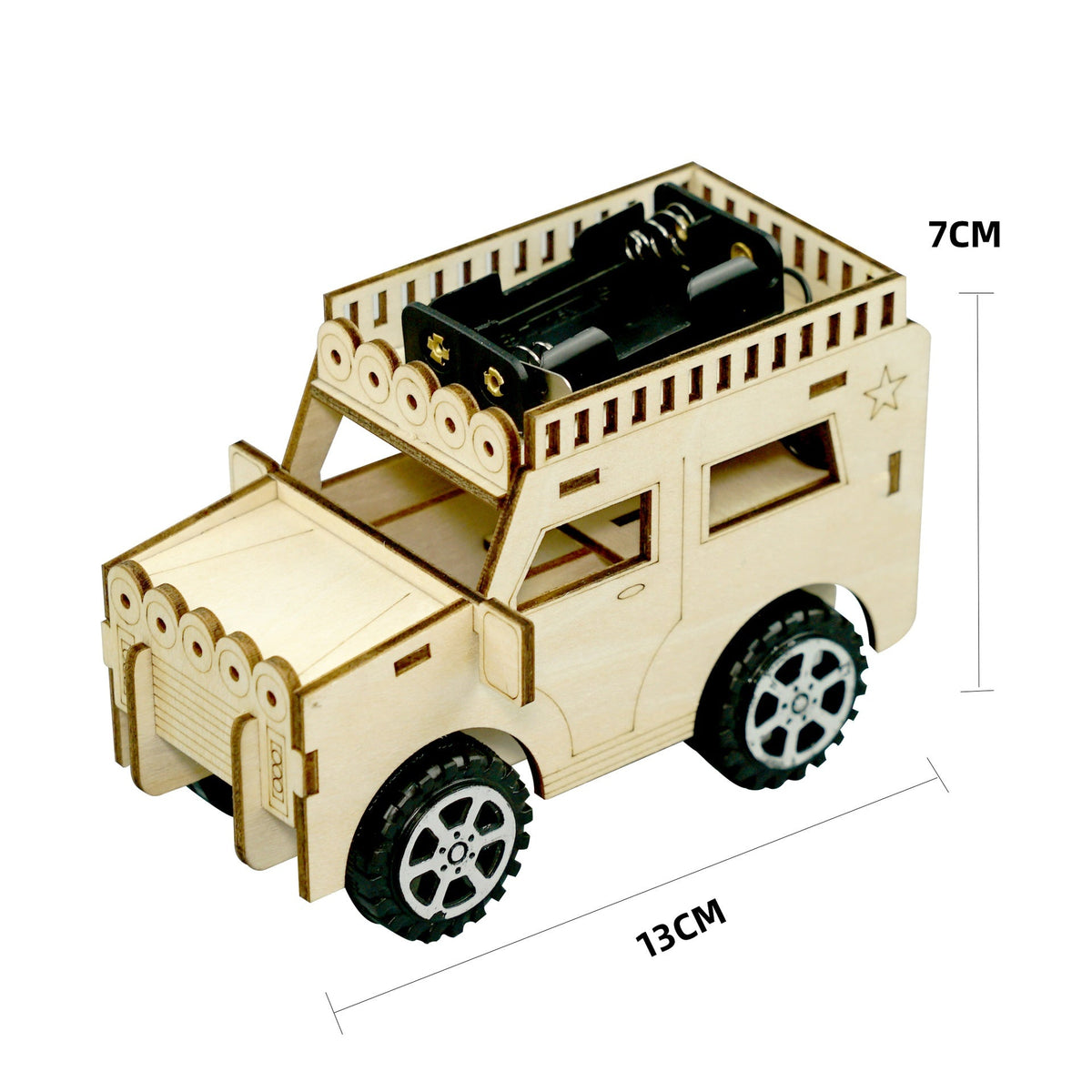
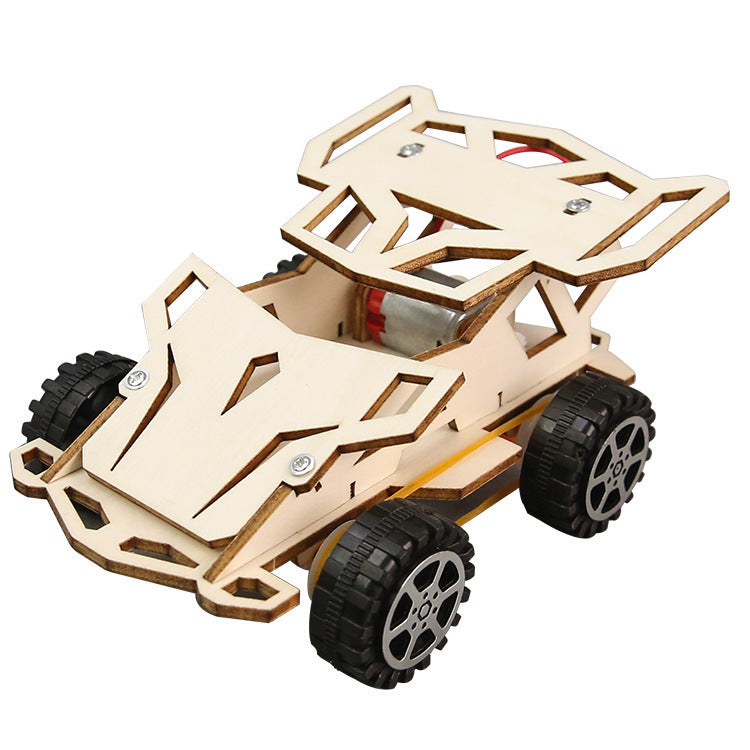

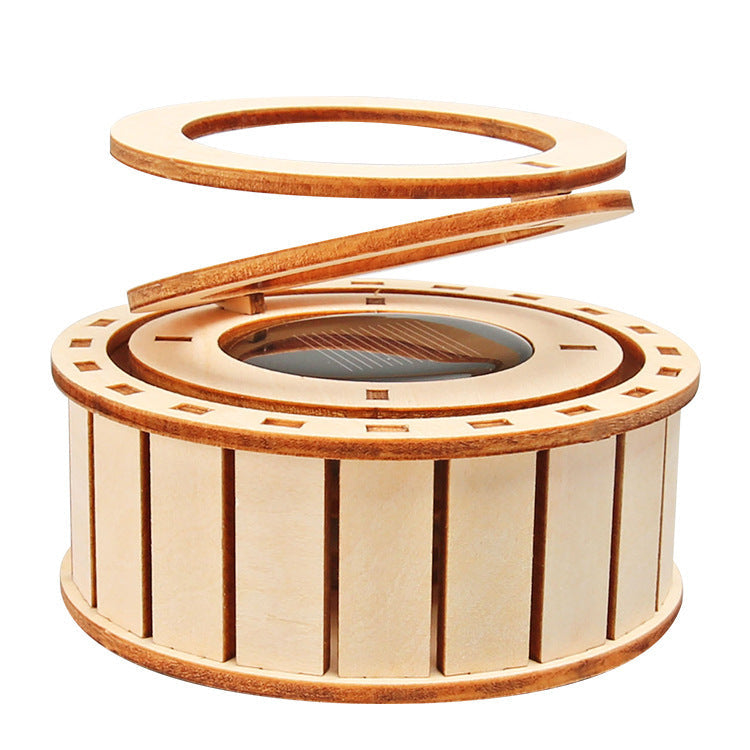

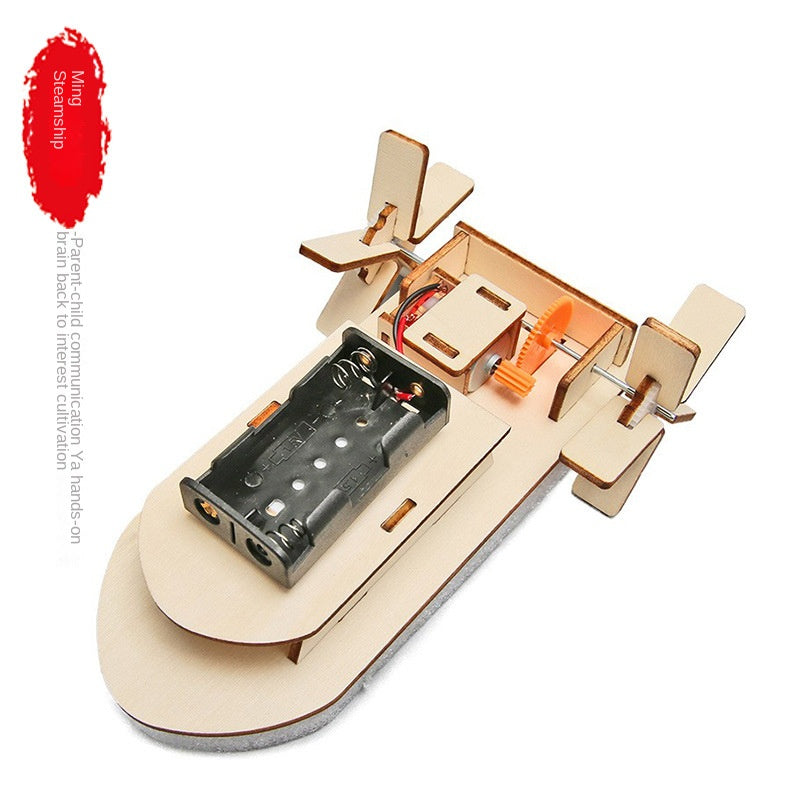
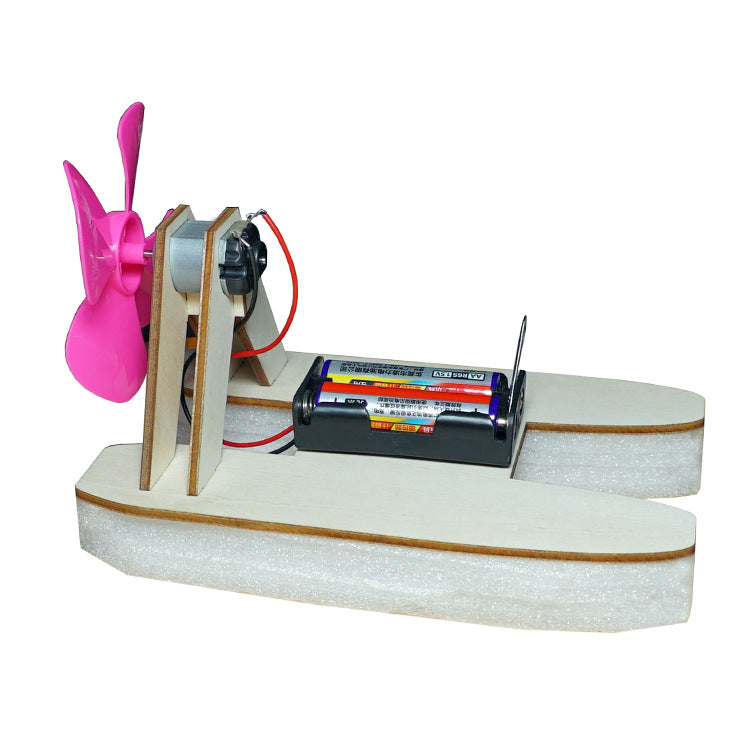
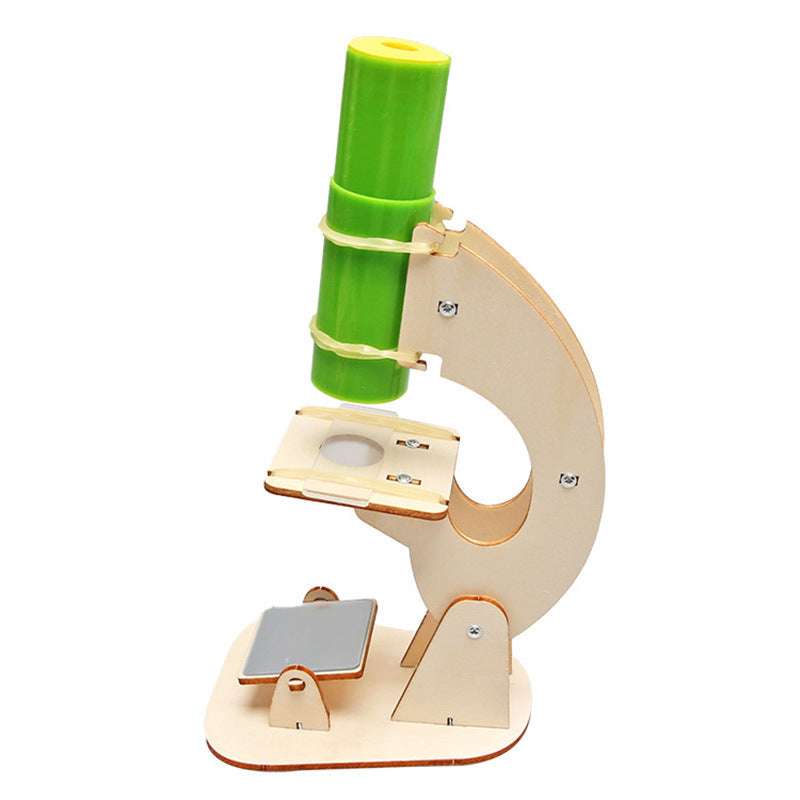
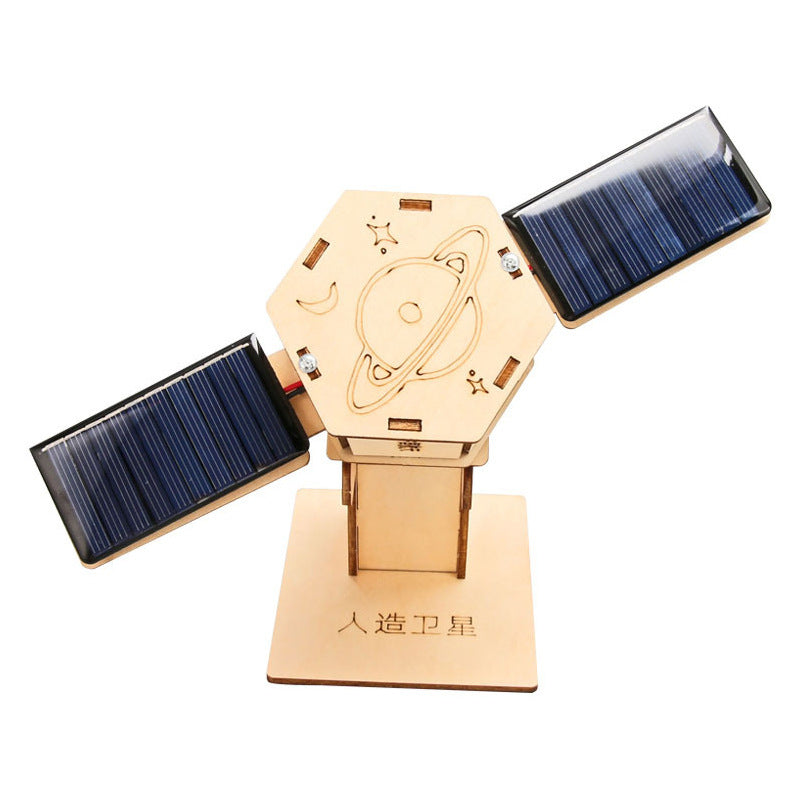
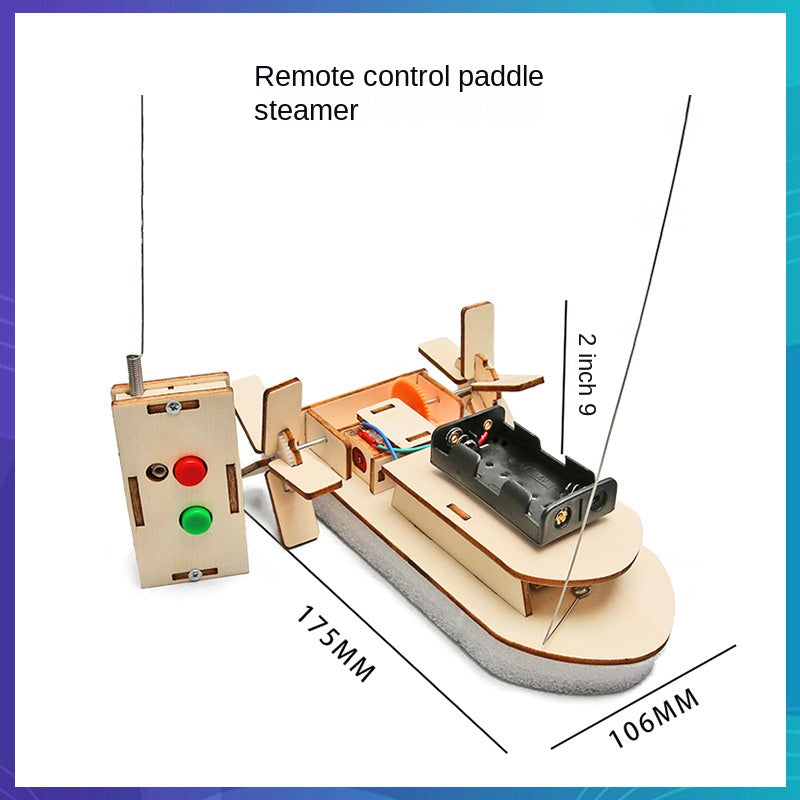
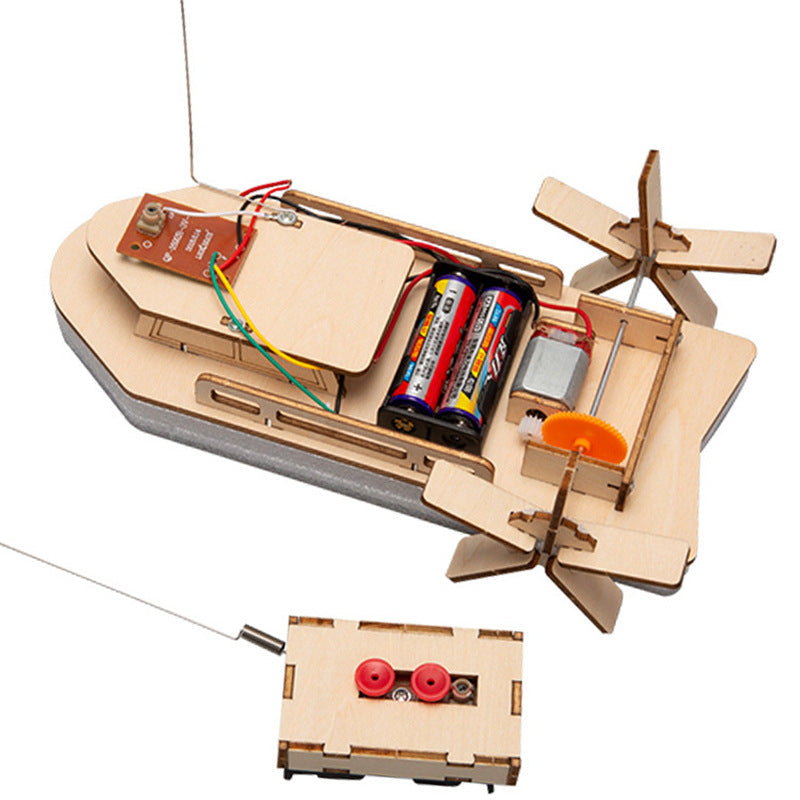
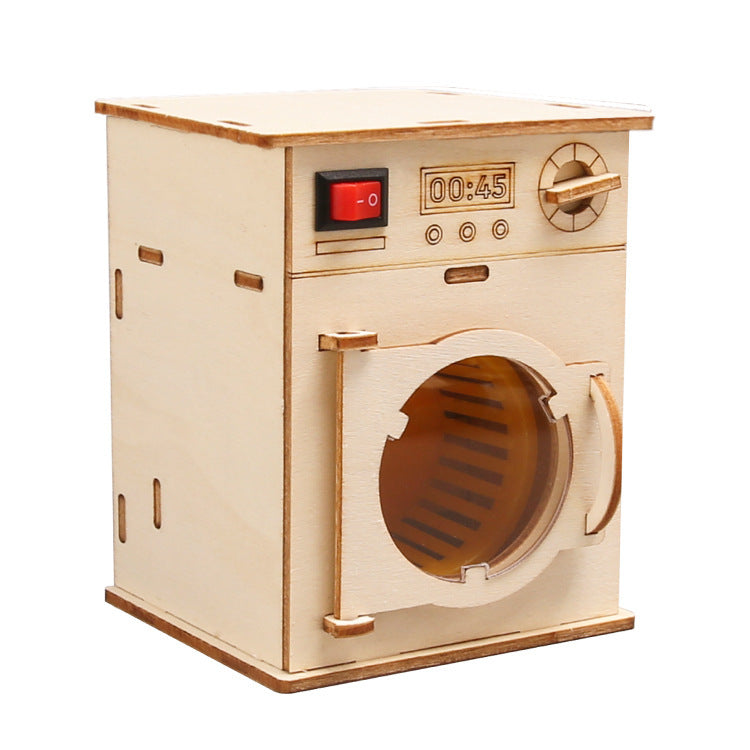

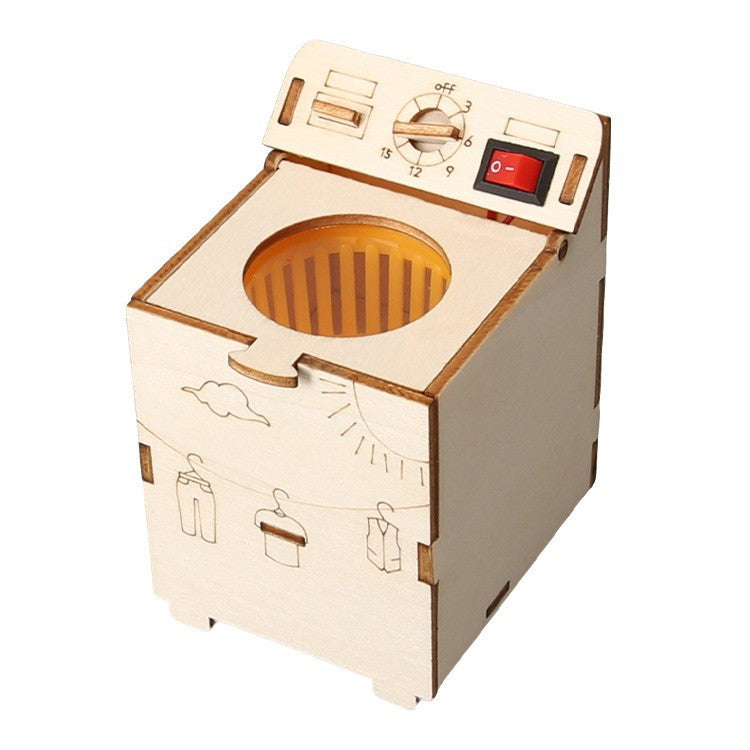
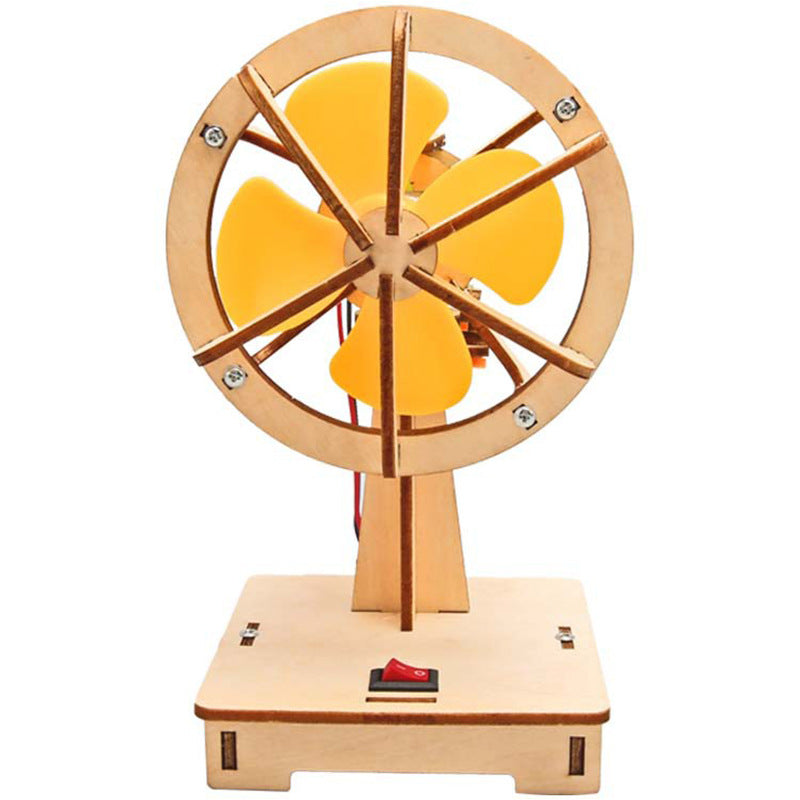
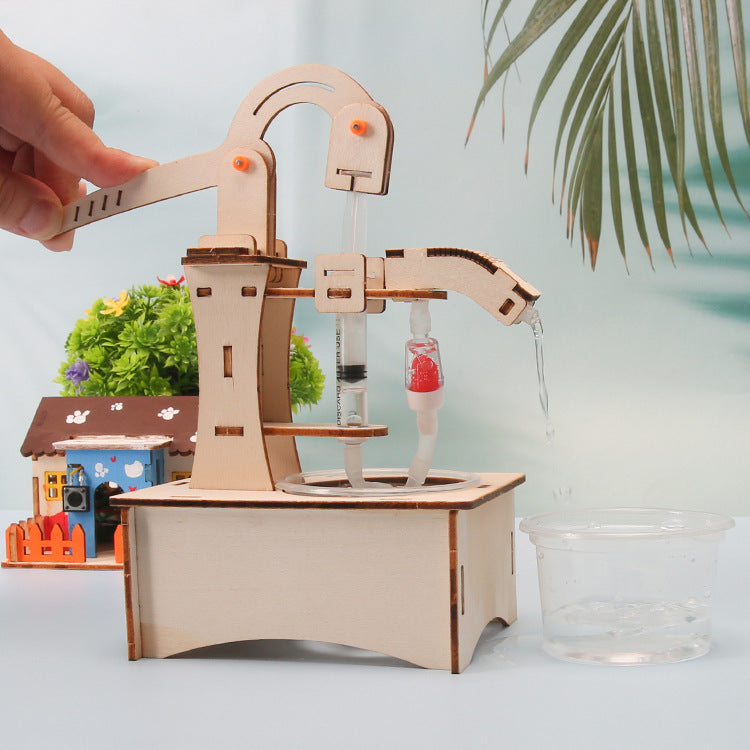
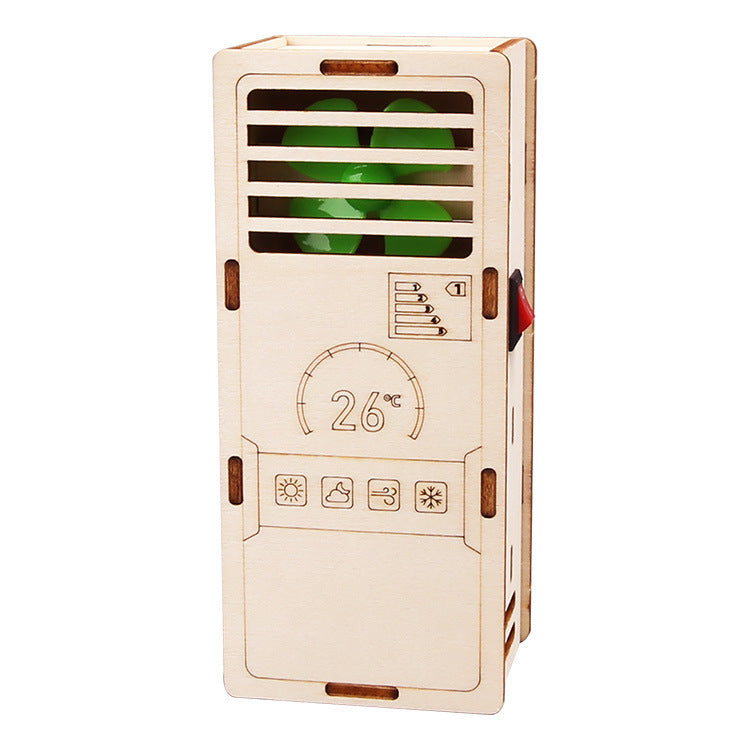
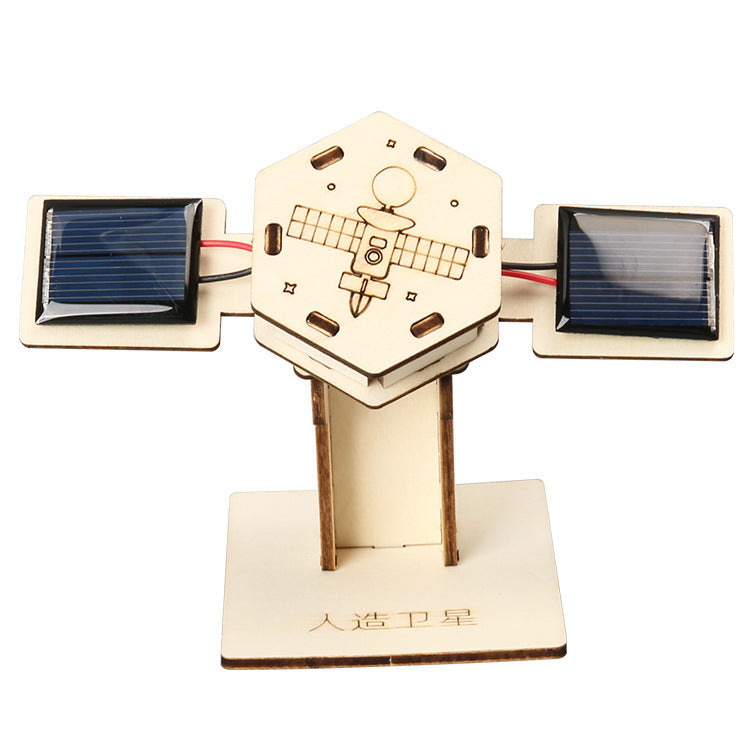
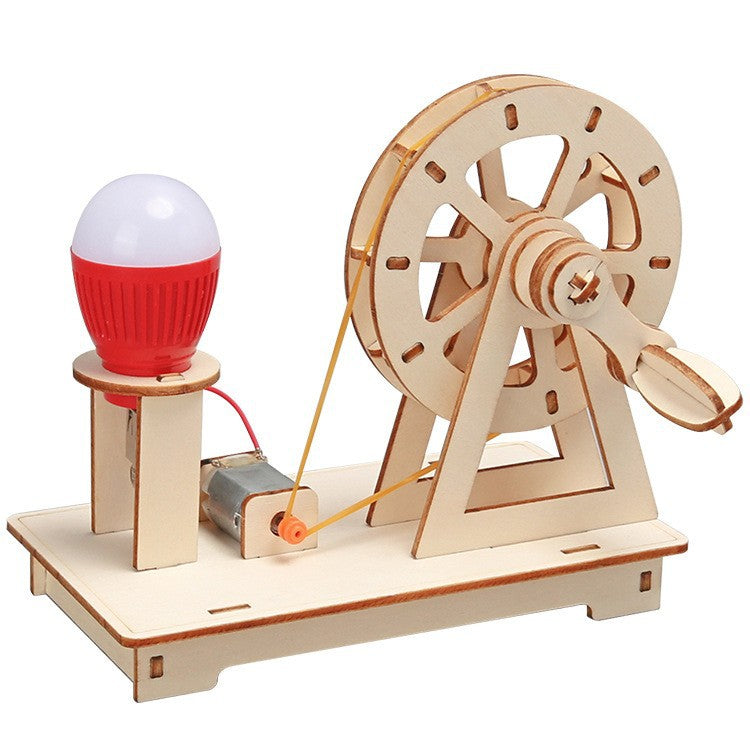

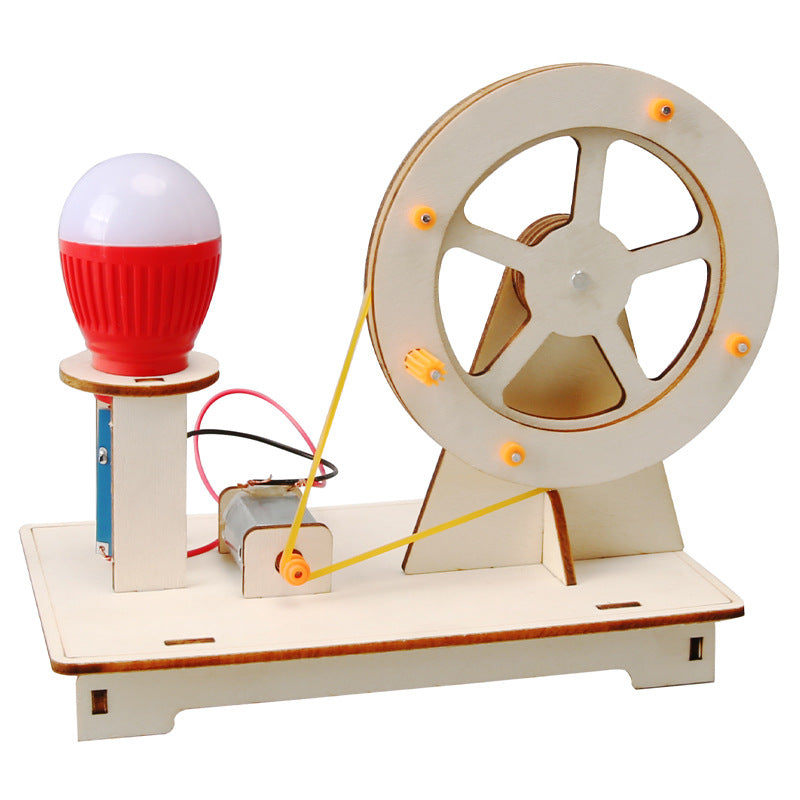

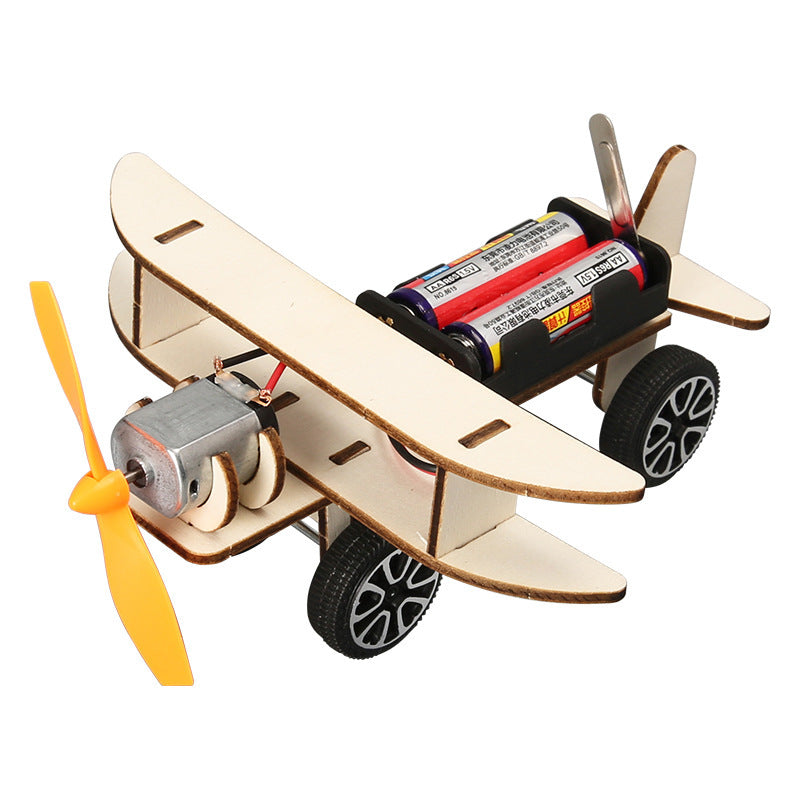

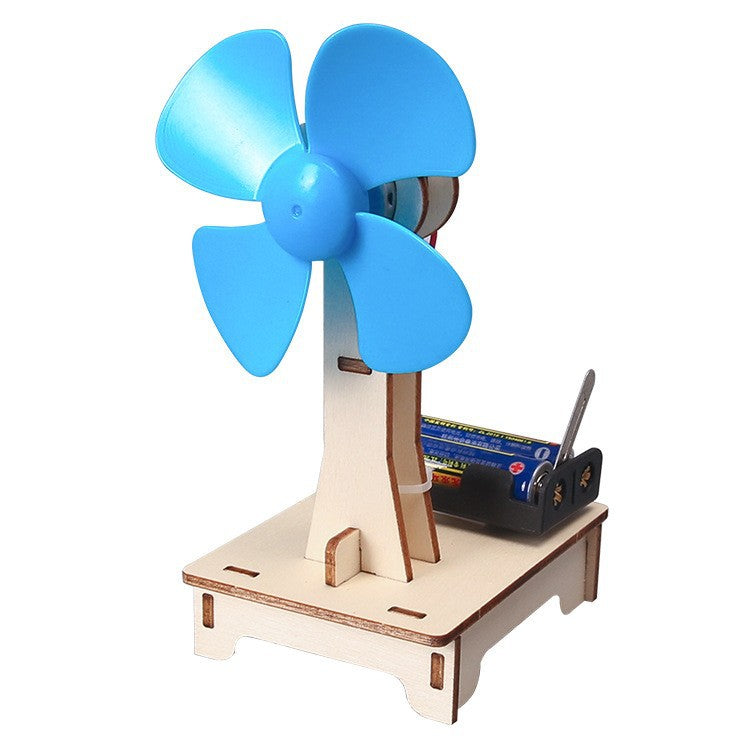
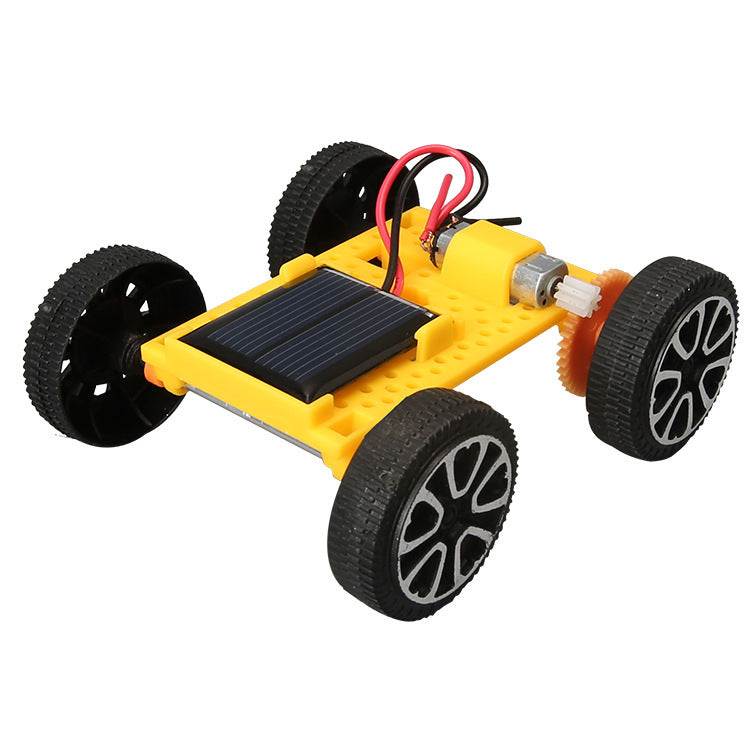
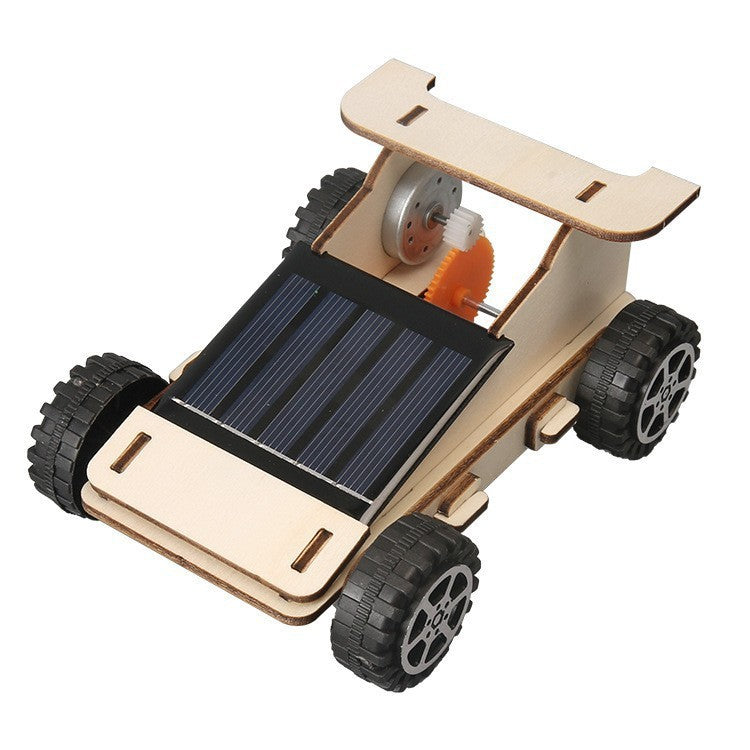


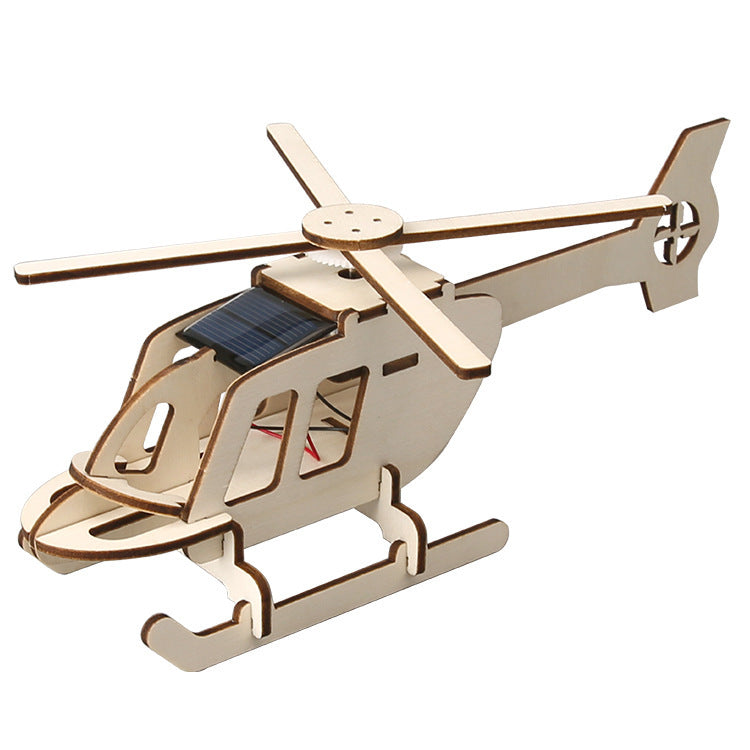
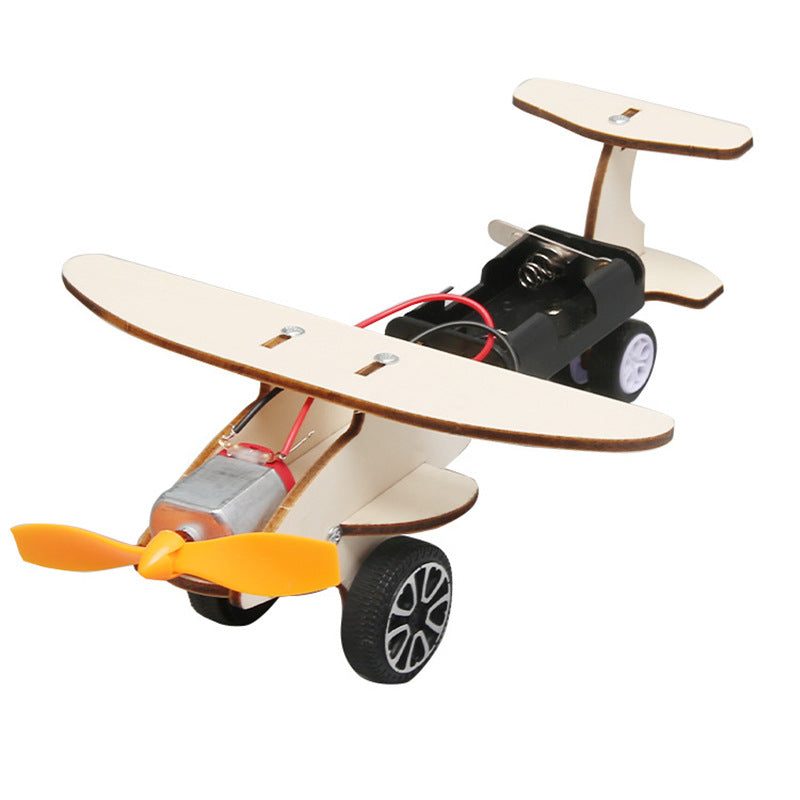

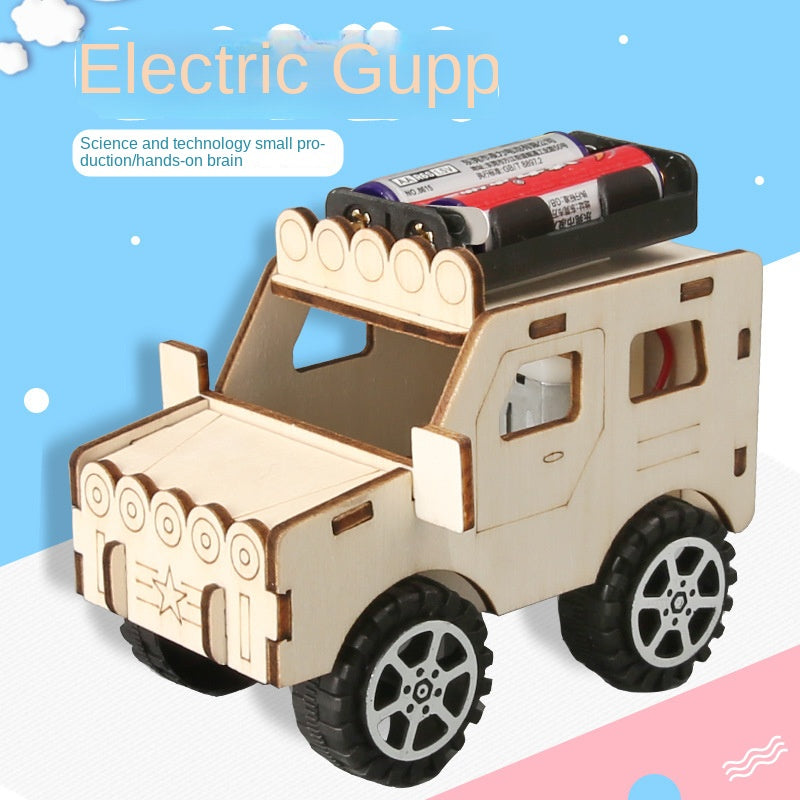
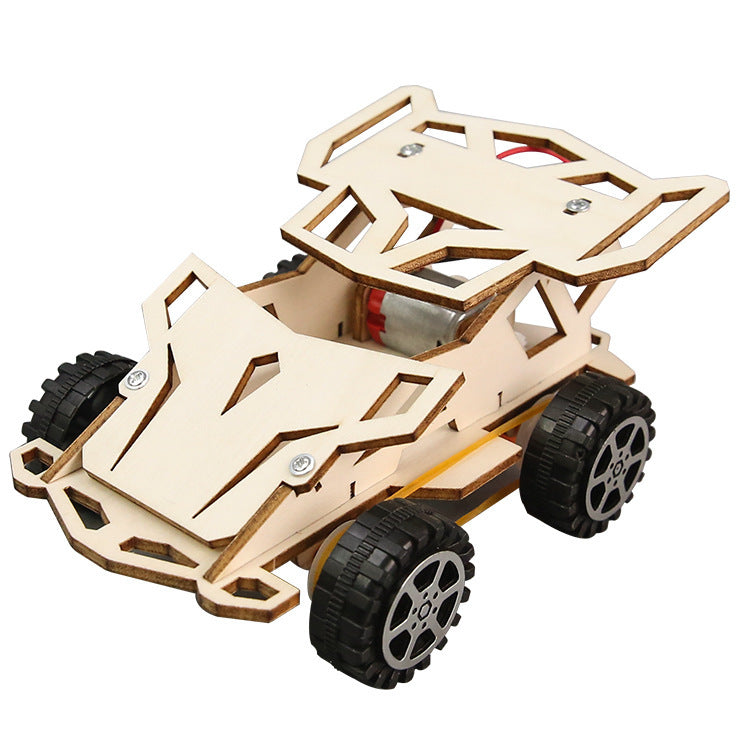

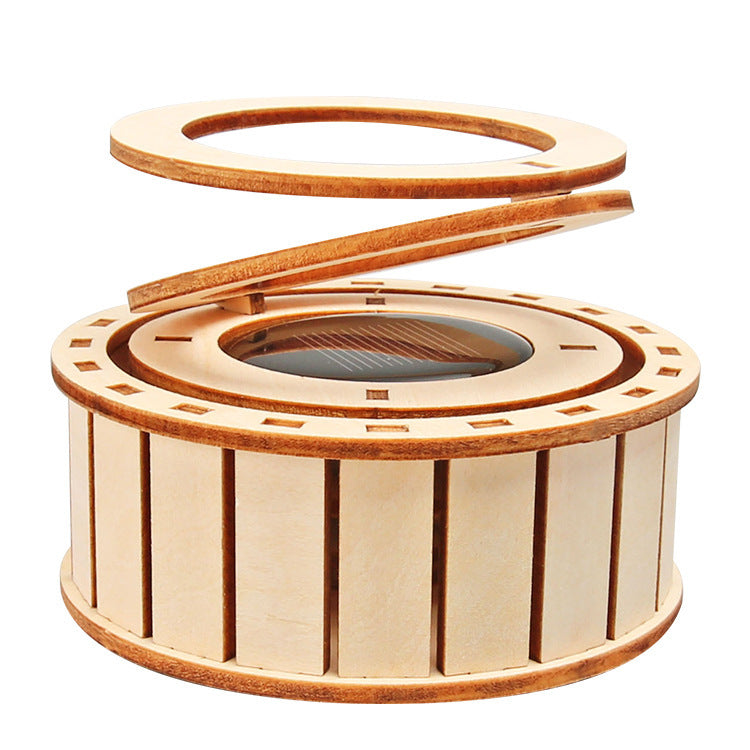
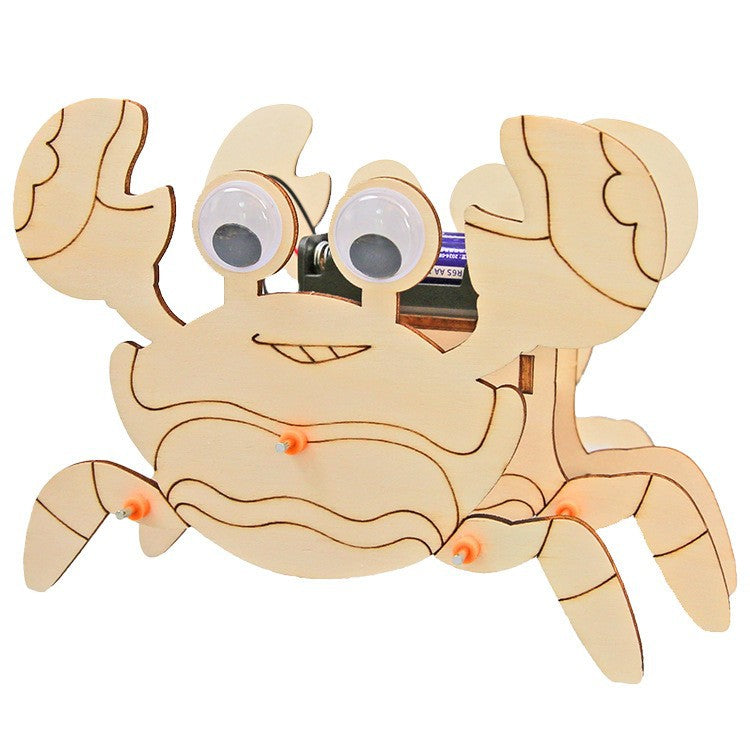
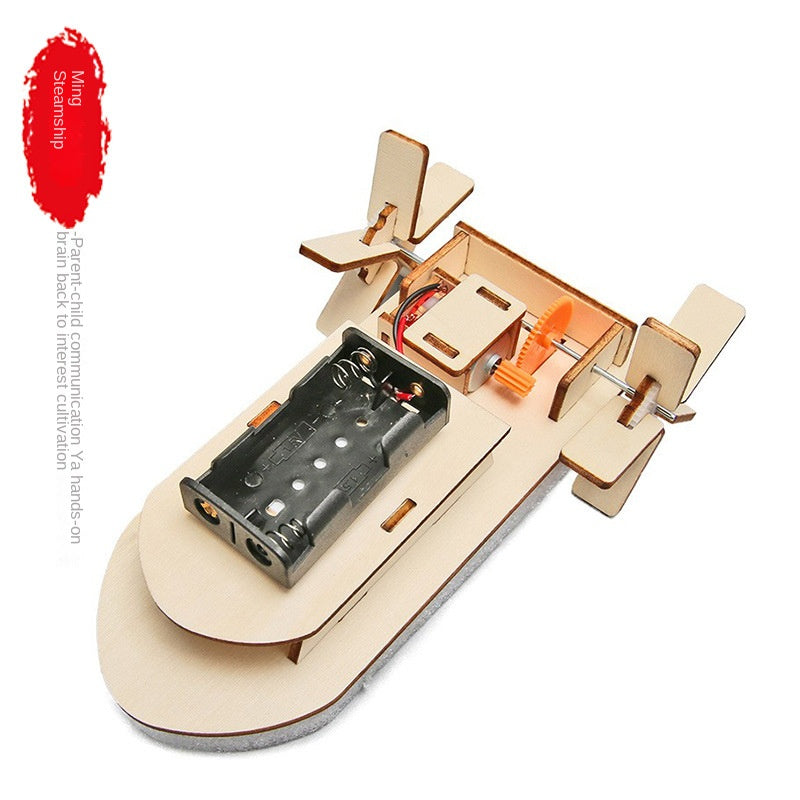
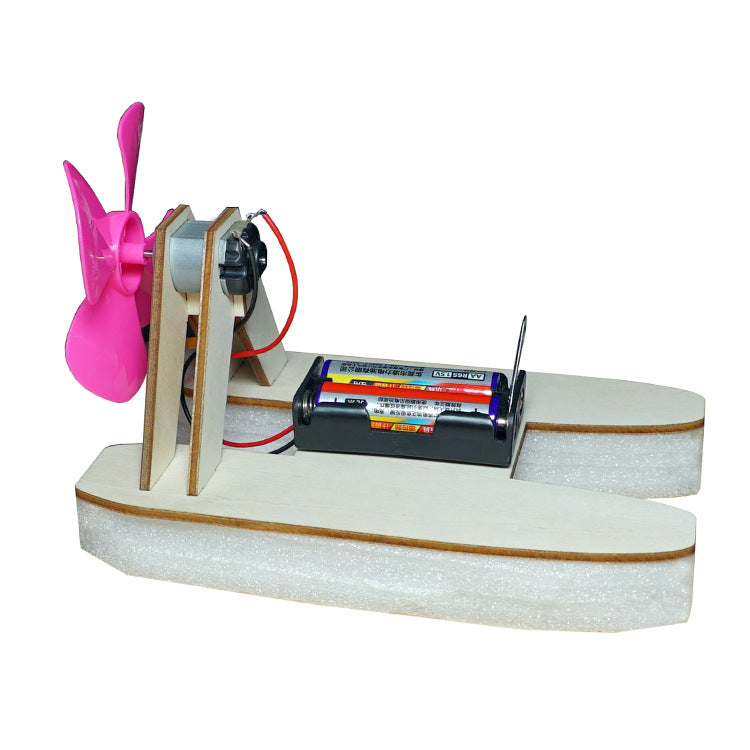
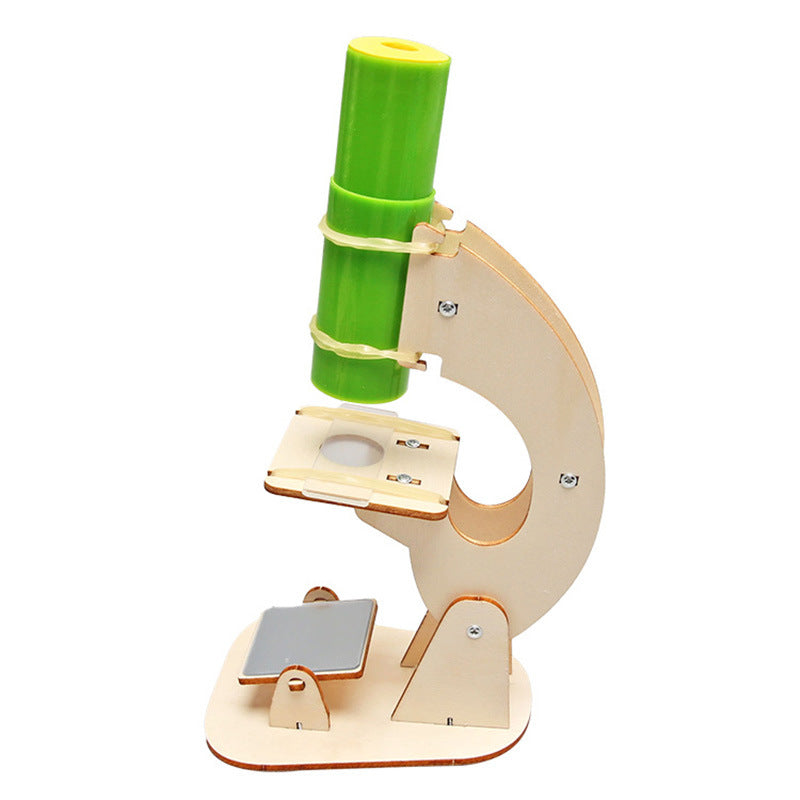
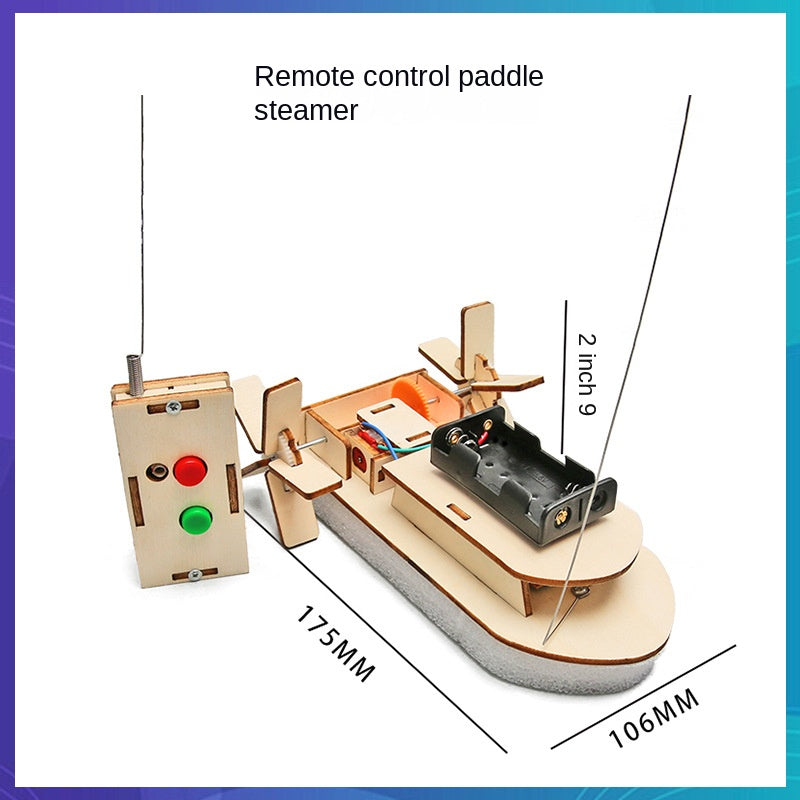

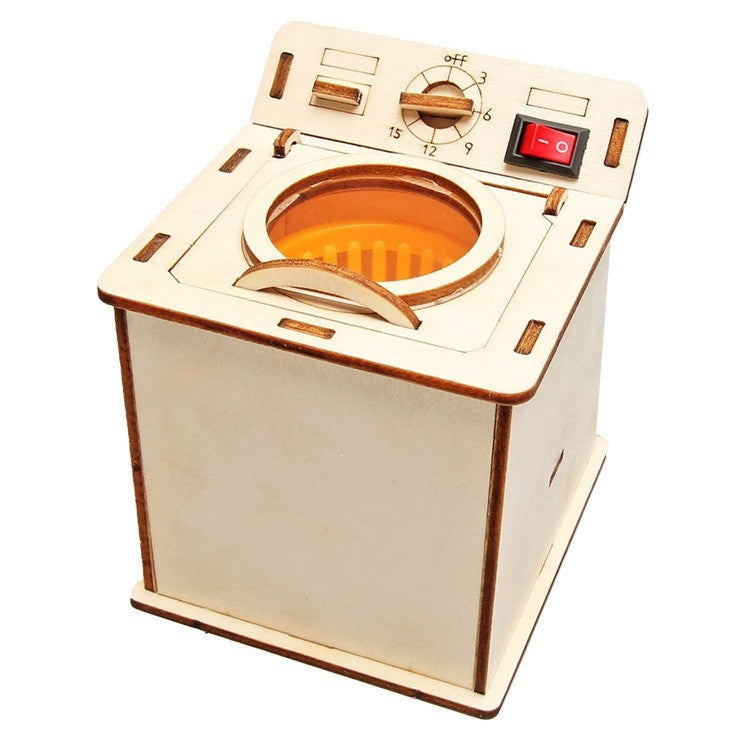
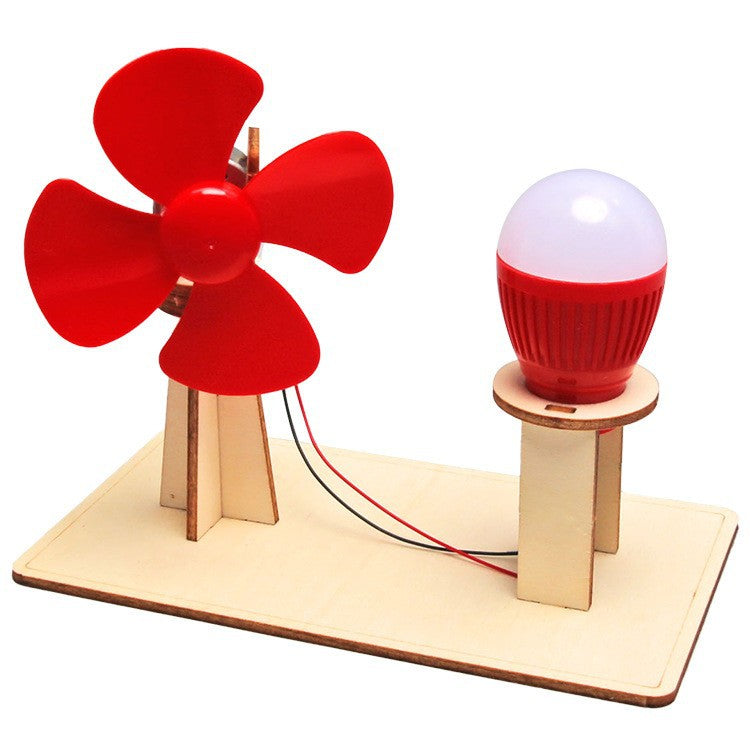


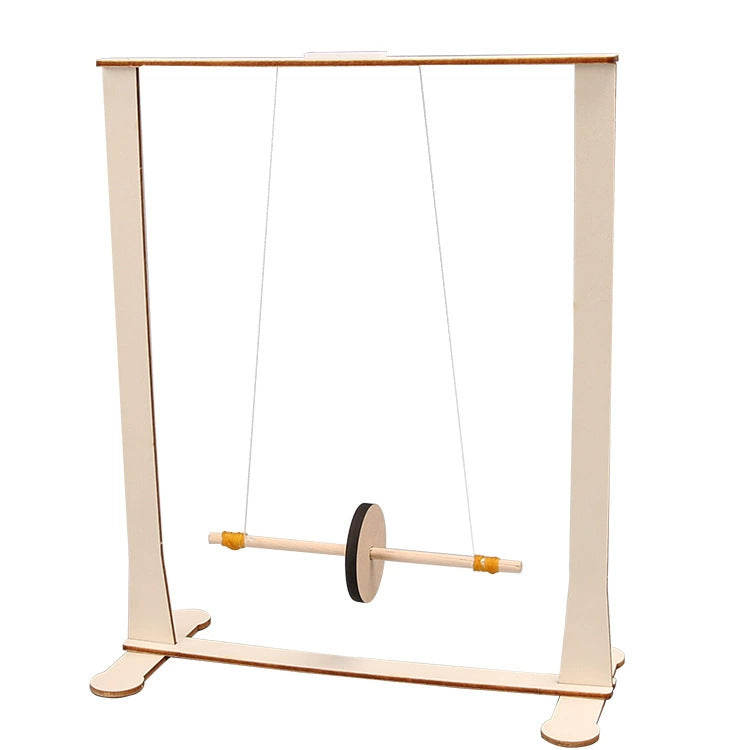
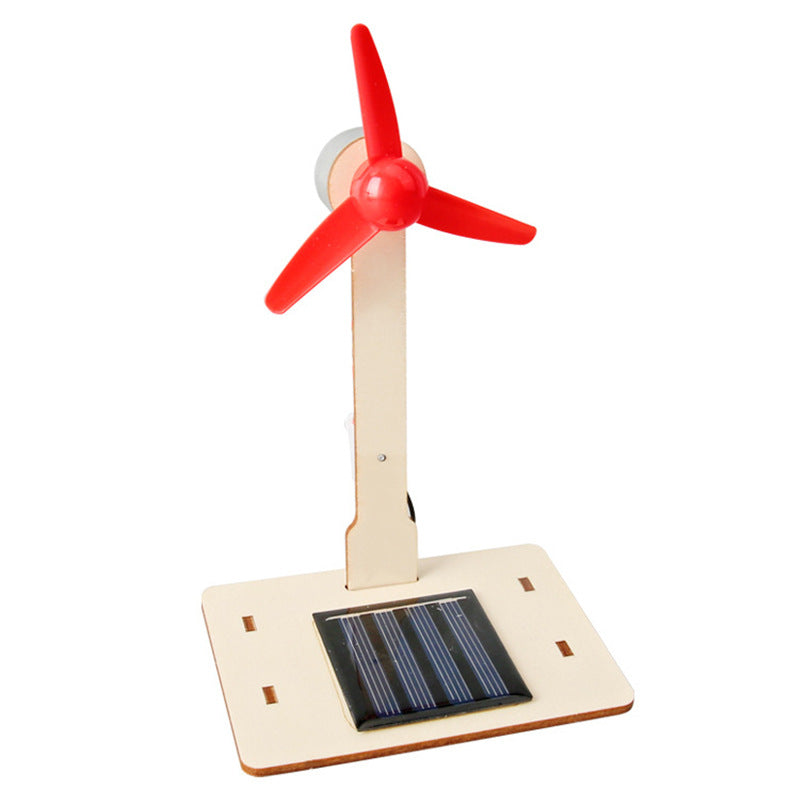
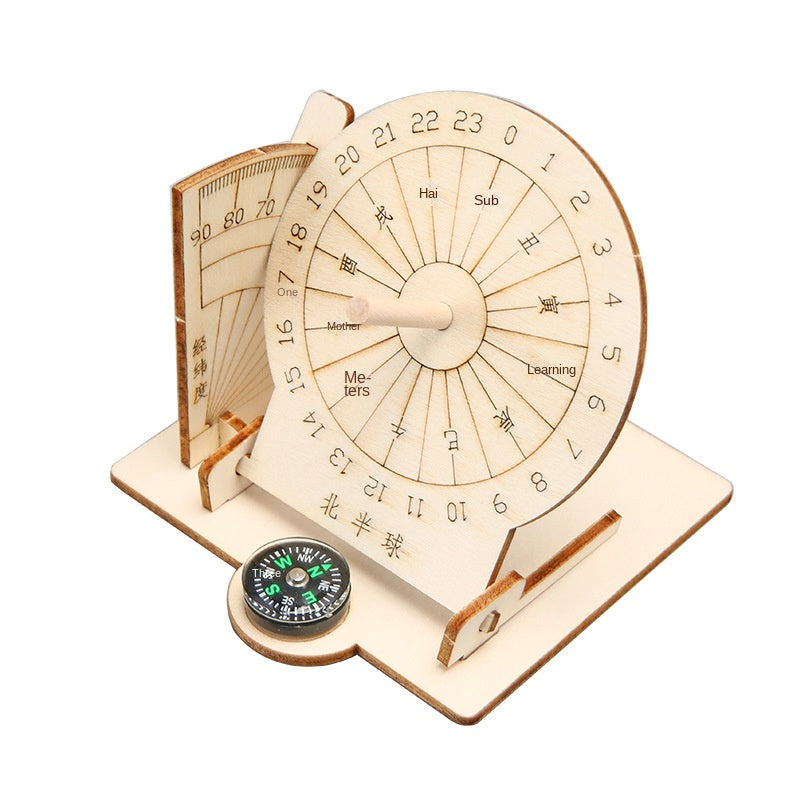

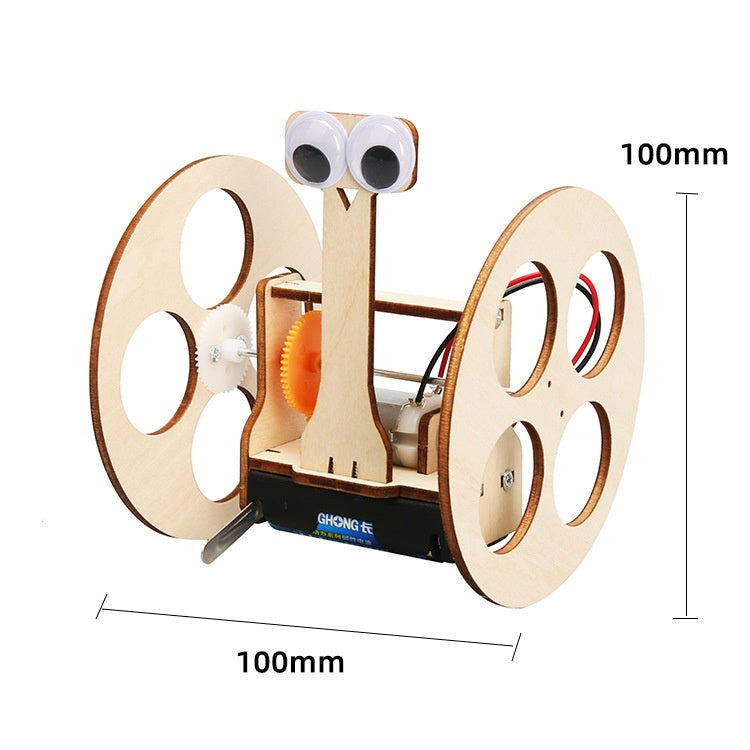
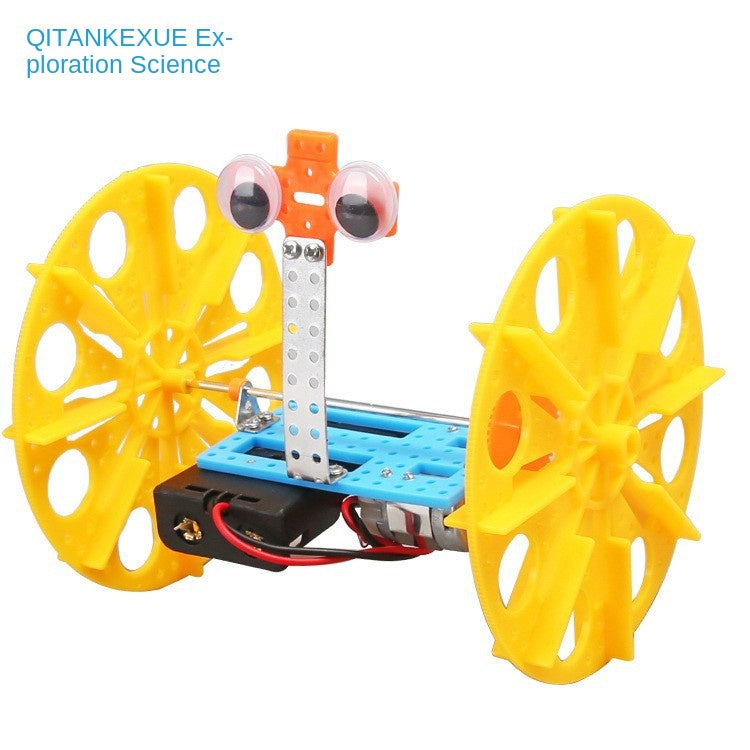
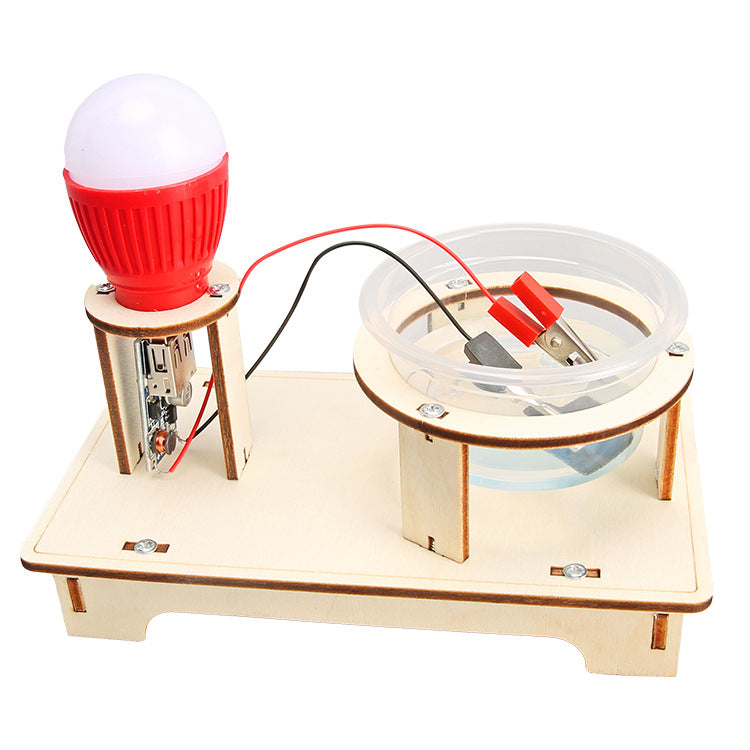


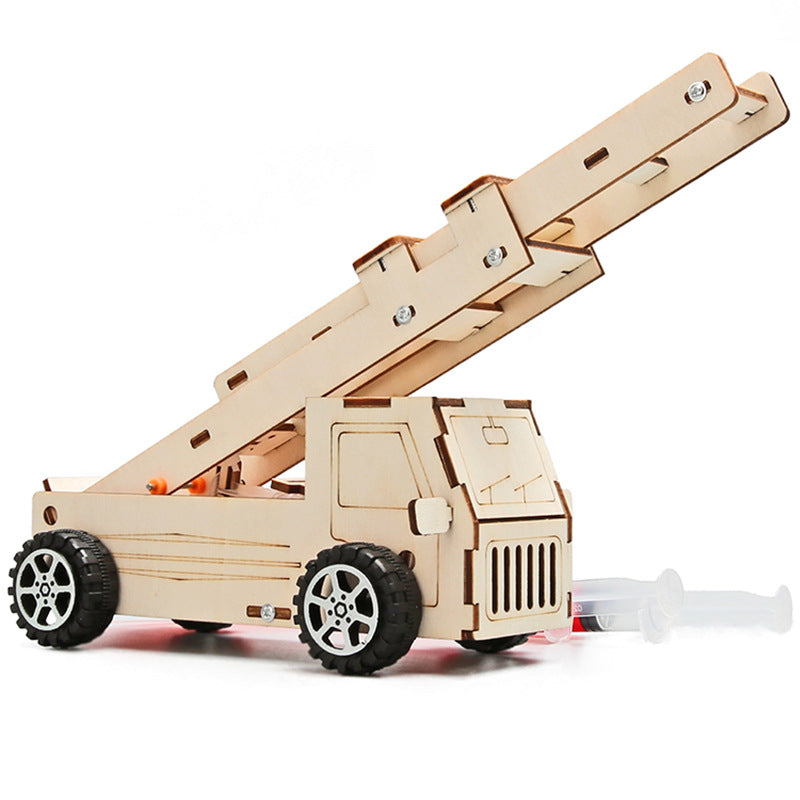

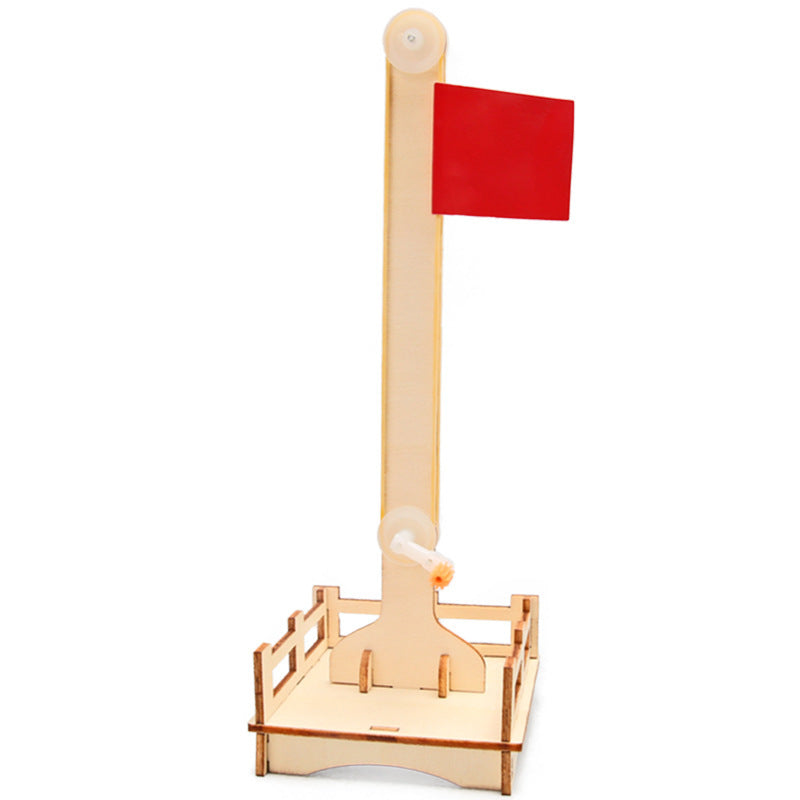
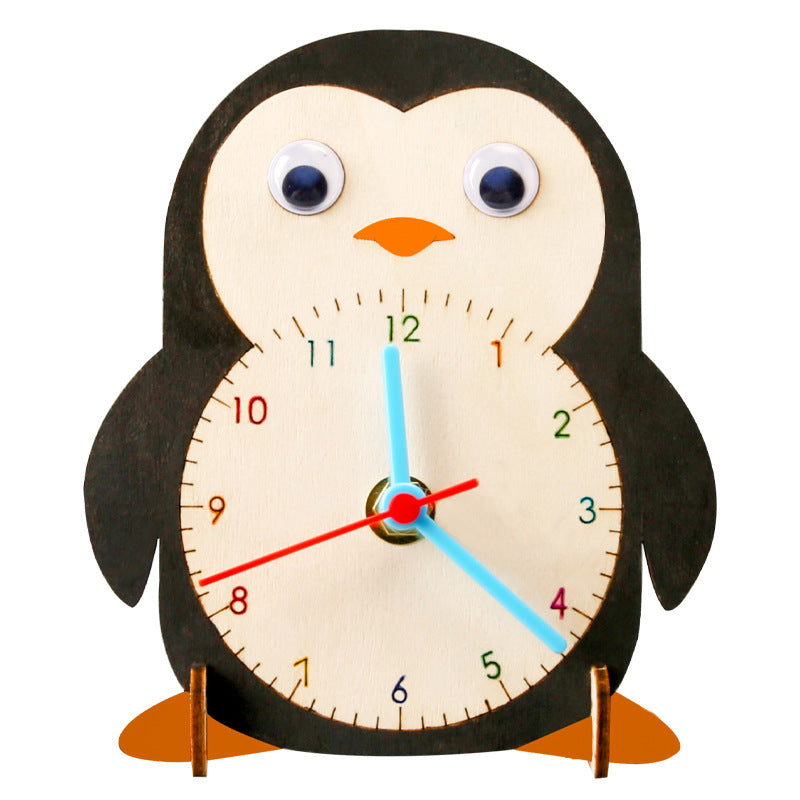


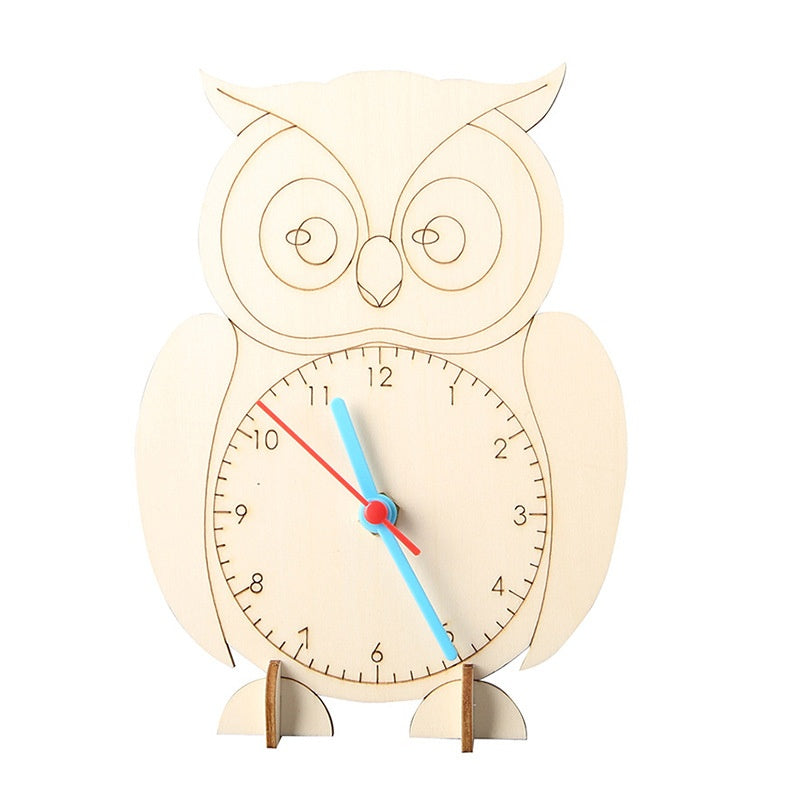
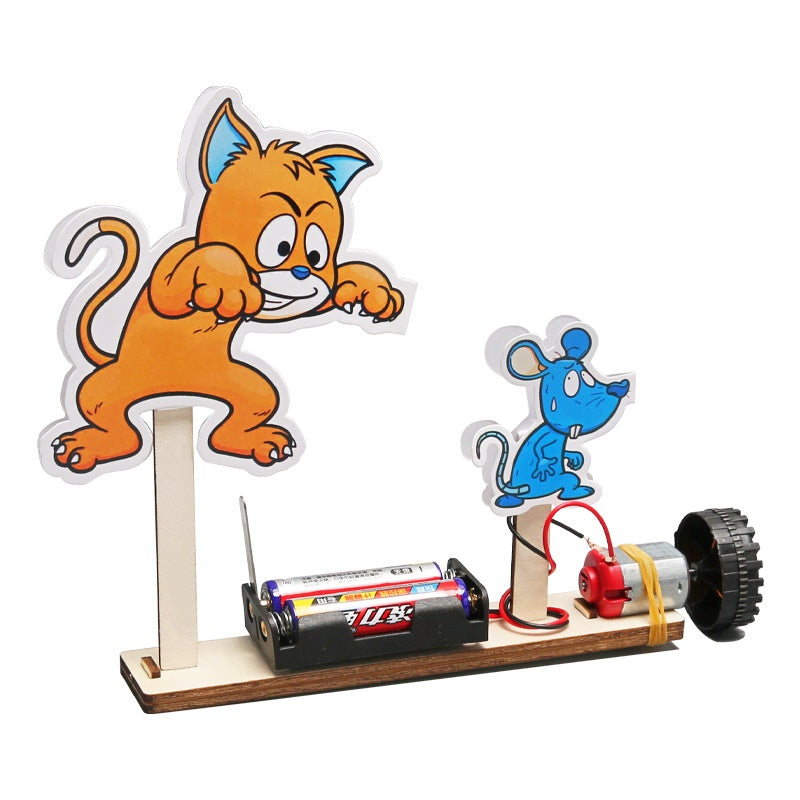
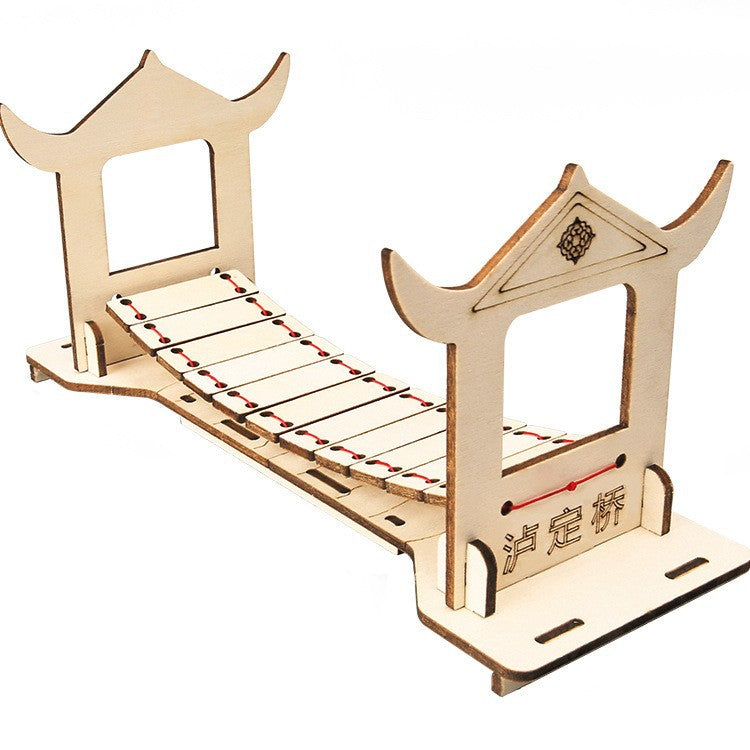
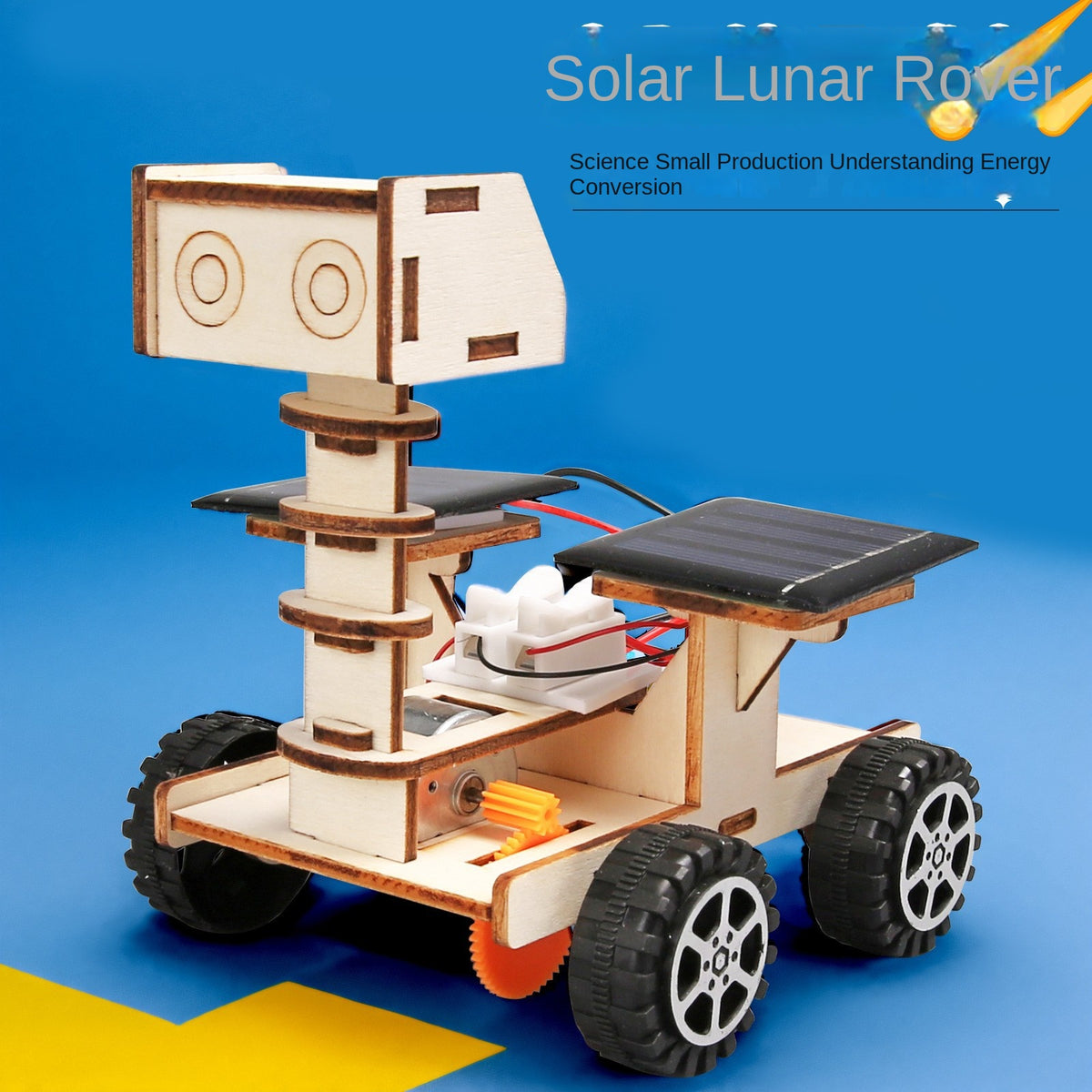
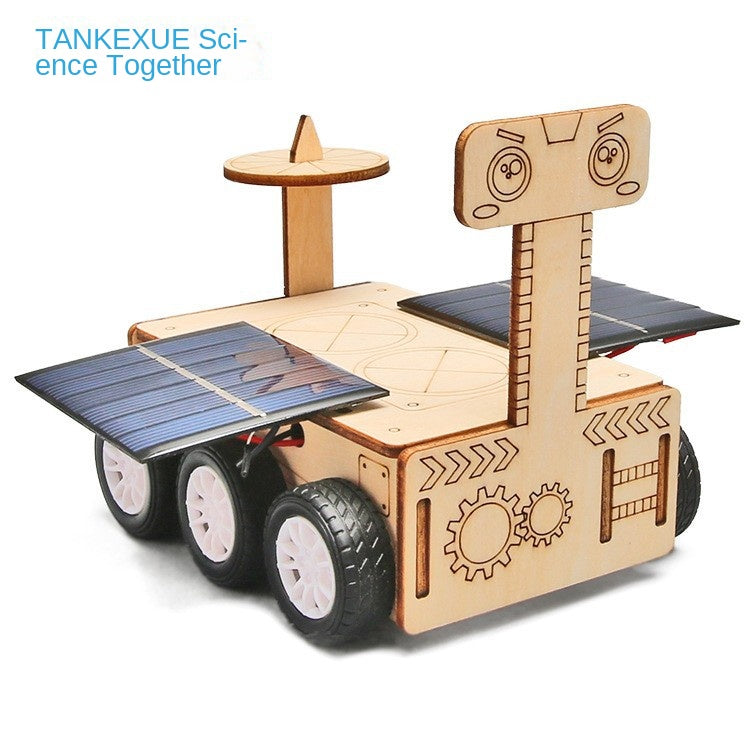
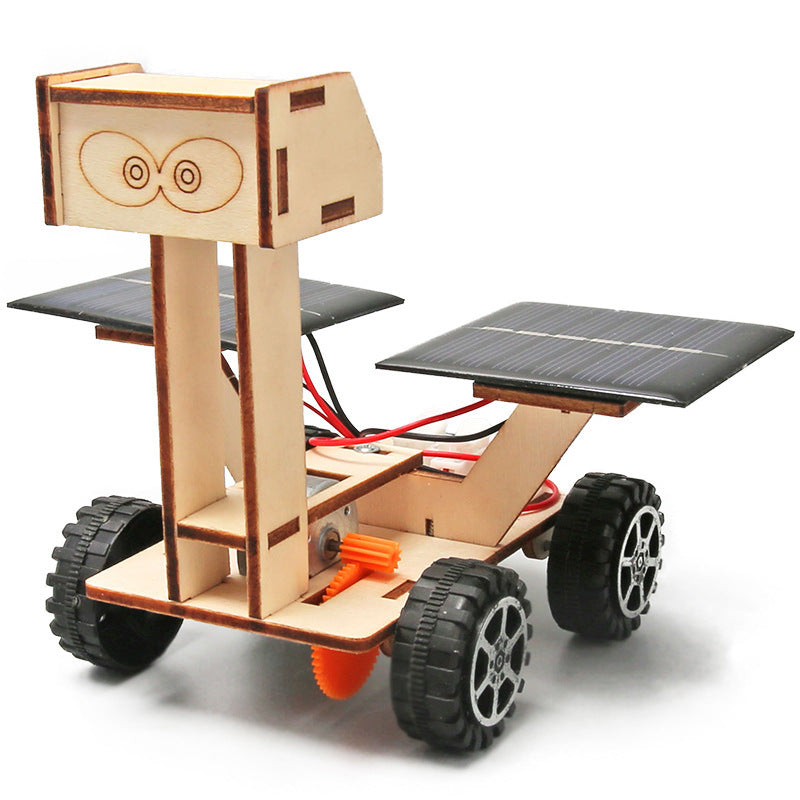
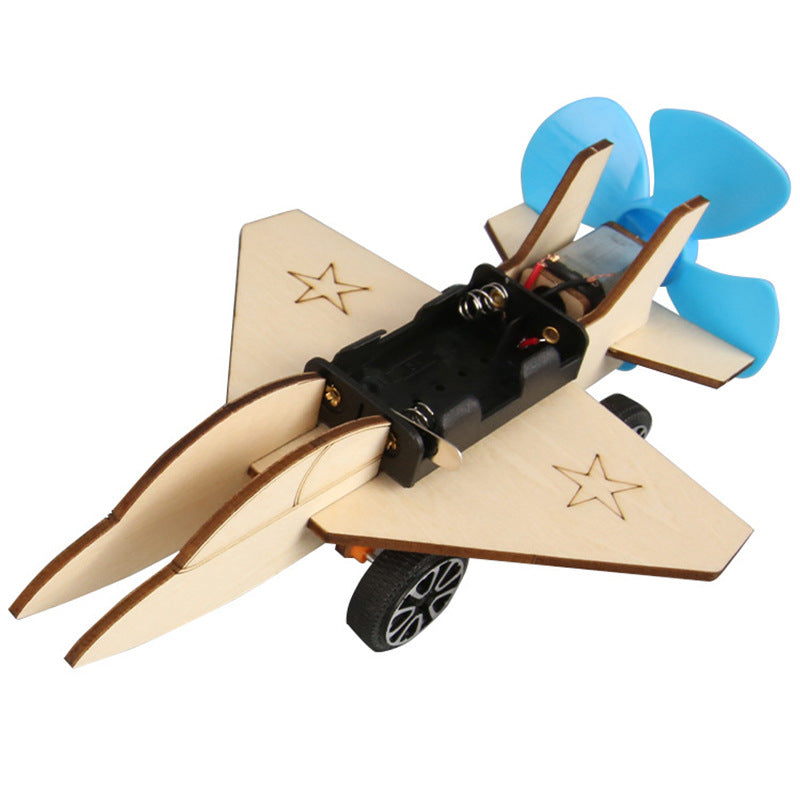

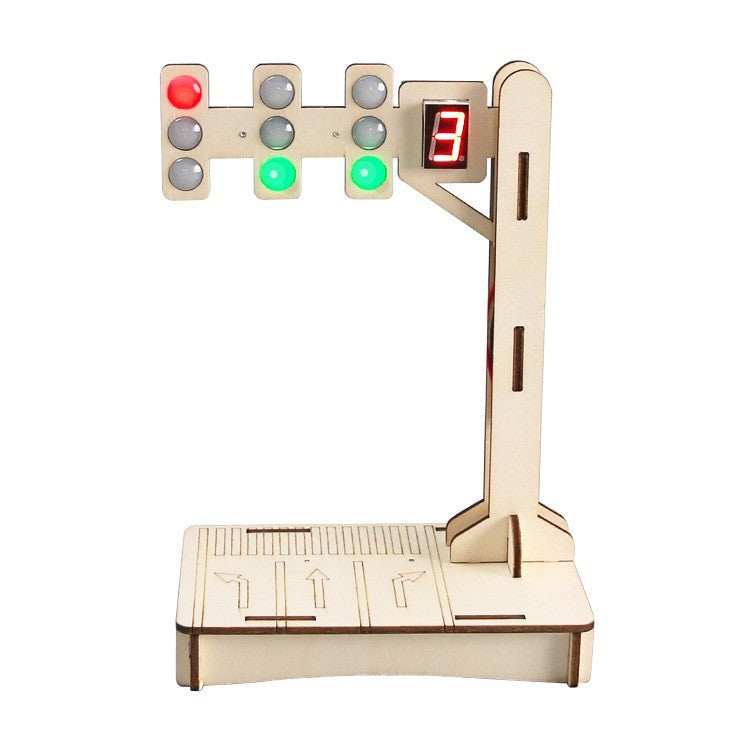
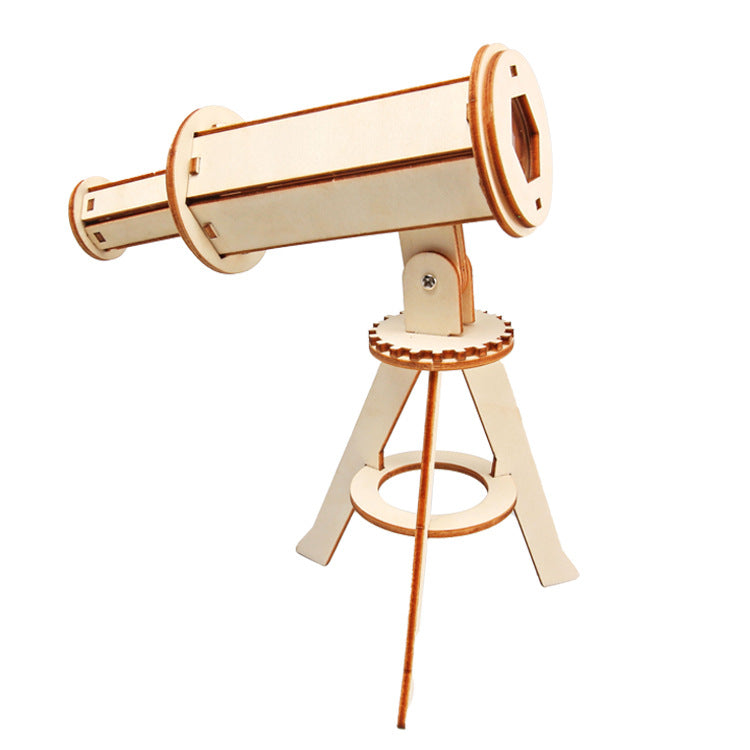
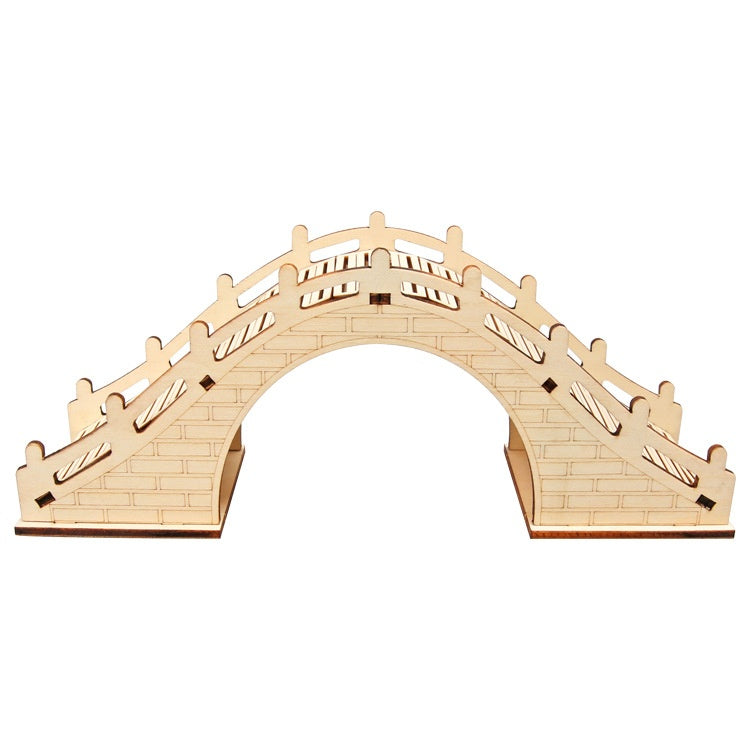
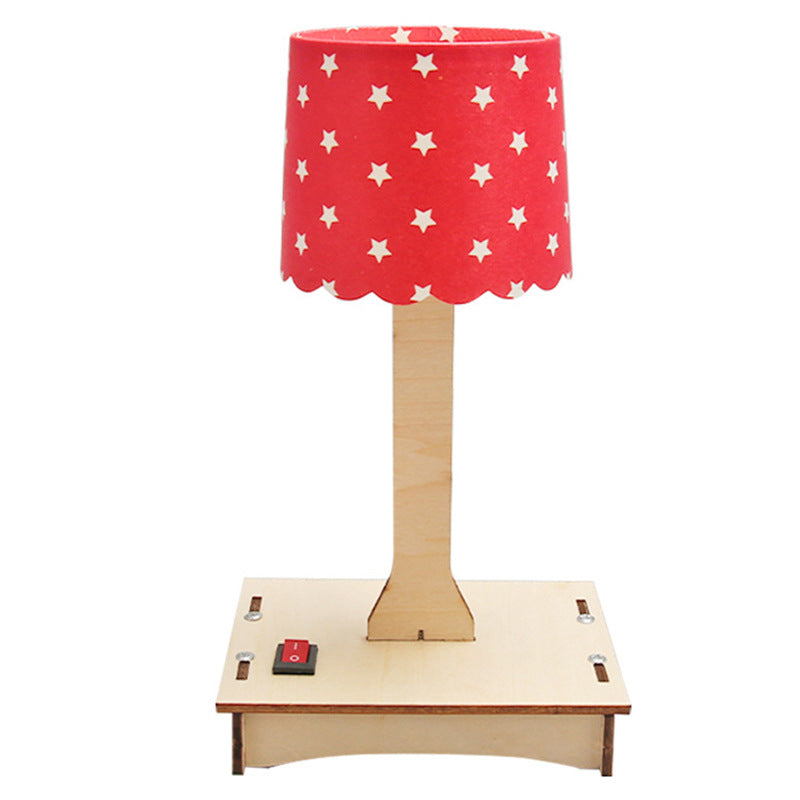


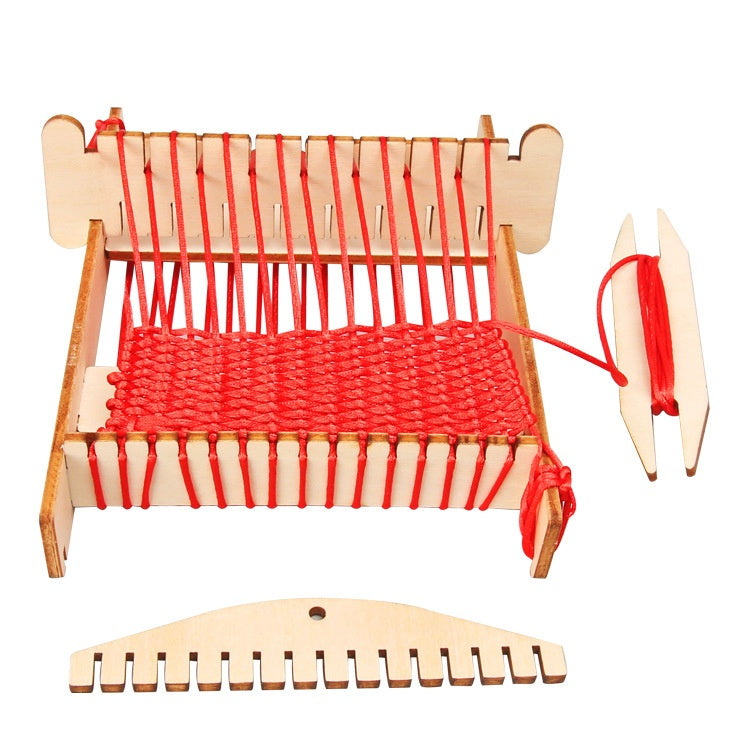

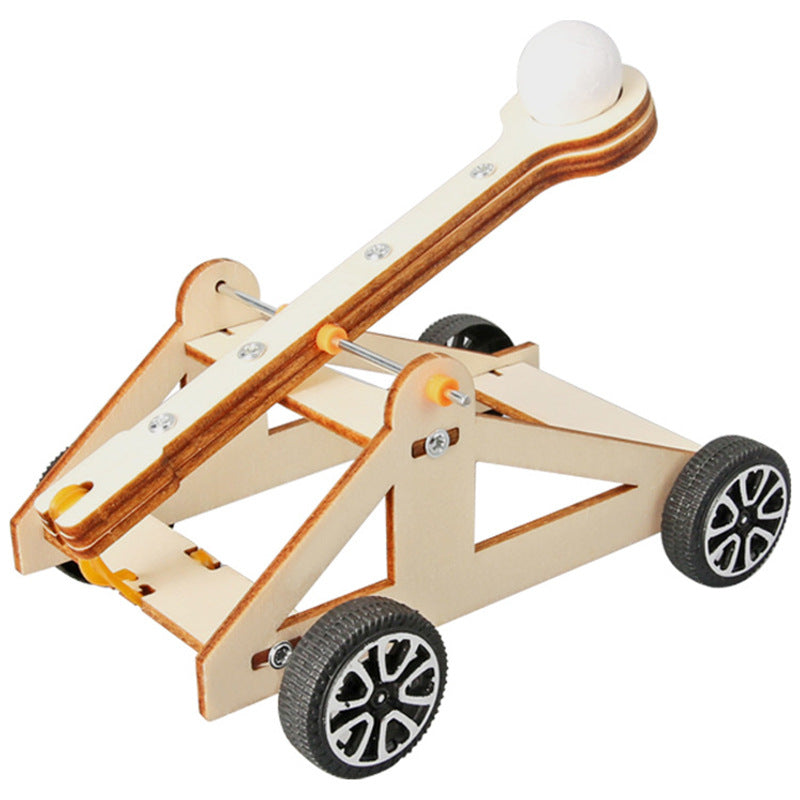


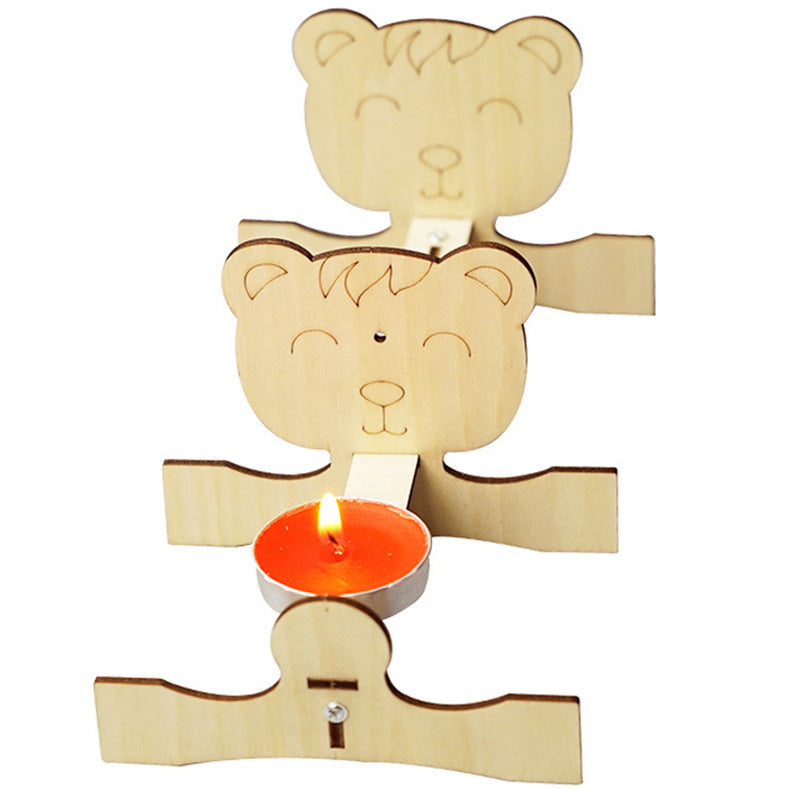

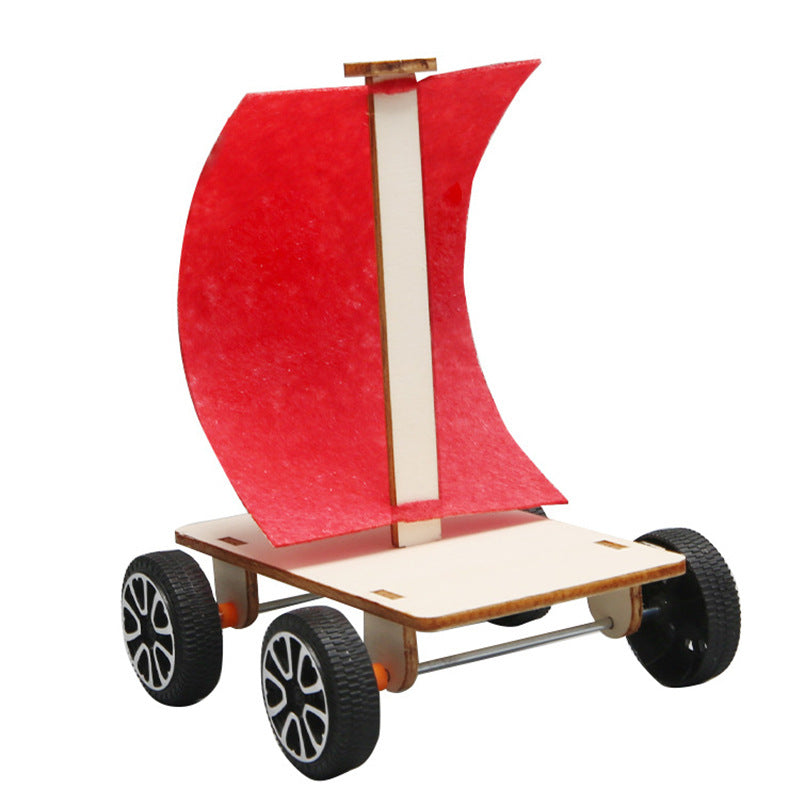
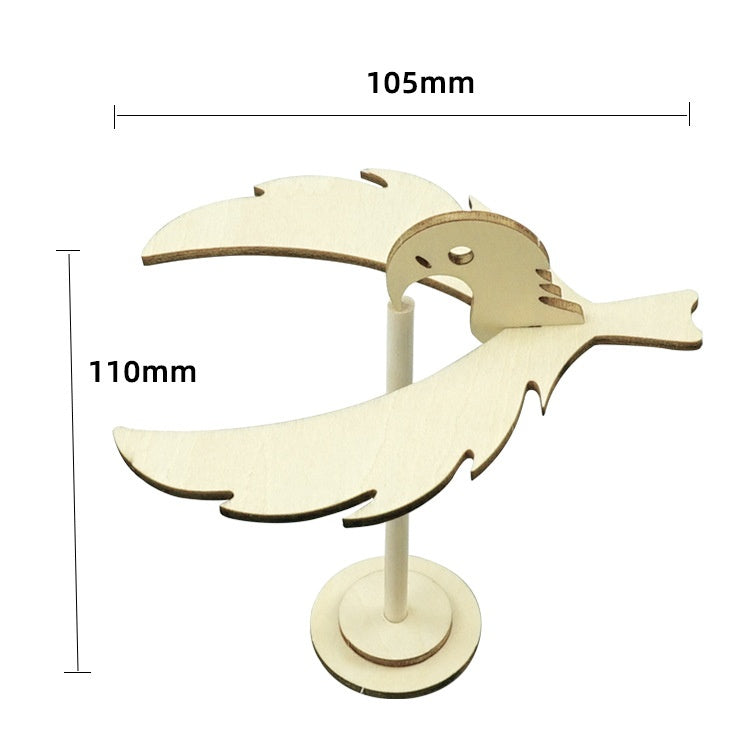
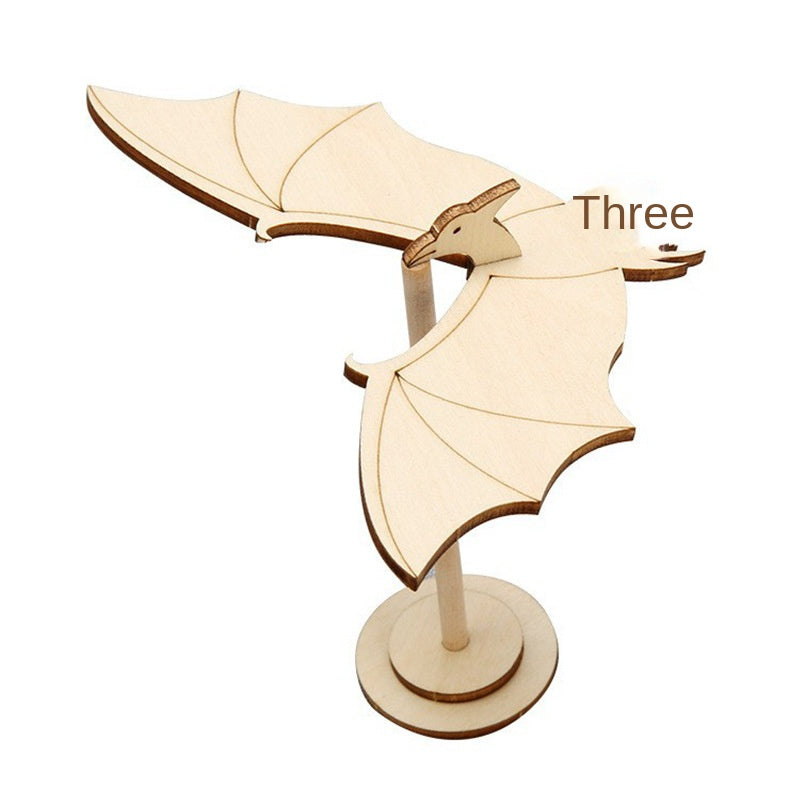

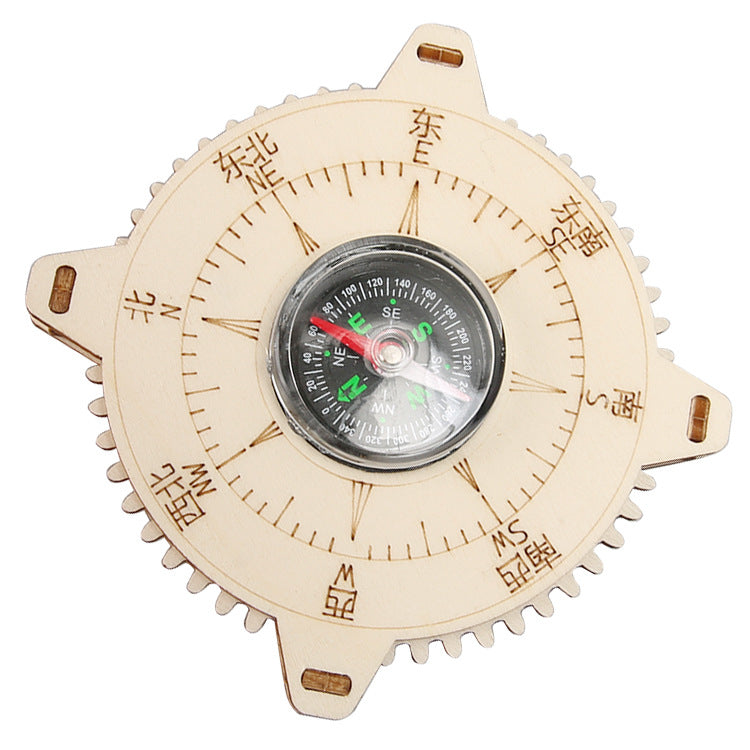
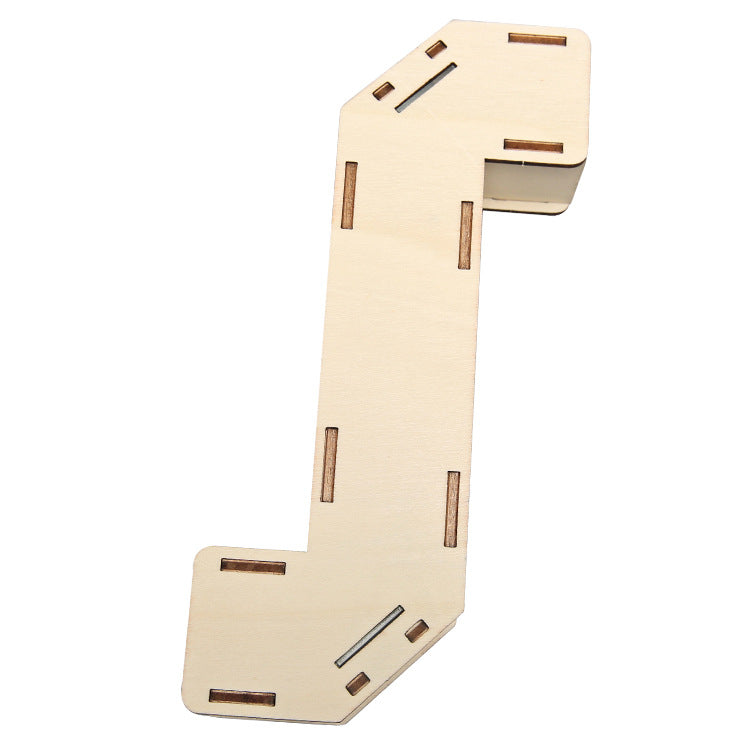
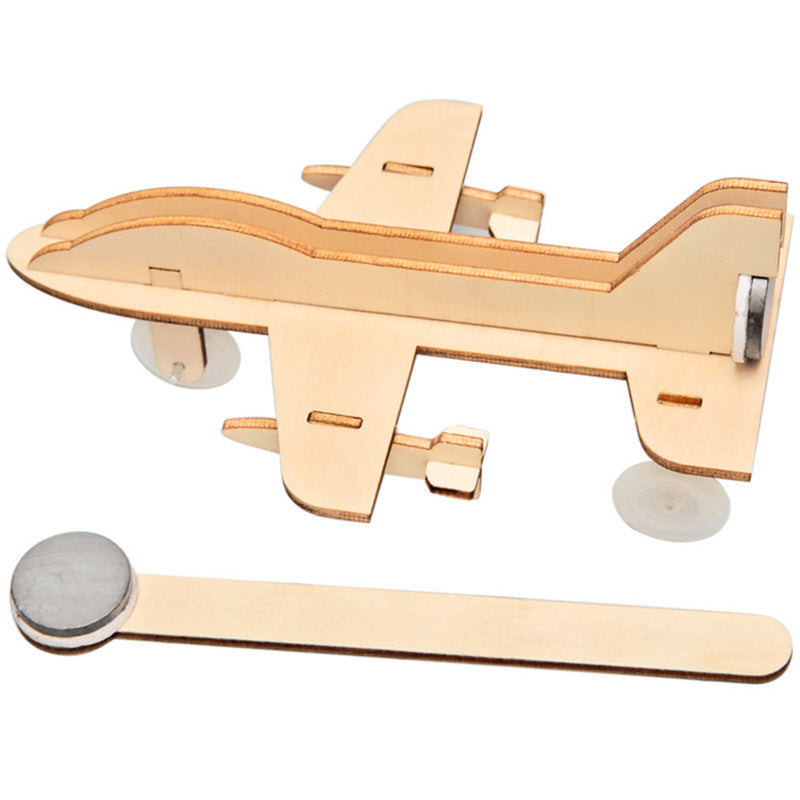

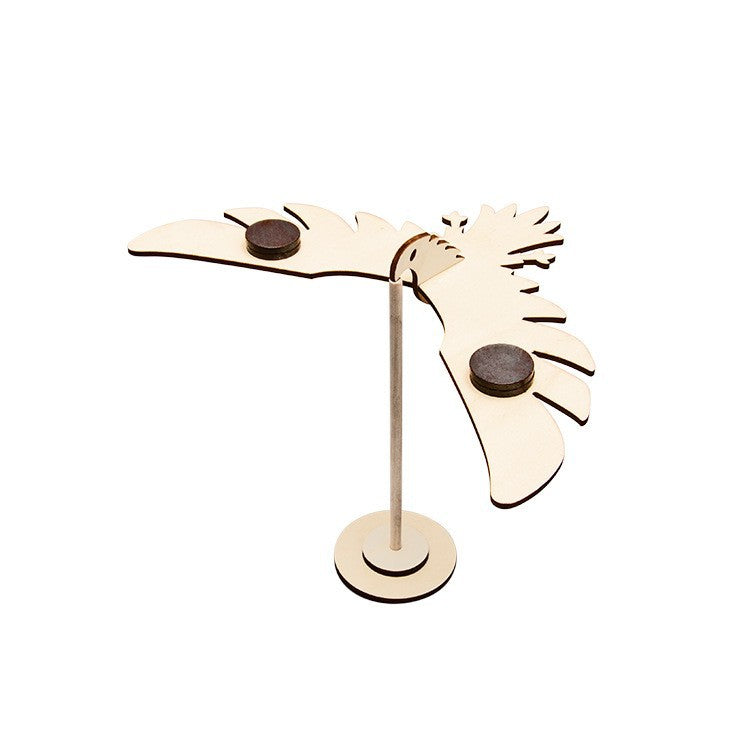
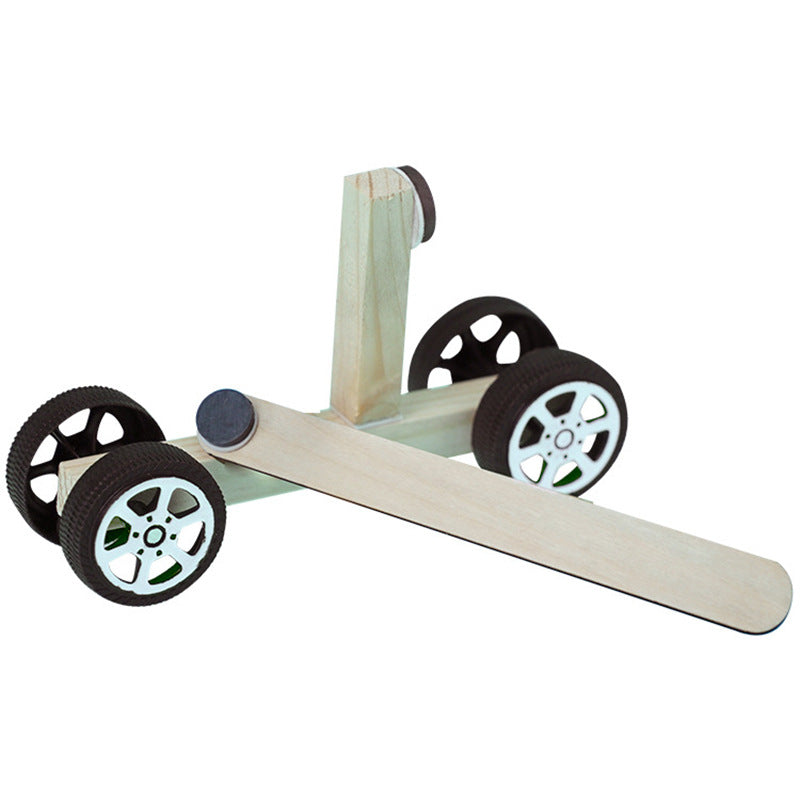


Turn a science lesson into a working discovery. Children assemble wooden vehicles, launchers, fans, and rotating models, then see motors, switches, wheels, and wires do something real.
Read the full descriptionTurn a science lesson into a working discovery. Children assemble wooden vehicles, launchers, fans, and rotating models, then see motors, switches, wheels, and wires do something real.
Build and operate multiple working science models while learning practical physics and technology concepts
Instead of only reading about motion, power, and mechanics, children build models they can see move, spin, and respond. Each project turns an abstract science lesson into a hands-on accomplishment.
Working wheels, raised-ball launcher action, and rotating fan blades give children immediate visual feedback from their construction. The result is movement they can observe, describe, and test.

A battery holder, wires, switches, motor parts, and adjustable control dial make basic electrical ideas tangible and easy to inspect. Children see how a power source connects to an output.

The vehicle, launcher, washing-machine-style model, and fan keep one lesson from becoming a one-and-done activity. Learners can compare different ways motors create movement.

Precision laser-cut plywood panels with dark engraved edges make the mechanical structure easy to see. The natural wood construction gives every project a satisfying, purposeful feel.
Lay out the plywood panels, colorful plastic parts, wires, switches, motor components, and battery holder before choosing a project.
Choose the vehicle, launcher, washing-machine-style model, or fan. Fit the laser-cut wooden pieces together gently and keep the mechanism visible.
Attach the motor, battery holder, wires, and switch as directed. An adult should inspect each connection before batteries are inserted.
Power the model and watch for rolling wheels, a raised ball, rotating parts, or spinning fan blades. Ask what changed when the switch was activated.
Invite the child to point out the power source, switch, motor, and moving output. The explanation turns a finished build into a science lesson.
Laser-cut body with working wheels
Mechanical and electrical launcher project
Rotating model with control dial
Motorized project with rotating blades
Working parts for practical circuit exploration
Power source holder for the models
Visible connections between components
On and off control for operation
A child can repeat a science definition and still struggle to explain what makes a wheel move. Worksheets and videos describe the idea, but they leave little to test with their own hands.
Then the parts connect. A switch sends power through the visible wiring, the motor starts, and an idea becomes a raised ball, a rolling wheel, or a mechanism in motion.
Each model invites a new question. What changes when the dial turns? Where does the power travel? Why do the fan blades spin? Building makes observation part of the lesson.
The best part is the explanation afterward. Children can point to the motor, switch, wheels, and wires because they built and operated the model themselves.
| This kit | Worksheet or video | Static craft kit | |
|---|---|---|---|
| Children assemble the model | Yes | No | Partial |
| Working electrical parts | Yes | No | No |
| Visible movement to observe | Yes | No | No |
| Multiple project builds | Yes | No | Partial |
| Useful for supervised classroom activity | Yes | Partial | Partial |
It suits elementary-age learners who enjoy constructing, testing, and asking how things work. Younger children need an adult to guide assembly and check connections.
The kit includes a battery holder, but batteries are not listed among the included items. Have the required batteries ready before the first build.
An adult should stay nearby during assembly, inspect wiring before power is connected, and supervise switches, motors, moving wheels, and fan blades.
The pictured projects include a wheeled wooden vehicle, a motorized launcher, a washing-machine-style rotating model, and a tabletop fan.
Yes. It fits supervised motion lessons, technology stations, classroom demonstrations, and small-group STEM activities. Students can identify the power source, switch, motor, and moving output.
The set includes multiple project builds and working components, so it gives learners more to explore than a single static craft. Handle the plywood and connections gently between supervised projects.


 STEM Science Kit for Kids: Build Working Physics Models