
$40.90
Free delivery · 7–14 days
Balloon Powered Car Toy for Hands-On STEM Science Play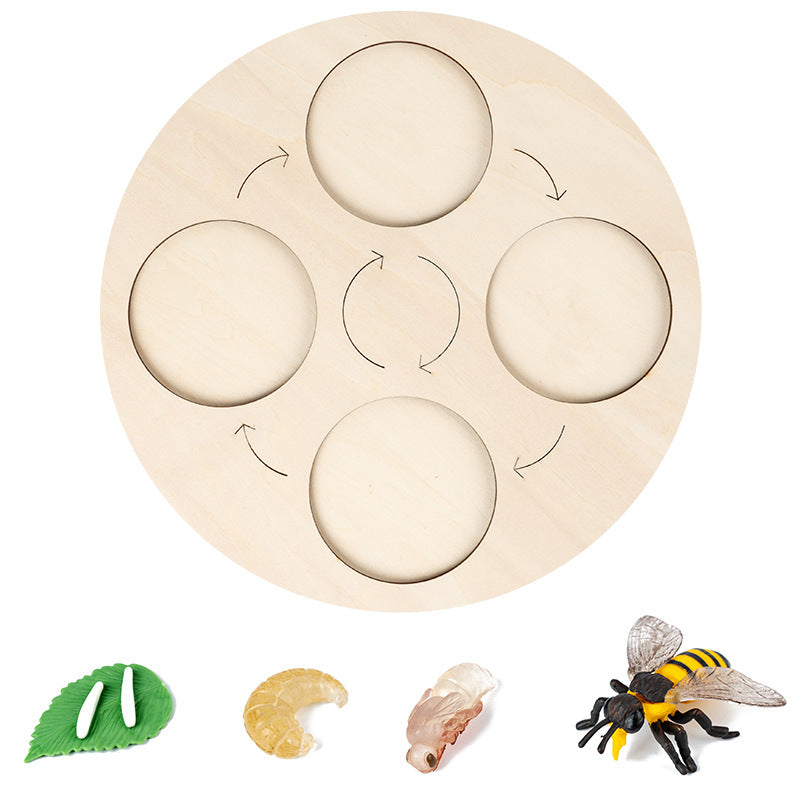
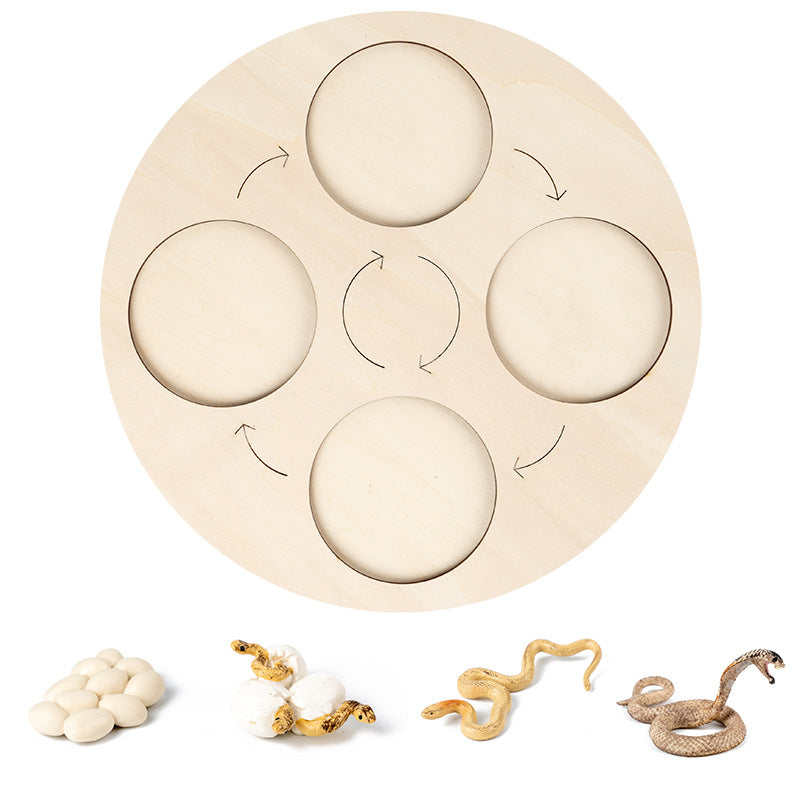
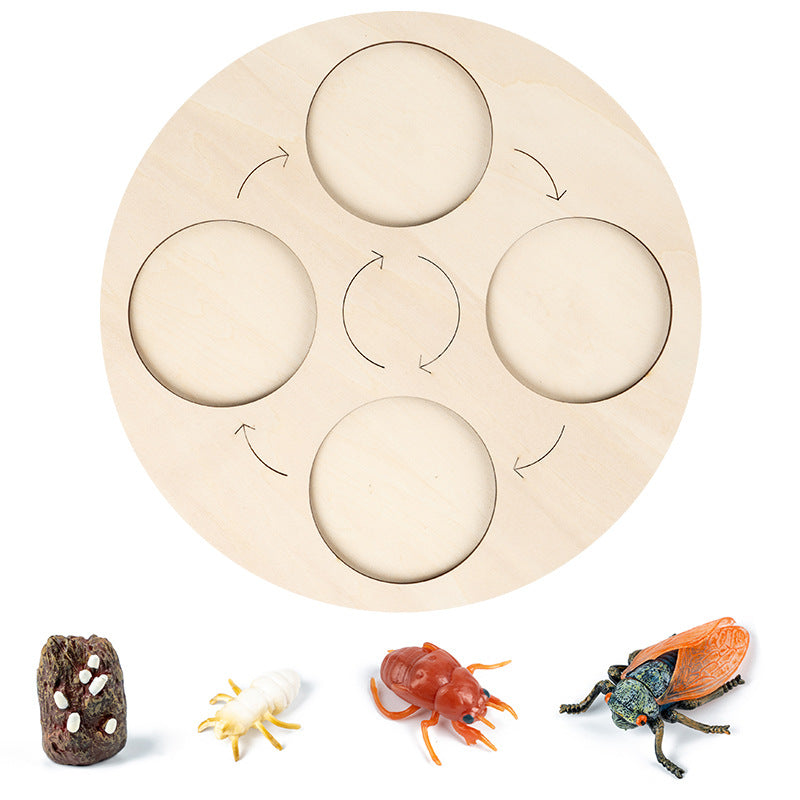
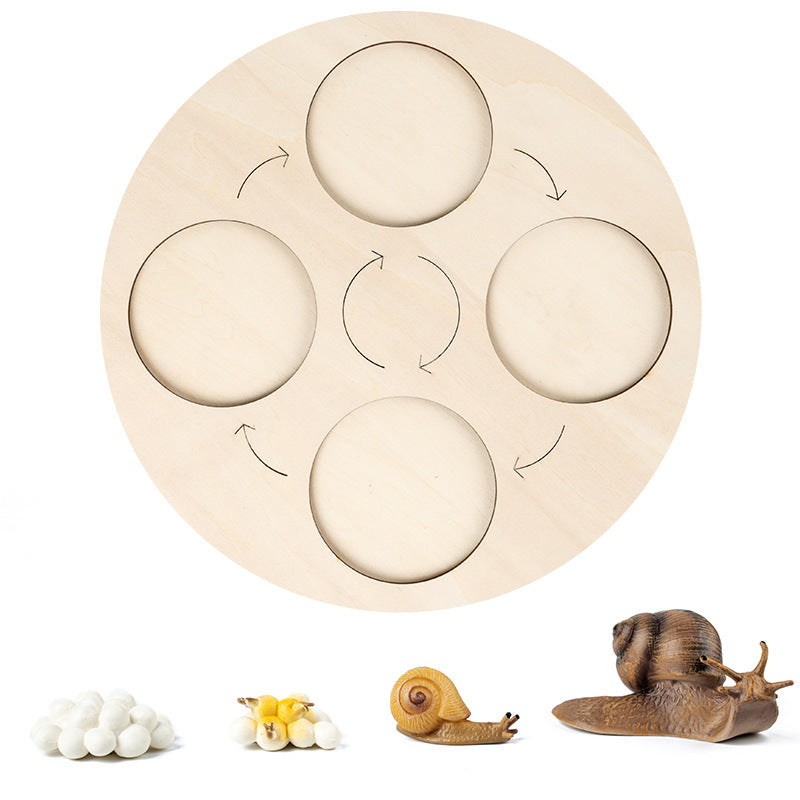
Turn early biology into something children can touch, arrange, and explain. This smooth wooden board makes life-cycle learning a calm, screen-free activity for home, homeschool, and classroom…
Read the full descriptionTurn early biology into something children can touch, arrange, and explain. This smooth wooden board makes life-cycle learning a calm, screen-free activity for home, homeschool, and classroom…
Makes life-cycle learning interactive through hands-on sorting and sequencing.
Replace screen-dependent explanations with a tactile way to arrange, explore, and understand growth stages. Children build complete life cycles with their own hands.

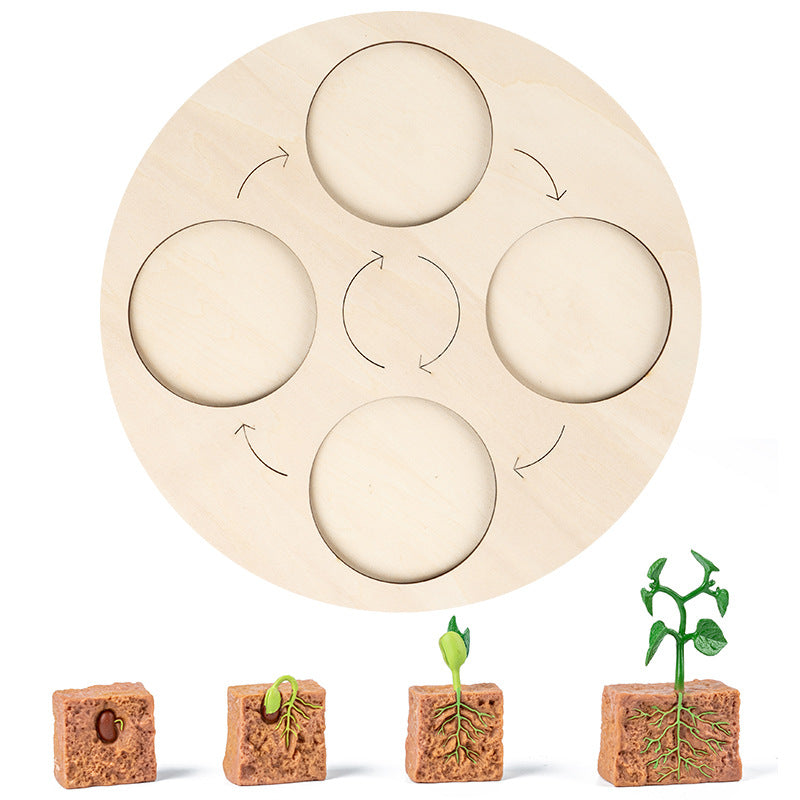
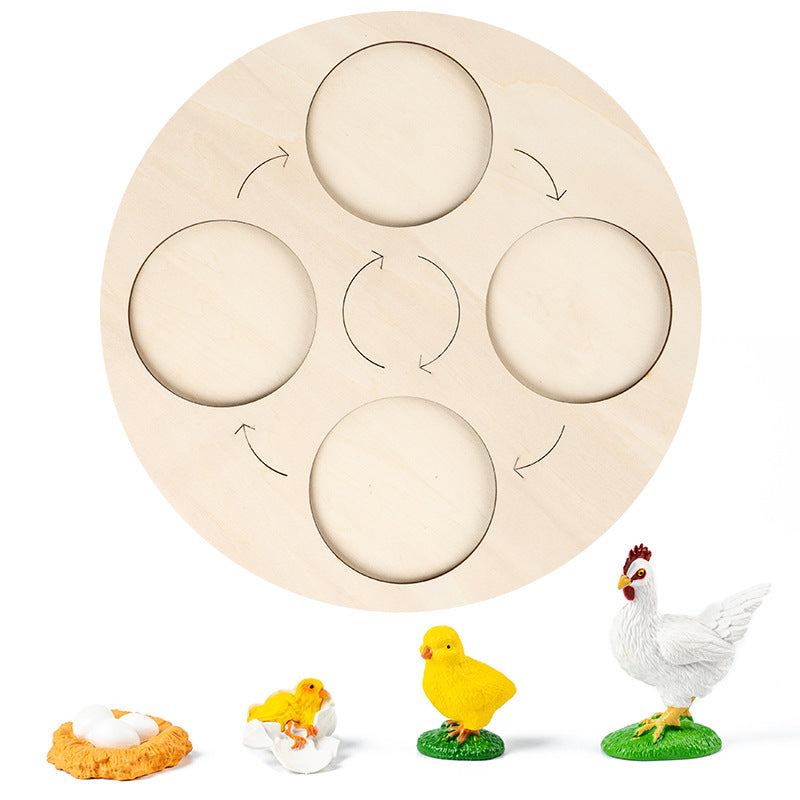
Recessed circular compartments and directional arrows give children a concrete path from one growth stage to the next. The complete circle makes the relationship between stages easy to revisit.

Removable colorful models turn naming and matching into fine-motor practice children can repeat at their own pace. Handling each stage gives abstract science a physical starting point.

A complete circle gives adults a natural prompt to ask what changes, what comes next, and where the cycle begins again. Alternate animal and insect themes keep the conversation open.

Smooth pale wood and fitted compartments create a tidy, screen-free activity for a shelf, table, or classroom learning area. It feels substantial enough for repeat lessons without becoming a noisy distraction.
Place the pieces beside the board. Invite the child to look closely, name what they recognize, and notice how each model differs.
Mix the stages, then let the child follow the directional arrows and test an order. Offer one gentle clue at a time instead of giving the answer.
Trace the completed sequence together. Ask what changed between two stages and what comes next, then leave the board ready for another independent attempt.
Circular board with recessed stage compartments and directional arrows.
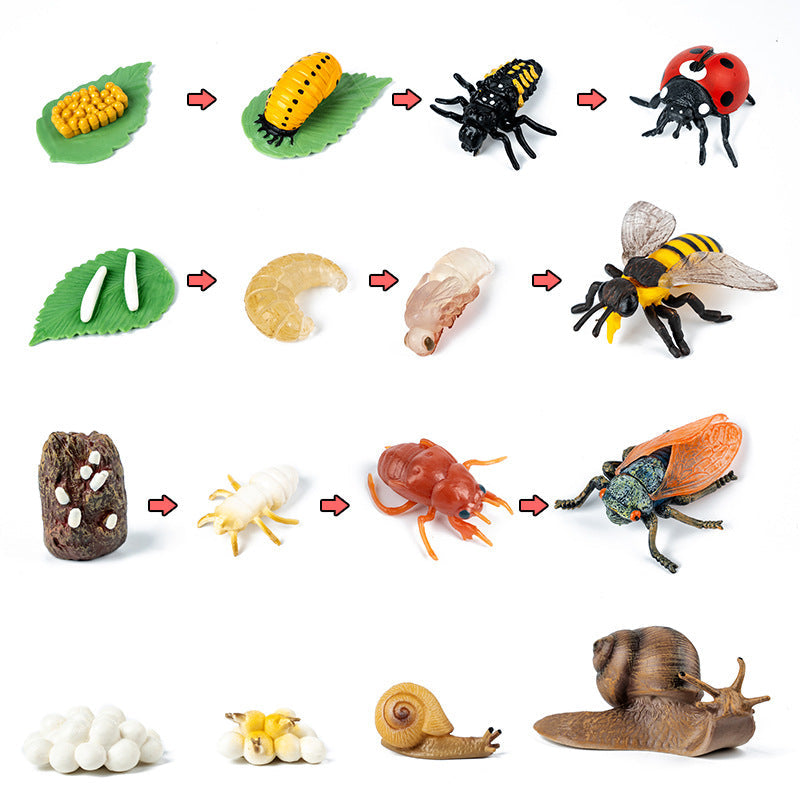
A four-stage set for arranging a complete insect sequence.
Growing Butterfly, Growing Mantis, Growing Frog, Growing Salmon, Growing Turtle, or Growing Ladybug.
Abstract diagrams and screen lessons can make life cycles feel far away. A child may repeat stage names while still wondering what comes first, what changes next, and how the whole process connects.
The board turns separate facts into one visible path. Children place each model into a fitted compartment, follow the arrows, and watch the sequence become a complete circle they can read with their hands.
After a guided lesson, the activity stays useful for independent shelf work, homeschool review, or a fresh conversation about nature. Children can rebuild the circle, notice what changed, and begin explaining growth in their own words.
| Wooden life cycle toy | Worksheet or book | Loose figurines | |
|---|---|---|---|
| Guided stage order | Partial | — | |
| Hands-on sorting | — | ||
| Fitted storage path | — | — | |
| Repeatable independent play | Partial | Partial | |
| Visible circular sequence | Partial | — |
The core set includes one wooden life-cycle board and a four-piece insect life-cycle set. Available styles include Growing Butterfly, Growing Mantis, Growing Frog, Growing Salmon, Growing Turtle, and Growing Ladybug. Check the selected style before ordering because the pictured themes are alternate configurations.
It suits preschool and early-primary children. Younger children can begin with matching and naming, while older children can trace the arrows and explain what changes from one stage to the next.
Children can work toward independent use once they understand the board and arrows. An adult should introduce unfamiliar stages, ask questions, and supervise younger children handling the removable models.
Yes. The calm wooden format works for shelf work, small-group science lessons, parent-child learning, and homeschool review. Each child can place a stage and help retell the complete circle.
Books and videos explain the sequence, while worksheets ask children to record it. This board lets children physically sort, fit, trace, and repeat the stages. That hands-on practice justifies choosing a premium wooden activity over a single-use paper lesson.
Yes. The colorful life-cycle models are removable, so children can mix the pieces, compare shapes, match them to the recessed compartments, and rebuild the sequence.


 Wooden Life Cycle Toy for Hands-On Science Learning