
$59.90
Free delivery · 7–14 days
Pasta and Ravioli Cutter Set, 5 Pieces, Fluted Edges

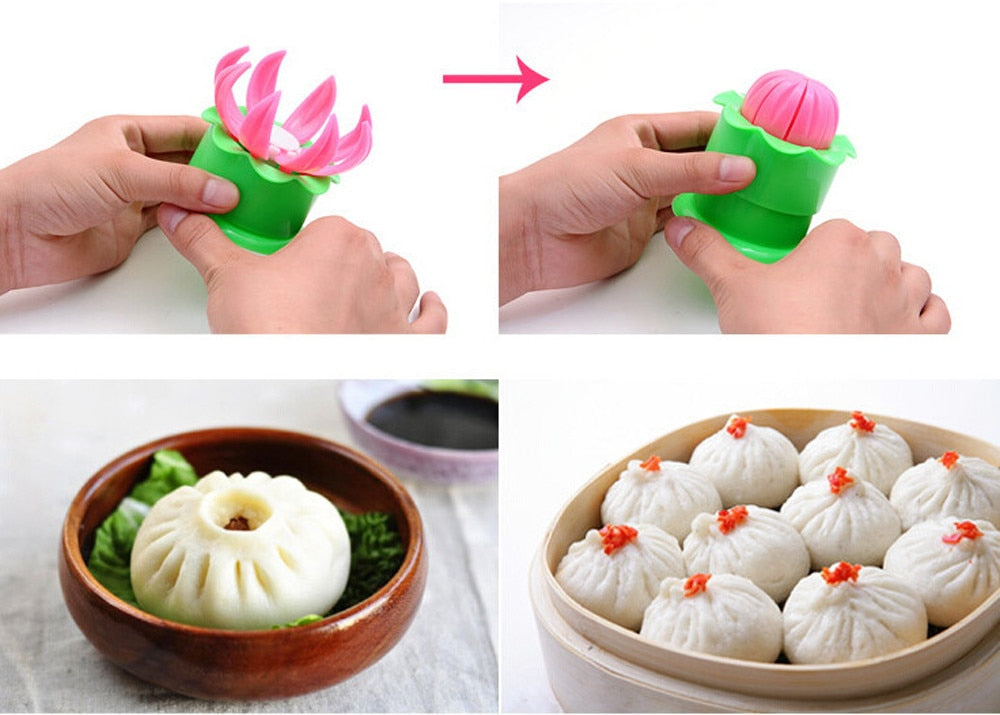


Pleated steamed buns used to mean an hour of fussy folding and uneven results. This lotus-flower mold presses each bun into the same neat pleats and pinched top, so weekend bao and breakfast batches look as good as they taste. Dust the petals, press, close, and lift.
Read the full descriptionPleated steamed buns used to mean an hour of fussy folding and uneven results. This lotus-flower mold presses each bun into the same neat pleats and pinched top, so weekend bao and breakfast batches look as good as they taste. Dust the petals, press, close, and lift.
Shape perfect pleated steamed buns at home in seconds with a lotus-flower mold
Tired of lumpy, uneven buns after every batch of dough? This lotus-flower mold pinches each one into a neat, pleated bun, so your weekend steamer looks like the restaurant bao you crave.

The petal fingers open and close around the dough to form the pleats and the pinched top. The finished bun matches the restaurant-style bao in the photos, and you do not need to learn a folding technique first.

The flat, non-slip foot keeps the mold in place while you press and lift. That leaves one hand free to hold the dough, so the bun does not shift mid-shape and the pleats stay even.
Open the lotus petals and dust them lightly with flour, along with the dough ball. This keeps the dough from tearing when you lift the bun out.
Set a dough ball about the size of the cylindrical well into the mold, then press the petal fingers closed over it. Press gently so the top stays neat.
Open the petals and lift the mold away to reveal the pleated bun. Move it to a steamer tray and repeat with the next ball. Use the bakery tools you already have to roll the dough balls before you start.
Compact enough to sit beside a steamer basket on the counter
It works with the soft, lightly floured dough most baozi recipes use. Dough that is too stiff will not fill the well evenly, and a very wet filling will push the petals open. Use a dough ball about the size of the well and press gently.
The mold is made of PP plastic, a common food-contact material used in everyday kitchen tools. Wash it with warm soapy water and a soft cloth, then let it air dry completely before the next batch.
Yes. The motion is simple: dust, press the dough in, close the petals, lift. Kids can handle the press step while you shape the next bun, and a light dusting of flour keeps small hands from sticking.
Dust the petals and the dough lightly with flour before each press. Sticky dough clings to the plastic and tears the pleats when you lift, so a little flour makes a clear difference on the first batch.
Shaping a full tray takes noticeably less time than pleating each bun by hand, and the shapes stay consistent from batch to batch. One mold replaces the practice you would otherwise need to build, and it costs far less than buying frozen buns every weekend.


 Lotus Dumpling Bun Mold for Pleated Steamed Buns at Home