
$38.90
Free delivery · 7–14 days
Adjustable Baby Carrier for Hands-Free Daily Comfort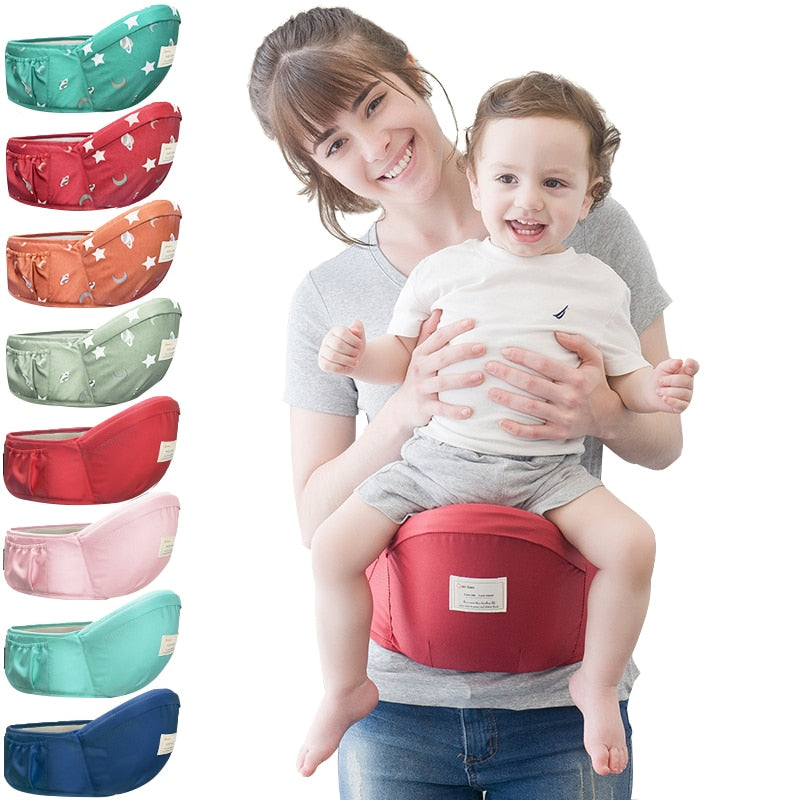
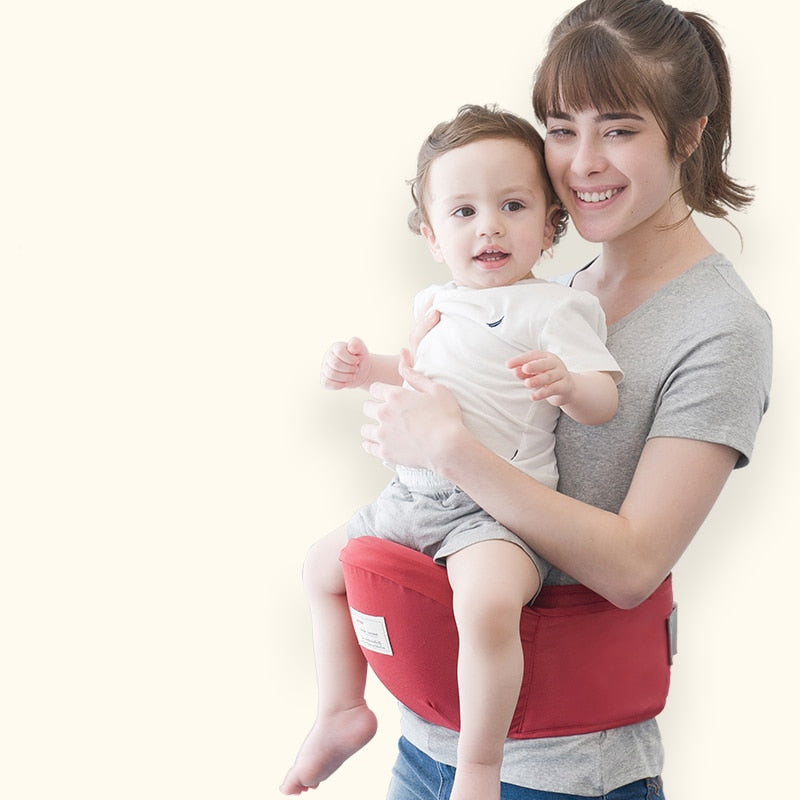
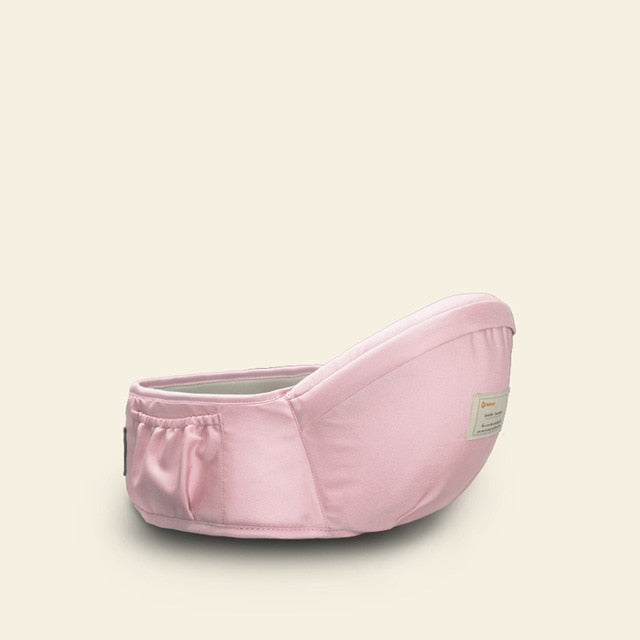
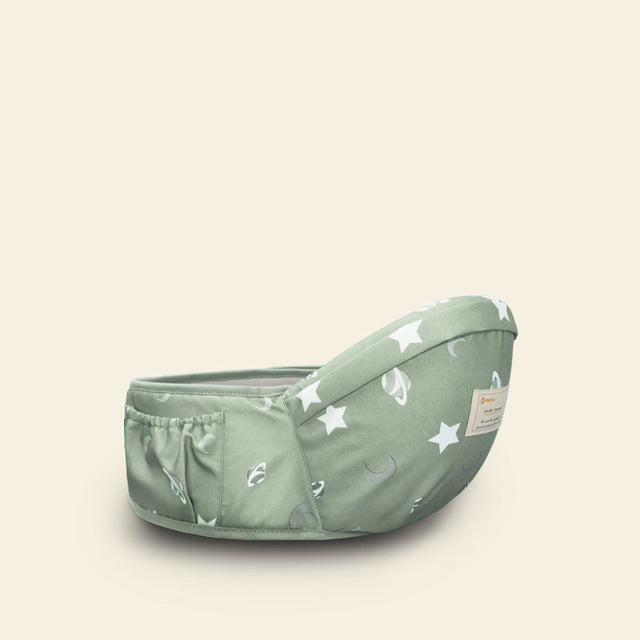
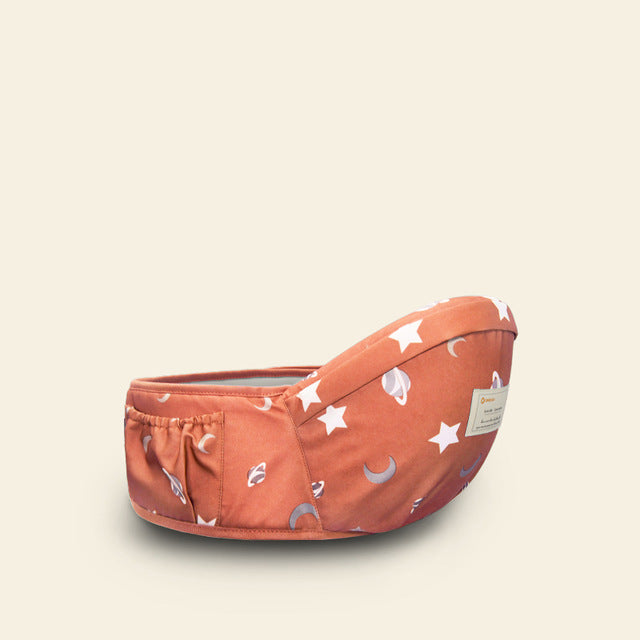
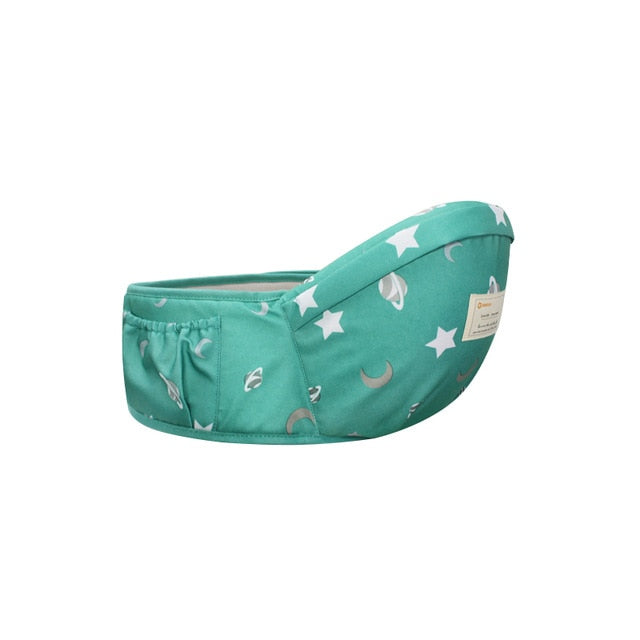
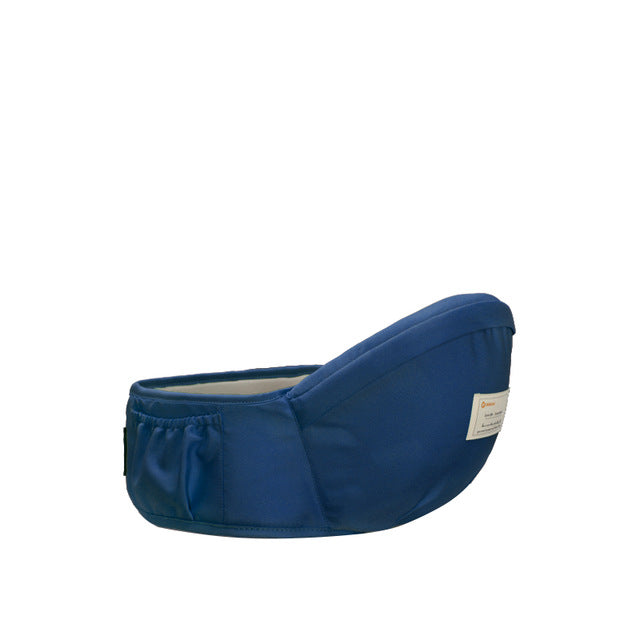
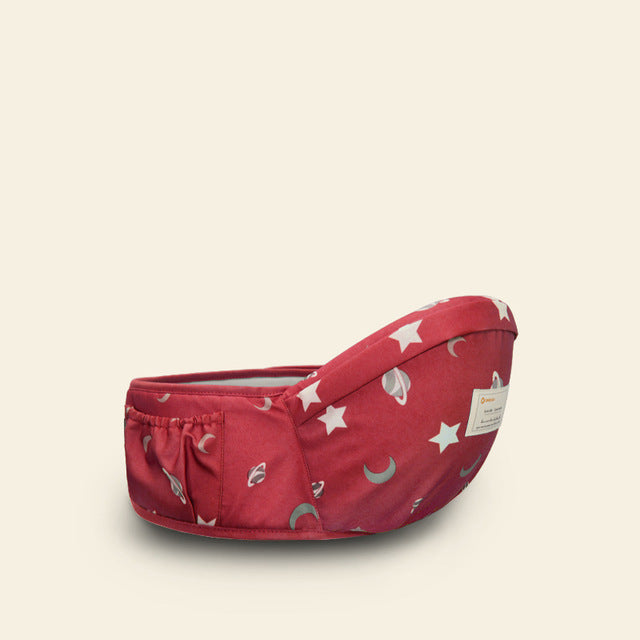
Move through walks, errands, and quick toddler lifts with a more supported waist-level hold. The padded seat, adjustable belt, and zippered pockets keep carrying practical when your child wants up again.
Read the full descriptionMove through walks, errands, and quick toddler lifts with a more supported waist-level hold. The padded seat, adjustable belt, and zippered pockets keep carrying practical when your child wants up again.
Hands-free-feeling toddler carrying support that helps reduce the strain of holding a child on one hip
Turn awkward one-arm carrying into a more supported, upright hold. The padded hip seat helps position your child at your waist while keeping essentials close.

The wide adjustable waistband and padded structured seat position the child at your waist, addressing the uneven feel of one-hip carrying and keeping the caregiver in a more upright stance.

The open hip-seat format suits moments when a child wants up and may want down again soon. It gives you waist-level support without the full setup of a more enclosed carrier.

The front storage pocket and side zipper pocket keep small essentials nearby when both arms are occupied. It pairs naturally with a diaper bag backpack for longer outings.
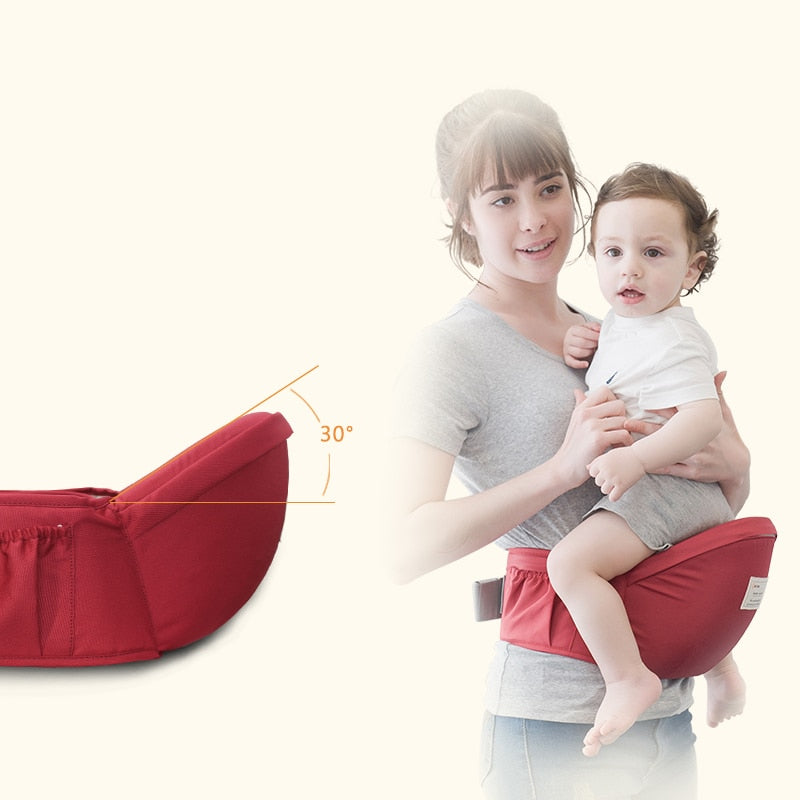
The structured fabric seat, smooth panels, and visible 30-degree angle create a defined sitting surface rather than an improvised arm hold.
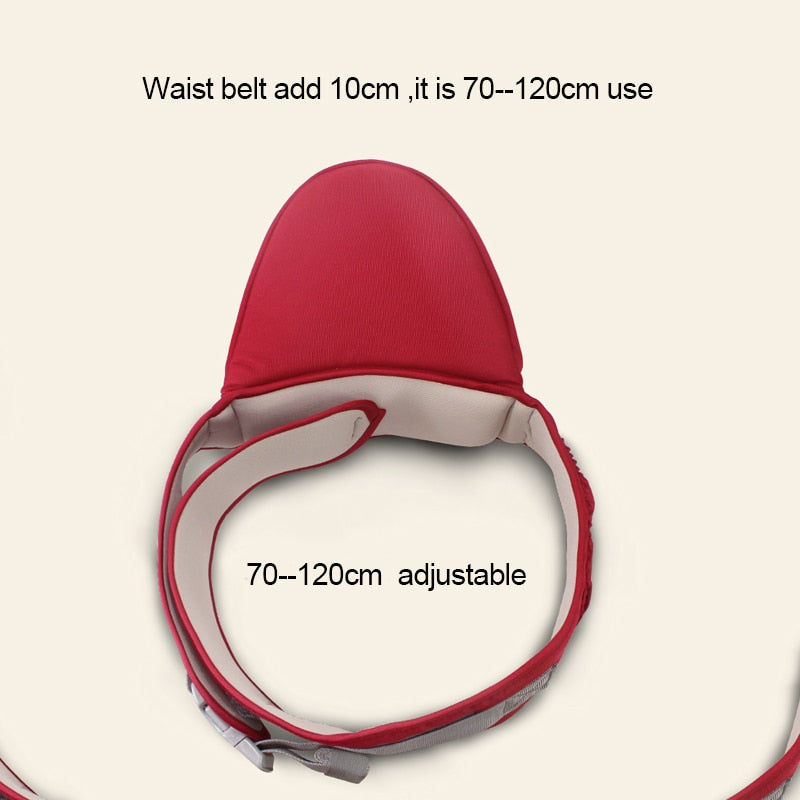
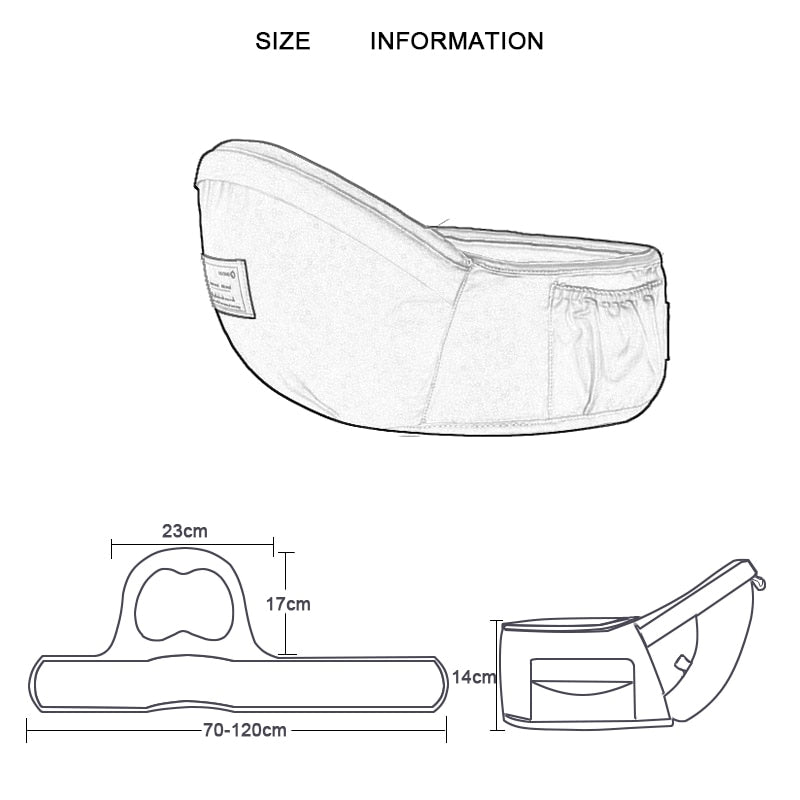
Confirm that your waist falls within the 70-120cm adjustable range, then place the belt around your waist.
Secure the fastening and adjust the belt so the seat stays stable without shifting as you move.
Place the padded seat where your child can sit centered at your waist. Recheck the belt before lifting.
Set your child on the seat according to their developmental stage, keep a hand ready, and pause if your child shifts.
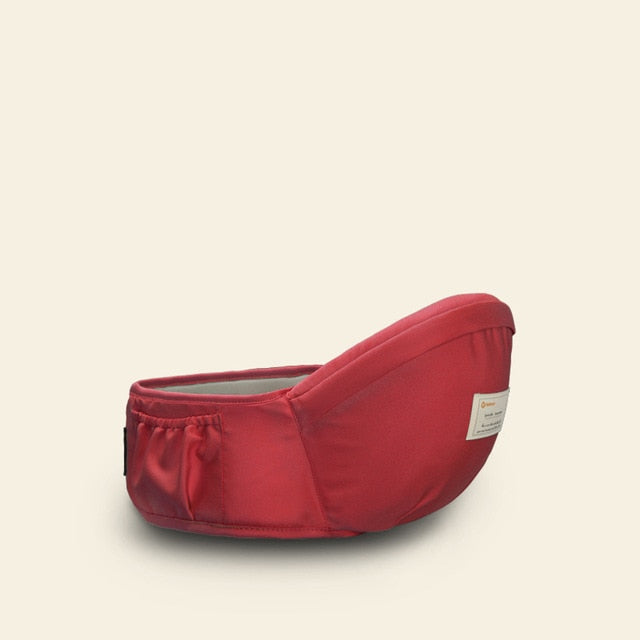
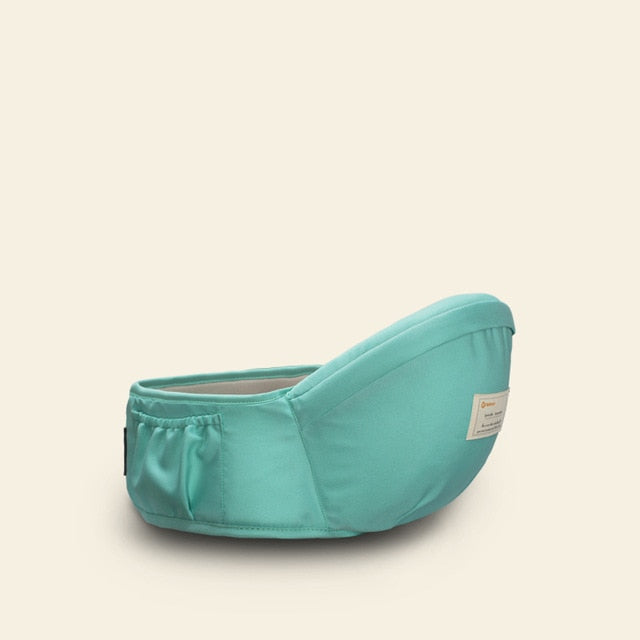
The main waist-mounted carrying seat.
Wide fastening system for a personalized waist fit.
Front storage pocket and side zipper pocket built into the carrier.
Your child asks to be carried just when your shoulder is already tired. Bare-arm carrying leaves the child shifting against one hip, while your free hand disappears into the job of keeping everything steady.
The wide adjustable belt brings the padded seat to your waist and gives your child a defined place to sit. The angled surface keeps the carry position intentional instead of improvised.
Keep small essentials in the front and side zippered pockets, adjust the belt to your waist, and reach for support during walks, shopping, travel, or quick trips between rooms.
Remove keys, snacks, and other small items before cleaning or storing the carrier.
Inspect the adjustable belt and hardware regularly, especially before a busy outing.
Brush away crumbs and debris from the padded sitting surface after use.
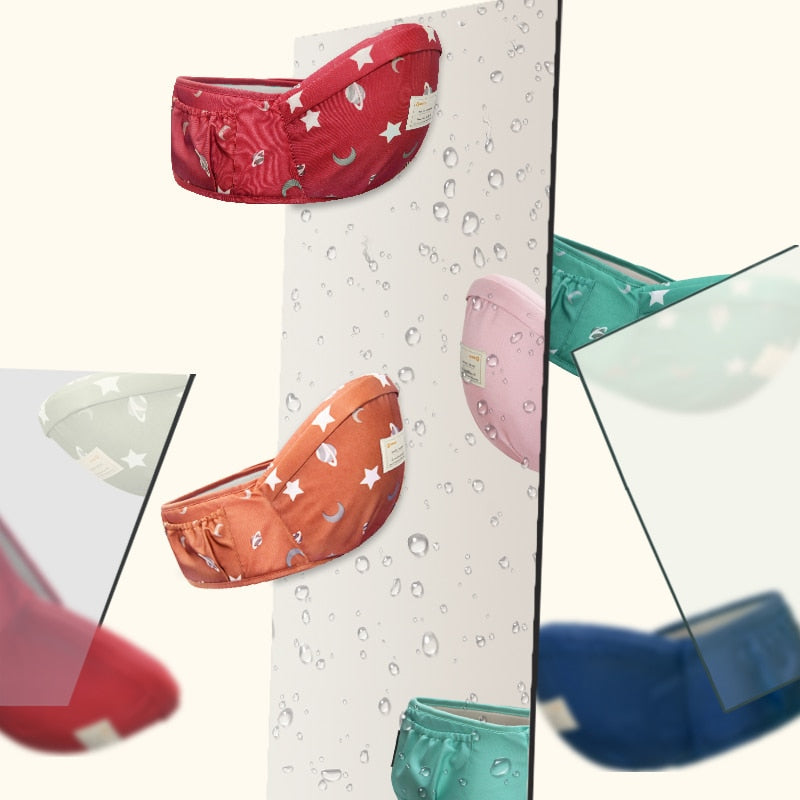
Use the manufacturer's fabric-cleaning instructions to protect the smooth panels and structured padding.
| Hip seat carrier | Bare arms | Full carrier | |
|---|---|---|---|
| Waist-level support | Yes | No | Partial |
| Quick up-and-down access | Yes | Yes | Partial |
| Integrated storage | Yes | No | Varies |
| Defined padded seat | Yes | No | Varies |
| Best for short everyday carries | Yes | Partial | Partial |
It suits infants and toddlers who are developmentally ready for supported seated carrying. Because the product information does not specify a weight limit or exact age range, follow your child's developmental guidance and stop if the seat no longer feels secure or comfortable.
Measure your waist and check that it falls within the 70-120cm adjustable range. Fasten the belt firmly before lifting your child, then recheck that the seat does not shift as you move.
The seat positions your child at the caregiver's waist, but the supplied product details do not define every facing position. Follow your child's developmental needs and keep your child centered, supported, and supervised.
Keep a hand ready and supervise your child throughout use. The open hip-seat format gives waist-level carrying support, but it is not a fully hands-free restraint system.
A wrap or full carrier can suit longer, more enclosed carrying. This hip seat is the practical choice for quick up-and-down moments, waist-level support, and easy access to small essentials.
The padded seat and visible 30-degree angle create a defined sitting surface, while the wide belt distributes support at the waist. Comfort depends on fit, your child's position, and how long you carry, so pause and adjust whenever either of you feels uncomfortable.


 Baby Hip Seat Carrier for Easier Toddler Carrying