
$42.90
Free delivery · 7–14 days
LED Side Marker Lights for BMW — Sequential Amber Flash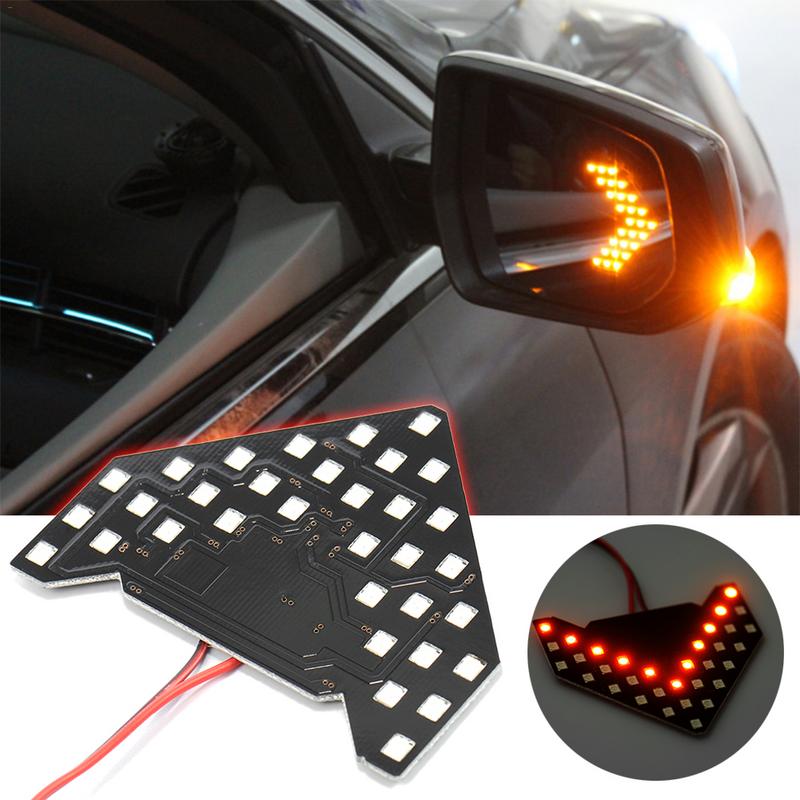
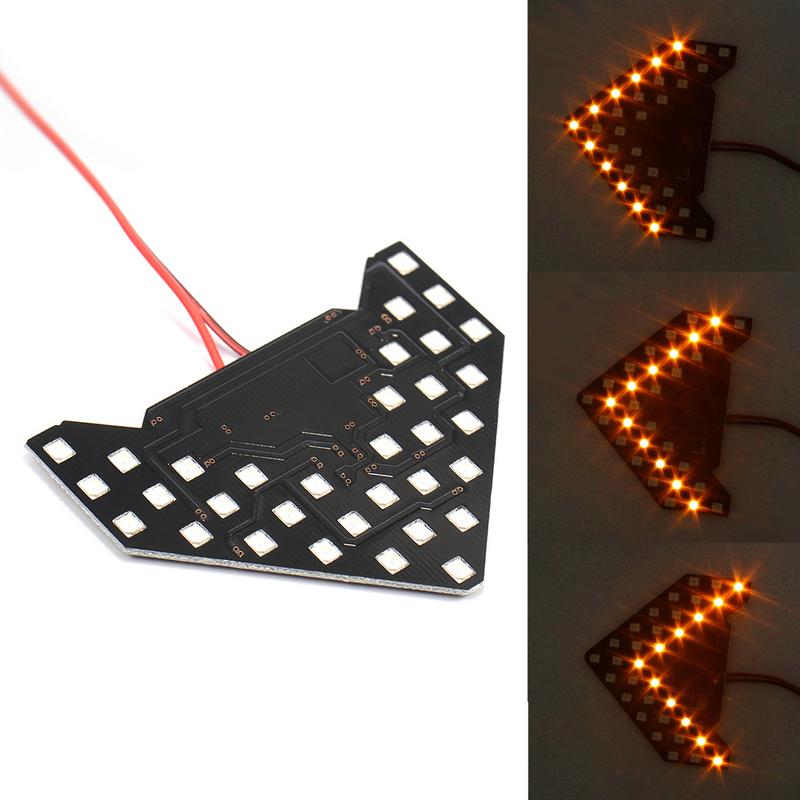
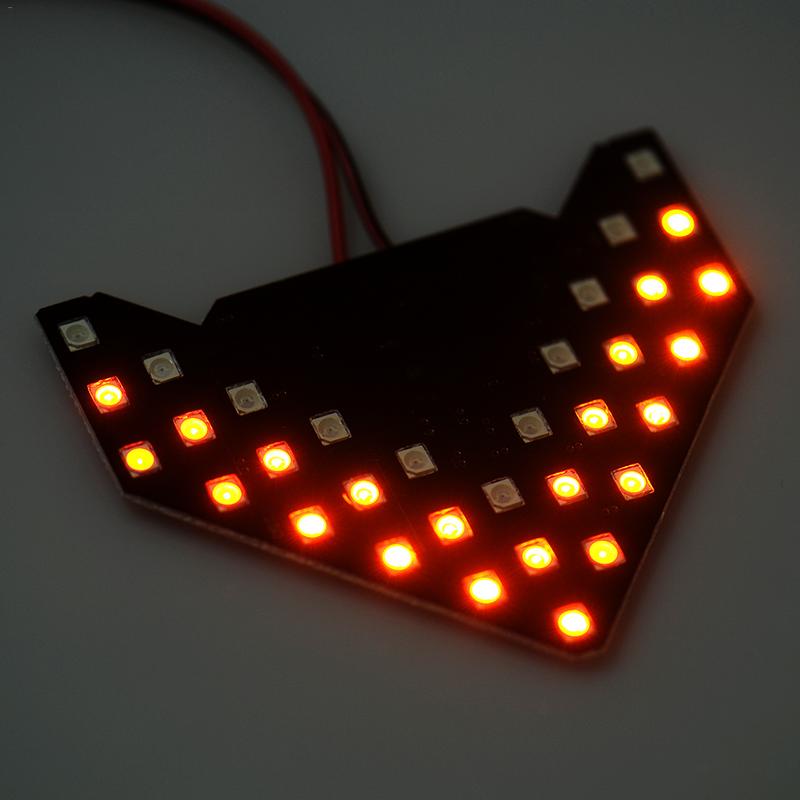
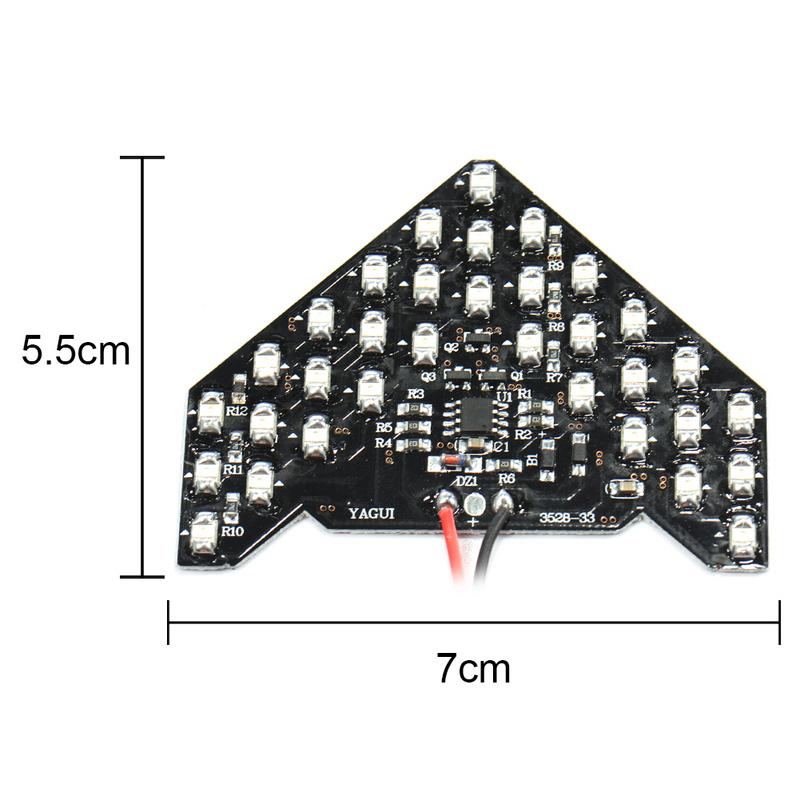
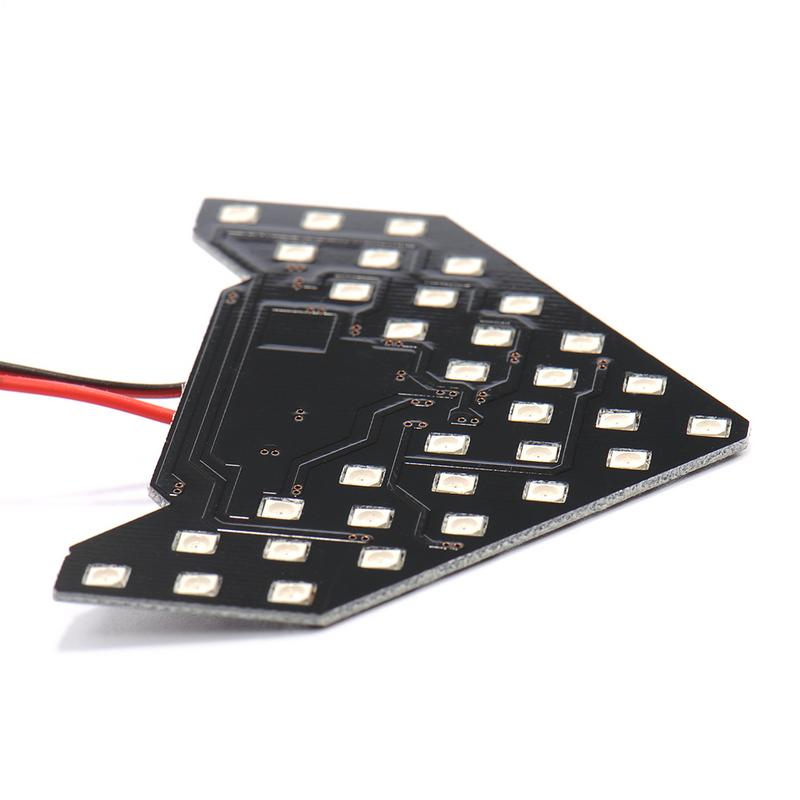
Upgrade your side mirrors with a dynamic amber sequential arrow. This 33‑SMD LED board transforms dim factory blinkers into a bright, flowing turn signal that dramatically improves visibility and…
Read the full descriptionUpgrade your side mirrors with a dynamic amber sequential arrow. This 33‑SMD LED board transforms dim factory blinkers into a bright, flowing turn signal that dramatically improves visibility and…
Dynamic sequential arrow turn signals that make your vehicle impossible to miss
Transform standard, forgettable blinkers into a flowing amber light show that grabs attention, elevates safety, and adds an aggressive, modern edge to any car.

Thirty‑three surface‑mount diodes fire at once. The result is a hot‑amber wall of light that cuts through rain, fog, and direct sun. Stock bulbs can’t compete—you get at least double the visibility.

The light doesn’t just blink—it scans. An amber chevron flows from inside to outside, pointing exactly where you’re headed. It’s the same tech you see on Audi and Mustang; now it fits your mirrors.

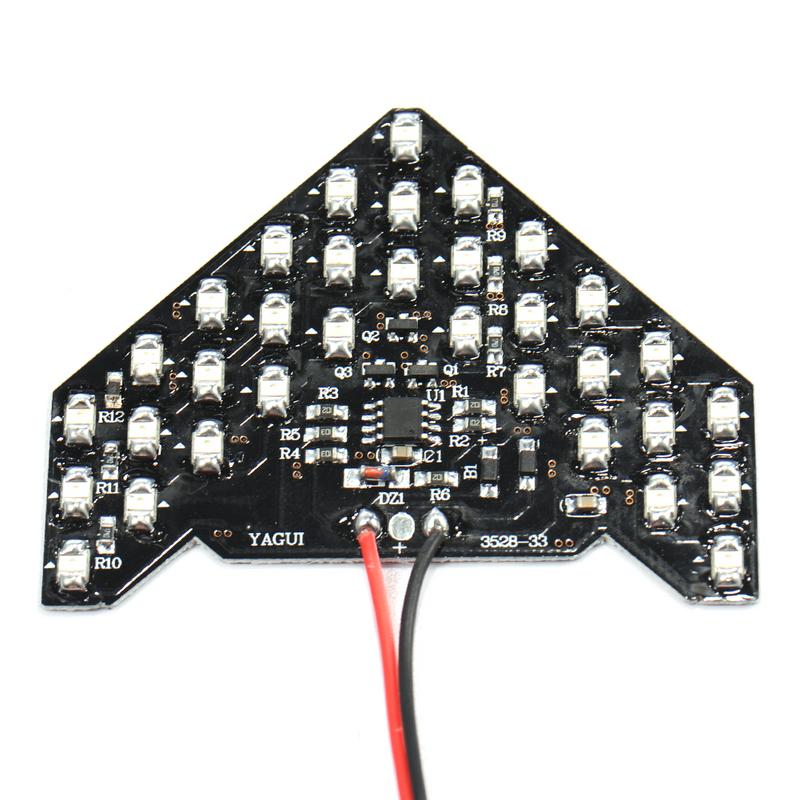
Red to positive, black to ground. Splice into your existing mirror signal wires, tuck the board behind the lens, and you’re done. No relays, no resistors—the board handles everything cleanly.
Tilt the mirror glass downward, slide a plastic trim tool behind it, and release the clips. Remove the factory lens or bulb.
Identify the two wires feeding your existing mirror turn signal. Usually a positive (colored) and ground (black).
Strip a small section, then crimp red to positive, black to ground. Insulate with heat‑shrink or electrical tape.
Turn on the ignition and hit the signal. The arrow should scan. If it’s reversed, swap the wires. Then tuck the board behind the lens and snap the mirror back.
With integrated driver IC
Make wiring reliable
Stock turn signals are an afterthought. A dim, amber bulb that barely cuts through traffic noise. Drivers behind you squint. Lane‑change intentions get lost. It’s not just outdated—it’s a safety gap.

The first time you flick the stalk, the mirror flashes a flowing amber chevron. Drivers react sooner. Lanes part. And your car looks like it rolled off a tuner lot. This is what turn signals were always meant to be.
| This Arrow Board | Stock Amber Bulb | Generic LED Board | |
|---|---|---|---|
| Brightness | 2× + brighter | Dim | Moderate |
| Pattern | Sequential scan | Simple blink | Simple blink |
| LED count | 33 SMD | 1 filament | 6–12 SMD |
| Visibility angle | Wide, arrow‑directed | Narrow | Moderate |
| Install complexity | 2‑wire splice | Bulb swap | 2‑wire splice |
| Style upgrade | Aggressive modern | Dated amber | Subtle |
| Longevity | 50,000+ hours | 500–1,000 hours | 30,000 hours |
The boards are universal and measure roughly 45 mm × 28 mm. They fit inside most side-mirror housings. If you can open your mirror and there’s space behind the lens, they’ll work. Check your mirror cavity depth before ordering.
Very easy. The board has two wires: red for positive, black for ground. Splice into your existing mirror turn-signal wires using the included crimp connectors (or solder for a permanent connection). No external resistors—the board works on 12 V.
Cheap boards use 6–12 LEDs and a simple blink. This one packs 33 SMDs with a microcontroller that drives the sequential arrow pattern. The PCB is labeled and uses quality components—open it up, it’s a good build.
Side by side, a stock amber bulb looks dim. The 33‑SMD array projects a focused, saturated amber beam that remains visible even in direct afternoon sun. It’s a genuine safety upgrade, not just a style mod.
You’re paying for the sequential controller and dense LED count. A generic blink‑only board costs less, but it doesn’t produce the flowing arrow effect or the same light output. Over the life of your car, the cost per drive is fractions of a cent.
These boards draw low current, so your car’s flasher relay may think a bulb is out and hyper‑flash. If that happens, swap your relay to an LED‑compatible one (a $5–10 part). Many newer vehicles have CAN‑bus that can handle it without a change.


 Sequential LED Mirror Turn Signals — Flowing Amber Arrow