$34.90
Free delivery · 7–14 days
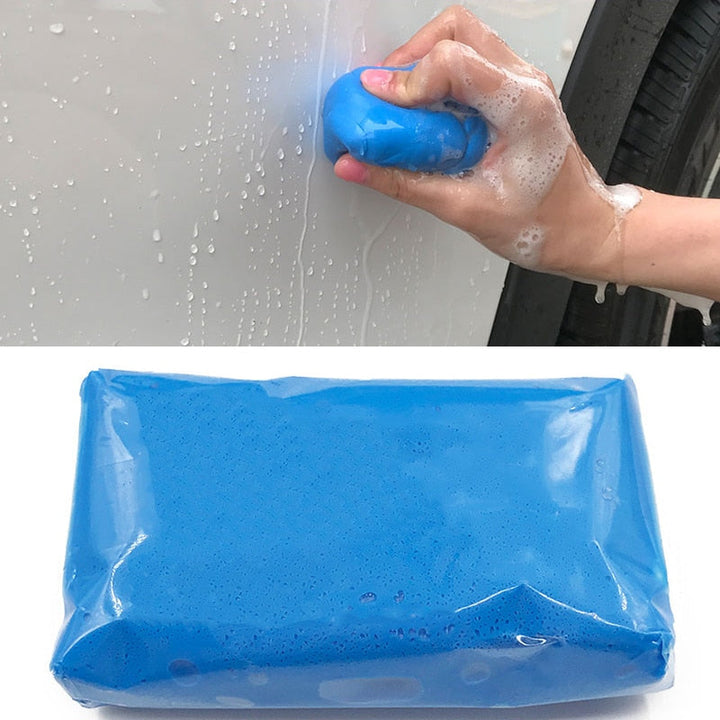
Car Detailing Clay Bar — Removes Tar & Overspray, Scratch-Free
Gap brushes and detail brushes help clean narrow spaces that larger wash mitts and wheel brushes cannot reach. Use them for wheel lug holes, caliper areas, grille slots, emblems, trim seams, door jambs and other hard-to-reach crevices, while choosing a separate product when the task involves paint repair, headlight restoration or dent removal.
Start with the space you need to clean. A slim brush suits grille slots, badges, window channels and trim seams, while a longer or angled brush is easier to control around wheel spokes and behind calipers. Check the brush length, handle shape and bristle stiffness before buying. Soft bristles are a safer choice for painted trim, piano-black panels and delicate wheel finishes; firmer bristles can help with rubber mats, textured plastic and stubborn dirt in less sensitive areas. For wheels, look for a handle that keeps your fingers away from brake dust and a brush head narrow enough to enter lug holes without forcing it. A gap brush is for agitation and reach, not for polishing scratches or restoring cloudy headlights.
Different brush designs suit different detailing jobs. A small soft detailing brush works well around emblems, buttons, vents and interior trim. A long wheel detail brush reaches between spokes, around lug nuts and into recessed rim sections. A narrow bottle-style brush can clean channels and seams, while an angled head can improve visibility in tight spaces. Choose dedicated brushes for exterior wheels and interior surfaces rather than moving a dirty wheel brush into the cabin. Natural or synthetic bristles may both be suitable, but the important factors are softness, shape, chemical resistance and whether the bristles shed. A drill brush is a powered scrubber, not a direct replacement for a precise hand brush.
Inspect the brush construction before adding it to your detailing kit. Bristles should be securely attached, evenly distributed and free from sharp wire ends unless the product specifically states that metal bristles are suitable for the intended surface. A rubberized or smooth handle is easier to grip with wet hands, and a flexible shaft can follow curved wheel areas without excessive pressure. Consider how the brush will be rinsed and dried after use; trapped grit can scratch the next surface you clean. For wheels, pair the brush with a wheel-safe cleaner and rinse frequently. If your goal is paint touch-up, scratch removal, headlamp restoration or dent repair, choose the matching treatment product instead of expecting a gap brush to perform that job.
Rinse loose grit away first so the brush does not drag abrasive dirt across the surface. Apply the appropriate cleaner, allow it to dwell according to its instructions, then work the brush with short, controlled strokes. Begin with light pressure and use repeated passes rather than forcing the bristles into a narrow gap. On wheels, clean from the upper areas downward and rinse the brush often. Around badges, grille openings and trim, use a softer brush and a separate microfiber towel to remove loosened residue. Check hidden areas with a light, then rinse and dry thoroughly. Do not use the same brush on brake components, wheels and interior trim without washing it carefully, because transferred grit and cleaner can damage sensitive surfaces.
Drill scrubbers can save time on large, heavily soiled areas such as rubber floor mats, textured plastic and some unpainted surfaces. They are less suitable for delicate paint, clear-coated trim, soft plastics, polished wheels or narrow spaces where the rotating head can catch an edge. Use low speed, light pressure and a compatible brush attachment, and test in an inconspicuous area first. A hand-held gap brush offers better control around wheel spokes, emblems, seals and grille slots. If you use a drill brush, keep the tool moving and avoid prolonged scrubbing in one spot. For most precision detailing, a small hand brush is easier to control and less likely to spread cleaner or fling dirty water.
Gap brushes suit drivers who wash their own cars, detailers maintaining wheel and trim finishes, and anyone frustrated by dirt collecting in narrow seams. They are especially useful for vehicles with multi-spoke wheels, open grilles, textured exterior trim or many badges. A basic kit can include a soft small brush for trim and a longer wheel brush for recessed areas. Keep separate tools for interior and exterior cleaning, label them if necessary, and wash them after each use. This category is not a substitute for products designed for a different repair: a headlamp restoration kit or fluid addresses cloudy headlights, a scratch repair pen or liquid addresses selected paint touch-ups, and a dent removal kit addresses suitable dent-repair work.
A gap brush is used to agitate dirt in narrow spaces that towels, mitts and large brushes cannot reach. Common uses include wheel lug holes, grille slots, trim seams, emblems, door jambs, vents and the spaces around calipers. Choose bristle softness according to the surface.
There is no single best brush for every detailing task. A soft small brush is a versatile choice for trim and crevices, while a longer wheel brush is better for reaching behind spokes and into recessed rim areas. For delicate finishes, prioritize soft, secure bristles and controlled handling.
Rinse away loose grit, apply a suitable cleaner and allow it to work as directed. Agitate with a narrow brush using light, short strokes, rinse the brush frequently and wipe away loosened residue with a clean microfiber towel. Use separate brushes for wheels and interior surfaces to avoid transferring abrasive dirt.
They can be useful for quickly cleaning durable, textured surfaces such as rubber mats and some unpainted plastics. They are less appropriate for delicate paint, polished wheels, soft trim and tight areas where rotation can cause catching or excessive abrasion. A hand gap brush usually provides better control for precision wheel and crevice cleaning.
Only if the attachment uses a shank or connection that fits the drill's chuck or tool system. Check the attachment instructions and the drill's chuck capacity before use, and secure the brush firmly. Start at low speed and test the brush on a hidden area before cleaning a visible surface.
Availability can change by store, website and time, so check the retailer's current listings directly. When comparing any drill brush, verify the attachment size, bristle stiffness, intended surfaces and compatibility with your drill. A drill brush is separate from a manual gap brush and should be selected for the specific cleaning task.