
$36.90
Free delivery · 7–14 days
2PCS T10 LED Parking Light Bulbs — Canbus No Error 194 W5W


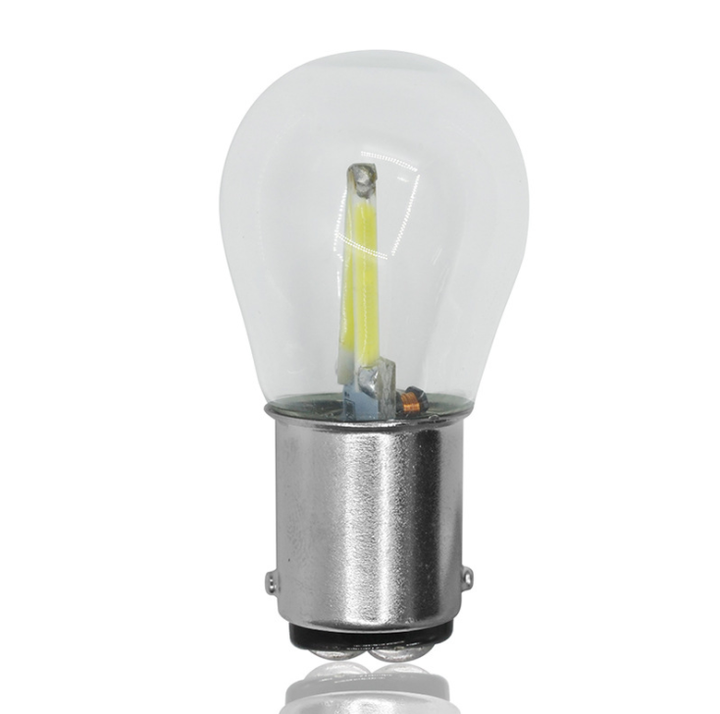
Find replacement brake light bulbs for common 12V vehicle sockets, including 1157 and BAY15D-style applications. This category also includes tail, parking, fog, festoon, and T10 LED options, so check your vehicle’s bulb number, socket, polarity, and available space before ordering.
Start by checking the old bulb, owner’s manual, or vehicle fitment guide for the exact bulb number. Many combined brake-and-tail lamps use a dual-filament 1157 or BAY15D bulb, while some vehicles use a single-contact 1156-style bulb or a different socket entirely. Match the base and pin layout, not just the bulb shape. For LED brake light bulbs, confirm that the replacement is designed for 12V automotive use and fits inside the lamp housing. If your vehicle shows a brake light on the dash after installation, check the bulb seating, polarity, wiring, and whether a Canbus-compatible option is needed. When uncertain, remove the old bulb and compare its markings and base before purchasing.
LED brake light bulbs are a popular replacement for conventional incandescent bulbs because they switch on immediately and can provide a brighter-looking signal when properly matched to the lamp housing. Options in this category include LED tail light bulbs and 22SMD LED replacement bulbs for brake and signal applications. Standard-style replacements may be preferable when you want to retain the original bulb design or avoid compatibility checks. LEDs can require correct polarity, adequate clearance, and suitable flasher or vehicle electronics. A bulb advertised for parking lights, fog lights, dome lights, or T10 use should not be assumed to fit a brake socket. Confirm the application and socket before choosing a brake light bulb LED replacement.
For an 1157 or BAY15D brake light replacement, inspect three details: the number of contacts, the base style, and the offset of the locating pins. These bulbs commonly support separate low-intensity tail-light and higher-intensity brake-light functions, so a single-contact bulb is not an equivalent substitute. Compare the old bulb’s markings with the product listing and verify that the LED replacement provides the same dual-function operation. Check dimensions as well, especially if the lamp has a narrow reflector or protective cover. A 1156 LED filament bulb is intended for a different single-contact application in many vehicles, so do not select it solely because it resembles an 1157. Vehicle-specific fitment remains the final check.
Park safely, switch off the vehicle, and allow the lamp to cool before removing the lens or bulb holder. Access methods vary: some housings open from inside the trunk or hatch, while others require removing screws or the complete lamp assembly. Remove the old bulb without forcing the socket, then compare the replacement base and contacts. Install the bulb firmly, observing polarity if it is an LED, and reinstall the holder and lens. Test the tail-light, brake-light, and turn-signal functions with another person or a safe reflection. If an LED does not illuminate, remove it, rotate it if the design allows, and reinstall it. Do not drive until the brake light works correctly.
A frequent mistake is ordering by appearance instead of matching the bulb number and socket. Buyers may also confuse T10 or W5W parking bulbs with brake bulbs, or choose a festoon dome bulb, fog bulb, or H3/H1 option for a brake-light housing. Installing a single-function 1156 bulb where a dual-function 1157 or BAY15D bulb is required can eliminate the tail-light or brake-light function. Other issues include reversed LED polarity, loose contacts, insufficient clearance, and installing a bulb that is too bright or poorly focused for the reflector. If the brake light on the dash remains illuminated, inspect the complete lighting circuit and consult a qualified technician when the problem is not limited to the bulb.
These products suit vehicle owners replacing worn or failed bulbs in compatible brake, tail, signal, parking, fog, dome, and interior-light sockets. Choose the LED tail light or 22SMD brake-and-signal option when the listing matches your socket and you want an LED-style replacement. T10 and W5W products are better suited to compatible parking or marker applications, while festoon bulbs are for vehicles with festoon-style interior or license-plate sockets. The 1156 LED filament bulb is intended for compatible single-contact sockets, not automatically for every brake lamp. Shoppers comparing brake light bulbs at an auto parts store, retailer, or online can use the same checks: bulb number, base, voltage, dimensions, polarity, and vehicle fitment.
The required bulb depends on your vehicle and lamp socket. Common types include dual-function 1157 or BAY15D bulbs, but some vehicles use 1156 or other bulb numbers. Check the old bulb, owner’s manual, or a vehicle fitment guide before ordering.
Use the exact bulb number specified for your vehicle rather than choosing by shape alone. Confirm the base, contact layout, dimensions, and whether the lamp needs separate tail-light and brake-light functions. An LED replacement must also be compatible with the vehicle’s electrical system.
They are often combined in one dual-function bulb, such as an 1157 or BAY15D, but not always. Some vehicles use separate bulbs or different lamp assemblies. Check the vehicle manual or existing bulb to determine the correct replacement.
Some auto parts stores may offer bulb installation, but availability depends on the location, vehicle, access difficulty, and store policy. Call ahead and ask whether they install the specific brake light bulb for your vehicle. Complex lamp removal may require a repair shop.
The total cost depends on the bulb type, the number of bulbs, and whether you install it yourself or pay for labor. A straightforward replacement usually involves the bulb price plus any applicable service charge, while difficult-to-access lamp housings can cost more. Compare the exact bulb and installation requirements for your vehicle.
Some parts stores provide installation for selected bulbs and vehicles, but the service is not universal. Ask the specific location before visiting and provide your vehicle details. If access requires removing the lamp assembly or other body parts, a professional repair facility may be more suitable.