Natural Dog Paw Balm & Moisturizer for Paw Protection
39 items


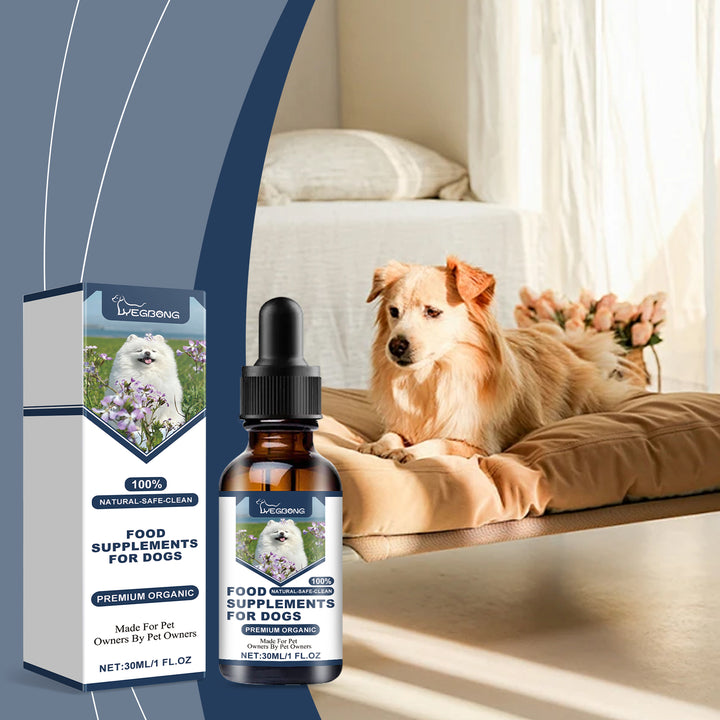
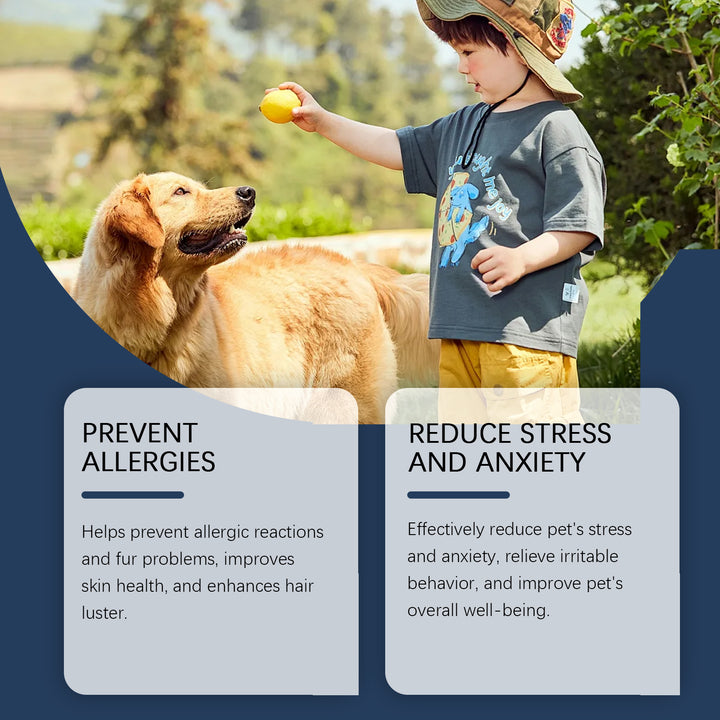
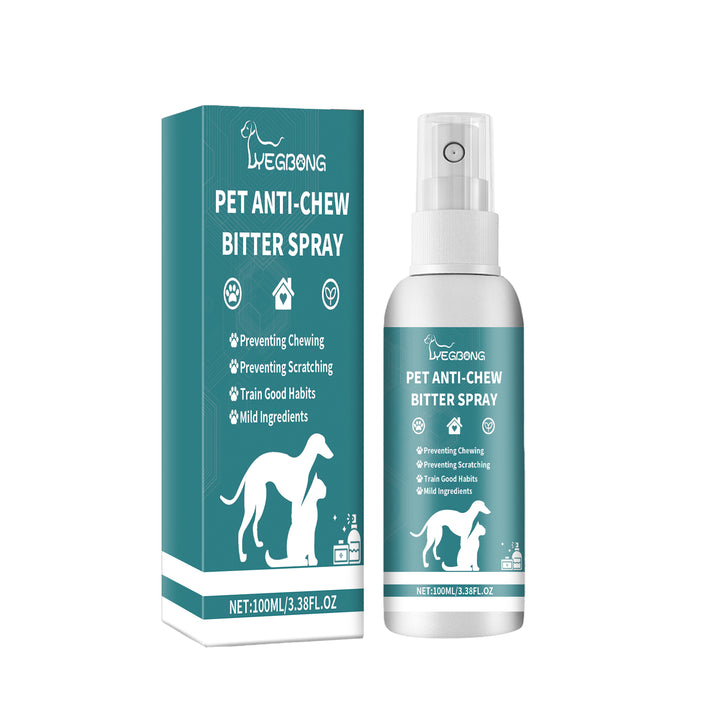
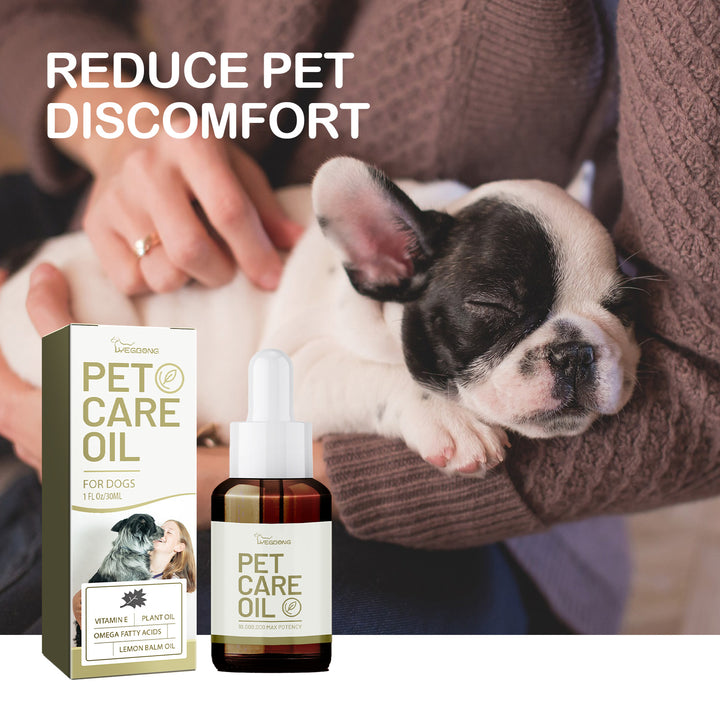

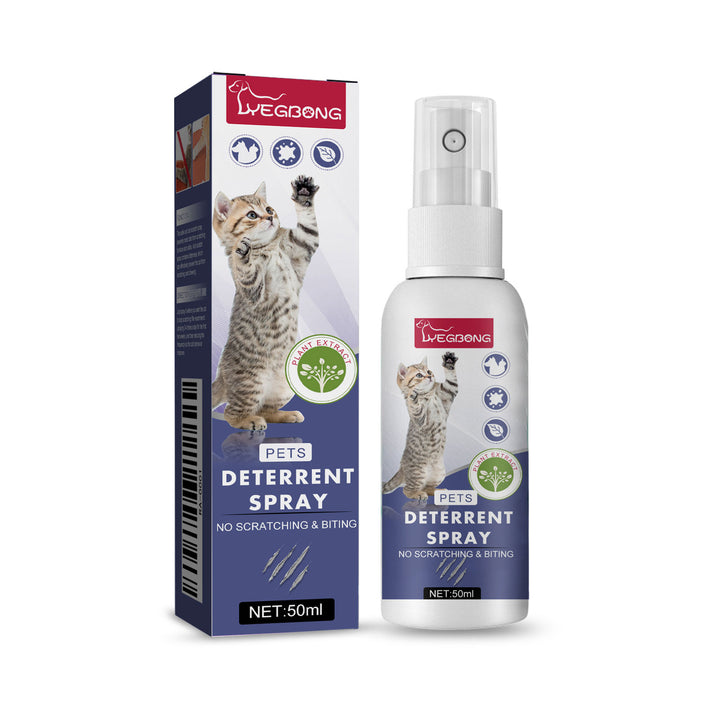
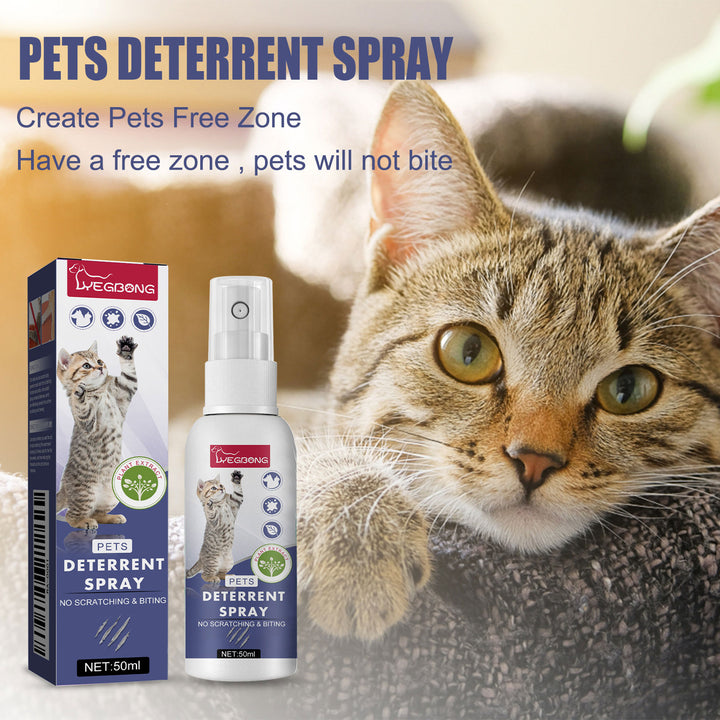
Support everyday pet paw care with products designed for dry, rough, or weather-exposed paw pads. This guide explains how to compare paw balms and balm sticks, build a simple routine, and recognize when home grooming is not enough.
How to choose a moisturizer for dry dog paws
Start with the condition of your dog’s paw pads and how often you need to apply product. A pet paw balm in a jar suits routine grooming when you want to scoop out a small amount and massage it over each pad. A paw balm stick offers more controlled application and can be convenient for dogs that dislike having product spread with your fingers. Look for a formula made specifically for pets, with clear directions and a texture that is easy to apply in a thin layer. If your dog licks its paws, allow the balm to absorb before walks and supervise after application. For dry dog paws home remedies, avoid using kitchen ingredients without checking that they are appropriate for your pet.
Pet paw balm vs balm stick: which type is better?
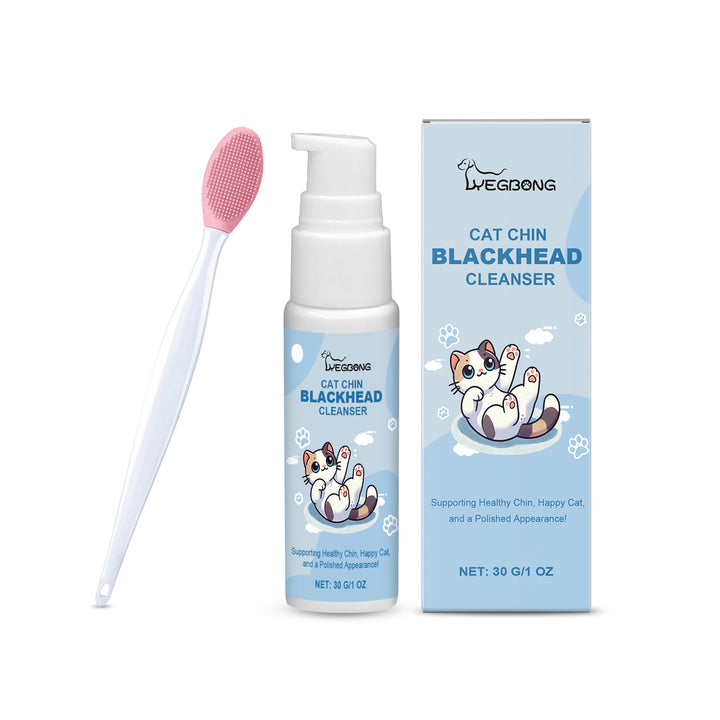
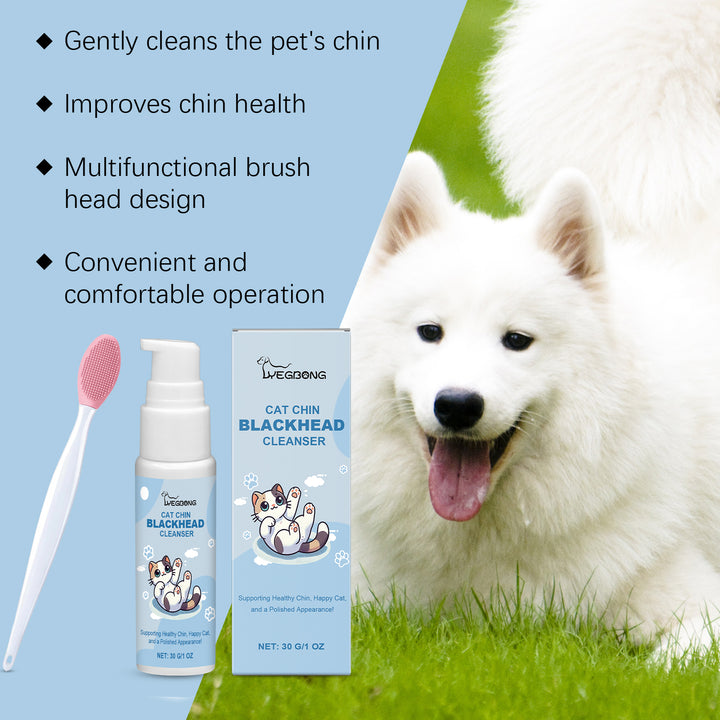
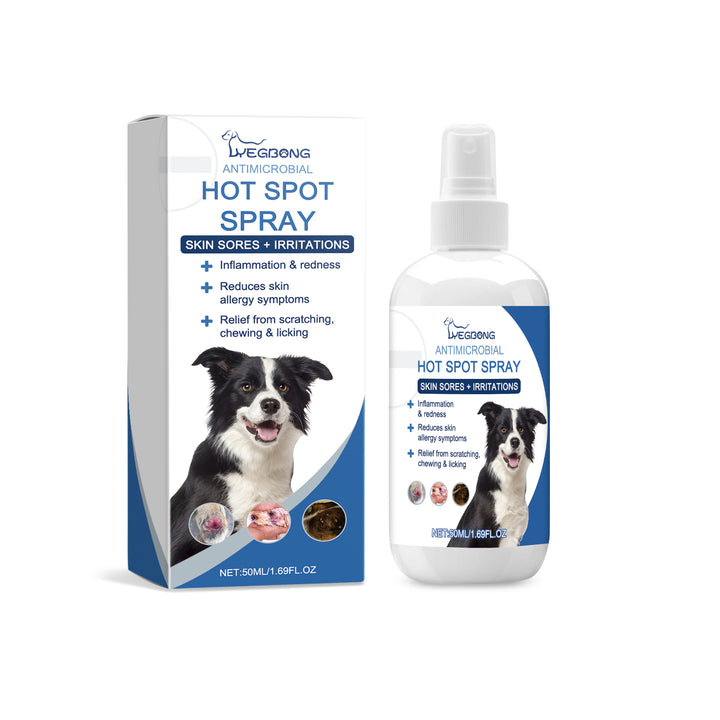
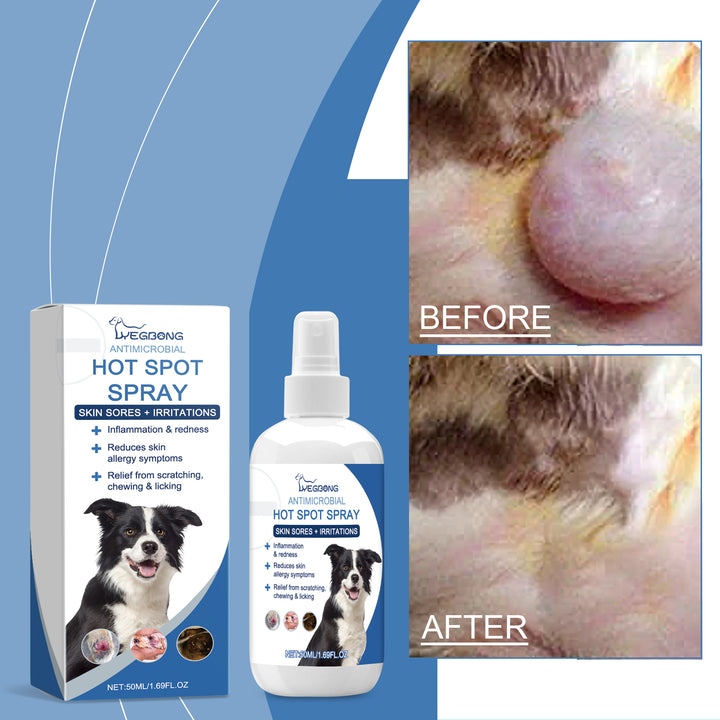
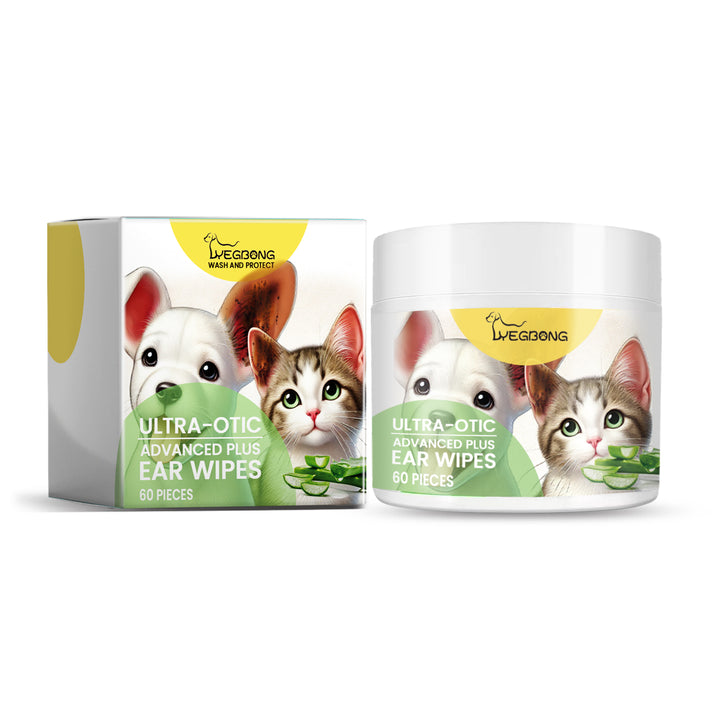
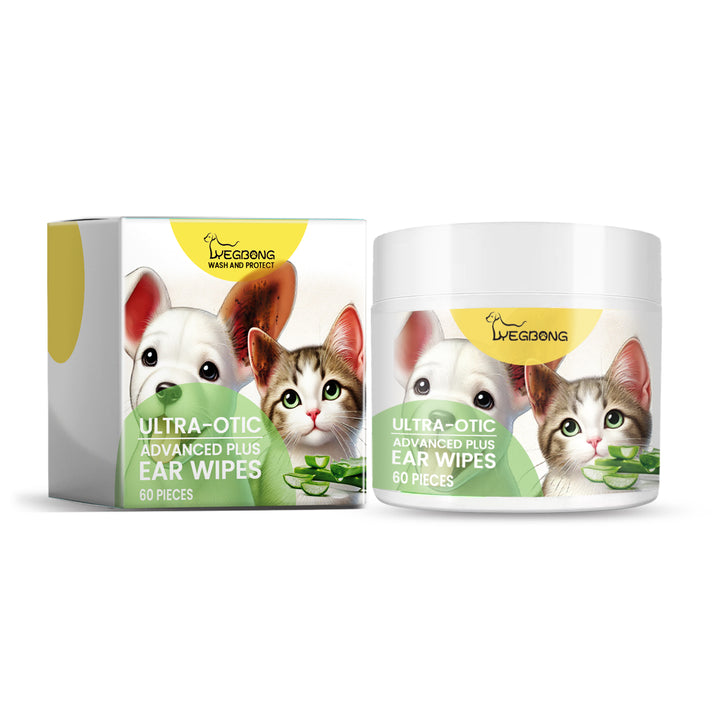
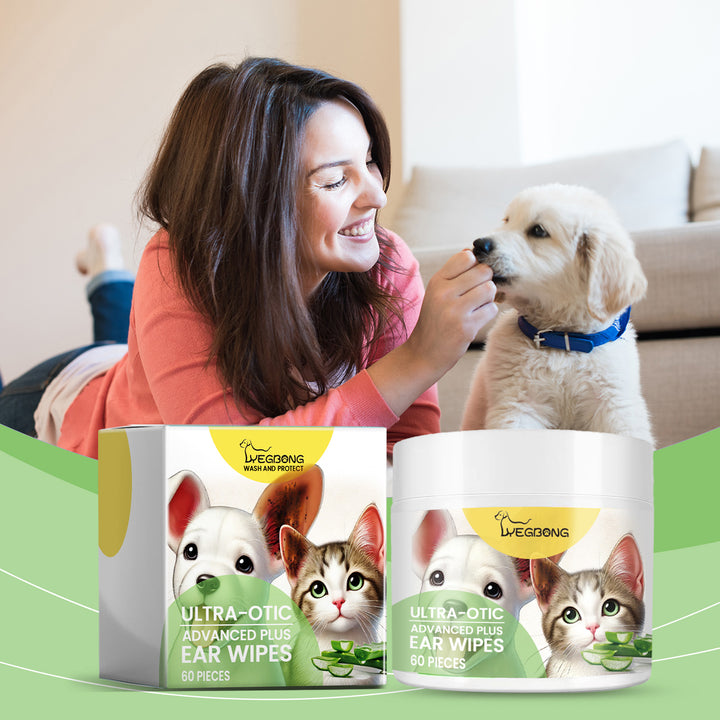
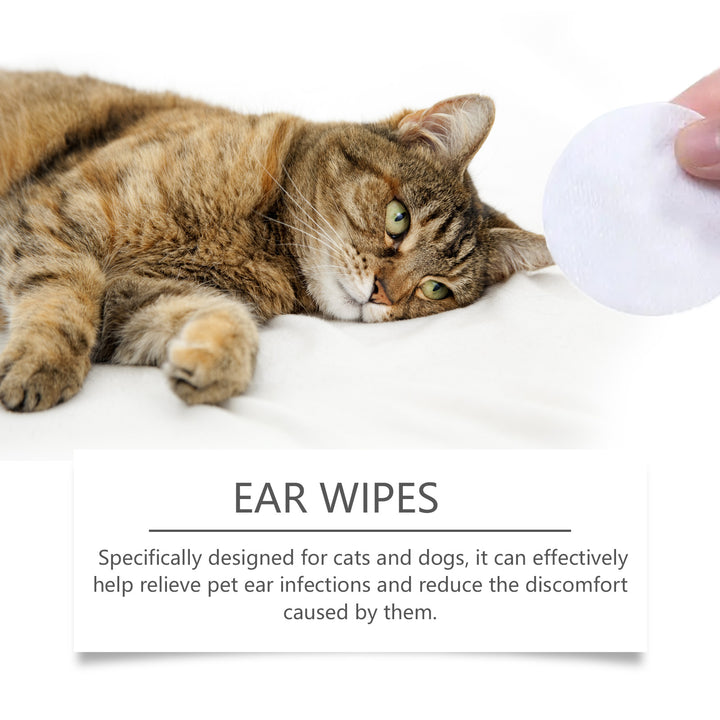
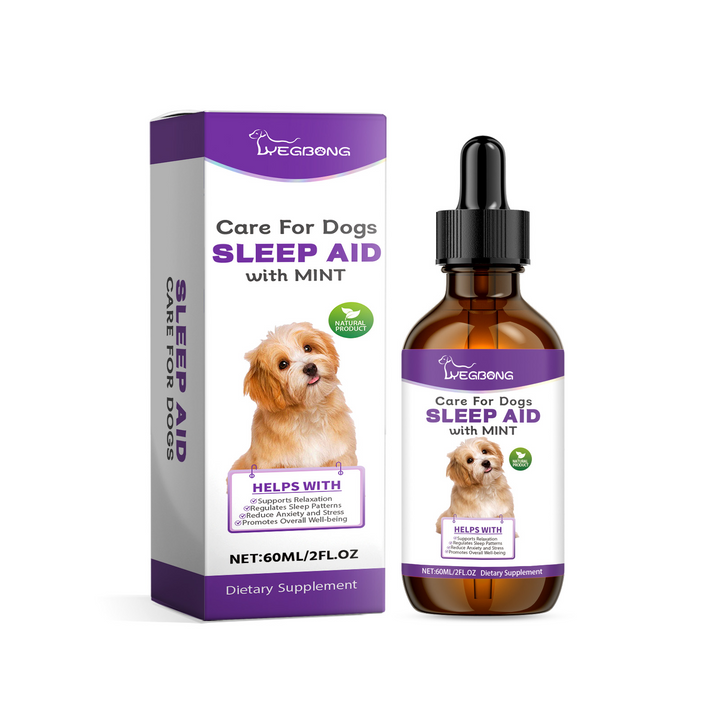
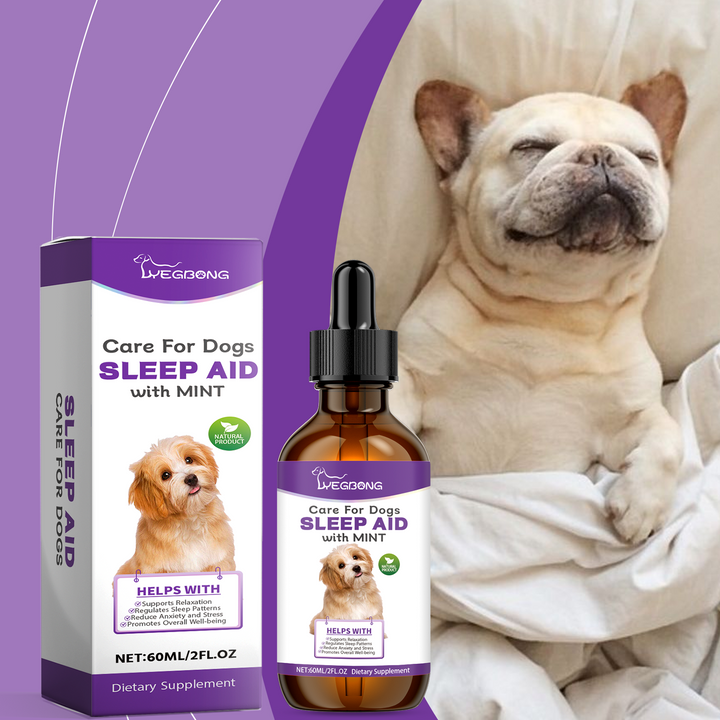
Both formats are intended to help condition dry, cracked-looking paw pads, but the best choice depends on your routine. A jar is useful for multi-pet households or when you want to apply balm carefully between the main pads and around the edges. A stick is portable and helps keep the product on the pad rather than on your hands, making it practical before a walk. Neither format is designed to replace cleaning, nail care, or veterinary advice for persistent dog paw problems. Compare the size, application method, ingredient list, and directions. Products in this category also include ear pads, chin cleanser, hot spot spray, flea spray, joint oil, and sleep drops; choose paw-specific care when your goal is moisturizing paw pads.
What to look for in natural dog paw protection
For natural dog paw care, focus on transparent labeling and a formula intended for dogs or cats rather than assuming that every natural ingredient is suitable. A balm should be easy to spread, not excessively runny, and suitable for use on paw pads according to its instructions. Consider whether you need everyday conditioning, protection before outdoor activity, or a portable option for travel. If you are comparing vaseline on dog paws with a pet paw balm, remember that a product made for pets provides directions specific to animal use; ask a veterinarian if you are unsure. The same applies to coconut oil for cracked dog paws: avoid switching between household products without checking licking, allergy, and skin-sensitivity concerns.
How to moisturize dog paws safely at home
Begin with clean, dry paws and inspect the pads, the spaces between toes, and the nails. Remove loose dirt with a soft, damp cloth, then dry thoroughly. Apply a small amount of pet paw balm or glide the balm stick over each pad in a thin, even layer. Keep the product away from the eyes and mouth, and follow the package directions for frequency. Give your dog time to settle before walking on carpets or floors, and watch for increased licking or irritation. A simple care routine is regular inspection, gentle cleaning after outdoor activity, drying between toes, and moisturizing when pads look dry. Stop using a product if your pet reacts to it and seek professional advice for sore dog paws between toes or raw paw pads.
Common mistakes when treating dog paw problems
One common mistake is applying balm over dirty or wet paws, which can trap debris and make inspection harder. Another is using too much product, leaving a slippery residue that your dog may lick or spread around the home. Do not pull at embedded material, aggressively scrub between toes, or use vinegar soaks, essential oils, or other home remedies without professional guidance. Avoid assuming that every red, cracked, swollen, or foul-smelling area is simple dryness. Healthy dog paws generally have intact pads appropriate to the dog’s activity, while changes that persist, worsen, or cause limping deserve attention. Paw balm is for routine external care, not a substitute for assessment of wounds, bleeding, swelling, discharge, or ongoing discomfort.
Who benefits from pet paw care products?
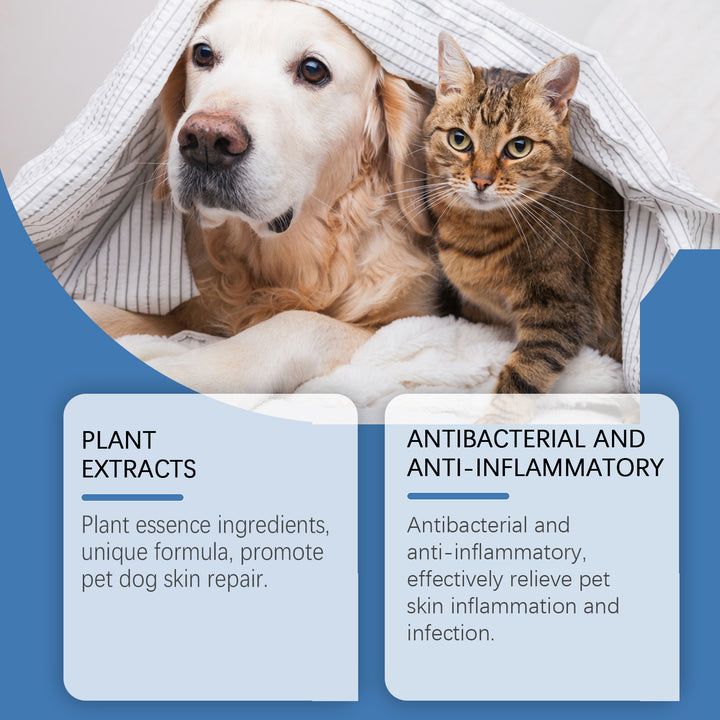
Pet paw balm can suit dogs and cats whose pads become dry from everyday indoor living, outdoor walking, seasonal conditions, or rough surfaces, provided the product directions match your pet. It may also be useful for owners who want a small grooming step before or after walks. Choose a jar if you prefer finger application and a stick if you want a compact, mess-controlled format. These products are not the right first choice for deep cracks, bleeding, suspected burns, foreign objects, severe soreness, or persistent licking. In those cases, contact a veterinarian. If you are building a broader grooming kit, paw balm can sit alongside ear cleaning pads, chin cleanser, or hot spot spray, but each product should be used only for its stated purpose.
Frequently asked questions
What is a good care routine for my dog's paws?
Inspect the pads and between the toes regularly, especially after walks. Wipe away dirt with a soft damp cloth, dry thoroughly, and apply a thin layer of pet paw balm when the pads look dry. Contact a veterinarian for wounds, swelling, discharge, limping, or discomfort that does not improve.
What is the 3-3-3 rule for pets?
The 3-3-3 rule is a commonly used adoption guideline describing possible adjustment periods: about three days to decompress, three weeks to settle into a routine, and three months to build confidence. It is not a paw-care treatment or a guarantee, and every pet adjusts differently.
Is vaseline or coconut oil better for dog paws?
Neither household option is automatically best for every pet. A paw balm formulated and labeled for dogs or cats provides use directions for paw care; ask a veterinarian before using vaseline, coconut oil, or any new product, especially if your pet licks its paws or has sensitive skin.
Should I soak my dog's paws in vinegar?
Vinegar soaks can sting irritated, cracked, or raw skin and may worsen discomfort. Do not use a vinegar soak unless your veterinarian specifically recommends it; for routine care, gently clean and dry the paws and use a pet-specific balm as directed.
What kills yeast on dogs' paws naturally?
There is no universally safe natural remedy that should be used to treat a suspected yeast problem at home. Paw licking, odor, redness, or discoloration can have several causes, so a veterinarian should identify the cause and recommend appropriate care rather than relying on vinegar, essential oils, or other unverified treatments.
What is the best thing to soak dogs' paws in?
For routine cleaning, soaking is usually unnecessary; wipe paws with clean water or a soft damp cloth and dry carefully between the toes. Avoid hot water, harsh cleaners, vinegar, and essential oils unless a veterinarian directs you to use them. Persistent soreness, raw pads, swelling, or discharge needs professional advice.