$64.90
Free delivery · 7–14 days
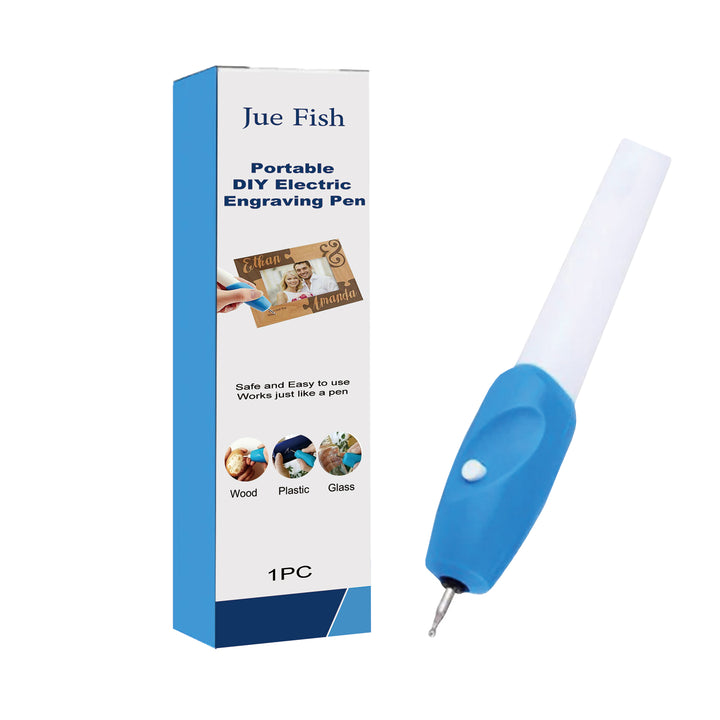
Portable Electric Engraving Pen for DIY Wood Projects


Wood burning tools, also called pyrography tools, use a heated pen tip to create lines, shading, lettering, and patterns on suitable wood surfaces. This category includes portable engraving pens, pyrography pen sets, and wood burning paste for DIY projects, personalized gifts, signs, and decorative art.
Start with the type of project you want to make. A portable electric engraving pen suits simple lettering, outlines, and small DIY wood projects, while a pyrography pen set gives you more flexibility for shading, borders, and detailed patterns. If you want to create fast decorative effects, wood burning paste can help form patterns without relying only on a heated tip. For beginners, choose a comfortable pen with straightforward operation and an easy-to-control tip. For personalized signs or gifts, look for tools that support clean lines and repeatable lettering. Professional wood burning tools may include more tip choices or finer control, but the best option is the one that matches your material, design detail, and experience level.
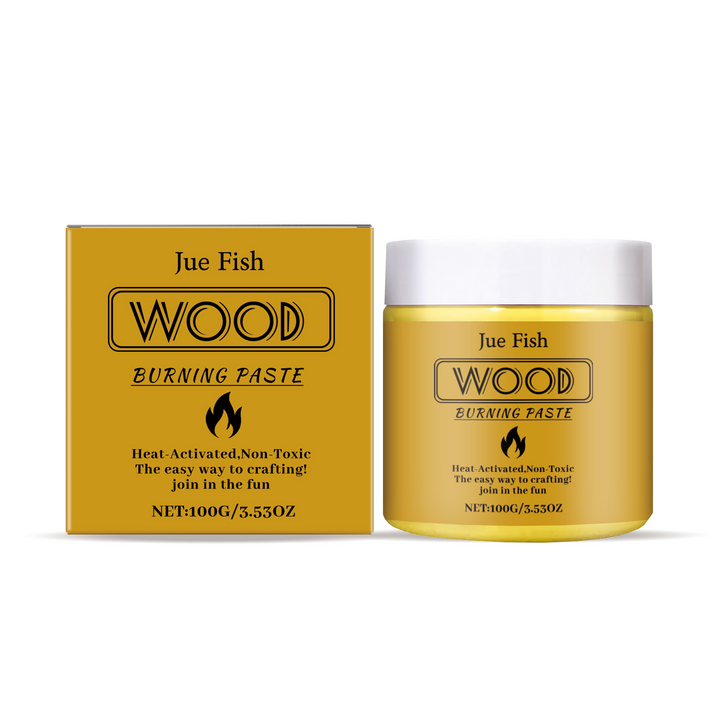
The main types are electric burning pens, interchangeable-tip pyrography sets, and wood burning paste. An electric engraving pen heats a metal tip so you can draw directly onto unfinished wood, making it useful for outlines, names, and simple illustrations. A pen set may include several tip shapes for broad strokes, fine lines, textures, or lettering, making it a practical wood burning kit for adults and beginners who want to experiment. Wood burning paste is applied to selected areas to create decorative patterns and can complement hand-drawn details. These tools are different from a fireplace wood burner: pyrography tools are designed for controlled craft work, not for burning logs or household materials.
Check the pen shape, grip, tip selection, and intended project size before buying. A slim, balanced handle can make lettering and detailed outlines easier to guide, while broader tips work well for filled areas and simple textures. If you are comparing wood burning tools for beginners, prioritize clear operation and a manageable design over a large collection of accessories. For a wood burning tool with letters, look for fine tips or a set that supports controlled lettering rather than assuming every pen includes alphabet stencils. Also consider whether you want a single portable tool, a complete pyrography pen set, or paste for pattern work. Use only on compatible, unfinished craft surfaces and follow the product instructions.
Prepare a clean, dry, unfinished wood piece and sketch your design lightly in pencil. Set the electric pen on a stable, heat-resistant surface while it warms, then test the tip on scrap wood before working on the final piece. Guide the pen slowly for outlines, adjust pressure and movement for darker or lighter marks, and change tips only as directed when the tool is cool or safely handled. Wood burning paste should be spread, patterned, or removed according to its instructions rather than treated like a heated pen. Work in a well-ventilated area, keep flammable items away, and never leave a heated tool unattended. Let the finished piece cool fully before handling or applying any compatible finish.
A common mistake is starting on the final project without testing the tool, tip, or paste on scrap wood. Excessive pressure can make lines uneven, while moving too quickly may create faint marks; practice a consistent pace instead. Do not burn painted, stained, varnished, pressure-treated, or unknown wood, because heating coatings or treatments can produce harmful fumes. Avoid using a craft pyrography pen as a general wood burner for logs or firewood. Keep the hot tip away from cords, paper, fabric, and other combustible materials, and use a stable holder between strokes. Another mistake is sealing too soon: allow the piece to cool and remove residue or dust first, then choose a finish intended for the specific craft surface.
Wood burning tools suit beginners learning basic lines, hobbyists making personalized gifts, and experienced crafters creating decorative panels, signs, and pyrography art. A portable electric engraving pen is useful for occasional projects and compact workspaces. Beginners may prefer a pyrography pen set so they can try different marks without buying separate tips, while experienced users may want a broader selection for lettering, shading, and texture. Wood burning paste can suit shoppers who want to add repeatable patterns or combine surface effects with hand-burned details. These tools are for controlled craft use on suitable wood and should be operated by adults or under close adult supervision. They are not intended for burning household waste, treated timber, or firewood.
The best wood burning tool depends on your project and experience. A portable electric engraving pen is suitable for basic outlines and lettering, while a pyrography pen set offers more flexibility for shading, textures, and detailed designs. Choose a tool with a comfortable grip and tip options that match the work you plan to do.
For craft work, it is usually called a pyrography pen, wood burning pen, wood burning tool, or electric engraving pen. These terms generally refer to a heated tool used to draw designs on suitable wood. A fireplace wood burner is a different type of product and is not a substitute for a pyrography pen.
Basic pyrography requires a wood burning pen or electric engraving pen, suitable unfinished wood, a pencil for sketching, and a stable heat-resistant place to rest the tool. A pyrography pen set can provide different tips for lines, shading, and textures. You may also use wood burning paste for selected pattern effects, plus compatible finishing supplies after the piece has cooled.
Do not use a craft wood burning pen on painted, stained, varnished, pressure-treated, plastic, or unknown materials. Heating coatings and treatments can release harmful fumes, and unsuitable materials may damage the tool or create a fire risk. Use the pen only on surfaces approved by the product instructions, with good ventilation and appropriate heat-safe handling.
For craft pyrography, firewood is not the intended material, so do not use a wood burning pen to burn logs or household firewood. Never burn wood that is painted, treated, damp, contaminated, or of unknown origin in any burner. If you mean a household stove or fireplace, follow that appliance's instructions and local fire-safety guidance rather than applying pyrography advice.
Sealing is optional and depends on the intended use, appearance, and the type of finish you choose. Let the burned surface cool completely, remove dust or residue, and test any finish on scrap wood first because finishes can change the contrast or color. Use a coating compatible with the wood and project, and follow its application and ventilation instructions.