
$69.90
Free delivery · 7–14 days
Waterproof Solar Power Bank 20000mAh with Compass




Build a practical camping supplies kit that supports outdoor repairs, personal projects, navigation, charging, and everyday tasks. This category combines wood burning tools for campsite craft use with compact gear such as repair patches, multi-tools, sun protection, and solar power banks.
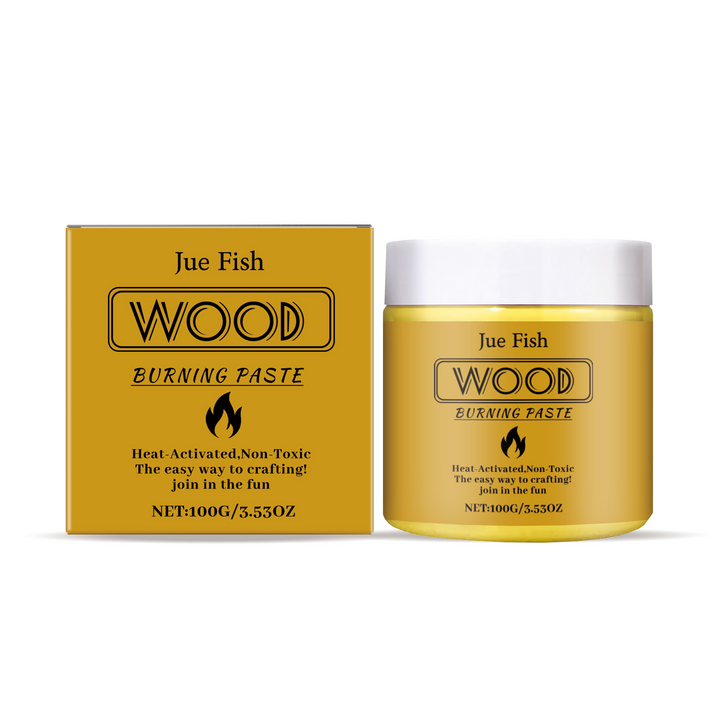
Start by deciding whether your priority is campsite utility, craft projects, or both. For pyrography, choose a wood burning pen for controlled lines and personalized designs, then add wood burning paste when you want to create patterns or apply detail with a suitable stencil or applicator. Pack waterproof repair patches for quick fixes to compatible outdoor fabrics, inflatable items, bags, or gear surfaces; check the product instructions before use. A 12-function keychain disc multi-tool adds compact tools for routine tasks without taking much space. If you will be away from outlets, compare the two 20,000mAh solar power bank options by charging ports, compass inclusion, size, and device compatibility. This approach creates a focused camping supplies list instead of carrying every accessory.
For a craft-focused weekend, pair a wood burning pen with wood burning paste and smooth, unfinished wood pieces carried in a protective container. For general campsite use, combine waterproof repair patches, the compact multi-tool, and a solar power bank so you can handle minor gear issues and keep compatible devices charged. A power bank with a compass may suit hikers who value a built-in directional reference, while the four-device model may fit groups sharing one charger. The motorcycle sun protection balaclava can provide a breathable face covering for riding, dusty routes, or windy outdoor activities; choose clothing based on comfort and local conditions. When comparing camping gear online, check dimensions, included accessories, charging connections, and care instructions rather than relying only on a product title.
Look for portability, clear intended use, and easy storage. A pen should be comfortable to hold and suited to the type of wood burning detail you plan to make. Wood burning paste should include directions for application, drying, cleanup, and surface compatibility. For repair patches, confirm the materials and surfaces they are designed to cover, along with preparation requirements. For power banks, review the available ports, charging method, capacity, weather-resistant design details, and whether your cable is included. A multi-tool is most useful when its functions match your likely tasks, such as opening, tightening, or cutting. For a camping supplies list, also account for cables, spare batteries if required, a protective pouch, water, food, lighting, shelter, and navigation items. These details matter whether you shop at a camping supplies store, search nearby, or compare an online camping gear store.
Use the wood burning pen and paste in a stable, well-ventilated work area away from dry grass, tents, fuel, and loose fabric. Follow the tool instructions, test the design on scrap wood, and allow heated parts or treated surfaces to cool before packing them. Apply repair patches only after cleaning and drying the target surface as directed; press firmly and allow the recommended setting time before stressing the repair. Charge a power bank before leaving, carry the correct cables, and keep it protected from water even when the product is designed for outdoor use. Treat the multi-tool as a compact helper, not a substitute for purpose-built equipment. Secure the balaclava so it does not obstruct vision, breathing comfort, helmet fit, or other protective equipment during riding.
A common mistake is buying a large collection of camping accessories without checking how each item fits the trip. Do not assume a solar power bank will replace a full charging plan; test your cables and devices before departure and conserve power when needed. Do not use wood burning tools inside a tent, near flammable materials, or without a stable work surface. Repair patches cannot fix every tear or leak, so inspect the material, clean the area, and follow compatibility guidance. Avoid treating a keychain multi-tool as suitable for heavy work. Beginners also forget small essentials such as lighting, extra layers, water, food, a lighter or matches where permitted, and waste bags. Compare a complete camping supplies list instead of copying a clearance deal or the cheapest camping gear search result.
This category suits beginners building a compact camping supplies kit, campers who enjoy personalizing wooden items, and travelers who want small tools for routine outdoor tasks. The wood burning pens and pastes are appropriate for supervised craft sessions using suitable wood, while the repair patches and multi-tool support basic maintenance away from home. The solar power banks may suit campers, riders, and travelers who need portable charging for compatible devices and can carry the necessary cables. The balaclava is aimed at outdoor riders and people seeking a breathable covering for dusty or windy conditions, subject to personal comfort and local weather. It is less suitable for anyone expecting a single product to replace shelter, lighting, cooking equipment, first-aid supplies, or route planning. Build the rest of your kit around the trip length, group size, forecast, and campsite rules.
A practical list includes shelter, sleeping equipment, suitable clothing, lighting, food, water and water treatment, navigation, a first-aid kit, fire-starting equipment where permitted, and repair or multi-use tools. Add personal medication, toiletries, communication gear, and any items required by the location. The products in this category can supplement that list with repair patches, a multi-tool, portable charging, and craft tools, but they do not replace core camping equipment.
Basic camping supplies usually include a tent or other shelter, sleeping bag or bedding, sleeping pad, weather-appropriate clothing, lighting, food, water, cooking equipment, navigation, first-aid supplies, and waste storage. A compact repair kit, multi-tool, power bank, and spare cables can make the setup more useful. Choose items according to the campsite, transport method, weather, and length of stay.
The 200 rule commonly refers to staying about 200 feet from lakes, streams, trails, and established campsites when selecting a dispersed campsite, helping reduce impact and protect water sources. Local land managers may use different requirements or exceptions, so check the rules for the specific area before setting up. Follow marked campsite boundaries and never camp where regulations prohibit it.
Useful accessories can include a headlamp, extra batteries or a charged power bank, multi-tool, repair patches, water container, compact cooking items, cordage, seating or ground protection, navigation aid, and waste bags. The best choices depend on the trip rather than a universal ranking. In this category, a solar power bank, 12-function multi-tool, and waterproof repair patches are practical additions for many outings.
Small items such as lighting, charging cables, toilet paper, insect protection, extra layers, and waste bags are often overlooked. The exact item varies by trip, so use a written camping supplies list and check it while packing. Test rechargeable equipment before leaving and pack cables that match every device you plan to use.
The seven C's are commonly described as cutting tools, combustion devices, cordage, containers, covering, communication, and cognition. They are a planning framework for carrying tools and making decisions outdoors, not a complete packing list. A multi-tool, repair patches, and a power bank may support some of these categories, but you still need shelter, water, food, lighting, navigation, and other trip-specific supplies.