Wedding Bouquets - Bridal & Bridesmaid Flower Bouquets40 items


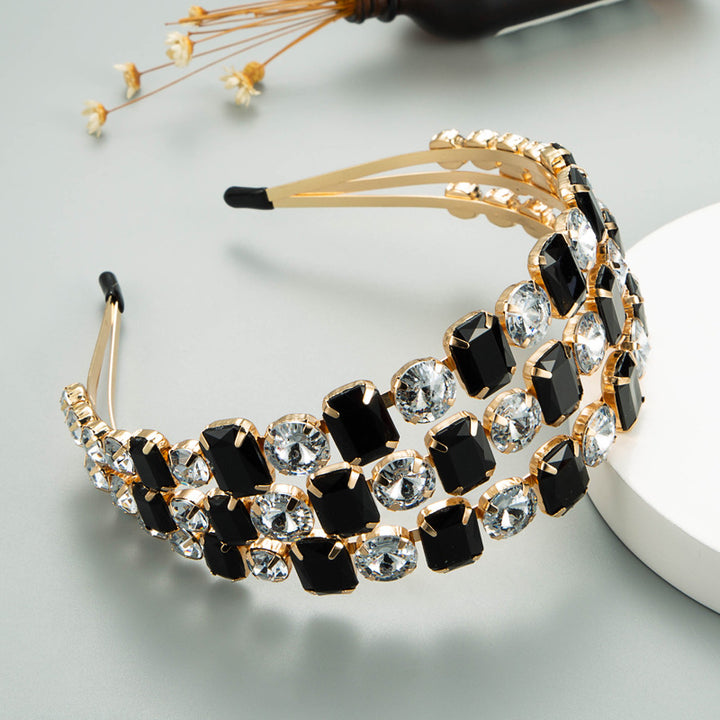
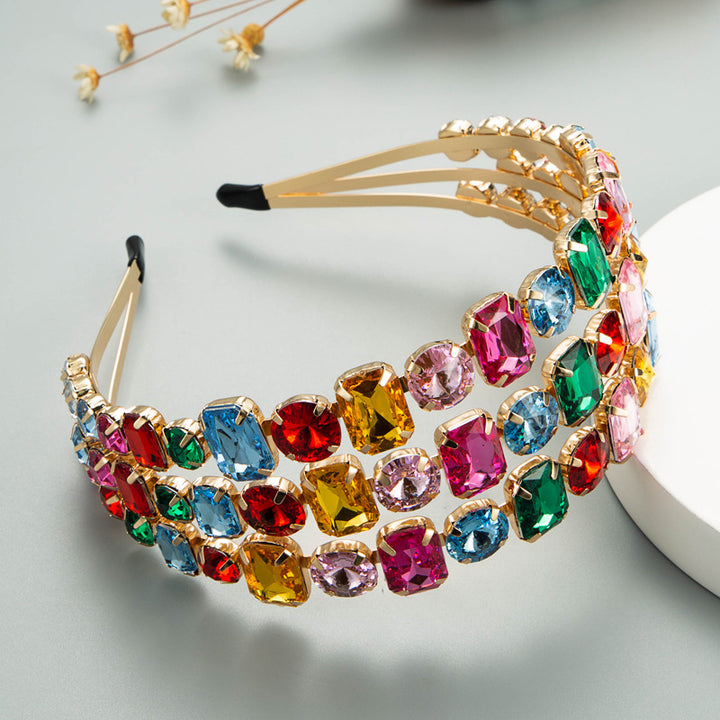
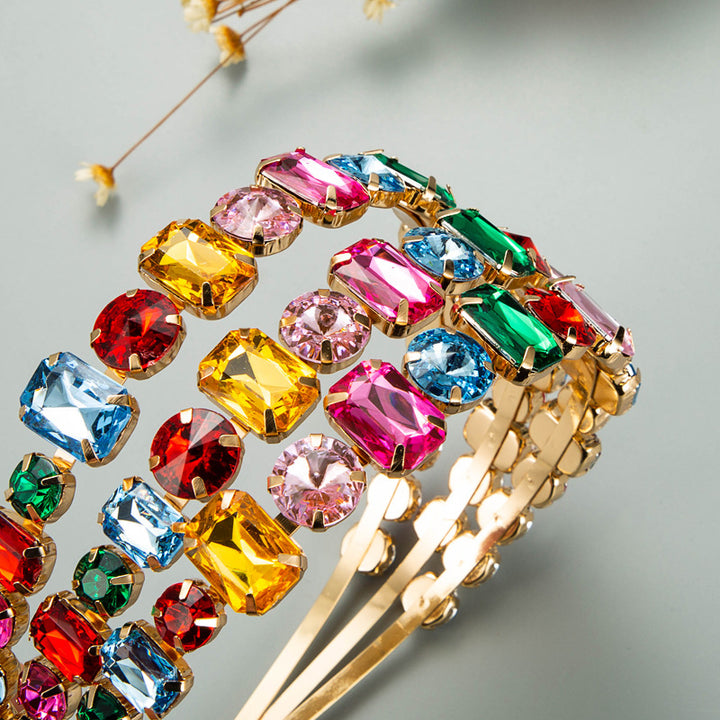


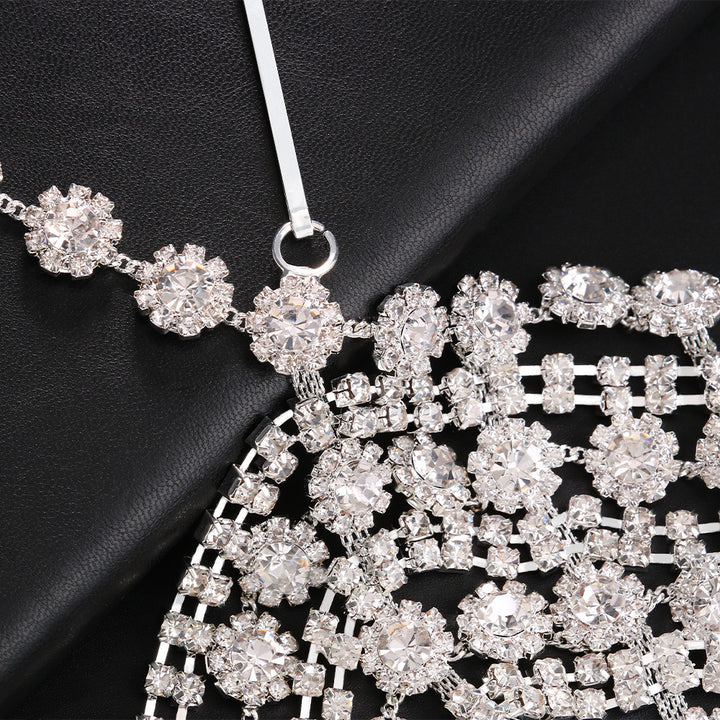

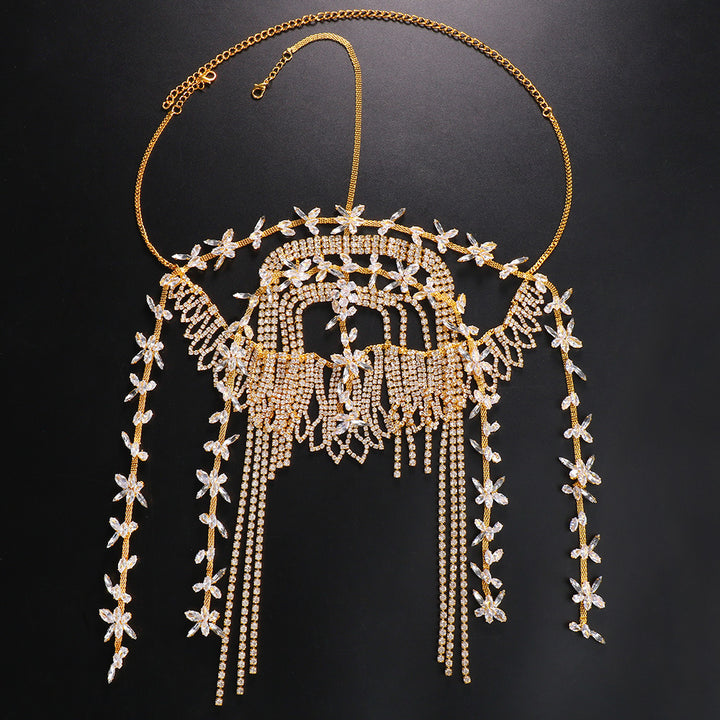
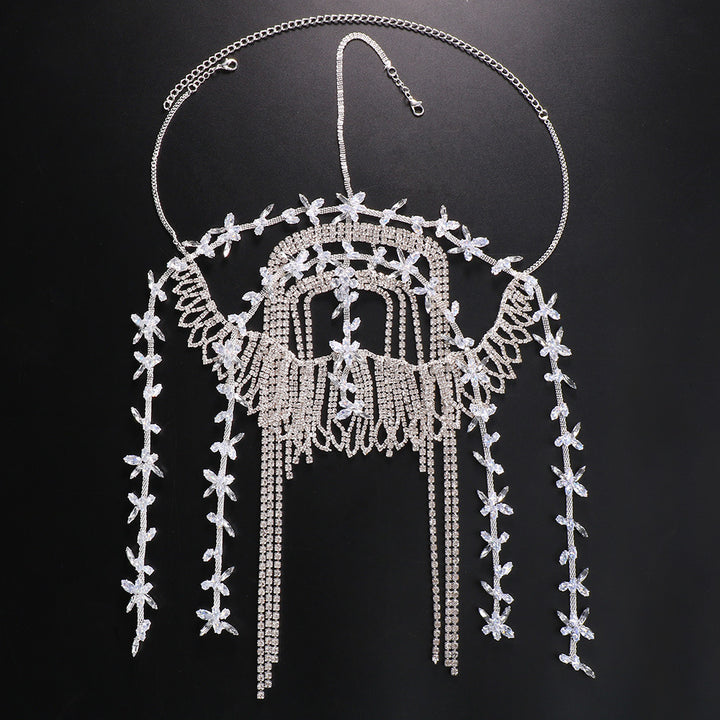
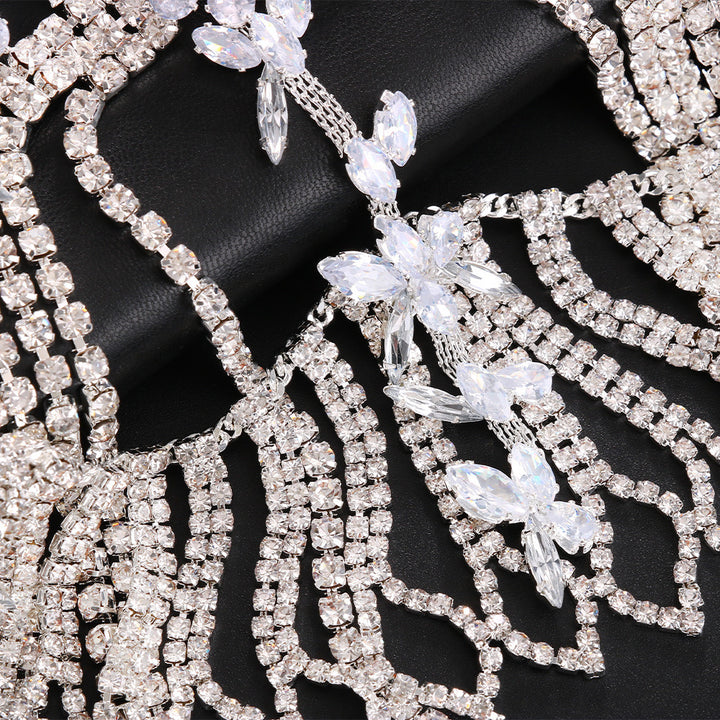

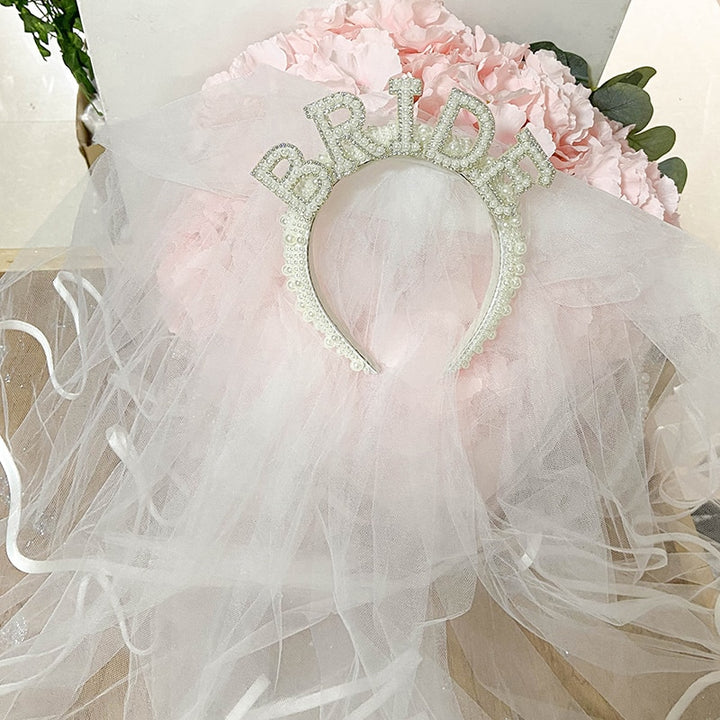
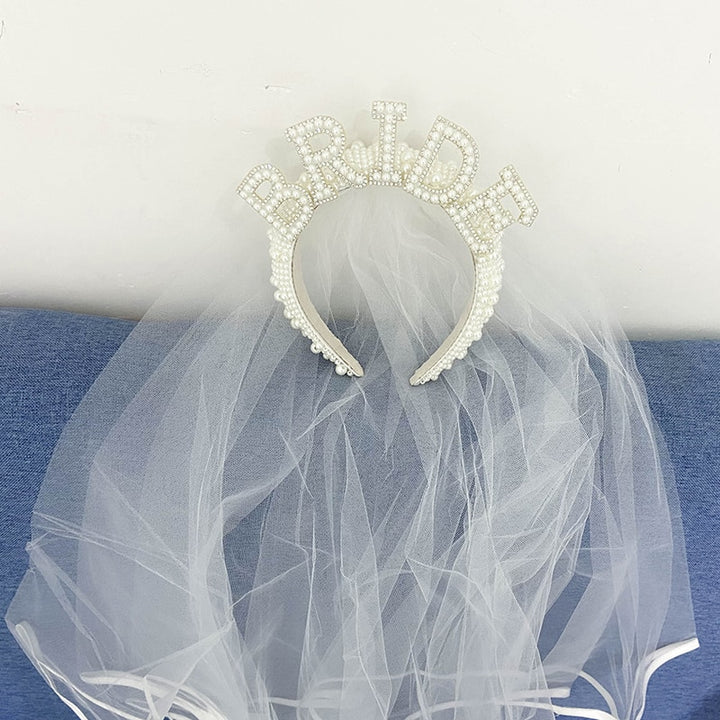
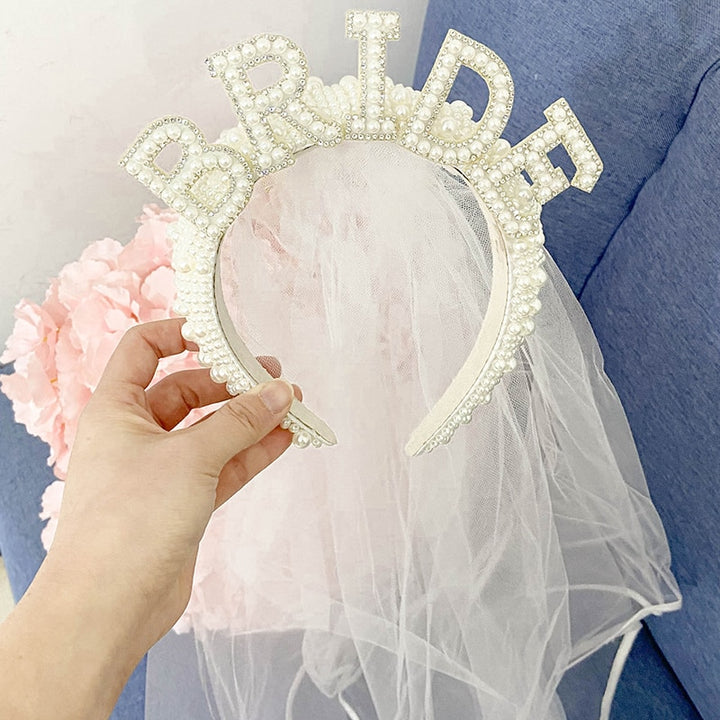


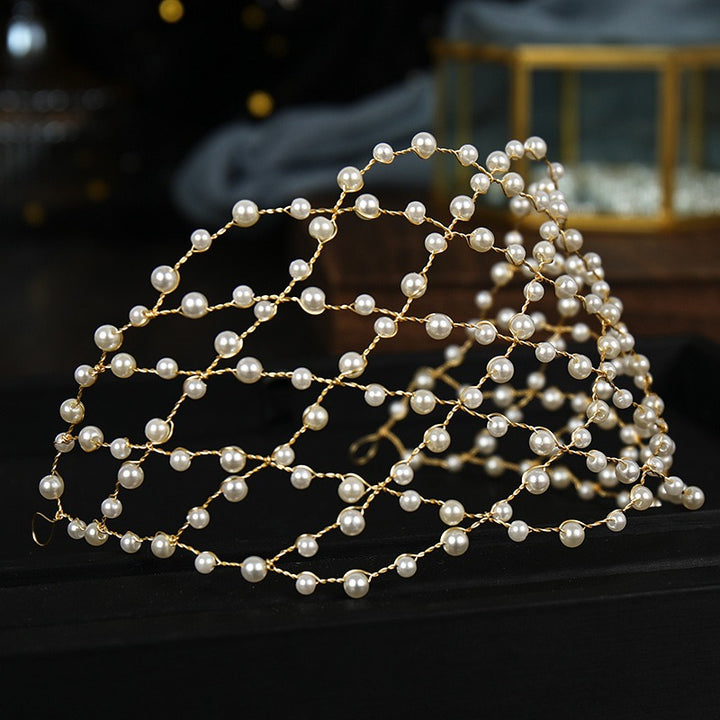

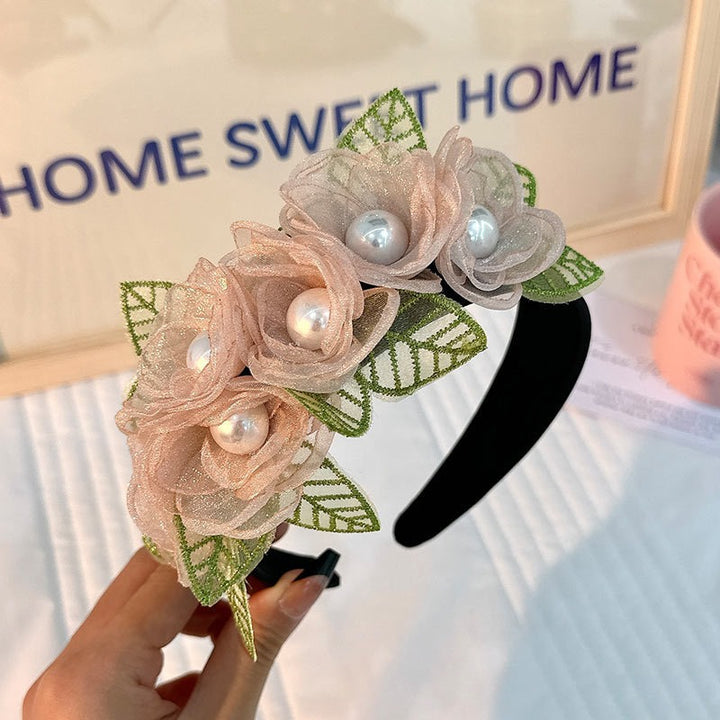
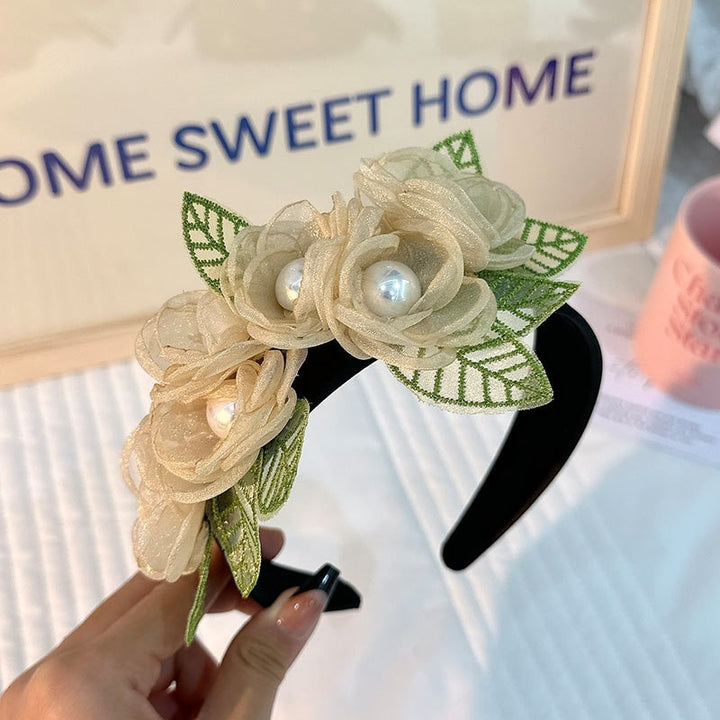
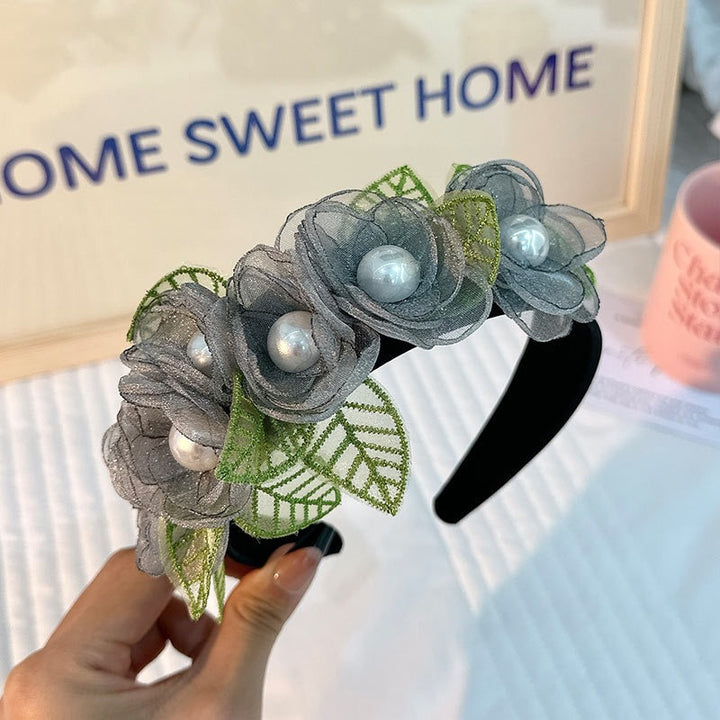





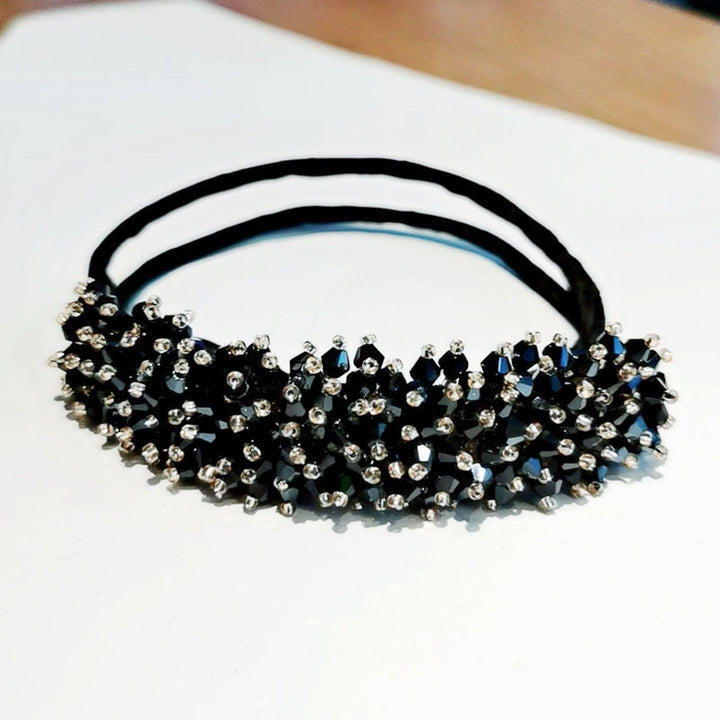
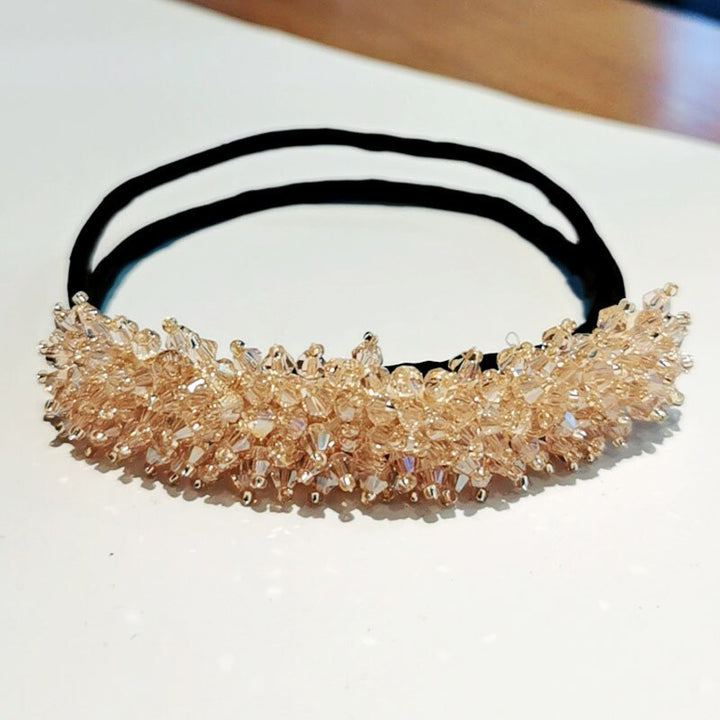

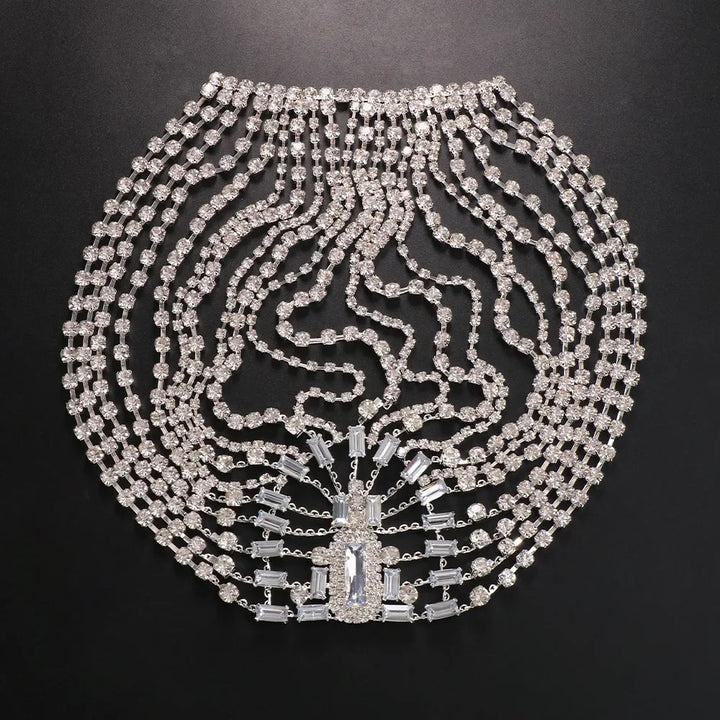
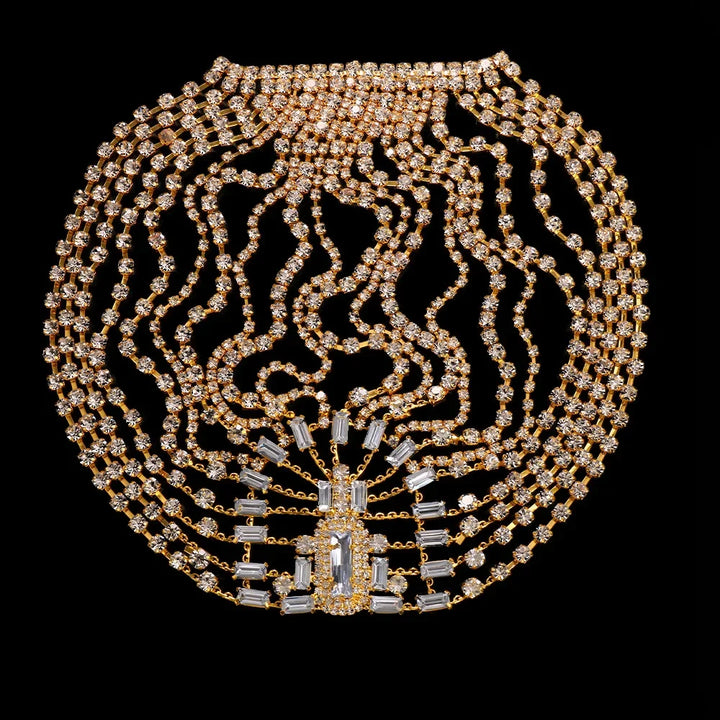
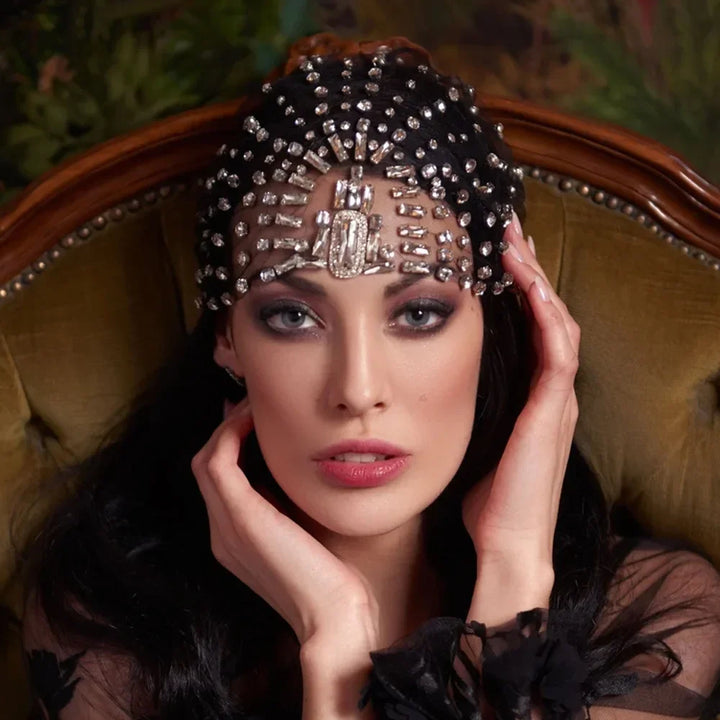

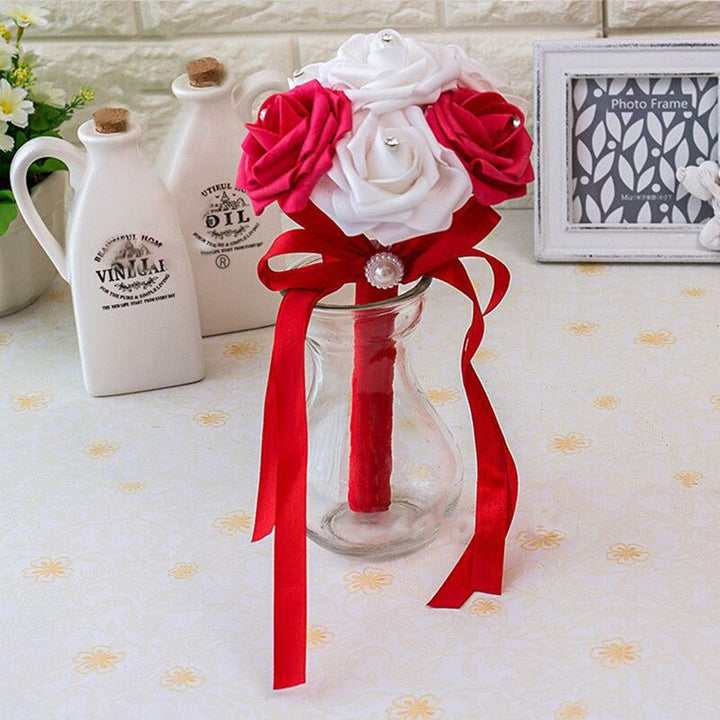
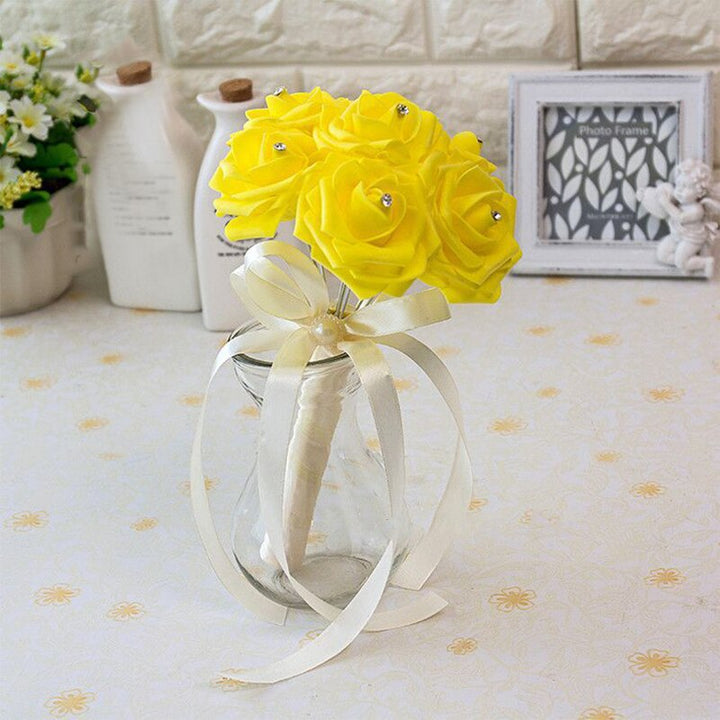
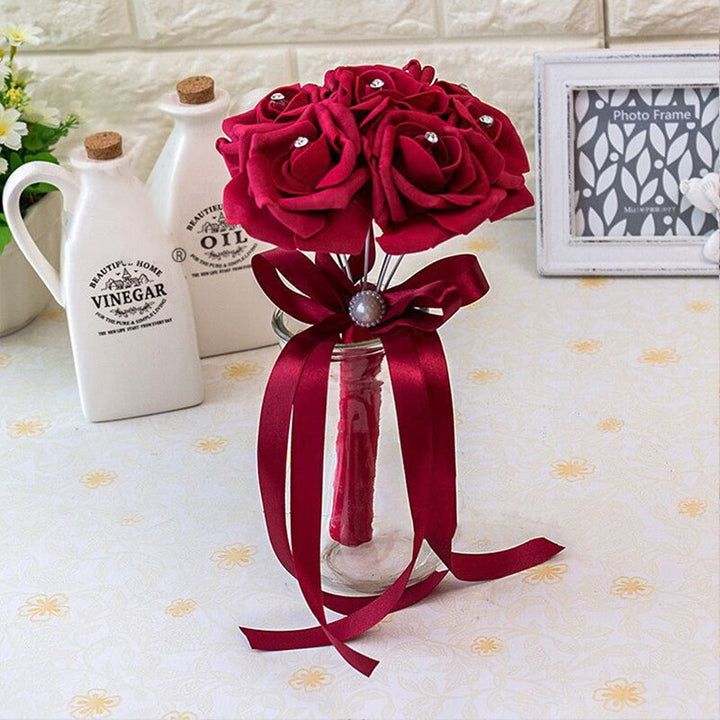

Find wedding bouquets for bridal portraits, ceremonies, receptions, and DIY floral projects. This collection includes artificial roses, crystal-centered designs, keepsake white bouquets, foam flowers, and rustic burlap accents, so you can choose a ready-to-carry arrangement or build a coordinated look.
How to Choose Wedding Bouquets
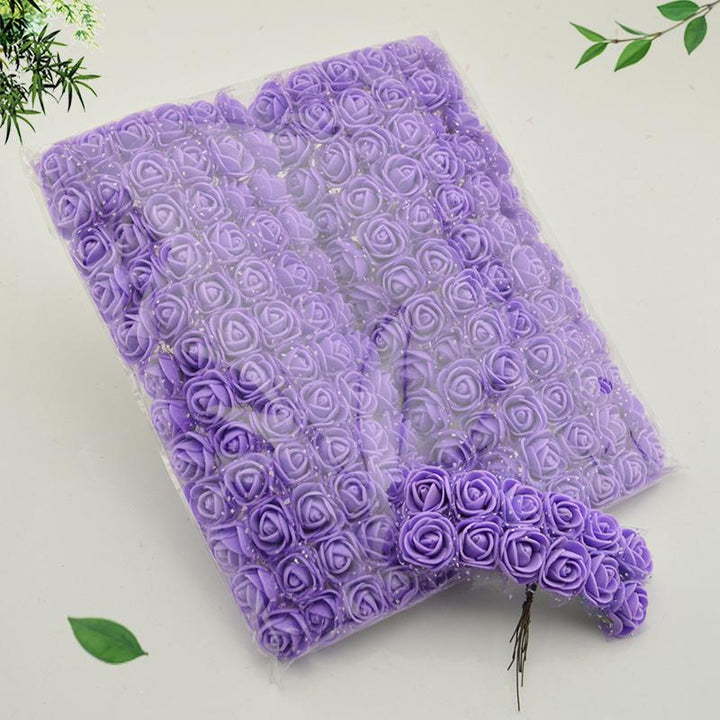
Start with your dress, wedding setting, color palette, and preferred level of upkeep. A compact white keepsake bouquet suits a classic gown and can be stored after the ceremony, while a crystal-centered artificial bouquet adds shine to formal or evening styling. For wedding bouquets DIY projects, the 144-piece mini foam rose set gives you individual flowers to arrange into a wreath, hand-tied bouquet, table accent, or bridesmaid design. Burlap flowers work well with rustic, barn, woodland, and fall wedding themes. Check the listed dimensions, flower colors, handle details, and materials before ordering. If you want a matched party look, coordinate the bouquet with hair accessories or ribbon details rather than trying to match every decoration exactly.
Wedding Bouquet Types Compared
A round bouquet has an even, gathered outline and suits traditional ceremonies. A hand-tied bouquet looks more relaxed, with visible stems or ribbon wrapping. A cascading bouquet falls downward for a dramatic effect, while a posy is a smaller, easy-to-carry option. Nosegay, pomander, crescent, pageant, composite, single-flower, wildflower, and wreath-style arrangements offer other recognizable shapes and moods. In this category, artificial wedding bouquets provide a consistent appearance without the timing concerns of fresh flowers, and foam roses are useful for custom arrangements. A white bridal keepsake creates a polished focal point; burlap flowers bring texture; crystal rose centers add sparkle. Choose the silhouette that leaves room for your dress details, jewelry, and how you plan to hold it.
What to Look for in Wedding Bouquets
Inspect the construction as well as the color. Look for secure flower heads, a comfortable handle, neat wrapping, and a size that will not obscure the front of your dress in photographs. Artificial wedding bouquets should have petals and foliage that hold their shape after shipping; foam flowers should be easy to trim, group, or attach for wedding bouquets DIY projects. If preservation matters, choose a keepsake-style design or a material that can be stored away from moisture, dust, and prolonged direct sunlight. For wedding bouquets fall themes, combine warm neutrals, burlap texture, and deeper accent colors with your venue décor. Review product photos from multiple angles and confirm whether accessories, ribbon, stems, or display packaging are included.
How to Use Wedding Bouquets for the Ceremony and Reception
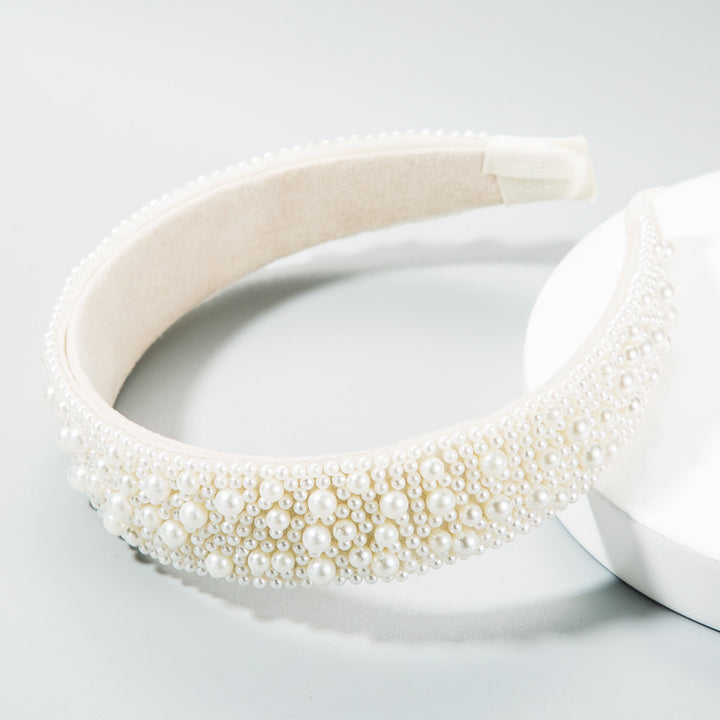
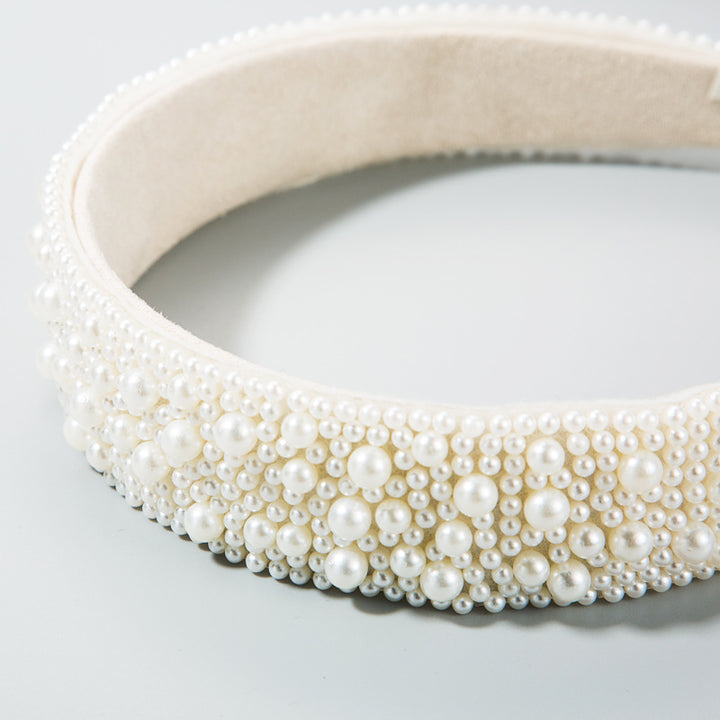
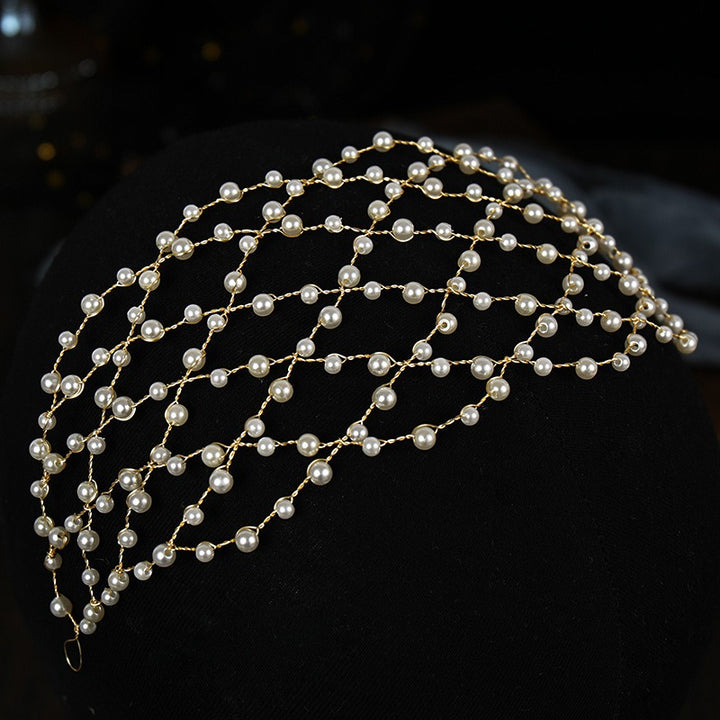
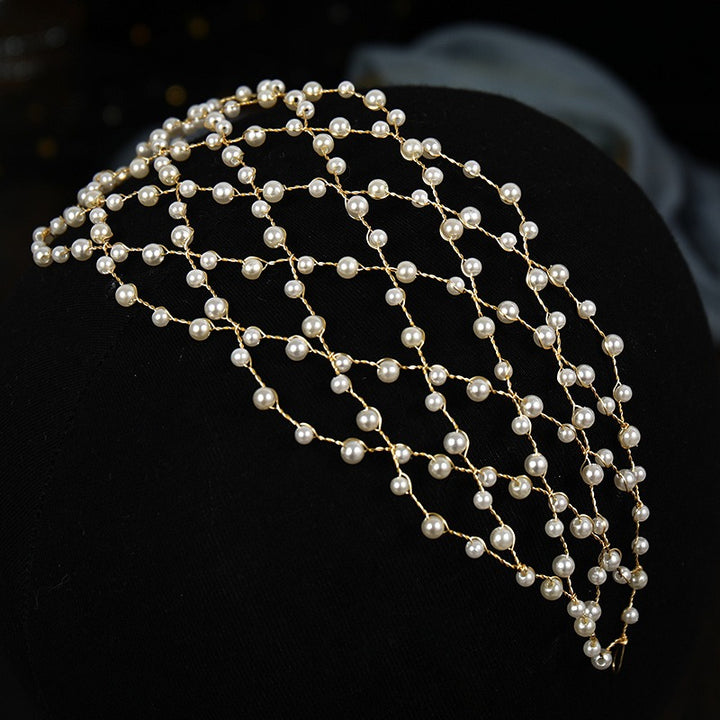
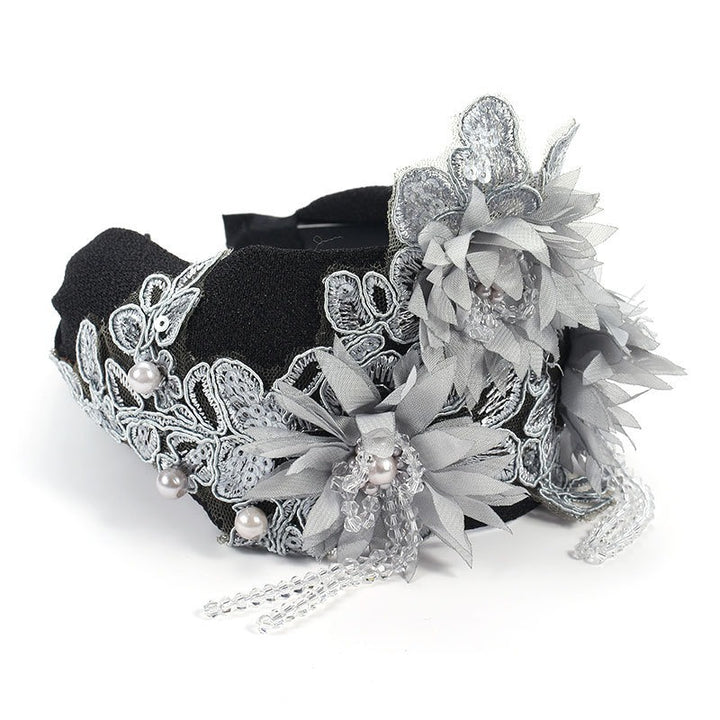
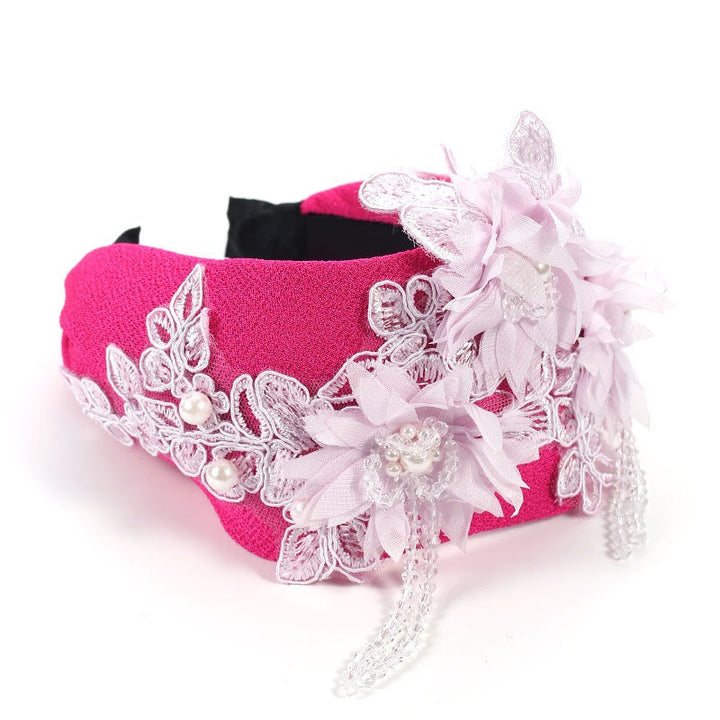
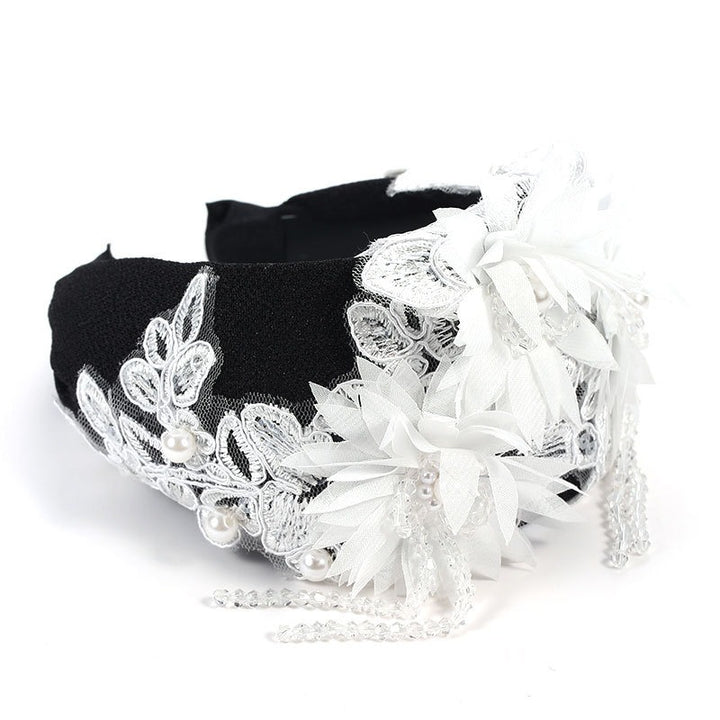
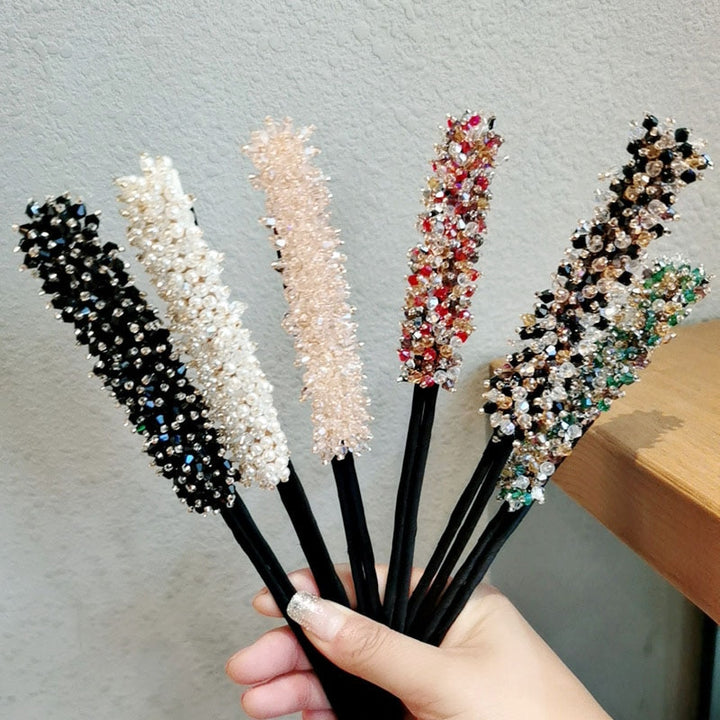
Carry the bouquet low enough to show the neckline and bodice of your dress, then hold it at a natural angle for photos. Keep a second arrangement or individual flowers for the maid of honor, bridesmaids, cake table, welcome table, or aisle décor. A foam rose set can be divided into small matching posies, boutonnieres, wreaths, or centerpiece accents. A burlap flower arrangement can reinforce rustic signage and table styling without adding fresh stems. After the ceremony, place the bridal bouquet in a display box, vase, or keepsake area where it will not be crushed. Hair accessories and a sparkling hoop can complement the bouquet, but use them as separate styling accents so the overall look remains balanced.
Common Wedding Bouquet Mistakes to Avoid
Do not choose a bouquet based only on a product photo without checking dimensions and handle construction. An arrangement that looks small on screen may suit a bridesmaid but feel understated for a bridal portrait; a large bouquet can compete with a detailed gown. Avoid mixing too many finishes, such as crystal, glitter, metallic accessories, and rustic burlap, unless your palette clearly connects them. Order DIY flowers early enough to test the shape, color grouping, and attachment method before the wedding day. For wedding bouquets preservation, avoid storing a bouquet damp or tightly compressed, and keep delicate details protected during transport. Finally, confirm delivery timing, quantity, and whether the item is ready to carry or intended for assembly.
Who Artificial and DIY Wedding Bouquets Suit
Artificial bouquets suit couples who want a consistent design for planning, photography, travel, or long-term display. They are also practical for couples searching for wedding bouquets near me but needing a shippable option that can be arranged before the event. DIY flowers suit creative shoppers who want control over shape, color placement, matching bridesmaid pieces, or budget allocation. A ready-made white bouquet is better when you want a finished centerpiece with minimal assembly. Crystal details suit glamorous formal themes, while burlap and foam roses suit rustic, vintage, country, or fall wedding bouquets. Compare wedding bouquets prices by considering whether you need one finished bouquet, several coordinated arrangements, or loose flowers for multiple projects.
Frequently asked questions
What does a typical bridal bouquet cost?
The price varies by size, materials, construction, detail level, and whether the bouquet is ready-made or DIY. Artificial designs and loose foam flowers can also differ in cost depending on how many arrangements you plan to create, so compare the total project needs rather than the unit price alone.
What is the 3:5:8 rule for weddings?
The 3:5:8 rule is not a universal wedding standard, and its meaning can vary by florist, planner, or design context. Ask the person using the term to explain whether they mean bouquet proportions, floral groupings, timing, or another planning method before applying it to your wedding bouquets.
What are the 12 types of wedding bouquets?
Commonly discussed styles include round, hand-tied, cascading, posy, nosegay, pomander, crescent, pageant, composite, single-flower, wildflower, and wreath-style bouquets. Names and definitions can vary, so use the silhouette and handle style as your main comparison when choosing an arrangement.
What are the current trends for wedding bouquets?
Popular directions include personalized color palettes, textured arrangements, compact bouquets, keepsake designs, and mixes of soft florals with rustic or sparkling accents. Artificial flowers are also useful when couples want to prepare the bouquet early or display it after the ceremony.
What are the trends for bridal bouquets in 2026?
For 2026 planning, shoppers are exploring designs that feel personal rather than strictly uniform, including meaningful colors, tactile materials, and arrangements that can be saved. White keepsake bouquets, crystal-centered flowers, foam roses for DIY customization, and burlap accents each support a different interpretation of that approach.
How many flowers should a bridal bouquet have?
There is no single correct number because the answer depends on flower size, bouquet shape, desired fullness, and whether foliage or decorative accents are included. Use the finished dimensions as your guide, and make a small test arrangement with the foam rose set before assembling the final bouquet.