Neck & Shoulder TENS Machines & Acupuncture Massagers
10 items




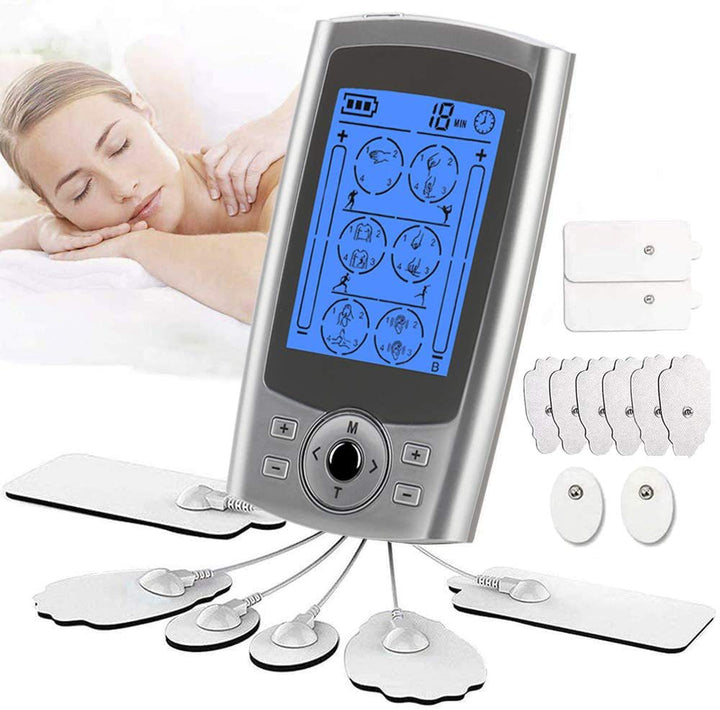
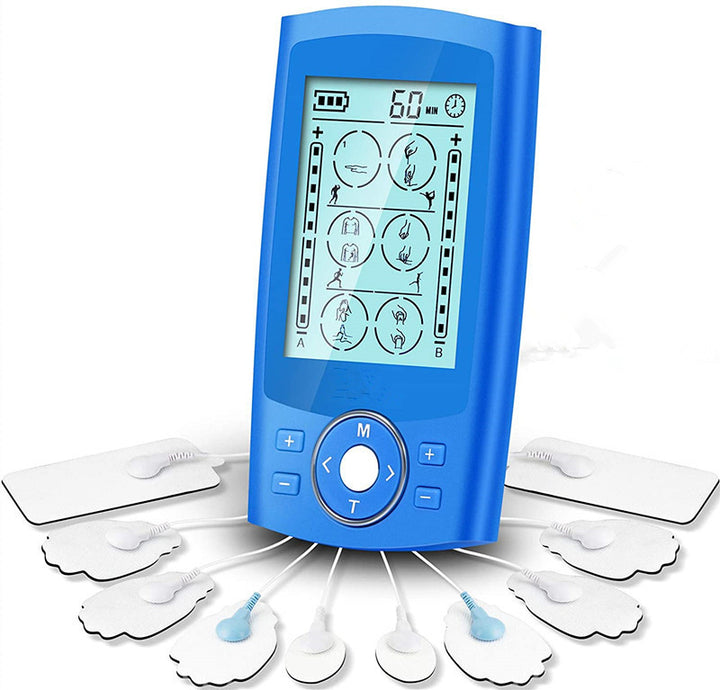
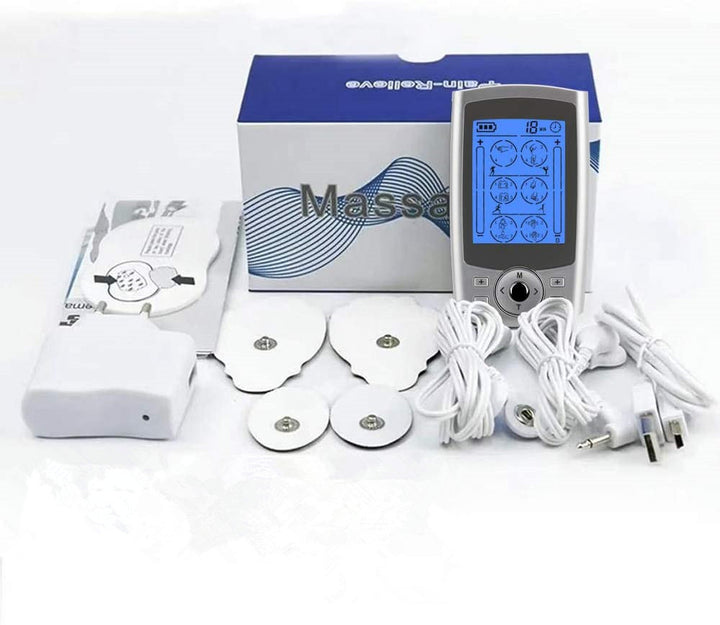

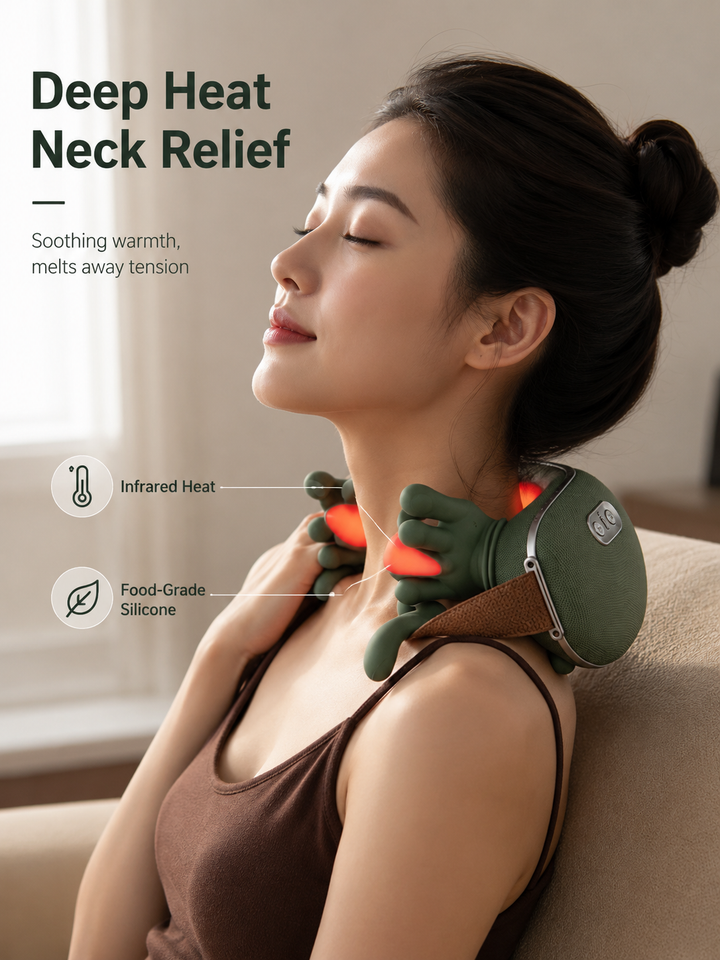
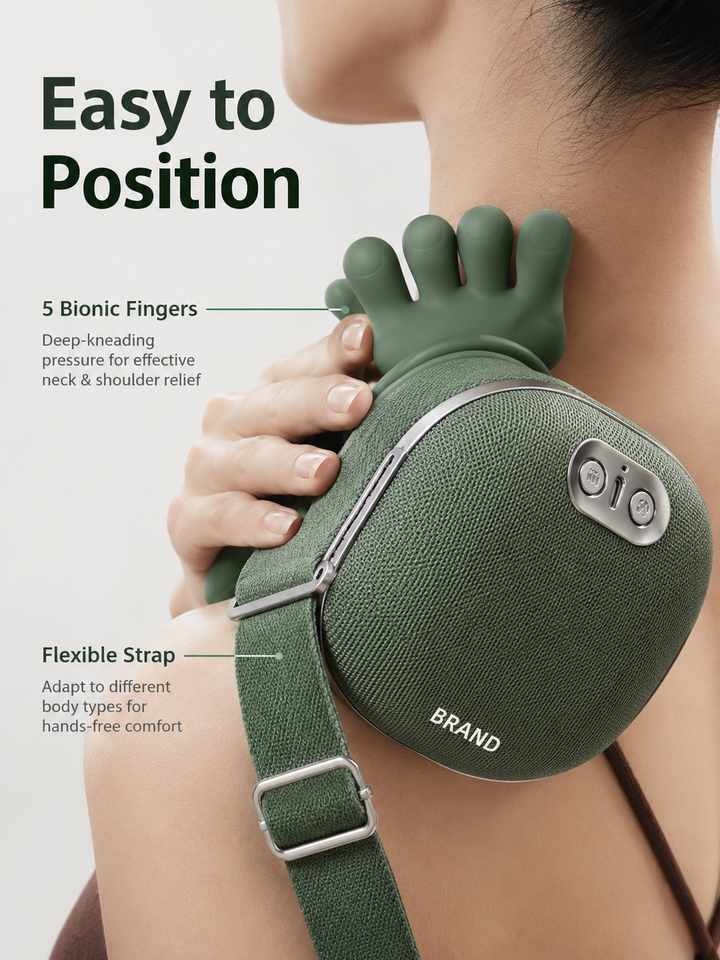
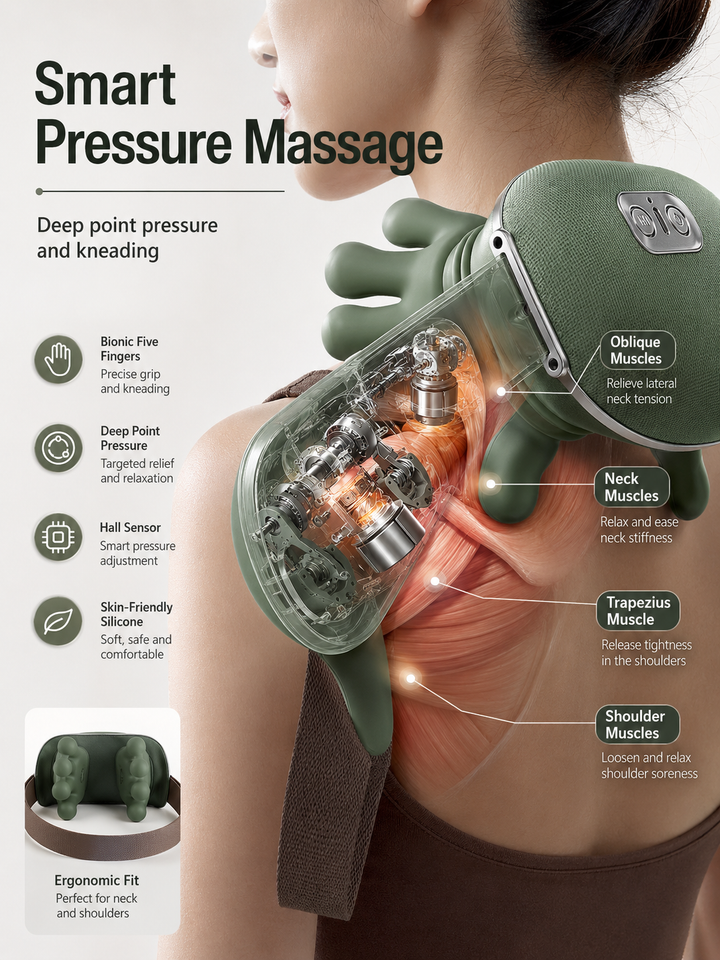





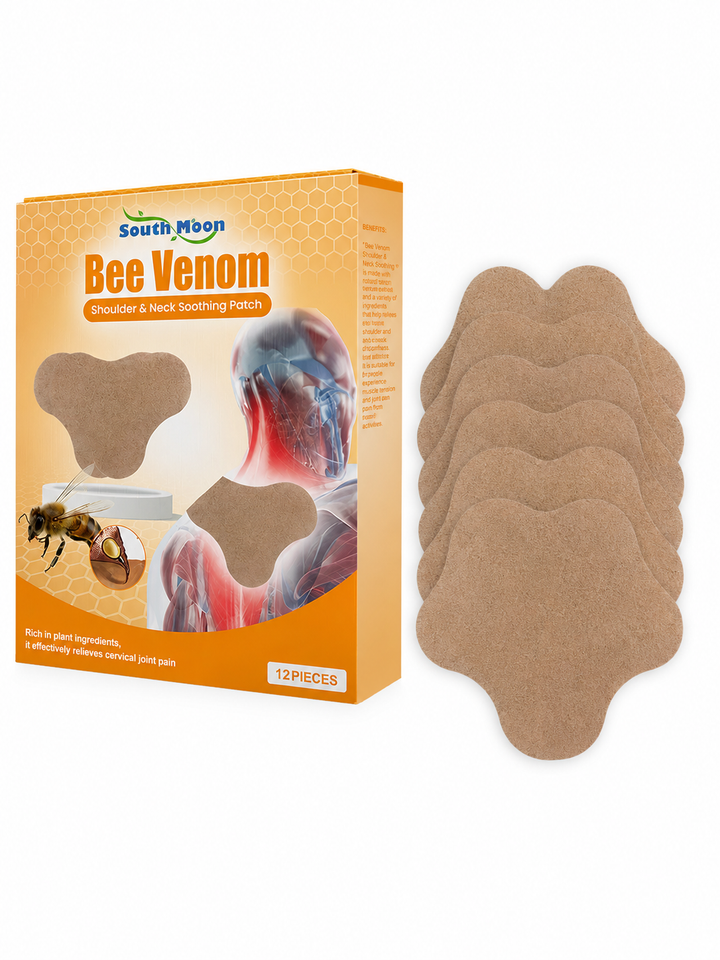





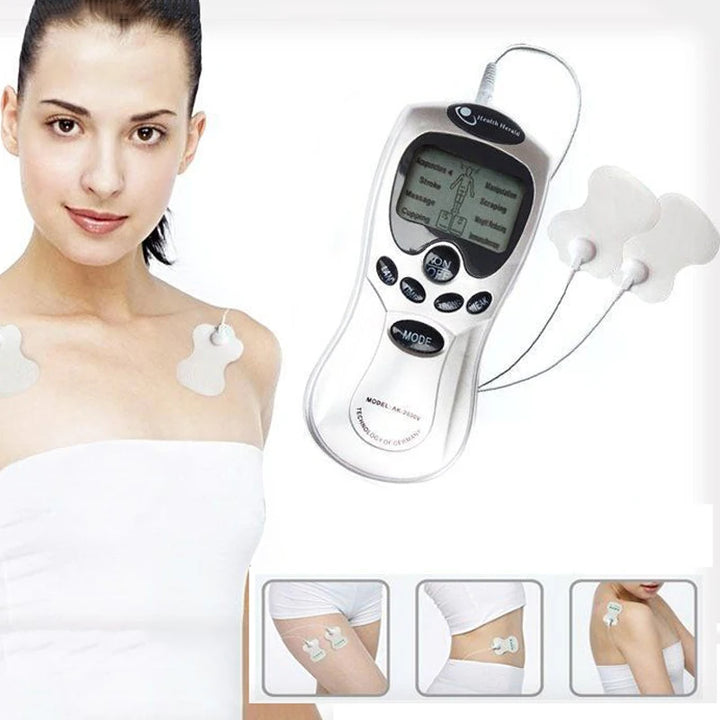
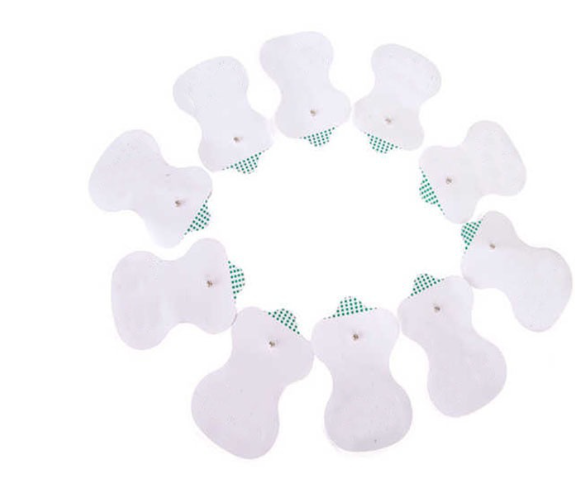
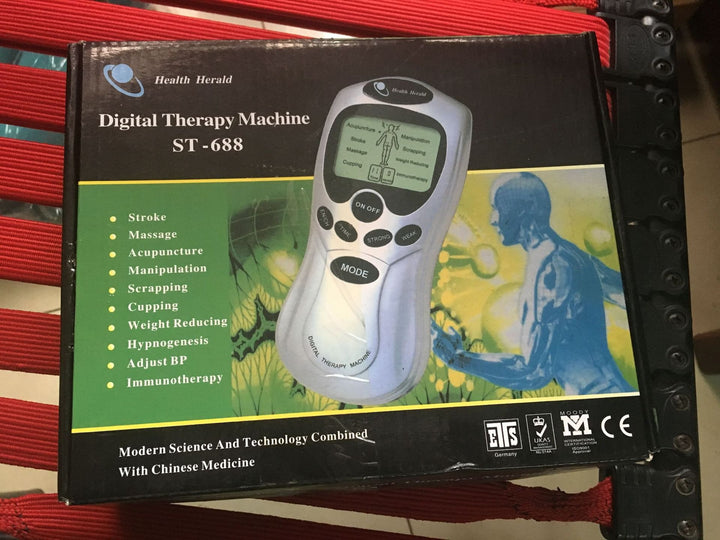


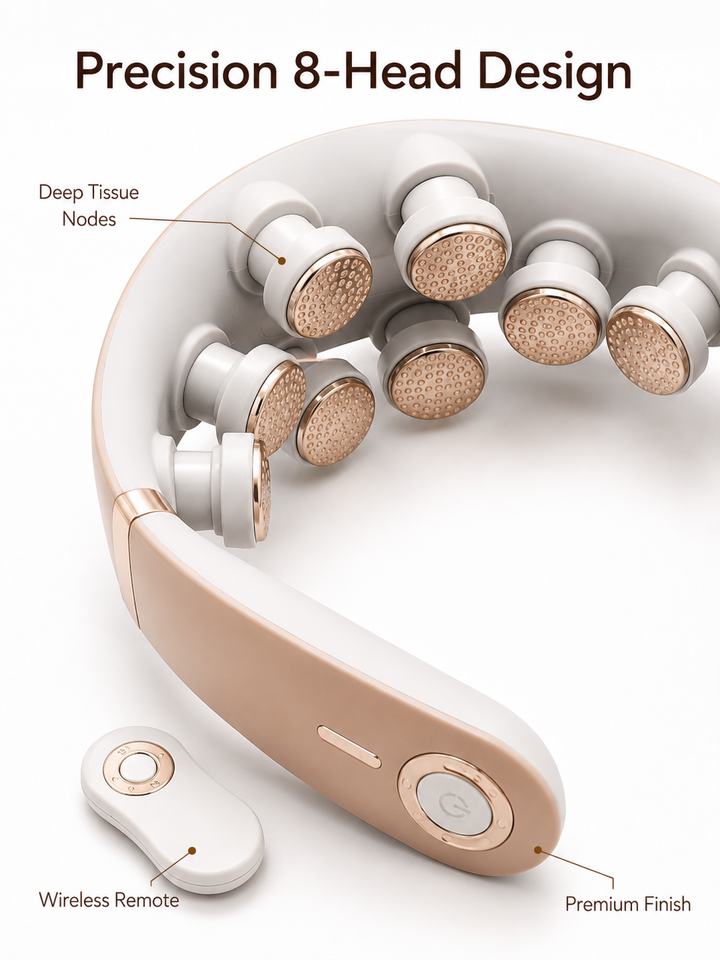
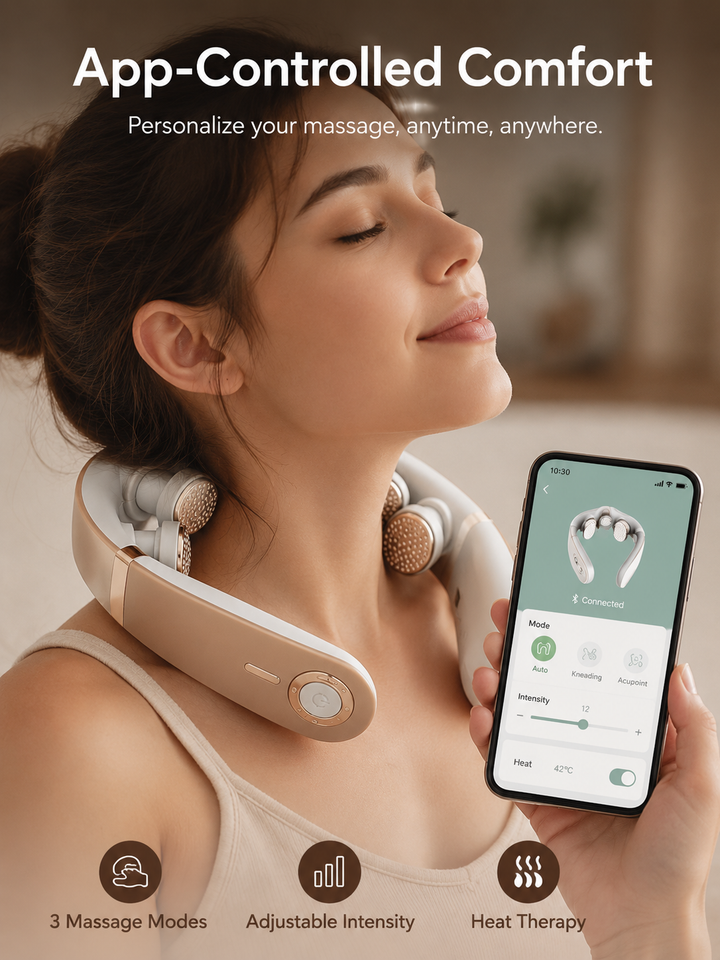



Shop TENS machines and acupuncture-style massagers for adjustable neck, shoulder, back, and general muscle-care routines. This category also includes heated massagers, creams, and patches, so you can compare electronic stimulation with topical or hands-on options in one place.
How to choose a TENS machine for neck and shoulder care
Start with the area you want to target, then compare controls, electrode placement, and comfort features. A compact TENS unit can suit people who want adjustable programs and portable use, while a cervical neck massager combines neck support, heat, massage action, and TENS-style stimulation in one device. Look for clear intensity controls, an easy-to-read screen, secure electrode pads, and instructions that explain placement. If you want a broader routine, a full-body LCD unit may offer more modes than a simple neck-focused model. For muscle recovery after everyday activity, choose settings you can adjust gradually rather than assuming the highest intensity is best. A physical therapist recommended TENS unit is not automatically right for everyone, so follow professional advice when you have a specific condition or treatment plan.
What are the different types of TENS machines?
The main options here are standalone TENS units, full-body electronic massagers, and combination neck massagers. A standalone unit, such as a 24-mode TENS device, is designed around selectable stimulation programs and separate pads. An LCD full-body massager can be useful when you want a display and more coverage options for areas such as the back, shoulders, arms, or legs. A cervical neck massager adds hands-free contact, massage movement, and heat alongside TENS-style features. Acupuncture massagers use electronic pulses or preset patterns but do not involve needles. Non-electronic alternatives in this category include neck and shoulder creams and bee venom patches. Compare portability, coverage, controls, heat, massage action, and replacement-pad requirements before deciding which type fits your routine.
What to look for when comparing TENS machine benefits and price
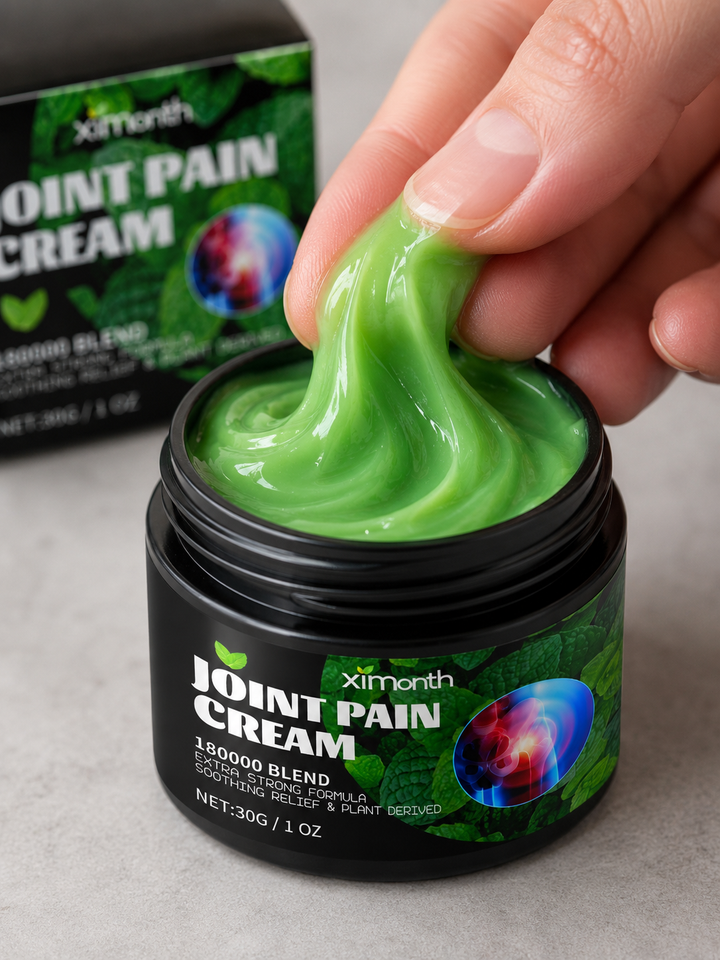
Compare value by looking beyond the number of modes. Check whether the unit includes reusable or replaceable pads, how many channels it has, whether intensity can be adjusted independently, and whether the display is easy to read. A lower TENS machine price may suit occasional use, while a model with more programs, a full-body design, heat, or massage may offer more flexibility for regular routines. Also consider what is included in the box and the likely cost of replacement pads or charging. Creams such as Joint Muscle Care Cream, Joint Pain Relief Cream, or OceAura Neck & Shoulder Massage Cream offer a different application style without electronic controls. Benefits vary by person and product feature, so treat descriptions as guidance rather than a promise of a particular result.
How to use a TENS machine safely
Read the product instructions before the first session and begin with a low, comfortable intensity. Place pads only where the manual allows, on clean, dry skin, and check that cables and pads are undamaged. Do not use a TENS unit while sleeping, driving, bathing, or operating machinery. Never place electrodes across the front or sides of the neck, over the head or face, across the chest, directly over the spine, on broken or irritated skin, or near implanted electronic devices unless a qualified clinician specifically advises it. Keep electronic devices and topical products separate from the pad area unless the instructions say otherwise. Session length depends on the device guidance and your personal circumstances; stop if you feel pain, skin irritation, dizziness, or unusual discomfort.
What are common TENS machine mistakes and side effects?
Common mistakes include starting at maximum intensity, placing pads too close together, using them on wet or damaged skin, ignoring worn adhesive, and leaving the device on while asleep. Possible problems can include temporary skin redness, itching, discomfort, or irritation where pads contact the skin. Remove the pads and stop using the device if symptoms persist or become uncomfortable. Do not use a TENS machine over areas with reduced sensation unless a healthcare professional has advised you, because you may not notice excessive stimulation or skin irritation. Ask a qualified healthcare professional before use if you are pregnant, have a pacemaker or other implanted electronic device, have epilepsy, or have an unexplained condition. Never use TENS as a reason to delay assessment of severe, sudden, or worsening symptoms.
Who are TENS machines and acupuncture massagers suitable for?
TENS machines may suit shoppers who want adjustable, non-invasive electronic stimulation for an at-home neck, shoulder, back, or muscle-care routine. They can also appeal to people comparing options for everyday tension or muscle recovery, provided the device is used exactly as directed. A neck massager with heat and 8D massage may be preferable if you want hands-free contact, while a cream or patch may suit a simpler topical routine. These products are not suitable for every person or every body area. People with implanted electronic devices, reduced sensation, skin problems, pregnancy, epilepsy, or ongoing medical concerns should seek professional guidance before choosing an electronic stimulator. If you are shopping for a TENS machine for neuropathy or back pain, ask a qualified clinician whether this type of product is appropriate for you.
Frequently asked questions
What are TENS machines good for?
TENS machines are designed to deliver adjustable electrical stimulation through skin electrodes as part of a personal muscle-care routine. Shoppers commonly consider them for areas such as the neck, shoulders, back, or limbs, but suitability and results vary. Follow the device instructions and seek professional advice for a specific condition.
What is a TENS machine used for?
A TENS machine is used to apply controlled electrical pulses through adhesive pads placed on permitted areas of the skin. Different models offer different modes, intensities, pad layouts, and coverage options. It is not the same as acupuncture with needles, and it should only be used as directed.
What are the disadvantages of using a TENS machine?
Possible disadvantages include skin irritation, uncomfortable stimulation, pad replacement costs, and the need to position electrodes correctly. TENS machines are not suitable for every user or body area, and some people should seek professional advice before use. Do not use one while sleeping, driving, bathing, or using machinery.
Are TENS machines worth buying?
They may be worth considering if you want adjustable electronic stimulation and expect to use the device regularly. Compare the TENS machine price with included pads, controls, portability, heat or massage features, and replacement supplies. A cream, patch, or manual-style massager may be a better fit if you prefer a simpler routine.
Where should you never put a TENS unit?
Never place electrodes across the front or sides of the neck, over the head or face, across the chest, directly over the spine, on broken or irritated skin, or near an implanted electronic device unless a qualified clinician gives specific instructions. Also avoid areas with reduced sensation unless advised otherwise. Always follow the placement diagram supplied with your model.
How many minutes should you use a TENS machine?
There is no single session length that suits every device or person. Follow the instructions supplied with your TENS unit, start conservatively, and stop if you notice pain, dizziness, unusual discomfort, or skin irritation. Ask a qualified healthcare professional for personalised guidance if you are using it for a specific condition.