$45.90
Free delivery · 7–14 days
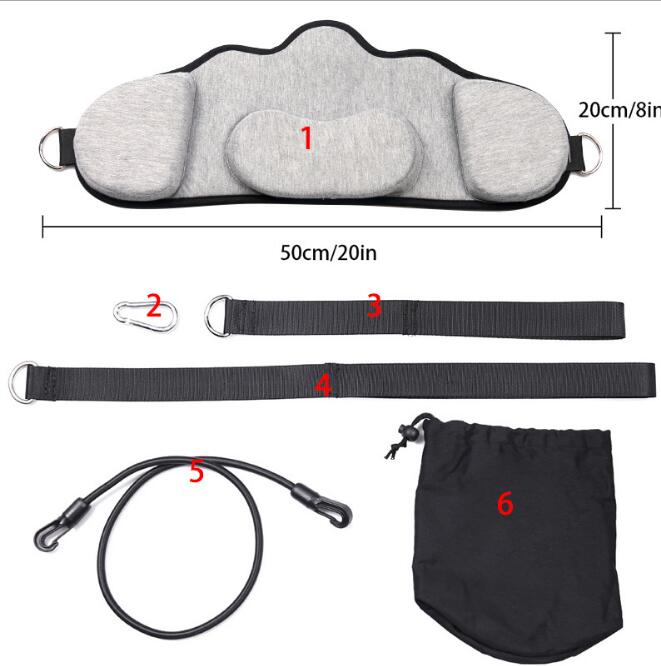
Neck Hammock Memory Foam — Portable Tension Relief Travel


Neck stretchers and cervical traction devices are designed to provide gentle support, stretching, or decompression for the neck at home, while traveling, or during rest. This guide compares the main styles in this category so you can choose based on adjustability, comfort, heat, portability, and how much support you prefer.
Start by deciding how you want to use the device. A memory foam neck hammock or traction pillow is useful for lying down and relaxing, while an inflatable cervical traction brace or collar can provide a more structured fit. Frame-style devices are better suited to shoppers who want a defined setup rather than a soft cushion. Consider portability if you travel or want a neck stretcher you can store easily. Heat-enabled options add warmth during use, but they may be less convenient to pack. Check the listed dimensions, adjustment method, materials, and cleaning instructions before buying. If you are comparing neck stretcher reviews, focus on comments about fit, stability, comfort, and ease of setup rather than expecting every device to feel the same.
This category includes several designs. Neck hammocks suspend or cradle the head and are often lightweight for home or travel use. Cervical traction pillows use shaped foam to support the neck while lying down. Inflatable collars and braces allow the fit to be adjusted by adding or releasing air, while heated collars combine support with a warming function. Portable traction frames offer a more structured design and may include straps or supports for positioning. A cervical traction device with a targeted shape can suit shoppers who want a dedicated setup, whereas a neck and shoulder relaxer may feel more comfortable for general rest. Compare whether the product is used lying down, seated, or in another position, and follow the instructions for the specific model.
Look for a design that matches your neck size, preferred position, and storage needs. Adjustable straps, inflation controls, or removable covers can make a device easier to personalize and maintain. Memory foam may appeal to shoppers who prefer cushioning, while an inflatable cervical traction design can pack down more compactly. A heated cervical traction collar should have clearly described controls and straightforward care instructions. Check whether the product includes a pump, straps, carrying pouch, or other accessories before ordering. Support should feel steady rather than forcing your head into an uncomfortable position. Product photos, dimensions, and customer reviews can help you judge fit, but they cannot replace professional advice. If you are searching for a neck stretcher on Amazon or elsewhere, compare the full specifications instead of relying only on the product title.
Read the product instructions before the first use and set up the device on a stable, comfortable surface. Begin with the least demanding adjustment available, especially if the product uses inflation, straps, or a frame. Keep your head and neck aligned as shown in the instructions, and stop if you feel sharp discomfort, numbness, tingling, dizziness, headache, or unusual symptoms. Do not fall asleep while using a device unless its instructions specifically allow it. Avoid combining heat with other warming products, and inspect inflatable parts, straps, and foam for wear. There is no universal answer to how long to leave a neck stretcher on; use only the duration stated for your model and do not extend sessions because a shorter session feels ineffective.
A common mistake is choosing a device by its advertised traction level without checking its fit or intended position. Over-tightening an inflatable collar, pulling straps too firmly, or adding too much air can make the device uncomfortable and difficult to control. Another mistake is using a pillow, hammock, frame, or heated collar on an unsuitable surface or while moving around. Do not treat a neck stretcher as a substitute for assessment when symptoms are persistent, severe, or worsening. Be cautious with online claims about cervical traction dangers and benefits: experiences vary, and a product should not be used to diagnose or manage an unexplained condition. Keep sessions within the instructions, inspect the device regularly, and stop using it if it causes unusual symptoms.
Neck stretchers may suit adults who want a home relaxation accessory, a portable support for travel, or a structured way to follow gentle stretching instructions. The best option depends on comfort, body size, mobility, and whether the user can position the device correctly without help. Older people may prefer a soft, stable design with simple controls, but age alone does not determine whether a traction device is appropriate. Anyone with a known neck, spine, nerve, joint, or circulation concern should ask a qualified healthcare professional before using cervical traction. Children should not use these products unless specifically directed by a professional. If you are unsure whether neck stretchers work for your situation, choose a product with clear instructions and a return policy, and treat reviews as personal experiences rather than guarantees.
Results vary by device, fit, user, and the reason someone wants neck support. A neck stretcher may provide a feeling of gentle stretching or relaxation, but it is not guaranteed to relieve every type of neck discomfort. Follow the product instructions and stop if it causes unusual symptoms.
The best choice depends on your preferred position and level of adjustability. Choose a memory foam hammock or traction pillow for cushioned support while lying down, an inflatable collar for adjustable compression, or a frame for a more structured setup. Compare dimensions, controls, materials, and reviews about comfort and stability.
Use only a neck stretcher that is designed for home use and follow its setup and time instructions closely. Keep the adjustment gentle, maintain the recommended position, and stop if you notice pain, numbness, tingling, dizziness, or other unusual symptoms. Ask a qualified healthcare professional for guidance if you have a neck or spine condition.
Gentle movement may feel comfortable for some people, but neck stretching is not suitable for everyone or every symptom. Avoid forcing the range of motion or using a traction device without understanding its instructions. Seek professional guidance if discomfort is persistent, severe, worsening, or accompanied by neurological symptoms.
Use the duration stated in the instructions for the specific product, since pillows, hammocks, collars, and frames are used differently. Do not extend the session or sleep in the device unless the manufacturer specifically says that is permitted. Stop immediately if the device causes unusual discomfort or symptoms.
Older adults should use gentle, controlled exercises selected for their abilities rather than relying on a traction device to build strength. A qualified healthcare professional can recommend suitable movements and explain whether a neck stretcher is appropriate. Start gradually, avoid forcing the neck, and stop if symptoms appear.