TENS Units & Electrical Muscle Stimulation Machines for Relief
3 items
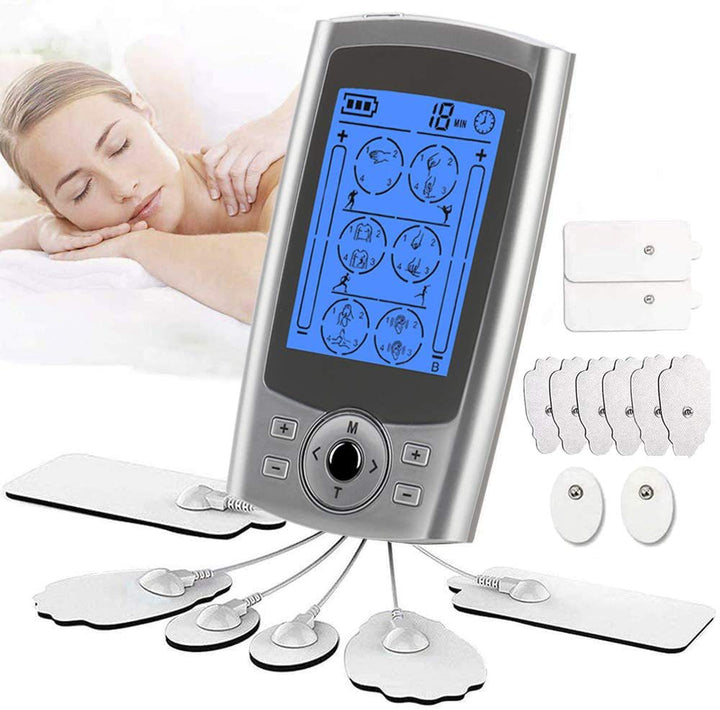
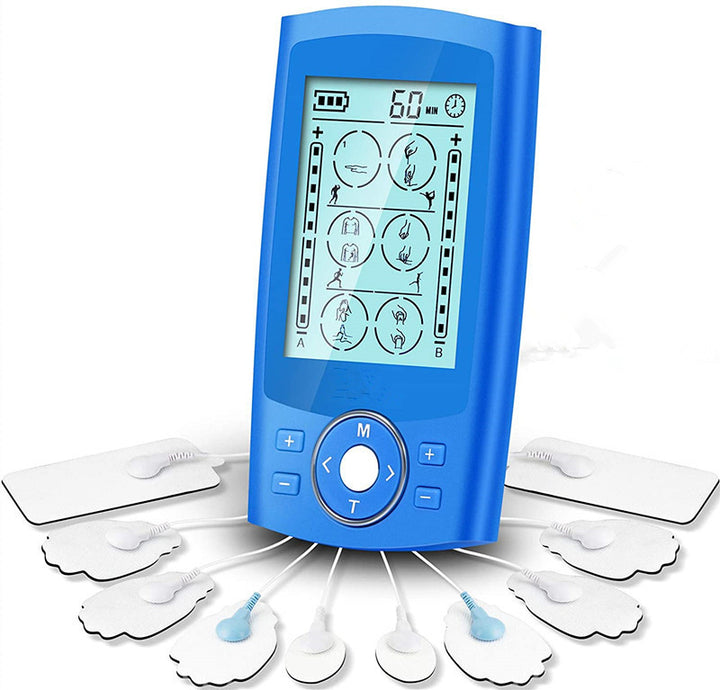
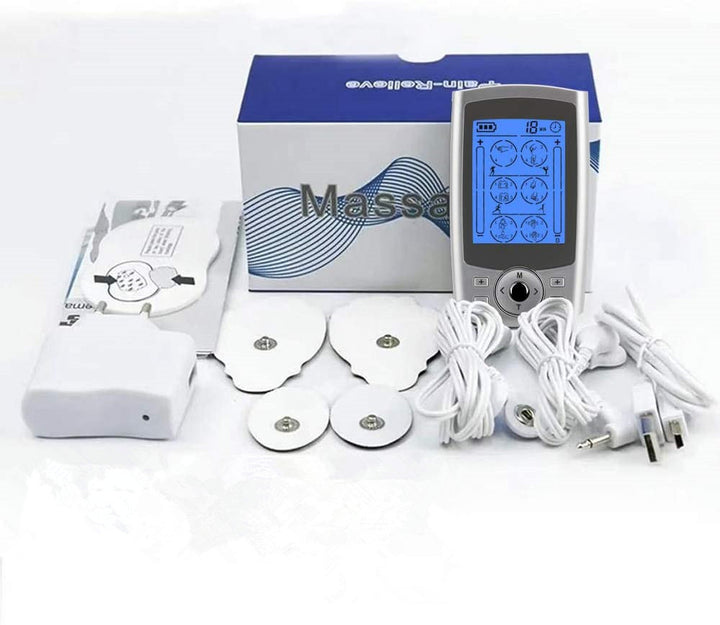

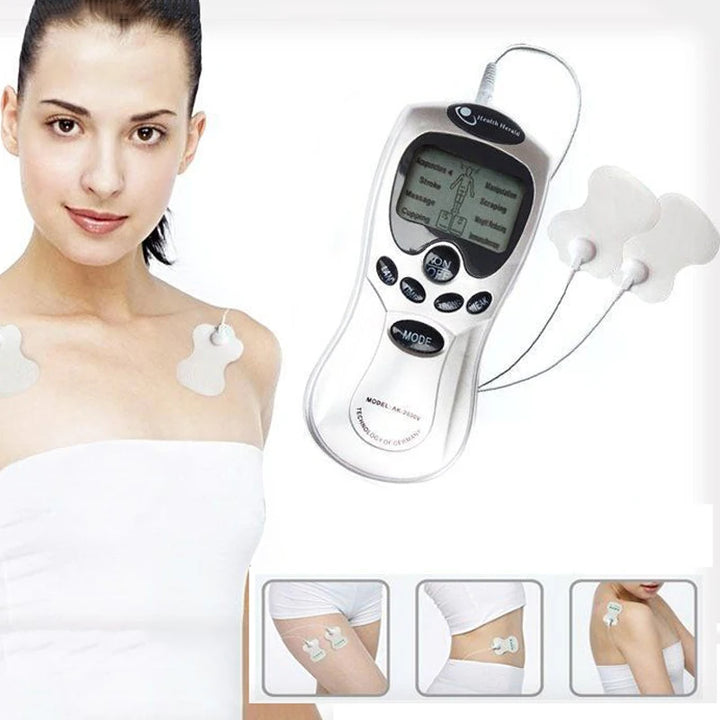
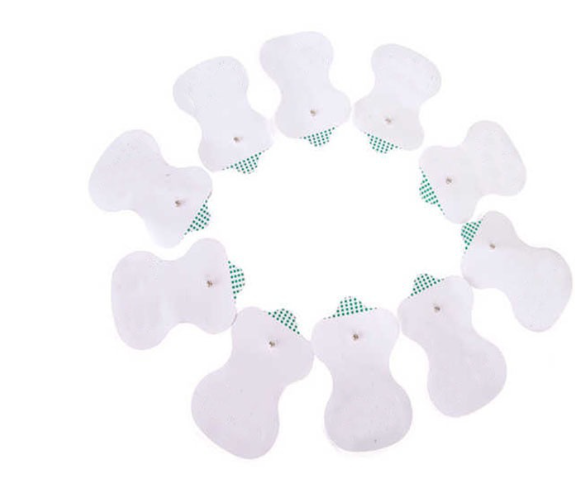
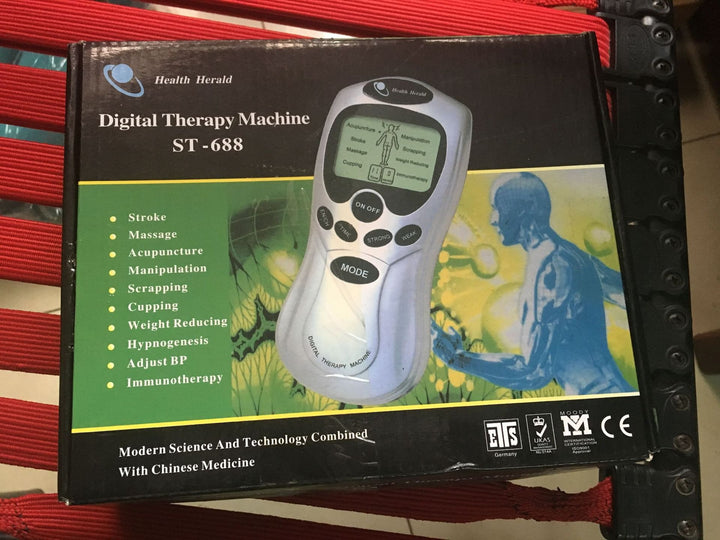

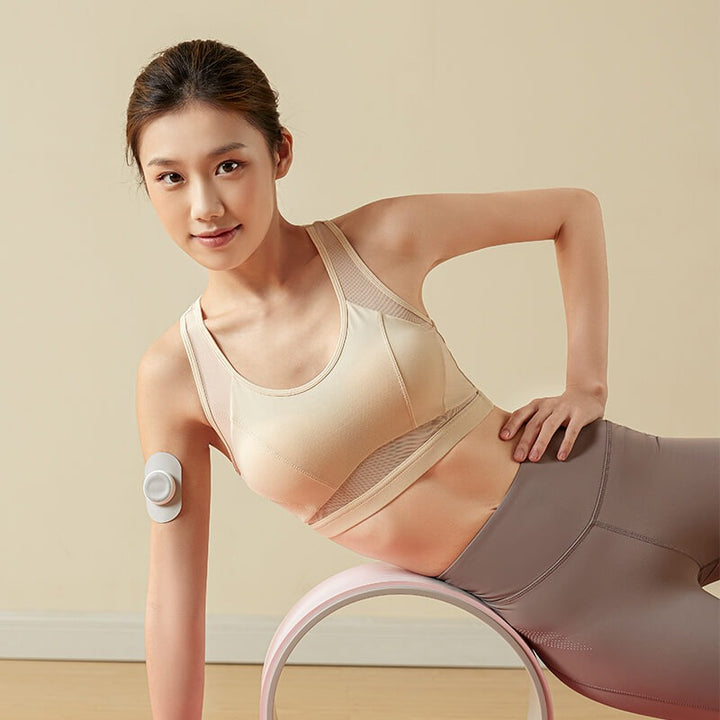
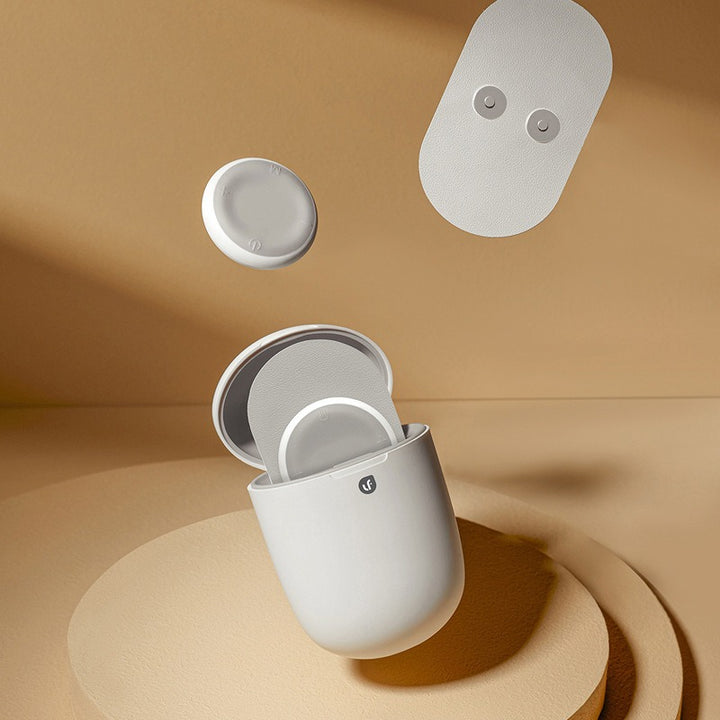
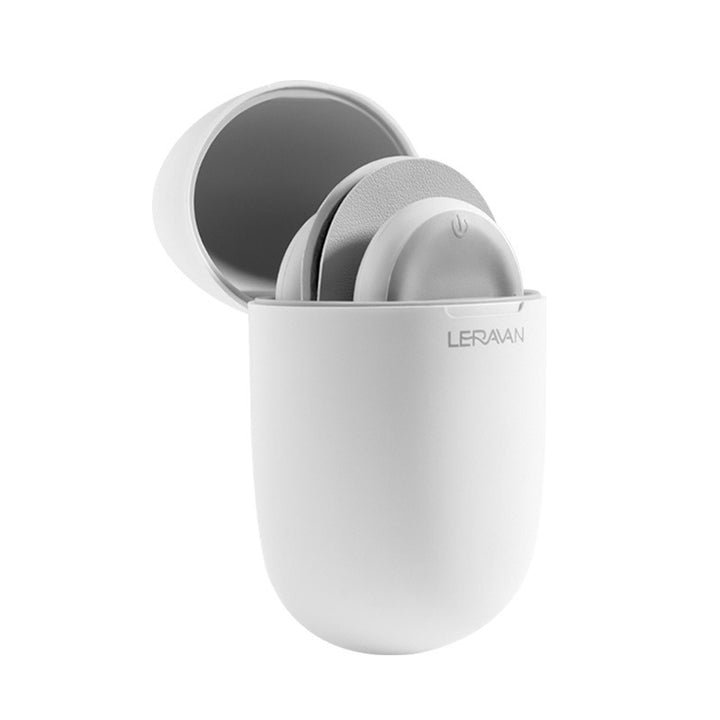
TENS units use controlled electrical pulses through adhesive pads, while electrical muscle stimulation devices may also include massage or muscle-focused settings. Compare the controls, modes, pad placement options, portability, and included accessories to find a device that fits your routine and comfort preferences.
How to choose the best TENS unit
Start with how and where you expect to use the device. A TENS Unit with 24 Modes — Clinical Pain Relief Machine suits shoppers who want a broad selection of settings and a traditional handheld control design. Massage Stickers — Wearable TENS Relief in Pocket Size is easier to carry and may be convenient for short sessions away from home. The LCD Full Body Massager Tens Unit Acupuncture Electronic Digi is a choice for shoppers who prefer a display and a device designed for multiple body areas. Check whether replacement tens units pads are available, how the controls work, and whether the package includes everything needed to begin. If you are comparing a tens unit on Amazon, at Walgreens, or from a local tens unit near me search, focus on specifications rather than marketplace labels.
TENS units and muscle stimulation machines compared
TENS units are generally selected for adjustable electrical stimulation delivered through skin-contact pads. Electrical muscle stimulation machines may emphasize muscle-focused programs, massage sensations, or broader body-area coverage, so the product description and mode list matter. The TENS Unit with 24 Modes provides numerous program choices in one machine, while the wearable Massage Stickers prioritize a compact format and simple portability. The LCD Full Body Massager Tens Unit Acupuncture Electronic Digi combines a screen-based interface with a larger feature set for shoppers who want to review settings while operating the unit. These devices are not interchangeable with professional treatment. Read the instructions for the exact model, and choose only settings and placements that feel comfortable and are permitted by the manual.
What to look for in TENS units
Useful features include clearly labeled intensity controls, easy-to-read displays, multiple modes, secure pad connections, and a design that is simple to clean and store. For home use, consider cord length, battery or charging requirements, and whether the controller can be operated without awkwardly reaching around your body. If portability is important, the wearable Massage Stickers — Wearable TENS Relief in Pocket Size may be more practical than a larger handheld unit. If you want more program choice, compare the 24-mode model directly with the LCD Full Body Massager. Also inspect the included tens units pads: note their size, number, adhesive design, and replacement instructions. A physical therapist recommended TENS unit may reflect a particular person’s needs, so do not assume the same model is right for everyone.
How to use a TENS unit safely
Before use, read the product manual and inspect the pads, wires, and controller for damage. Apply pads only to clean, dry skin and follow the device’s placement diagrams; begin at a low intensity and increase gradually only if the sensation remains comfortable. Keep the controller and pad connections dry, and remove pads before repositioning them or adjusting placement. Do not use a device while driving, sleeping, bathing, or operating machinery unless the instructions specifically allow it. Avoid placing pads over the front or sides of the neck, across the head, on broken or irritated skin, or in any location prohibited by the manual. Ask a qualified healthcare professional before use if you have an implanted electronic device, are pregnant, or are unsure whether TENS is appropriate for you.
Common TENS unit mistakes to avoid
A frequent mistake is choosing a model by the phrase best tens unit alone without checking its controls, pad format, and intended use. Do not place pads too close together, use damaged pads, share pads, or apply them to wet, numb, inflamed, or injured skin. Avoid raising intensity simply because a stronger sensation seems more effective; stimulation should remain comfortable and within the device instructions. Do not leave a unit running longer than the manual recommends, and do not wear it during activities that could make you lose awareness of the sensation. Store pads as directed so their adhesive remains usable, and replace them when they no longer adhere properly. Stop if you experience skin irritation, pain, dizziness, or an unusual reaction, and seek professional advice if symptoms persist.
Who should consider a TENS unit?
TENS units may suit shoppers seeking a noninvasive, adjustable electrical-stimulation option for use at home, work, or while traveling. Someone looking for a tens unit for nerve pain should first discuss the idea with a qualified healthcare professional, because the cause and location of discomfort affect whether the device is appropriate. A portable wearer may prefer the Massage Stickers, while someone wanting more control may choose the 24-mode machine or the LCD Full Body Massager. These products are not a substitute for diagnosis or individualized care. They may not be suitable for everyone, including people with certain implanted devices or skin conditions. If you have been given placement or usage instructions by a physical therapist, follow those instructions and compare them with the product manual.
Frequently asked questions
What does a TENS unit actually do?
A TENS unit sends controlled electrical pulses through adhesive pads placed on the skin. The sensation and available programs vary by model, so use the intensity and placement instructions supplied with your device. It does not diagnose the cause of discomfort or replace professional medical advice.
Is there a downside to using a TENS unit?
Possible downsides include skin irritation, uncomfortable stimulation, poor pad adhesion, and choosing an unsuitable placement or intensity. Do not use a device on prohibited areas or with damaged accessories, and ask a healthcare professional if you have an implanted electronic device, are pregnant, or have concerns about suitability.
What is the best TENS unit to buy?
The best choice depends on the controls, portability, number of modes, display, and pad design you prefer. Choose the 24-mode model for more program options, the wearable Massage Stickers for a compact format, or the LCD Full Body Massager for a screen-based design and broader feature set. Always compare the manual and included accessories before buying.
How many hours can you wear a TENS unit?
There is no single wear time that applies to every device or person. Follow the model’s manual and any instructions from your healthcare professional, and remove the unit before sleeping, bathing, driving, or other restricted activities. Give your skin a break and stop if irritation or discomfort develops.
Where should you not put a TENS unit?
Do not place pads on the head, front or sides of the neck, broken or irritated skin, or any area specifically excluded by the manual. Avoid placing them across the chest or near implanted electronic devices unless a qualified professional has given clear instructions. Use the supplied placement guide for the exact model.
Is it okay to use TENS every day?
Some people may use TENS regularly, but frequency and session length should follow the product instructions and professional guidance. Daily use is not appropriate if it causes skin irritation, pain, or another unusual reaction. If you want to use a TENS unit every day for ongoing discomfort, discuss it with a qualified healthcare professional.