
$46.90
Free delivery · 7–14 days
Shoulder & Knee Heated Massage Brace — Relief with Heat


Heated massagers combine warmth with features such as vibration, massage pressure, compression, or electrical stimulation for targeted comfort at home. This guide compares options for the back, neck and shoulders, knees, elbows, legs, feet, and waist so you can choose a format that matches how and where you want to use it.
Start with the area you want to use it on most often. A heated neck wrap suits the neck and shoulders, while a waist support brace is shaped for the lower back and lumbar area. For knees, shoulders, and elbows, a heated vibration massage wrap can stay positioned around the joint during seated use. If you want broader contact, consider a handheld back massager with heat and vibration, or a heating pad-style wrap. Check the power source before buying: the graphene heated neck wrap uses USB power, while patches and warmers are designed for portable, heat-only use. Also compare adjustability, fastening, surface coverage, controls, and whether the product provides warmth alone or combines heat with vibration or EMS.
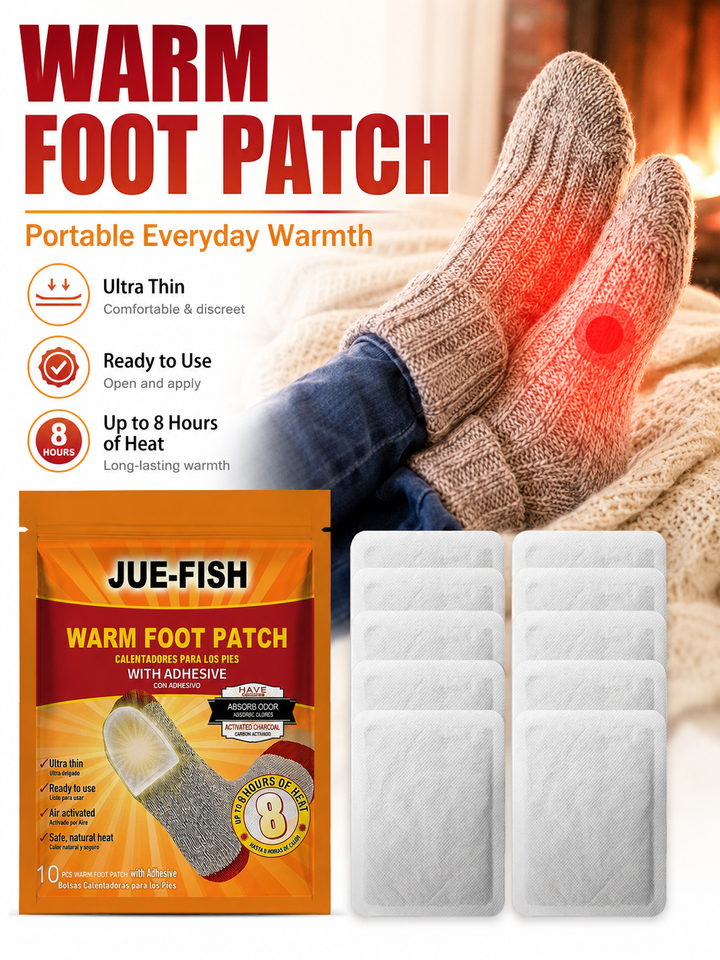
Heat massagers vary considerably in both action and coverage. Electric wraps and braces deliver localized warmth and may add vibration, such as the shoulder and knee brace, heated waist support, or multi-joint vibration wraps. The microcurrent EMS heat massager combines heat with electrical stimulation modes, so review its controls and intended placement before use. A neck wrap focuses warmth around the neck and shoulder area, while a foot warmer provides cozy heat without massage movement. Wormwood patches, foot warmer patches, and joint relief spray are portable alternatives, but they are not equivalent to an electric massager with heat and vibration. Choose based on whether you want massage movement, wearable support, simple warmth, or a product that can travel without a power cable.
For a heat massager for the back, look for a shape that covers the lower back or waist rather than a small pad that shifts easily. Adjustable straps can help a heated waist support brace sit securely while you are seated. For the neck and shoulders, a wrap with a contoured collar or shoulder drape can provide more targeted contact than a flat heating pad. Look for clearly labeled controls, selectable heat settings, and a cable length or USB connection that suits your setup. If vibration matters, check whether the product offers separate heat and massage controls. Soft, flexible materials are useful for wraps, while removable or wipe-clean surfaces make regular use easier. Always follow the product instructions for placement and duration.
Read the instructions before the first use and inspect the cord, controller, fasteners, and heating surface for damage. Place the device over clothing or as directed, keep the heat setting comfortable, and remain attentive while it is operating. Do not sleep with an electric heated massager unless the product instructions specifically allow it, and keep electrical components away from water. Avoid folding, covering, or pinching a powered heating device. For vibration or EMS models, begin with the lowest setting and stop if the sensation feels unpleasant. Patch products and sprays may have separate application directions, so check the label and avoid use on irritated or broken skin. If you have a condition affected by heat, vibration, compression, or electrical stimulation, ask a qualified healthcare professional before use.
One common mistake is choosing a neck wrap when you really need coverage around the lower back, or expecting a foot warmer patch to provide the kneading action of a foot massager. Another is buying by the phrase “heat and vibration” without checking where the vibration occurs, how the product fastens, and whether it is handheld or wearable. Do not assume a higher setting is better; excessive warmth or intense vibration can be uncomfortable. Avoid placing patches or sprays over damaged skin, and do not combine topical products without checking their instructions. Shoppers also overlook power requirements, which can make a USB wrap inconvenient away from a charger. Finally, treat “best heated massagers” lists as starting points: compare fit, controls, coverage, portability, and the features you will actually use.
Heated massagers suit shoppers who want convenient, localized warmth and optional massage sensations during rest, desk work, or travel. A neck wrap can suit people who prefer a wearable design around the shoulders, while a waist brace is a practical choice for targeted lower-back warmth. Joint wraps are designed for specific areas such as the knee, shoulder, or elbow, and foot warmer patches suit people seeking portable warmth rather than powered massage. A handheld back massager with heat and vibration may be better when you want to guide the pressure yourself. These products are comfort accessories, not a substitute for diagnosis or treatment. People who are pregnant, have reduced heat sensation, use implanted electrical devices, or have other health concerns should seek professional guidance before choosing heat, compression, vibration, or EMS.
They can provide warmth and, depending on the design, vibration, pressure, or electrical stimulation that many people find relaxing or comforting. Results vary by person, body area, fit, and settings, so choose a product that matches your preferred type of sensation. Heated massagers are not a guaranteed treatment for an underlying condition.
The best option depends on where you want to use it and whether you prefer warmth alone or heat combined with vibration or EMS. A heated waist support suits the lower back, a graphene heated neck wrap suits the neck and shoulders, and joint wraps target the knee, shoulder, or elbow. Compare fit, coverage, controls, power source, and ease of cleaning rather than relying on one universal ranking.
A heated foot product can provide warming comfort, while a foot massager with moving or vibrating parts may add a massage sensation. Foot warmer patches in this category provide heat but do not offer powered kneading or vibration. Check the product description carefully so you know whether you are buying warmth only or a combination of heat and massage.
A heated waist support brace is shaped for the waist and lumbar area, making it a practical choice for targeted lower-back warmth. A handheld back massager with heat and vibration can suit shoppers who want to guide the device themselves, if that format is available to them. Look for secure fastening, suitable coverage, comfortable controls, and a power setup that works where you plan to use it.
There is no single back massager that is best for every shopper. A wearable waist brace offers hands-free positioning, while a handheld heat-and-vibration design gives you more control over placement and pressure. Compare the intended body area, massage action, heat controls, portability, and user instructions before choosing.
Possible drawbacks include discomfort from heat, vibration, compression, or electrical stimulation; limited mobility while connected to power; and the need to follow cleaning and storage instructions. Electric products should not be used with damaged cords, around water, or while sleeping unless the instructions specifically permit it. Stop using the product if it feels painful or causes skin irritation, and seek professional advice if heat, vibration, compression, or EMS may conflict with your health needs.