
$64.90
Free delivery · 7–14 days
Tile Cleaning Polish for Brighter, Dust-Free Floors

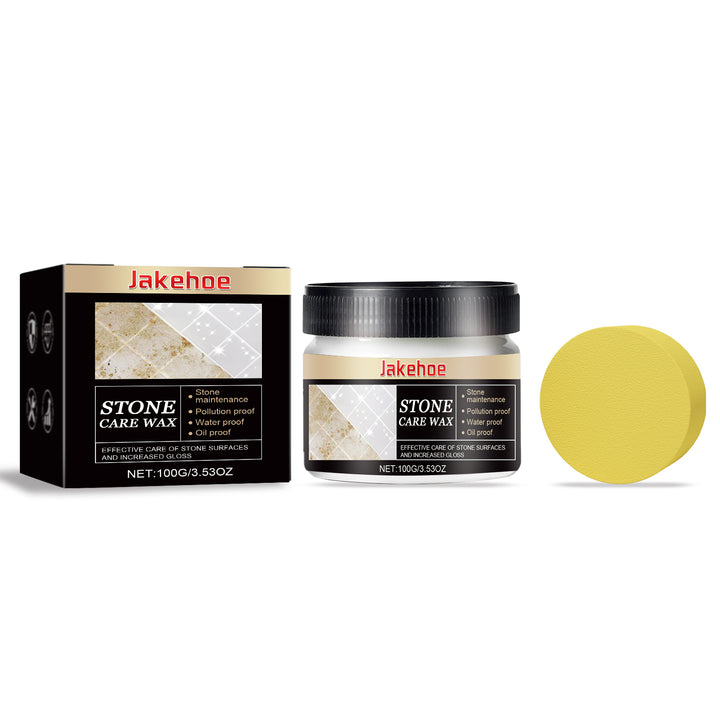


Find stone polish and care products for marble, granite, tile, counters, floors, and selected outdoor stone surfaces. Compare cleaners, polishing creams, waxes, compounds, and plating agents by the surface you are treating and the finish you want to achieve.
Start by identifying the surface: marble, granite, ceramic tile, or another natural stone. Then decide whether you need routine cleaning, a brighter appearance, help with dullness, stain removal, or added surface protection. A stone countertop cleaner is suited to everyday counter care, while a countertop polish is intended for a more finished look and lasting shine. For floors, compare tile cleaning polish, stone floor polish cream, and stone care wax according to the desired balance of cleaning, shine, and protection. If you are shopping for stone polish for rocks or outdoor stone polish, check the product directions first because a formula designed for sealed indoor surfaces may not suit rough, porous, or weather-exposed stone.
Stone polish products differ mainly in format and purpose. A polishing compound or surface polish is typically chosen when you want to refresh a dull-looking finish. A polishing cream can be useful for floor care and surface protection, while stone care wax focuses on shine and stain-related maintenance. Countertop cleaners are designed for regular cleaning before polishing, helping remove surface dust and residue. Tile cleaning polish is aimed at brighter, cleaner-looking floors, and a ceramic stone plating agent is positioned for quickly restoring tile shine. A stone polish kit may combine products or accessories, so inspect the contents and directions rather than assuming it includes everything needed for every stone type.
For a countertop, prioritize compatibility, application method, and the finish described by the product. Marble and granite can respond differently to cleaners and polishing treatments, so select a product whose instructions name your surface or clearly indicate natural stone use. Look for practical details such as whether the product is a cleaner, polish, cream, wax, or compound; whether it is intended for sealed surfaces; and whether it is suitable for frequent or occasional care. A countertop cleaner can prepare the surface, while a stone countertop polish is chosen for shine and protection. Avoid relying on general-purpose products simply because they promise gloss. Always test an inconspicuous area first and follow the label directions.
Begin by removing loose dust and grit so it cannot scratch the surface during application. Clean the area with the appropriate stone or tile cleaner, then allow it to dry if the instructions require a dry surface. Apply the polish, cream, wax, or compound in the amount and manner specified on its label, working in manageable sections. Use a clean, suitable cloth or applicator and buff only as directed. For floors, keep the area clear until the product has been fully worked in or dried according to the instructions. Do not mix products unless the manufacturer says it is acceptable. Test first on a hidden section, especially on polished marble, granite, ceramic tile, porous stone, or previously treated surfaces.
The most common mistake is choosing a product by the word polish alone without checking the surface and finish requirements. Do not assume a countertop product is suitable for floors, outdoor stone, rocks, or unsealed materials. Avoid applying polish over grit, spills, or heavy residue, since these can affect the result. Using too much product may leave buildup, while skipping a small test area can reveal problems too late. Do not use abrasive tools unless the instructions specifically allow them, and avoid mixing cleaners, waxes, and polishing compounds. If the surface has a deep scratch, chip, severe etch mark, or damaged seal, a routine polish may not restore it; consider professional stone restoration instead.
Stone polish is useful for homeowners, renters, cleaners, and property managers who want to maintain the appearance of stone or tile between deeper restoration work. It can suit kitchen and bathroom counters, indoor stone floors, ceramic tile, and selected decorative or outdoor surfaces when the label confirms compatibility. Choose a cleaner for regular upkeep, a polish or compound for a refreshed finish, and a wax or protective cream when the product is intended to add surface protection. Shoppers looking for the best stone polish should compare the exact surface, application area, finish, and directions rather than relying on a single universal formula. If you need a complete stone polish kit, confirm whether it includes cleaner, polish, applicator, and any required accessories.
Use a stone-specific polish, polishing cream, wax, or compound that is labeled for your surface, such as marble, granite, tile, or another compatible stone. Clean away dust and residue first, test an inconspicuous area, and follow the product directions for application and buffing.
The best choice depends on the stone, whether it is sealed, and the finish you want. Compare products labeled for your specific surface and choose between a cleaner, surface polish, cream, wax, or compound based on whether you need routine care, renewed shine, or added protection.
First remove surface dirt and determine whether the dullness is caused by residue, wear, or an etch mark. A compatible stone surface polish or polishing cream may refresh a surface with ordinary dullness, but deep scratches, chips, or severe etching may require professional restoration.
Clean the granite with a product intended for stone countertops, then use a granite-compatible countertop polish if the label supports that surface. Apply it as directed and test a hidden area first; avoid assuming that a general-purpose cleaner or oily product will safely restore the finish.
Granite’s sparkle comes from the reflective minerals within the stone and the way its surface is finished. Removing dust and residue can improve its appearance, while a compatible stone countertop polish may enhance the surface finish without changing the stone itself.
WD-40 is not a substitute for a granite or natural-stone cleaner and may leave an oily residue. For routine care, use a product specifically labeled for stone countertops, then follow its instructions and wipe the surface clean as directed.