
$64.90
Free delivery · 7–14 days
Automotive Metal Polish for Shine & Rust Protection
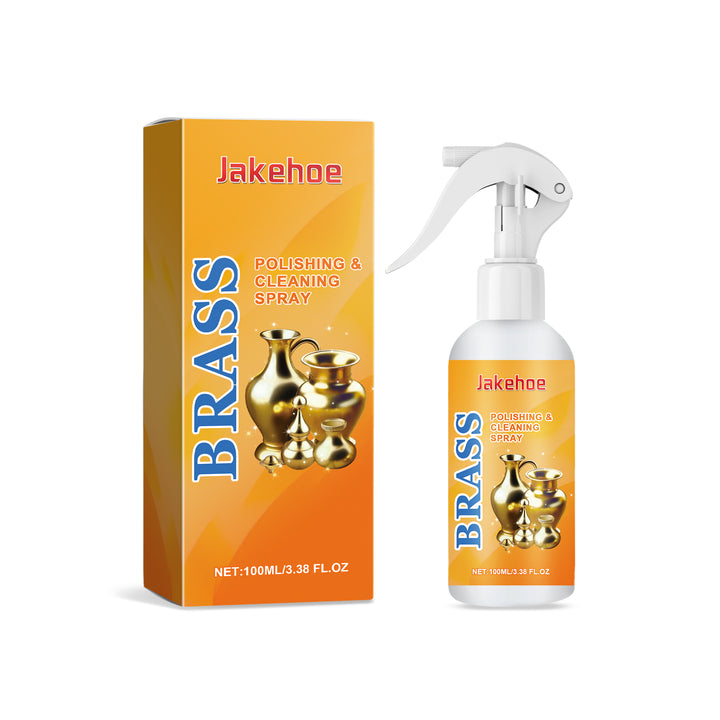
Choose the right metal polish for the surface, finish, and level of tarnish you need to treat. This category includes an automotive metal polish for shine and rust protection, plus a brass polishing spray designed to restore luster with minimal effort.
Start by identifying the metal and the result you want. For vehicle trim, wheels, exhaust components, and other automotive surfaces, choose the automotive metal polish for shine and rust protection. It is suited to removing surface dullness while improving the finish. For brass fixtures, decorative items, hardware, and accents, the brass polishing spray is the more direct choice because it is made to restore brass luster in one spray. If you are searching for metal polish steel, check that the product is suitable for the specific steel finish before applying it. Always test a small hidden area first, especially on plated, lacquered, painted, brushed, or coated metal.
Metal polish comes in different formats, and each works best for a different task. A spray is convenient for brass pieces that need quick coverage and an easy wipe-down, making the brass polishing spray useful for household hardware and decorative surfaces. A cream or paste formula usually gives you more control when working on small areas or heavier surface dullness, but it may require more rubbing. Automotive metal polish is designed for vehicle-related metal surfaces and combines shine enhancement with rust protection. If you are comparing a metal polish kit or metal polish tool, look for useful applicator cloths or pads rather than unnecessary accessories. The best metal polish is the one matched to the surface and finish.
Look for clear surface guidance, application instructions, and a finish that matches your project. Automotive metal polish should state that it is intended for suitable vehicle metal surfaces and explain whether it is used by hand with a cloth or applicator. A brass polishing spray should make it clear that it is intended to restore brass luster and should include directions for spraying, wiping, and buffing. Consider the condition of the item too: light dullness may need only a straightforward polish, while rust, oxidation, or damaged plating may require separate restoration. Avoid choosing by search terms alone, whether you found the product through metal polish near me, metal polish cream, or another query. Surface compatibility matters more than format.
Clean away loose dirt and grit before polishing so you do not rub particles across the surface. Dry the metal, then apply a small amount of automotive metal polish to a clean, soft cloth or suitable applicator and work in manageable sections. For brass, follow the brass polishing spray directions, applying an even mist and wiping with a clean cloth before buffing to improve the shine. Use light, controlled pressure and change to a fresh part of the cloth as it becomes soiled. Remove residue rather than allowing it to dry on an unsuitable surface. Finish by inspecting the item in good light. On delicate, coated, or plated metal, test first and stop if the finish changes unexpectedly.
Do not assume every metal polish is safe for every surface. Avoid using an abrasive formula on lacquered, painted, anodized, plated, or brushed finishes unless the instructions specifically allow it. Do not polish over sand, grit, or heavy dirt, and avoid rough paper towels, stiff brushes, or an untested metal polish tool that could leave scratches. Never mix polish with household cleaners or apply it near an open flame. A water-displacing spray may help loosen grime or moisture, but it is not a substitute for a purpose-made metal polish when you want a bright, even finish. Do not leave spray or polish residue in seams, around electrical parts, or on surfaces where it could create slipping or staining concerns.
Automotive metal polish is a practical choice for vehicle owners restoring shine to compatible trim and metal components while adding rust protection to the finish. It can also suit workshops, detailers, and DIY users who need a dedicated product for automotive metal care. The brass polishing spray is better for homeowners, renters, restorers, and maintenance teams cleaning brass hardware, decorative pieces, and fixtures. Choose a spray when quick application and simple coverage are priorities; choose an automotive formula when the project involves vehicle metal and road-related dullness. Neither product replaces repairs for deeply corroded metal, peeling plating, or structural damage. If you are building a metal polish kit, include soft cloths, gloves, and a small test area rather than relying on one product for every metal.
Use a purpose-made metal polish matched to the surface, together with a clean, soft cloth or suitable applicator. Choose the automotive metal polish for compatible vehicle metal surfaces, or the brass polishing spray for brass items and fixtures.
A water-displacing spray may loosen grime or help displace moisture, but it is not a dedicated metal polish. For a brighter, more even finish, clean the surface first and use the appropriate automotive or brass polish.
Remove dirt and grit, dry the surface, then apply a compatible metal polish with a soft cloth. Work in small sections, wipe away residue, and buff with a clean part of the cloth; test first on plated, coated, or painted metal.
Apply a metal polish designed for that metal and finish. Use the automotive formula for suitable vehicle metal surfaces and the brass polishing spray for brass, following the label directions and using a clean cloth for the final buff.
Avoid untested abrasive powders, rough scrubbers, steel wool, and mixed cleaning chemicals, especially on plated, lacquered, painted, or brushed metal. Do not use a polish unless its instructions support the surface, and always test an inconspicuous area first.
A polish can improve the shine of sound, compatible metal, but it cannot repair deep scratches, peeling plating, or severe corrosion. Clean thoroughly, use the correct formula, apply light even pressure, and buff with a clean soft cloth.