Skin Therapy Devices: At-Home Beauty & Skincare Tools
5 items

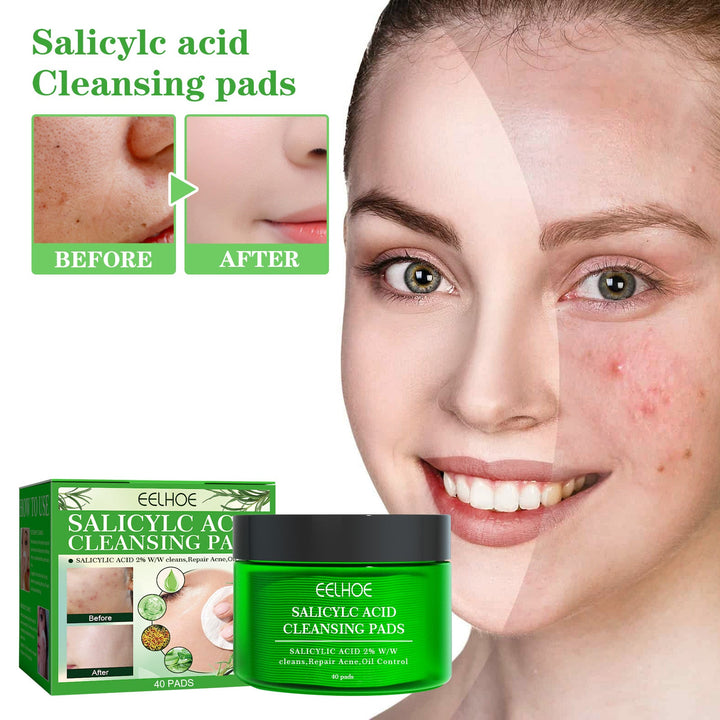
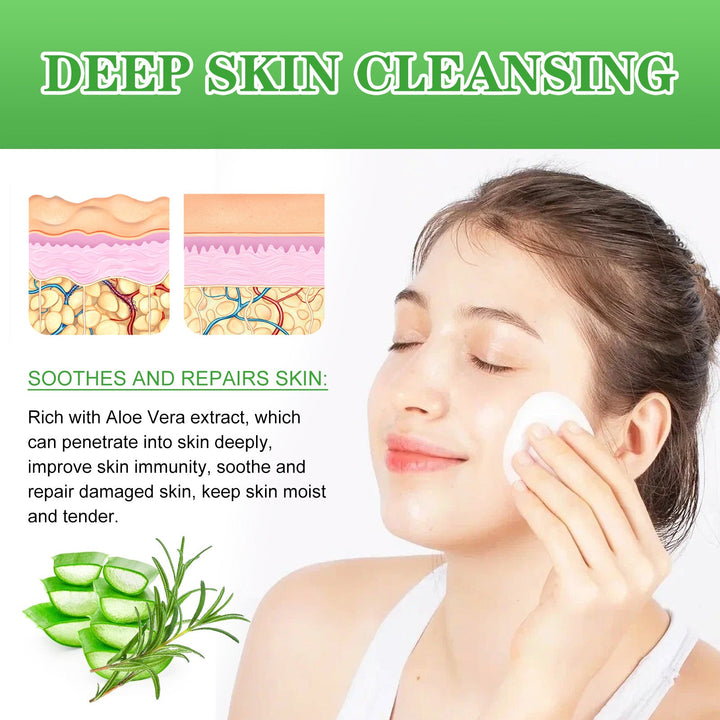


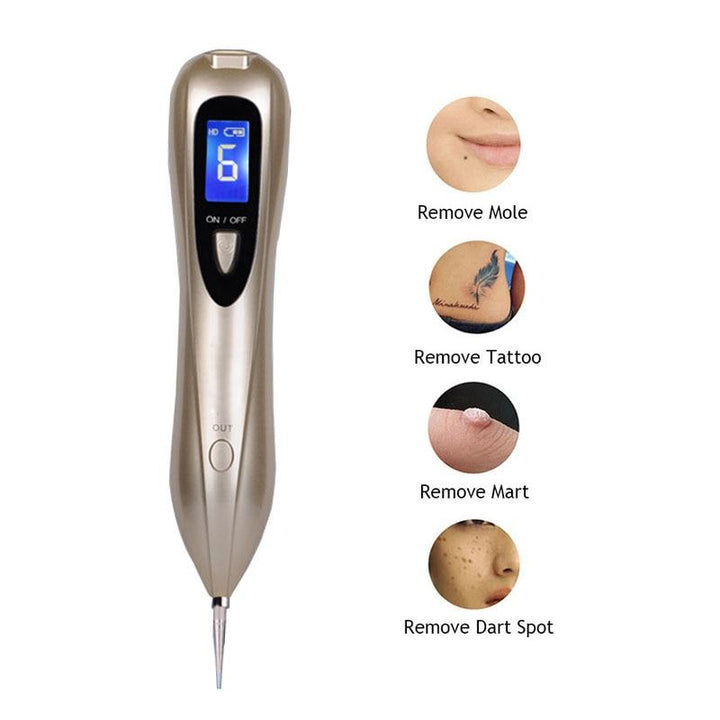
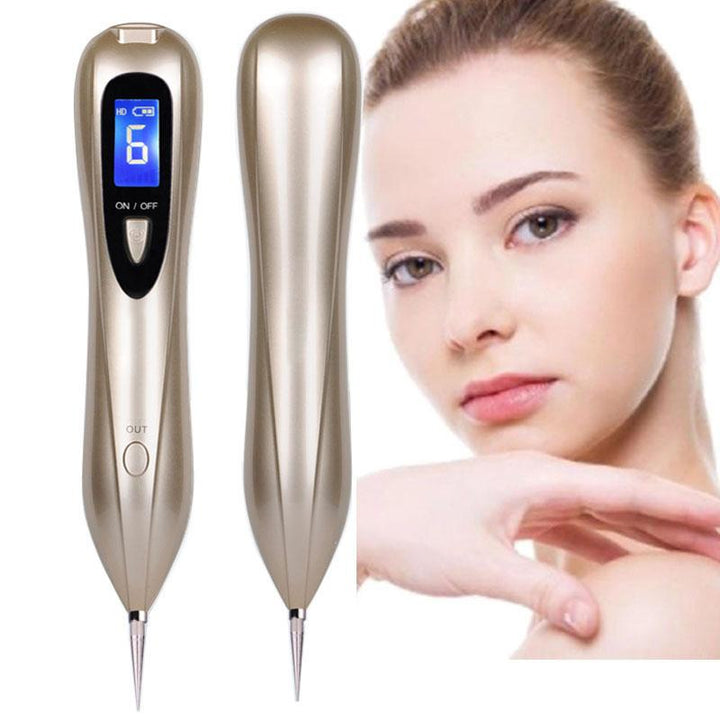

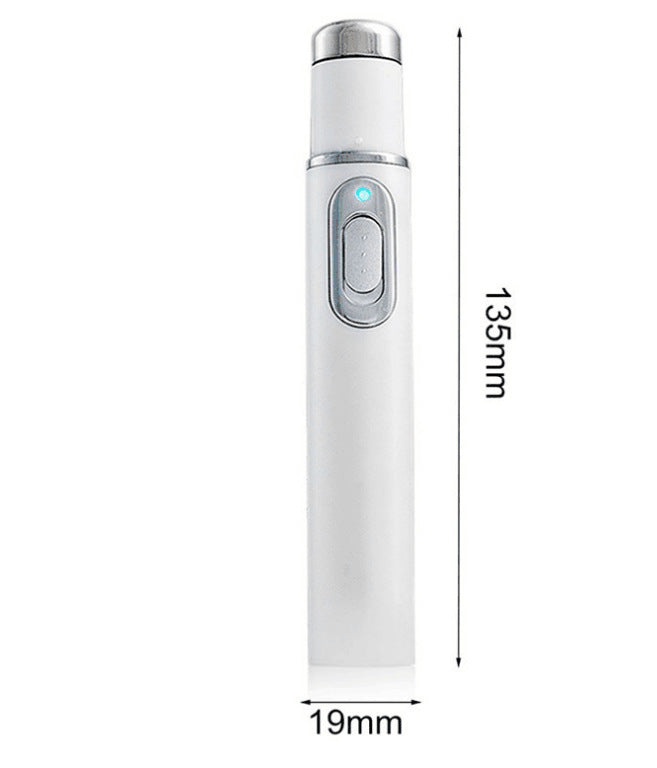
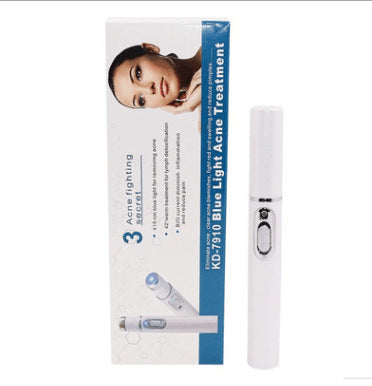
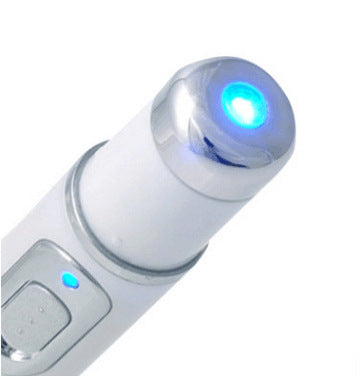

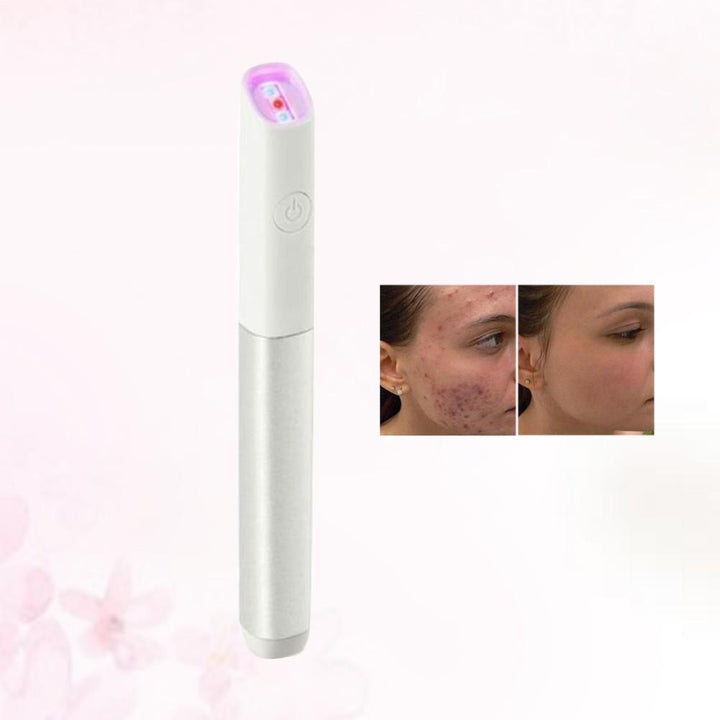
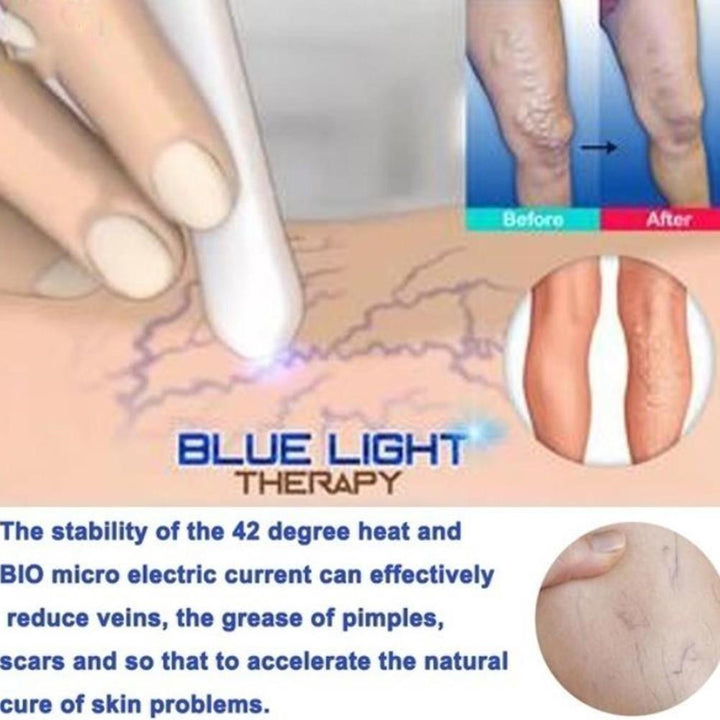
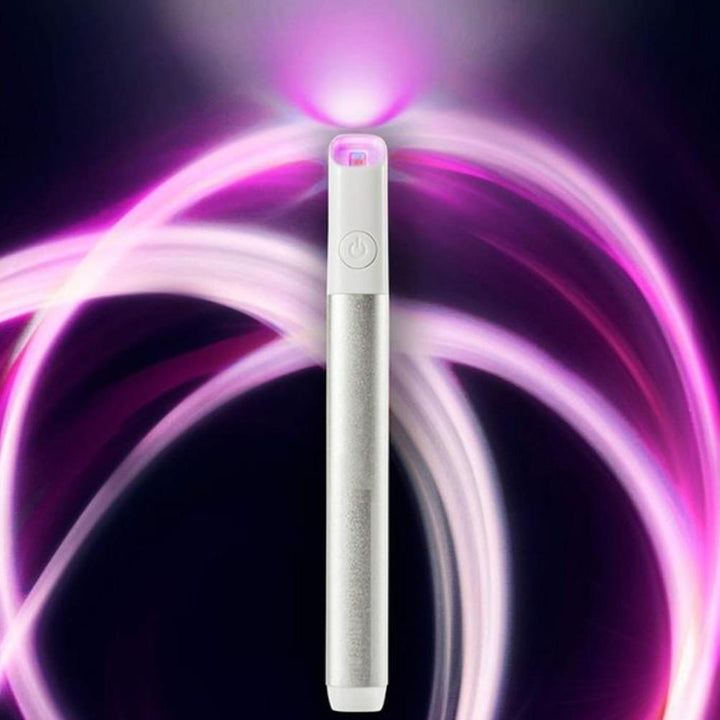
Skin therapy devices can help you build a more consistent at-home skincare routine, from LED light treatments and blue-light blemish tools to exfoliating glycolic acid pads. Compare the intended use, treatment area, settings, and safety guidance for each option before choosing a tool for your goals.
How do you choose the right skin therapy device?
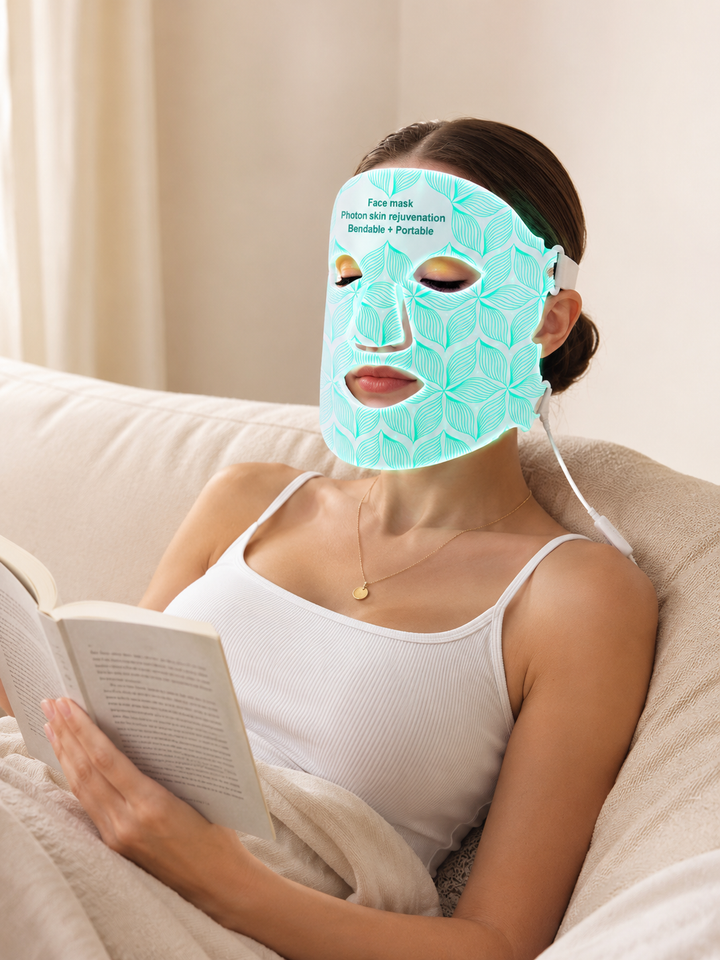
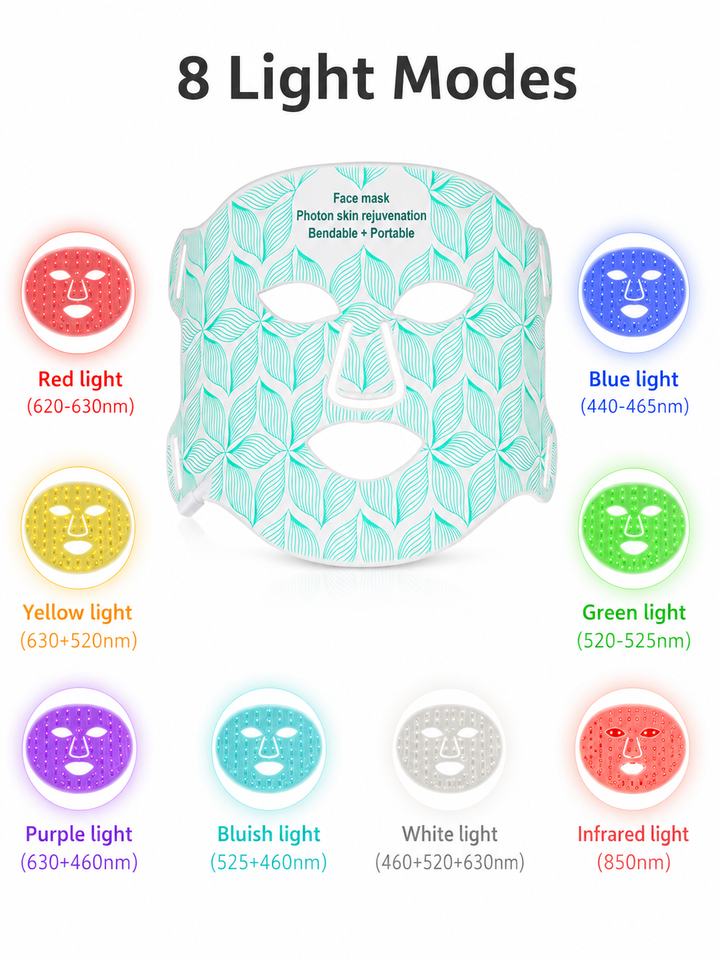
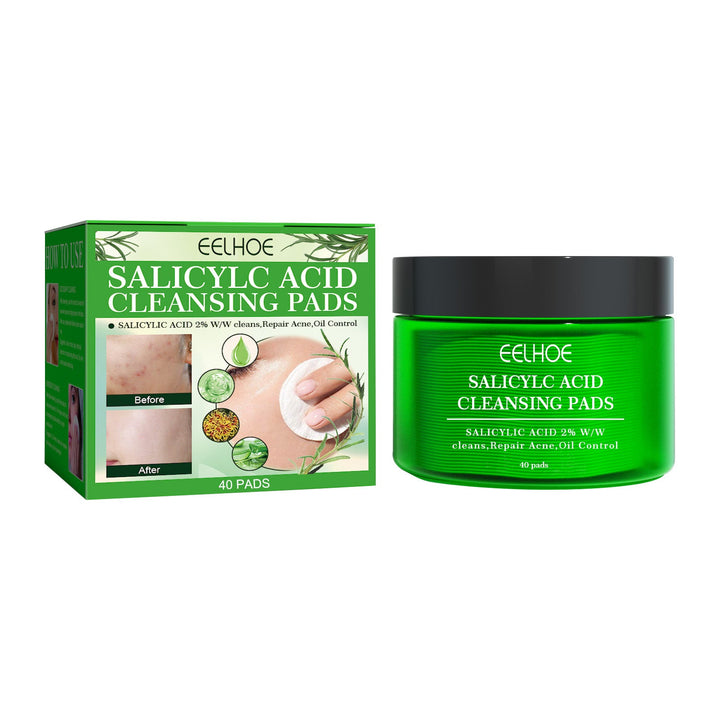
Start with the concern you want to address and match it to the product’s stated purpose. The 8-Color LED Photon Facial Mask is designed for facial light therapy with multiple color settings, while the Portable Blue Light Acne Pen targets smaller areas and blemish-focused routines. Glycolic Acid Facial Pads offer chemical exfoliation rather than light treatment. Devices marketed for mole, wart, or vein removal require extra caution because unusual, changing, painful, or bleeding skin marks should be assessed by a qualified healthcare professional first. Check whether the tool is suitable for your skin type, whether eye protection is required, how often it can be used, and whether the treatment area is easy to reach. Choose clear instructions over dramatic promises.
What types of skin therapy devices are there?
This category includes several different approaches, so products should not be treated as interchangeable. LED masks use colored light across a broad facial area and may suit shoppers who want a repeatable skincare routine. A blue-light pen is more targeted and portable for selected blemish-prone areas. Glycolic acid pads are pre-soaked exfoliating pads that can help remove surface buildup, but they are skincare products rather than electronic devices. Plasma pens and spider vein eraser pens are intended for specific cosmetic procedures and carry a higher need for careful screening, hygiene, and adherence to instructions. If you are comparing devices for tightening or wrinkles, remember that at-home tools vary widely and should not be expected to replicate professional treatment.
What should you look for in an at-home skin therapy device?
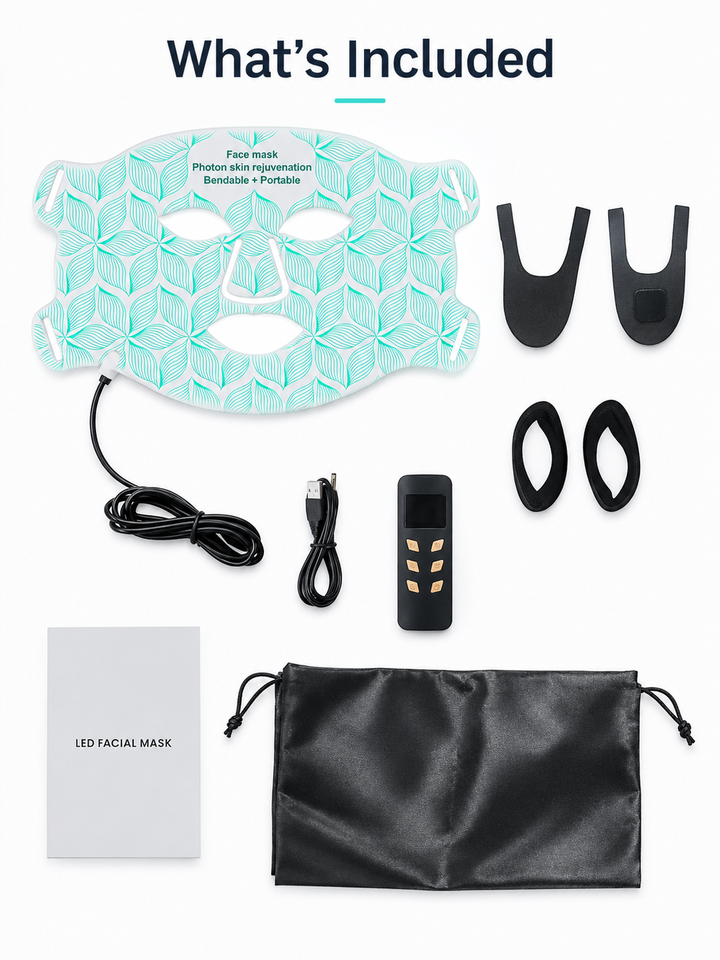
Look for a clearly stated purpose, complete operating instructions, accessible controls, and a treatment design that fits your routine. For an LED mask, check the color options, facial coverage, comfort, charging or power method, and any eye-safety directions. For a pen, consider whether the tip or treatment head is appropriate for precise areas and whether cleaning instructions are provided. With glycolic acid pads, review the ingredient information, suggested frequency, storage guidance, and advice about sun exposure. Avoid relying on celebrity endorsements when asking what device a public figure uses on their face; a product may not suit your skin, budget, or goals. A sensible choice is one you can use consistently and safely.
How do you use skin therapy devices safely at home?
Read the product instructions before the first session and start with clean, dry skin unless the directions say otherwise. Remove makeup and skincare residue before using an LED mask or light pen, and follow all eye-protection guidance. Do not use glycolic acid pads at the same time as every other strong exfoliating or irritating product; introduce them gradually according to the label. Keep treatment heads clean, avoid sharing products that contact the skin, and stop if you experience significant discomfort, swelling, blistering, or a persistent reaction. Do not use a plasma or vein-removal pen on an uncertain skin mark. Protect treated skin from unnecessary sun exposure and seek professional advice if you have a skin condition, take photosensitizing medication, or are unsure whether a device is appropriate.
What are common mistakes when using skin therapy tools?
A common mistake is using a device more often or for longer than directed in pursuit of faster results. Another is combining several new products at once, which makes it difficult to identify the cause of irritation. Shoppers also mistake a broad LED mask for a precision tool, or use a targeted blue-light pen as though it were designed to cover the whole face. Skipping a patch test for exfoliating pads can be problematic, especially for sensitive skin. Do not treat a changing mole, unexplained lesion, or persistent vein concern at home simply because a pen is available. Avoid judging an at-home skin tightening device by dramatic before-and-after claims alone; assess comfort, instructions, realistic expectations, and whether the routine fits your needs.
Who are at-home skin therapy devices best suited for?
These products are best suited to adults who want a structured, non-clinic skincare routine and are willing to follow directions consistently. An LED mask may appeal to someone who prefers hands-free facial coverage, while a portable blue-light pen suits targeted use. Glycolic acid pads may fit shoppers seeking a simple exfoliation step, provided they tolerate the ingredient and follow sun-care guidance. Plasma and vein-removal pens are not casual beauty accessories: they are better approached only after careful consideration of the risks, instructions, and the nature of the skin concern. People with sensitive skin, active irritation, uncertain lesions, eye concerns, or relevant medical conditions should ask a qualified professional before use. No home device guarantees skin tightening, wrinkle reduction, or blemish improvement.
Frequently asked questions
Do skin tightening devices actually work?
Some at-home devices may make skin look temporarily smoother or support a consistent skincare routine, but results vary by technology, person, and use. The products in this category are not a substitute for professional assessment or treatment, and they should not be expected to deliver the same outcome as an in-office procedure.
What is the most effective at-home skin tightening device?
There is no single best device for everyone, and the products here are not all designed specifically for skin tightening. An LED mask may be the most practical choice for broad facial coverage, but compare its instructions and intended use rather than relying on general claims about tightening or wrinkles.
What device does Jennifer Aniston use on her face?
Celebrity routines are not a reliable way to choose a skin therapy device, and a public figure’s routine may not be verified or suitable for your skin. Choose from the LED mask, blue-light pen, glycolic acid pads, or other category products based on their intended use and your own safety needs.
What is the best red light therapy device for skin?
The best option depends on coverage, comfort, controls, instructions, and whether you can use it consistently. The 8-Color LED Photon Facial Mask is the category’s broad facial light-therapy option; review its directions and safety information before use, and keep expectations realistic.
Does red light really get rid of wrinkles?
Red or infrared light should not be described as eliminating wrinkles. Some people use light-based skincare tools to support the appearance of smoother-looking skin, but outcomes vary and at-home devices have limitations. Follow the product directions and consult a qualified professional for persistent or concerning skin changes.
What does Mayo Clinic say about red light therapy?
General medical guidance from reputable sources such as Mayo Clinic should be read in context and does not replace the instructions for a specific product. Red light therapy is not a guaranteed cure for wrinkles or other skin concerns, and questions about suitability, medication interactions, eye safety, or a skin lesion should be discussed with a qualified healthcare professional.